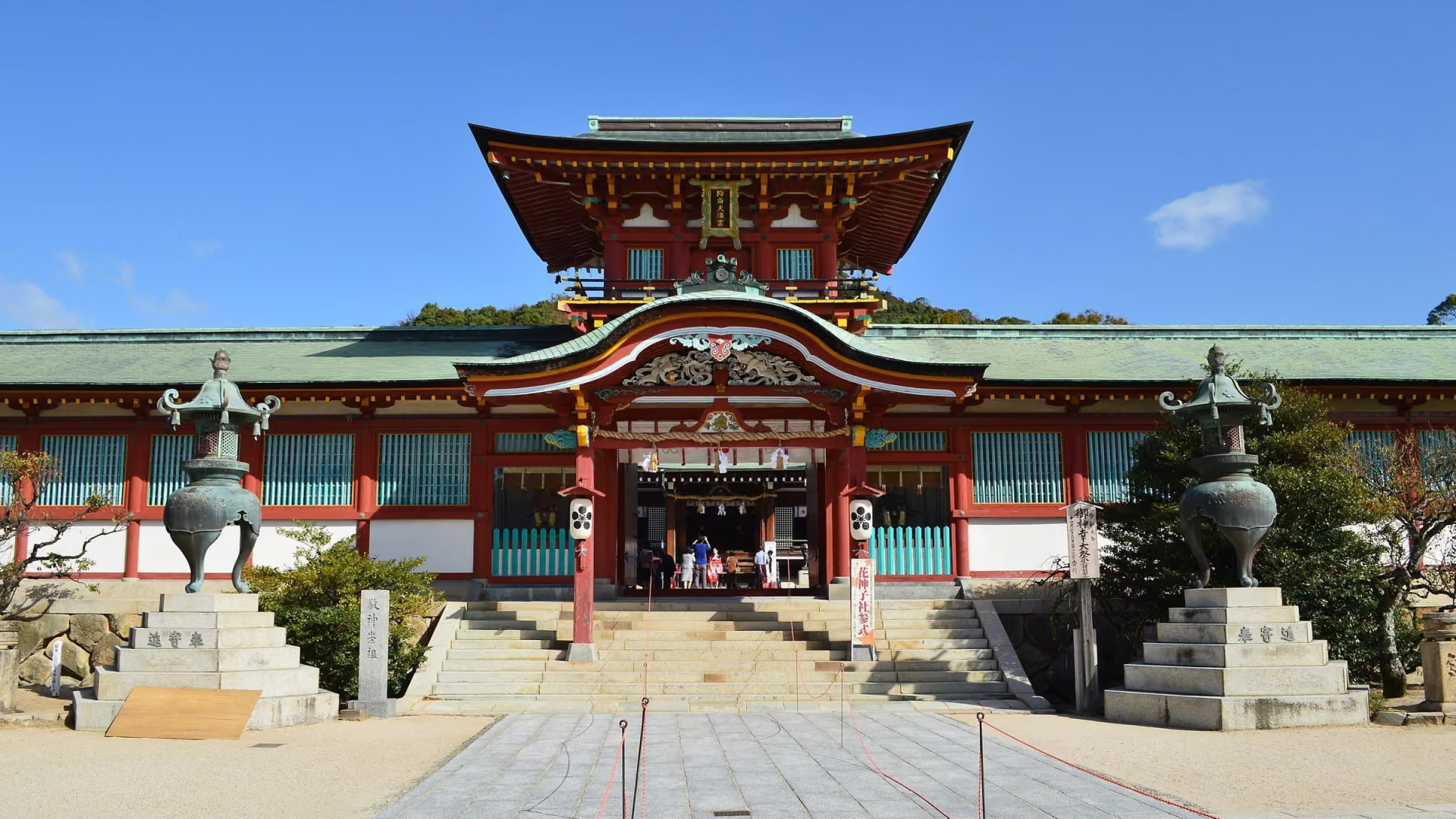
Hofu Tenmangu
Shrine in Hofu founded in 904 for Sugawara no Michizane, worshipped as Tenjin, which calls itself the first Tenmangu in Japan.
Hofu · Yamaguchi

Shrine in Hofu founded in 904 for Sugawara no Michizane, worshipped as Tenjin, which calls itself the first Tenmangu in Japan.
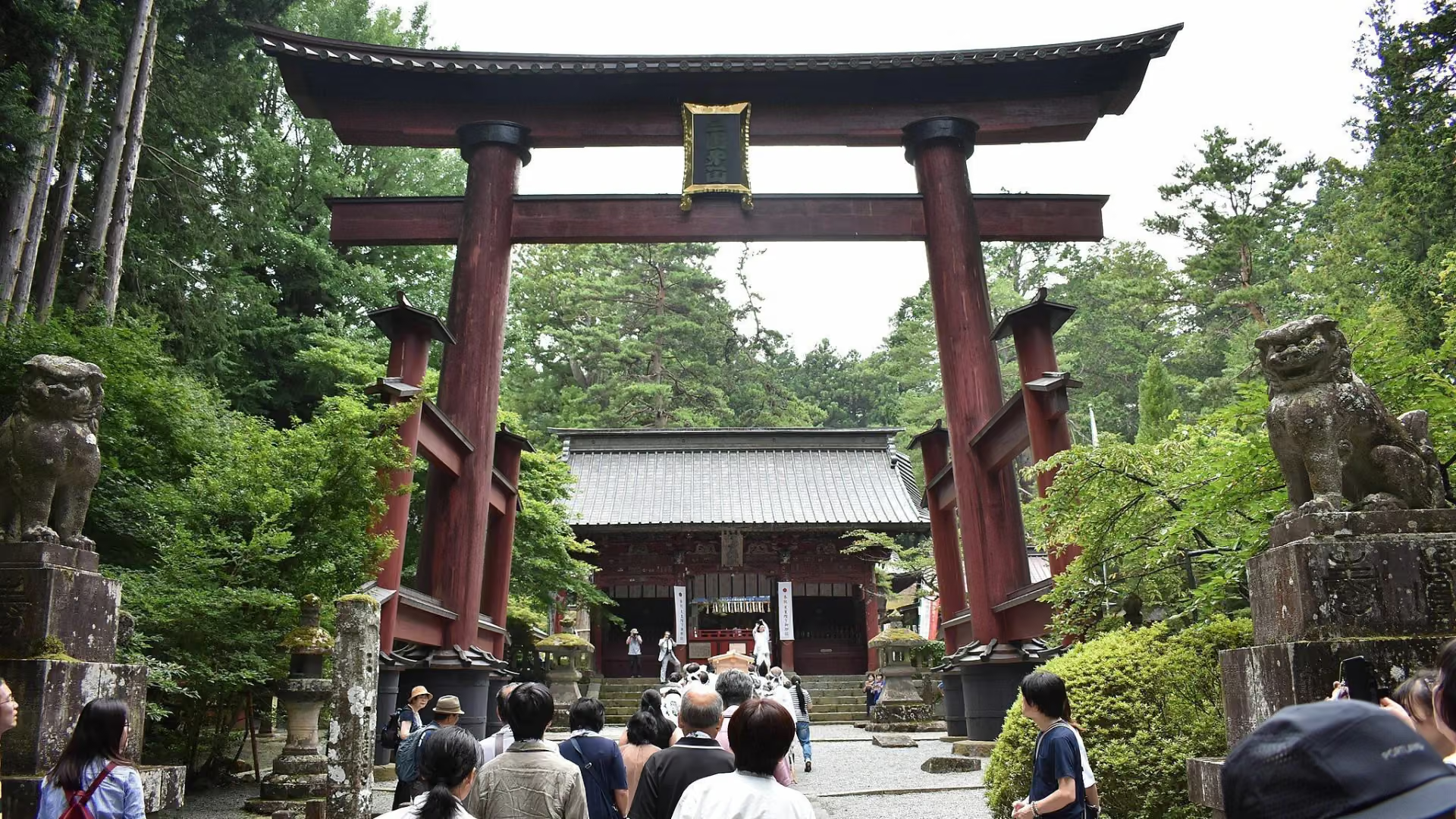
Hofu · YamaguchiShinto shrine at the northern base of Mount Fuji dating to the 2nd century, serving as the traditional departure point for Mount Fuji pilgrimages.
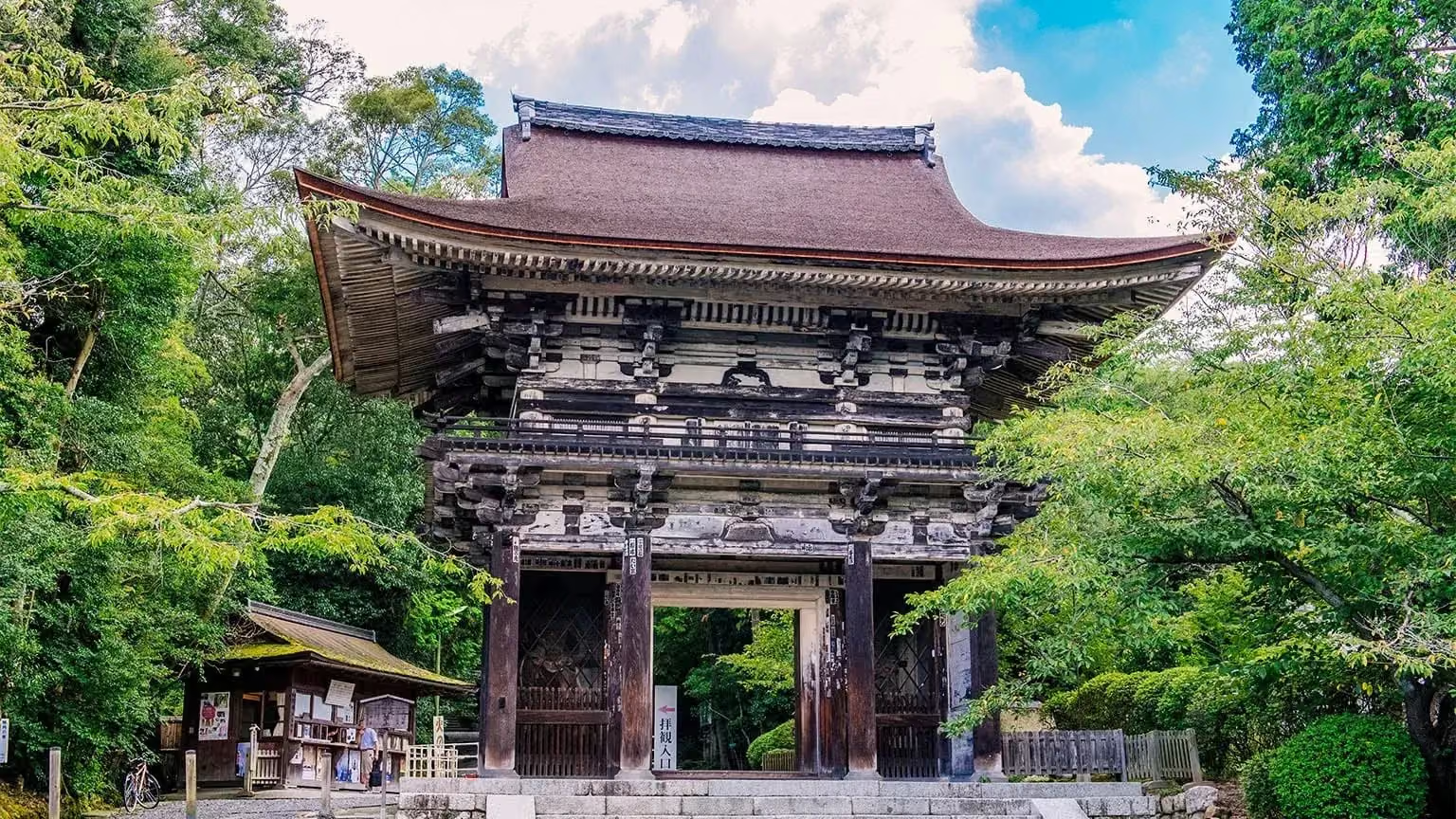
Fujiyoshida · YamanashiHead temple of the Tendai Jimon sect, Miidera was founded in the seventh century and has survived repeated destruction, earning the name Phoenix Temple.
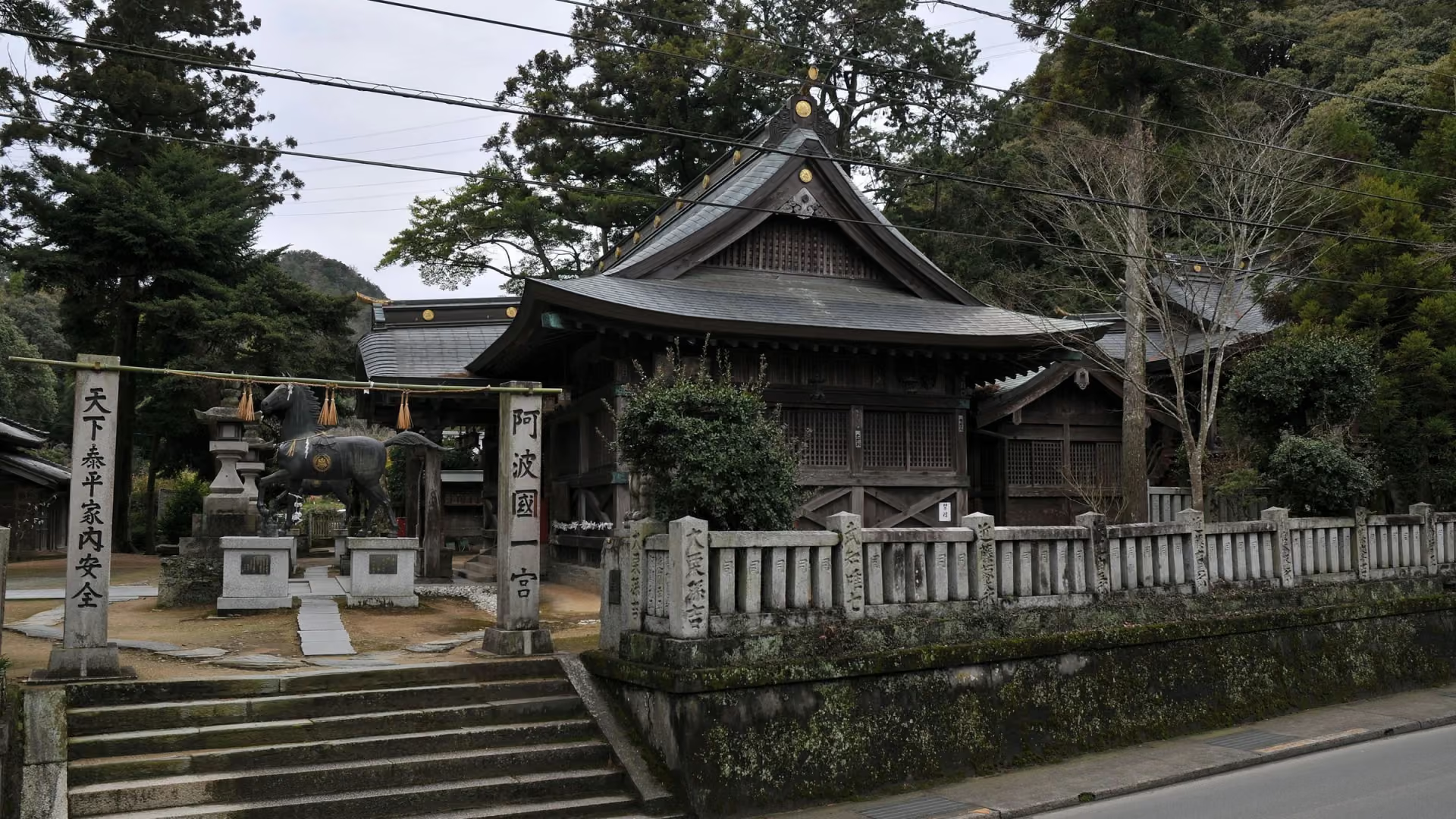
Otsu · ShigaShinto shrine in Tokushima once worshipped as Ichinomiya Daimyojin, with a richly carved main hall from 1630 that is an Important Cultural Property.
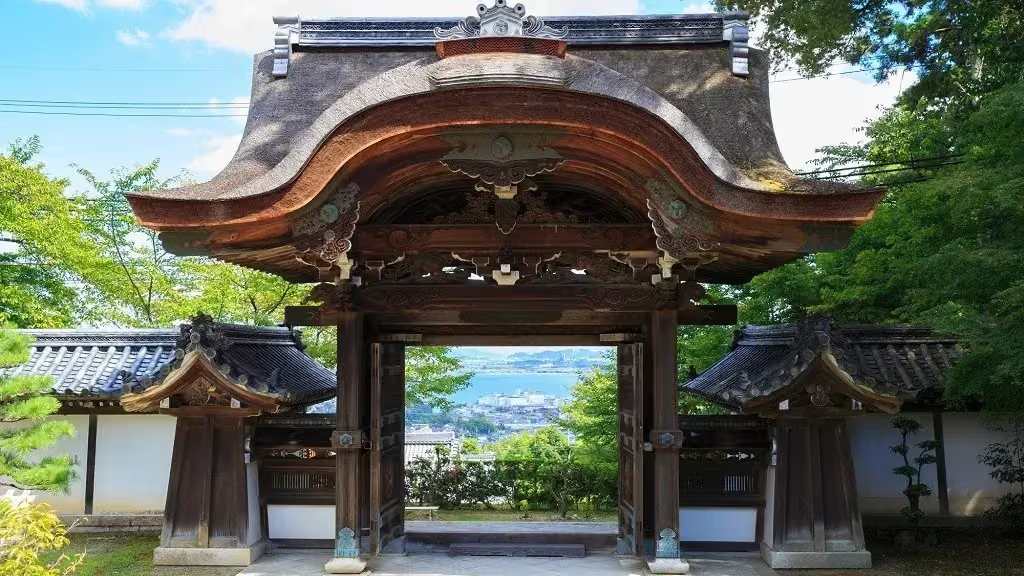
TokushimaHead temple of the Tendai Shinsei school at the foot of Mount Hiei, said to have been founded by Prince Shotoku and revived by Shinsei in 1486.
Otsu · ShigaShingon temple beside the Yoshii River, founded by tradition in 751 around a statue of Senju Kannon, and home of the Eyo naked festival.
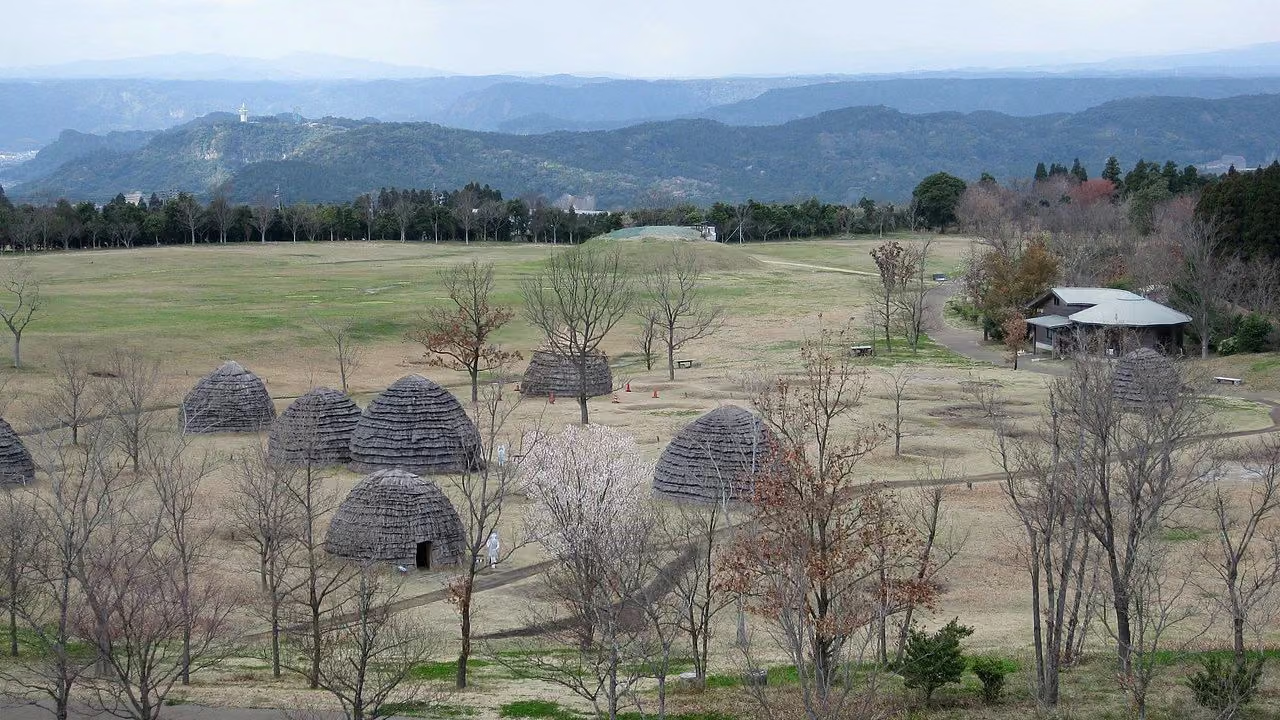
OkayamaJomon-period site on a plateau above Kagoshima Bay, with a village of pit dwellings from about 10,600 years ago, now a 36-hectare park and museum.
Kirishima · KagoshimaA Shingon temple in Sendai on the site of the northernmost provincial temple of the Nara period, with a Yakushi-do hall built by Date Masamune in 1607.
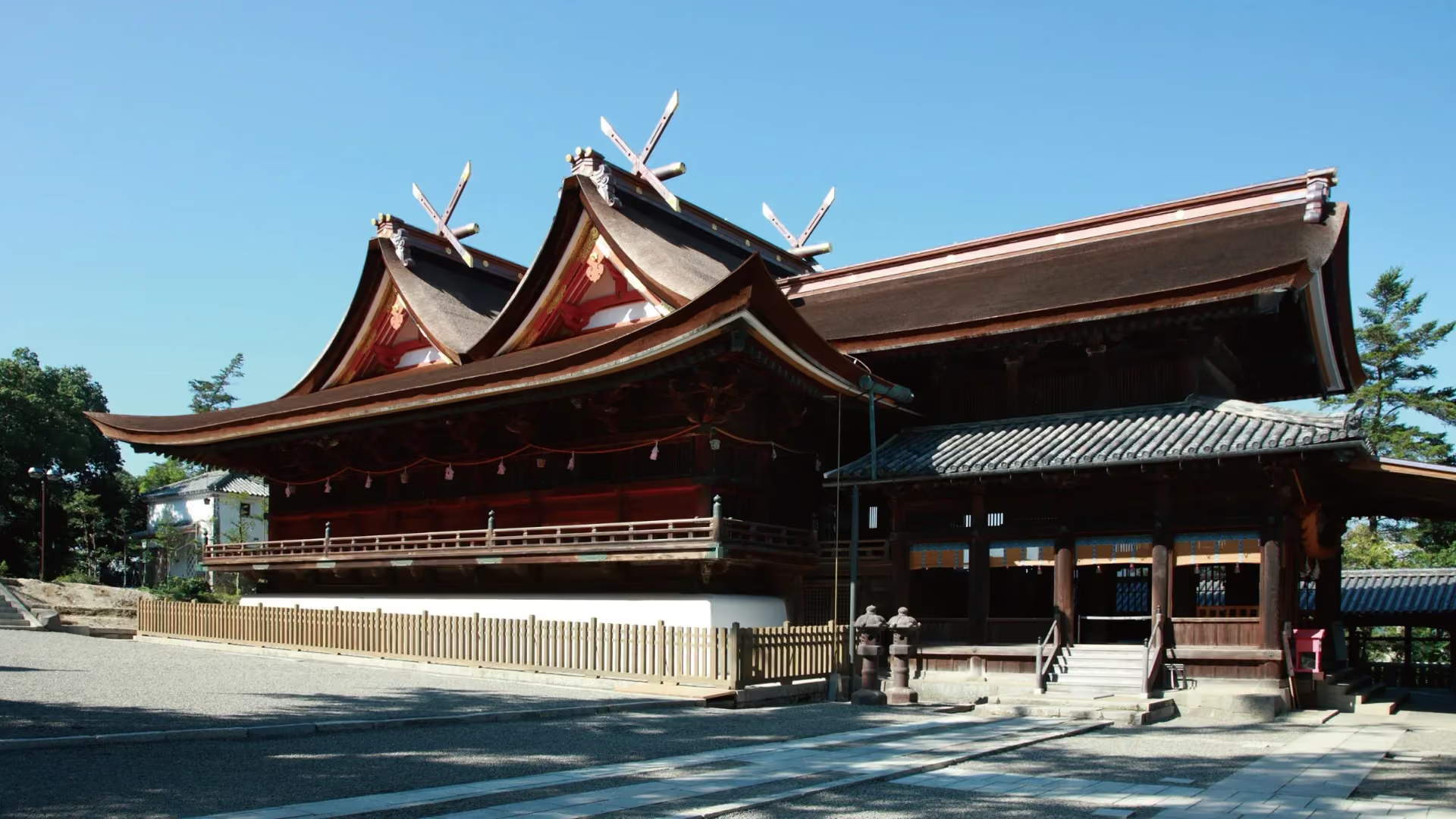
Sendai · MiyagiIchinomiya of Bitchu in Okayama, enshrining Kibitsuhiko, whose defeat of the ogre Ura is said to lie behind the Momotaro tale, in a National Treasure hall.
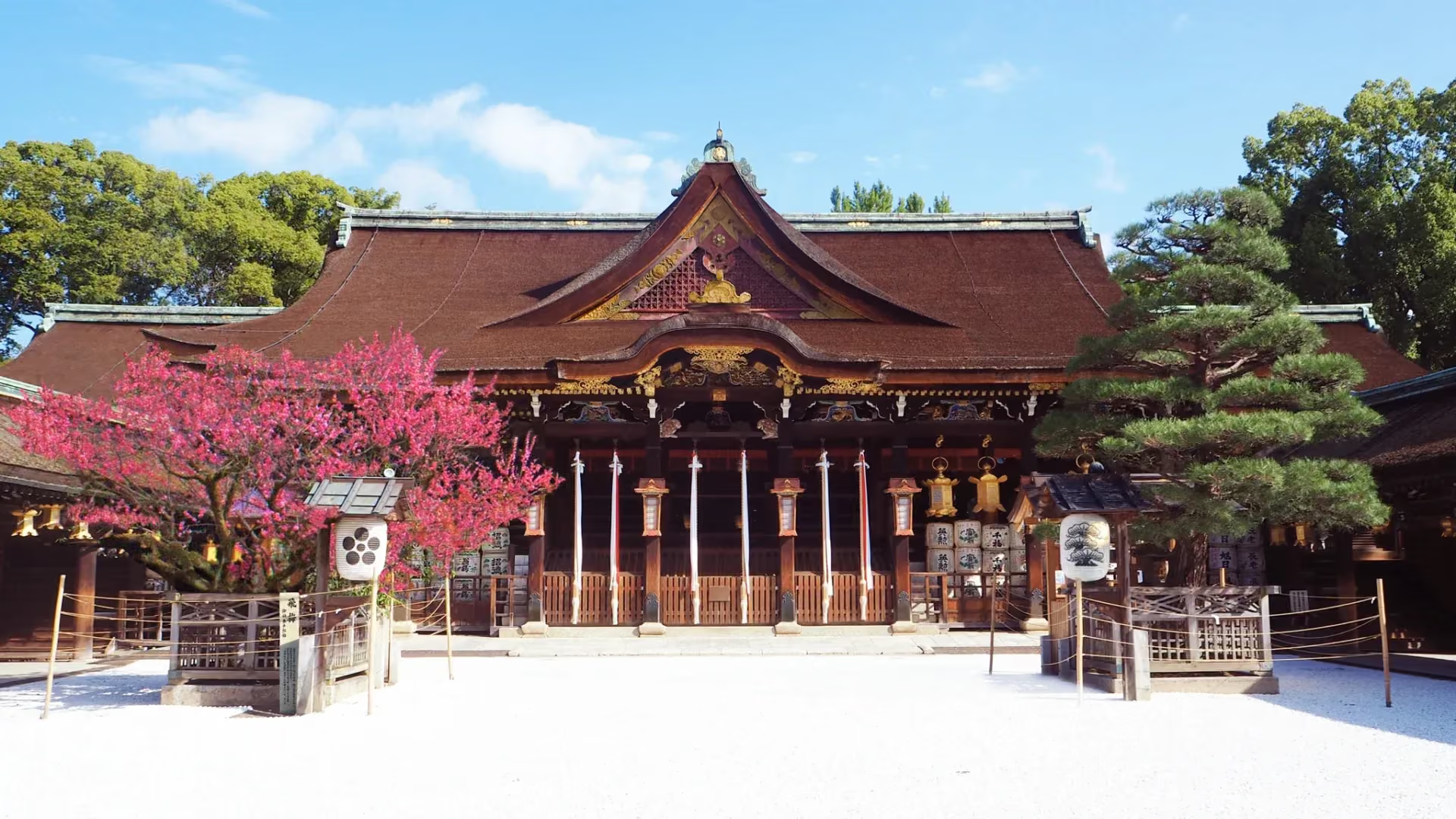
OkayamaThe head shrine of approximately 12,000 Tenmangu and Tenjin shrines throughout Japan, Kitano Tenmangu is dedicated to the deity of learning and culture.
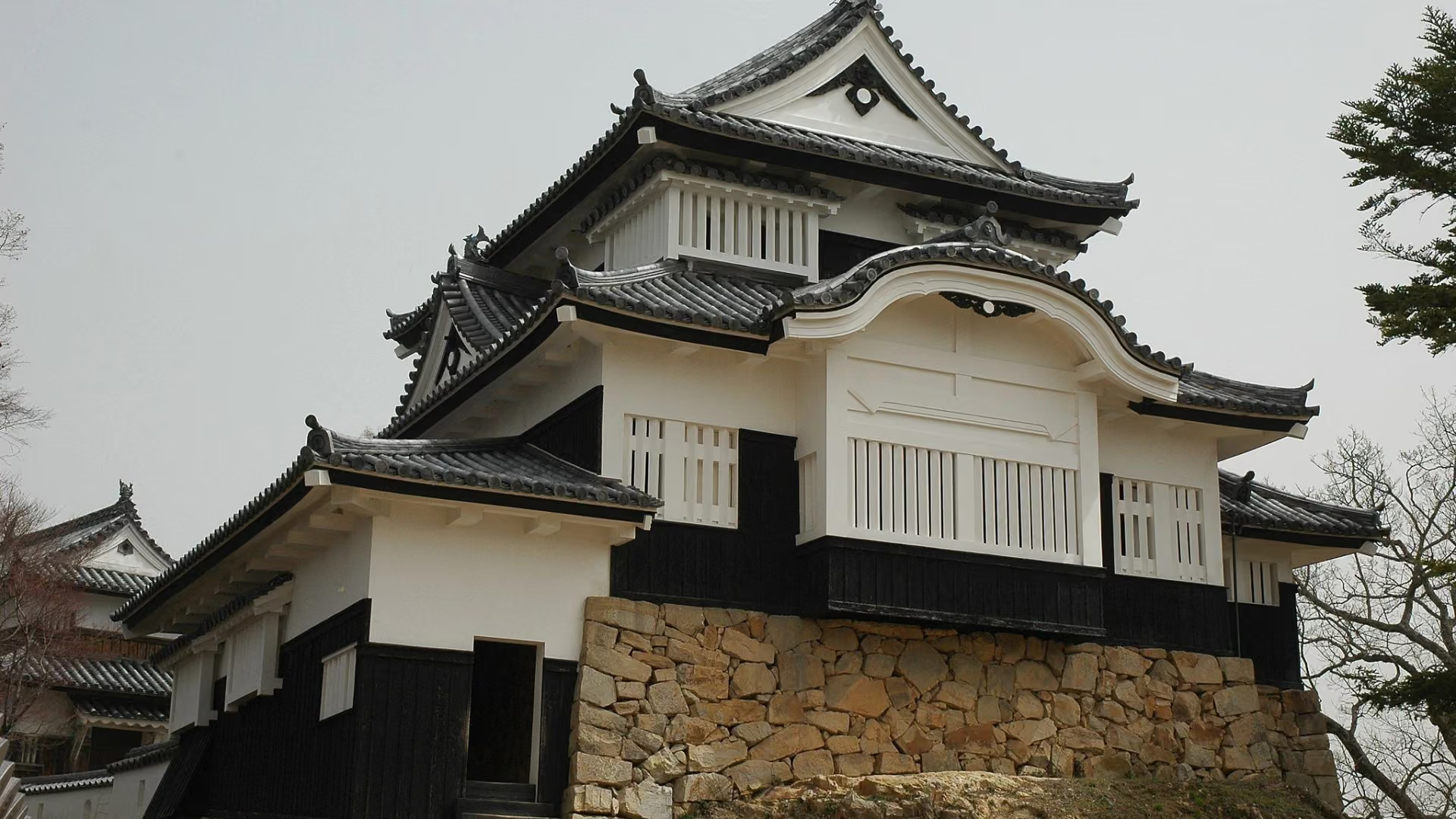
KyotoMountain castle above Takahashi with the only original keep of any mountain castle in Japan, rebuilt in the 1680s and known as the castle in the sky.
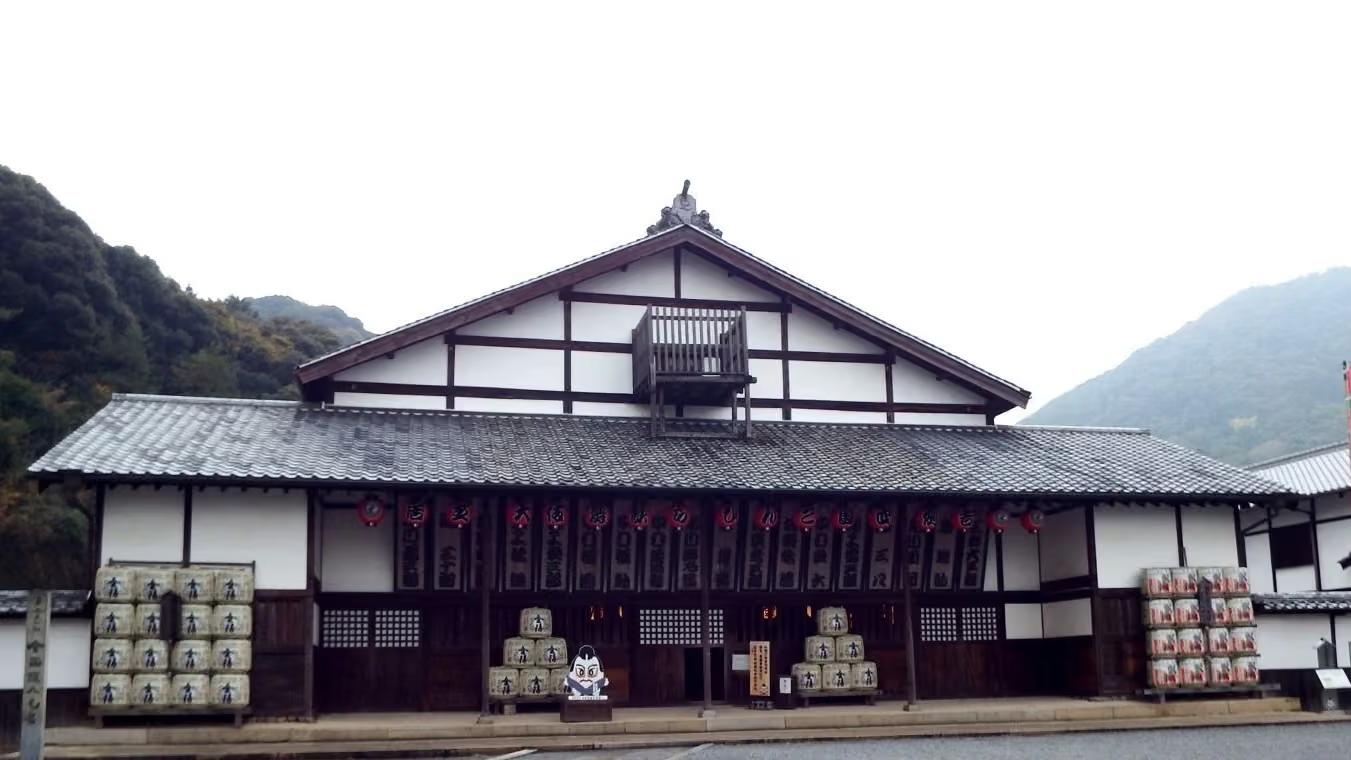
Takahashi · OkayamaJapan's oldest surviving playhouse, built in 1835 and rebuilt on the slope of Mount Atago in 1976, where kabuki is staged every spring.
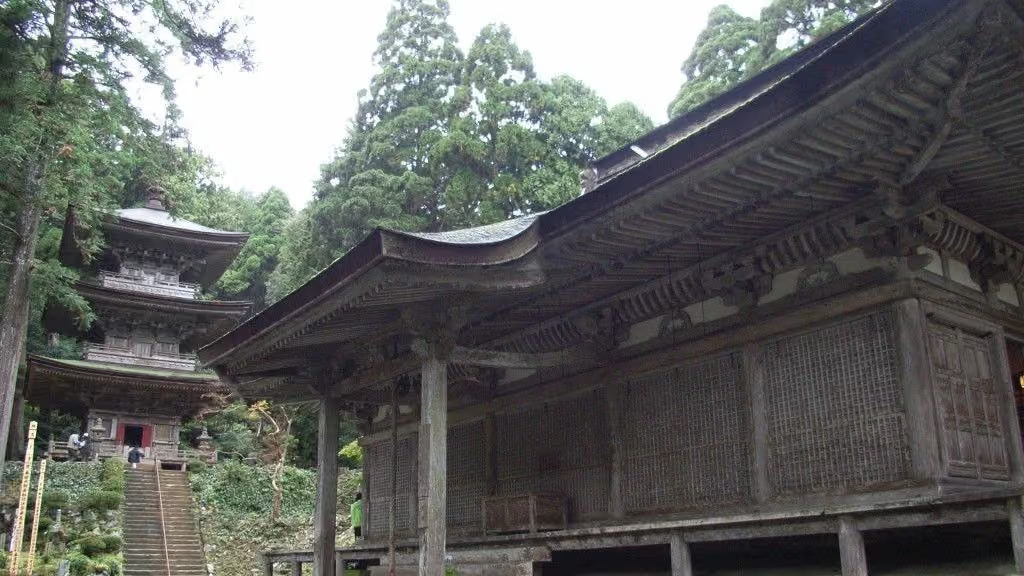
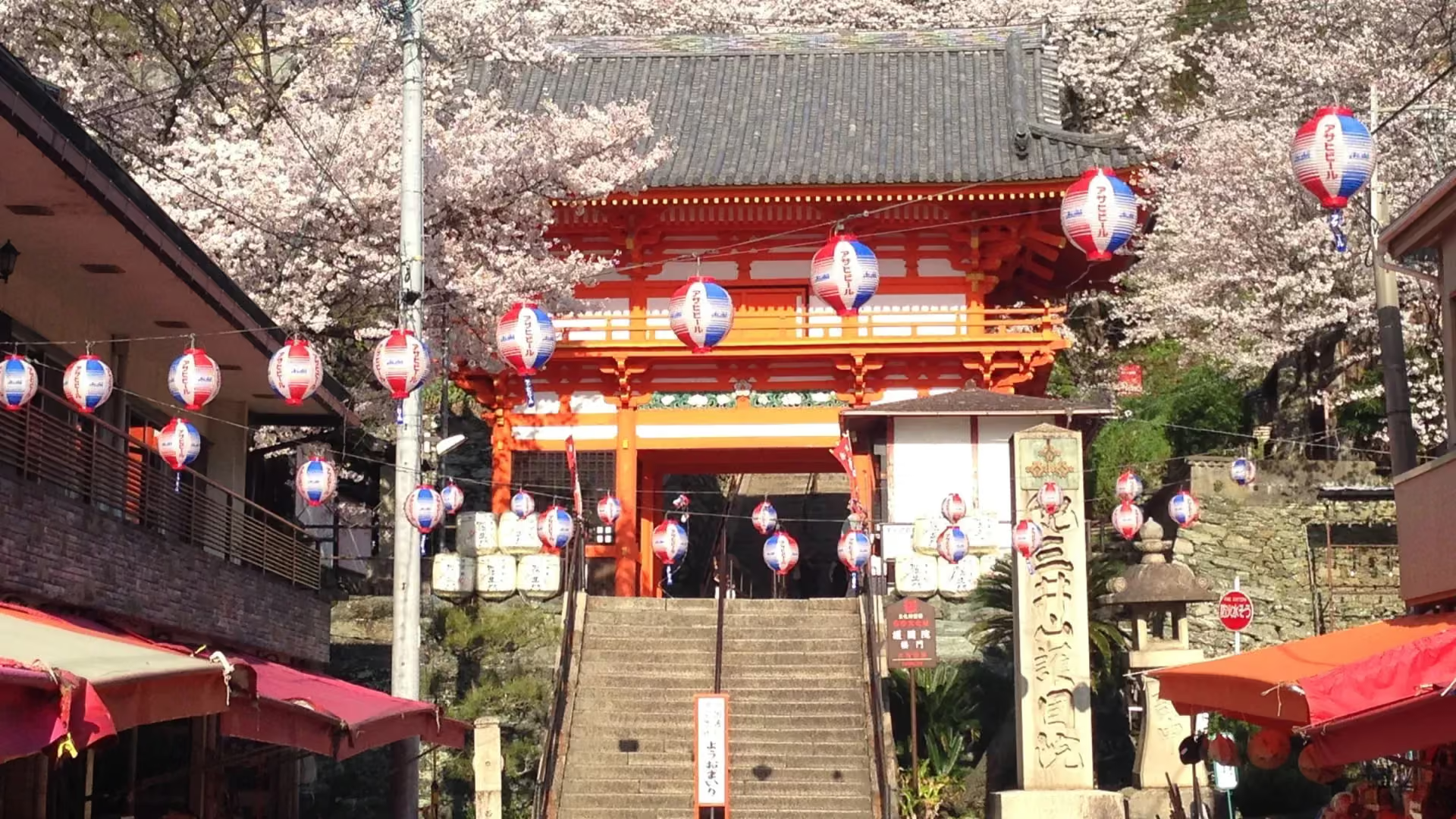
Kotohira · KagawaShingon temple founded in 806 by tradition, with a main hall and three-storey pagoda from the Kamakura period that are National Treasures.
Obama · FukuiA 1,250-year-old Buddhist temple in Wakayama that holds the second position on Japan's oldest pilgrimage route dedicated to Kannon worship.
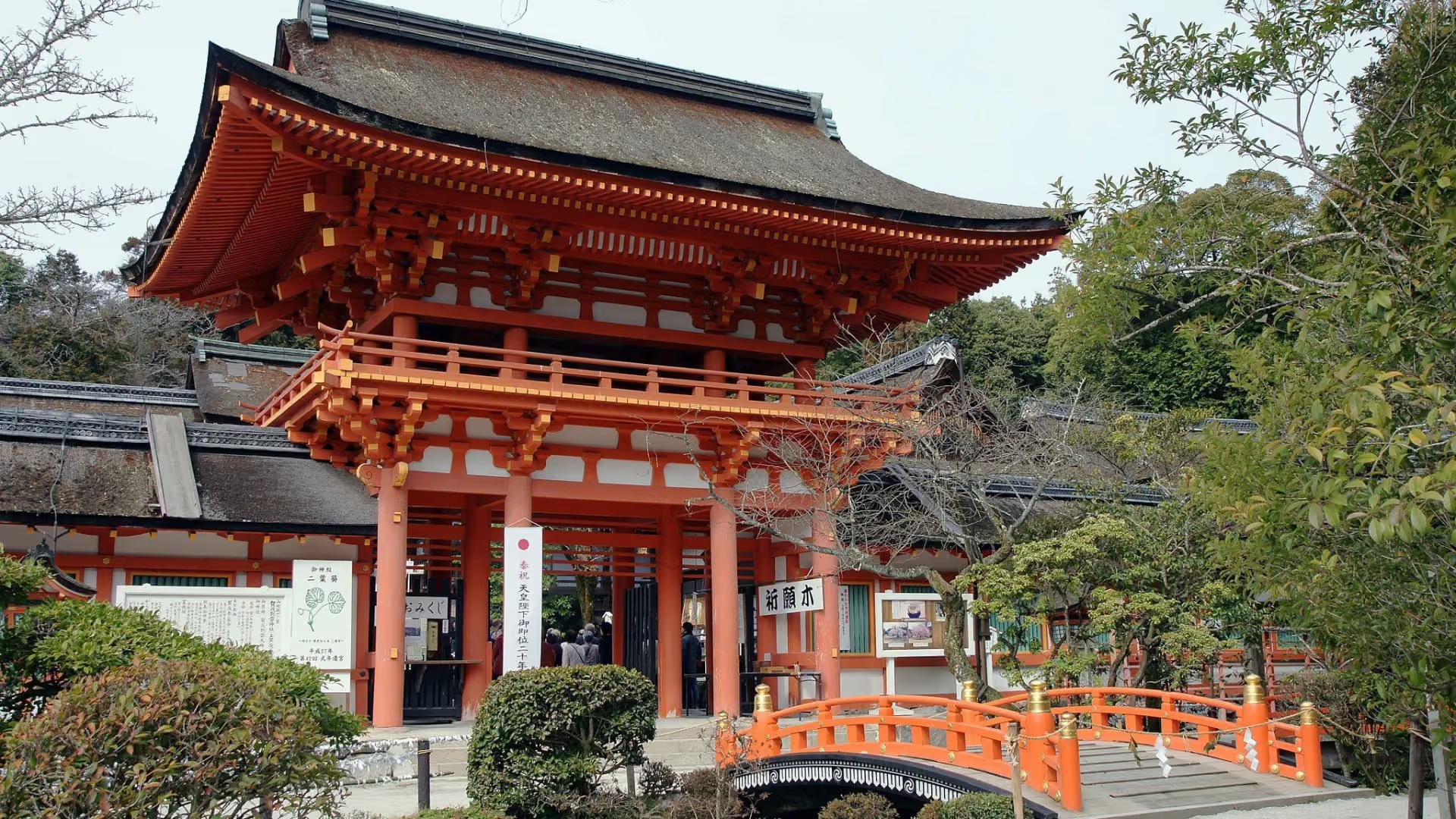
WakayamaShrine to the thunder deity Kamo Wakeikazuchi in northern Kyoto, built in 677 and guardian of the capital from 794, with National Treasure halls.
KyotoHot spring town temple whose chief priest Myokaku is said to have devised the gojuon syllable table; a stupa in his memory is an Important Cultural Property.
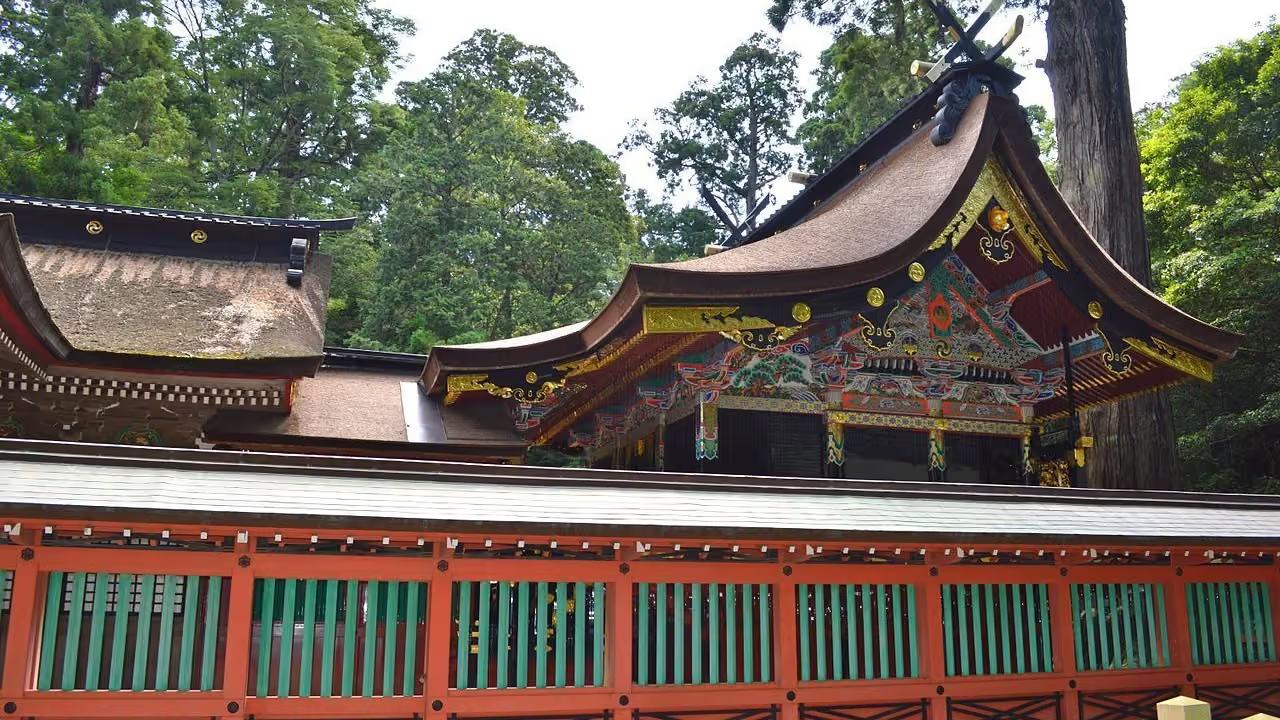
Kaga · IshikawaShrine of the war god Takemikazuchi, traced by tradition to Emperor Jimmu, with Edo period halls given by the Tokugawa and a deer park in its forest.
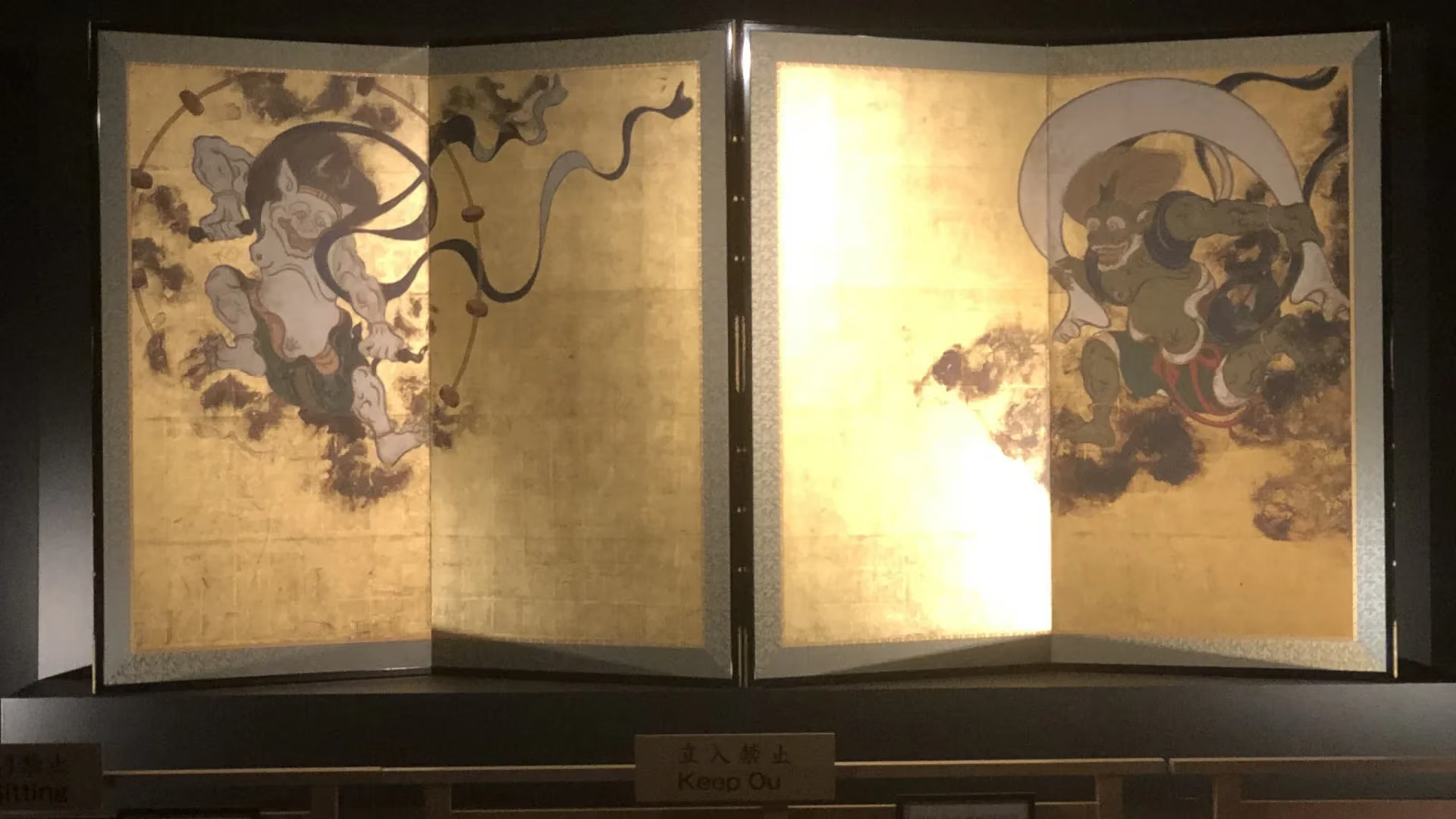
Kashima · IbarakiKennin-ji in Kyoto's Gion district is the oldest Zen temple in the city, founded in 1202 and the head temple of the Kennin-ji branch of Rinzai Zen.
Kyoto