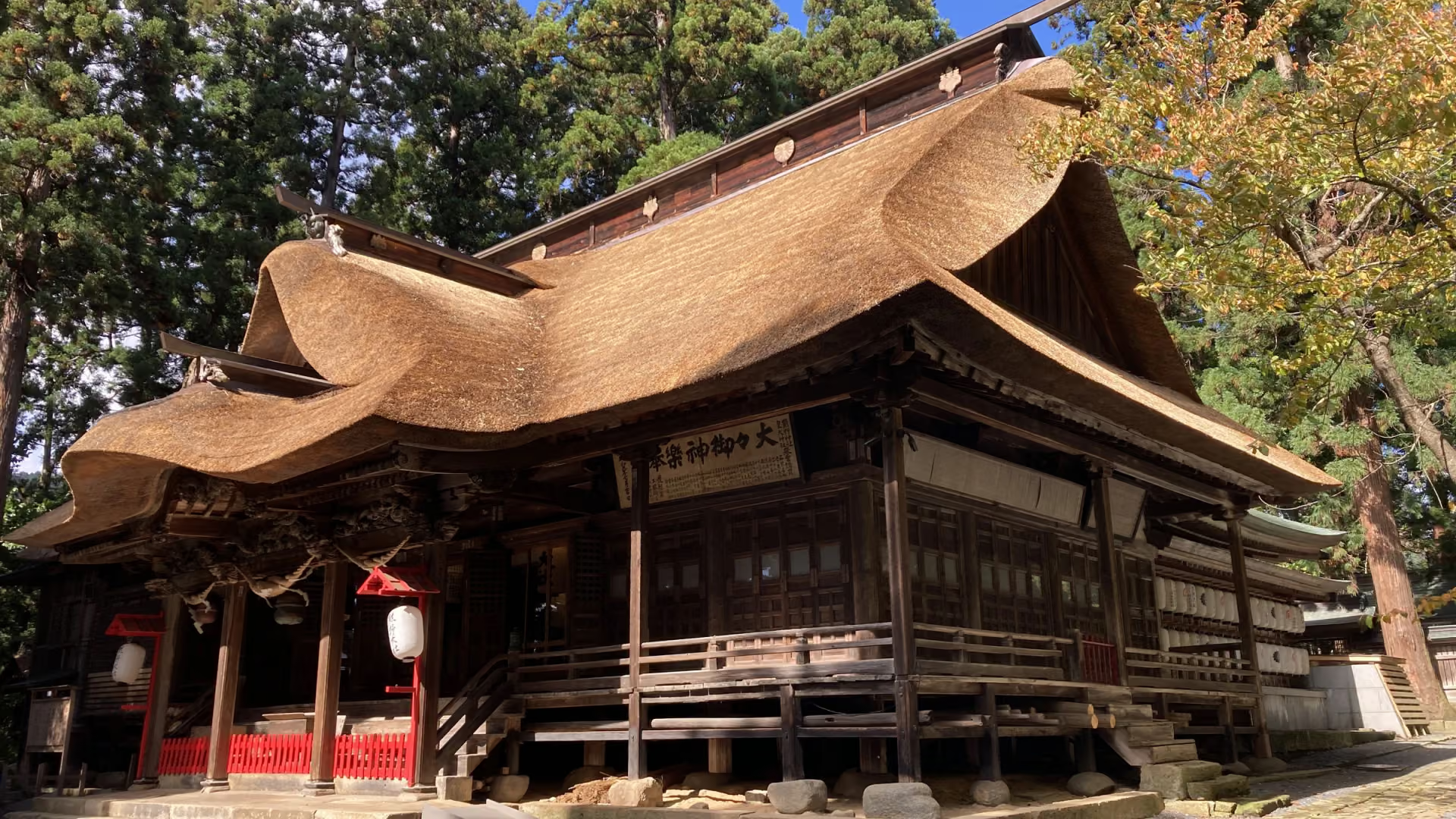
Kurumayama Shrine
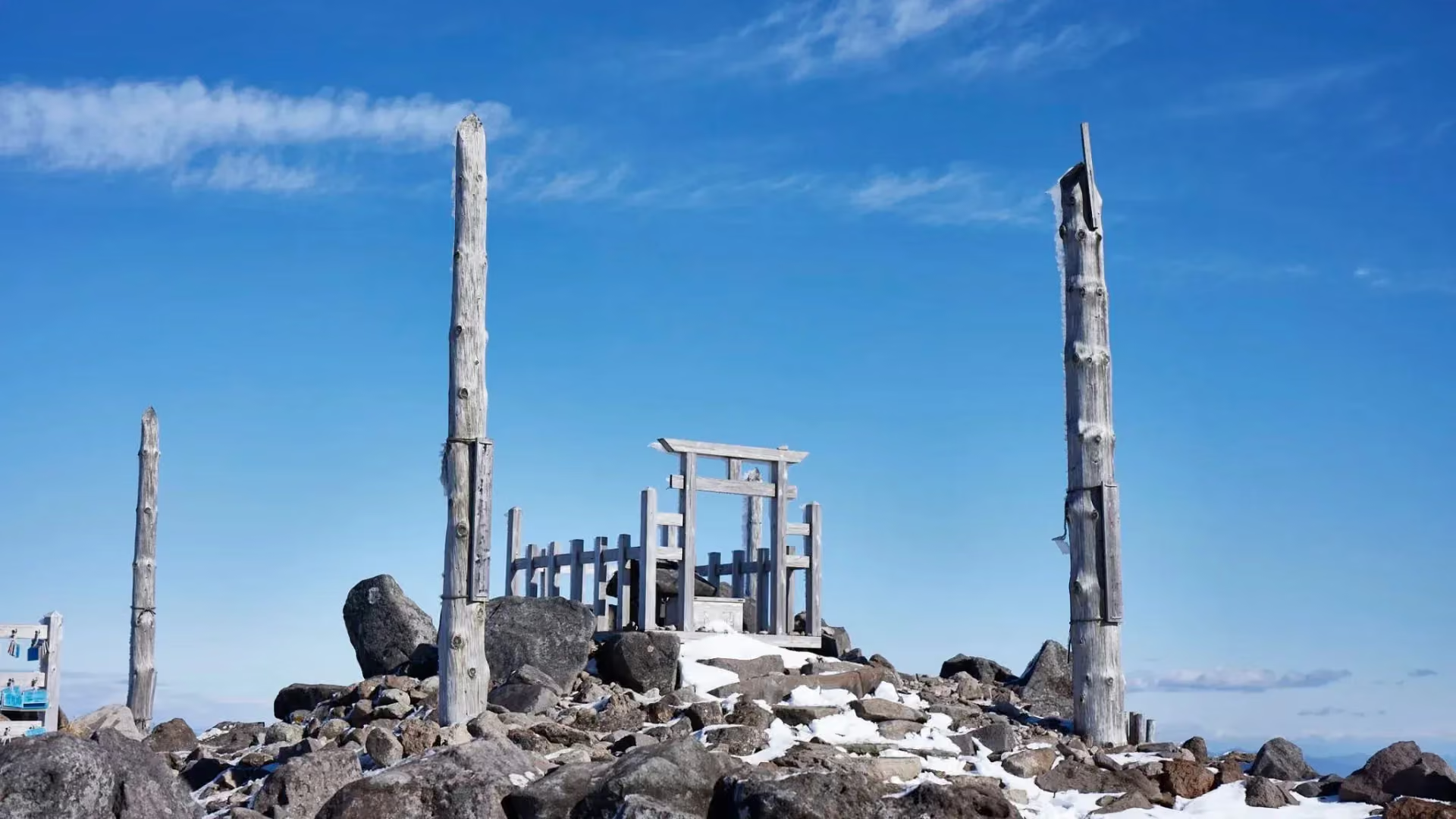
Mountain shrine at 1,925 meters dedicated to the Shinto deity of mountains, regarded as sacred since the Jomon period and steeped in tengu folklore.
Chino · Nagano

Mountain shrine at 1,925 meters dedicated to the Shinto deity of mountains, regarded as sacred since the Jomon period and steeped in tengu folklore.
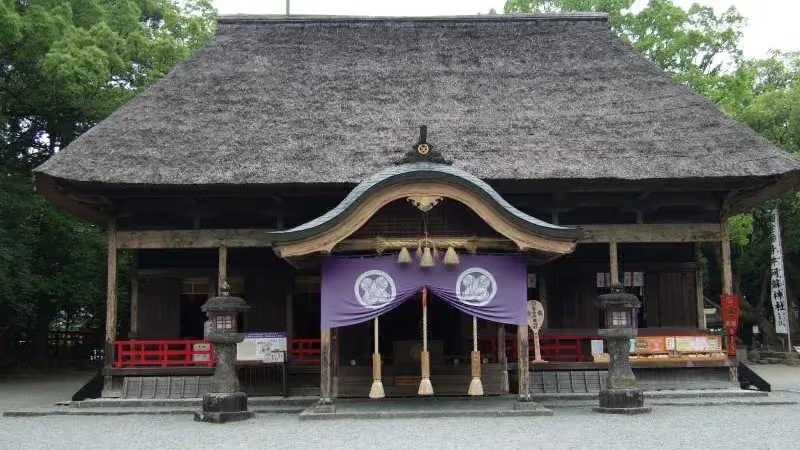
Chino · NaganoShrine dedicated to three protective deities founded 1,200 years ago as a guardian of the Hitoyoshi-Kuma basin and Mount Aso region.
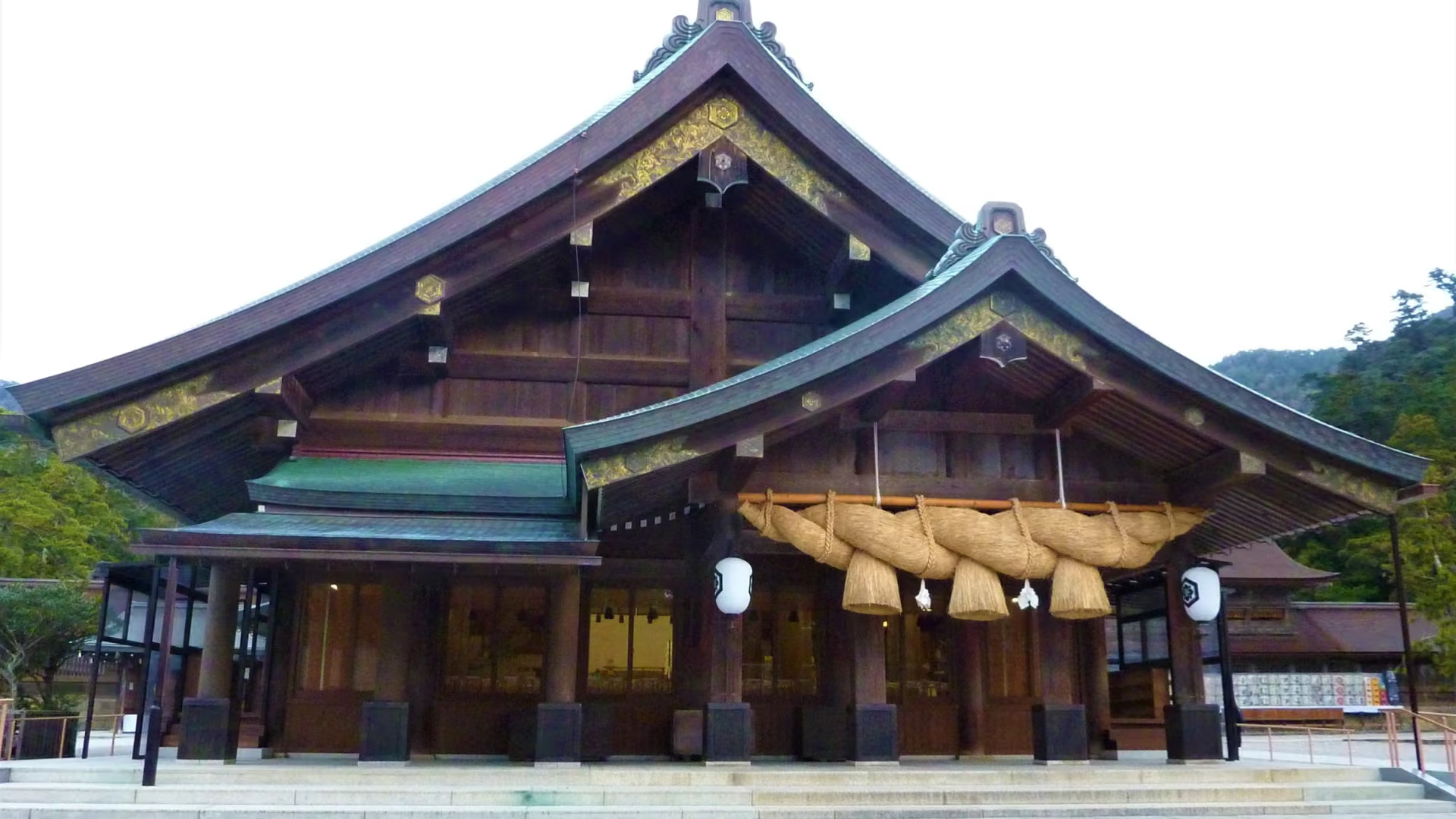
Hitoyoshi · KumamotoOne of Japan's oldest Shinto shrines, dedicated to Okuninushi no Okami, deity of nation-building, agriculture and relationships, with a huge shimenawa rope.
Izumo · ShimaneThis shrine honors Tokugawa Ieyasu, the founder and first military leader of the Tokugawa Shogunate, and was established in 1624.
Maebashi · GunmaA Tenman-gu Shrine in Yamaguchi City founded in 1373, it enshrines Sugawara no Michizane and was relocated in 1618 by the Mori clan.
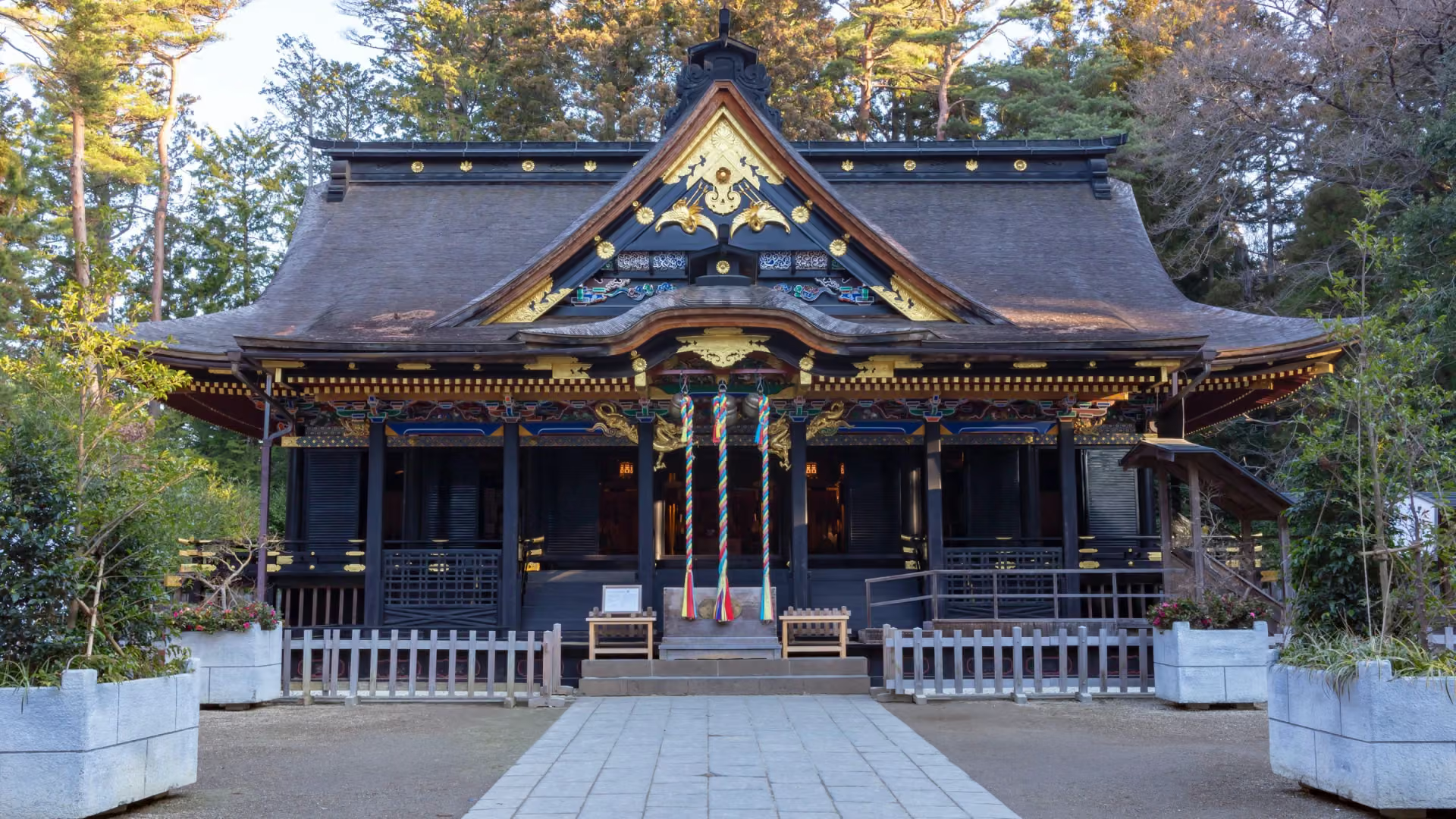
YamaguchiBuilt between 1604 and 1607 under Date Masamune, this shrine showcases Momoyama-era architecture with an intricate main hall designated as a National Treasure.
Sendai · MiyagiOne of three major Kumano shrines in Japan, Kumano Taisha was established in 806 and is known as the Ise Shrine of the North for its significance.
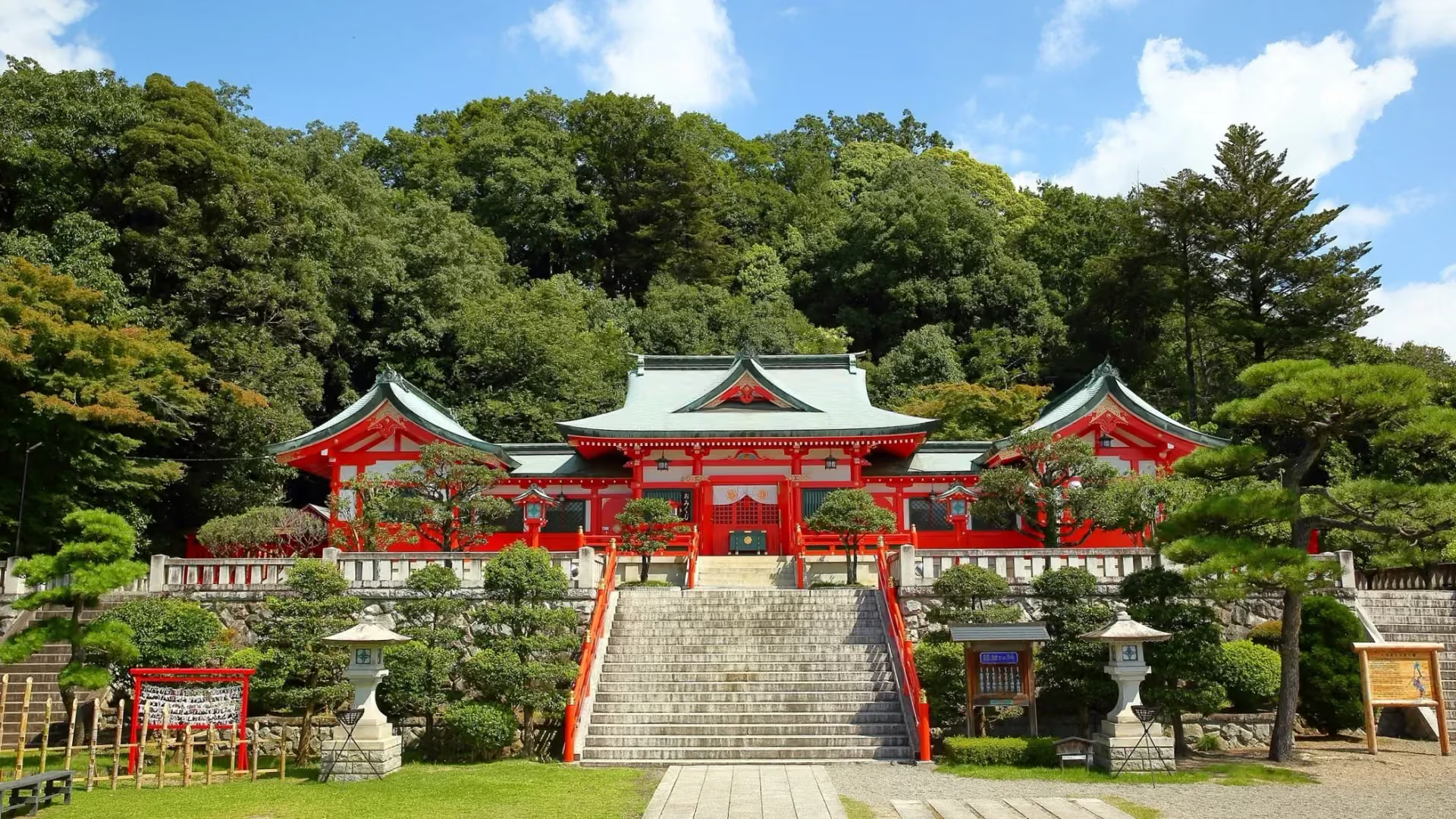
Nanyo · YamagataAshikaga shrine to weaving deities linked to love and prosperity, with a reinforced concrete building of 1937 and four National Tangible Cultural Properties.
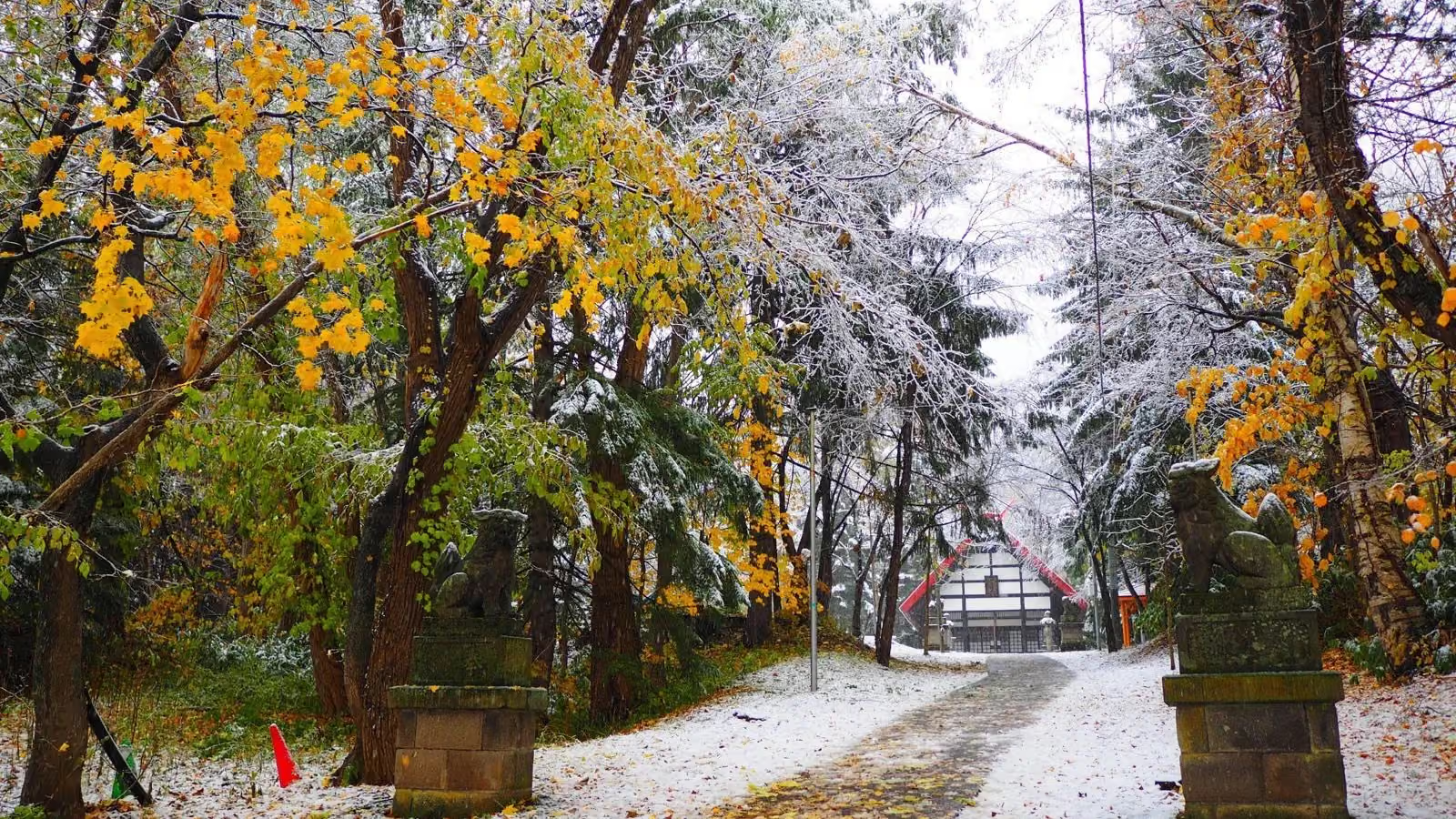
Ashikaga · TochigiA Shinto shrine in Sapporo's Jozankei hot spring resort area, dedicated to the god of hot springs and healing, surrounded by nature and autumn foliage.
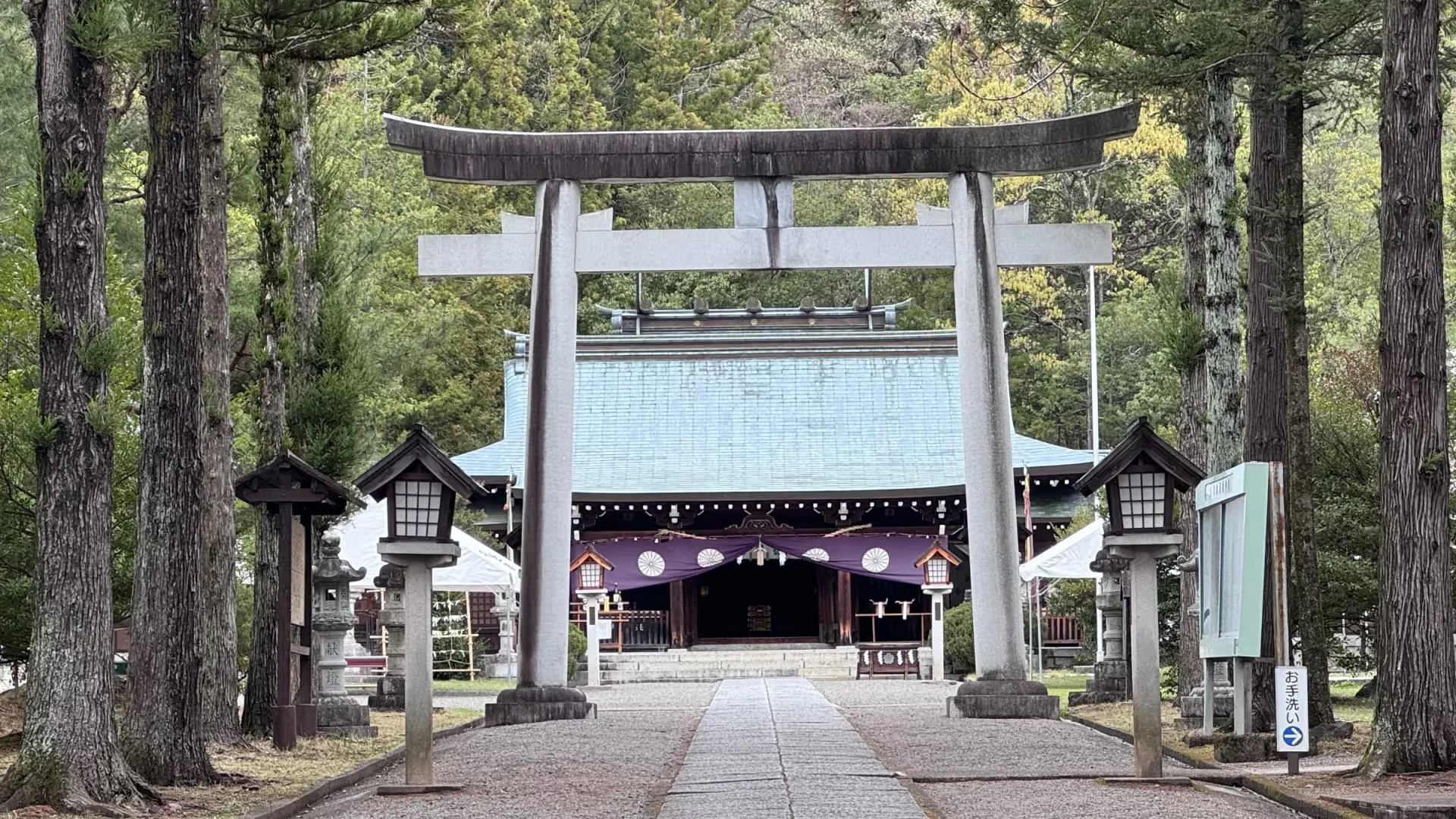
Sapporo · HokkaidoShrine honoring over 25,000 military spirits from conflicts spanning the First Sino-Japanese War through the Pacific War, set among 300 cherry trees.
Kofu · YamanashiA shrine at the foot of Mount Fuji that worships the mountain itself, and the head of more than 1,300 Sengen shrines across Japan.
Fujinomiya · ShizuokaThe tutelary shrine of Nagasaki, re-established in 1625 after the city had been church land, and home of the Kunchi festival.
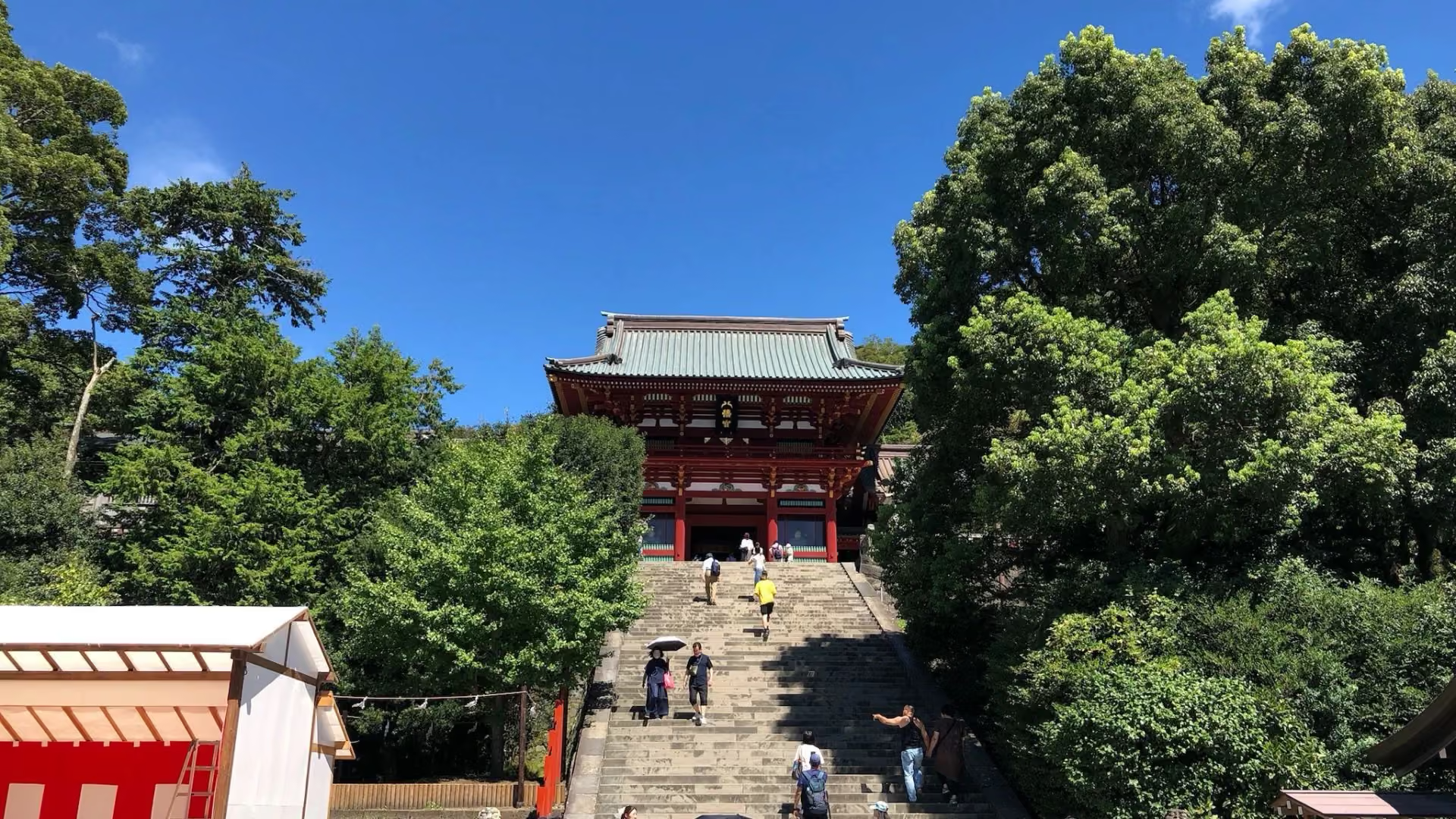
NagasakiShrine founded as guardian deity of the Kamakura shogunate, hosting significant festivals including horseback archery and sumo wrestling traditions.
Kamakura · KanagawaThe highest of the three mountains of Dewa in Yamagata, sacred to the moon god, with a shrine at the summit that opens only in high summer.
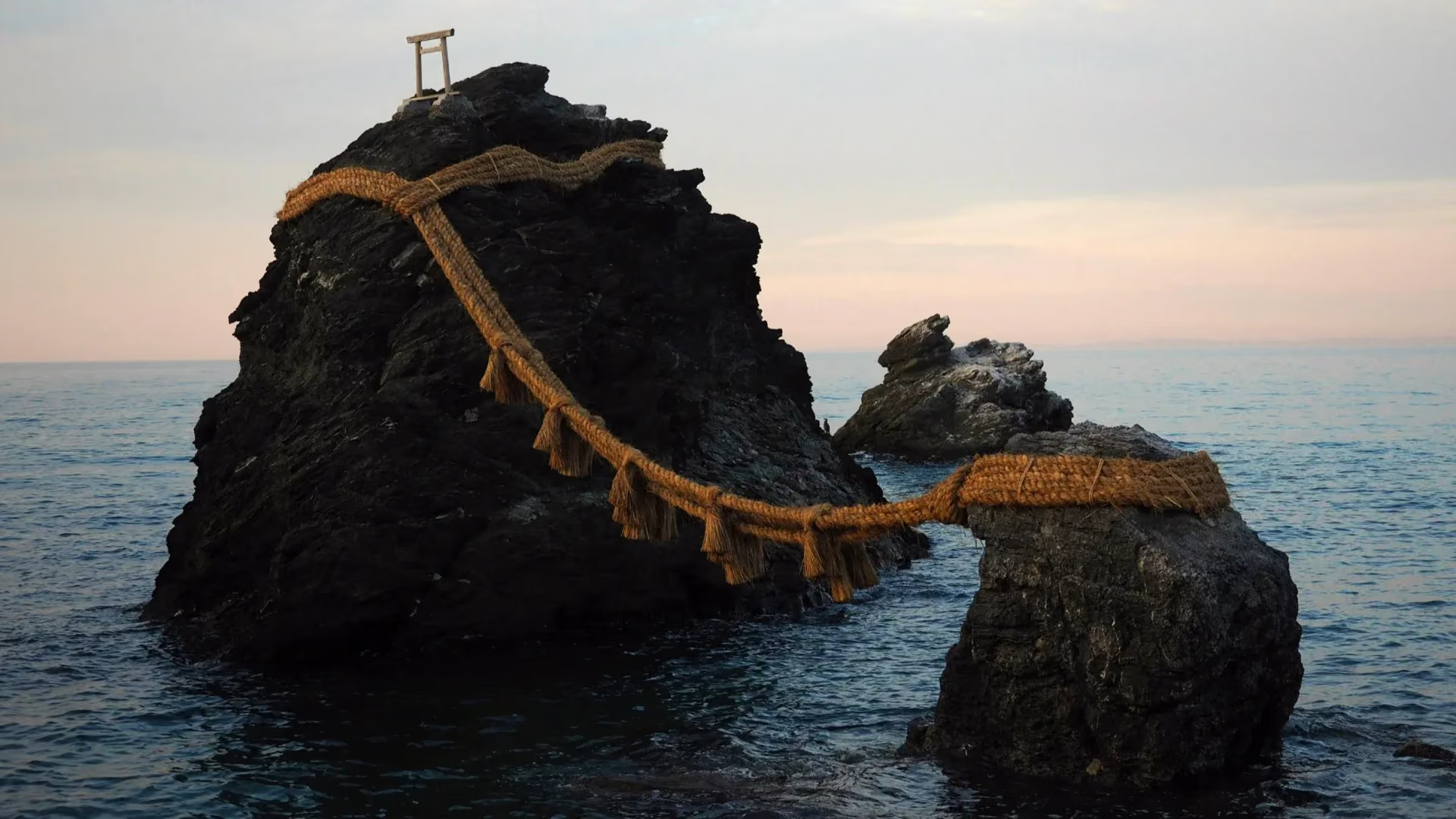
Tsuruoka · YamagataTwo rocks off the shore at Futami in Mie, joined by a rope of rice straw, standing as a gateway to a sacred rock out in the sea.
Ise · MieA shrine on the western shore of Lake Biwa with a torii standing in the water, dedicated to Sarutahiko and known as a shrine of long life.
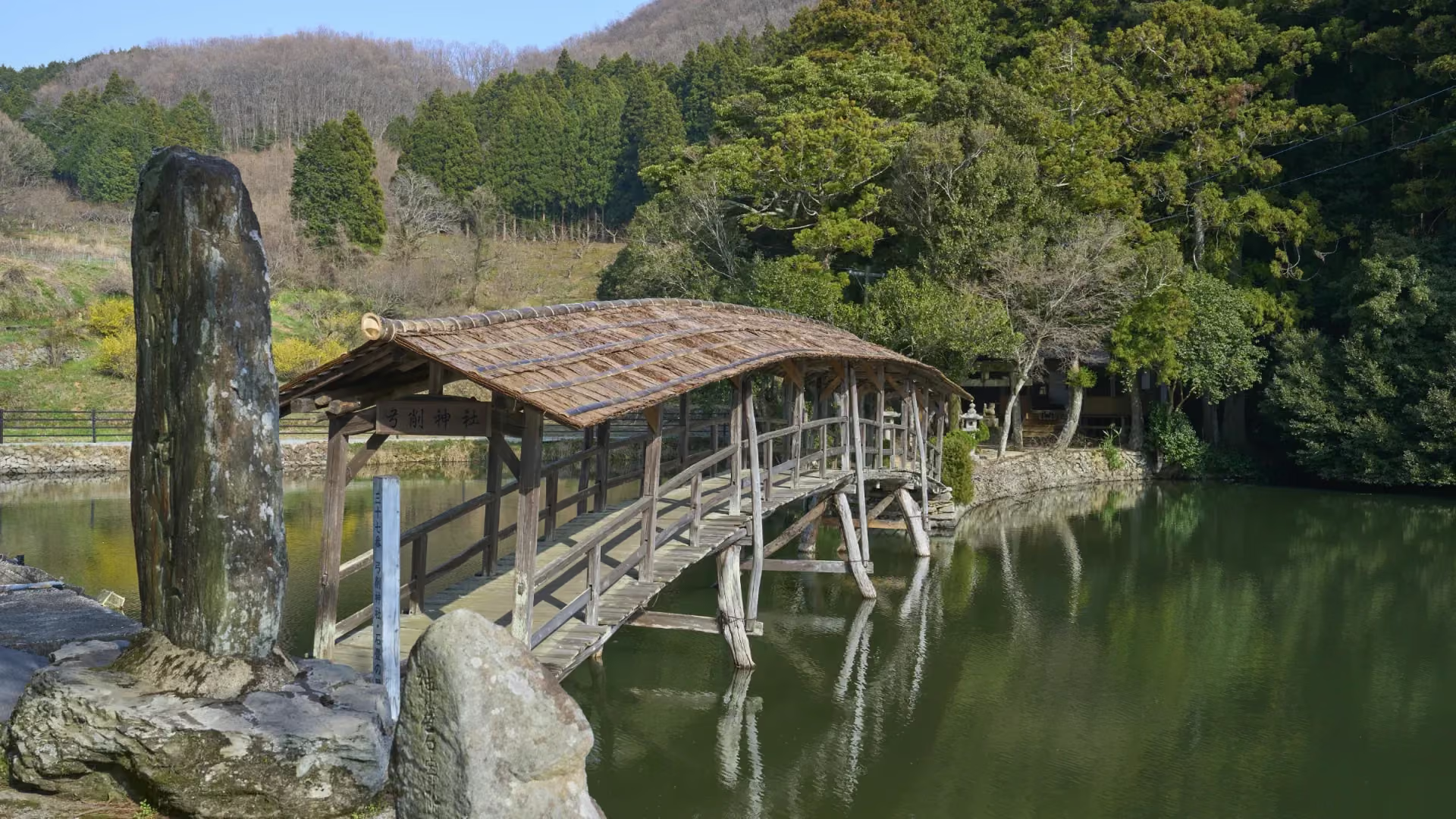
Takashima · ShigaA shrine on Yuge Island in the Inland Sea, founded by a branch of the Mononobe clan to their ancestor, with a pine grove and a shallow beach below it.
Kamijima · EhimeA shrine at the centre of the island of Iki, founded in 811, to the small god Sukunahikona and to Sugawara no Michizane.
Iki · Nagasaki