Sasayama Shrine
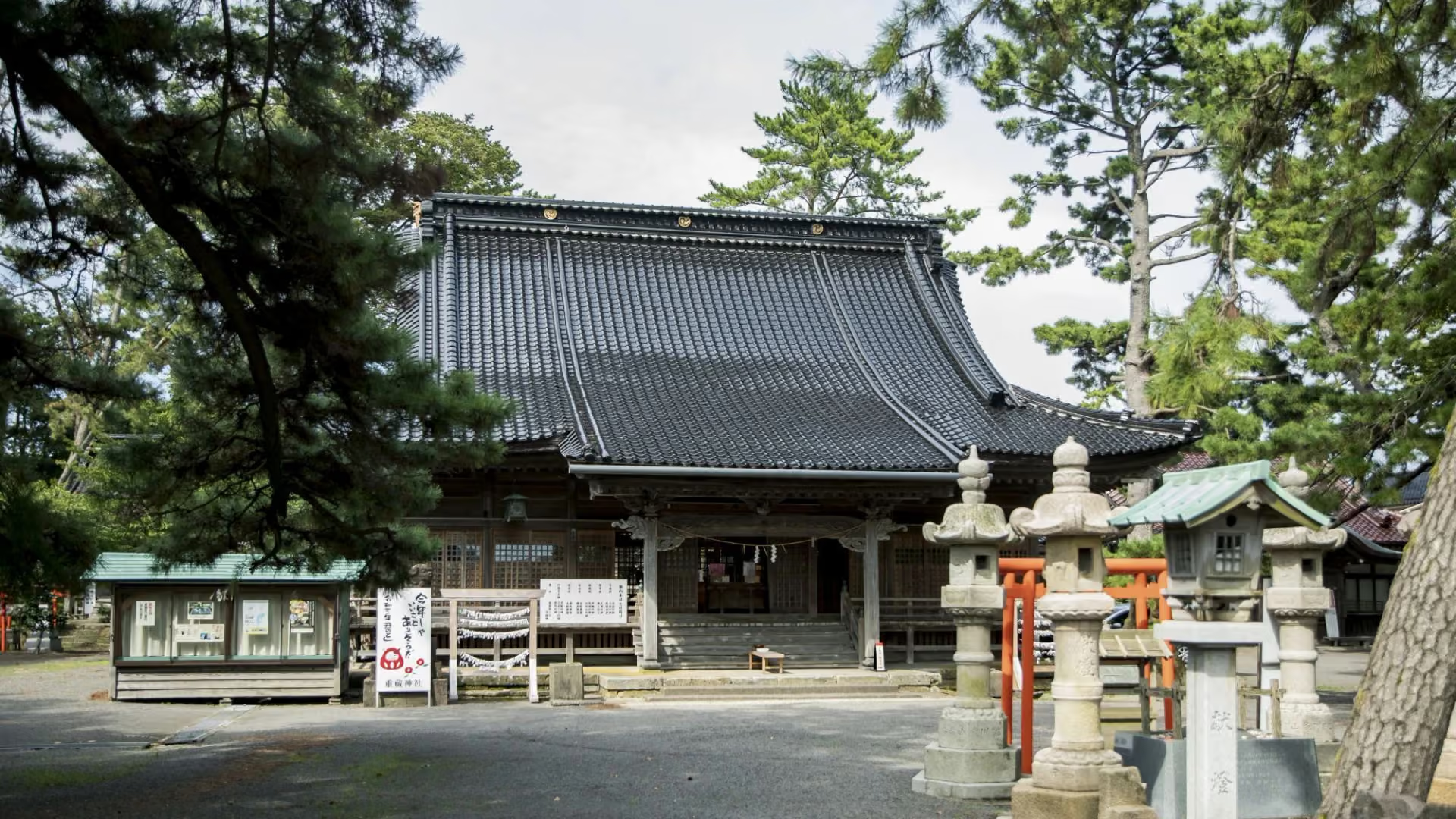
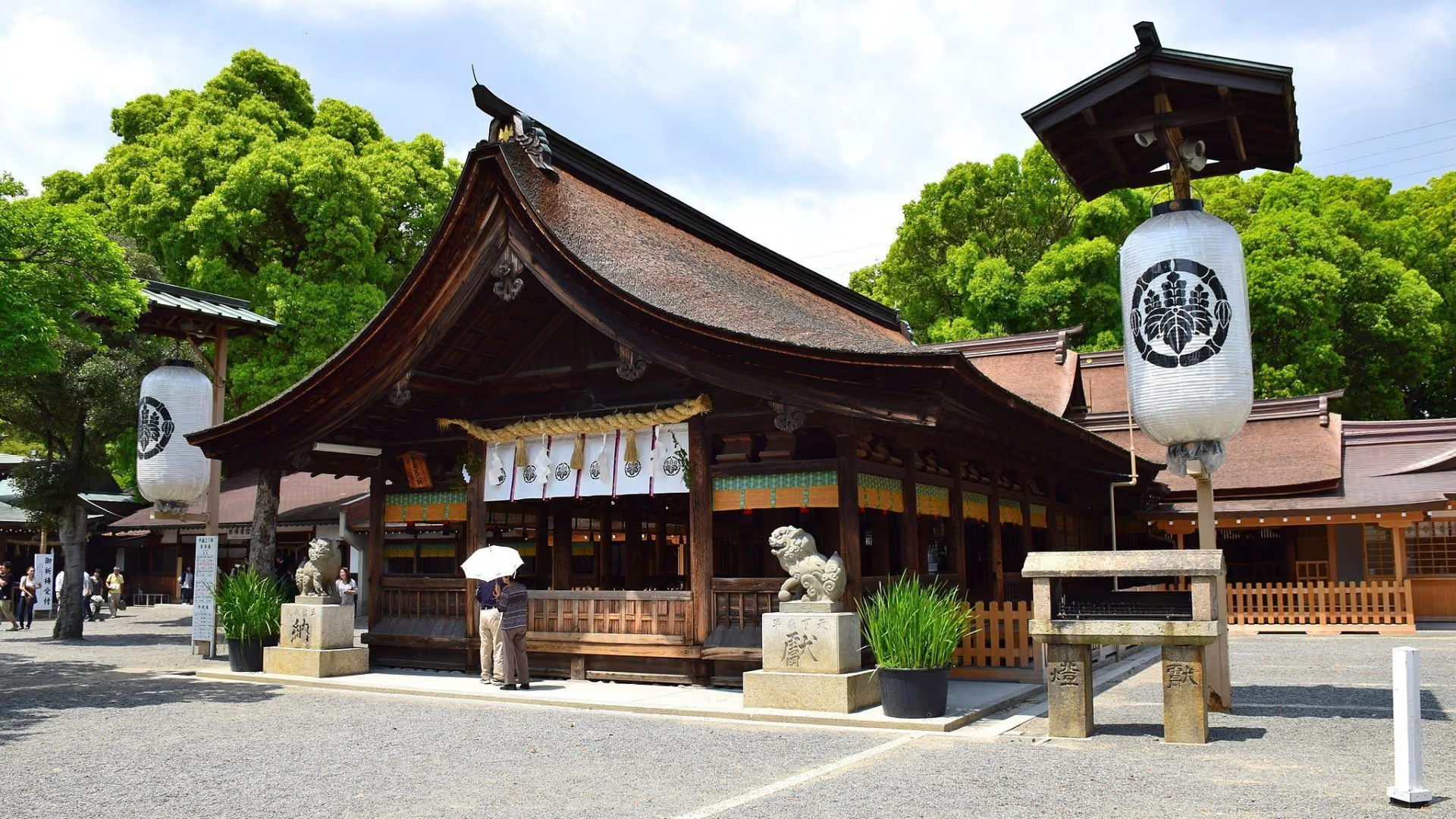
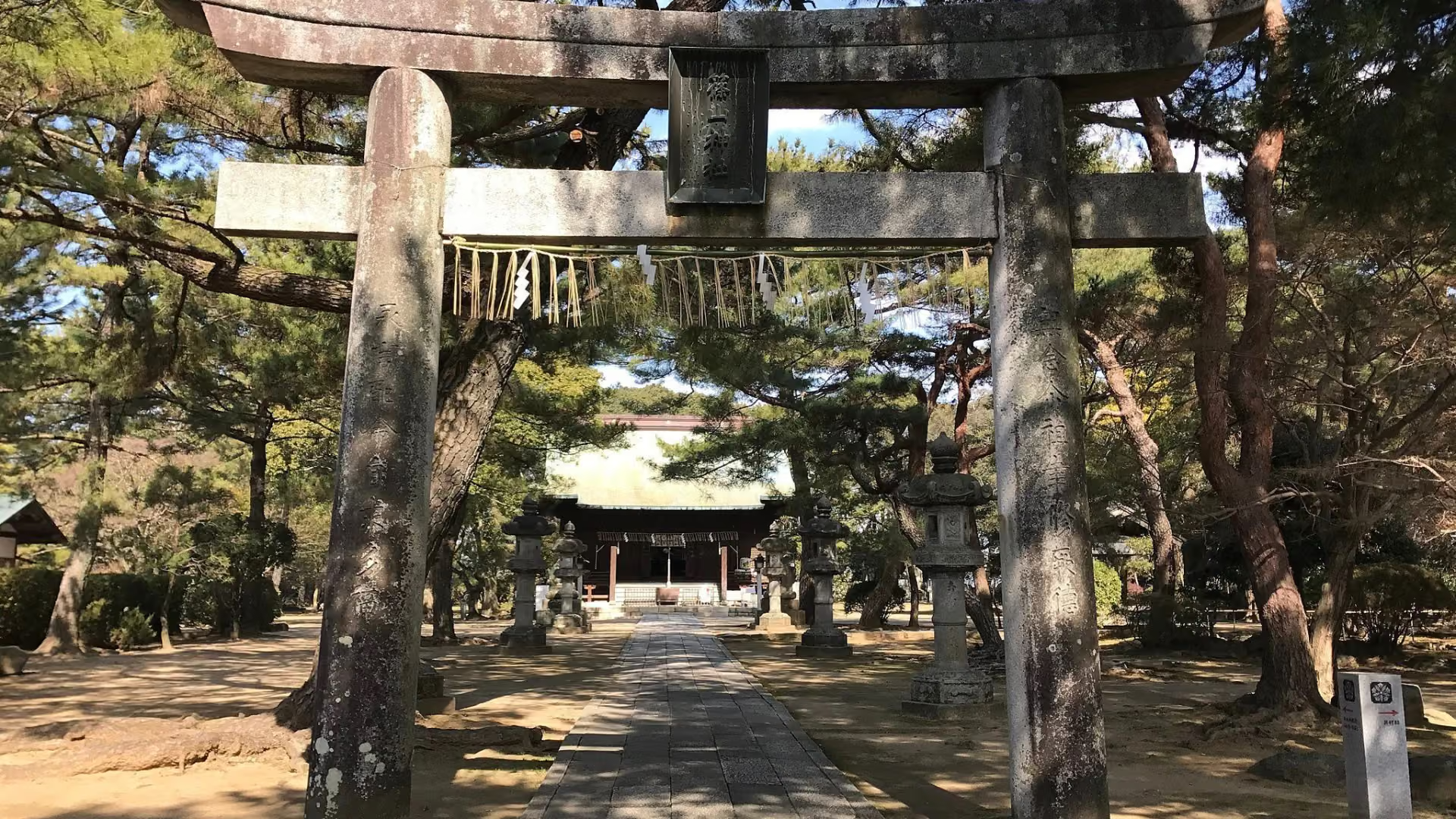
Sasayama Shrine, dedicated to the god of martial arts and war, sits within Kurume Castle in Fukuoka with a main hall in traditional Edo period style.
Kurume · Fukuoka

Sasayama Shrine, dedicated to the god of martial arts and war, sits within Kurume Castle in Fukuoka with a main hall in traditional Edo period style.
Kurume · FukuokaTochigi shrine founded in the Tenpyo era (729-749); its May 5 Snake Festival, with snakes over 15 metres, is an Important Intangible Folk Cultural Property.
Oyama · TochigiTokyo's largest Hachiman shrine, established in 1627, holds historical significance as the birthplace of Kanjin-zumo, a precursor to modern Grand Sumo.
TokyoShrine in Wajima, Ishikawa, dedicated to Amenofuyukinu no Mikoto and his son Okuninushi, god of nation-building and matchmaking, with subsidiary shrines.
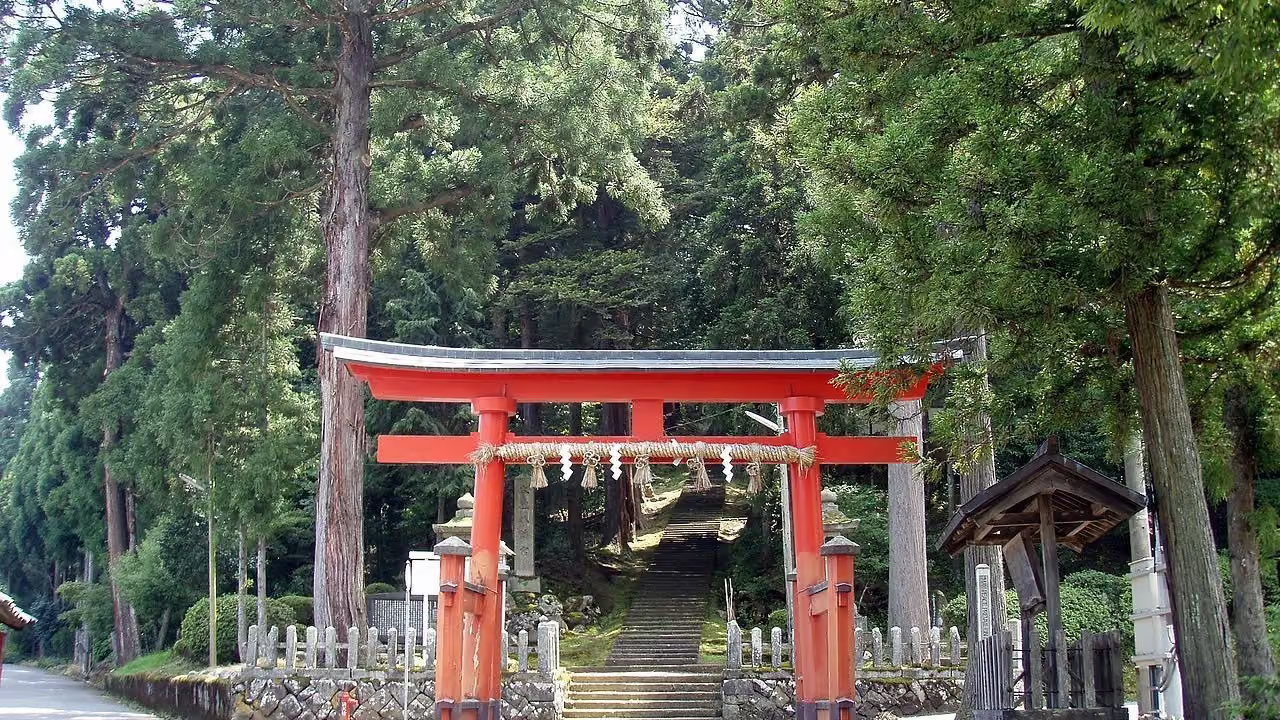
Wajima · IshikawaThe lowest of the three mountains of Dewa in Yamagata, climbed by a stone stair through old cedars, with a five-storey pagoda that is a National Treasure.
Tsuruoka · YamagataAichi head shrine of about 3,000 Tsushima shrines across Japan, honouring the deities Gozutenno and Susanoo, with legendary origins in the 3rd century BCE.
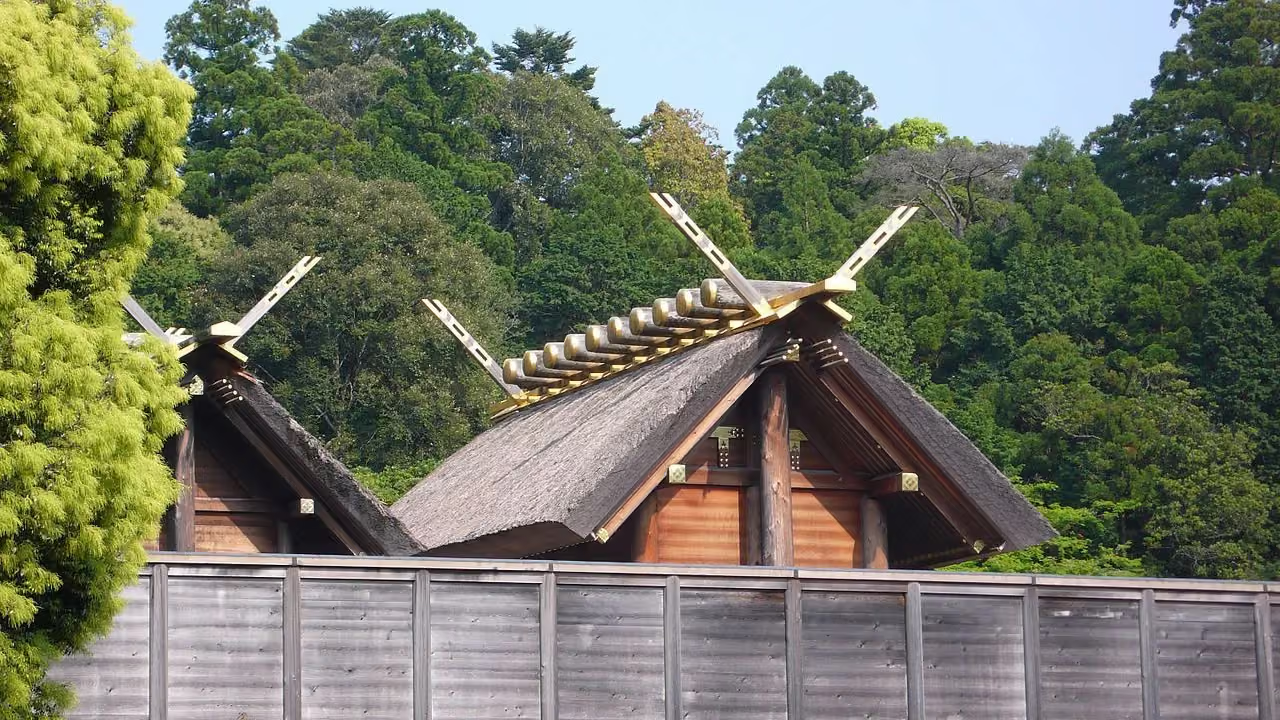
Tsushima · AichiA complex of 125 shrines dedicated to Amaterasu-Omikami and Toyo'uke-no-Omikami, holding over 1,500 rituals a year for imperial prosperity and peace.
Ise · MieShinto shrine housing the original grave of Tokugawa Ieyasu, the first shogun, and considered the oldest Tosho-gu shrine in Japan.
ShizuokaThis shrine enshrines Amaterasu Omikami and Toyoukebime, along with five other Shinto deities including Ninigi-no-Mikoto and Ame-no-Tajikarao.
Miyakonojo · MiyazakiOshio Hachiman Shrine, a Shinto shrine in Echizen, Fukui, dating to the 9th century, with a Muromachi-period worship hall and gardens on its grounds.
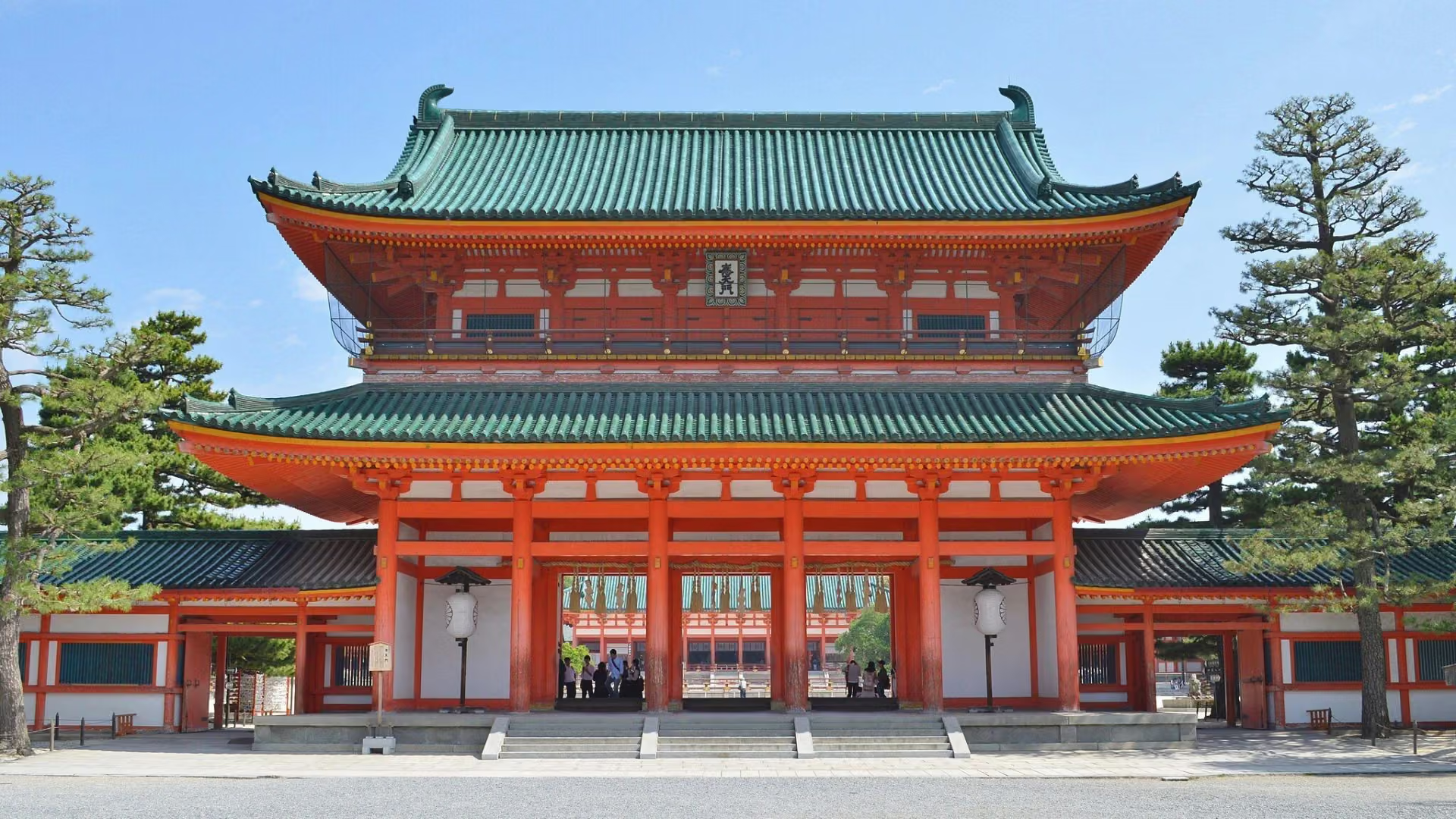
Echizen · FukuiA highly-ranked Shinto shrine in Kyoto built in 1895 to commemorate the city's 1100th anniversary and dedicated to Emperor Kanmu.
KyotoInazawa shrine that is the guardian of Owari Province, enshrining the land spirit revered for protecting agriculture and commerce since the Nara period.
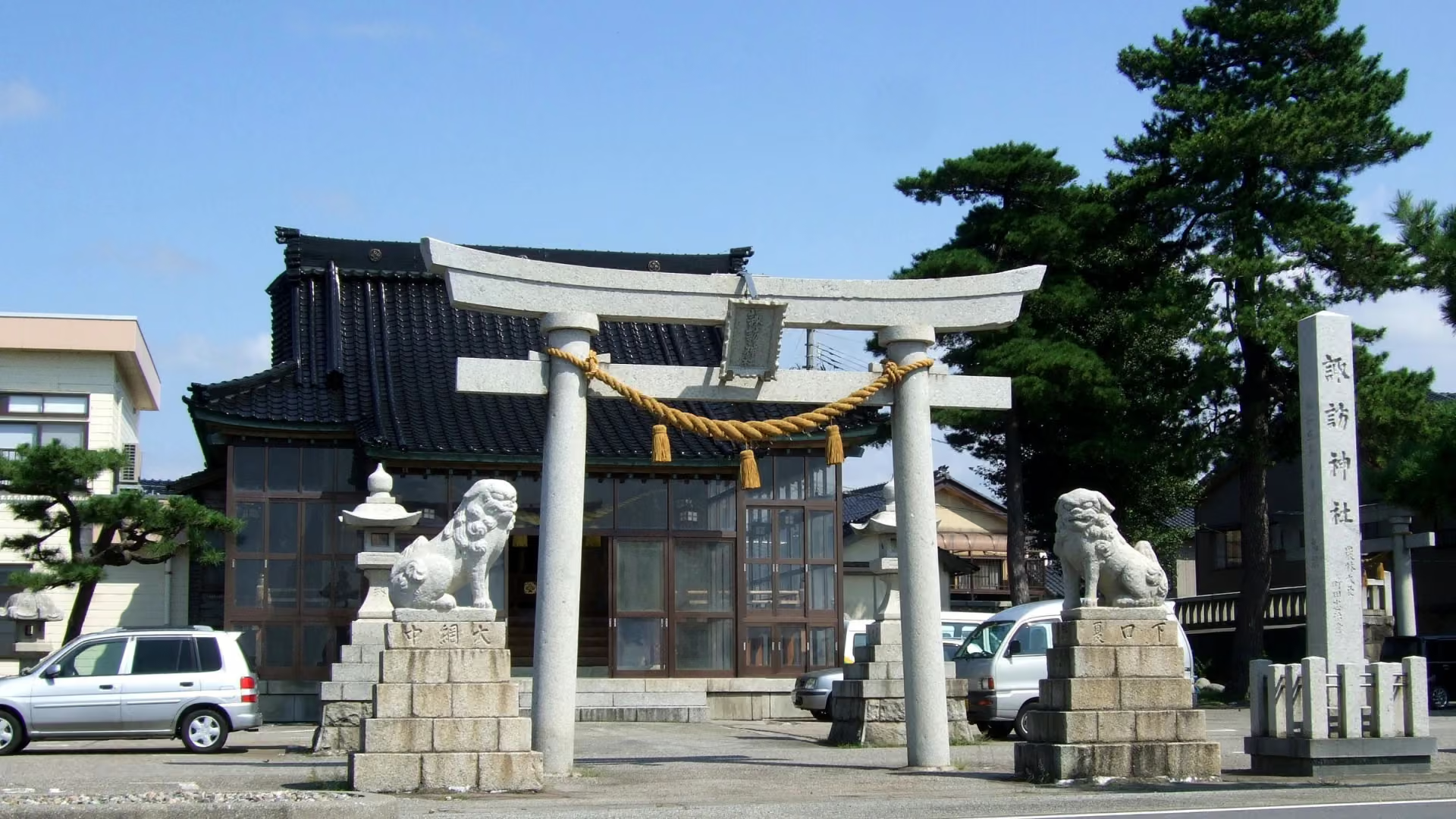
Inazawa · AichiSuwa Shrine sits on a hillside overlooking Toyama Bay, enshrining three deities revered by maritime workers for protection and prosperity in fishing.
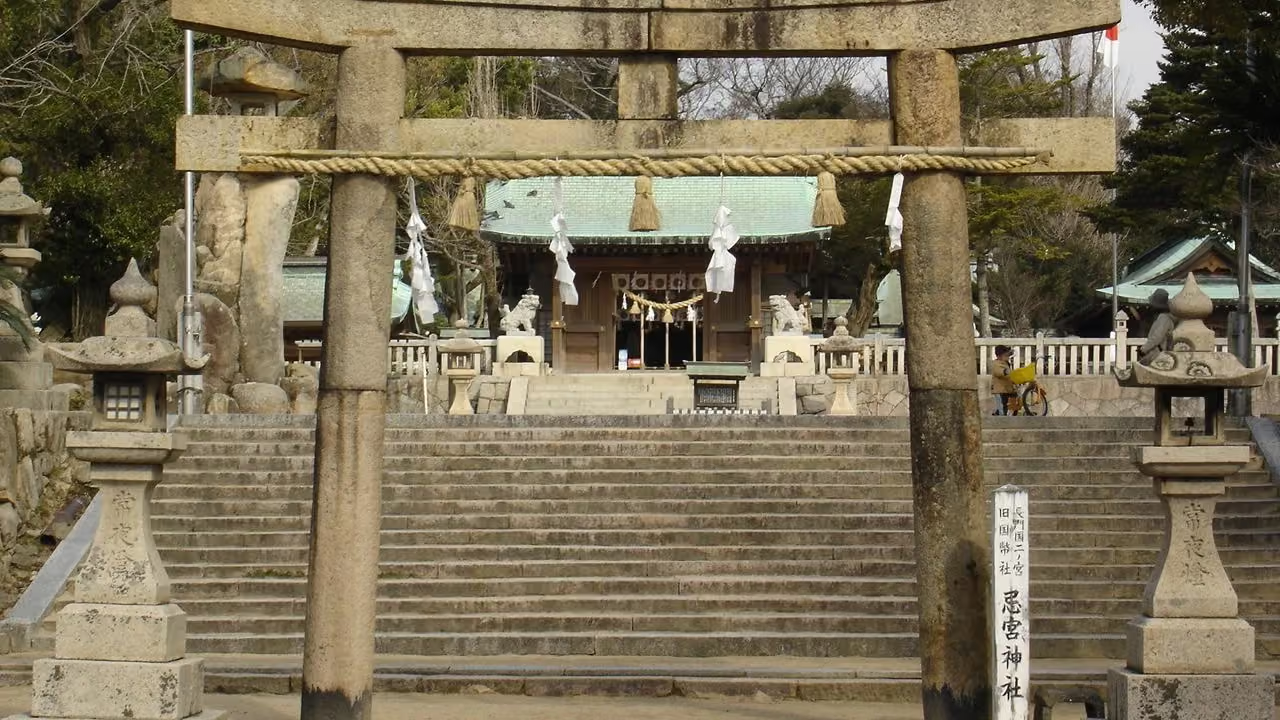
Uozu · ToyamaWestern Japan's oldest shrine with an 1,800-year legacy, built where Emperor Chuai's palace stood and his spirit was enshrined by Empress Jingu.
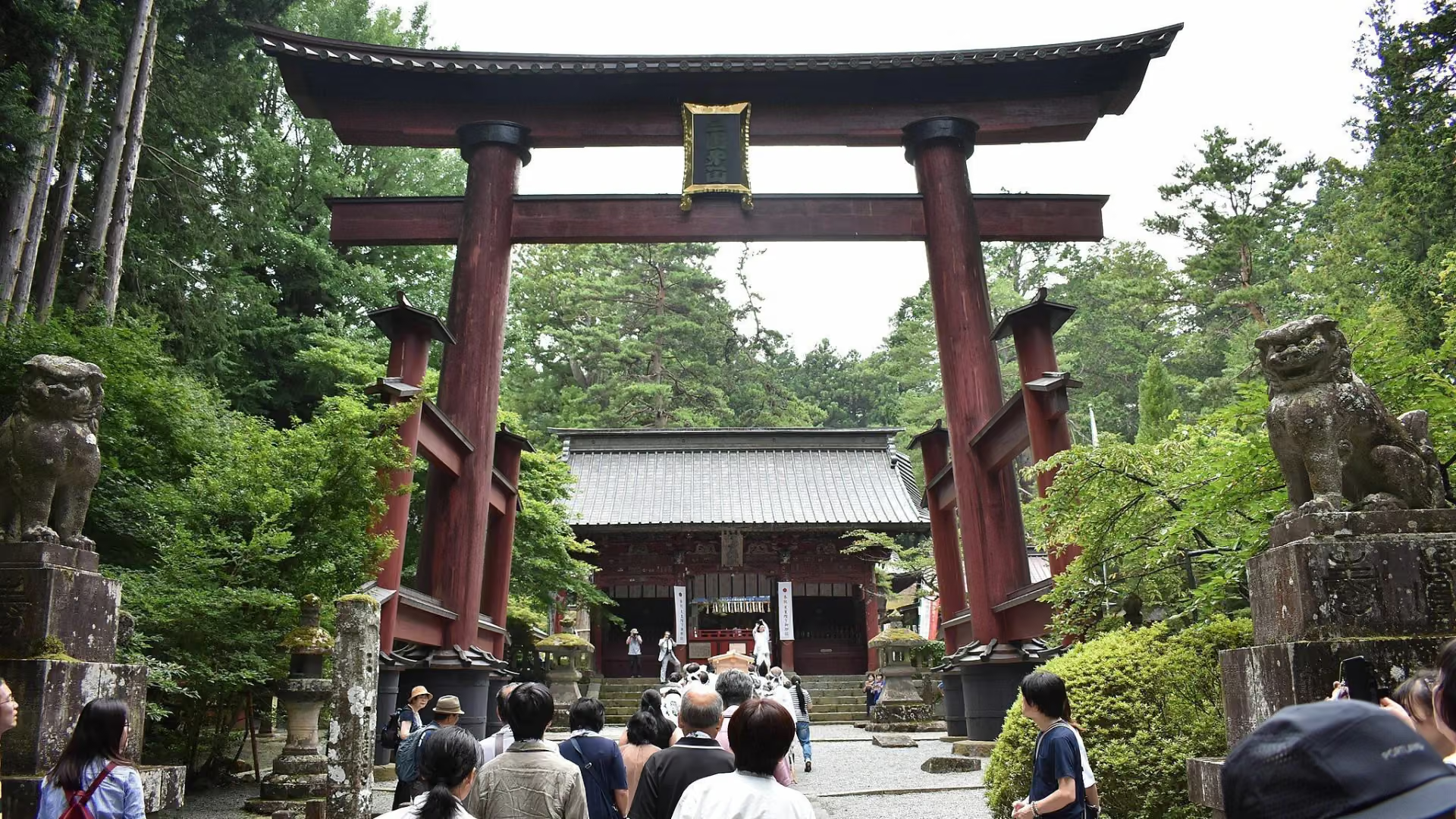
Shimonoseki · YamaguchiShinto shrine at the northern base of Mount Fuji dating to the 2nd century, serving as the traditional departure point for Mount Fuji pilgrimages.
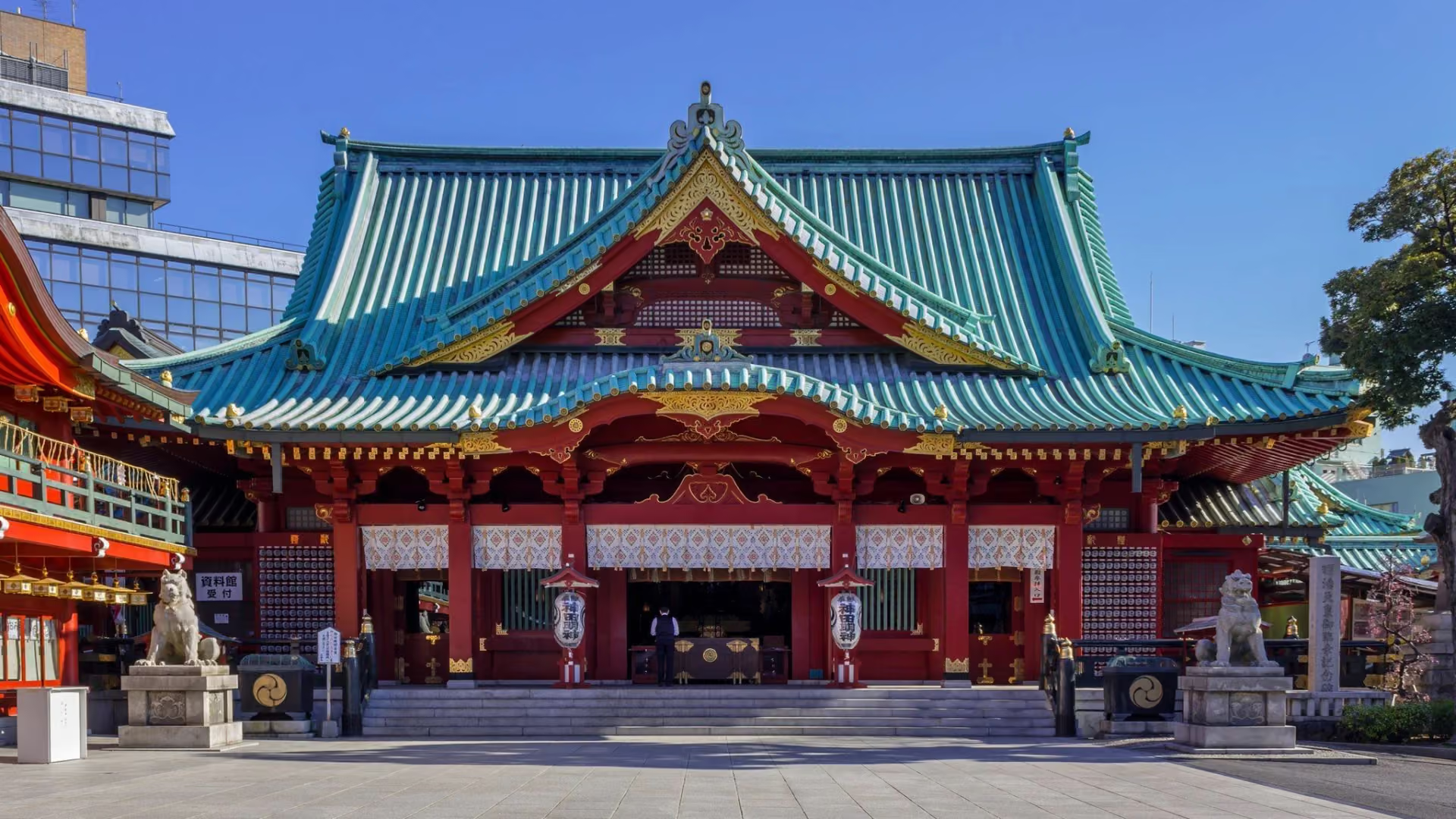
Fujiyoshida · YamanashiTokyo shrine in Akihabara with origins about 1,270 years ago, revered by warriors and citizens in the Edo period and visited by shogun Tokugawa Ieyasu.
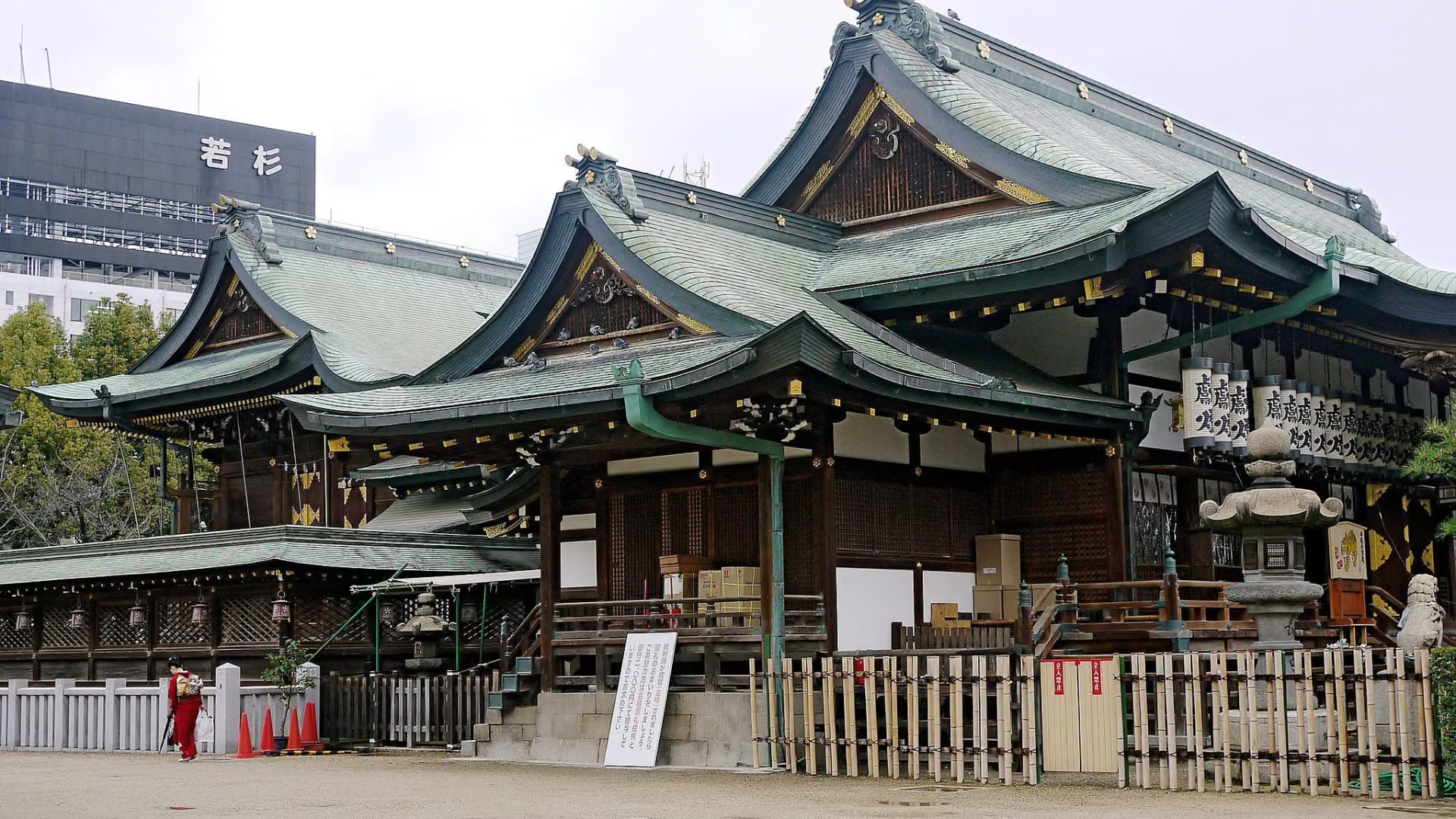
TokyoOsaka shrine founded in 650 AD and rededicated in 949 to Sugawara no Michizane, the deified scholar revered as a deity of academics and learning.
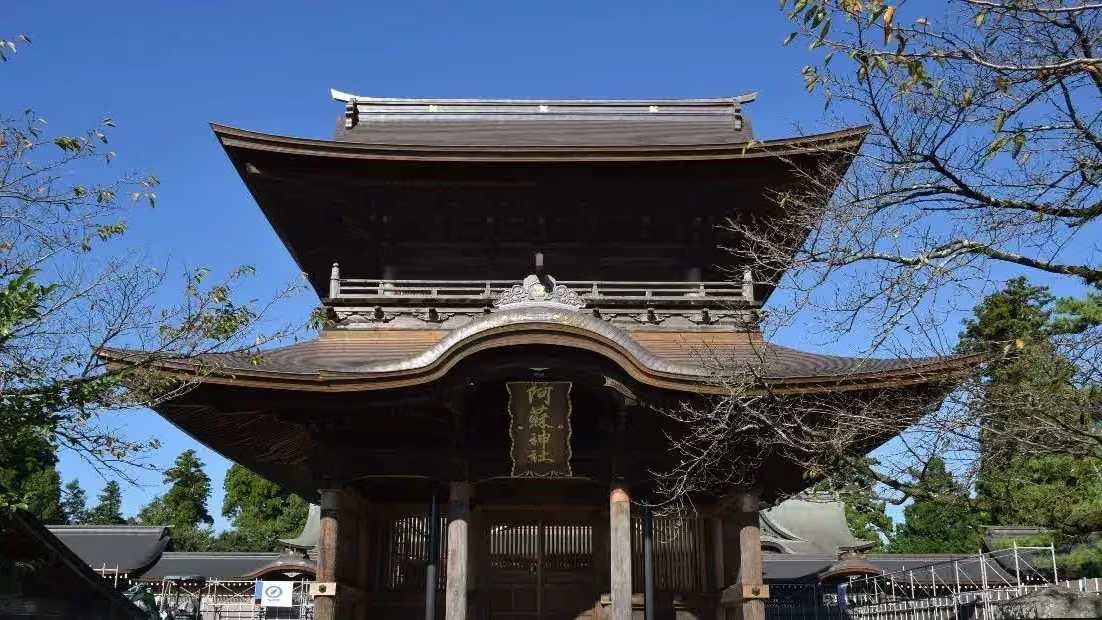
OsakaShrine said to date back over 2,000 years, honoring a grandson of Emperor Jimmu and joining Shinto practice with worship of Mount Aso's sacred crater.
Aso · Kumamoto