Benkei Matsuri
弁慶まつり
Tanabe in Wakayama holds a two-day festival for Benkei, the warrior monk it claims as its own, with a play at the shrine and 600 dancers in wooden clogs.
〒 646-0029How to get there
紀伊田辺Kisei Main Line7 min walk from the station
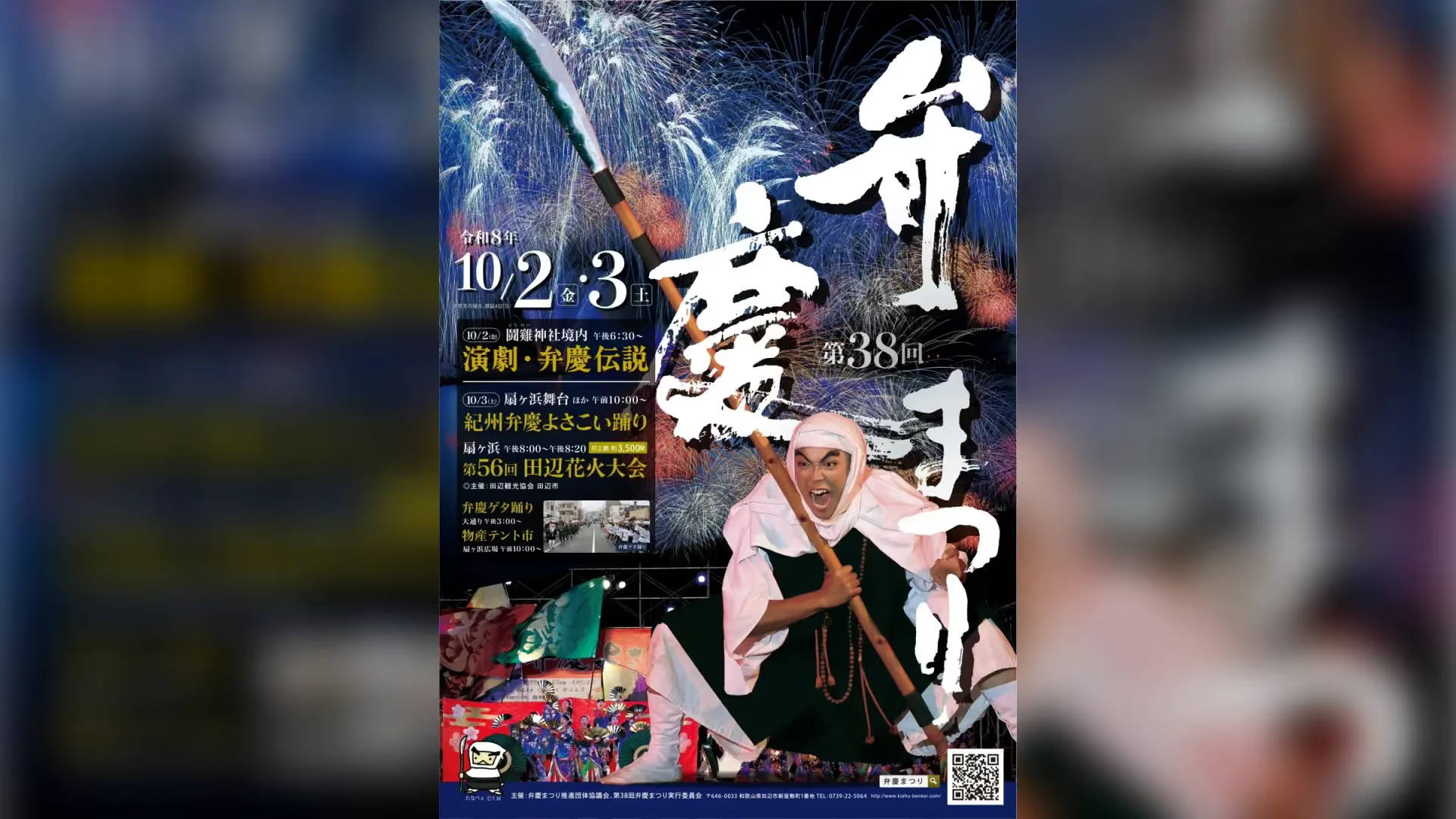
Benkei Matsuri is held over two days at the start of October in Tanabe, on the coast of Wakayama Prefecture. It has been held every year since 1987.
The whole of it is built around one man. Musashibo Benkei was the warrior monk who served Minamoto no Yoshitsune, and most of what is told of him comes from medieval tales rather than record. Several places claim him. Tanabe's claim is the strongest of them, resting on the account that he was born the son of the head of the Kumano priesthood, and on the sites the town keeps: the cauldron and the well said to have held his first bath, and the stone he is said to have sat on as a child.
The shrine the festival opens at has its own part in the story. During the war between the Taira and the Minamoto, both sides asked the Kumano fleet for help. The priest who commanded it, held by tradition to be Benkei's father, set seven cockerels against seven before the shrine to learn the will of the god. The birds standing for the Minamoto won, and two hundred ships sailed for them. The shrine is named for that fight.
The first evening belongs to a play about Benkei, staged in the shrine grounds by people of the town, who rehearse there three nights a week through the autumn. A brass band plays before it starts.
The second day is given to dancing. The geta dance has been part of the festival since the first one: about six hundred dancers take the main street in wooden clogs, which are what the dance is named for and what it is danced in. Yosakoi teams perform from the morning on the seafront. The two days close with everyone dancing together.
A tent market of local food and goods runs on the seafront through the Saturday, and rice cakes are thrown to the crowd. Other bodies put on their own events at the same time: the town's own fireworks, older than the festival and in their fifty-sixth year, which send up about 3,500 shells over the water; a chance to sail on a coastguard patrol boat; and a gathering of cosplayers.
Getting There

Planning a trip? Fit this into a trip and Oni plans the rest around it.
You might also like
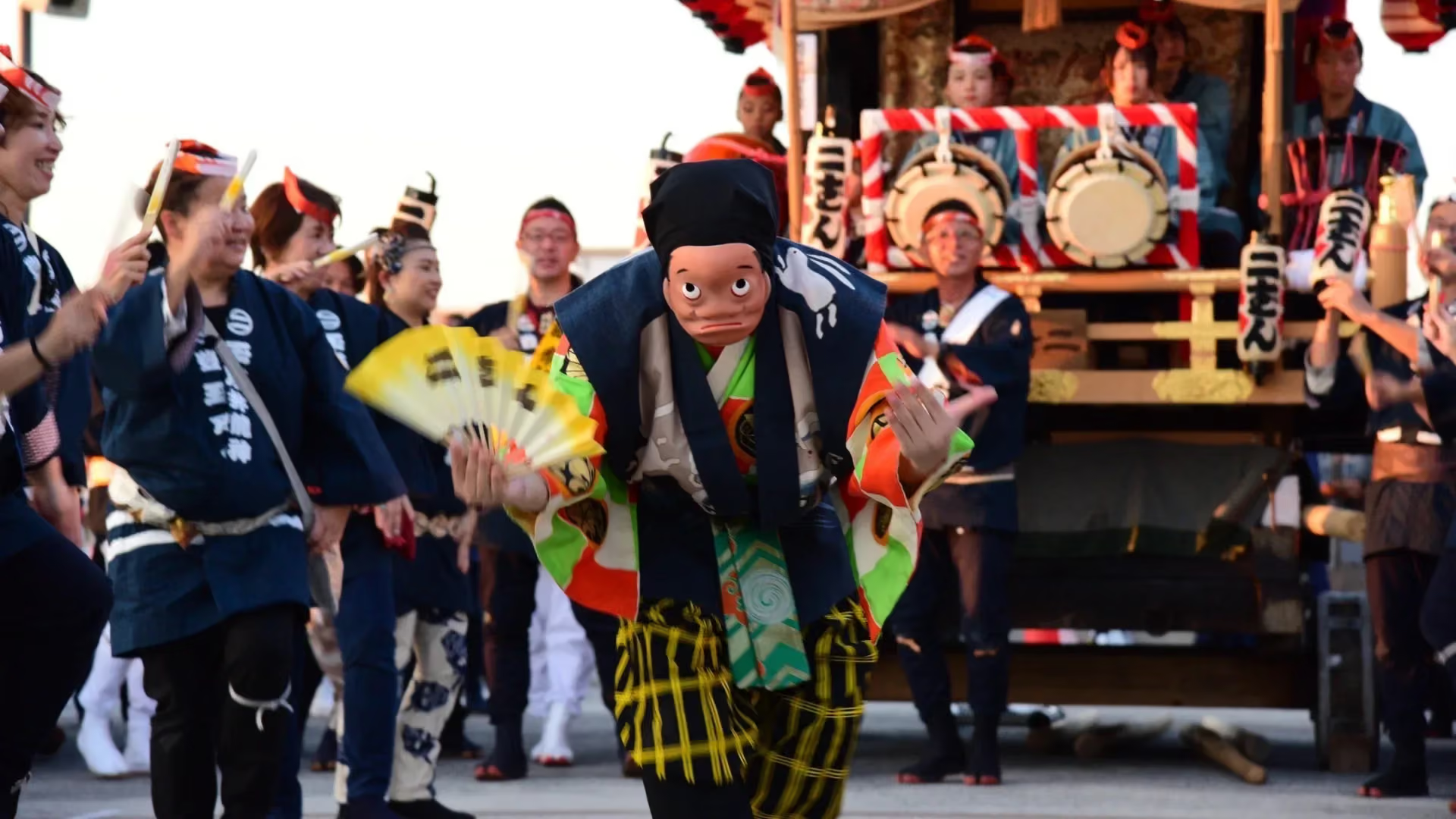
Sakura Autumn Festival
Each October the old castle town of Sakura fills with towering doll floats, portable shrines and Edo-descended music for three days of procession.
9–11 Oct 2027Exact date not confirmed yetSakura · Chiba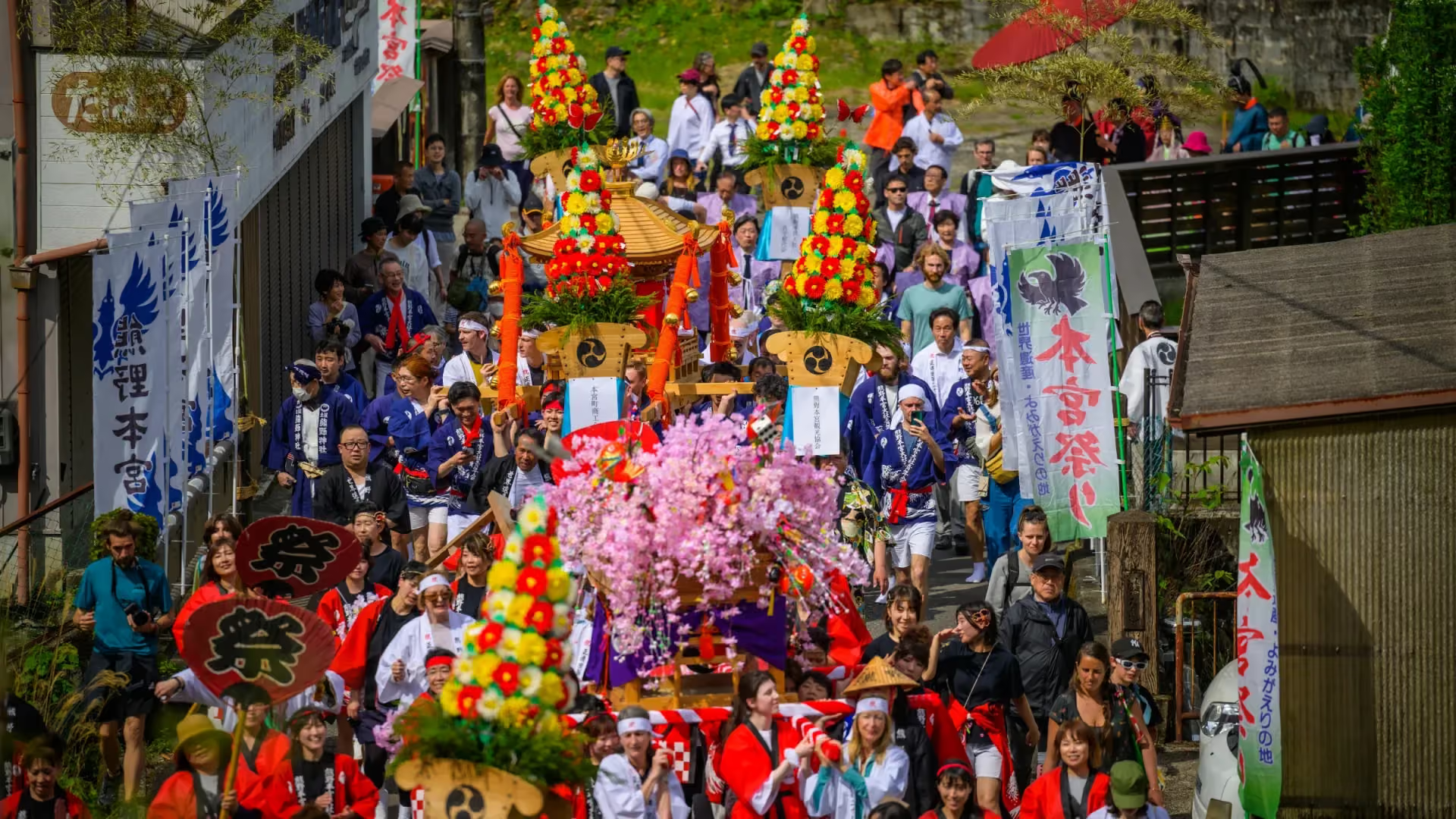
Kumano Hongu Taisha Grand Festival (Reitaisai)
Each April, Kumano Hongu Taisha holds its Reitaisai - three days of purification rites, beautiful sacred dance performances, and a grand palanquin procession.
13–15 Apr 2027Exact date not confirmed yetTanabe · Wakayama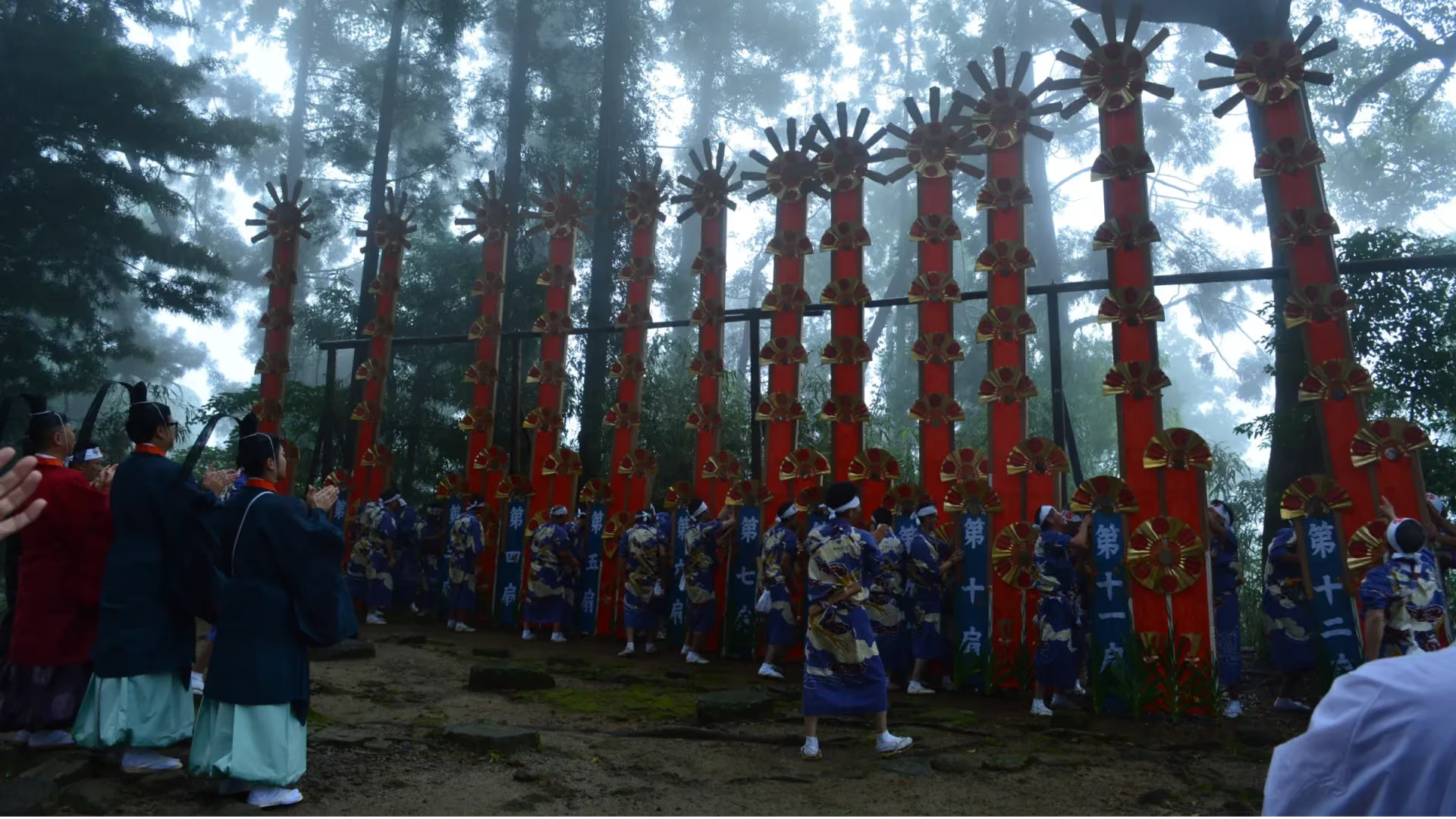
Nachi Fire Festival
One of Japan's three great fire festivals, where giant torches purify the path to Nachi Waterfall at a sacred Kumano shrine each 14 July.
14 Jul 2027Exact date not confirmed yetWakayama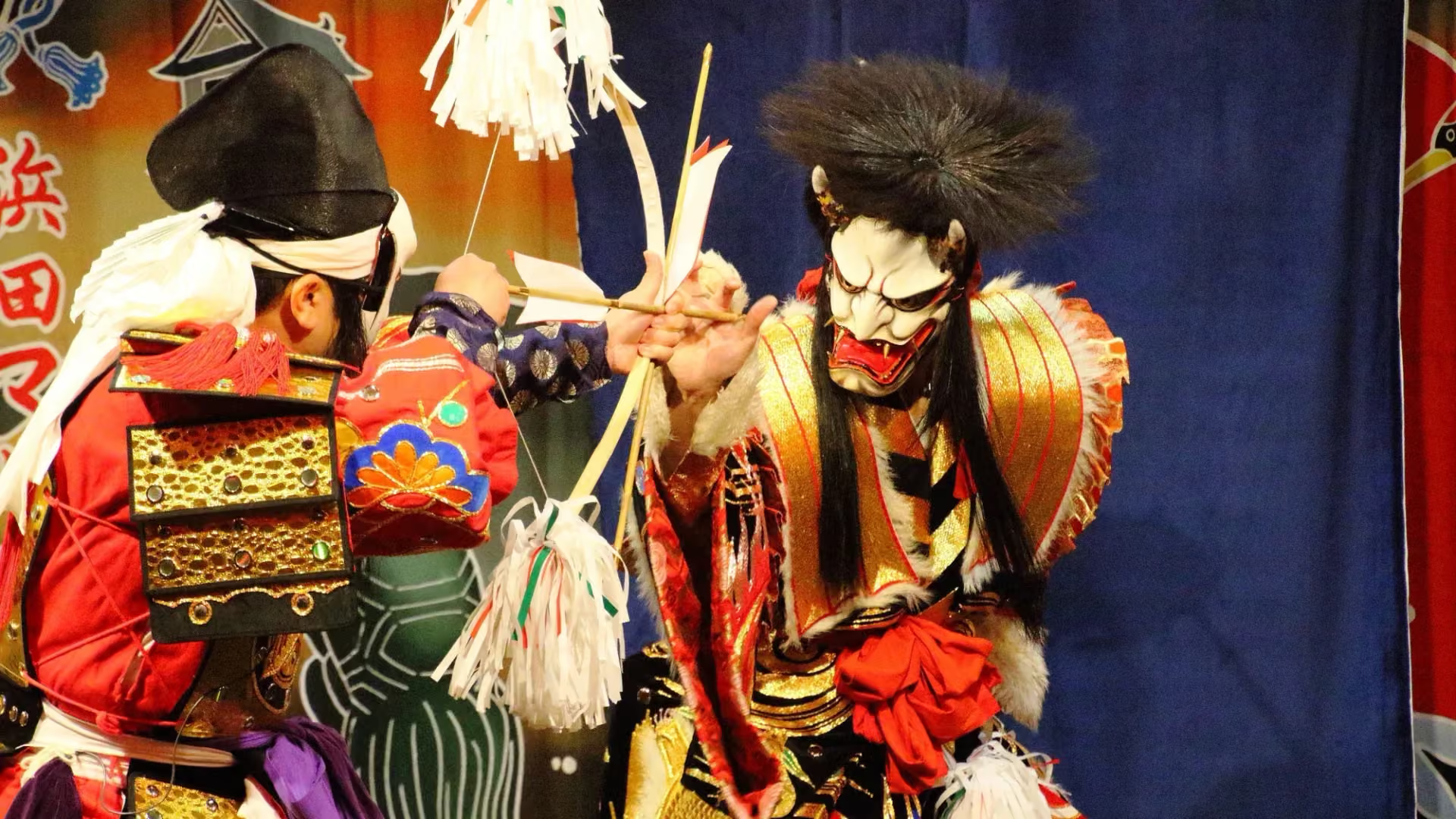
Iwami Kagura
Each autumn in western Shimane, shrine stages host Iwami Kagura - sacred dances performed through the night, from ceremonial pieces to a battle with a serpent.
Shimane · Chugoku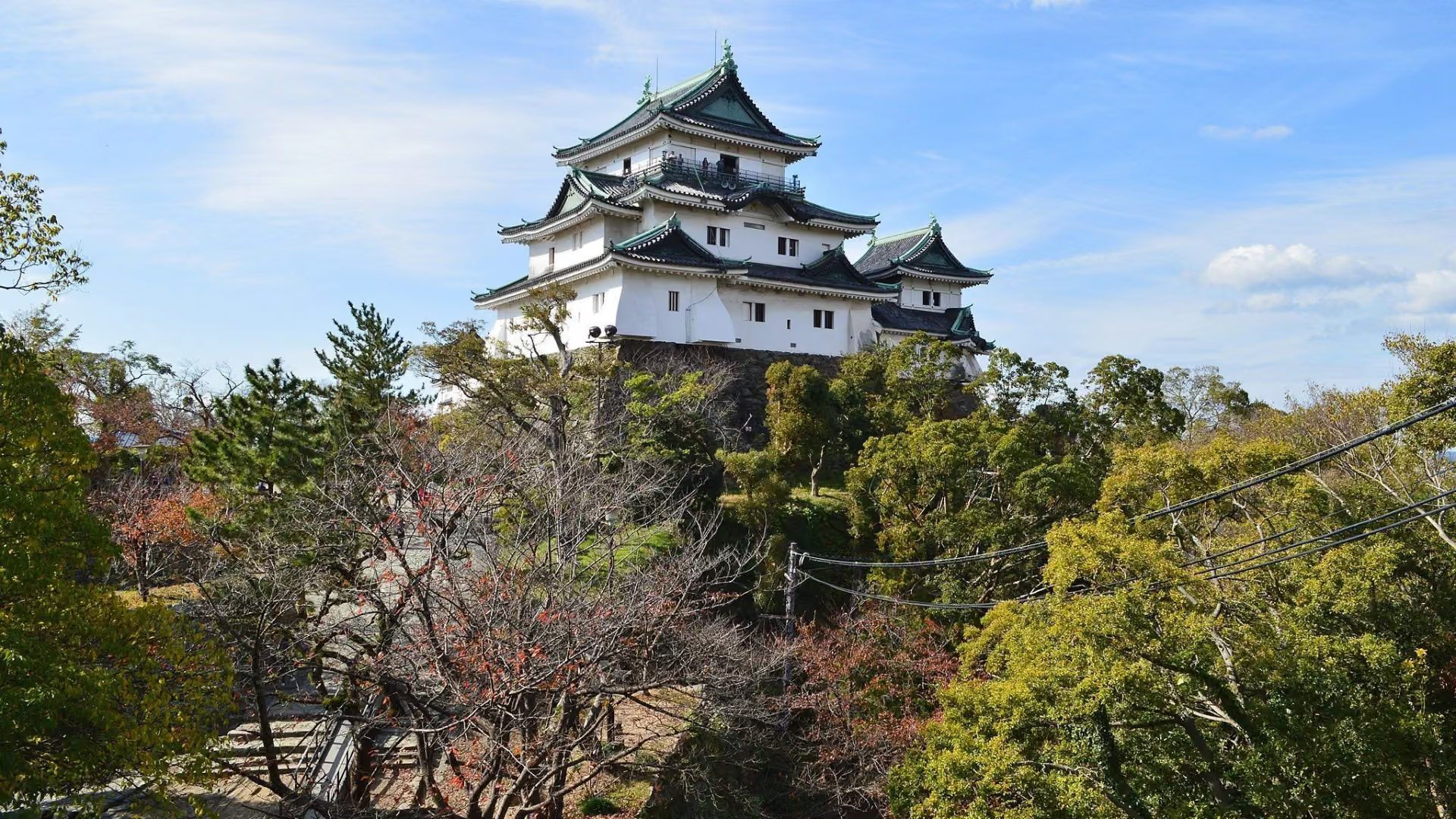
Wakayama Castle
Sixteenth-century castle with traditional Japanese architecture, surrounded by moat and stone walls, featuring a museum and scenic garden.
Wakayama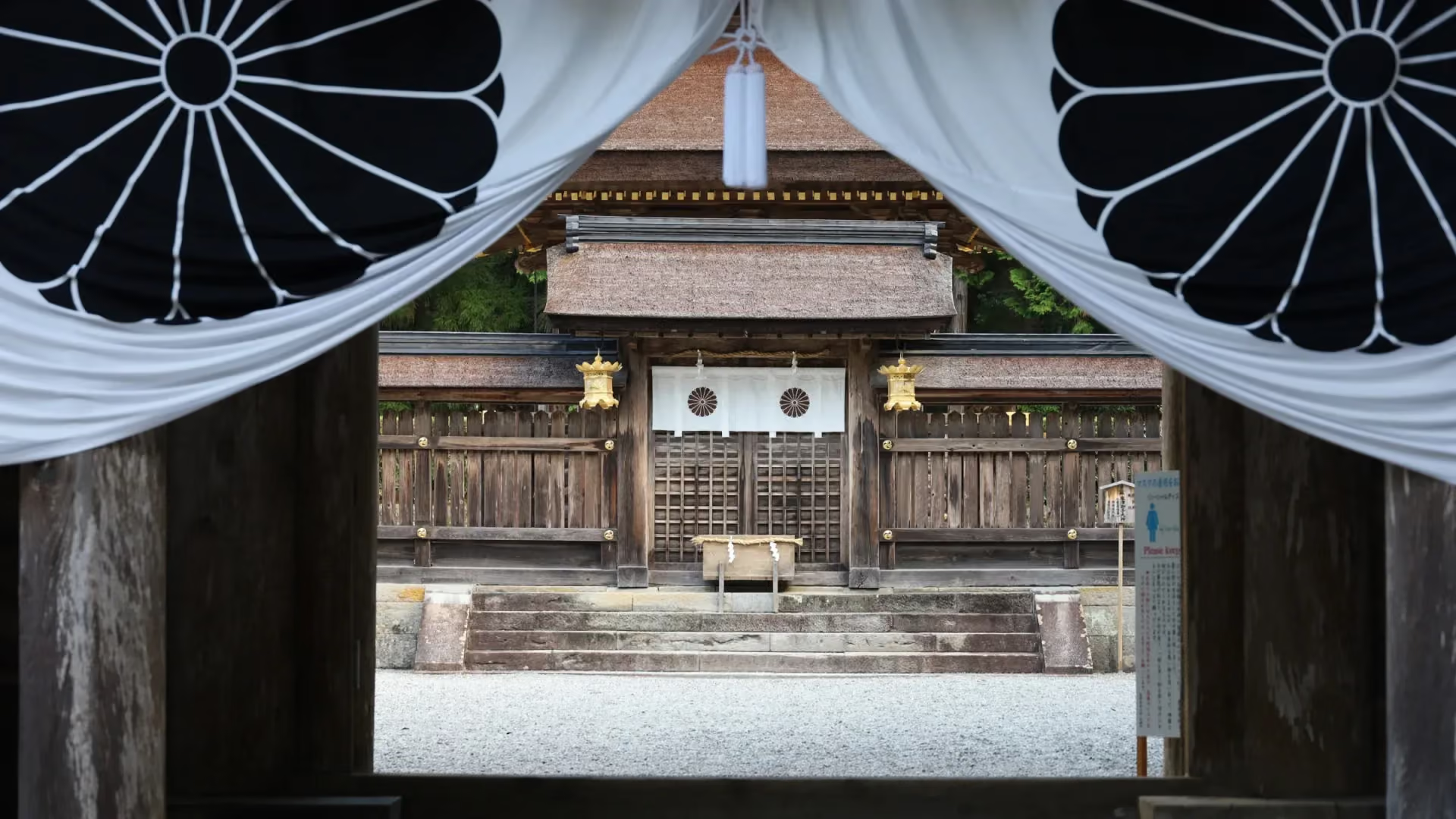
Kumano Hongu Taisha
Kumano Hongu Taisha, heart of the Kumano Sanzan, traces its origins to before Emperor Jinmu - where legend says three moons descended to found the shrine.
Tanabe · Wakayama