

Nachi Fire Festival
熊野那智大社 那智の扇祭り
One of Japan's three great fire festivals, where giant torches purify the path to Nachi Waterfall at a sacred Kumano shrine each 14 July.
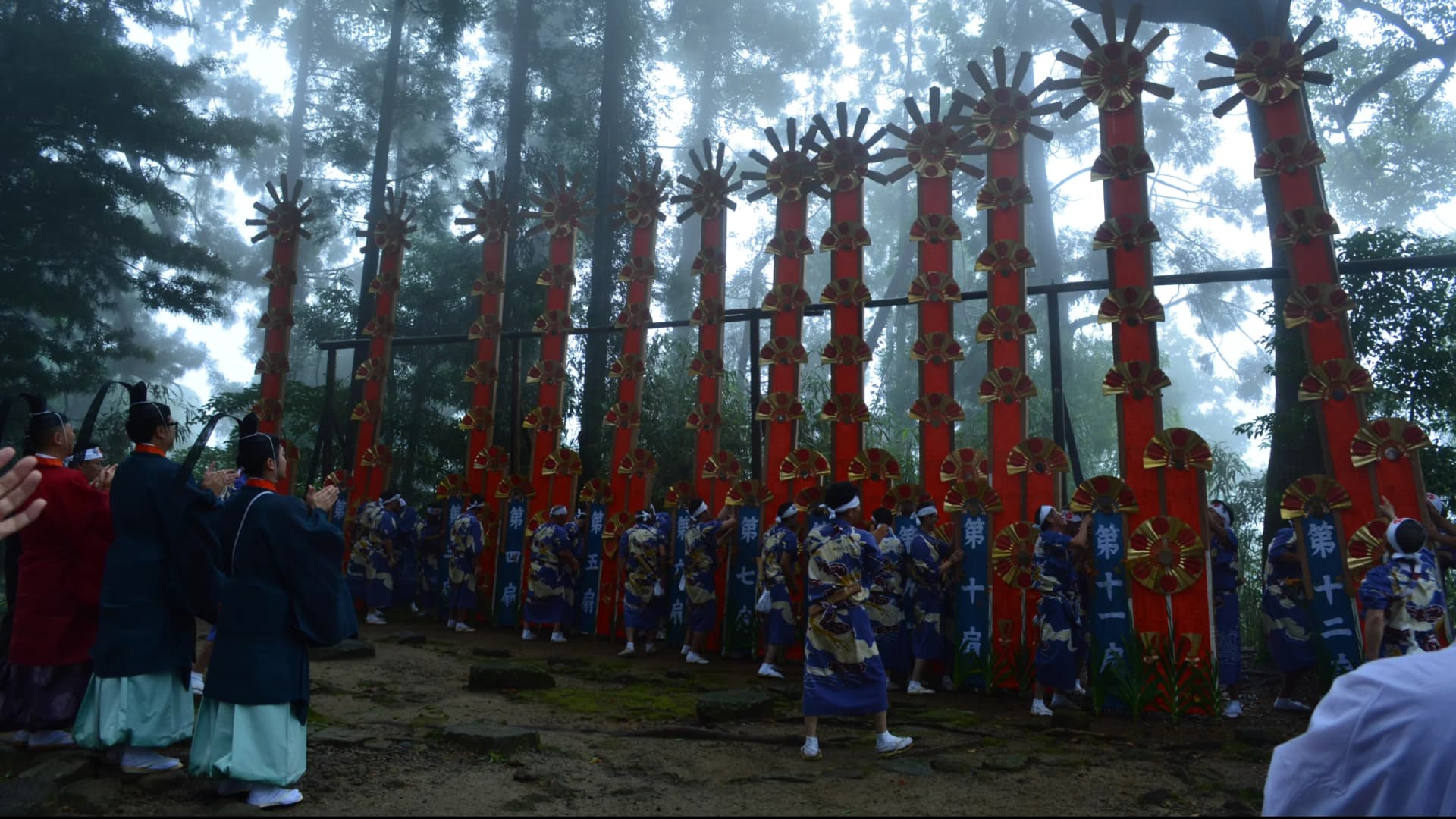
Held every 14 July, the Nachi Fire Festival is the grand annual rite of Kumano Nachi Taisha – one of Japan's most revered shrines and part of the UNESCO-listed Kumano Kodo pilgrimage landscape. Its formal name is the Nachi no Ogi Matsuri, or "Fan Festival", and the fire is only half the story. At its heart are twelve tall "fan mikoshi" – portable shrines around six metres high, decorated with mirrors and golden fans and shaped to echo the waterfall behind them. Each represents one of the shrine's twelve deities, and the festival enacts their return, once a year, to the waterfall where the site's worship began. Nachi Waterfall itself, at 133 metres Japan's tallest, is revered as a living deity.
The name "fire festival" comes from the ritual's most dramatic moment. As the fan mikoshi are carried down toward the waterfall, twelve enormous pine torches – each weighing some 50 kilograms – are borne up the narrow stone steps to meet and purify them, robed torch-bearers swinging the flames amid smoke, chanting, and the roar of the crowd. Fire cleansing the path of water: the festival is, at its core, an expression of gratitude for both, and for the blessings of the natural world.
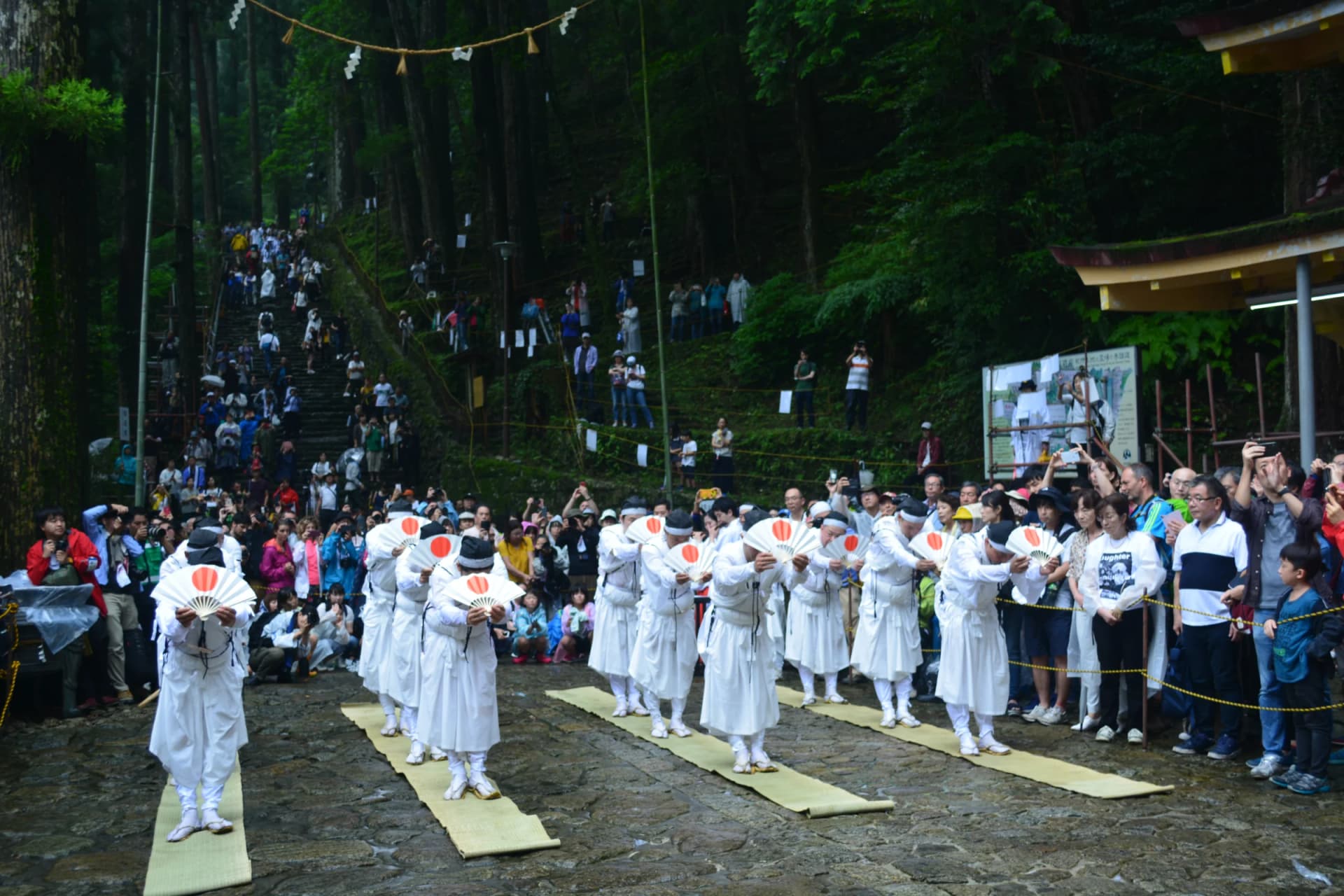
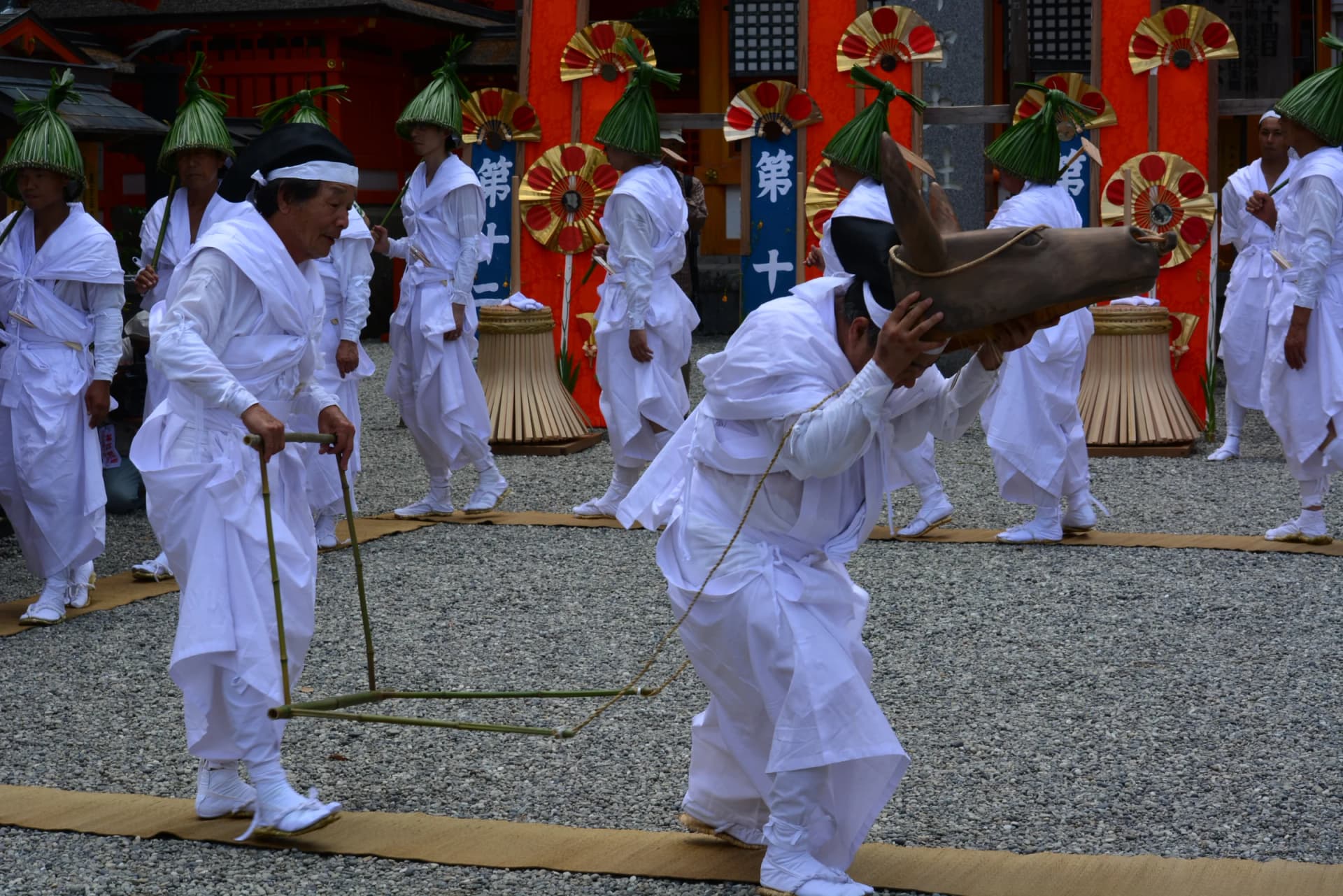
The day builds slowly to that climax. Morning brings quieter rites at the shrine – sacred Yamato-mai dances performed by local children, a symbolic rice-planting rite, and Nachi Dengaku, a ritual dance of flute, drums, and binzasara handed down since the Muromachi period and inscribed on UNESCO's Intangible Cultural Heritage list. The fire ritual unfolds in the early afternoon, so the morning rites are worth catching too.
Set beside Japan's tallest waterfall and woven into the ancient Kumano pilgrimage trails, it's a festival that stays with you – and worth building a day around, combining it with a walk on the old Kumano Kodo. Viewing space along the steps and at the foot of the waterfall is very limited, so arriving well before the early-afternoon rites is essential.
You might also like

Sanja Matsuri
Sanja Matsuri is one of Tokyo's largest traditional festivals, honouring enshrined figures through mikoshi processions and an Intangible Folk Cultural Property ritual dance.
15–17 May 2027Tokyo
Morioka Fall Festival
One of Iwate's most enduring celebrations, this autumn festival originated as prayers for harvest, now featuring ornate floats and traditional parades.
14–16 Sep 2026Morioka · Iwate
Ohara Hadaka Festival
The 'Naked Festival' features mikoshi carried into the sea, a boisterous parade through town, and shrines tossed high against fireworks and songs of joy.
23–24 Sep 2026Isumi · Chiba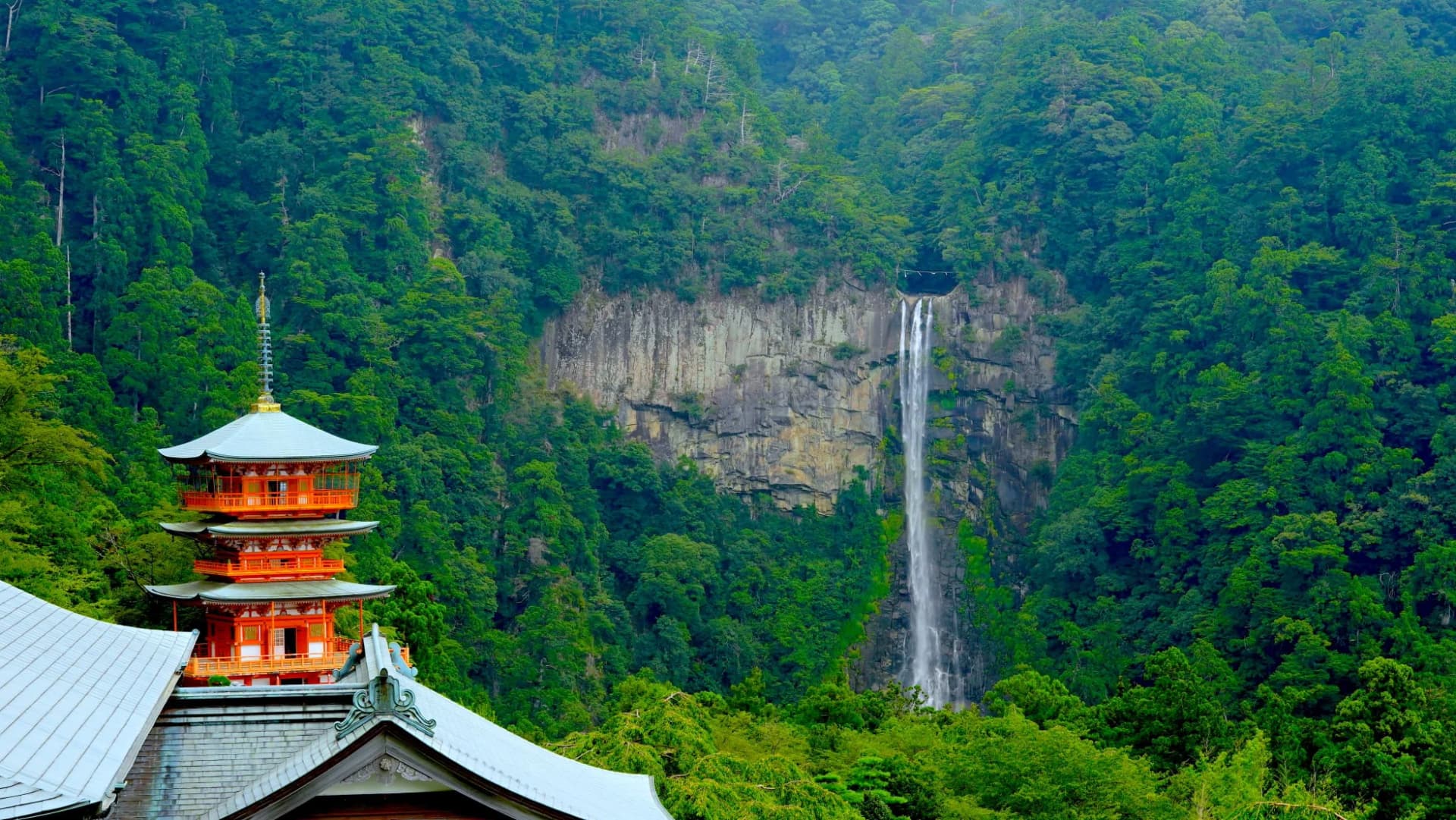
Kumano Nachi Taisha
One of the three grand shrines of Kumano, beside Japan's tallest waterfall – and spiritual home of the Yatagarasu, the three-legged crow on Japan's football crest.
Wakayama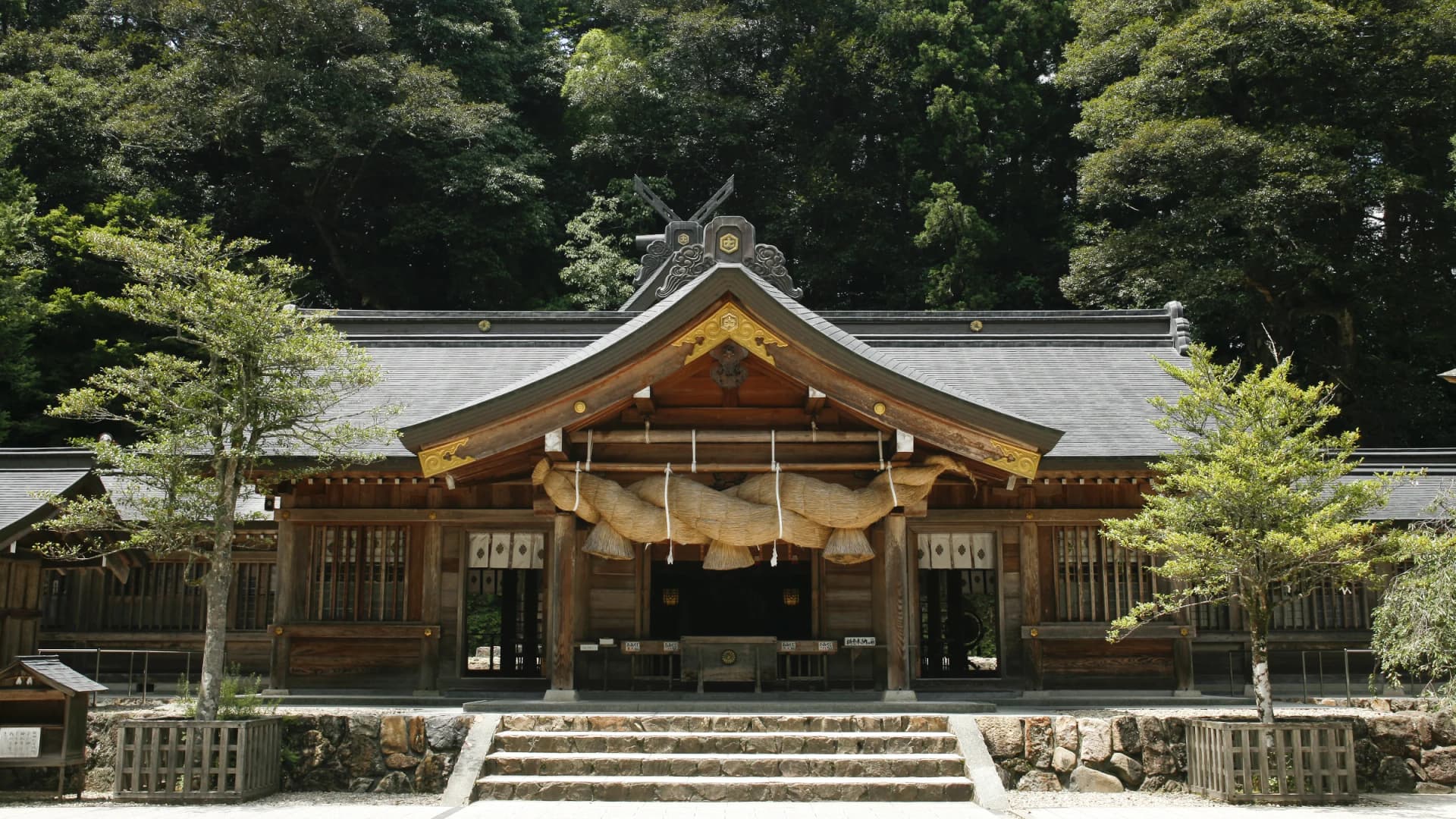
Kumano Taisha
Kumano Taisha, Izumo's "birthplace of fire", holds sacred hikiriusu and hikirigine fire-drills, a startling rice-cake ritual, and Susanoo's comb festival for Princess Inada.
Matsue · Shimane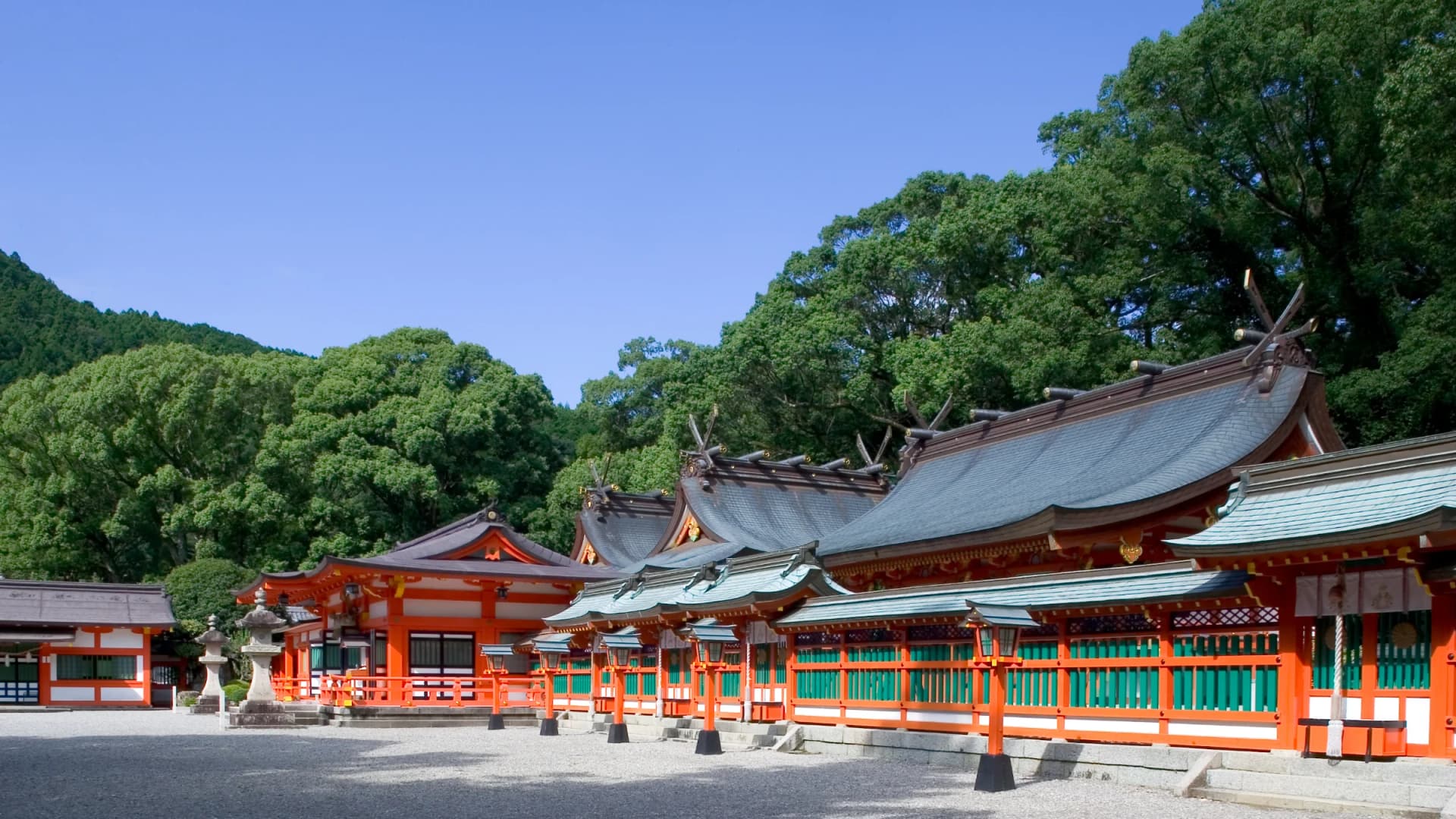
Kumano Hayatama Taisha
In Shingu, Wakayama, Kumano Hayatama Taisha stands as one of the three grand Kumano shrines – a "land of rebirth" where pilgrims have sought renewal for centuries.
Shingu · Wakayama