Chichibu Night Festival
秩父夜祭
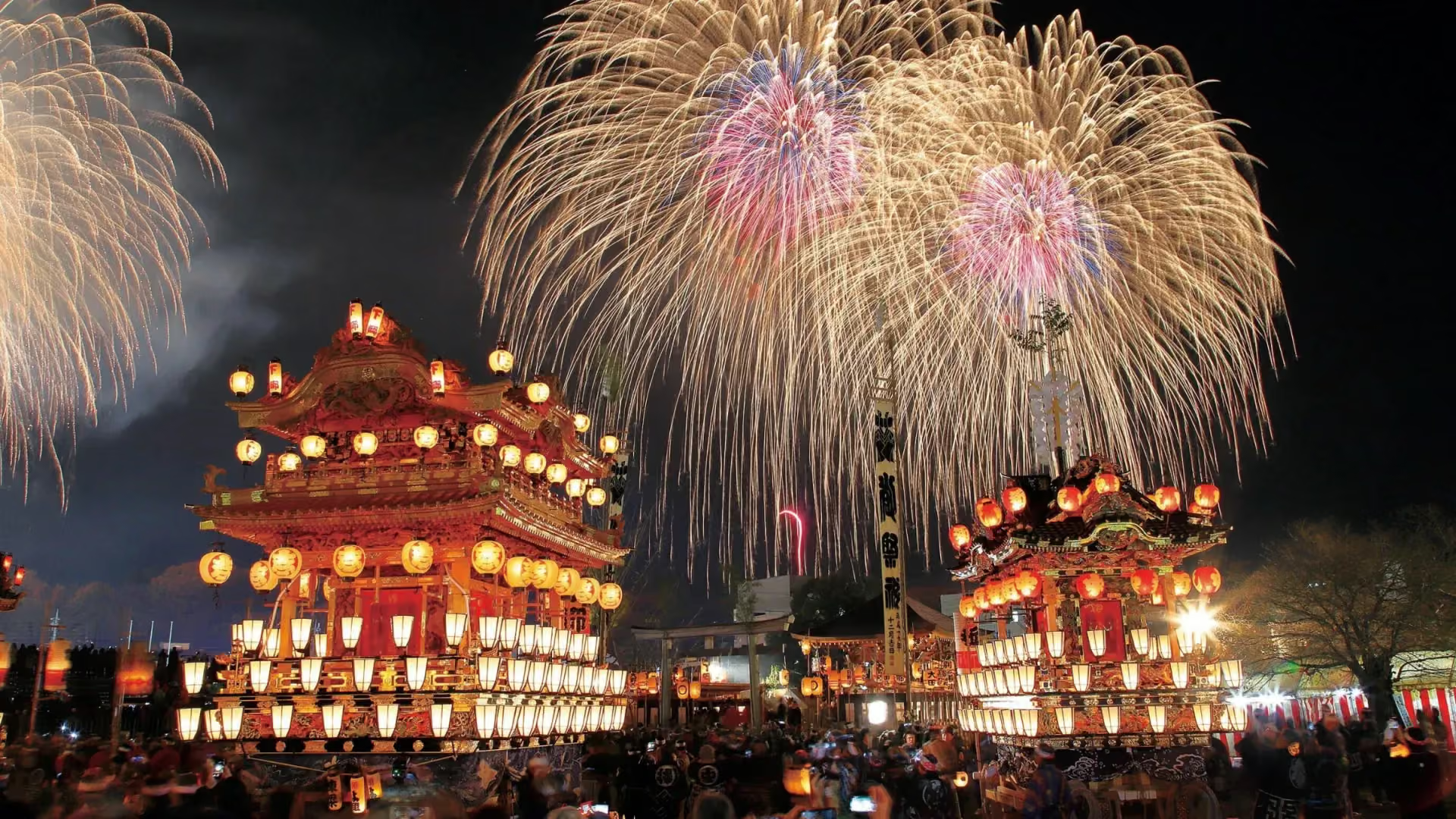
The grand festival of Chichibu Shrine, in which six lantern-lit floats are pulled through the town and up a steep slope as fireworks burst overhead.
〒 368-0041How to get there
秩父Chichibu Main Line3 min walk from the station
The Chichibu Night Festival, or Chichibu Yomatsuri, is the annual grand festival of Chichibu Shrine in Chichibu, Saitama Prefecture. It is counted with Kyoto's Gion Matsuri and the Takayama Festival as one of Japan's three great hikiyama (曳山) festivals, festivals of pulled floats.
History
At its core is an old rite in which the shrine's deity leaves the shrine in procession. The festival grew in the mid-Edo period together with the Kinu Oichi (絹大市), a great silk market held at the shrine, and the city puts its history at more than 300 years. The float events are traced to either the Kanbun era (1661 to 1673) or the Kyoho era (1716 to 1736). The floats, music, theatre and fireworks were added as festivities from the late Edo period through the Meiji and Taisho eras, and the festival came through shogunate bans on lavish floats, wars and social change.
Local tradition holds that the male deity of Mount Buko and the goddess Myoken of Chichibu Shrine are lovers who may meet only once a year, on the festival night, with the permission of the Suwa deity, his lawful wife. When the procession passes the Suwa shrine on its route, the floats stop their music and move on in silence.
The floats are a national Important Tangible Folk Cultural Property, designated in 1962, and the float events and kagura of the festival are an Important Intangible Folk Cultural Property. In 2016 the festival was inscribed on UNESCO's Intangible Cultural Heritage list as one of 33 float festivals of Japan listed together as Yama, Hoko, Yatai.
The floats
Six floats take part. Nakachika and Shimogo each pull a kasaboko (笠鉾), a float built around a central pillar and hung with artificial flowers; Shimogo's is the largest and heaviest of the six. Because of overhead wires, the kasaboko go out in their boxed form on the festival night. Miyaji, Kamimachi, Nakamachi and Honmachi each pull a yatai (屋台), a wagon stage. Miyaji's is the oldest, Nakamachi's carries carvings of Japanese myths and Honmachi's is decorated with gold leaf. The heaviest weigh about 20 tons.
Each yatai has side stages that fold out, and every year one of the four towns, in turn, stages yatai kabuki on its float. The musicians in red and white robes are chosen by their town and play only once in a lifetime. The pullers' call, Horai, is said to come from Horaisan, the legendary mountain of the immortals.
What happens
On the eve, the four yatai are pulled along the main streets from the morning, and they pass one another again after dark. On the main day all six floats tour the town from early morning and are pulled to the gate of Chichibu Shrine for prayers. At night they follow the deity's procession to the Otabisho, the resting place where a great gohei, a sacred paper staff, is set on the Kamenoko-ishi stone. The last stretch is the haul up the steep Dangozaka slope.
Turning a float means levering its four wheels off the ground with long poles. Fireworks, including large shells and starmine displays, are launched from Hitsujiyama during the night.
Getting There

Planning a trip? Fit this into a trip and Oni plans the rest around it.
You might also like
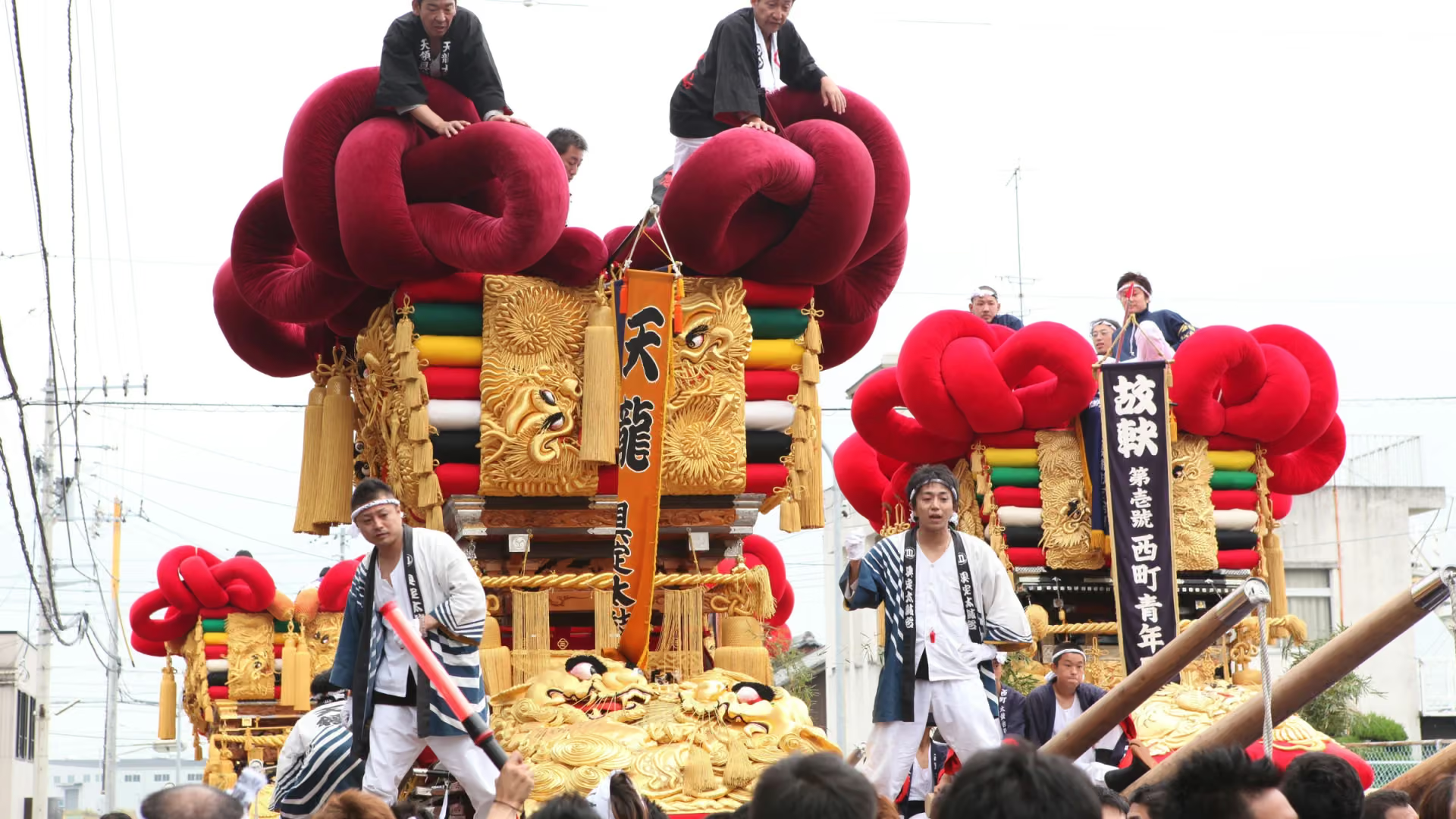
Niihama Taiko Festival
Towering drum-bearing floats parade through Niihama in this October celebration, drawing nearly 200,000 spectators each year.
16–18 Oct 2027Exact date not confirmed yetNiihama · Ehime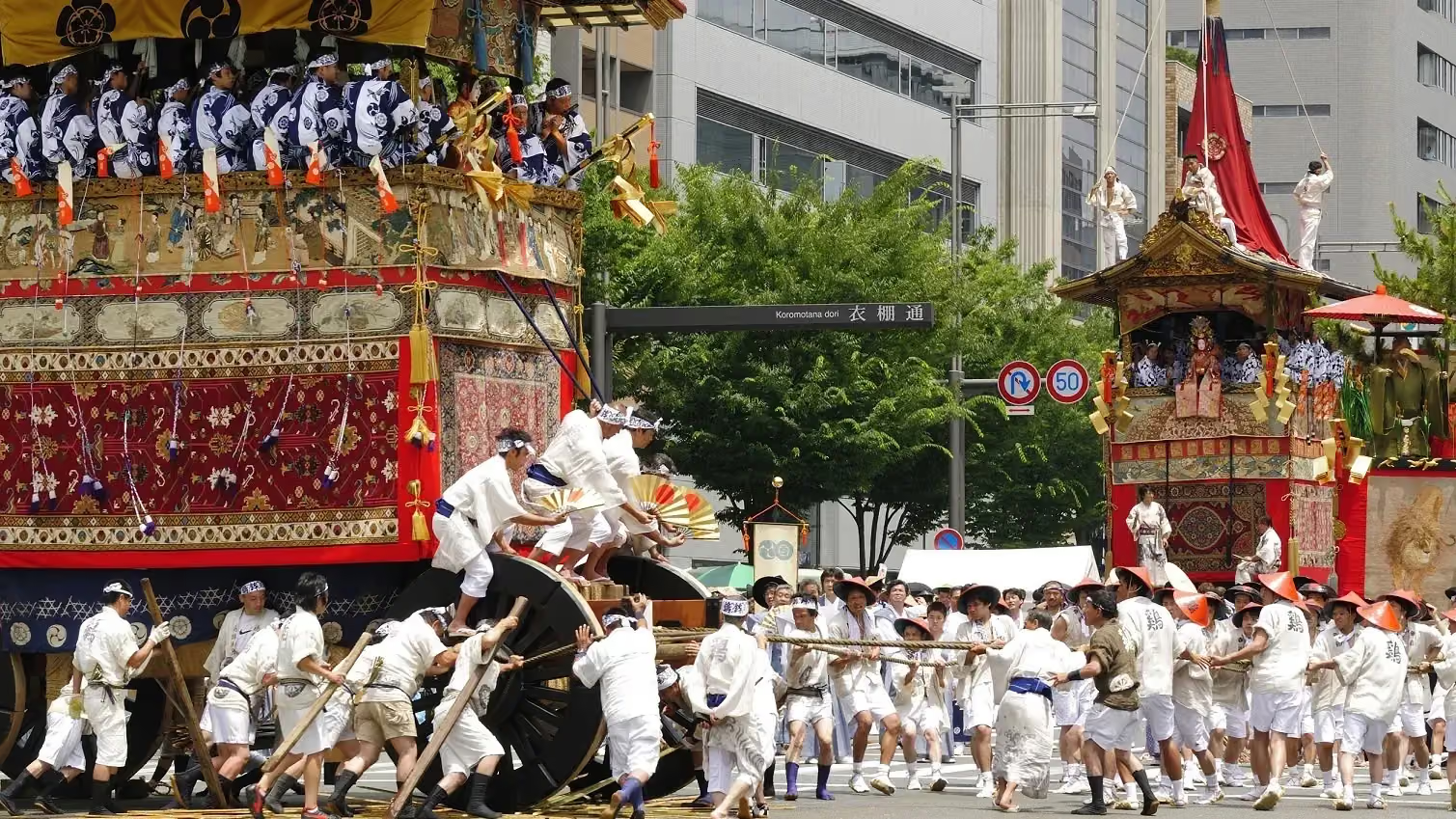
Gion Festival
A month-long Kyoto festival centered on Yasaka Jinja Shrine, with sacred rituals, food stalls and illuminated floats, ending in a grand procession and parade.
1–31 Jul 2027Kyoto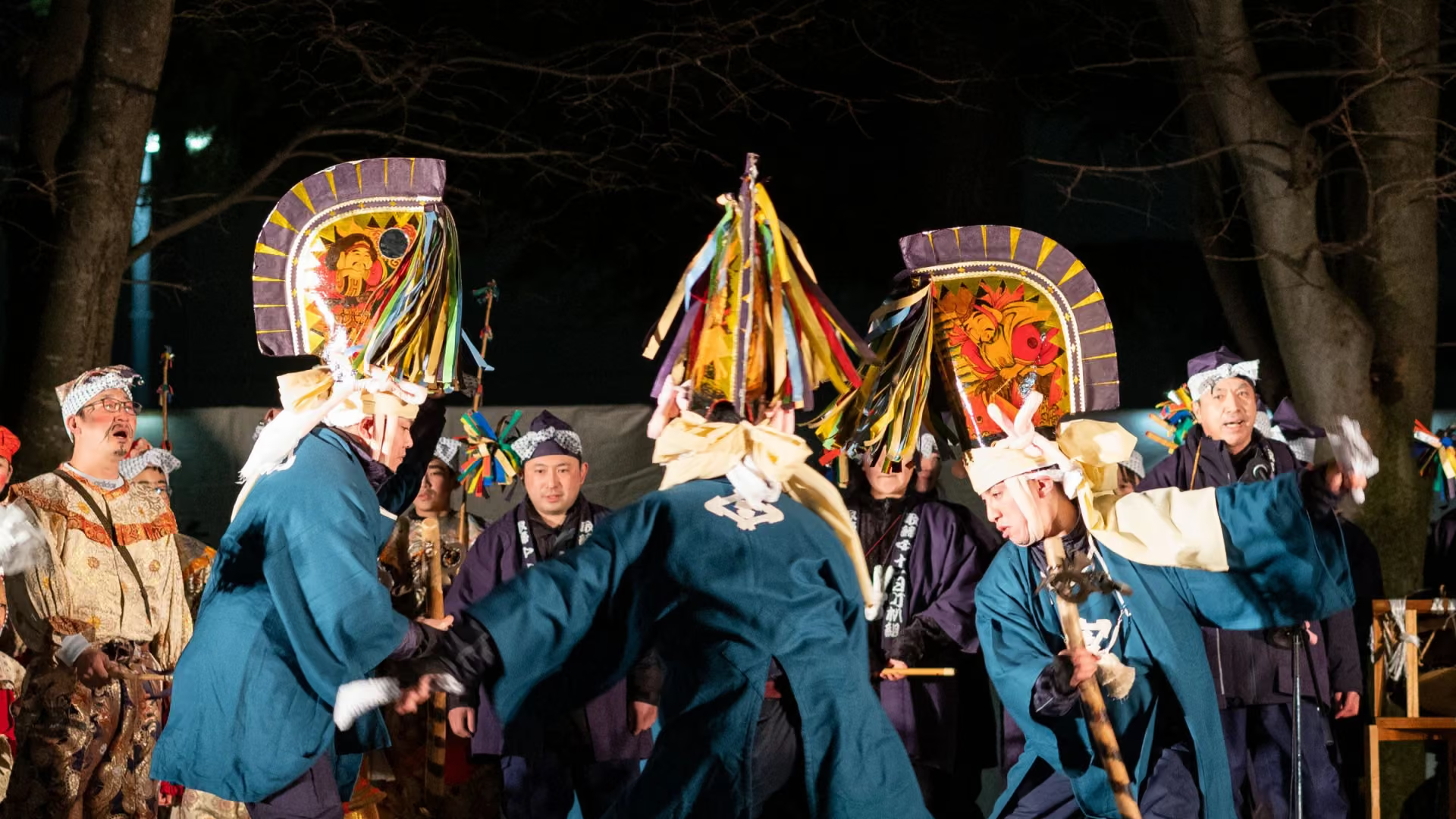
Hachinohe Enburi Festival
Historic winter celebration over 800 years old marking the end of the cold season with traditional performances and prayers for a bountiful rice harvest.
17–20 Feb 2027Hachinohe · Aomori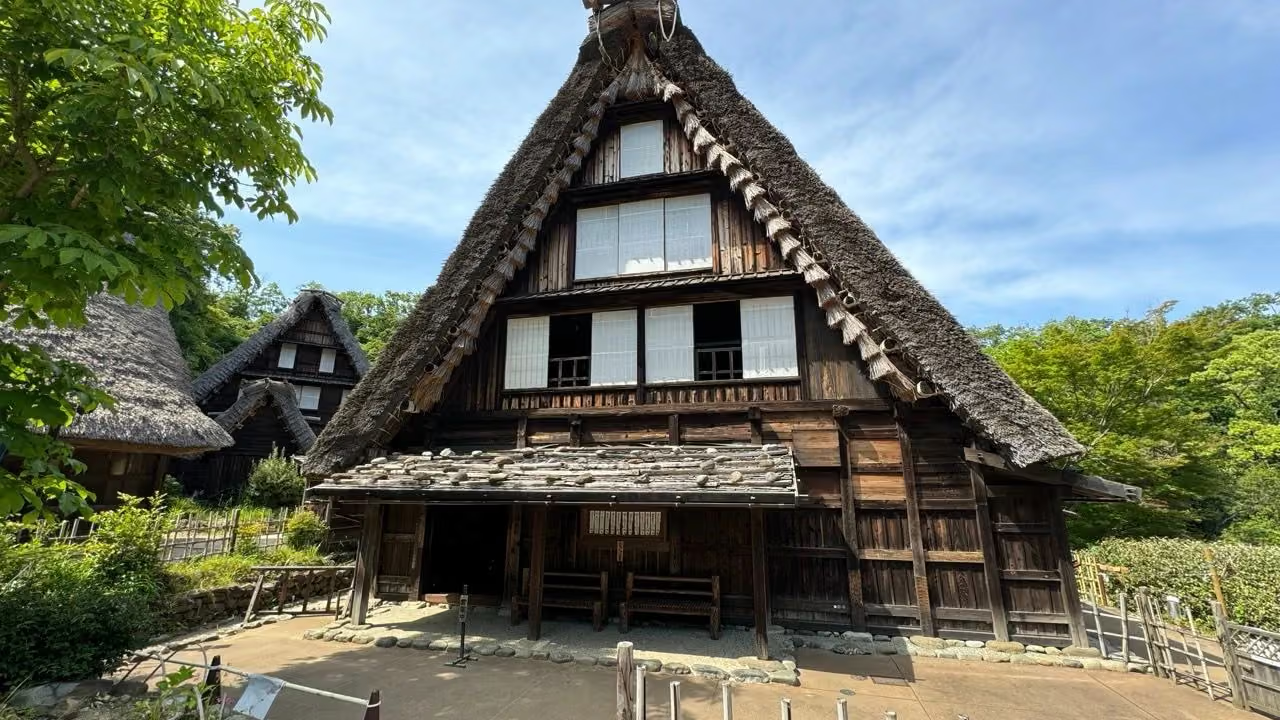
Japan Open-Air Folk House Museum
Open-air museum in Kawasaki with 25 old houses and other buildings moved from across Japan, plus indigo-dyeing sessions and a soba restaurant.
Kawasaki · Kanagawa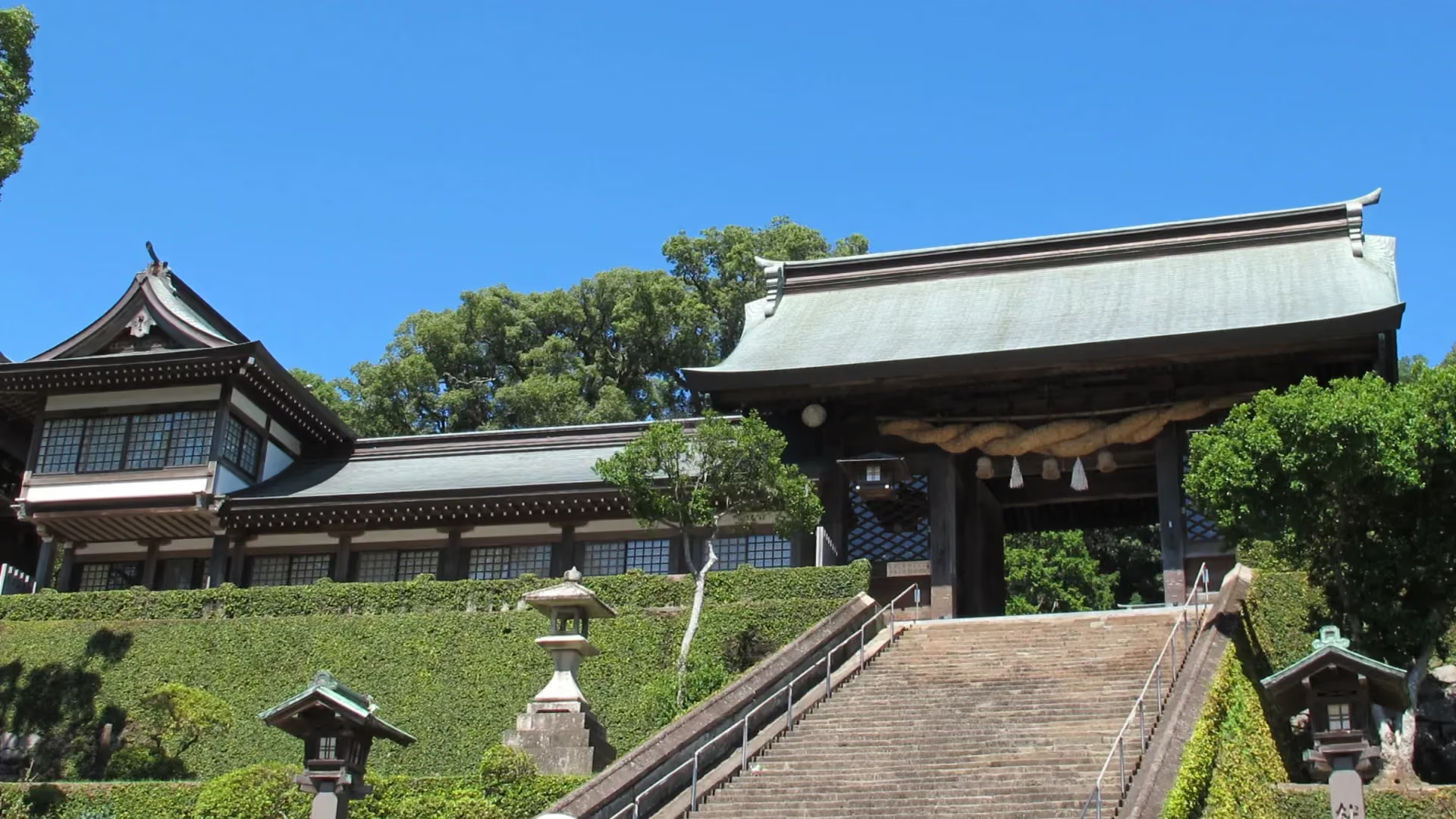
Suwa Shrine
The tutelary shrine of Nagasaki, re-established in 1625 after the city had been church land, and home of the Kunchi festival.
Nagasaki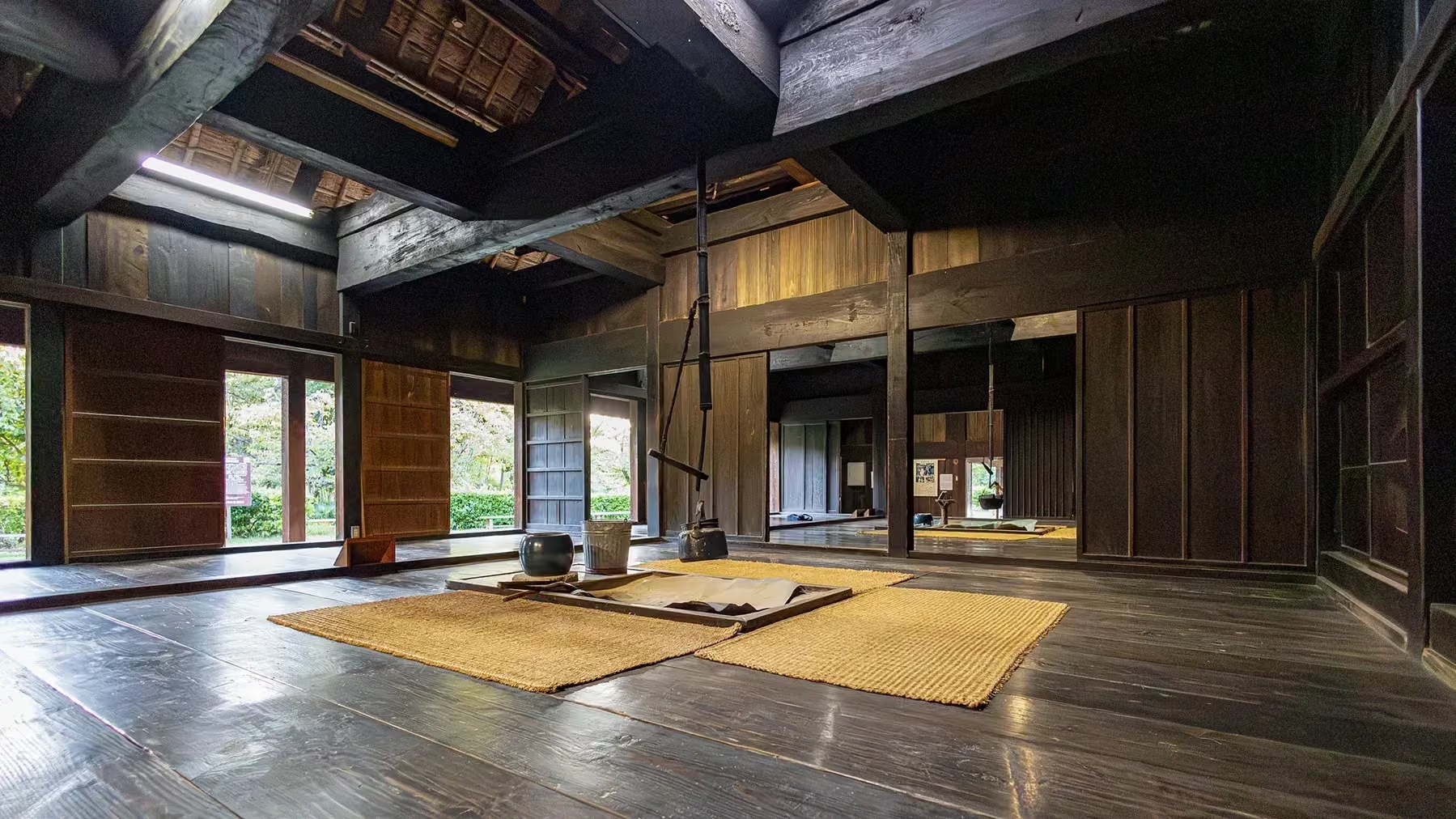
Open-Air Museum of Old Japanese Farmhouses
Japan's first open-air museum, opened in 1956, with 12 farmhouses from across the country built between the 17th and 19th centuries.
Toyonaka · Osaka