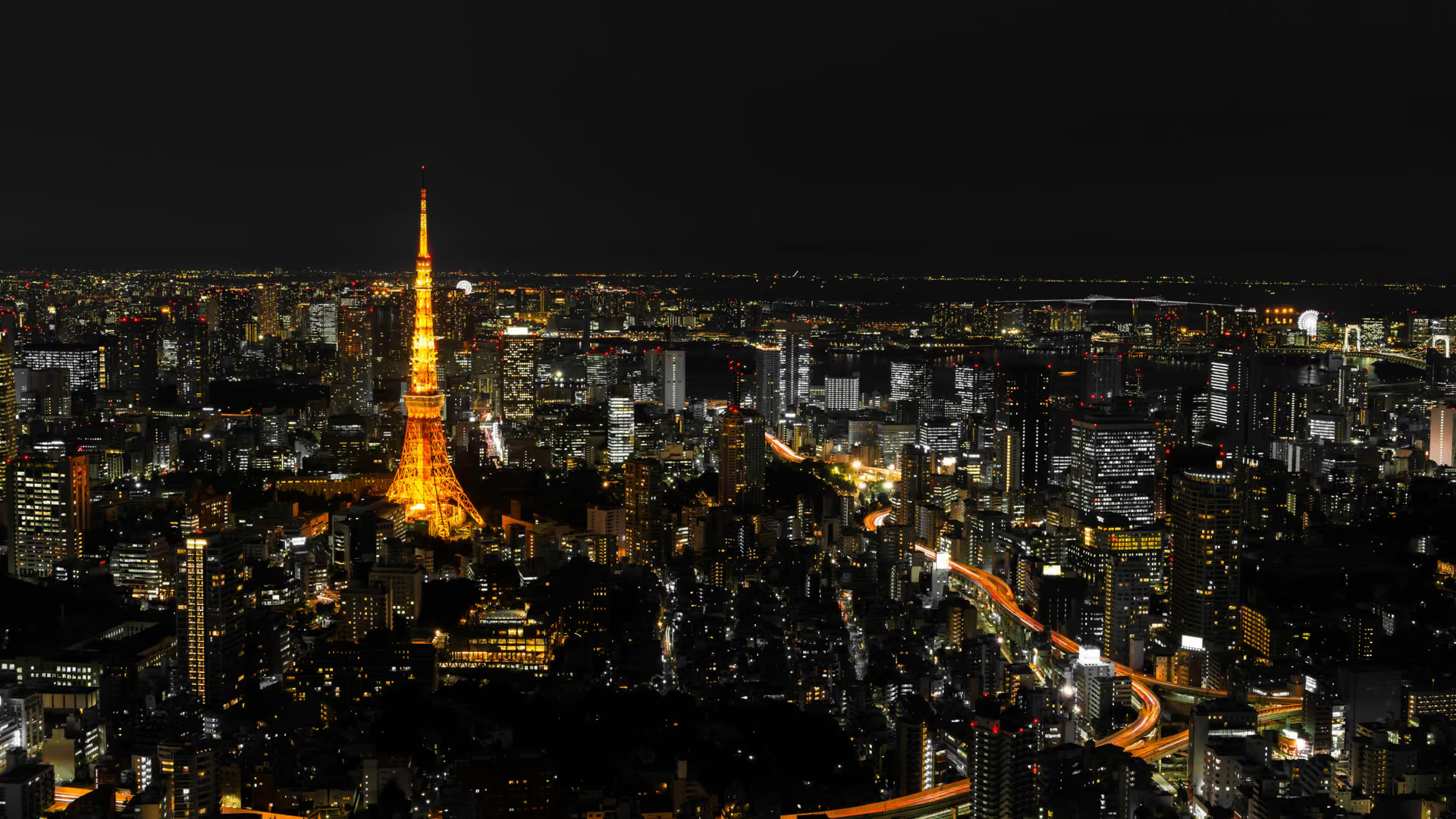
Chichibu Shrine
秩父神社
A shrine in central Chichibu listed in the Engishiki of 927, with a 1592 main hall donated by Tokugawa Ieyasu and carvings attributed to Hidari Jingoro.
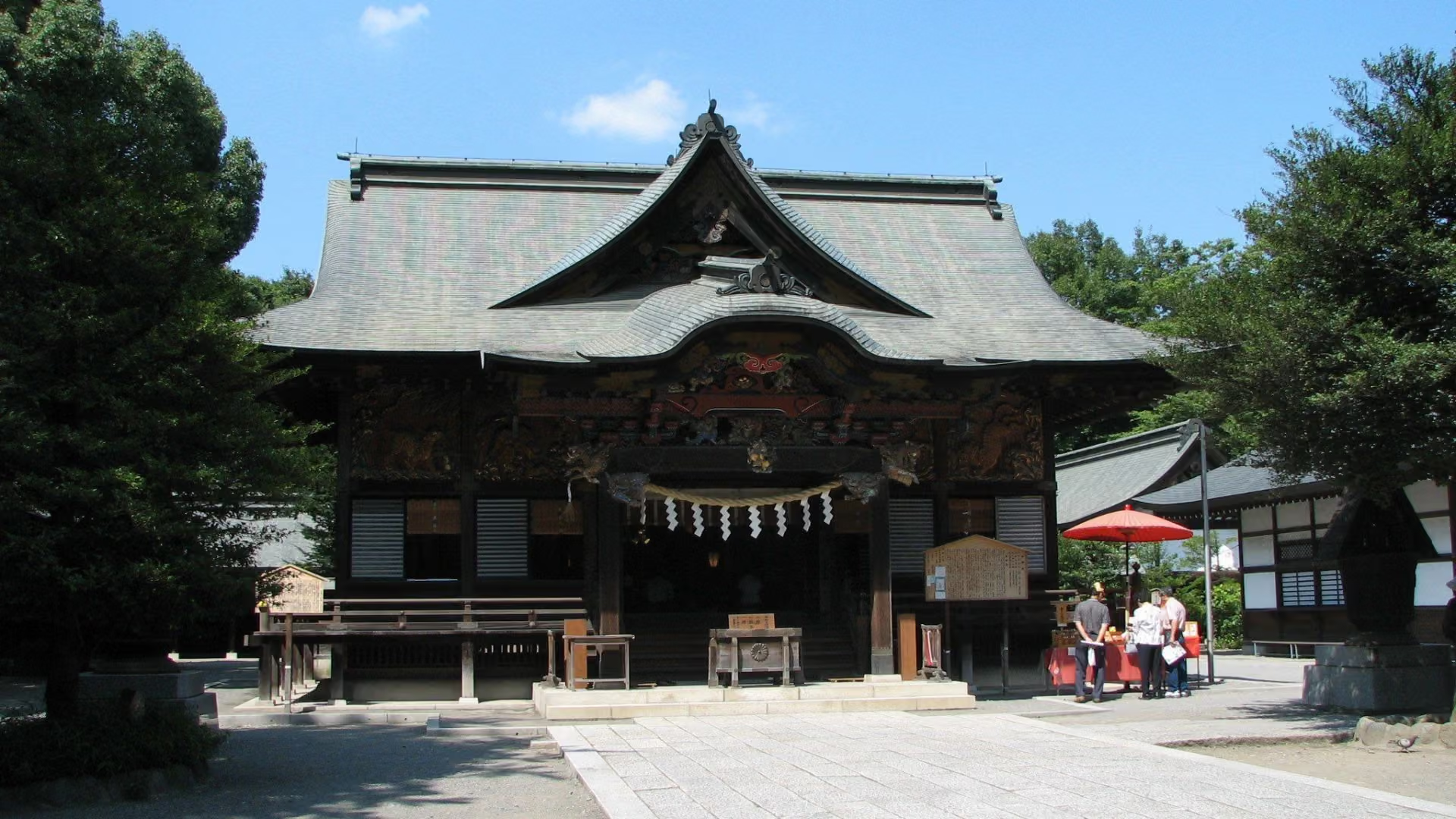
The shrine does not publish gate hours. Prayer requests are taken daily from 9:00 to 16:00 at the amulet office in front of the main hall.
〒 368-0041How to get there
秩父Chichibu Main Line3 min walk from the station
Chichibu Shrine is a Shinto shrine in the center of Chichibu, Saitama Prefecture. It appears in the Engishiki, a body of court regulations compiled in 927, and the shrine counts itself among the oldest in the Kanto region. Its annual festival is the Chichibu Night Festival (Chichibu Yomatsuri, 秩父夜祭), held in honor of Myoken. Together with the Gion Festival in Kyoto and the Takayama Festival, it is counted as one of Japan's Three Great Hikiyama Festivals, and in 2016 UNESCO inscribed it as one of the Yama, Hoko, Yatai float festivals of Japan.
Deities
Four deities are enshrined. The shrine reveres Yagokoro Omoikane no Mikoto (八意思兼命) as an ancestral god of government, learning, industry and good fortune. In Japanese myth he is the deity of wisdom who devised the plan that drew the sun goddess Amaterasu out of the cave where she had hidden herself.
Chichibuhiko no Mikoto (知知夫彦命) is regarded as the god who opened up the Chichibu region. Ame no Minakanushi no Kami (天之御中主神) was added in the Kamakura period as Myoken, the deity of the North Star. The fourth is Prince Chichibu Yasuhito, a younger brother of Emperor Showa, enshrined in 1953.
History
According to the Sendai Kuji Hongi, an early Heian chronicle, the shrine began in the reign of Emperor Sujin. Chichibuhiko, a tenth-generation descendant of Omoikane and the first kuni no miyatsuko (国造), or provincial governor, of Chichibu, enshrined his ancestor here. The shrine marked 2,100 years since its founding in 2014. The court raised its rank in 878.
In the Middle Ages the shrine merged with the Myoken worship of the Chichibu Taira clan, from whom many Kanto warrior bands descended, and it became known as Chichibu Myoken-gu (秩父妙見宮). The separation of Shinto and Buddhism ordered by the Meiji government restored its older name. In 1928 it was ranked a kokuhei shosha (國幣小社), a national shrine of the lesser grade.
Buildings
The earlier buildings burned in 1569, when Takeda Shingen invaded the area. Tokugawa Ieyasu donated land to rebuild the shrine, and the present main hall is said to date from 1592. It is built in the gongen-zukuri (権現造) style and is said to be among the leading examples of the style in Saitama Prefecture. The main hall and its ridge tablet, which records the fire and the rebuilding, are Saitama Prefecture Tangible Cultural Properties. Repairs to the main hall were completed in 2024.
The shrine's mikoshi (神輿), portable shrine, is said to date from the end of the Muromachi period and is the oldest surviving one in the prefecture.
The carvings
Tiger carvings run around all four sides of the shrine building. The Kodakara Kosodate no Tora (子宝 子育ての虎) on the front of the worship hall shows a tiger playing with its cub. Shrine tradition holds that it was carved by Hidari Jingoro (左甚五郎), a legendary early Edo carver also credited with the Sleeping Cat at Nikko Toshogu, to stand for Ieyasu's dignity and to guard the deities.
The Tsunagi no Ryu (つなぎの龍), the chained dragon, is also thought to be his work. Legend holds that whenever a dragon living in the nearby Amagaike pond ran wild, a puddle formed under the carving. Once the carved dragon was chained, the dragon stopped appearing.
On the north side of the main hall, the Hokushin no Fukuro (北辰の梟), the owl of the North Star, keeps its body toward the hall while its head turns due north, the direction from which Myoken appears. The Ogenki Sanzaru (お元気三猿), the lively three monkeys, answer the three monkeys of Nikko Toshogu: where those see, hear and speak no evil, these see well, hear well and speak well.
Hahaso no Mori
The shrine forest has long been called Hahaso no Mori (柞乃杜), after the Japanese oaks said to have once grown there thickly. A shrine record of 1802 already uses the name. The Shinpen Musashi Fudokiko, an Edo period gazetteer, gives the grounds as about 38,000 square meters. The forest was once home to the dollarbird (bupposo).
What's on here
| Date | Event | Details |
|---|---|---|
| December 2026 | ||
| 2–3 Dec 2026 | Chichibu Night Festival | Official page |
| July 2027 | ||
| 19–20 Jul 2027 | Chichibu Kawase Matsuri | |
Getting There

Planning a trip? Fit this into a trip and Oni plans the rest around it.
You might also like
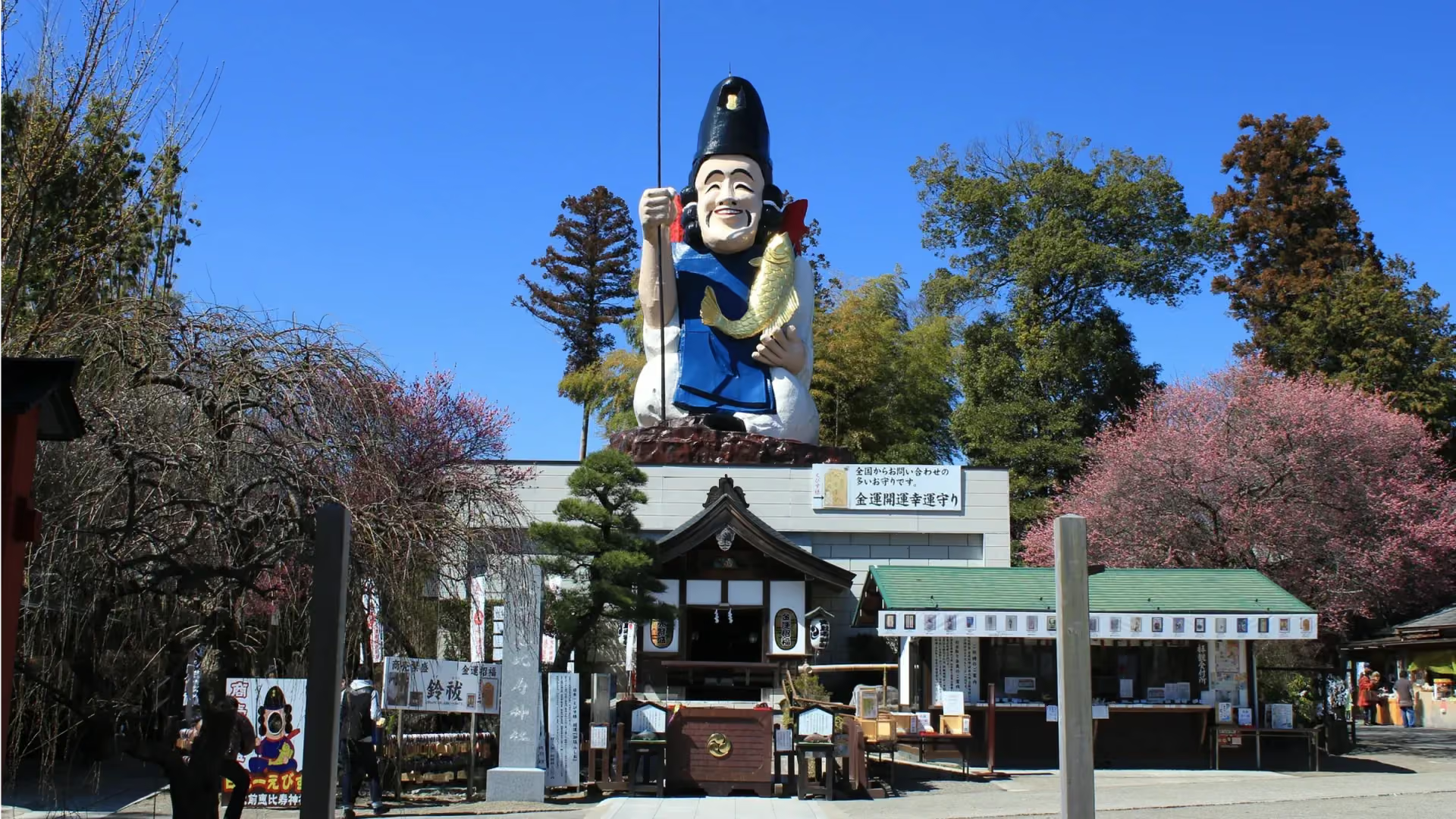
Osaki Shrine
Shinto shrine in Moka enshrining Daikoku and Ebisu, with a main hall, offering hall and worship hall designated Important Cultural Properties.
Moka · Tochigi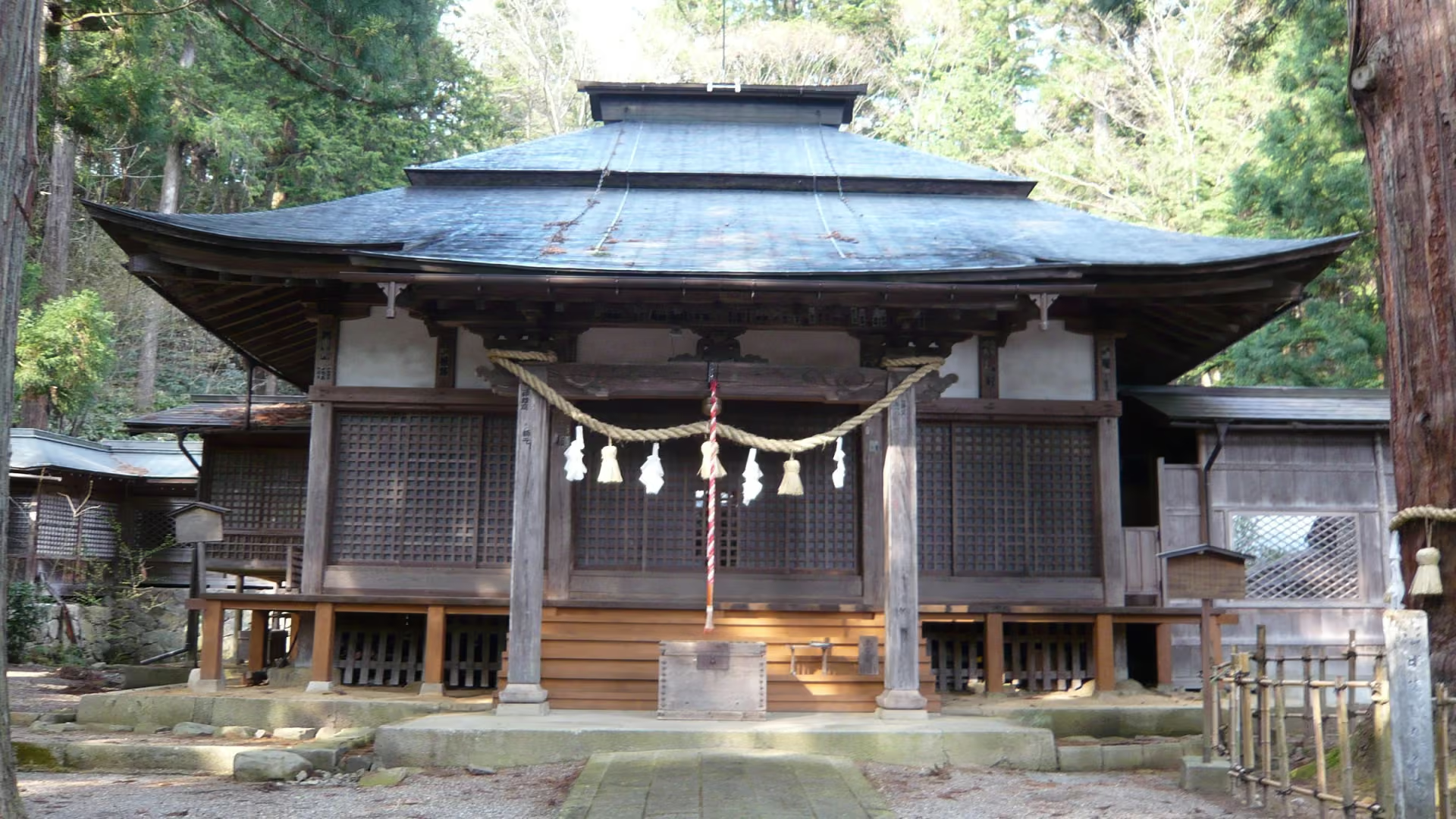
Hie Shrine
A Shinto shrine on Shiroyama in Takayama to the mountain god Oyamakui no Kami, said to date from 1141 and home of the spring Takayama Festival.
Takayama · Gifu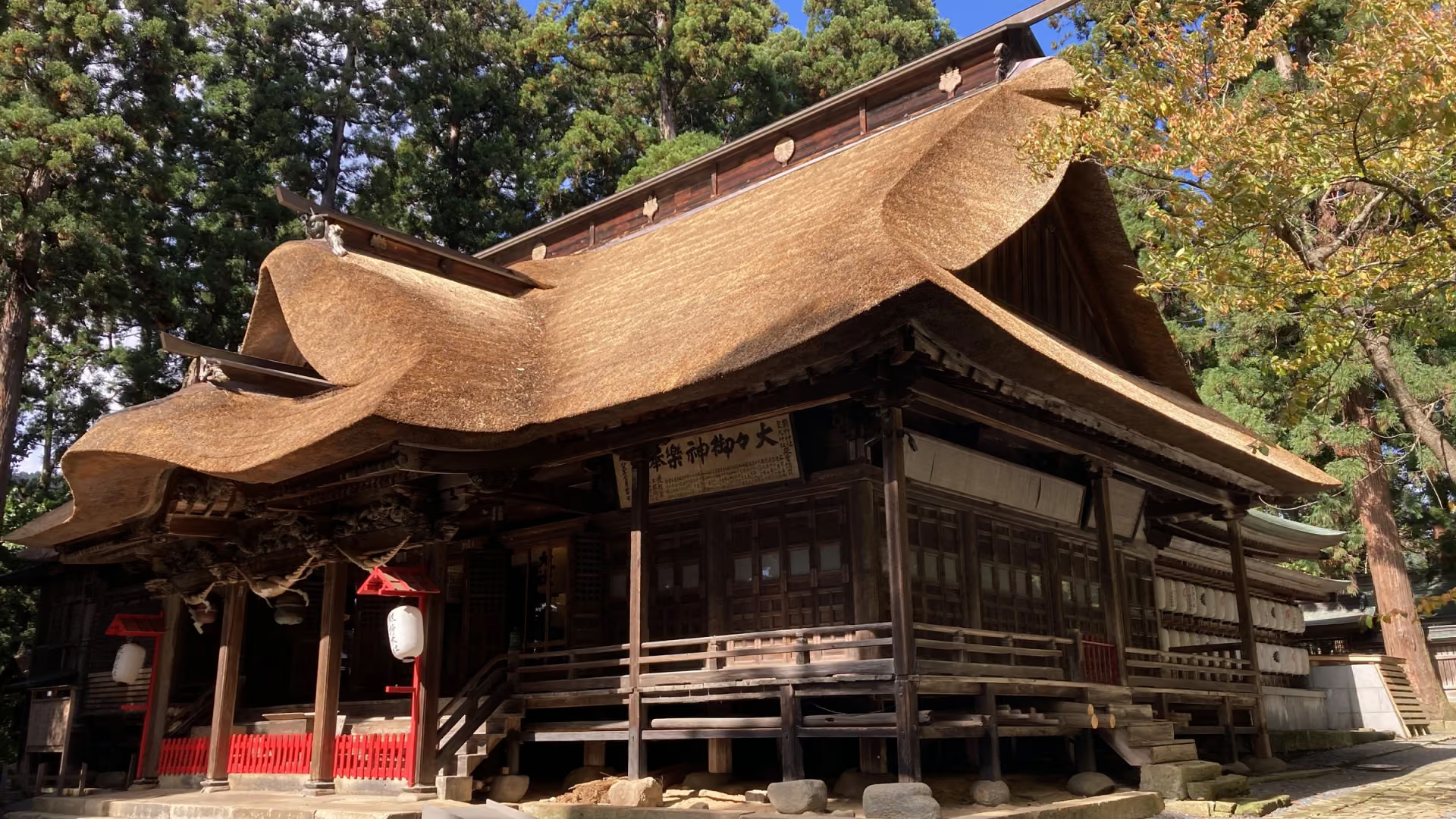
Kumano Taisha Shrine
One of the Three Kumano of Japan, said to have been rebuilt in 806, known as the Ise of Tohoku and as a shrine of matchmaking deities.
Nanyo · Yamagata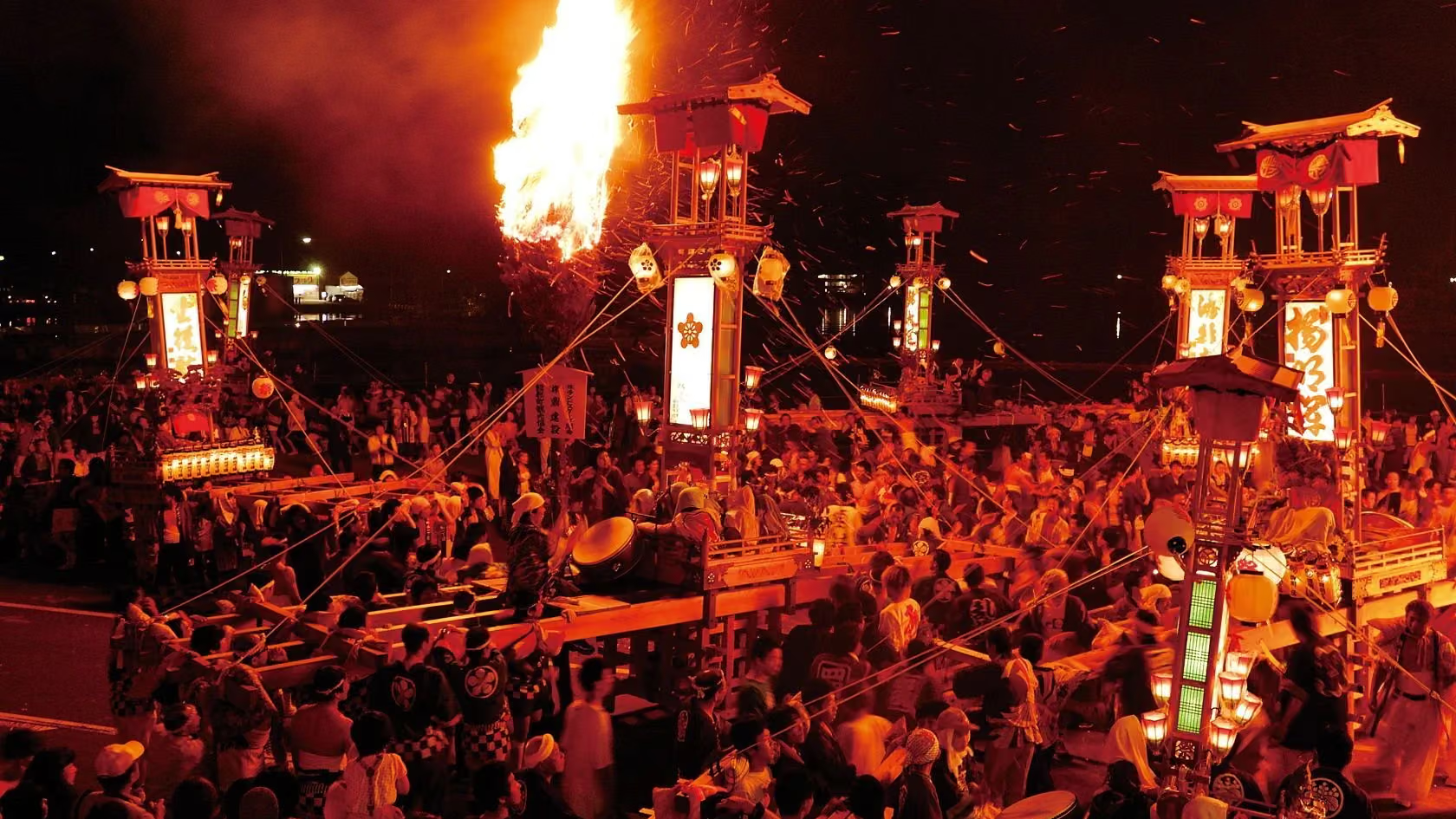
Abare Festival
About 40 kiriko lanterns and two mikoshi go through the port town of Ushitsu in Noto, with the mikoshi thrown into the sea, rivers and fire.
2–3 Jul 2027Exact date not confirmed yetNoto · Ishikawa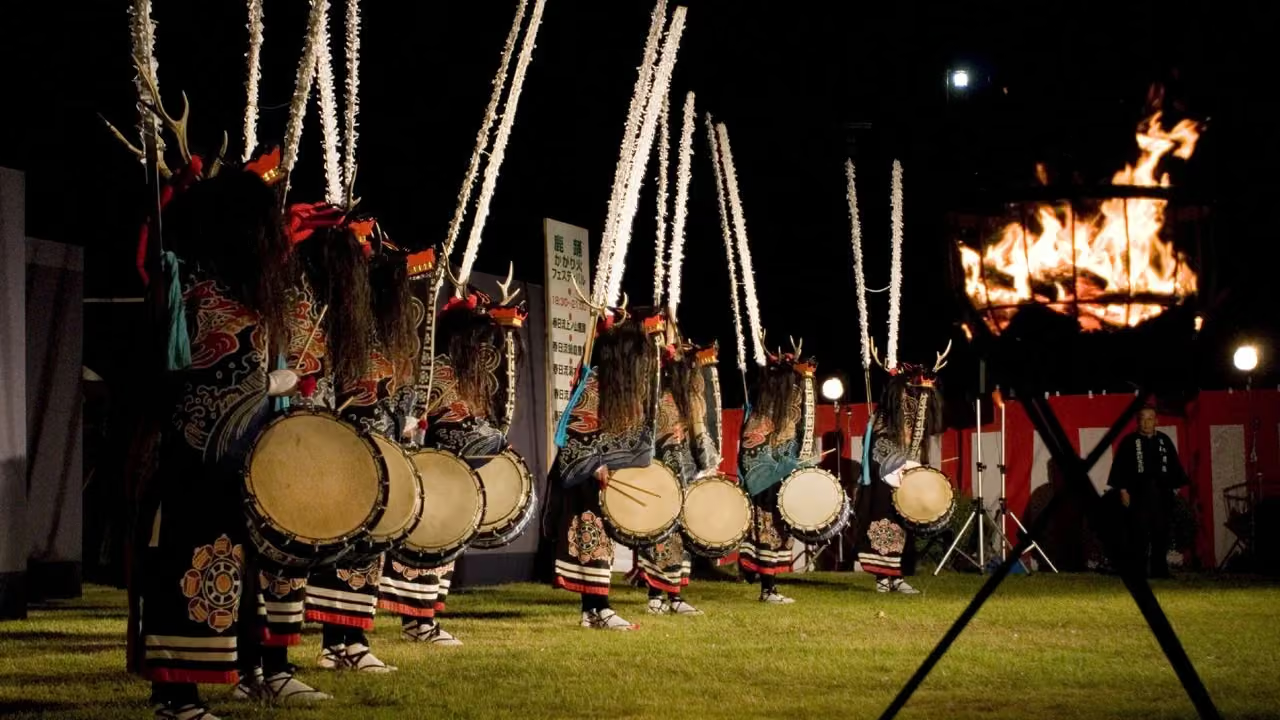
Hanamaki Festival
A festival of more than 430 years in Hanamaki, Iwate, with decorated floats, over 100 mikoshi, deer dances and Kagura Gongenmai.
10–12 Sep 2027Hanamaki · Iwate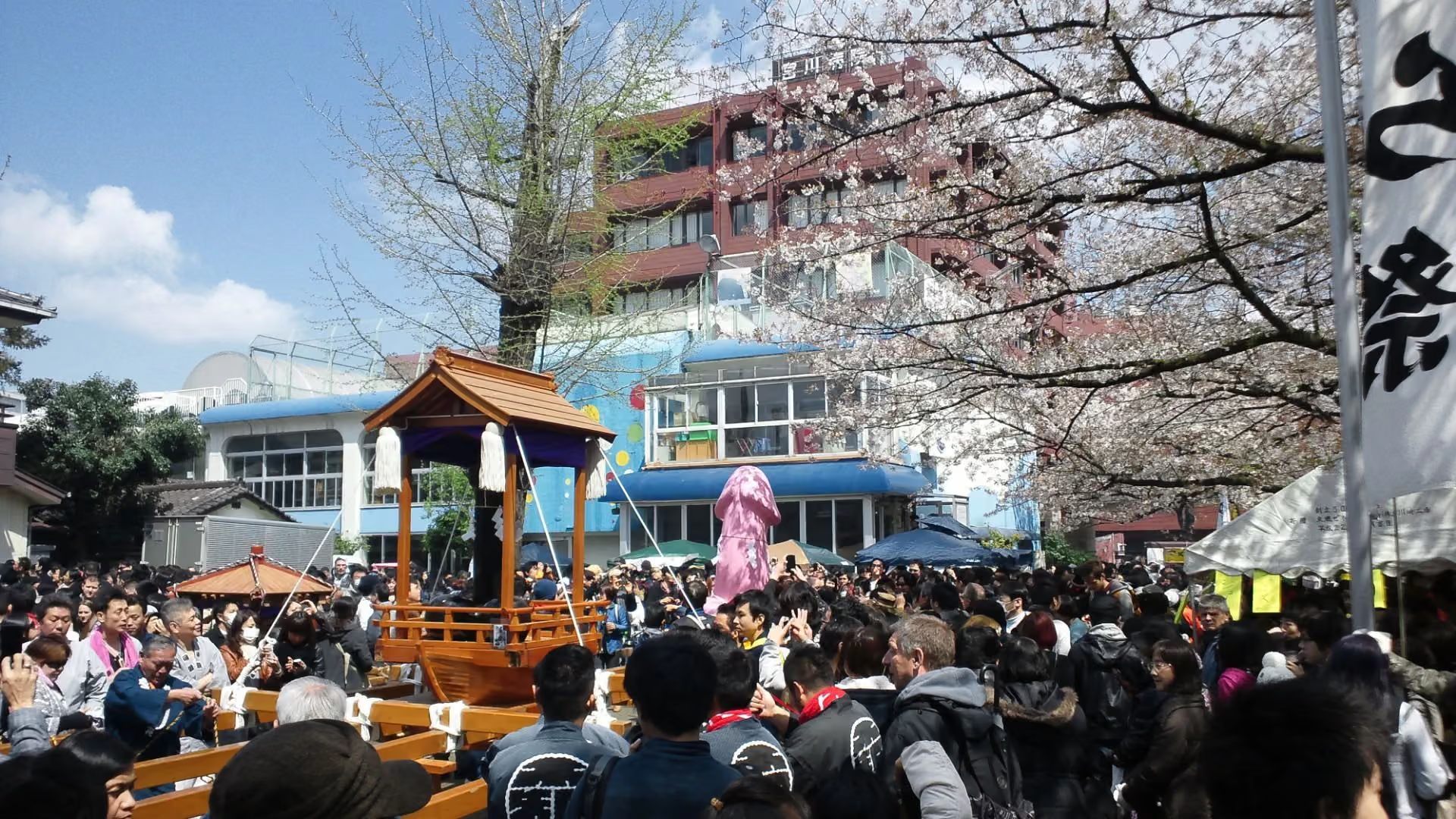
Kanamara Matsuri "Festival of the Steel Phallus"
An annual Shinto festival at Kanayama Shrine in Kawasaki featuring distinctive phallic imagery in decorations and parades while raising funds for HIV research.
5 Apr 2027Exact date not confirmed yetKawasaki · Kanagawa