Hadaka Matsuri
はだか祭
Historic purification festival where nearly-naked men engage in a spirited struggle to touch the selected Naoi-nin, symbolizing the cleansing of misfortune.
〒 492-8137How to get there
国府宮Meitetsu Nagoya Main Line5 min walk from the station
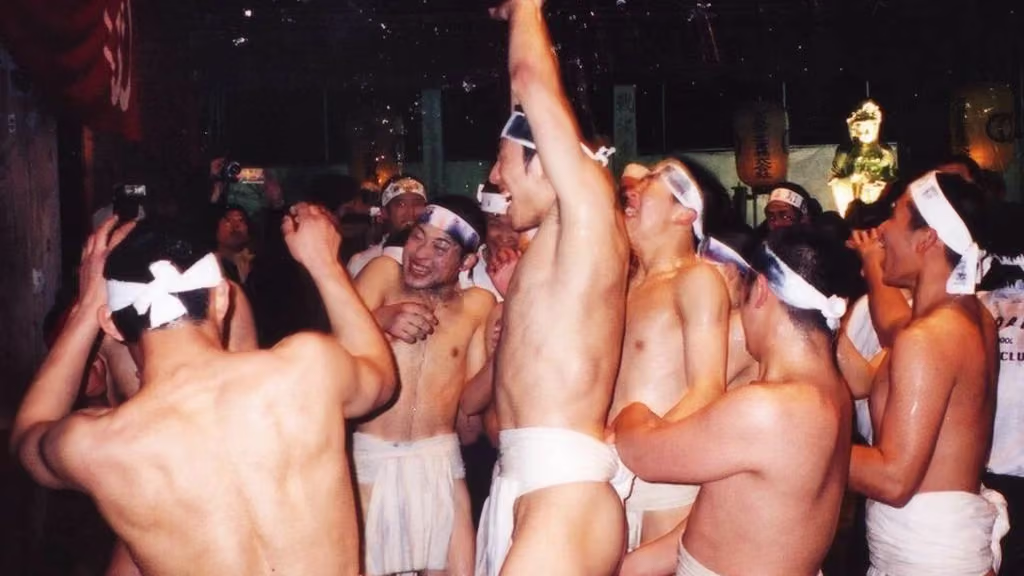
The Konomiya Hadaka Matsuri, formally known as the Naoi Shinji, is a historic festival held annually on the 13th day of the lunar New Year. Its origins date back to 767, when prayers for protection from epidemics were offered at provincial temples and the local shrine. Today, it remains a vibrant tradition centered around purification and the symbolic transfer of misfortune.
At the heart of the festival is the selection of a Naoi-nin (divine man), chosen by lottery, who becomes the focal point of the event. Groups of nearly-naked men engage in a fierce but controlled struggle to touch the Naoi-nin, believing it will cleanse them of bad luck. Throughout the day, participants also present Naoi-sasa - bamboo stalks with attached protective cloths - to the shrine, and spectators receive protective charms known as Naoi-gire.
A key ritual is the Yanaoishi (Night Naoi) ceremony, held at 3 a.m. the following day, where the Naoi-nin carries Tsuchimochi, a sacred rice cake containing symbolic impurities, which is chased from the shrine and buried by priests. This act symbolises returning all worldly sins and misfortune to the earth, ensuring peace and safety for the land.
The festival also features other traditional rituals, including the preparation and offering of the O-kagami mochi, a massive ceremonial rice cake, and the Matoi-shinji, a special archery ritual performed to ward off evil spirits.
Participants and spectators are guided by strict safety rules: proper labeling of garments, caution with alcohol, and careful conduct during the intense Naoi-nin struggle. Drones, ladders, and other equipment are prohibited for spectators due to safety concerns.
In addition, the festival includes the Naoi Tea Ceremony, a unique event held in the Naoi-den where visitors enjoy tea and ceremonial offerings, continuing the purification tradition in a calm, reflective setting.
The Konomiya Hadaka Matsuri is a rare combination of thrilling, participatory ritual and deep-rooted spiritual tradition, preserving a cultural legacy that has continued for over a millennium.
The name “Hadaka Matsuri” literally means “Naked Festival” and refers to the tradition of nearly-naked men participating in the ritual, with the central figure called the Naoi-nin or “divine man”, who is believed to absorb and cleanse participants’ misfortune.
Getting There

Planning a trip? Fit this into a trip and Oni plans the rest around it.
You might also like
Ono Festival
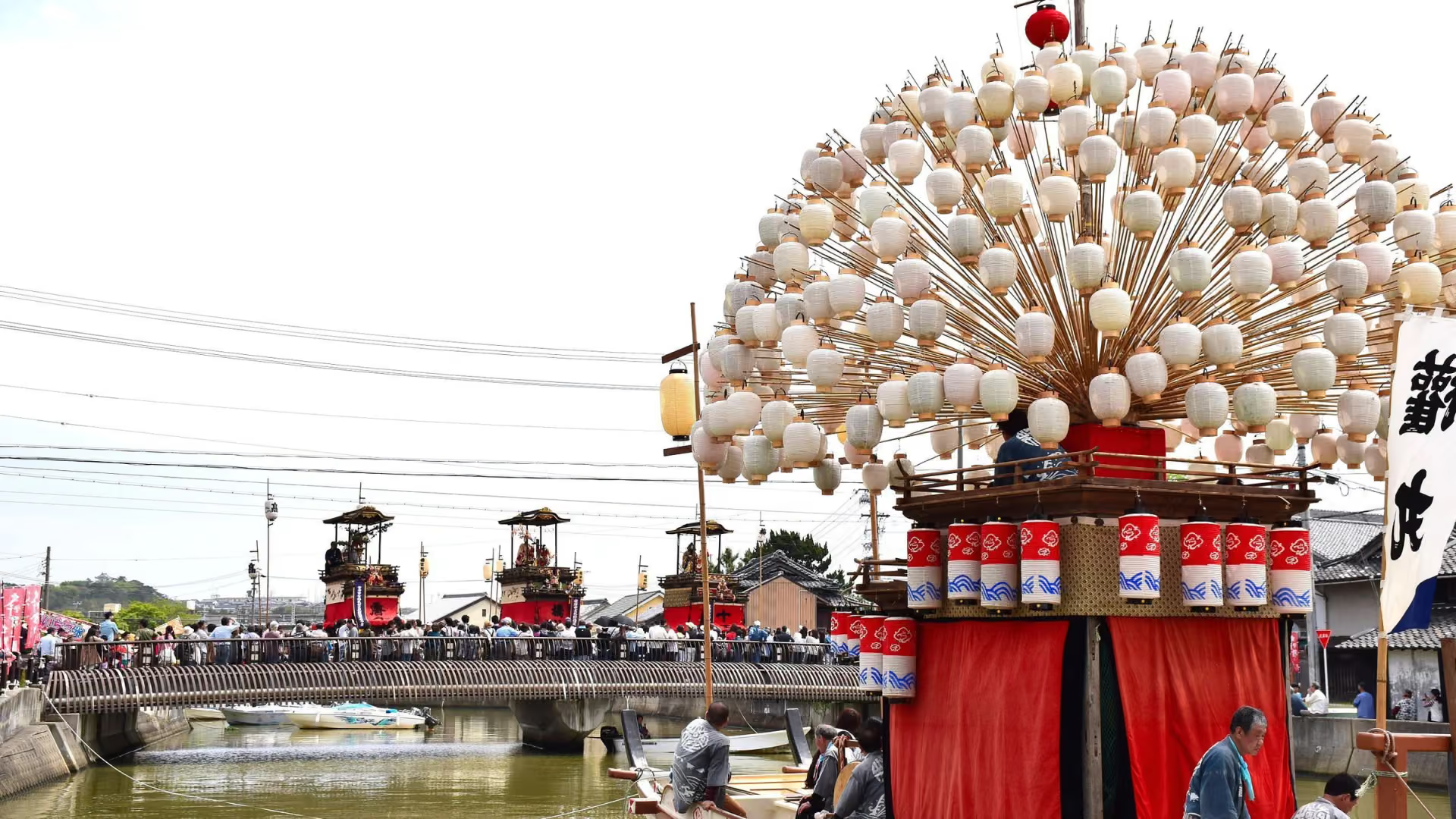
A traditional spring festival held over two days features three decorated floats and karakuri puppets, with origins dating to the Edo period.
3–4 May 2027Tokoname · Aichi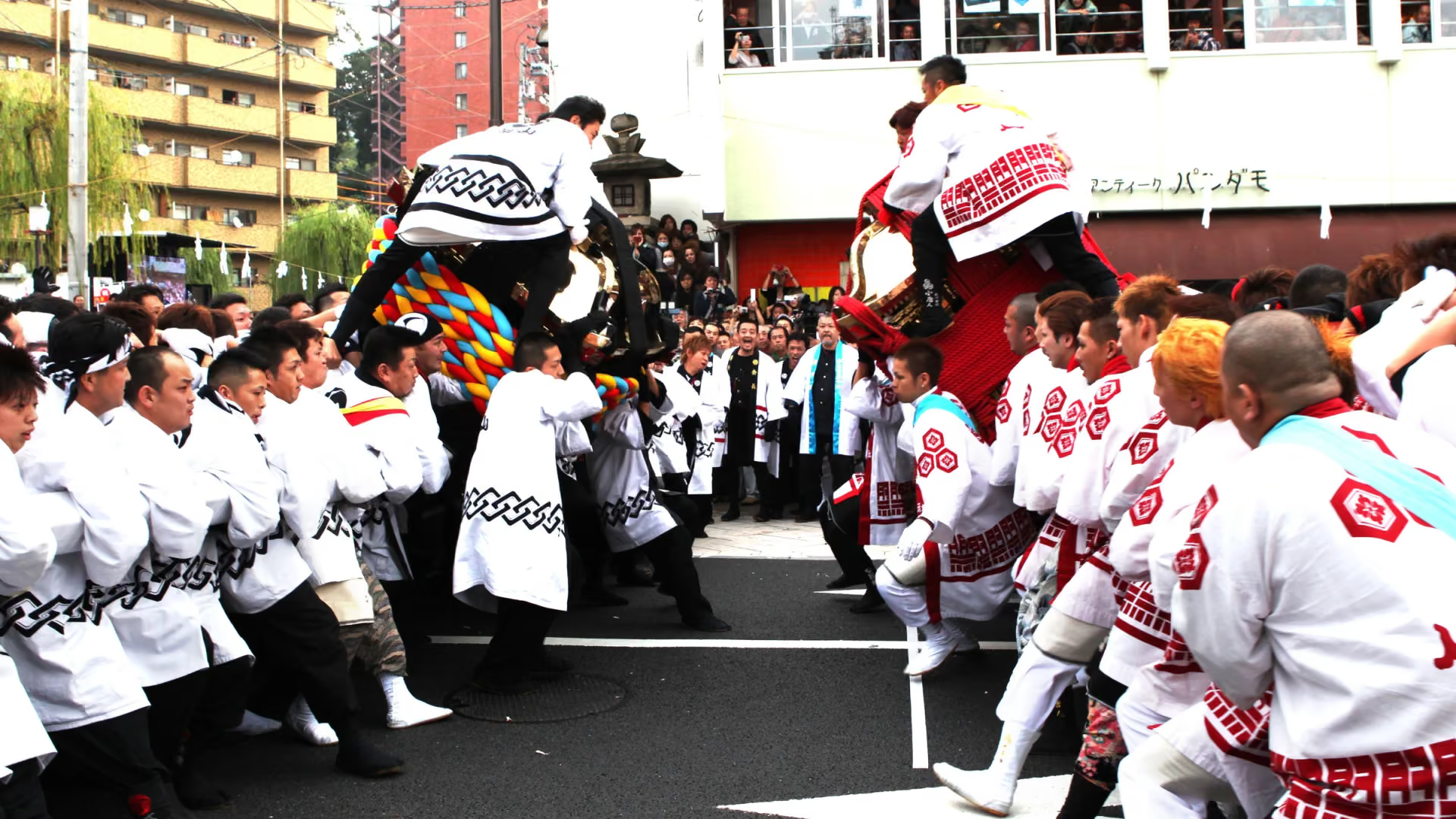
Matsuyama Dogo Autumn Festival
Ancient shrine festival featuring portable shrines carried through Matsuyama's districts in ritual performances believed to enhance spiritual power.
5–7 Oct 2027Exact date not confirmed yetMatsuyama · Ehime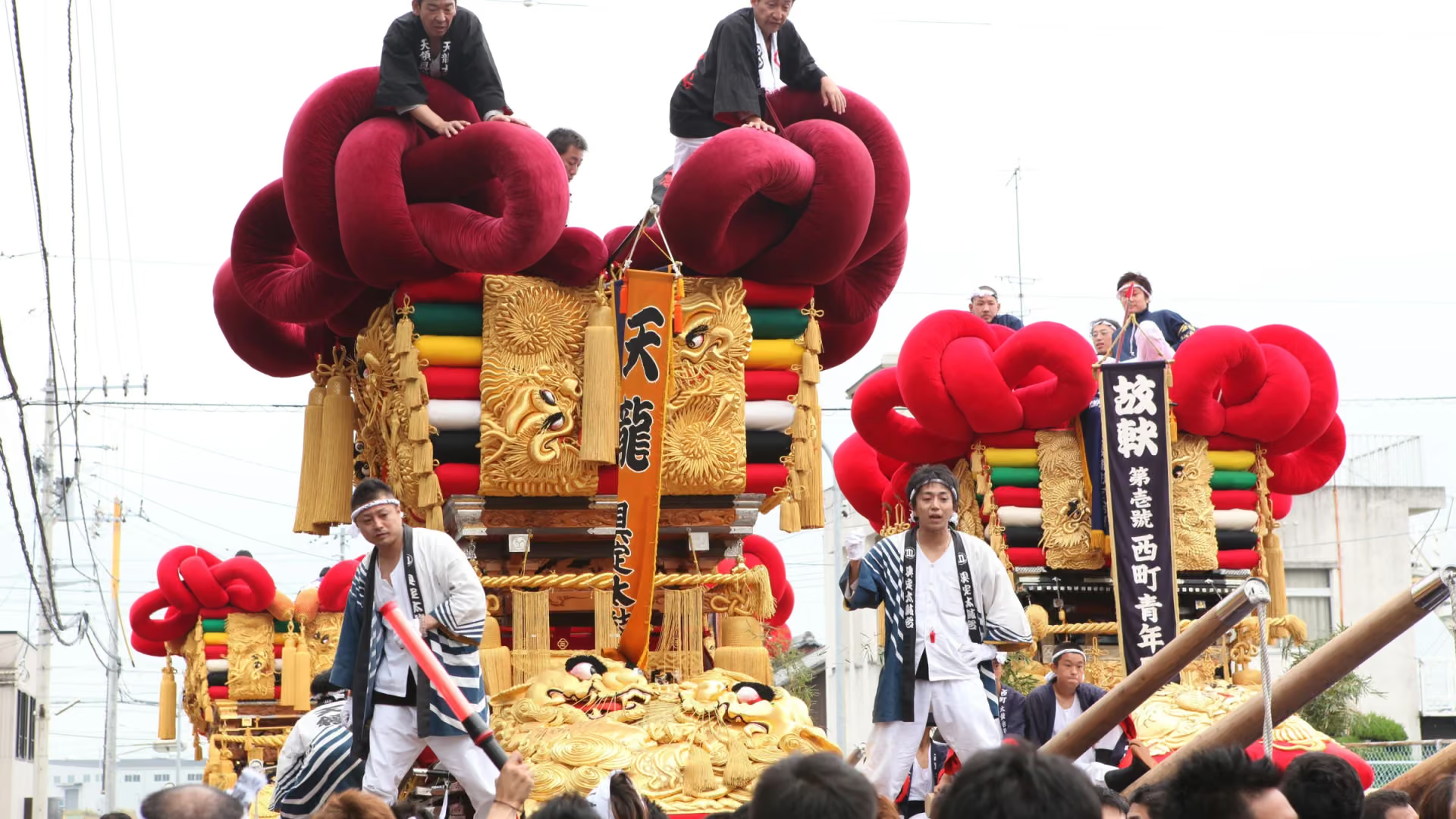
Niihama Taiko Festival
Towering drum-bearing floats parade through Niihama in this October celebration, drawing nearly 200,000 spectators each year.
16–18 Oct 2027Exact date not confirmed yetNiihama · Ehime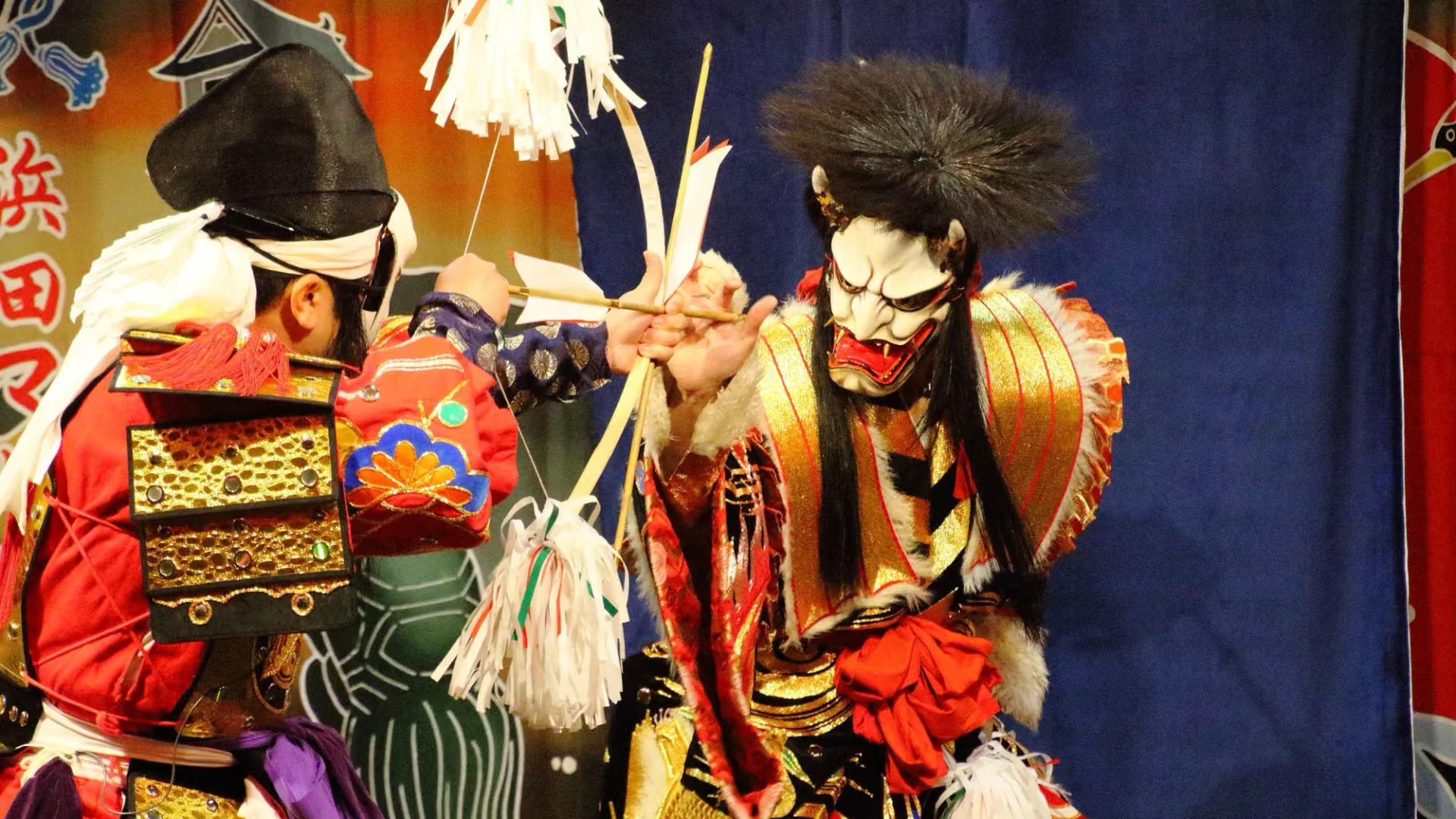
Iwami Kagura
Each autumn in western Shimane, shrine stages host Iwami Kagura - sacred dances performed through the night, from ceremonial pieces to a battle with a serpent.
Shimane · Chugoku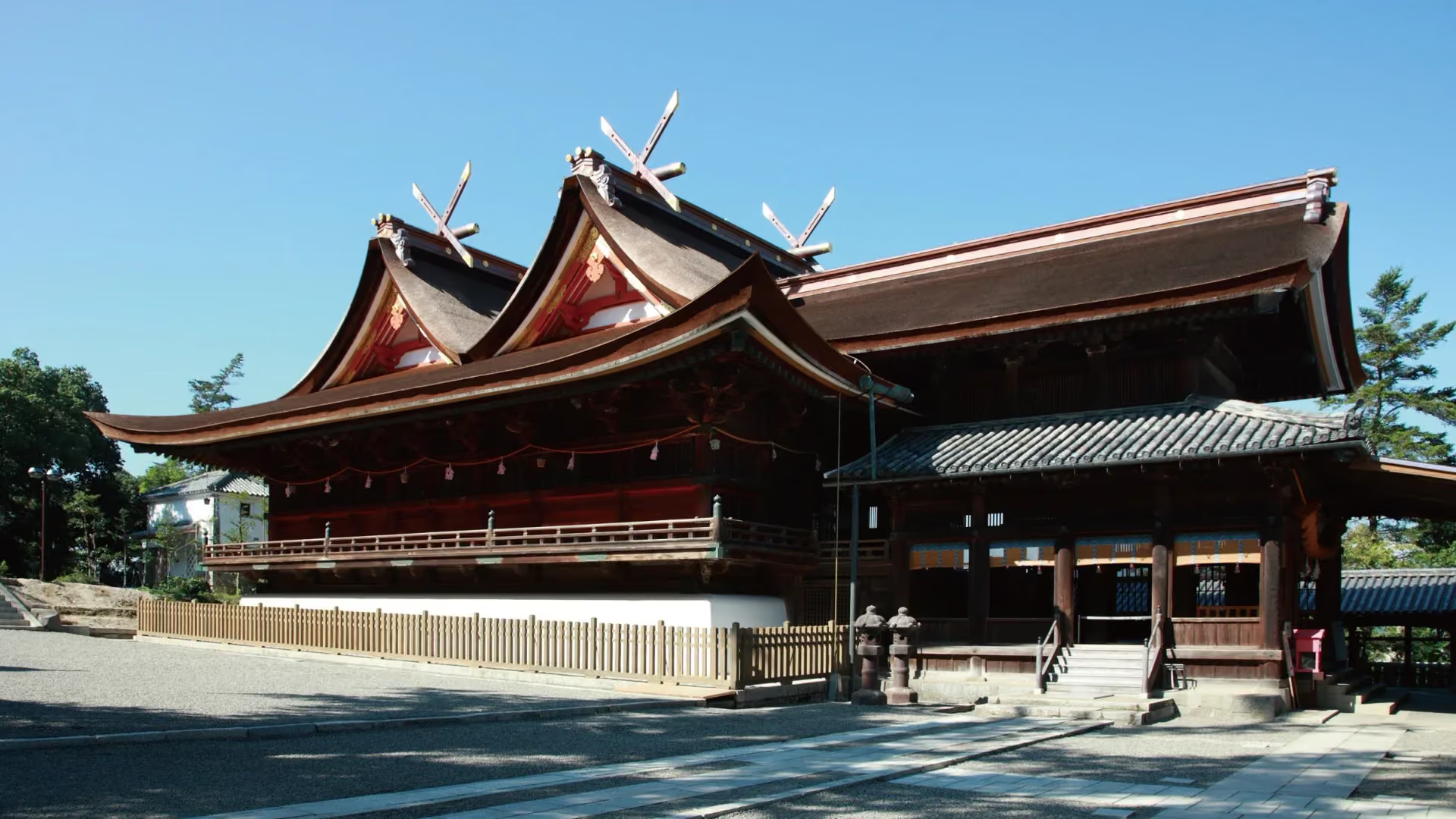
Kibitsu Jinja
Okayama shrine to Kibitsuhiko-no-Mikoto, a legendary prince said to have defeated an ogre and brought peace to the region, the root of the Momotaro story.
Okayama
PARCO Enta Park
Shopping destination reopening September 2026 with one of Japan's largest entertainment zones, featuring 40 character and franchise shops.
Nagoya · Aichi