The Sugita Plum Festival
杉田梅まつり
A winter festival in Yokohama celebrates the legacy of a historic plum grove, with around 100 trees blooming at Myohoji Temple, reviving centuries of tradition.
〒 235-0033How to get there
新杉田Kanazawa Seaside Line · Negishi Line8 min walk from the station
Every winter, Yokohama’s Sugita district celebrates the Sugita Plum Festival, an event that revives the memory of one of the Kanto region’s most famous plum blossom destinations.
Sugita Plum Grove was once renowned as the premier spot for plum blossom viewing in eastern Japan. During the Edo period, more than 36,000 plum trees spread across the hills of Sugita, drawing poets, scholars, and even members of the imperial family. Celebrated in literature and art - including Utagawa Hiroshige’s ukiyo-e “Plum Grove in Sugita, Musashi Province” - the grove symbolised seasonal beauty and cultural refinement. However, salt damage and urban development beginning in the Showa era gradually erased the grove from the landscape. Today, it lives on as the legendary “phantom plum grove”. The Sugita Plum Festival is dedicated to reviving its spirit and sharing its story with new generations.
The festival is held at Myohoji Temple, once the very centre of the historic plum groves. Around 100 plum trees bloom across the temple grounds, including the celebrated “Shosui Plum”, a graceful weeping plum admired by Empresses Eisho and Shoken during the Meiji era. During the festival, visitors can also access a normally restricted mountaintop viewpoint overlooking Tokyo Bay - an evocative spot featured in Hiroshige’s artwork. This special opening allows guests to experience the atmosphere of the former plum grove as it once was.
A Stage Alive with Tradition and Modern Culture
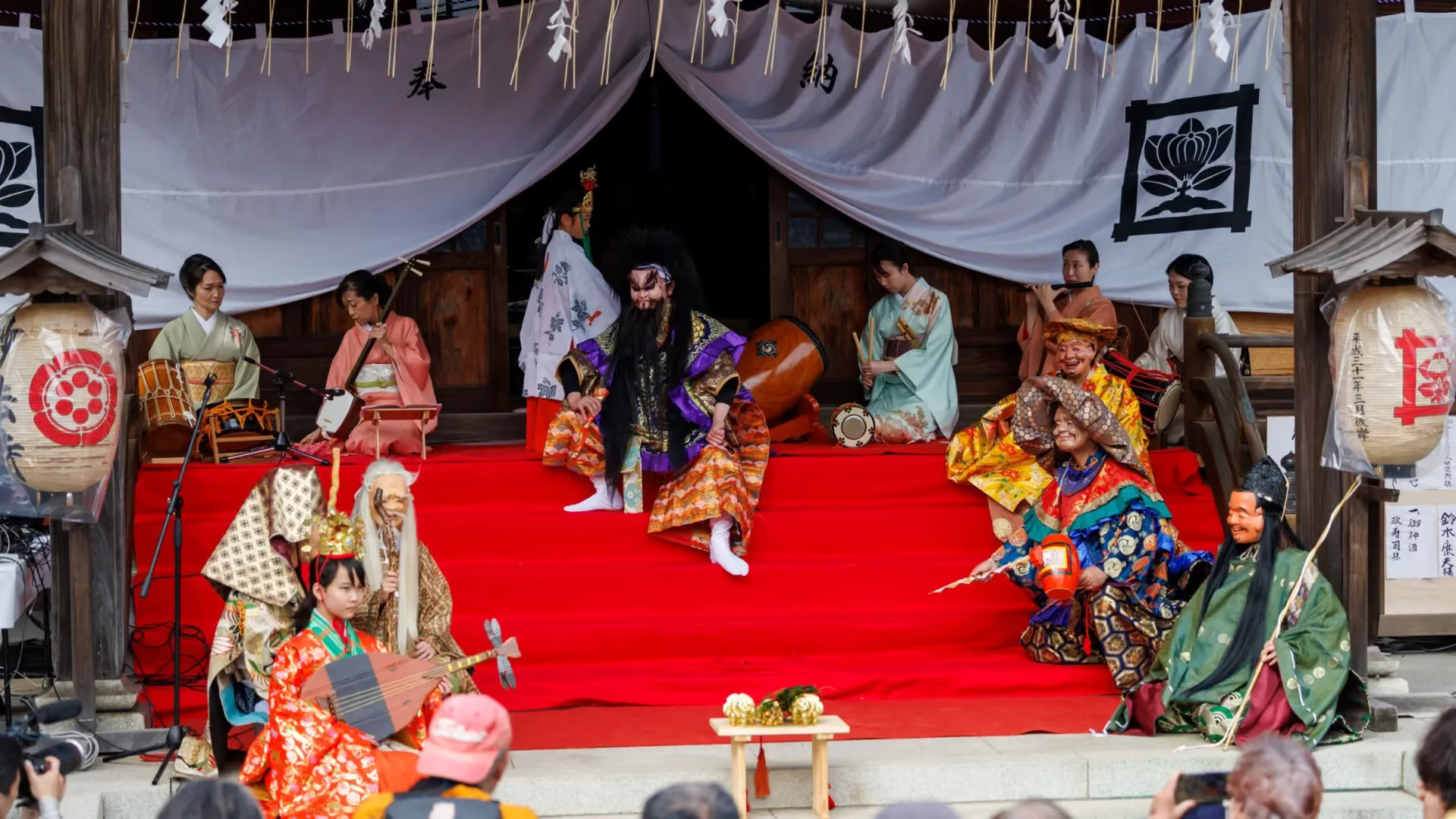
In front of the temple’s main hall, a special stage hosts a vibrant program that bridges past and present. Performances include songs and dances by the Yokohama Geisha Group, recreating the lively geisha culture of Isogo from the Edo period through the early Showa era; Kagura, a traditional Shinto performing art; a powerful ensemble of 30 Japanese taiko drums; and a live performance representing modern Yokohama culture, featuring a special appearance by local reggae singer Chozen Lee.
The festival also showcases wind ensemble performances by four local elementary and junior high schools, along with an exhibition corner introducing the history of Sugita Plum Grove. Together, these elements create two immersive days of history, music, and local culture experienced through all five senses.
Beyond plum blossom viewing, the festival offers a wide range of experiences, including tea ceremony experiences within the temple grounds; sales of plum juice and collaborative products inspired by the legendary Sugita plum; a lively food court with more than 10 food trucks and stalls; family-friendly activities such as the “Sugita Plum Quiz Rally” for children; and a picture-story performance titled “The Tale of the Plum Grove”.
To ensure accessibility for international visitors and foreign residents, stage programs will be conducted in both Japanese and English, with English-language guides provided by the Kanagawa Volunteer Interpreters Group (KSGG).
Getting There

Planning a trip? Fit this into a trip and Oni plans the rest around it.
You might also like
Matsushiro Sanada Jumangoku Festival
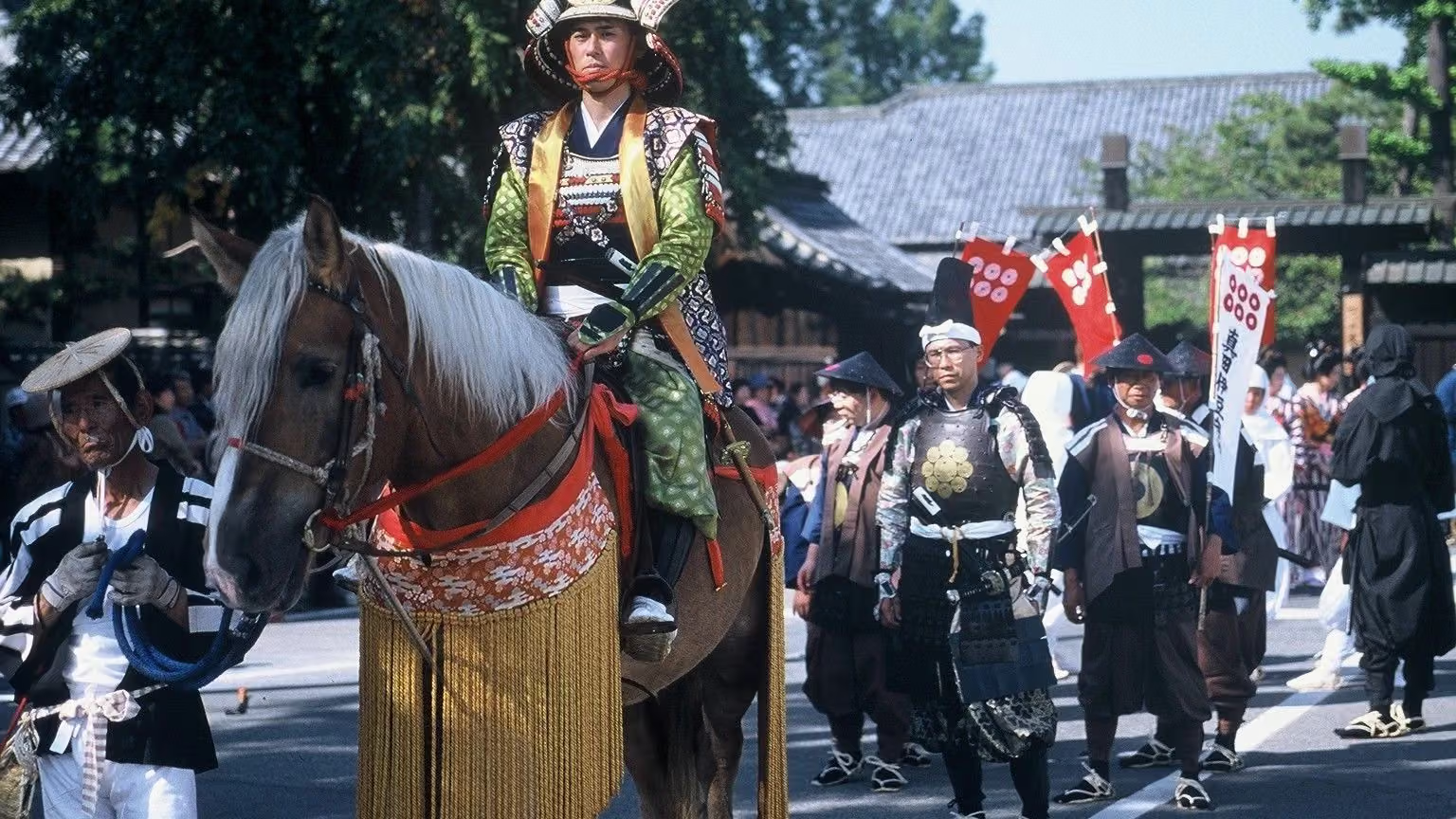
An autumn parade brings the Warring States period to life with over 250 participants in samurai and historical costumes, honoring the Sanada clan.
10–11 Oct 2027Exact date not confirmed yetNagano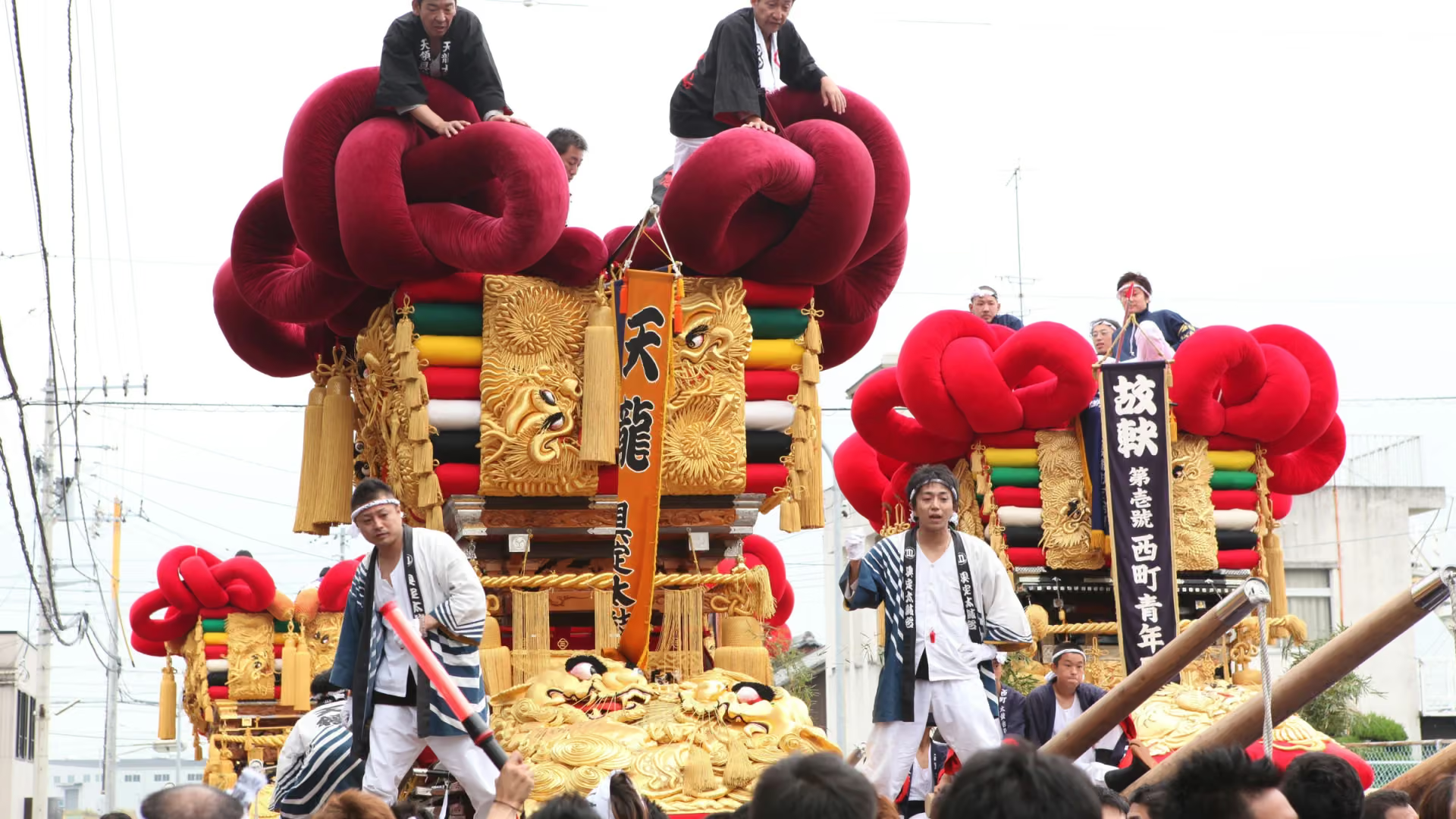
Niihama Taiko Festival
Towering drum-bearing floats parade through Niihama in this October celebration, drawing nearly 200,000 spectators each year.
16–18 Oct 2027Exact date not confirmed yetNiihama · Ehime
Oiso Sagicho Festival
A National Important Folk Cultural Property, this Little New Year fire ritual purifies homes and communities through burning traditional new-year decorations.
17 Jan 2027Exact date not confirmed yetOiso · Kanagawa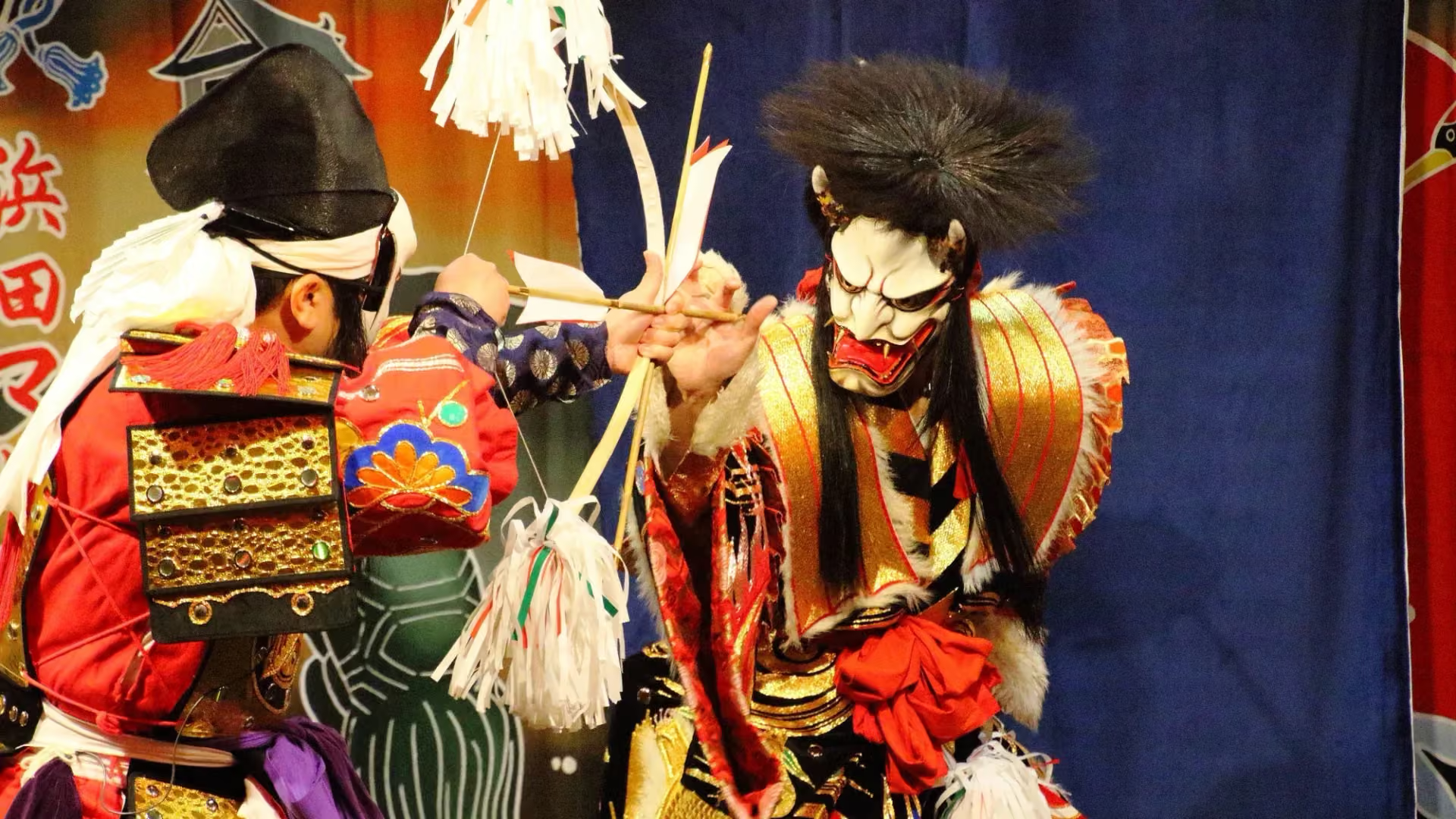
Iwami Kagura
Each autumn in western Shimane, shrine stages host Iwami Kagura - sacred dances performed through the night, from ceremonial pieces to a battle with a serpent.
Shimane · Chugoku
Ninja+Kabuki Tokyo
This nonverbal stage experience blends traditional kabuki and taiko drumming to tell a mythological tale of rival ninja, opening in August 2024.
Tokyo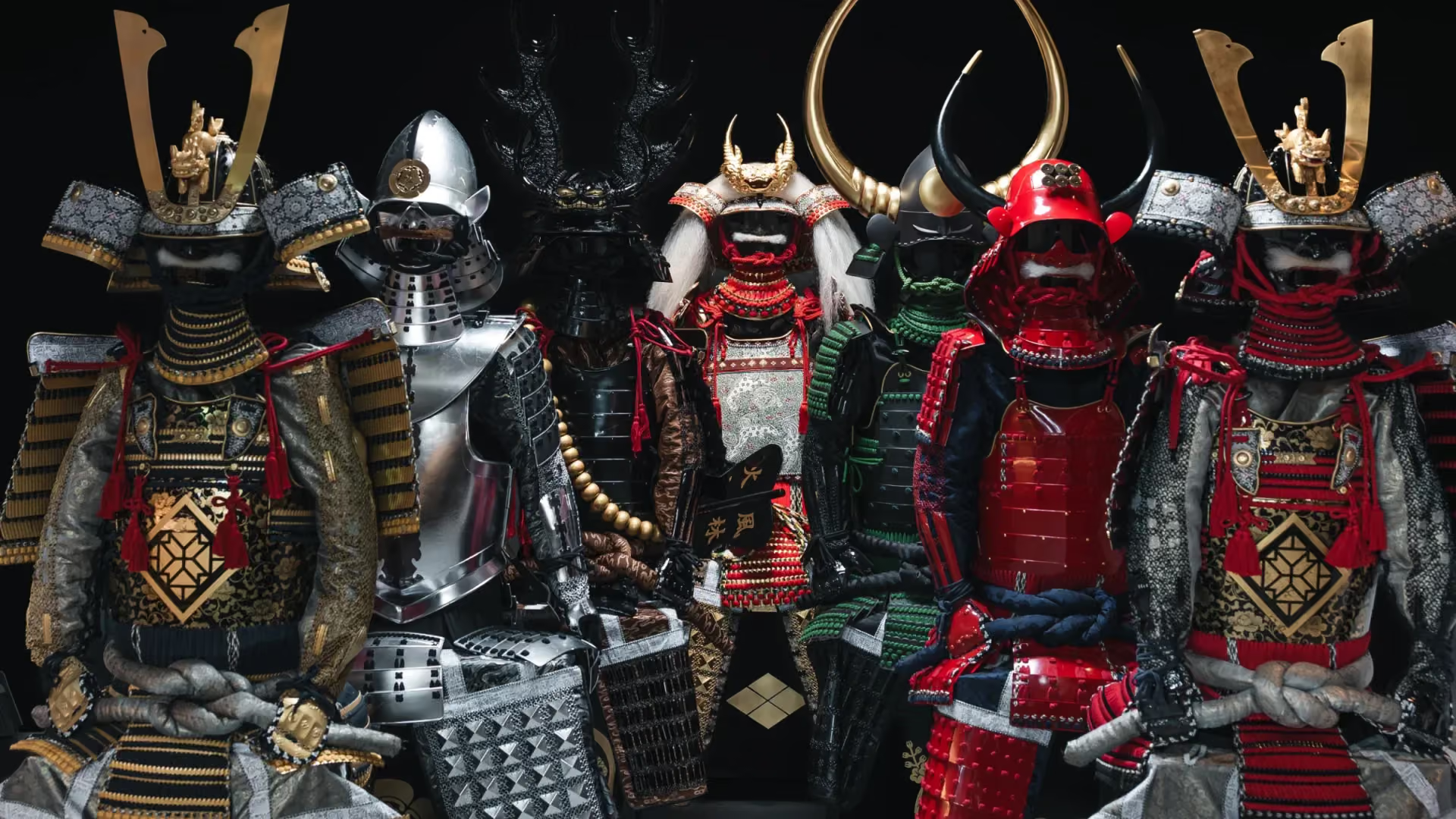
SHOGUN STUDIO JAPAN
A Kyoto studio where visitors put on real film-grade armour or hand-painted kimono and take tea in a tea room built for it, a minute from Umekoji-Kyotonishi.
Kyoto