Asuka-Fujiwara
飛鳥・藤原
The Nara-Prefecture ruins where Japan's first centralised state took shape, newly inscribed as a UNESCO World Heritage Site in 2026.
〒 634-0072How to get there
畝傍Sakurai Line14 min walk from the station
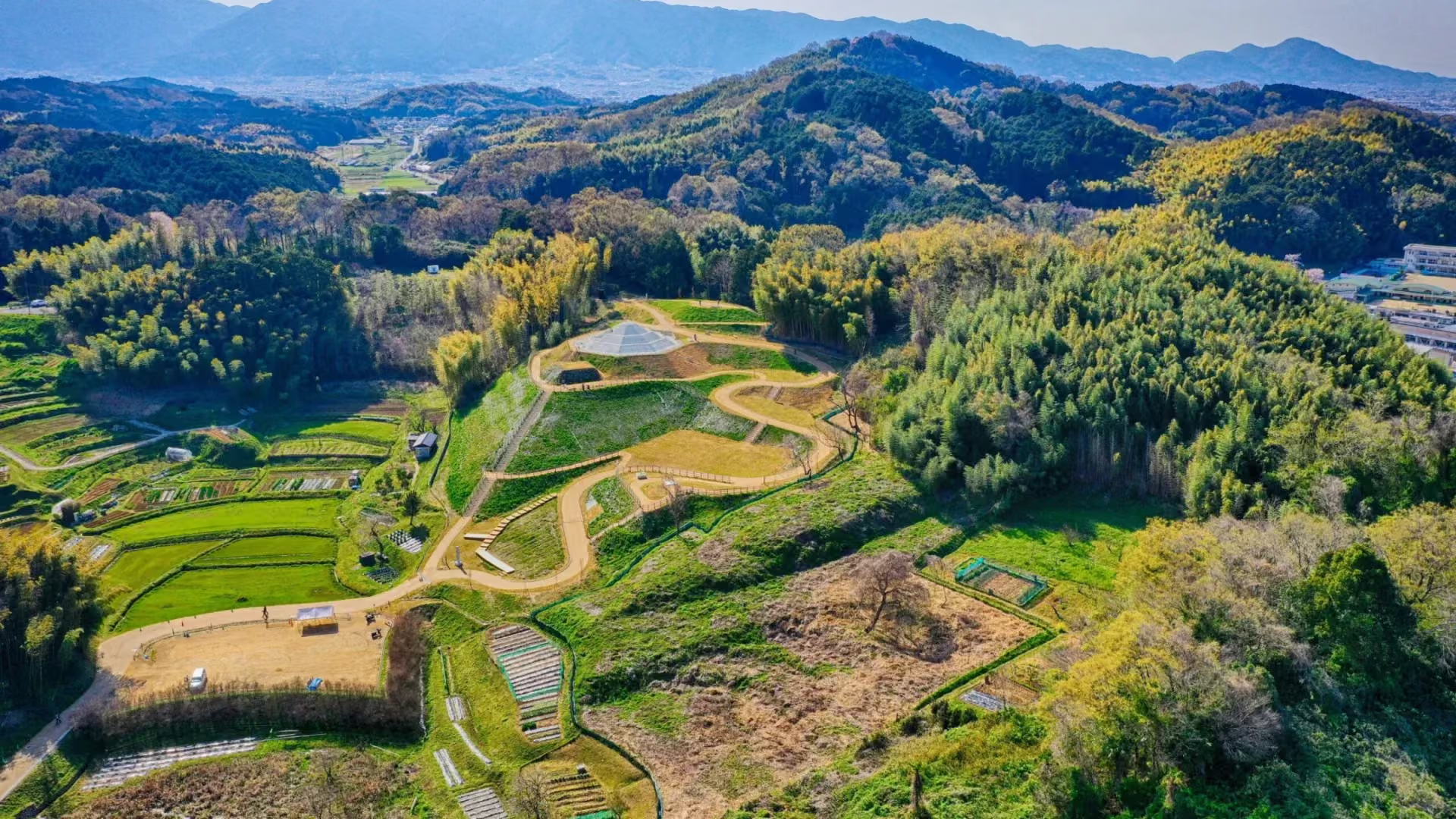
The archaeological sites of Asuka and Fujiwara consist of 19 locations spread across the cities of Kashihara and Sakurai and the village of Asuka, in the quiet farmland of Nara Prefecture. They date from the late sixth to the early eighth century, and on 26 July 2026 they were inscribed on the UNESCO World Heritage List - Japan's 22nd cultural World Heritage site.
What makes this stretch of countryside extraordinary is its history. In 592, Empress Suiko took the throne at Asuka, opening the roughly 120-year Asuka period. Over that span - through the dispatch of envoys to Sui China, the drafting of the Seventeen-Article Constitution, palace coups and sweeping reforms - a loose collection of clans was forged into a centralised state modelled on the empires of the continent. The sites stand as tangible evidence of that process, shaped by exchange with the Chinese mainland and the Korean Peninsula and by the arrival of Buddhism.
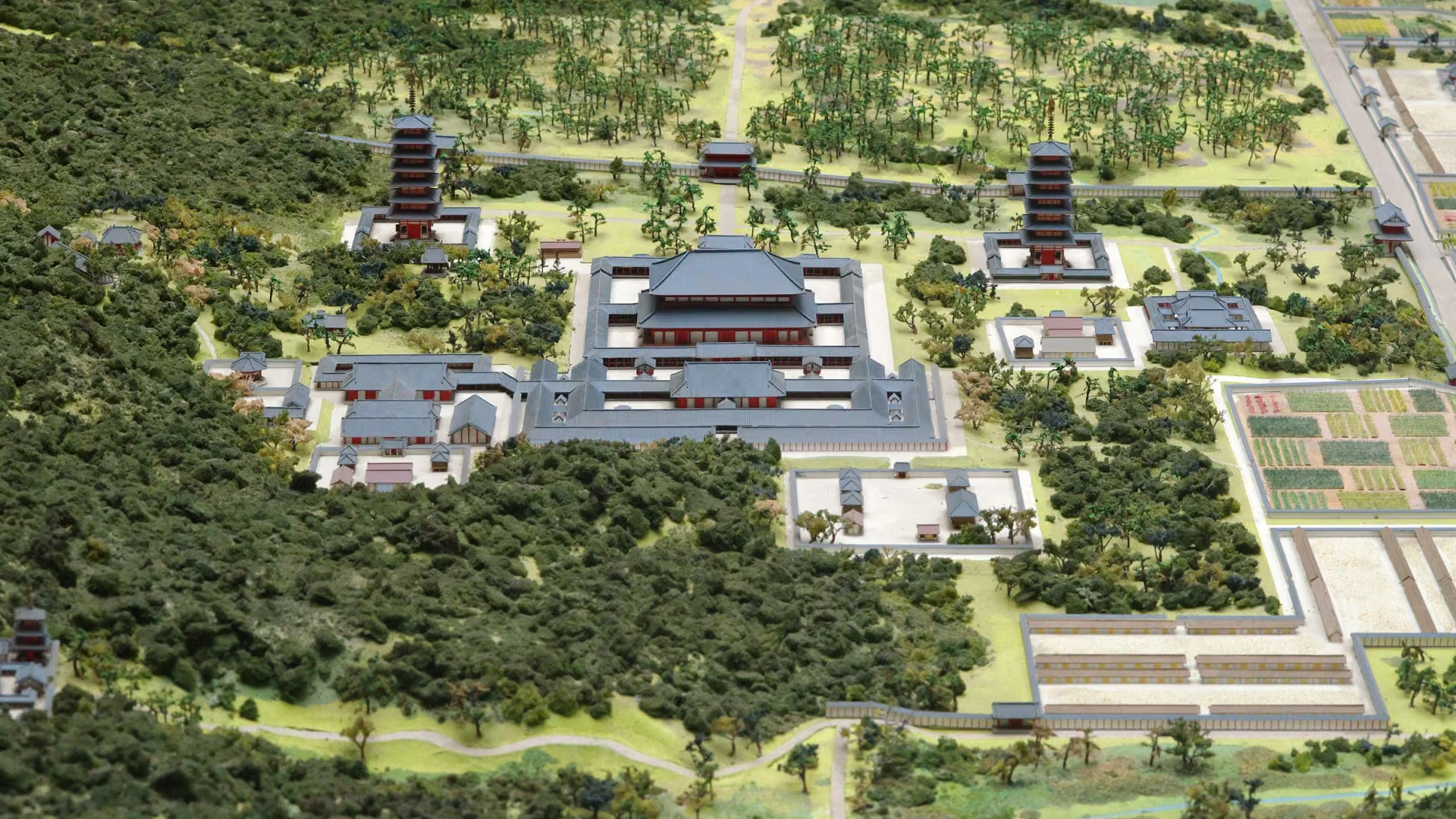
The story is written across three kinds of ruin. There are the palaces: the Asuka Palace, where successive rulers held court and where the bloody Isshi Incident of 645 played out, and later the great planned capital of Fujiwara-kyo. Built in 694, Fujiwara was Japan's first true Chinese-style city - a grid of streets some five kilometres across, centred on a walled palace with tiled, stone-founded halls, uniting the scattered offices of the Asuka era into a single seat of government. It became the template for the later capitals at Nara and Kyoto.
Then there are the temples. Buddhism arrived from the continent in the sixth century, and half a century later Asuka-dera - completed in 596 - became the first full-scale Buddhist temple in Japan, its tiled roofs and stone foundations a striking contrast to the old timber palaces. Temple-building brought with it a whole toolkit of imported knowledge: writing, engineering, surveying, metalwork. The state temples of Fujiwara, crowned by the vast nine-storey pagoda of Daikandaiji, proclaimed a realm protected by the Buddhist faith.
And there are the tombs. As the age of the giant keyhole-shaped burial mounds ended, the elite turned to new forms - square tombs, and the distinctive octagonal mounds reserved for emperors, expressing a new order with the sovereign at its centre. Two of them, Takamatsuzuka and Kitora, are famous for the wall paintings sealed inside: guardian beasts, court figures, and a star chart that is the oldest surviving in East Asia, direct evidence of ideas travelling across the region.
Taken together, the sites trace a single arc - the moment a country at the eastern edge of Asia took the political and cultural currents flowing from China and Korea, fused them with its own traditions, and emerged as a state. In 701 it was declared that "the institutions of government are now complete". What survives at Asuka-Fujiwara, still legible in the rice fields 1,300 years later, is the physical record of that beginning.
Getting There

Planning a trip? Fit this into a trip and Oni plans the rest around it.
Places nearby
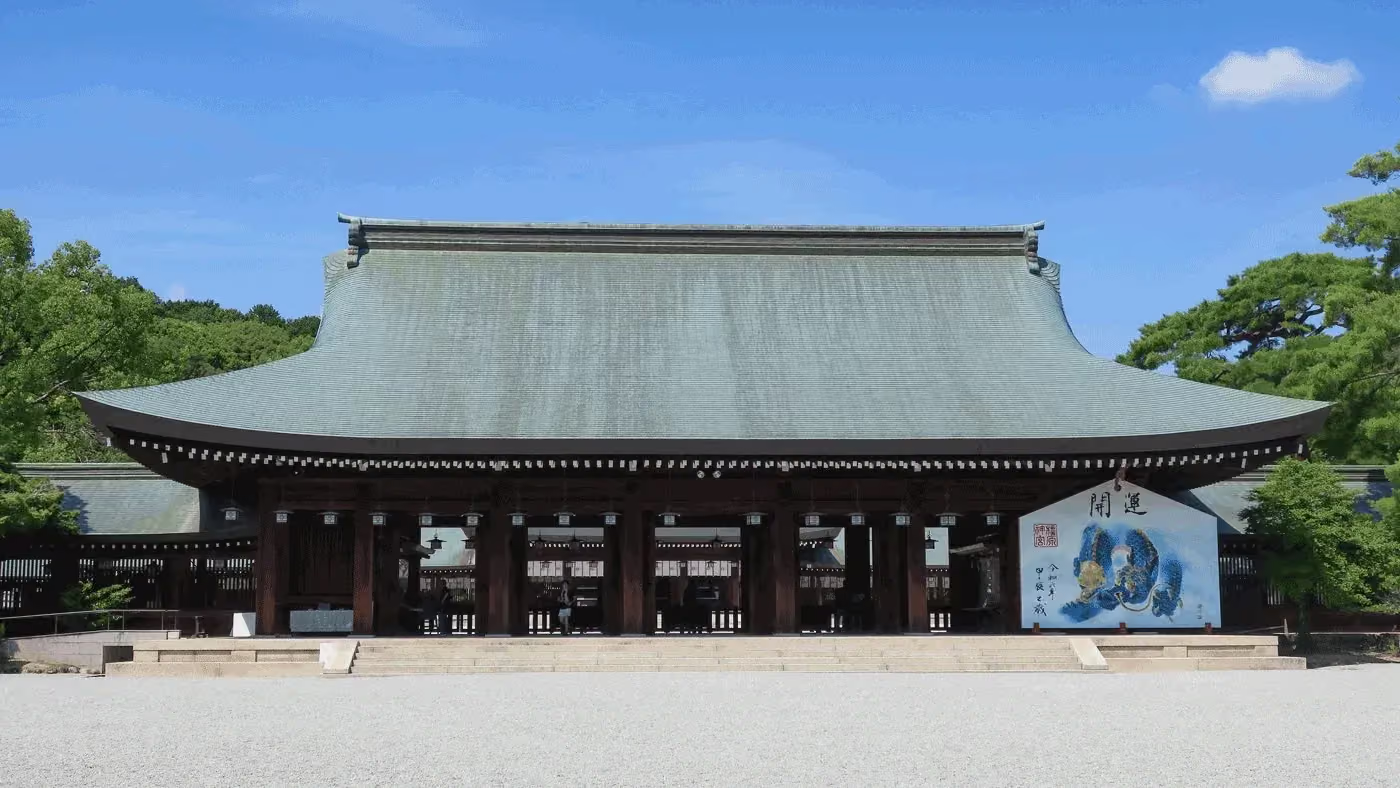
Kashihara Jingu
Shrine commemorating Japan's mythical founding, erected on the sacred site where Emperor Jinmu established his palace approximately 2,680 years ago.
Kashihara · NaraYou might also like
Todai-ji
Established in 738, this Nara temple houses the largest bronze Buddha statue and serves as headquarters of the Kegon Buddhist school.
Nara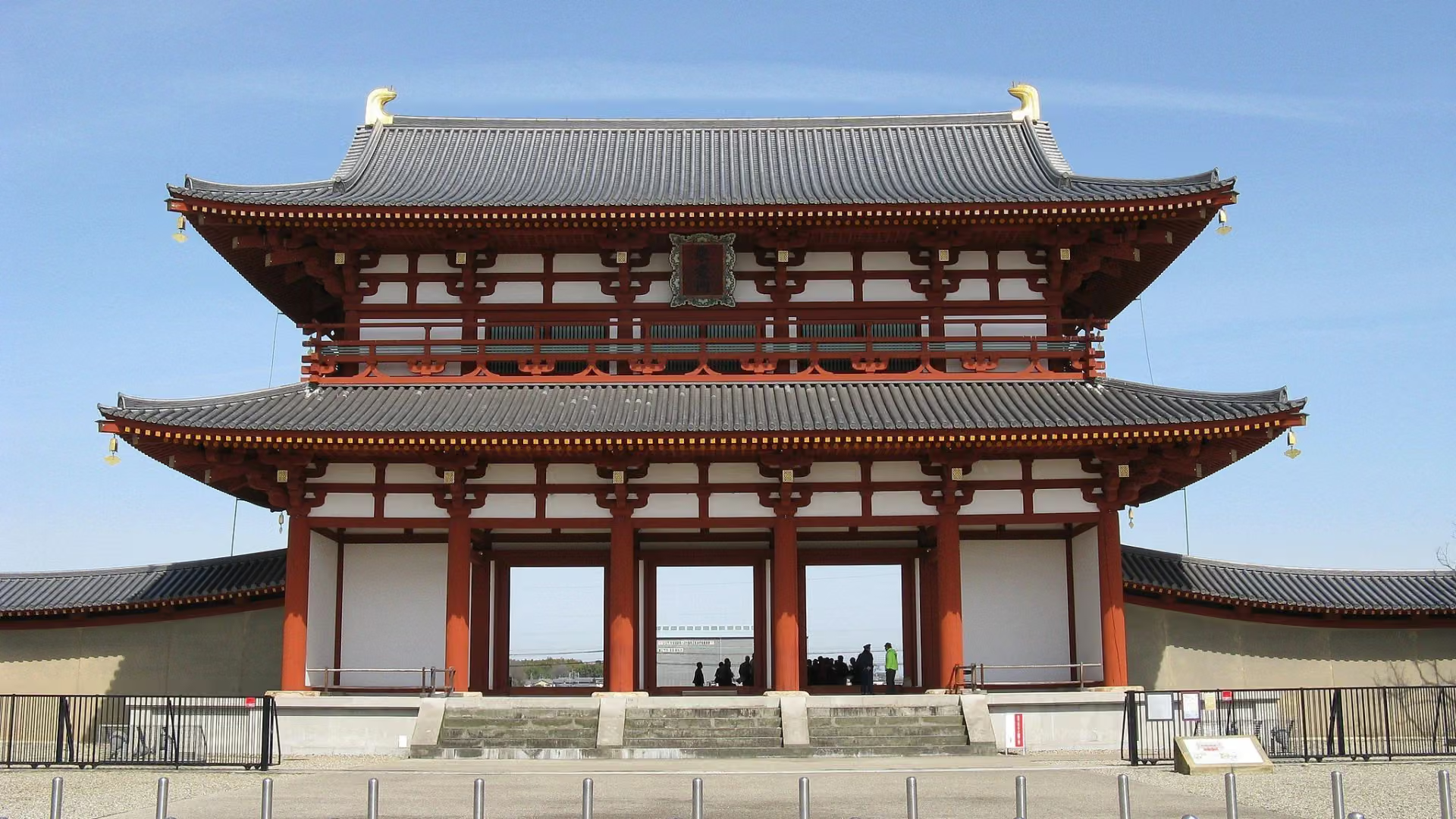
Heijo Palace Ruins
Imperial residence and administrative center during the Nara period (710-794), designed after Chinese models and reconstructed from excavations.
Nara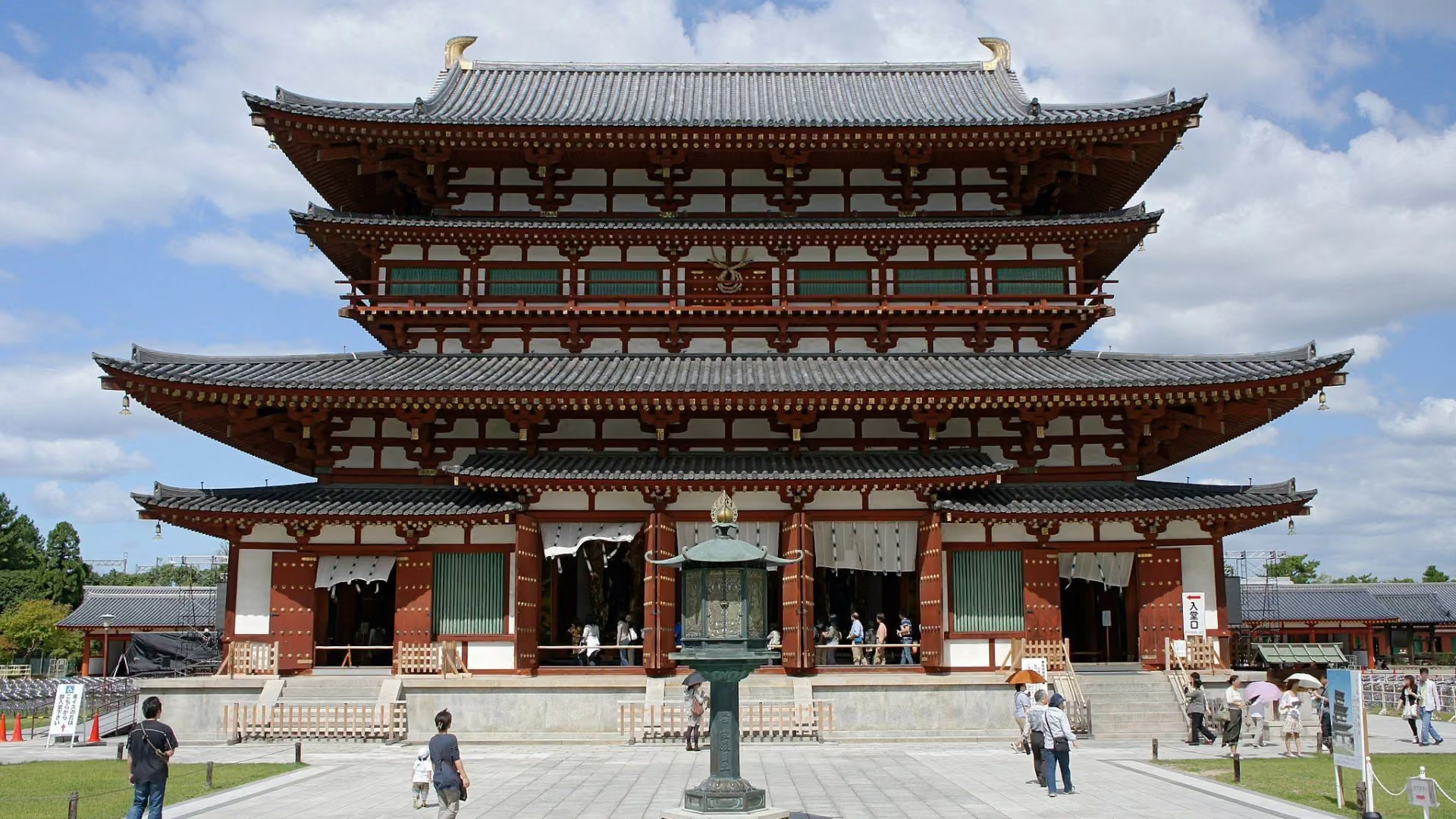
Yakushi-ji
Seventh-century Buddhist temple in Nara, built in Chinese style and ranked among the Seven Great Temples, designated a UNESCO World Heritage Site.
Nara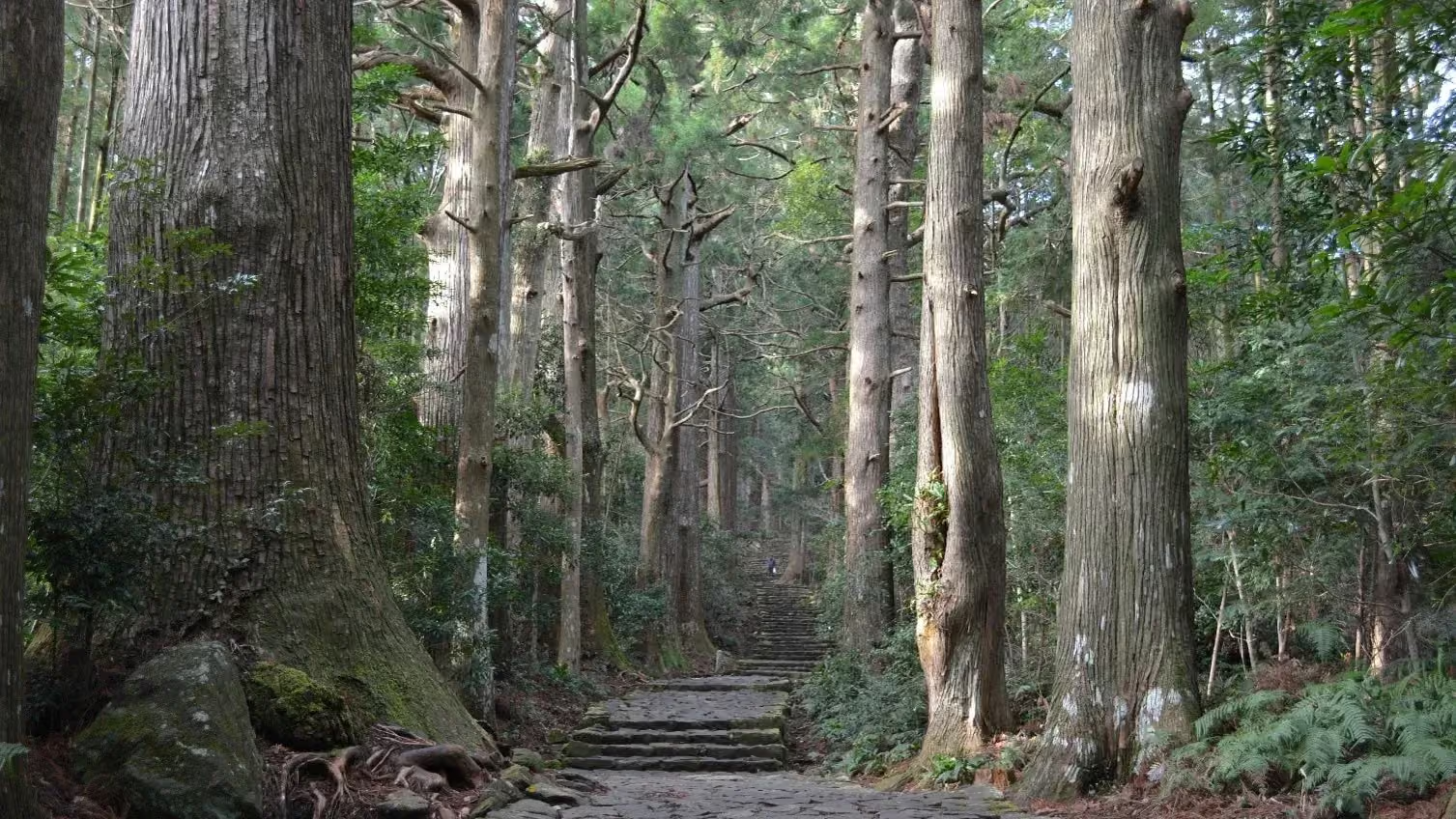
Kumano Kodo
For over a thousand years, the Kumano Kodo has led pilgrims through the mountains of Kii to the sacred Kumano Sanzan shrines - now a UNESCO World Heritage Site.
Wakayama · Kansai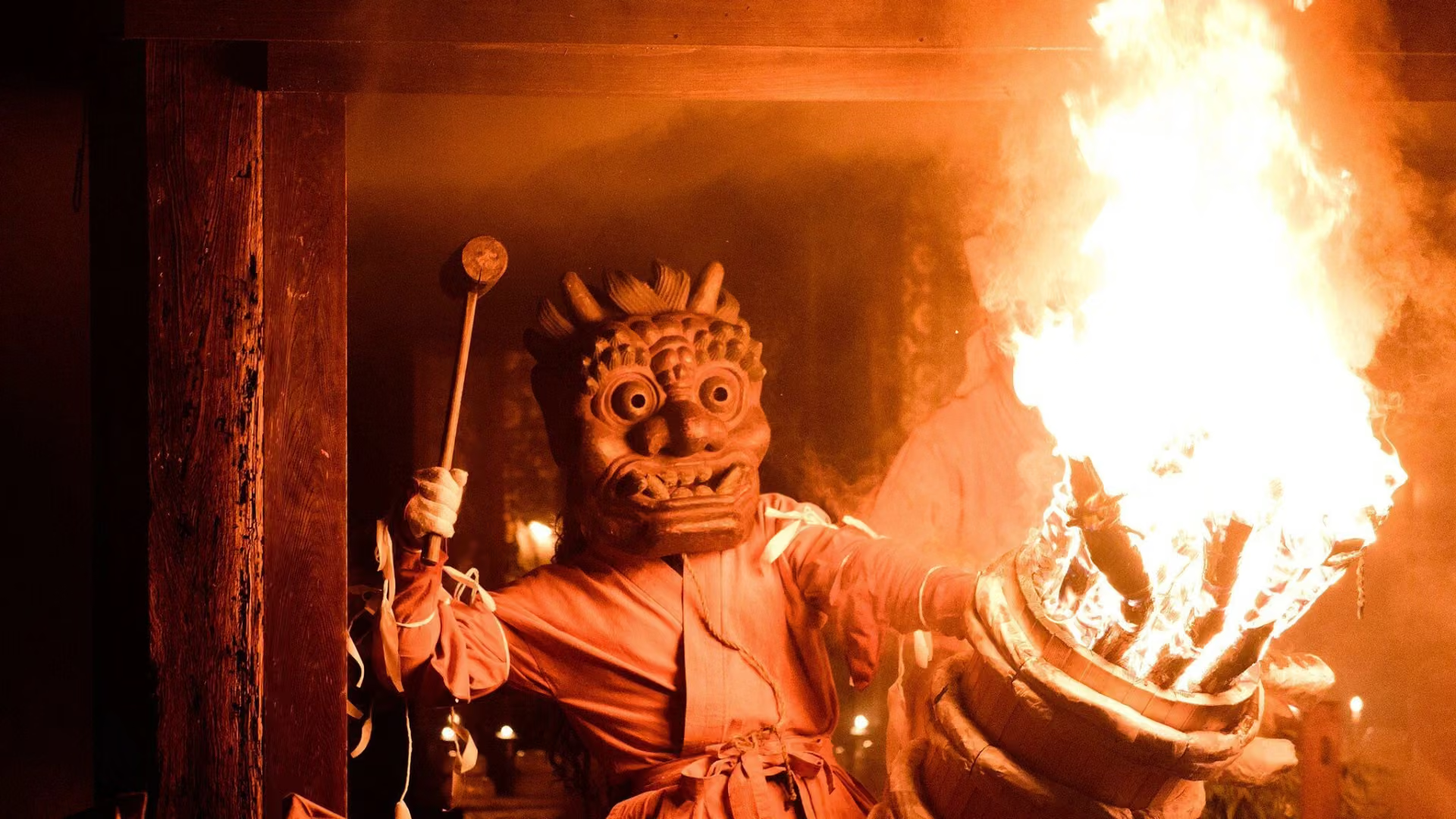
Dadado-no-onihashiri
Masked demons swing blazing torches through a temple hall in an ancient winter ritual held twice a day, a prayer for protection from misfortune.
14 Jan 2027Gojo · Nara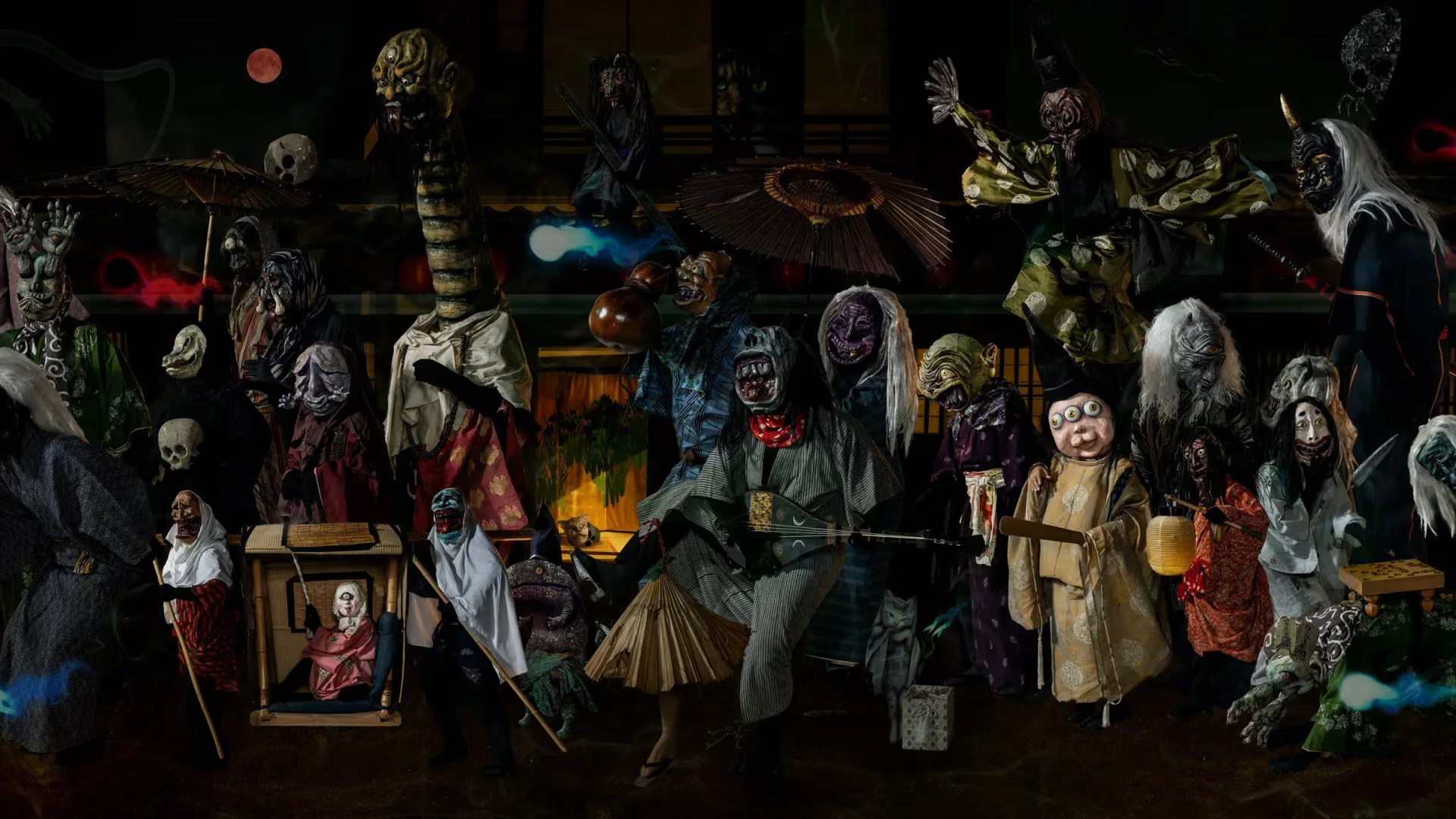
Kaikai Yokai Festival
Uzumasa Kyoto Village (Toei Kyoto Studio Park) fills with yokai every autumn: two evening parades, dance shows, daily yokai greetings and limited yokai food.
12 Sep – 29 Nov 2026Kyoto