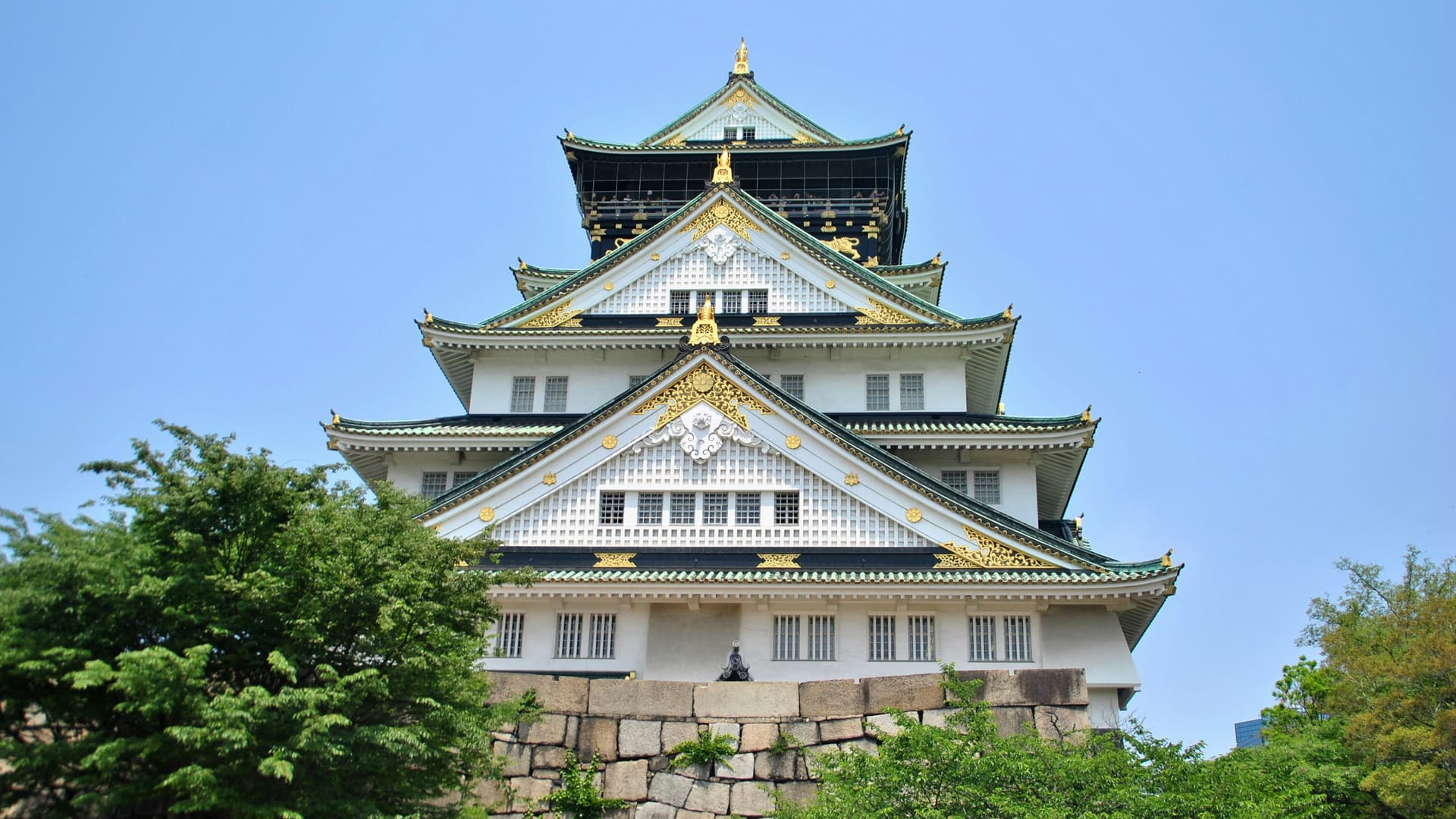
Kashihara Jingu
橿原神宮
Shrine commemorating Japan's mythical founding, erected on the sacred site where Emperor Jinmu established his palace approximately 2,680 years ago.

〒 634-8550How to get there
橿原神宮西口Kintetsu Minami-Osaka Line9 min walk from the station
Kashihara is regarded as the Sacred Birthplace of Japan. According to the Nihon Shoki, Japan’s oldest official historical chronicle, Kashihara is recorded as the place where the nation was founded. Kamuyamato Iwarebiko no Mikoto - a descendant of the sun goddess Amaterasu Omikami, later known as Emperor Jinmu - set out eastward from his palace in Takachiho, Kyushu, with the goal of establishing a peaceful and prosperous nation.
He founded the Kashihara Palace at the southeastern foot of Mount Unebi, where he became Japan’s first emperor in the first year of the imperial era, approximately 2,680 years ago. As both the birthplace of Japanese history and culture, Kashihara is considered the very origin of the country.
The main deities enshrined at Kashihara Shrine are Emperor Jinmu and Empress Himetataraisuzu-hime. Empress Himetataraisuzu-hime was the daughter of Kotoshironushi-no-Kami and Tamakushi-hime. In the Kojiki, Kotoshironushi-no-Kami corresponds to Omononushi-no-Kami.
During the Meiji era, inspired by Emperor Jinmu’s achievements, private citizens petitioned for a shrine to be built at the site of the former Kashihara Palace. In response, Emperor Meiji approved the plan. The Naishidokoro (Kashikodokoro) - the inner sanctuary of the Kyoto Imperial Palace where Amaterasu Omikami, the sun goddess and ancestor of the imperial family, had been enshrined - was designated as the main sanctuary. The Shinkaden, a hall used for important ceremonial rituals such as the Niiname-sai (a harvest festival giving thanks for the year’s rice), became the worship hall where visitors could pay their respects.
On April 2, 1890, Kashihara Shrine was officially established as a Kanpei Taisha, a major imperial shrine supported by the government, giving it national recognition and importance.
From 1911 onward, major expansion and landscaping projects were undertaken to preserve the sacred character of the shrine grounds. By 1926, the grounds had grown to about 1.8 times their original size.
In 1940, which marked both the 50th anniversary of the shrine’s enshrinement and the 2,600th anniversary of Emperor Jinmu’s accession, nationwide commemorative projects took place. About 76,000 trees were planted across the shrine grounds, including 22,000 donated from communities throughout Japan, restoring a landscape dominated by oak trees, which historical research suggests once grew abundantly in the area.
After World War II, Kashihara Shrine was separated from state control, but public support gradually grew through nationwide efforts, including those surrounding the creation of National Foundation Day as a public holiday in 1966. In 1990, marking both the 2,650th year of the imperial era and the 100th anniversary of the shrine’s founding, the Centennial Grand Festival was held.
Today, the shrine grounds - covering approximately 530,000 square meters (about 130 acres) - remain largely preserved in their prewar condition. Many worshippers visit Kashihara Shrine to pray for new beginnings and good fortune, seeking to share in the sacred virtues and legacy of Emperor Jinmu.
Getting There

Planning a trip? Fit this into a trip and Oni plans the rest around it.
Places nearby

Asuka-Fujiwara
The Nara-Prefecture ruins where Japan's first centralised state took shape, newly inscribed as a UNESCO World Heritage Site in 2026.
Kashihara · NaraYou might also like

Kasuga-taisha
A major shrine with over 3,000 affiliated shrines nationwide, maintained through a tradition of structural renewal held every 20 years.
Nara
Kanamara Matsuri "Festival of the Steel Phallus"
An annual Shinto festival at Kanayama Shrine in Kawasaki featuring distinctive phallic imagery in decorations and parades while raising funds for HIV research.
5 Apr 2027Exact date not confirmed yetKawasaki · Kanagawa
Morioka Fall Festival
One of Iwate's most enduring celebrations, this autumn festival originated as prayers for harvest, now featuring ornate floats and traditional parades.
14–16 Sep 2027Exact date not confirmed yetMorioka · Iwate
Kanayama Shrine
Shrine dedicated to metalworking deities, famous for the annual Kanamara Matsuri celebrating fertility and well-being, with origins in the Edo period.
Kawasaki · Kanagawa
Dontosai Festival
An annual winter ritual in Sendai features the ceremonial burning of New Year decorations followed by a sacred pilgrimage procession in traditional attire.
14 Jan 2027Exact date not confirmed yetSendai · Miyagi
Osaka Tenmangu
Osaka shrine founded in 650 AD and rededicated in 949 to Sugawara no Michizane, the deified scholar revered as a deity of academics and learning.
Osaka