Inasa-no-Hama
稲佐の浜
Beach on the Japan Sea west of Izumo Taisha, setting of the Kojiki myth of the land handover and the shore where the gods of Japan are welcomed each year.
〒 699-0702How to get there
出雲大社前Taisha line26 min walk from the station
Inasa Beach is a sandy shore on the Japan Sea coast in Izumo, about a kilometre west of Izumo Taisha. One of the best known stories in the Kojiki and the Nihon Shoki is set here, and once a year it becomes the place where the gods of Japan are said to come ashore.
The myth of the land handover
Okuninushi, who had built up and ruled the country, was approached on this shore by a messenger sent from the heavenly realm by the sun goddess Amaterasu. The messenger asked him to hand the land over to the heavenly gods. After some negotiation the request was accepted, and in return a great hall was built for Okuninushi. That hall is understood to be the origin of Izumo Taisha. A rock formation set back from the beach, Byobu-iwa, is pointed out as the spot where the two sides talked.
Kamiarizuki tradition
In the tenth month of the old lunar calendar, which falls in late November or early December today, the gods of Japan are said to gather in Izumo, and this beach is where they are believed to arrive. On the evening of the tenth day of that month, priests from Izumo Taisha hold a rite here called Kamimukae-shinji, the welcoming of the gods. The gods are then led inland to the shrine in procession behind Ryujajin, the dragon serpent god who serves as their messenger, and visitors may attend the rite on the beach and follow the procession.
Bentenjima
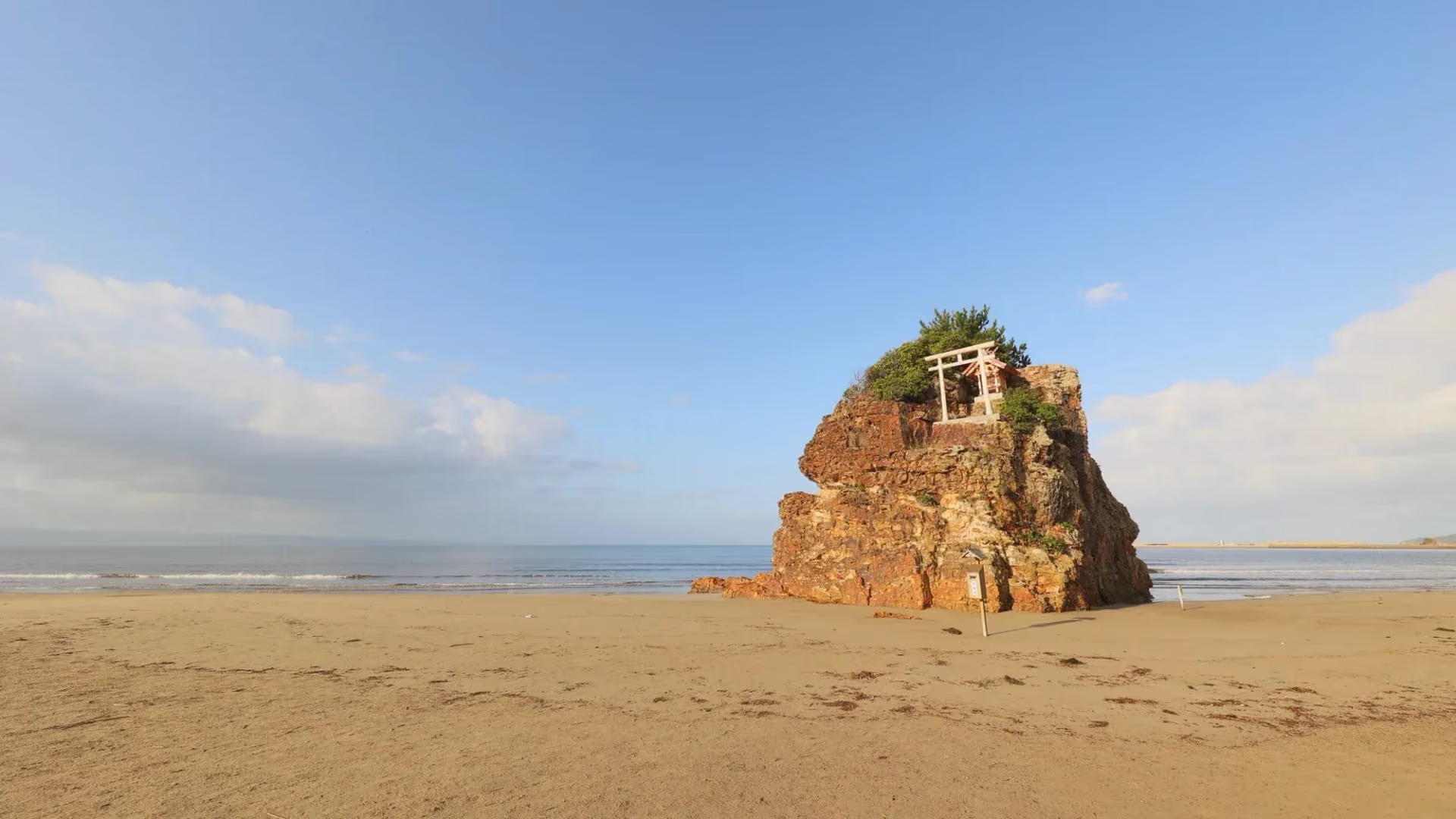
A round rock rises from the sand near the shore, known locally as Bentenjima. On top of it is a small shrine to Toyotamahiko, a guardian deity of the sea, marked by a torii gate. The rock once stood well out in the bay, and until the 1980s the waves reached its base, but the sand has since built up around it and visitors can now walk all the way round it on dry ground.
Getting There

Planning a trip? Fit this into a trip and Oni plans the rest around it.
Places nearby
Izumo Taisha
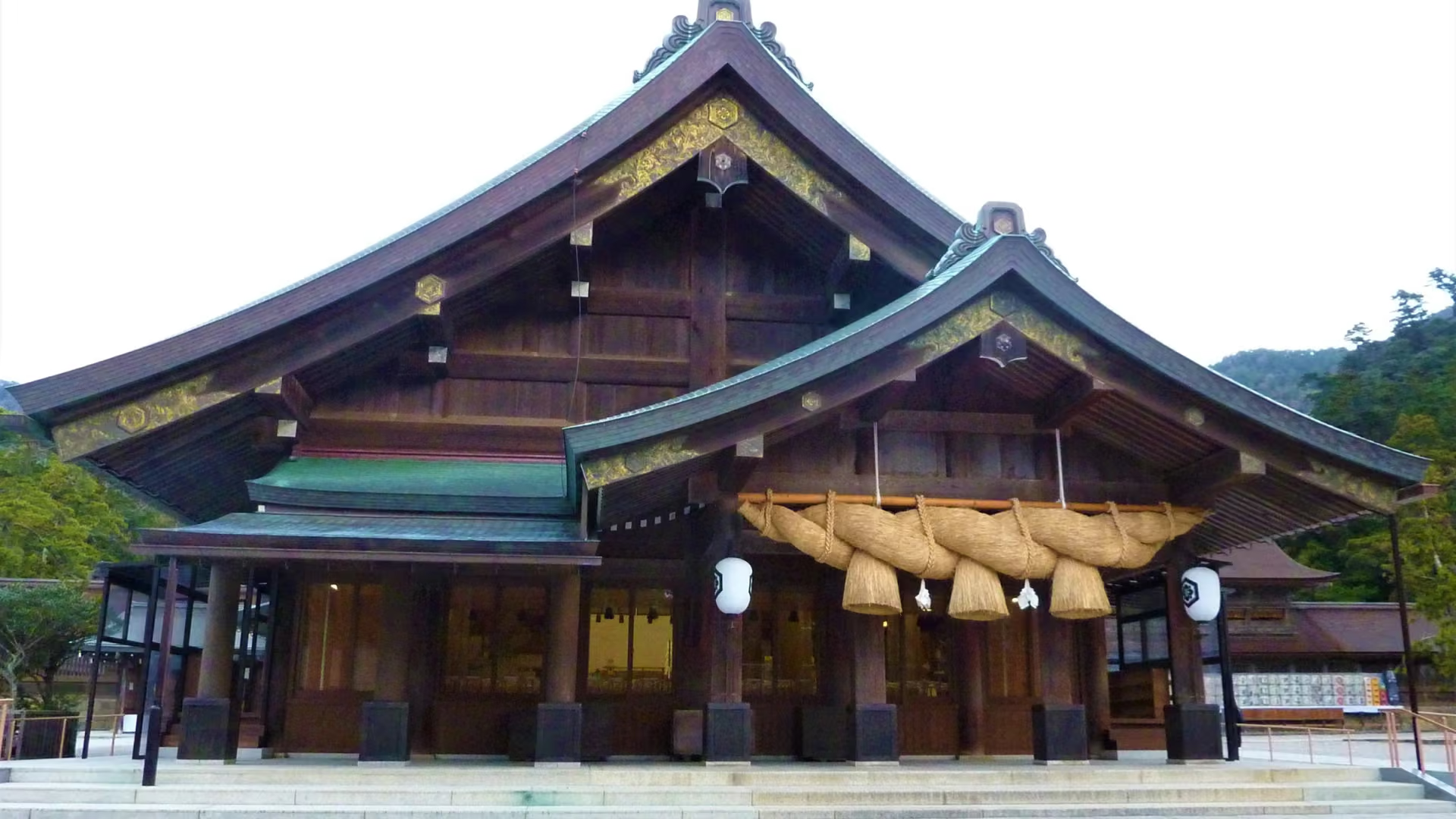
Shinto shrine dedicated to Okuninushi no Okami, deity of land-building and of bonds between people, with a Taisha-zukuri main hall and a huge shimenawa rope.
Izumo · ShimaneYou might also like
Kamiari Festival
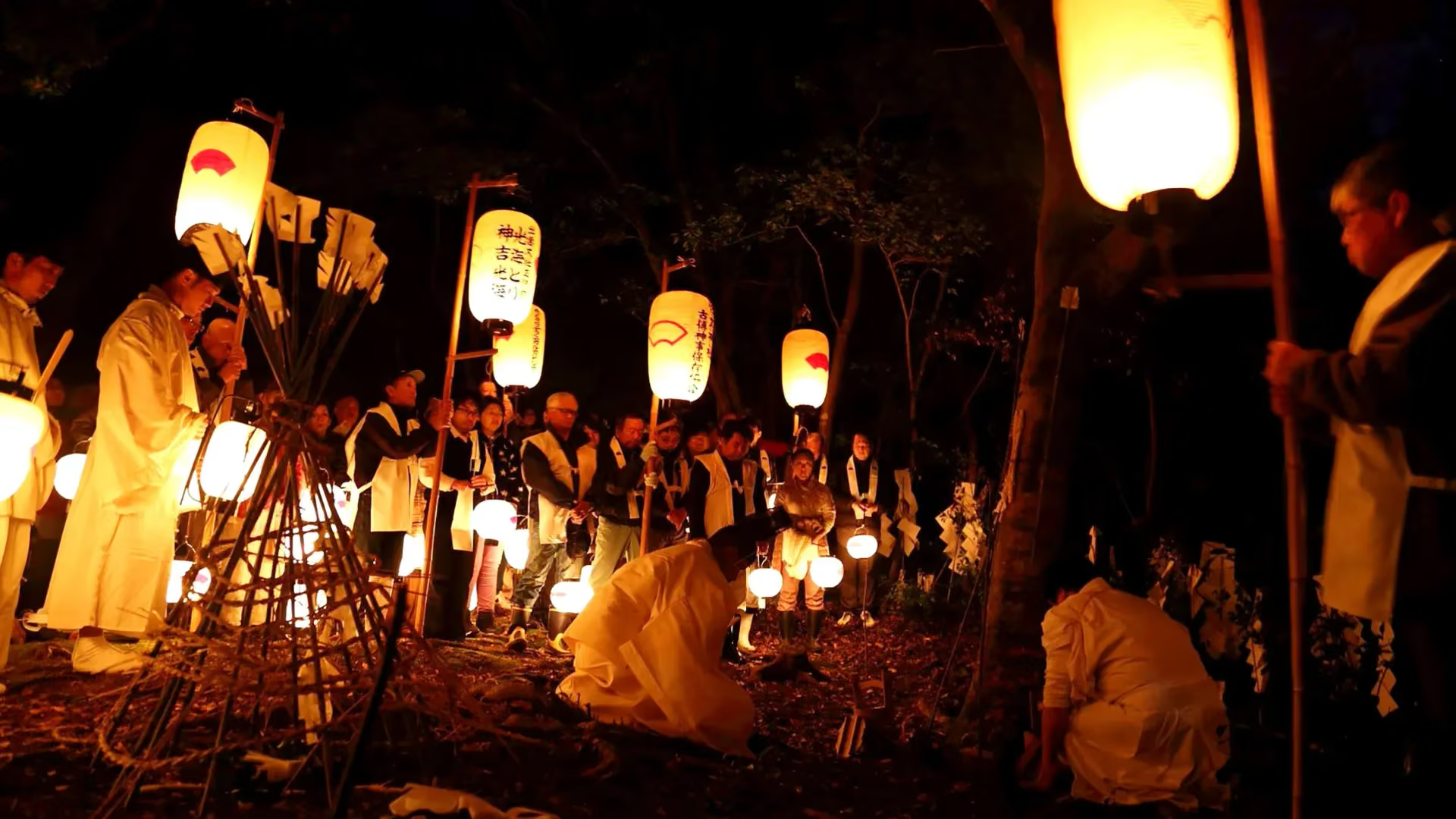
Once a year the gods of Japan are said to abandon their shrines for Izumo, where a season of quiet rites welcomes, hosts, and finally sends them home again.
18–25 Nov 2026Izumo · Shimane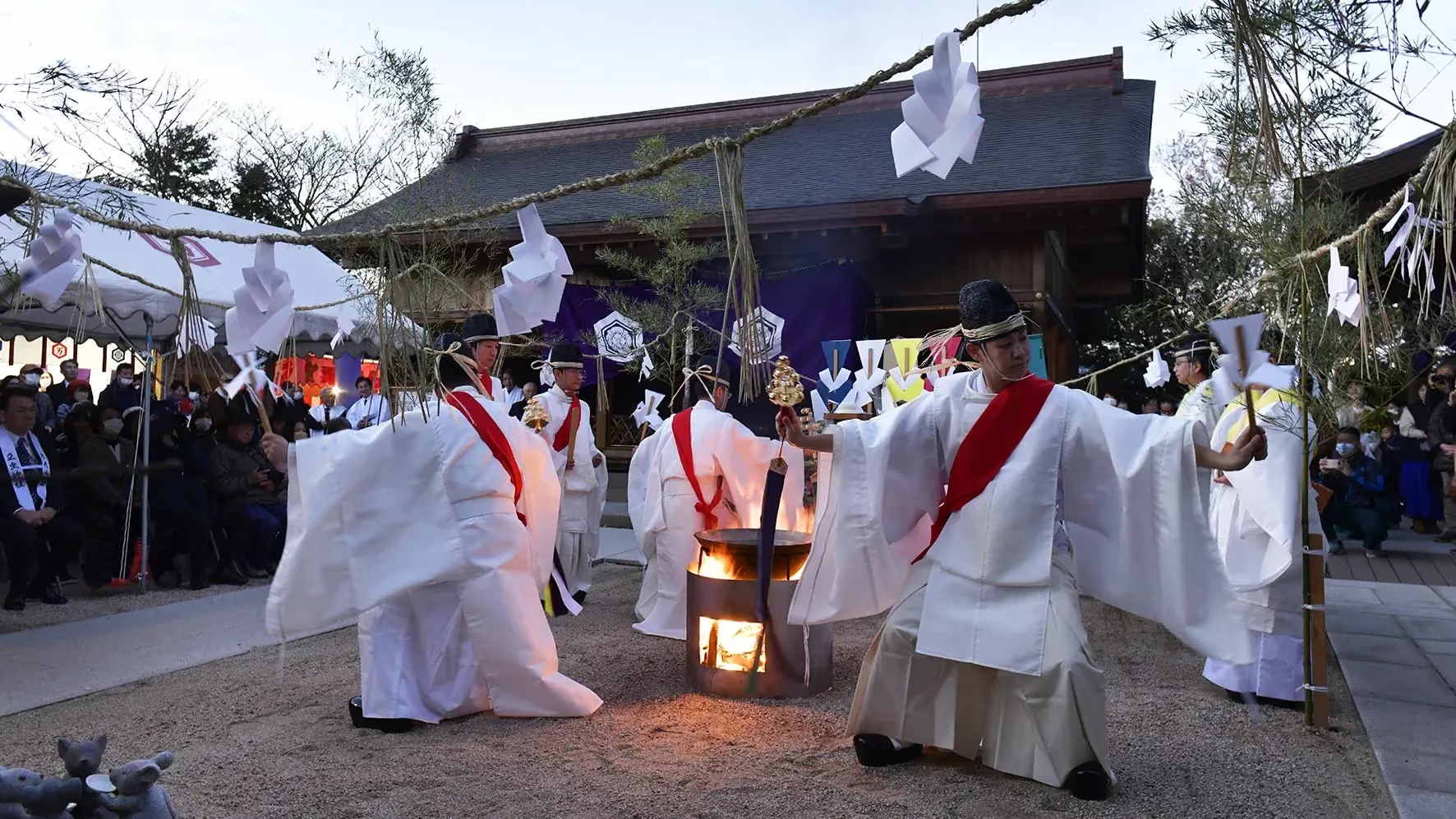
Mankusen Shrine
Mankusen Shrine in Izumo is said to be the last stop for the gods of Japan before they return home.
Izumo · Shimane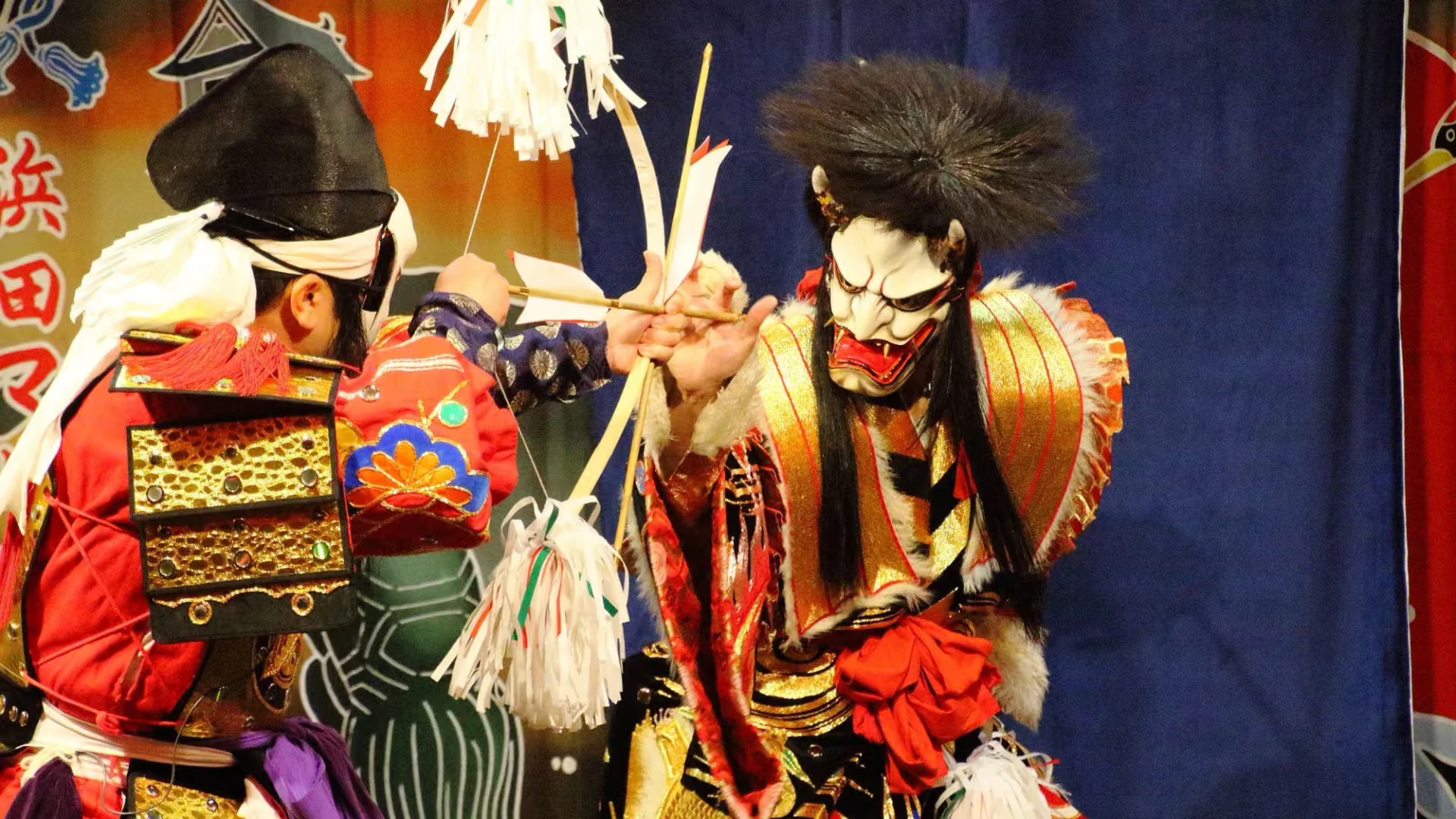
Iwami Kagura
Each autumn in western Shimane, shrine stages host Iwami Kagura - sacred dances performed through the night, from ceremonial pieces to a battle with a serpent.
Shimane · Chugoku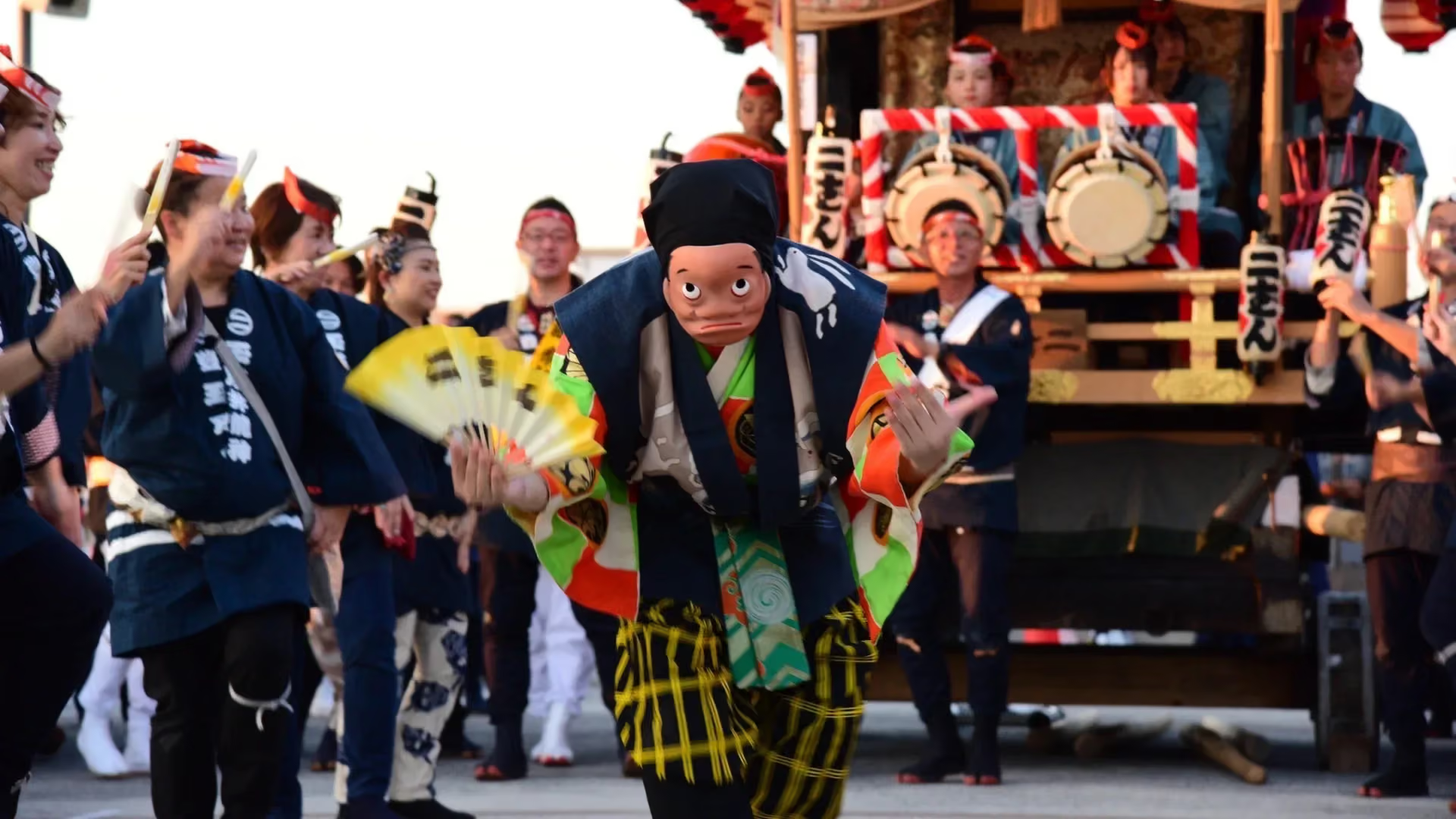
Sakura Autumn Festival
Each October the old castle town of Sakura fills with towering doll floats, portable shrines and Edo-descended music for three days of procession.
9–11 Oct 2027Exact date not confirmed yetSakura · Chiba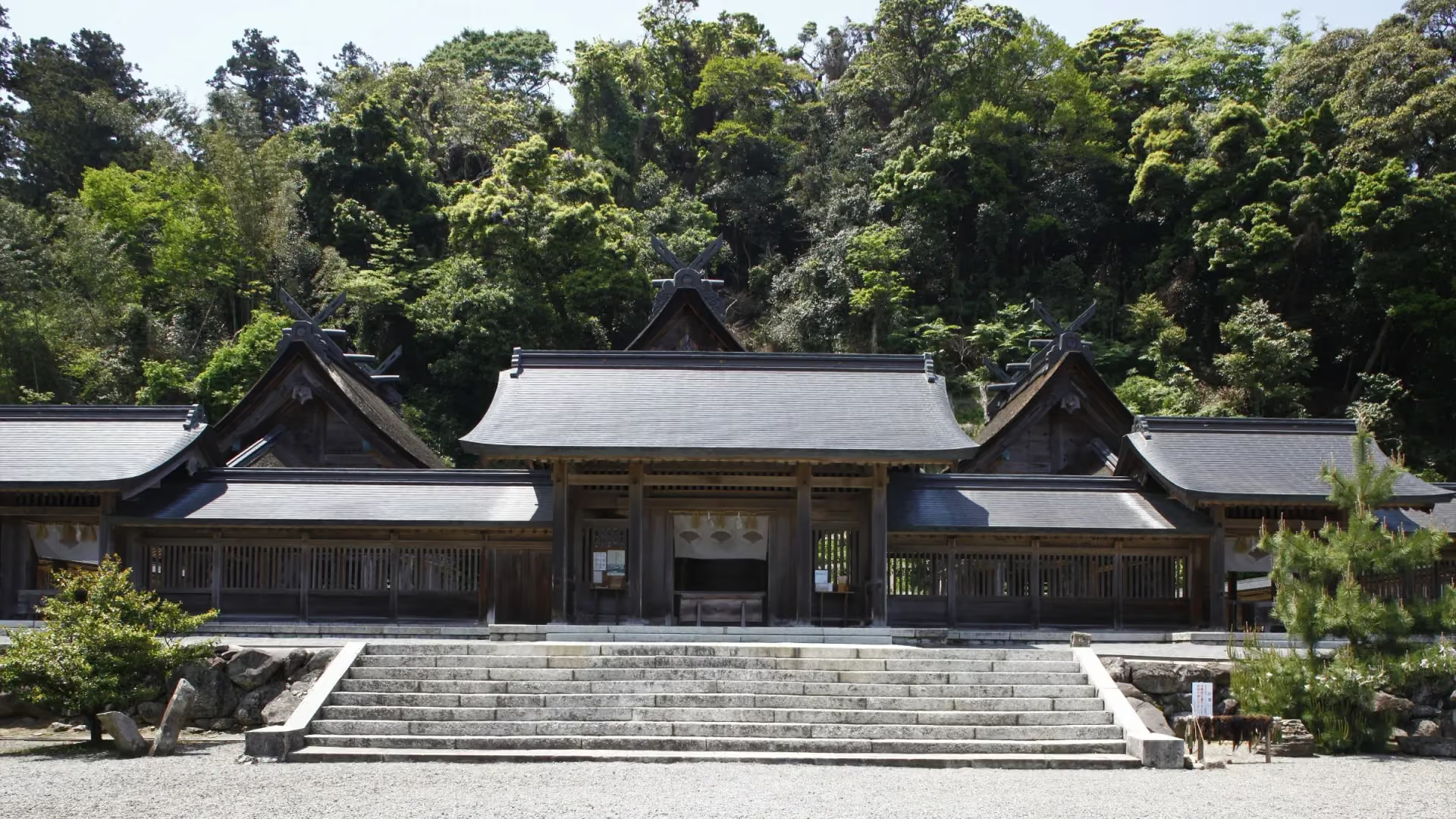
Sada Shrine
Shrine near Matsue with three halls side by side, where the gods gather each November to remember Izanami, and home of the UNESCO-listed Sada Shinno dance.
Matsue · Shimane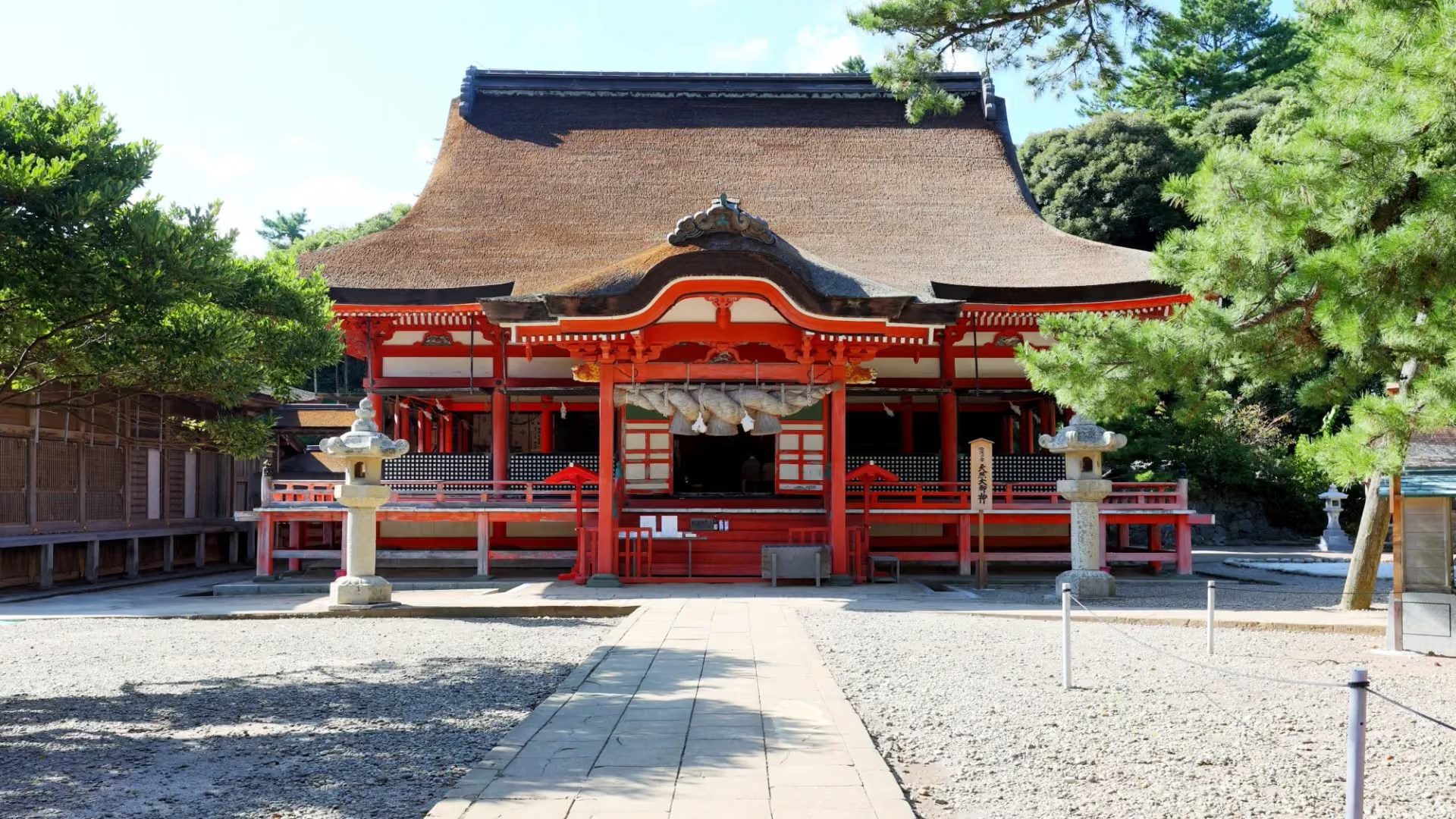
Hinomisaki Shrine
Two shrines on one site at the western tip of the Shimane Peninsula, rebuilt in the 1630s and holding a National Treasure suit of armour.
Izumo · Shimane