

Mankusen Shrine
万九千神社
Mankusen Shrine in Izumo is said to be the last stop for the gods of Japan before they return home.
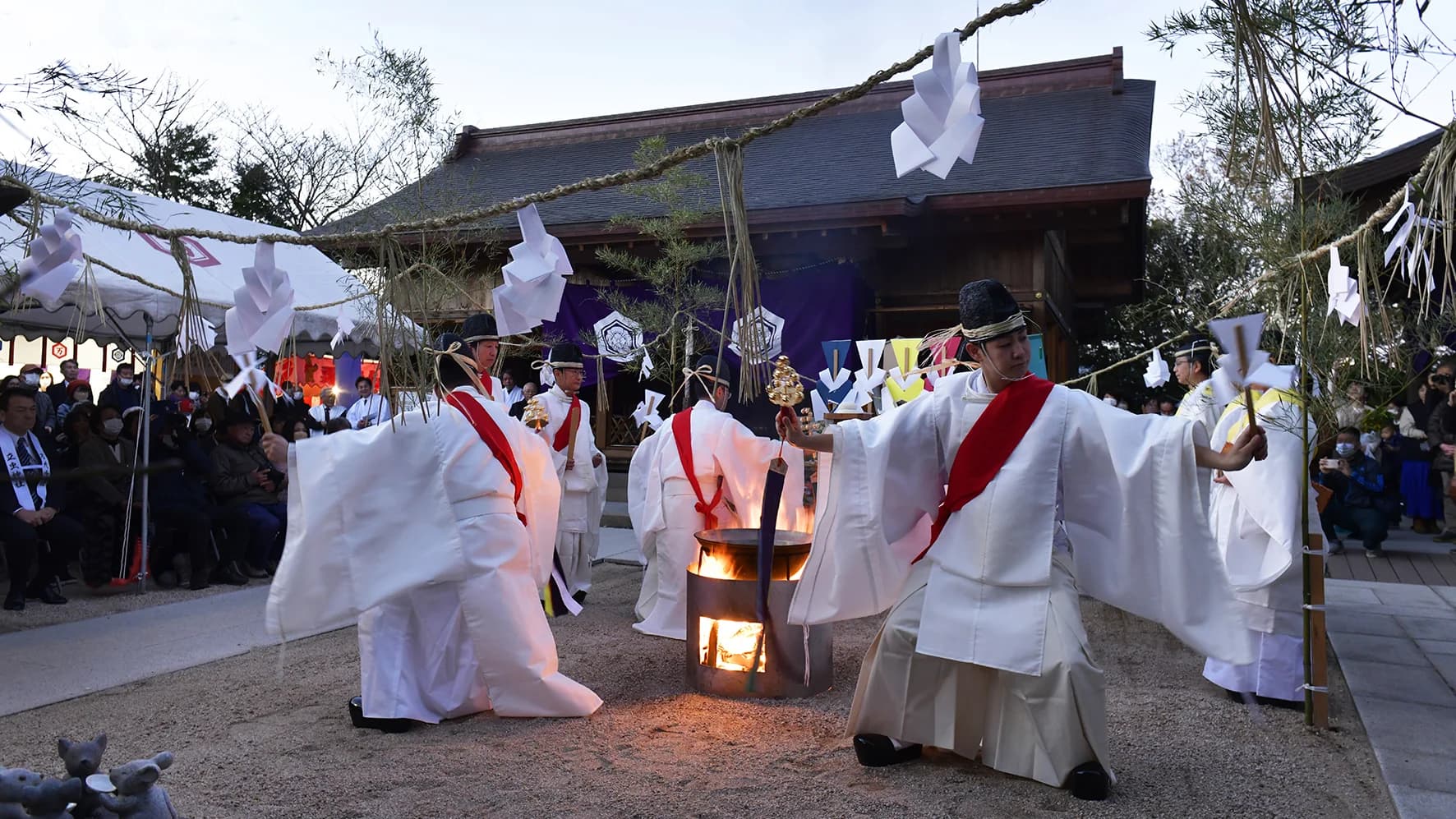
Mankusen Shrine is a small shrine in Izumo, but it holds a well-known place in the story of the yearly gathering of the gods there.
Nobody knows exactly when the shrine was founded. It is understood to be the same shrine that appears under the name Kamushiro in the Izumo Fudoki, a regional record compiled in the eighth century, and in the Engishiki, a tenth century list of official shrines. That places its history at roughly 1,300 years or more. Over the centuries the name changed several times, and only after the Meiji period did the present form, Mankusen, become settled. The current main hall was rebuilt and rededicated in October 2014, the first rebuilding since 1878.
Three named deities are enshrined at Mankusen Shrine, together with all the gods of Japan as a group:
Kushimikenu no Mikoto, also identified with Susanoo, a god of food and of farming and other forms of production. He is also known as Kumano Okami and is the principal deity of Kumano Taisha in Matsue.
Sukunahikona no Mikoto, who worked alongside Onamuchi to open up and settle the land. He is associated with farming, industry, and medicine.
Onamuchi no Mikoto, who developed the land of Izumo and the wider country. He is better known as Okuninushi, the principal deity of Izumo Taisha, and is linked with farming, fishing, medicine, and good matches.
The eight million gods, meaning all the deities of Japan, honoured here because of the gathering they are said to hold at this site each year.
People pray at the shrine for peace, good harvests, good relationships, recovery from illness, and safe travel, among other things.
Kamiarizuki
In most of Japan, the tenth month of the old lunar calendar, which falls around late November and early December in today's calendar, was traditionally known as the month without gods.In Izumo it was the opposite: this was Kamiarizuki, the month when the gods came. They were believed to travel from every part of the country to meet, discuss the year ahead, and decide matters such as who would be matched with whom.
Mankusen Shrine preserves the belief that this is the final place the gods visit before they go home. Here they close their discussions and share a farewell meal, called a naorai, in the company of one another. On the 26th day of that month, through the night and into the early hours, they set out again for their own regions. The rite that marks this departure is called Karasade.
This connection with travel and leave taking shapes the way people pray here. Visitors come to ask for safe journeys, for meetings and gatherings to go well, and for good outcomes at turning points in life, such as starting a business, entering a school, or beginning a new job. In recent years the shrine has also drawn people who work in travel and in the restaurant trade.
Tachimushi Shrine
Mankusen Shrine shares its grounds with Tachimushi Shrine, and the two are visited together. Tachimushi Shrine is the local guardian shrine for the surrounding district, and it also appears in the same eighth and tenth century records, so its origins are equally old.
You might also like

Nagano Gion Festival
The Nagano Gion Festival celebrates Susanoo-no-Mikoto, the deity of storms and protection, through mikoshi processions at Yasaka Shrine near historic Zenkoji temple.
6 Jun 2027Nagano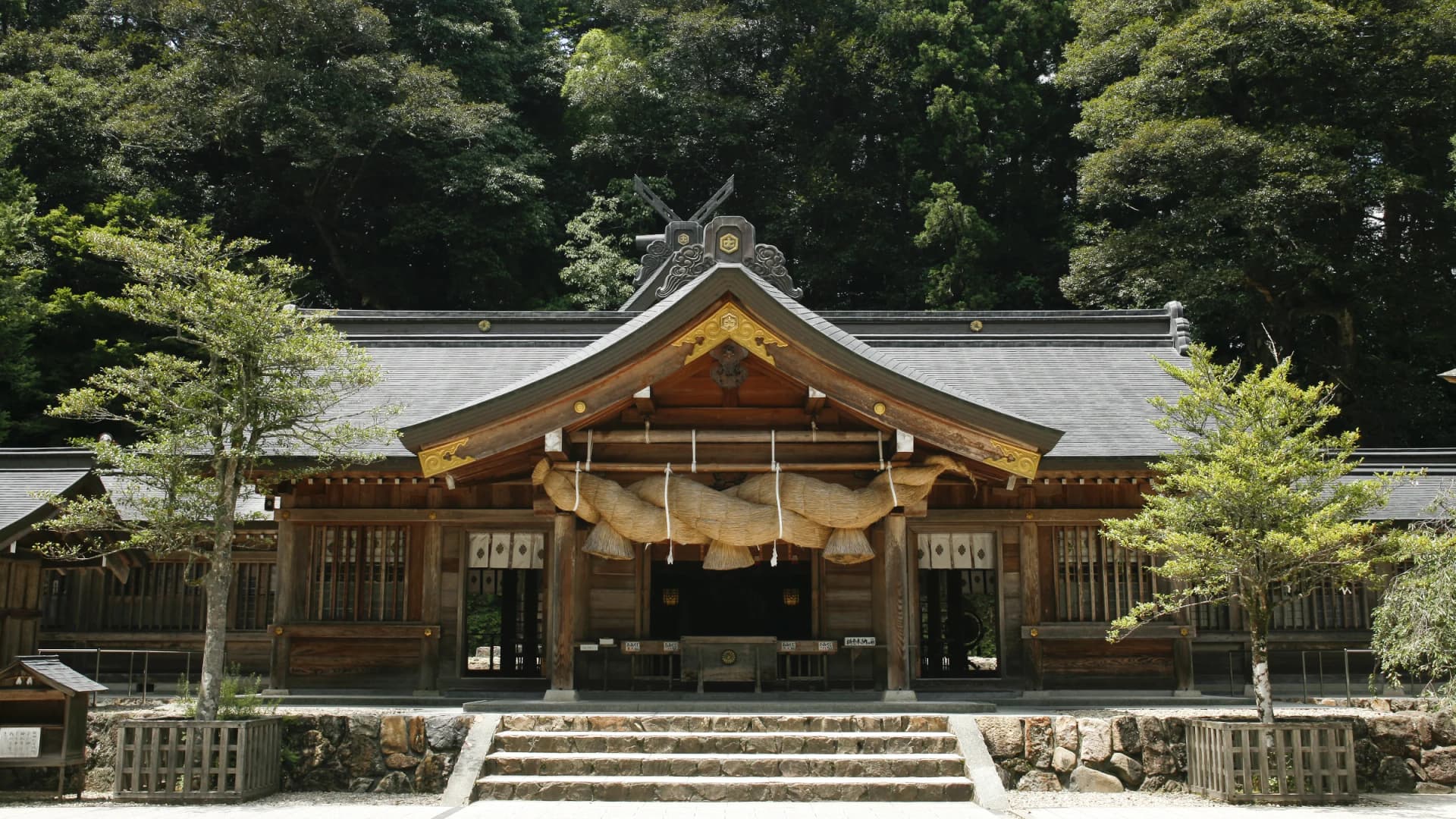
Kumano Taisha
Kumano Taisha, Izumo's "birthplace of fire", holds sacred hikiriusu and hikirigine fire-drills, a startling rice-cake ritual, and Susanoo's comb festival for Princess Inada.
Matsue · Shimane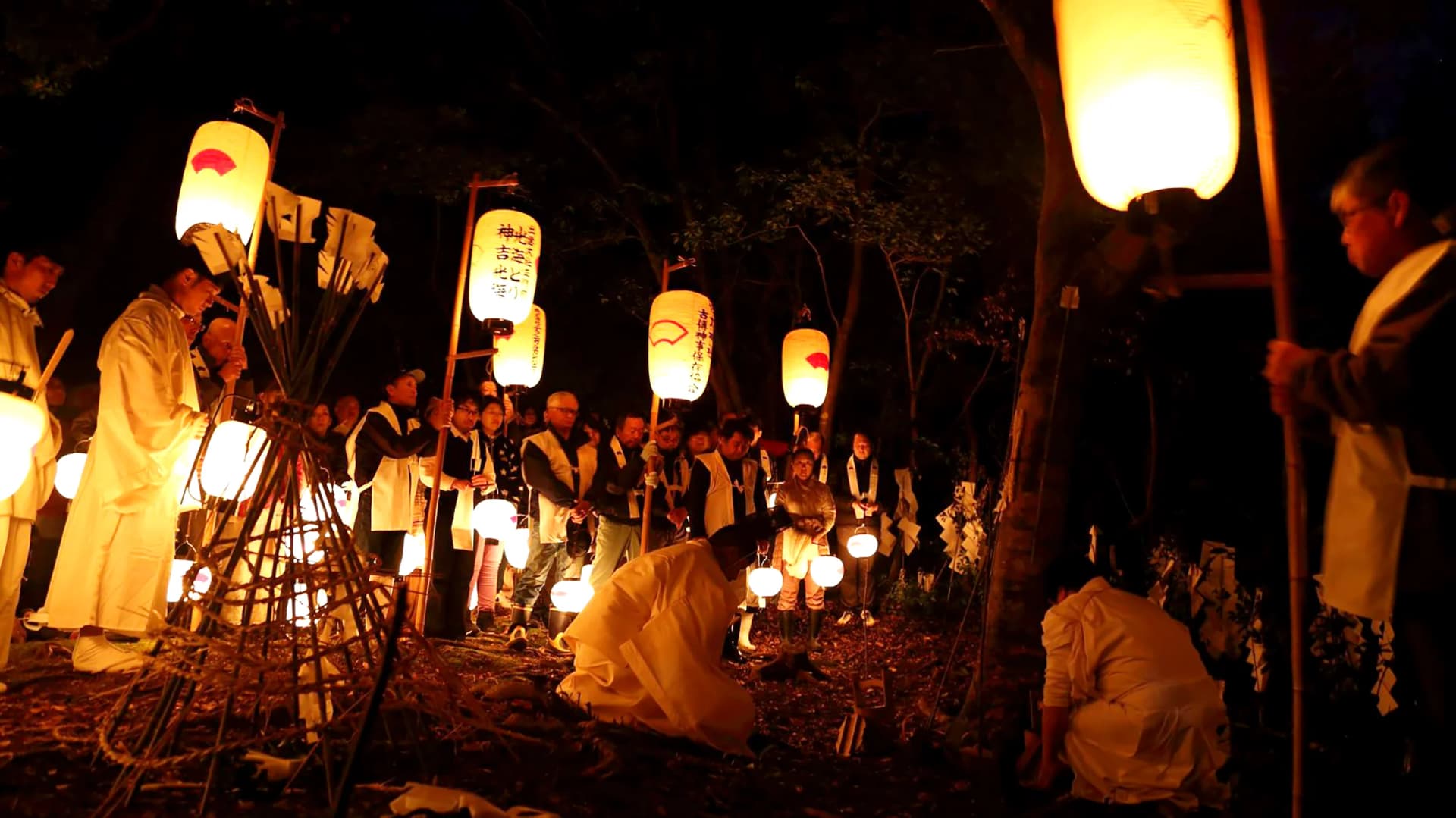
Kamiari Festival
Once a year the gods of Japan are said to abandon their shrines for Izumo, where a season of quiet rites welcomes, hosts, and finally sends them home again.
18–25 Nov 2026Izumo · Shimane
Inasa-no-Hama
Izumo · Shimane
Morioka Fall Festival
One of Iwate's most enduring celebrations, this autumn festival originated as prayers for harvest, now featuring ornate floats and traditional parades.
14–16 Sep 2027Morioka · Iwate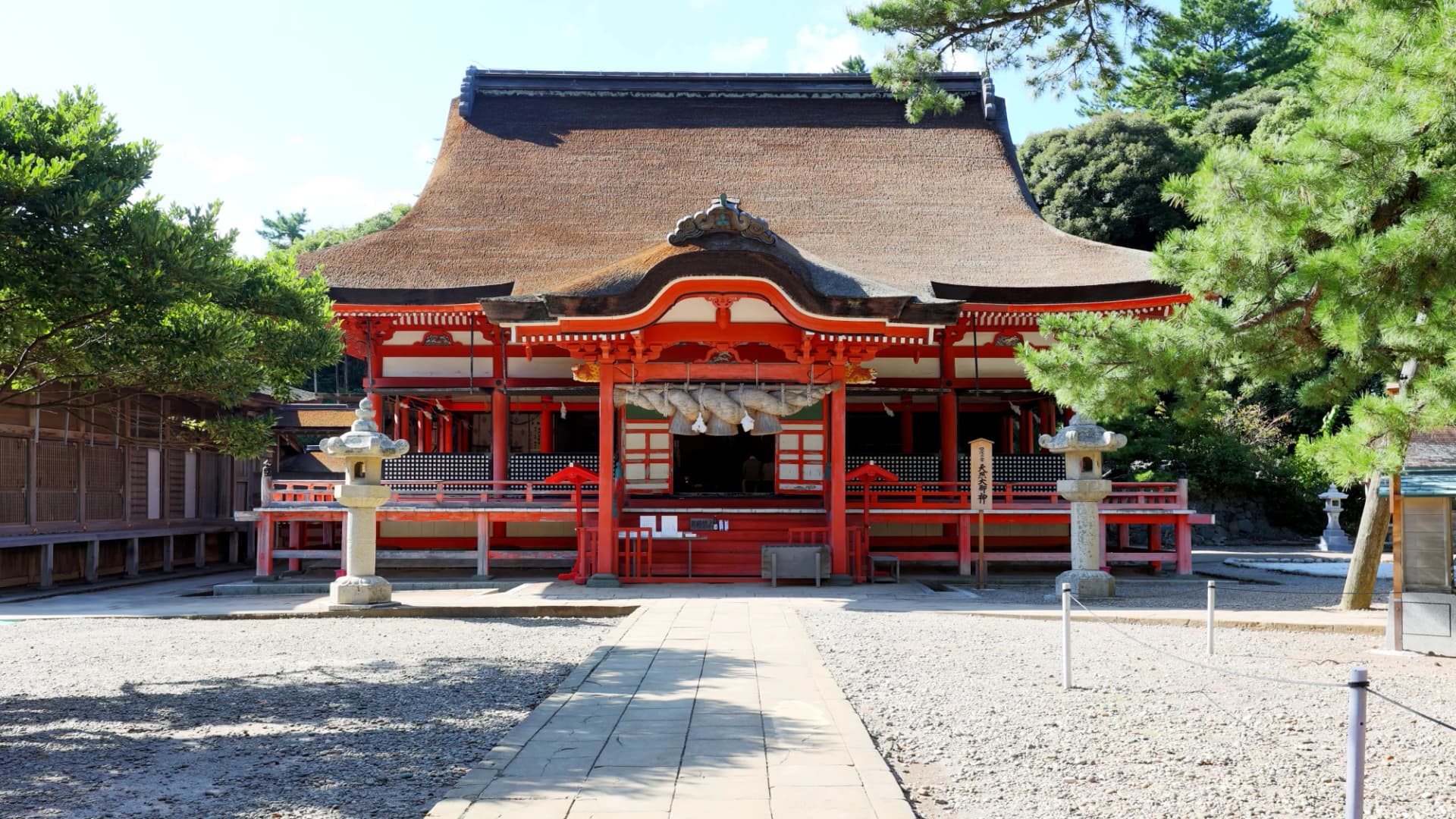
Hinomisaki Shrine
Two shrines on one site at the western tip of the Shimane Peninsula, rebuilt in the 1630s and holding a National Treasure suit of armour.
Izumo · Shimane