Ise Grand Shrine
伊勢神宮
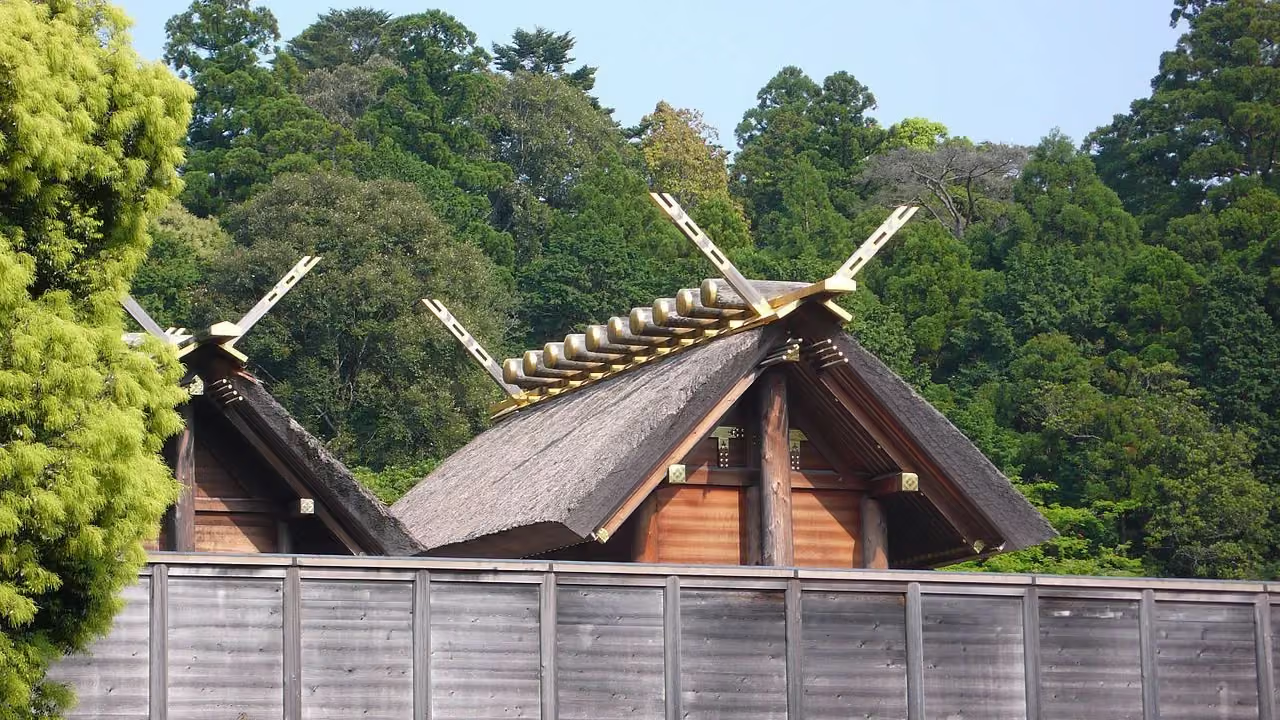
A complex of 125 shrines dedicated to Amaterasu-Omikami and Toyo'uke-no-Omikami, holding over 1,500 rituals a year for imperial prosperity and peace.
〒 516-0023How to get there
五十鈴川Kintetsu Toba Line38 min walk from the station
Ise Jingu, commonly known as simply "Jingu," is a vast shrine complex that comprises of 125 shrines, with the main shrines being Kotaijingu (Naiku) and Toyo'uke-daijingu (Geku). The goddess Amaterasu-Omikami was originally worshipped in the Imperial Palace by the Emperors of Japan. However, during the reign of Emperor Suinin from 29 BC to AD 70, the Kotaijingu (Naiku) at Ise Jingu became the primary shrine dedicated to Amaterasu and has held the Holy Mirror, a symbol of Amaterasu-Omikami, since then. Additionally, during the reign of Emperor Yuryaku from 418 to 479, Toyo'uke-no-Omikami was also enshrined in Ise, and the Toyouke Daijingu (Geku) is dedicated to her. Over 1,500 rituals are conducted at the shrine annually to pray for the prosperity of the Imperial family, peace in the world and bountiful harvests.
Getting There

Planning a trip? Fit this into a trip and Oni plans the rest around it.
You might also like
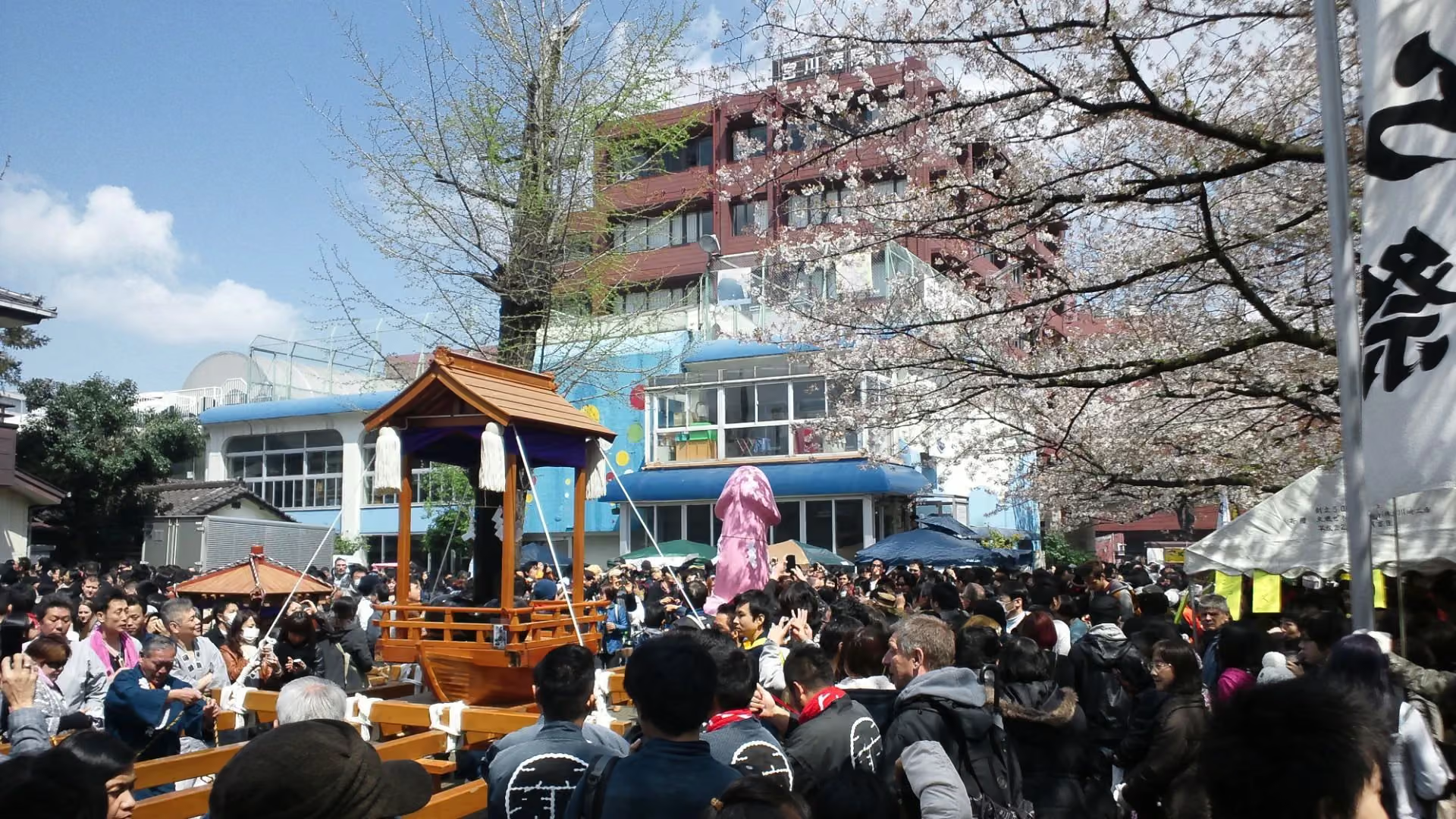
Kanamara Matsuri "Festival of the Steel Phallus"
An annual Shinto festival at Kanayama Shrine in Kawasaki featuring distinctive phallic imagery in decorations and parades while raising funds for HIV research.
5 Apr 2027Exact date not confirmed yetKawasaki · Kanagawa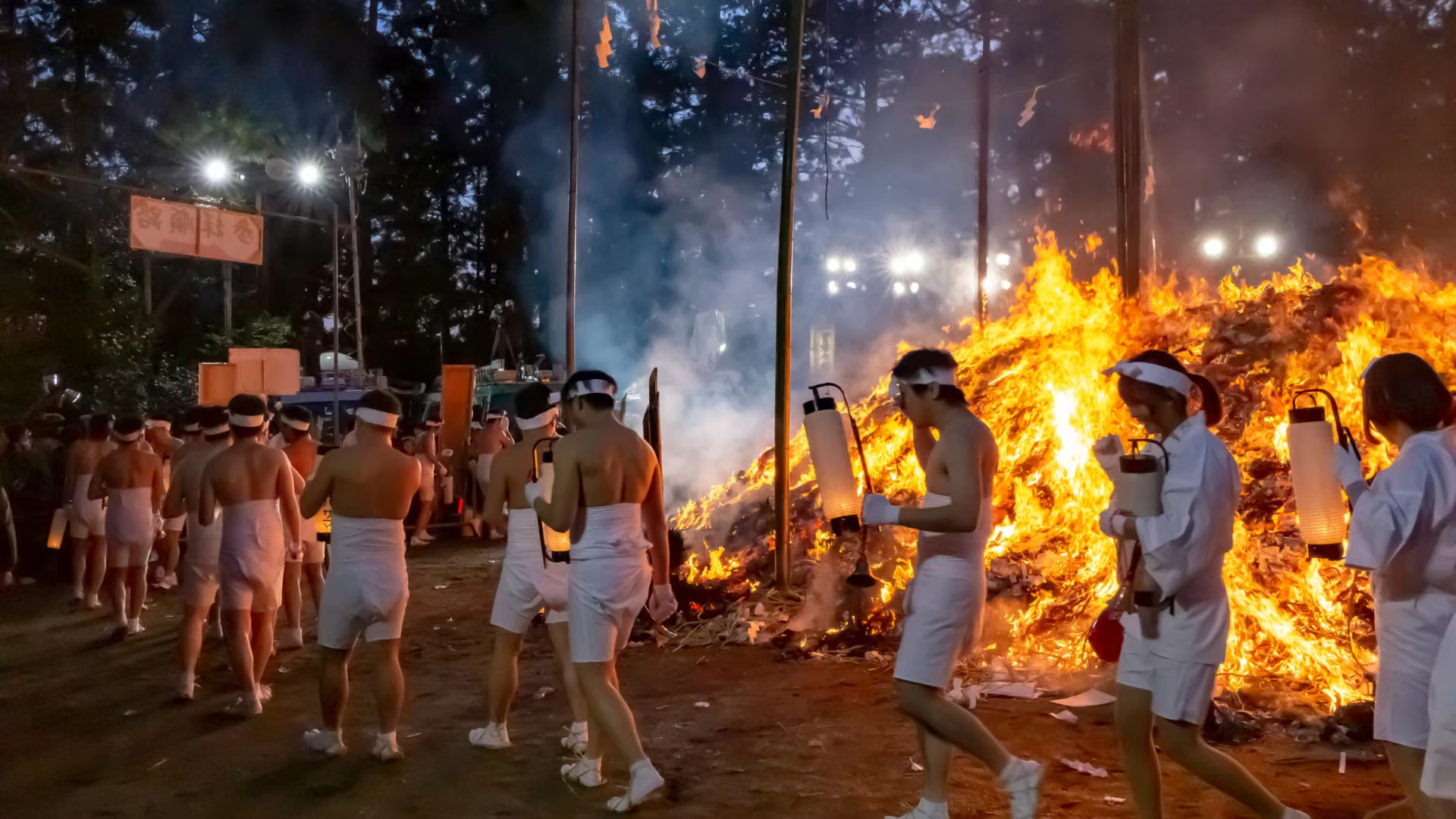
Dontosai Festival
An annual winter ritual in Sendai features the ceremonial burning of New Year decorations followed by a sacred pilgrimage procession in traditional attire.
14 Jan 2027Exact date not confirmed yetSendai · Miyagi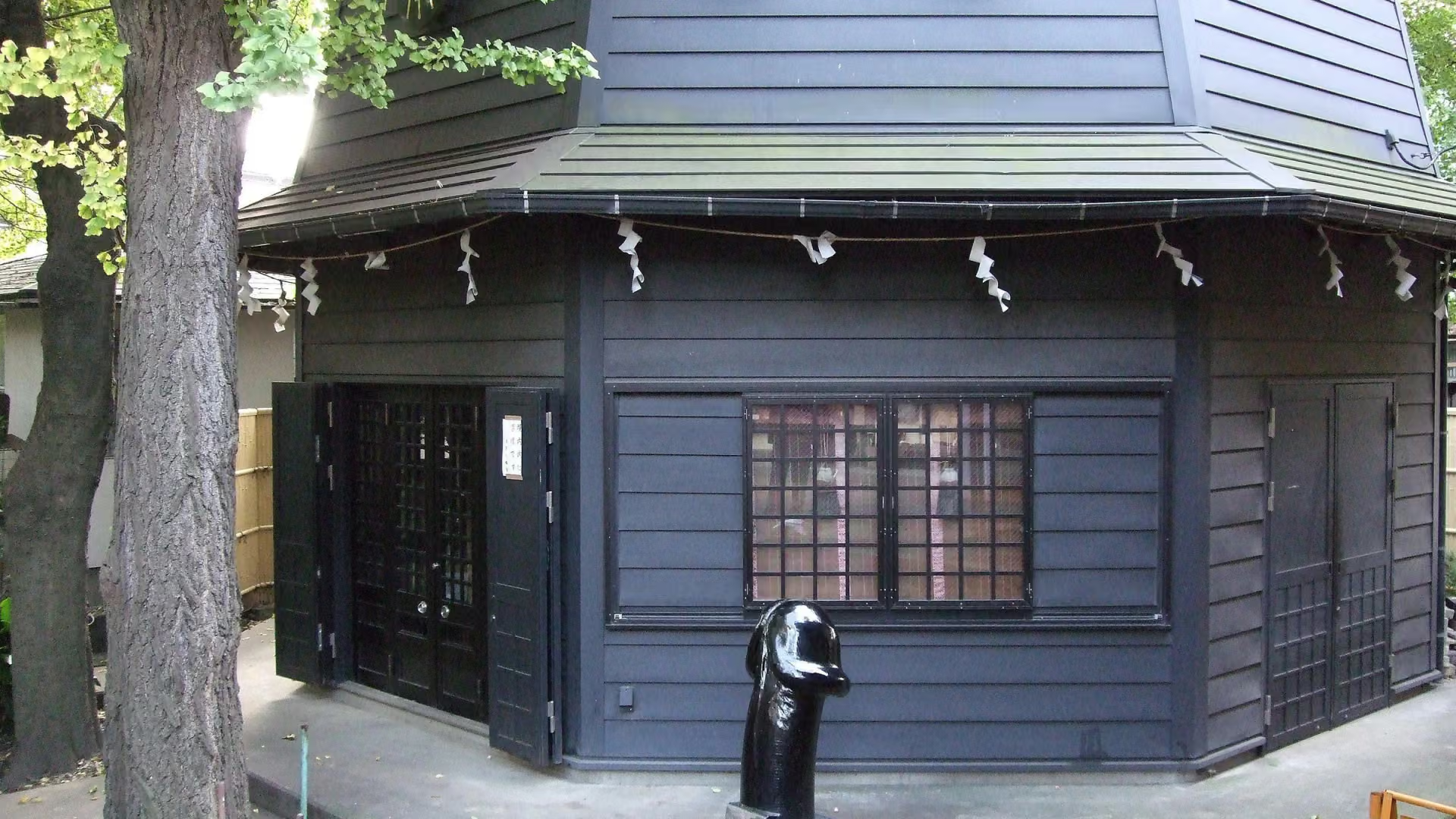
Kanayama Shrine
Shrine dedicated to metalworking deities, famous for the annual Kanamara Matsuri celebrating fertility and well-being, with origins in the Edo period.
Kawasaki · Kanagawa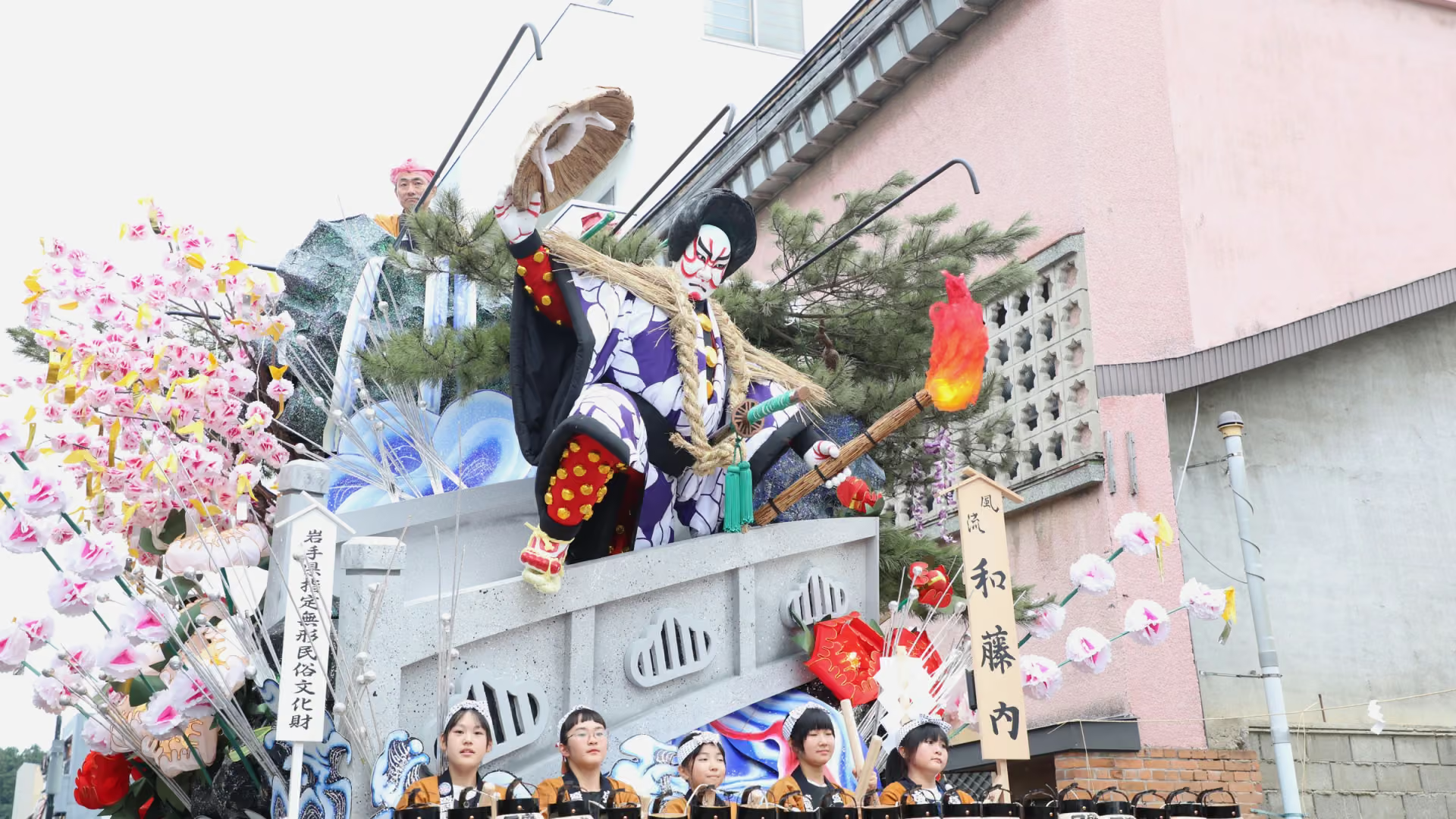
Morioka Fall Festival
One of Iwate's most enduring celebrations, this autumn festival originated as prayers for harvest, now featuring ornate floats and traditional parades.
14–16 Sep 2027Exact date not confirmed yetMorioka · Iwate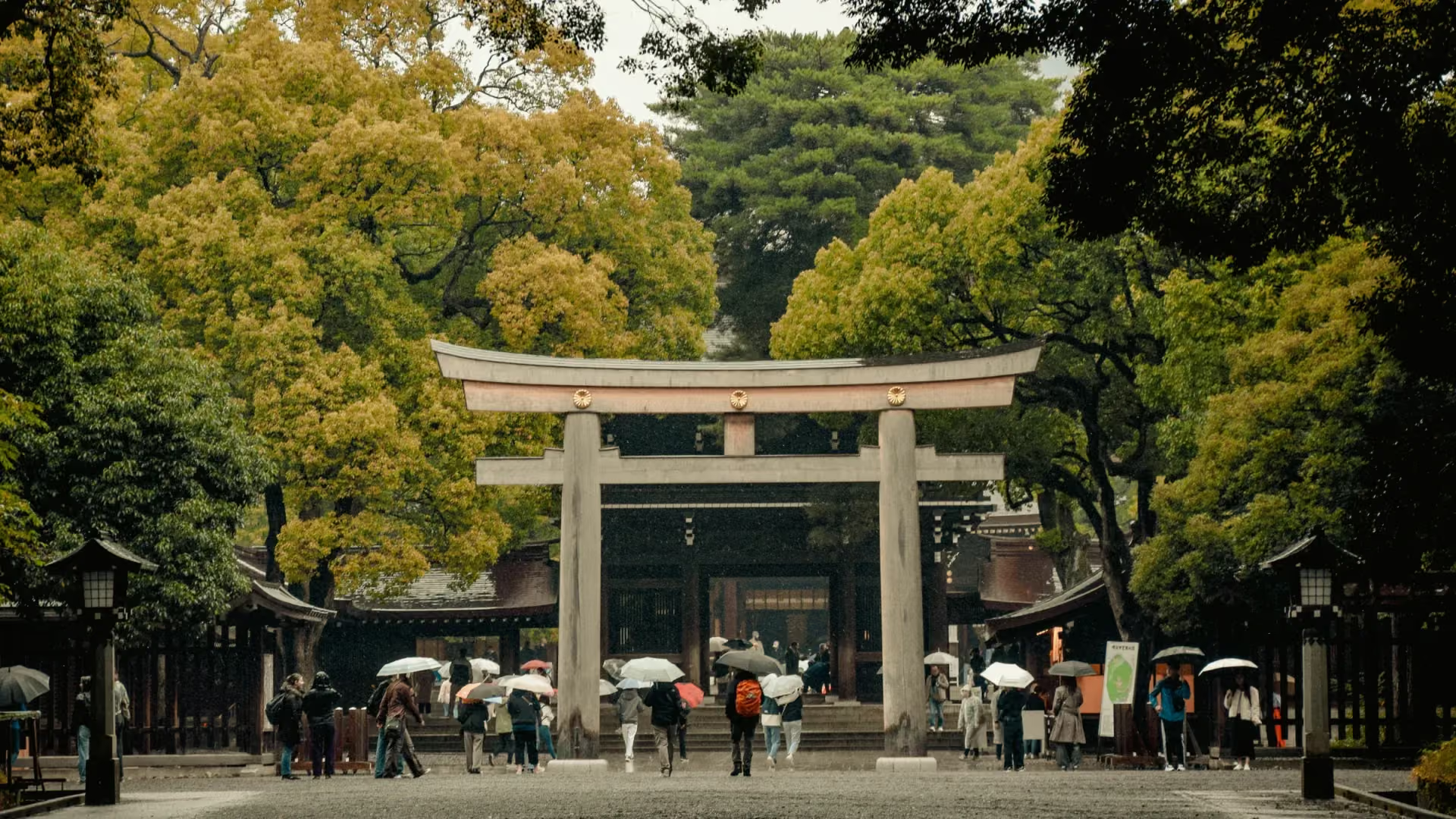
Meiji Jingu
Meiji Jingu is a Shinto shrine in Shibuya, Tokyo, dedicated to Emperor Meiji and Empress Shoken, set within a vast man-made forest of around 100,000 trees
Tokyo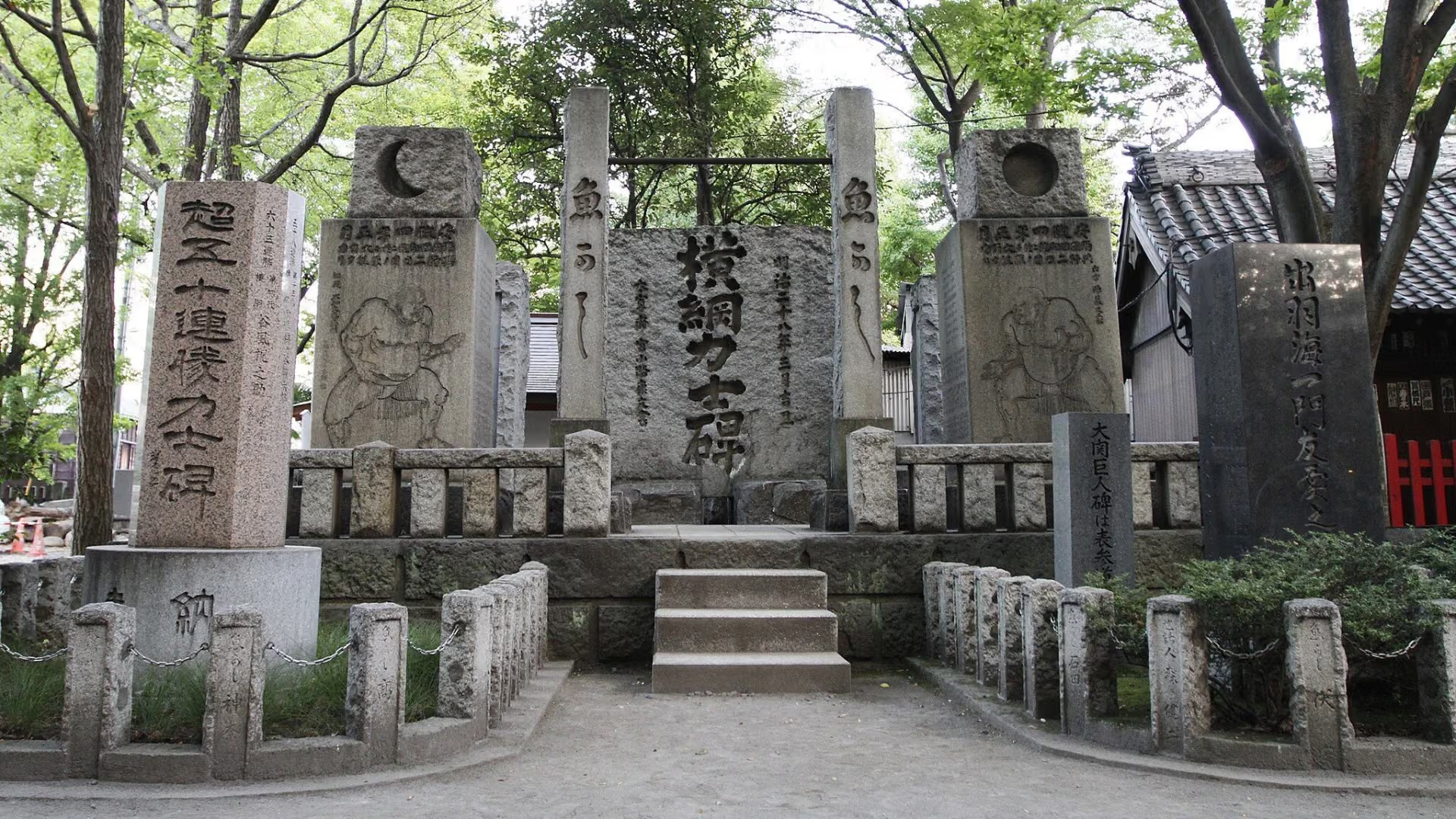
Tomioka Hachiman Shrine
Tokyo's largest Hachiman shrine, established in 1627, holds historical significance as the birthplace of Kanjin-zumo, a precursor to modern Grand Sumo.
Tokyo