Kiyomizu-dera
清水寺
Buddhist temple founded in 778 on the slope of Mt. Otowa in Kyoto, known for the wooden stage of its Main Hall and the three streams of the Otowa waterfall.
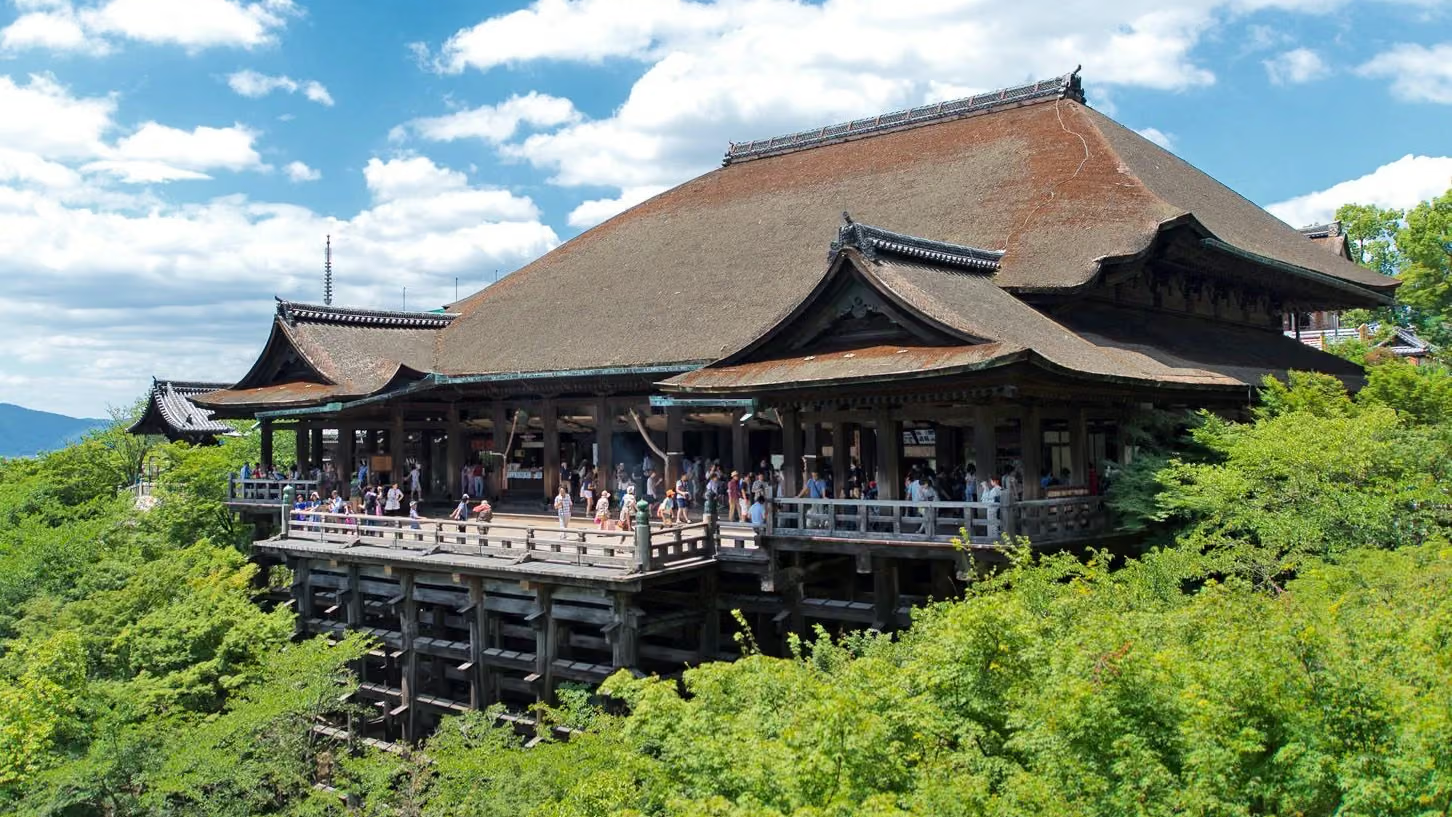
During the spring, summer and autumn special night viewings the gates stay open until 21:30 (last entry 21:00); the periods change every year, so check the official calendar. The amulet and goshuin counters open from about 8:00.
〒 605-0862How to get there
清水五条Keihan Main Line25 min walk from the station
Kiyomizu-dera is a Buddhist temple on the slope of Mt. Otowa in Higashiyama, Kyoto, and the head temple of the Kita-Hosso school of Buddhism. Its grounds cover about 130,000 square meters and hold more than 30 halls and pagodas, among them a National Treasure and many Important Cultural Properties. The temple is dedicated to Kannon, the bodhisattva who stands for compassion.
History
The temple dates its founding to 778. According to its founding record, the Kiyomizu-dera Engi (清水寺縁起), a monk named Kenshin (賢心), later called Enchin, was told in a dream to leave the south. On Mt. Otowa he found a spring of clear water and a hermit, Gyoei Koji (行叡居士), who handed him sacred wood for a statue of Kannon and then disappeared. Two years later the warrior Sakanoue no Tamuramaro met Kenshin at the spring. With his wife, Miyoshi no Takako, he built a temple for an Eleven-headed, Thousand-armed Kannon and named it Kiyomizu, pure water, after the spring.
Fire destroyed the buildings more than ten times, and most of the present halls were rebuilt in 1633. For centuries the temple belonged to the Hosso school headed by Kofuku-ji in Nara; in 1965 it became the head temple of the newly founded Kita-Hosso school. In 1994 it was registered as part of the UNESCO World Heritage Site Historic Monuments of Ancient Kyoto.
The Main Hall and its stage
The Main Hall, a National Treasure, is built against the cliff of Mt. Otowa and keeps the principal Kannon in its innermost sanctuary. It uses kakezukuri (懸造り), an old building method in which a lattice of timbers holds the structure on a steep slope. The stage in front of the hall stands about 13 meters above the foundation stones on 18 zelkova pillars, the largest about 12 meters long, joined without a single nail. Its floor of 166 hinoki cypress boards covers about 200 square meters.
The stage was made for offering music, dance and theater to Kannon, and performances still take place there at special services. Its height gave rise to the saying Kiyomizu no butai kara tobioriru (清水の舞台から飛び降りる), to jump off the stage at Kiyomizu, used for taking a bold decision.
Highlights
The Otowa waterfall, the spring of the founding story, falls in three streams below the Oku-no-in hall, and its water has long been treated as purifying. The Nio-mon, the main gate, was rebuilt around 1500 after it burned in the Onin War. The three-storied pagoda, about 30 meters tall and among the largest in Japan, was rebuilt in 1632. Jojuin, the former residence of the temple's administrators, has a garden known as the Moon Garden that opens to the public for limited periods. The grounds hold about 1,500 cherry trees and 1,000 maples.
Getting There

Planning a trip? Fit this into a trip and Oni plans the rest around it.
Places nearby
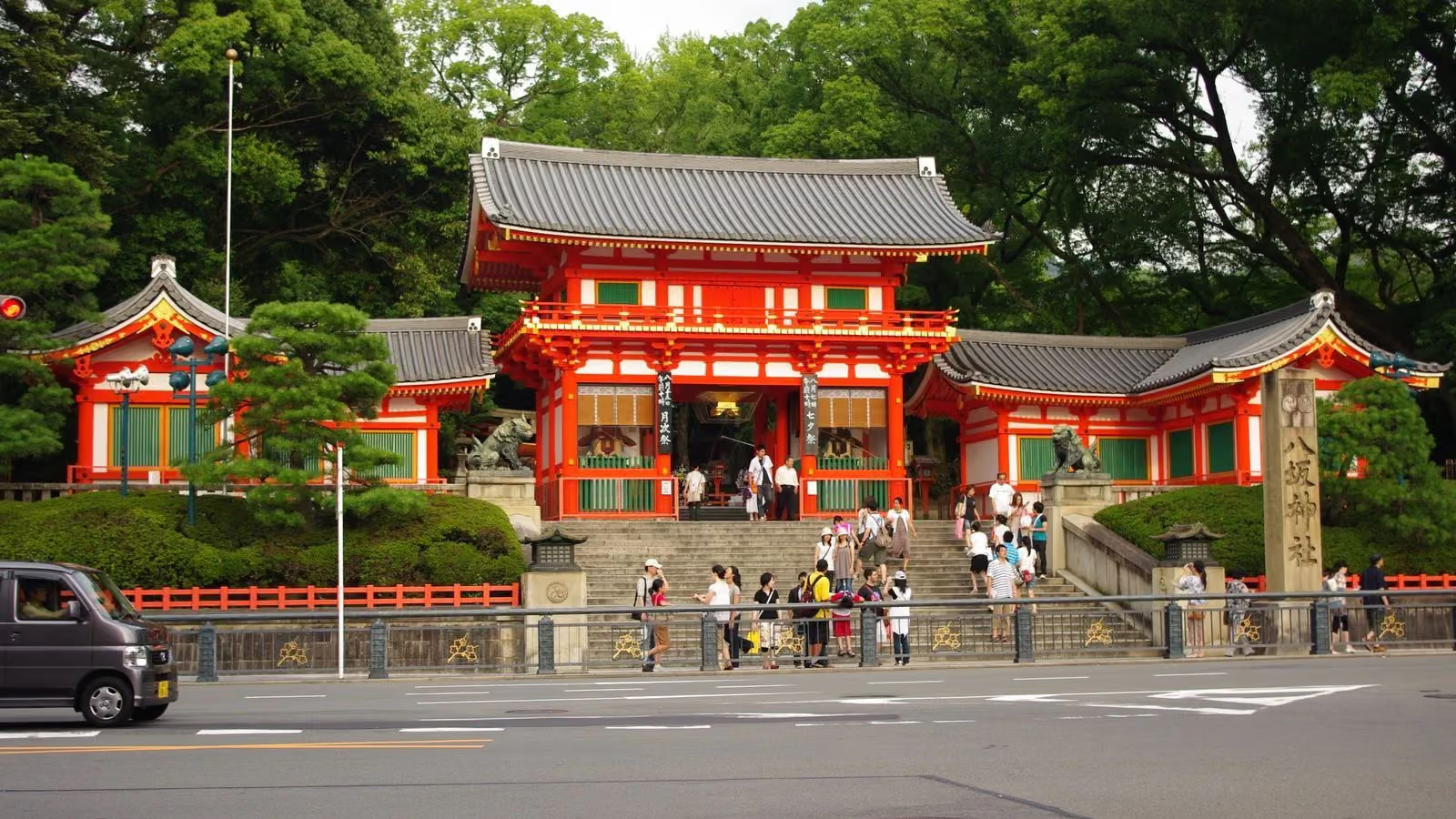
Yasaka Jinja Shrine
A Kyoto shrine tracing its origins to 656, dedicated to Susanoo-no-mikoto and his consort, with its main hall designated a National Treasure in 2020.
Kyoto
Kennin-ji Temple
Kennin-ji in Kyoto's Gion district is the oldest Zen temple in the city, founded in 1202 and the head temple of the Kennin-ji branch of Rinzai Zen.
Kyoto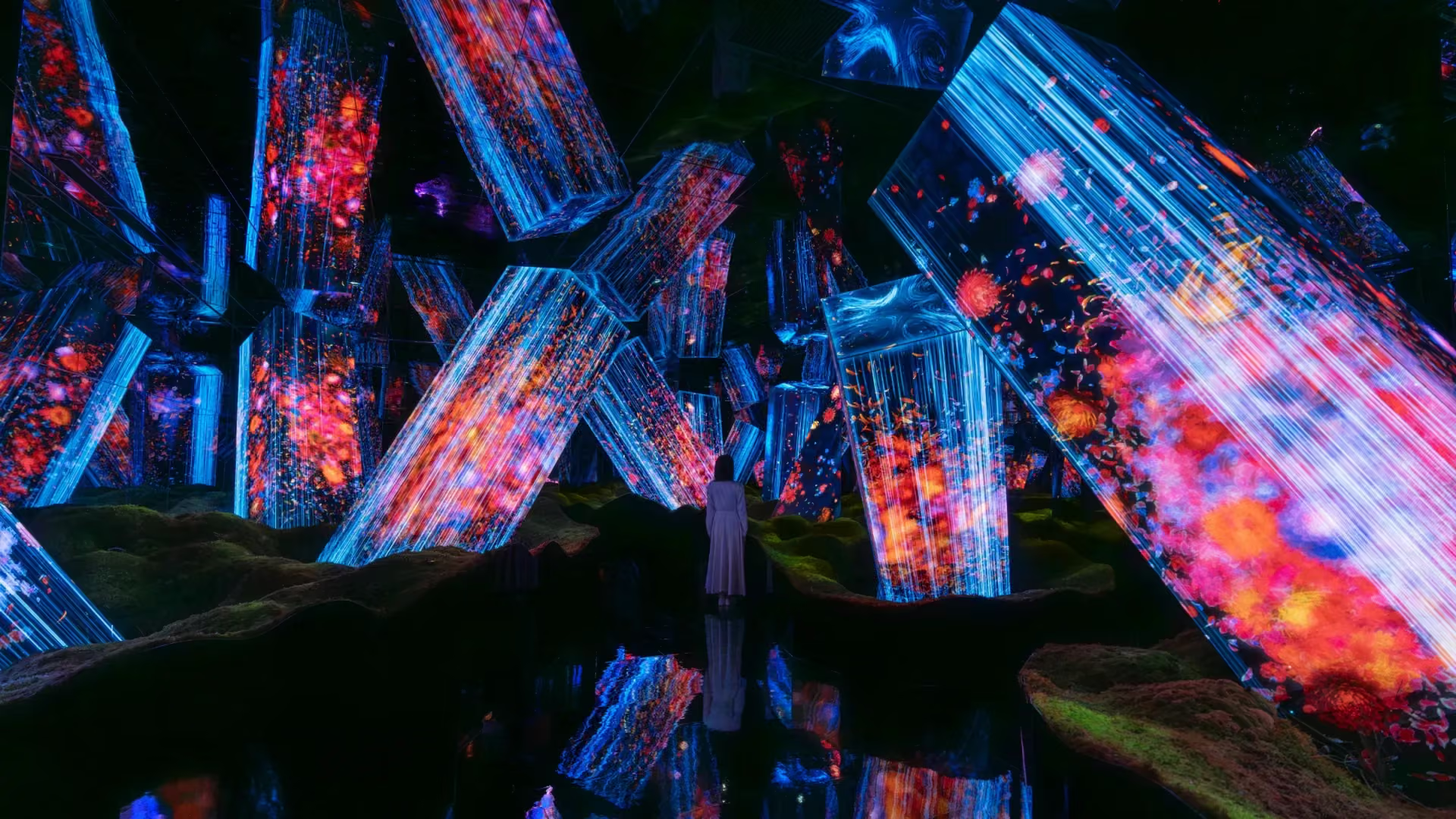
teamLab Biovortex Kyoto
Permanent teamLab museum of interactive digital art near Kyoto Station, with works to climb and jump on and drawings that come to life.
KyotoYou might also like
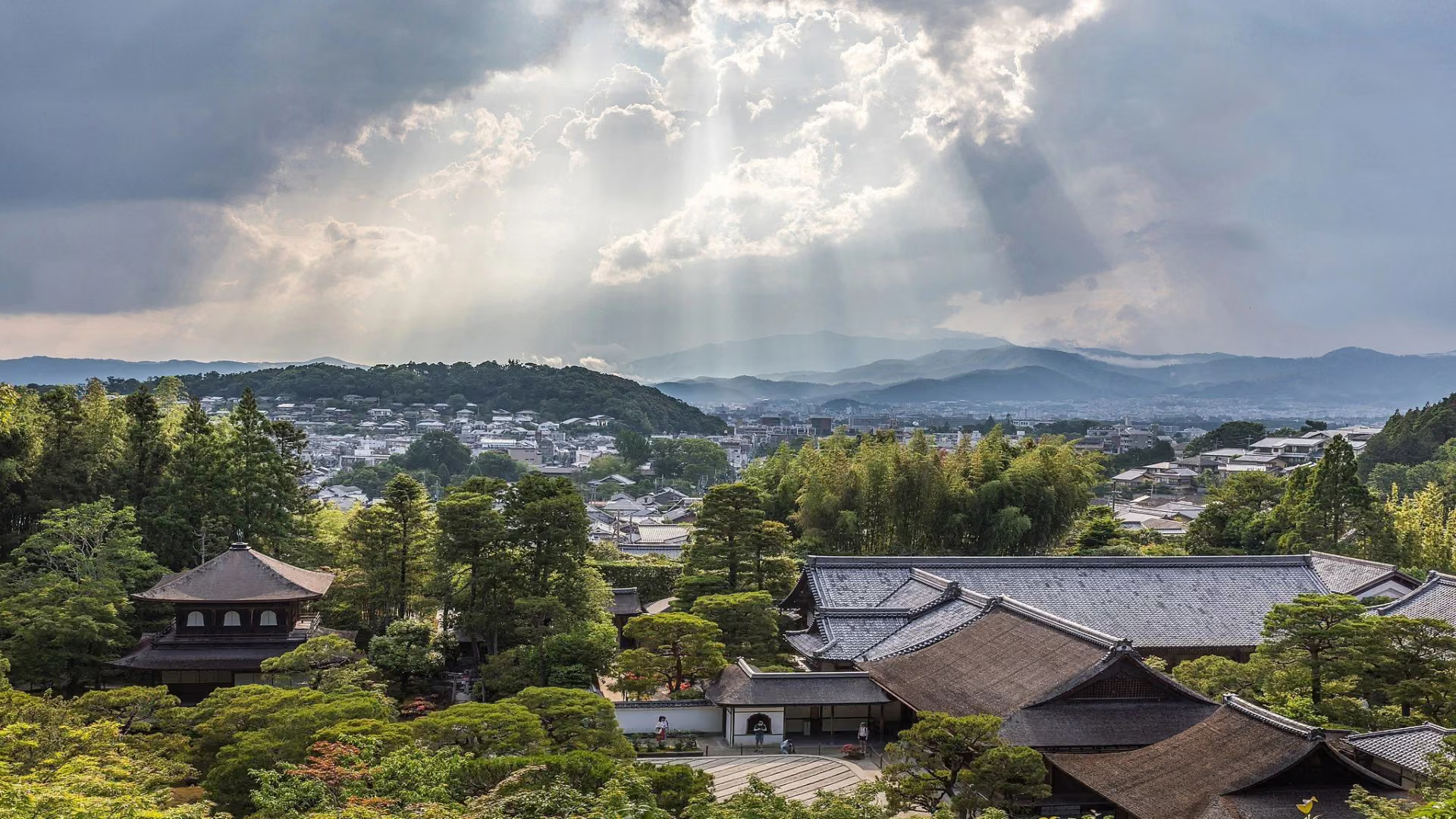
Ginkaku-ji
Zen temple in Kyoto that grew out of shogun Ashikaga Yoshimasa's villa, with the Silver Pavilion and the Togudo, both National Treasures, and a sand garden.
Kyoto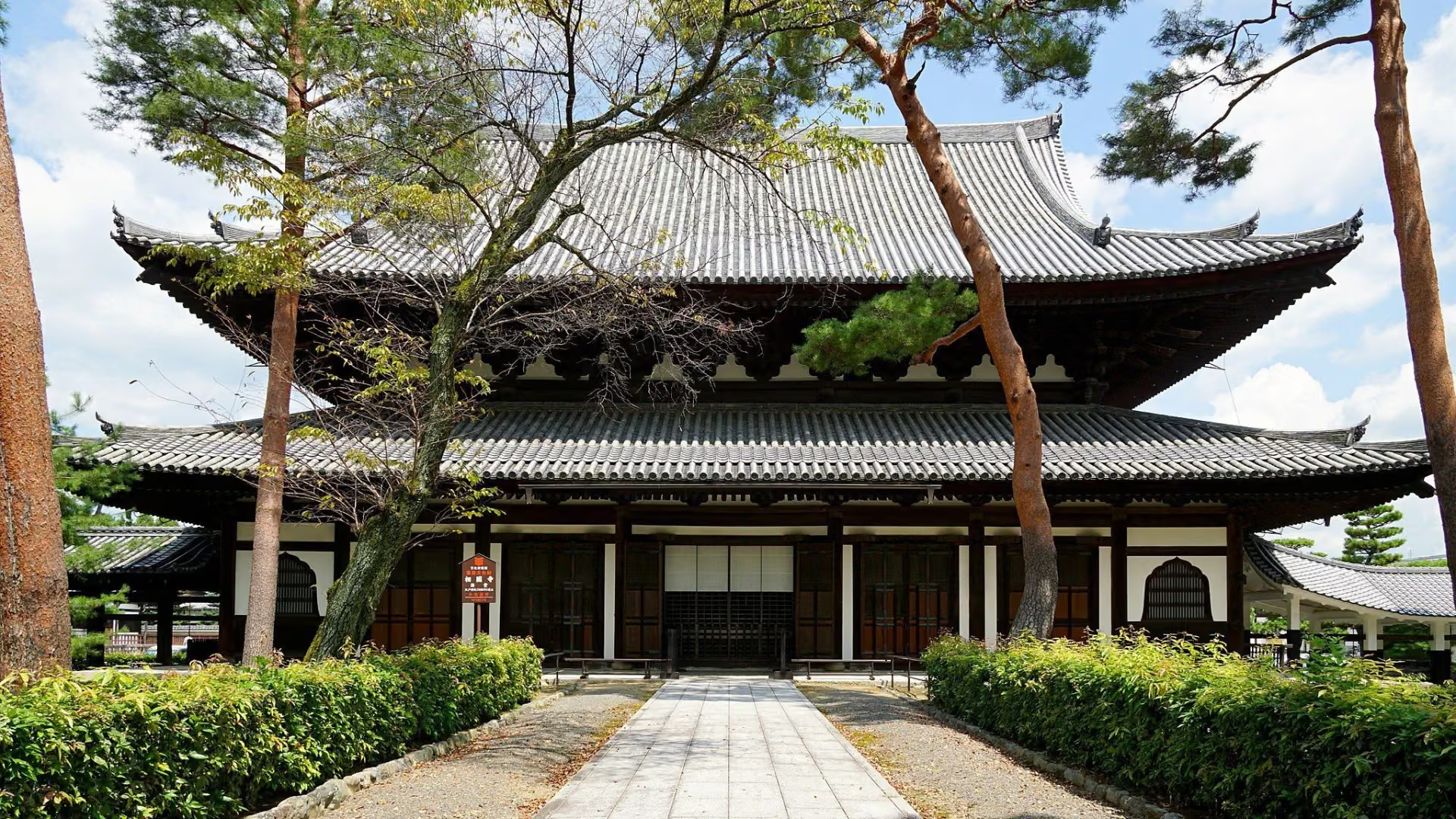
Shokoku-ji
Head temple of the Shokoku-ji branch of Rinzai Zen in Kyoto, founded by Ashikaga Yoshimitsu, with a Dharma Hall of 1605 and a dragon painted on its ceiling.
Kyoto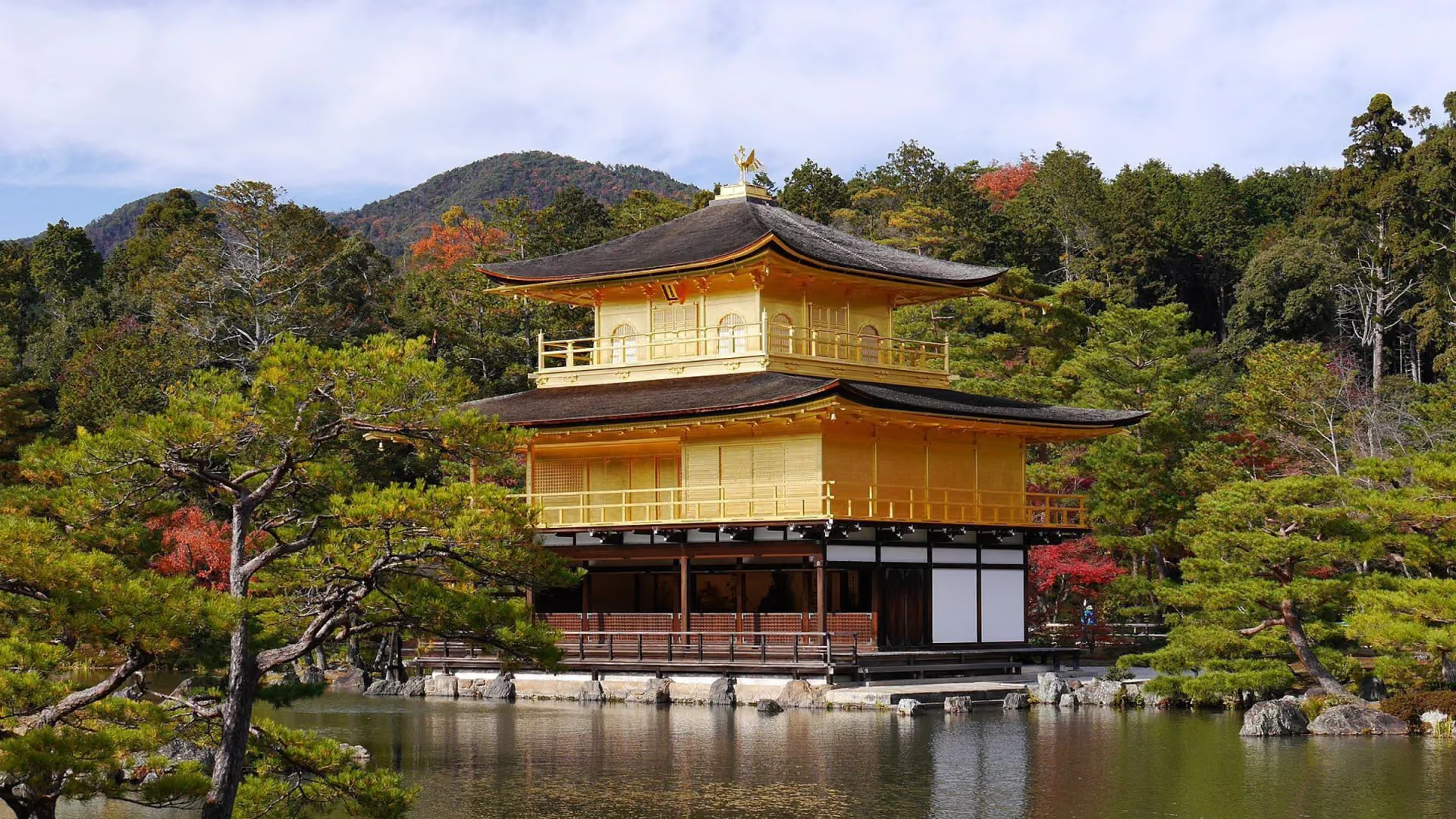
Kinkaku-ji
A Zen temple in Kyoto whose three-storey Golden Pavilion, covered in gold leaf, stands over a pond garden laid out for shogun Ashikaga Yoshimitsu.
Kyoto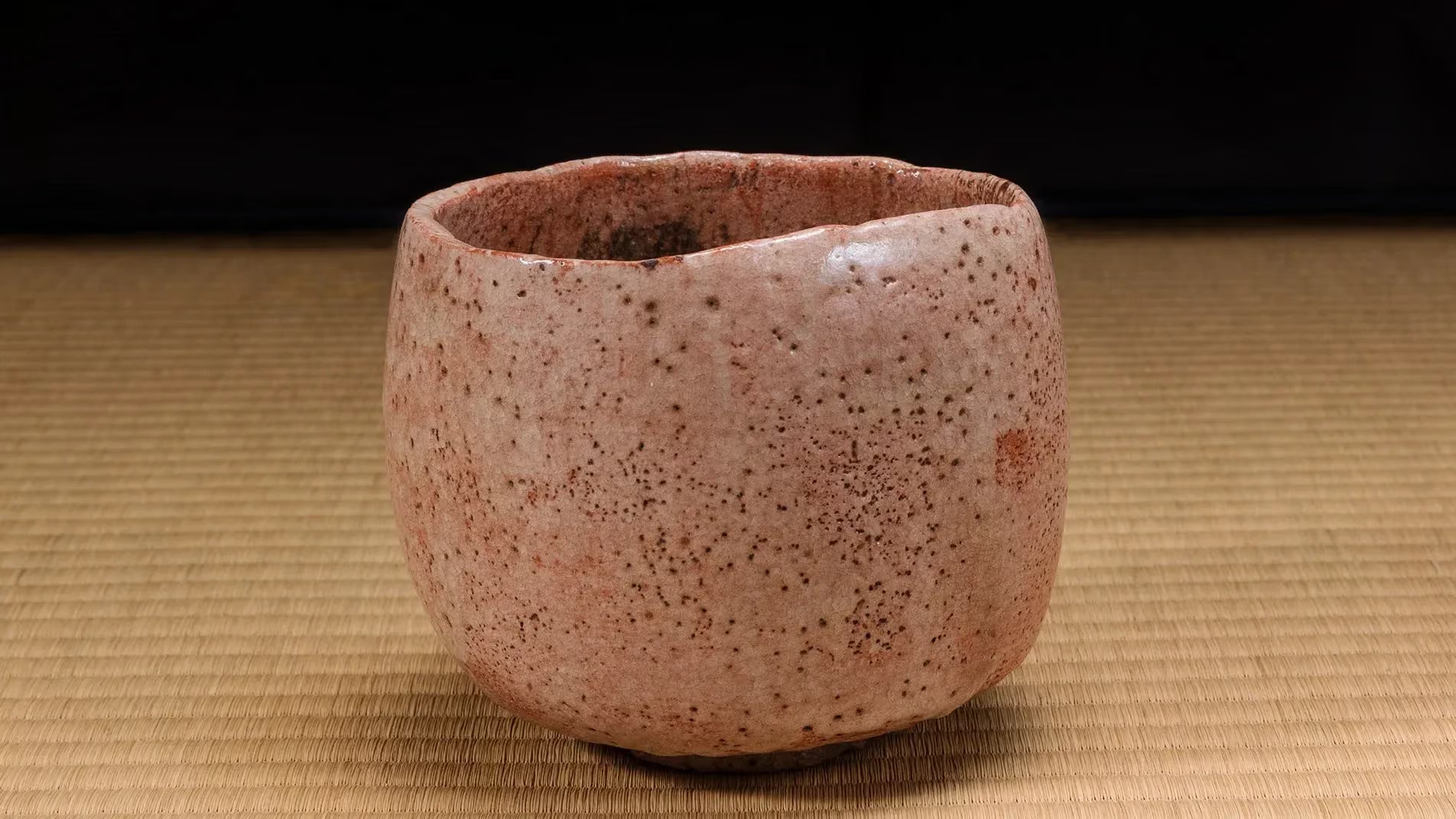
Hyakusaiji Temple and the Buddhist Art of Omi
An autumn exhibition in Shiga where the hidden image of Hyakusaiji, an eleven-headed Kannon of the 8th century, leaves the temple for the first time.
26 Sep – 6 Dec 2026Koka · Shiga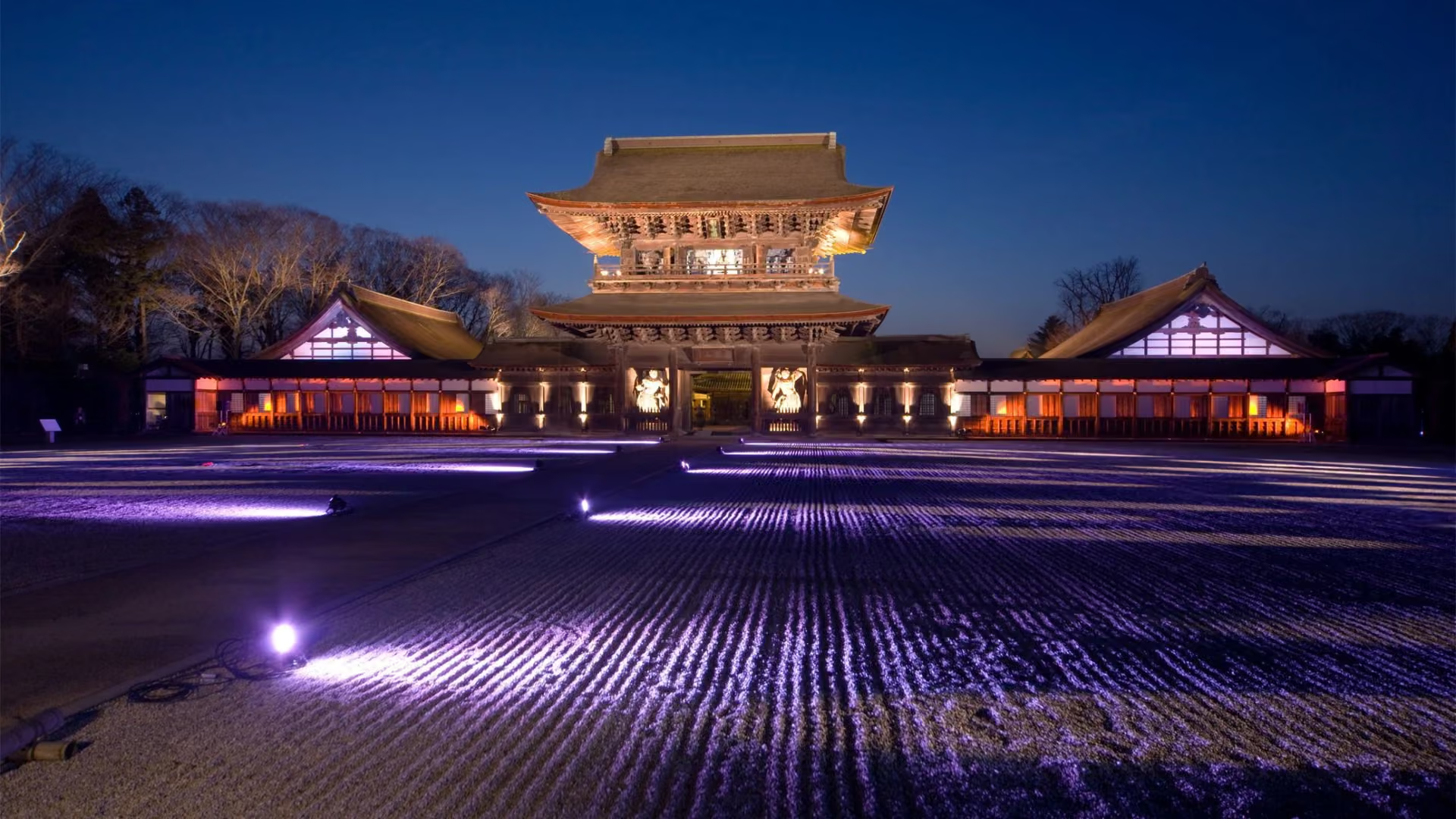
Zuiryuji Temple Spring Light-up
Spring evenings at Zuiryuji, where colored lights and music play over the National Treasure halls of the Maeda family temple.
22 Apr – 5 May 2027Exact date not confirmed yetTakaoka · Toyama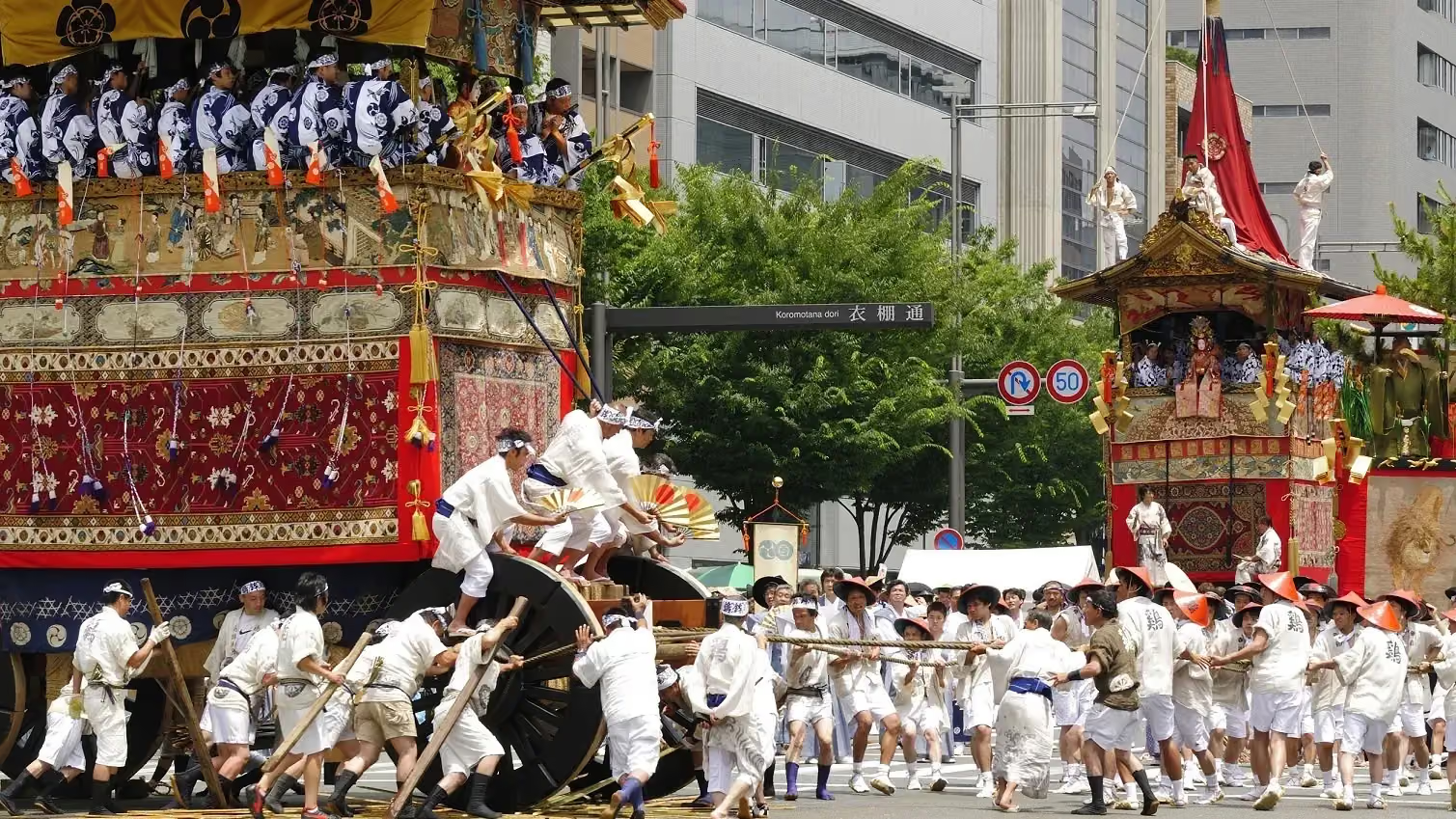
Gion Festival
Yasaka Jinja Shrine's month of rites in Kyoto, with lit floats on Yoiyama evenings, two float processions and three portable shrines carried through the city.
1–31 Jul 2027Kyoto