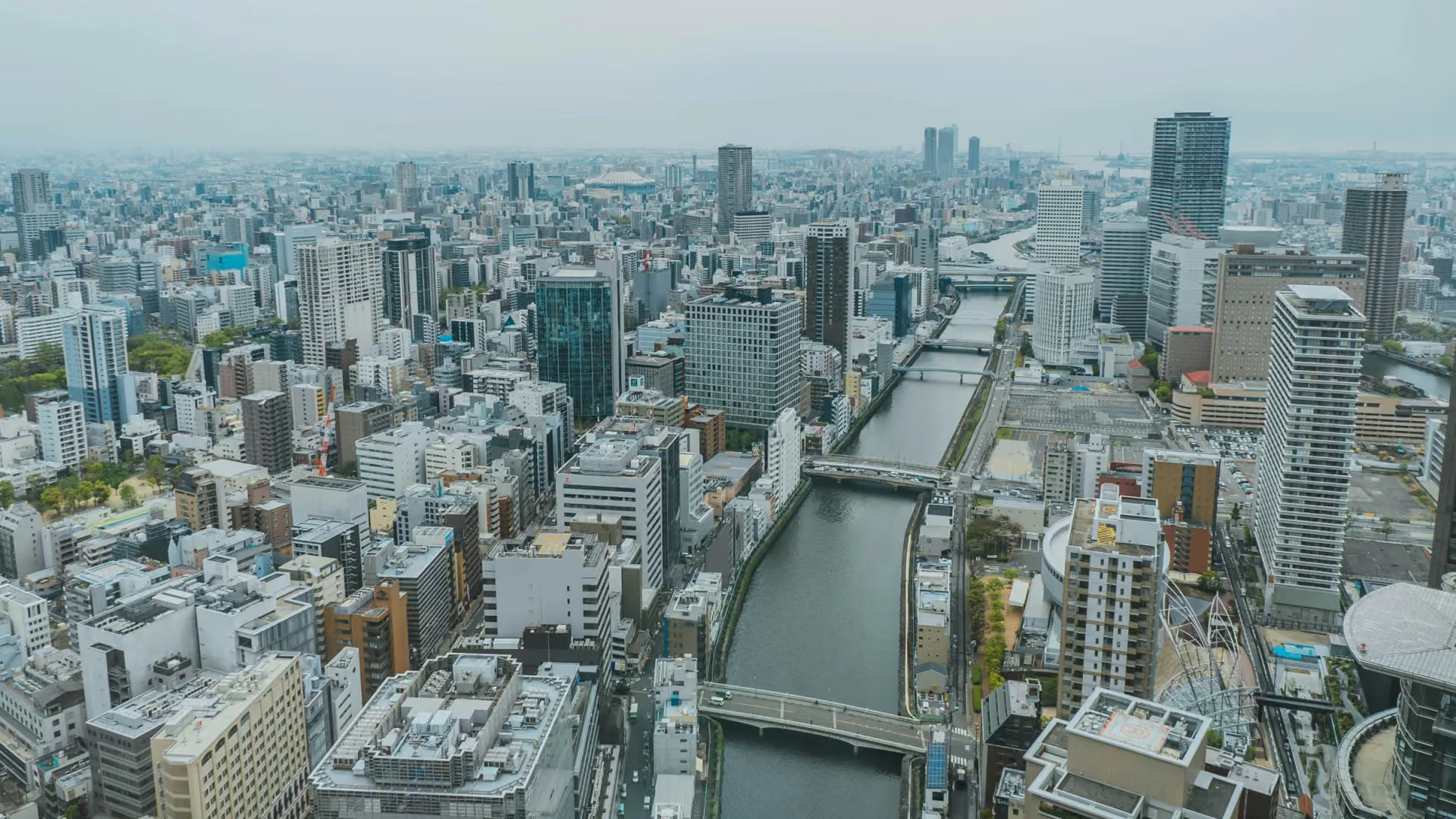
teamLab Biovortex Kyoto
チームラボ バイオヴォルテックス 京都
Permanent teamLab museum of interactive digital art near Kyoto Station, with works to climb and jump on and drawings that come to life.
Last entry 19:30. Closed on some days each month; check the official calendar. The Sketch Factory opens 11:00 to 21:00.
〒 601-8006How to get there
京都Biwako Line · JR Kyoto Line · Kintetsu Kyoto Line · Kosei Line · Nara Line · Sagano Line · Tokaido Shinkansen7 min walk from the station
Gate price from¥3,800Price checked 2026/11/04
Provider prices may differ from the price above. Booking through our links earns us a commission, at no extra cost to you.
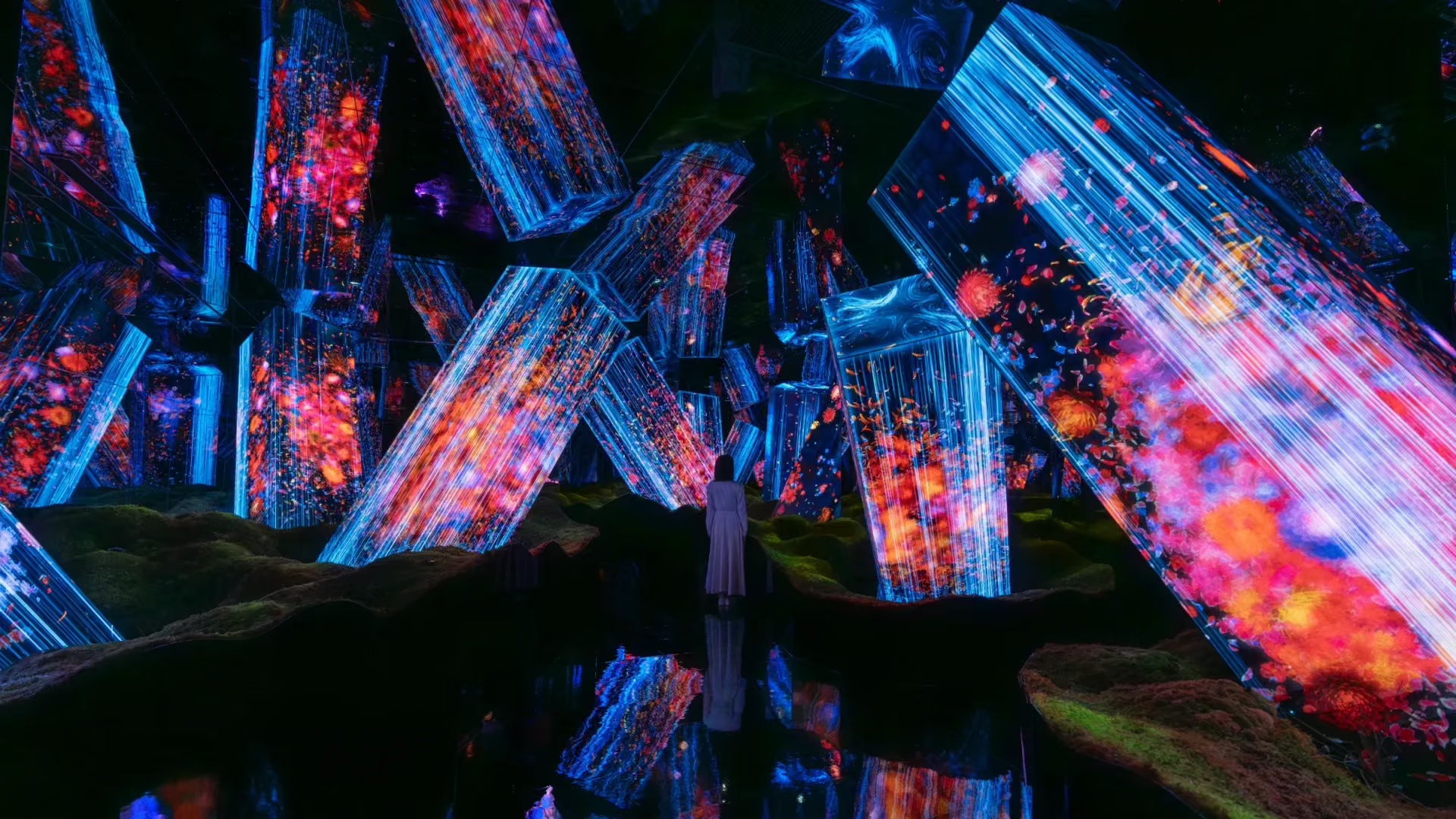
teamLab Biovortex Kyoto is a permanent museum of interactive digital art in Minami, Kyoto, opened on 7 October 2025 by the art collective teamLab. Active since 2001, teamLab is an international group of artists, programmers, engineers, CG animators, mathematicians, architects and other specialists, working where art, science, technology and the natural world meet.
The collective's work explores the boundaries people draw in order to perceive the world: between themselves and the world, and between one moment and the next. Many of the installations respond to the people in them, so they keep changing, and some move across the edges of their rooms to affect the works around them.
Artworks
The works on show include Massless Amorphous Sculpture, Floating Cosmic Spheres, Resonating Microcosms - Solidified Light, Megaliths in the Open Universe, Infinite Crystal World and What a Loving, and Beautiful World, made with the calligrapher Sisyu, in which touching a written character calls up the world it stands for.
Nirvana: Fleeting Flowers takes its motif from folding screens by Ito Jakuchu (1716 to 1800), a painter active in Kyoto in the mid Edo period, who divided whole pictures into tens of thousands of small squares and coloured each one. In Animals of Flowers, Symbiotic Lives, animals made of seasonal flowers walk through the museum; when people touch them too much the flowers scatter and the animal dies away.
Athletics Forest
The Athletics Forest is a space for the whole body, built on the idea of grasping the world through the body and thinking in three dimensions. Its works are jumped on, climbed, balanced across and slid down.
In Rapidly Rotating Bouncing Spheres in the Caterpillar House, fast-spinning spheres stop when someone comes near, so they can be jumped on. Jumping on spheres of one colour in a row makes them burst and caterpillars appear; a visitor who keeps to one colour to the end bursts every sphere in the room and fills it with caterpillars.
Multi Jumping Universe is an elastic floor that sinks underfoot. Each dip bends space and time, stardust gathers and a star is born. A visitor who keeps jumping on a moving star sees it grow through its whole life, until it turns back into stardust for new stars.
In Aerial Climbing through a Flock of Colored Birds, bars hung on ropes form routes through the air. The bars are linked, so one climber's movement reaches the bar another is standing on, and each route is put together differently. A bar shines and sounds its own tone when someone stands on it.
Balance Stepping Stones in the Invisible World are stones that sway in different ways and sound when stepped on. They cross a world of tiny creatures too small to see in daily life, and the colour of each stone passes into the life around it.
On Sliding through the Fruit Field, visitors slide down as sunlight. Hitting water balls and bee balls sends them flying, and their collisions make the fruit grow. In Waterfall Droplets, Flowing Down a Slope, grains pour down an upward slope: a single grain bounces like a ball, many together flow like water, and scattered again they act like balls.
Future Park
Future Park (Manabu! Mirai no Yuenchi, 学ぶ!未来の遊園地) is an educational project built on the idea of collaborative creativity: making a world freely, together with others.
In Sketch Ocean, visitors colour in a fish outline on paper, the drawing is scanned and the fish swims into an ocean shared with everyone else's. Fish flee when touched and gather when someone touches a food bag. Now and then they leave the room and swim through other works, and tuna travel between Sketch Ocean installations in other parts of the world.
Graffiti Nature and Beating Earth is an ecosystem of drawn creatures. Salamanders eat snakes, snakes eat lizards, lizards eat frogs, frogs eat butterflies and butterflies multiply on flowers. A creature that eats multiplies, one that is eaten or goes hungry for long disappears, and salamanders die when stepped on. Flowers bloom where people stand still and scatter where they walk.
The Sketch Factory turns creatures drawn in Graffiti Nature or Sketch Ocean into can badges, magnets, puzzles, hand towels, T-shirts, tote bags and paper crafts to take home; sea creatures from Sketch Ocean can also become stickers.
Three works are home to little people. On A Musical Wall where Little People Live, stamps shaped like mushrooms, sheep sheds and long ice poles stuck to the wall appear in the little people's world. On A Table where Little People Live, they notice a hand or an object put on the table and jump onto it. On A Window to the Universe where Little People Live, lines drawn with a light pen act on them by colour: yellow lines bounce them hard, blue lines speed them up, purple lines pull them in like gravity, and green shapes come to life.
Getting There

Planning a trip? Fit this into a trip and Oni plans the rest around it.
Places nearby
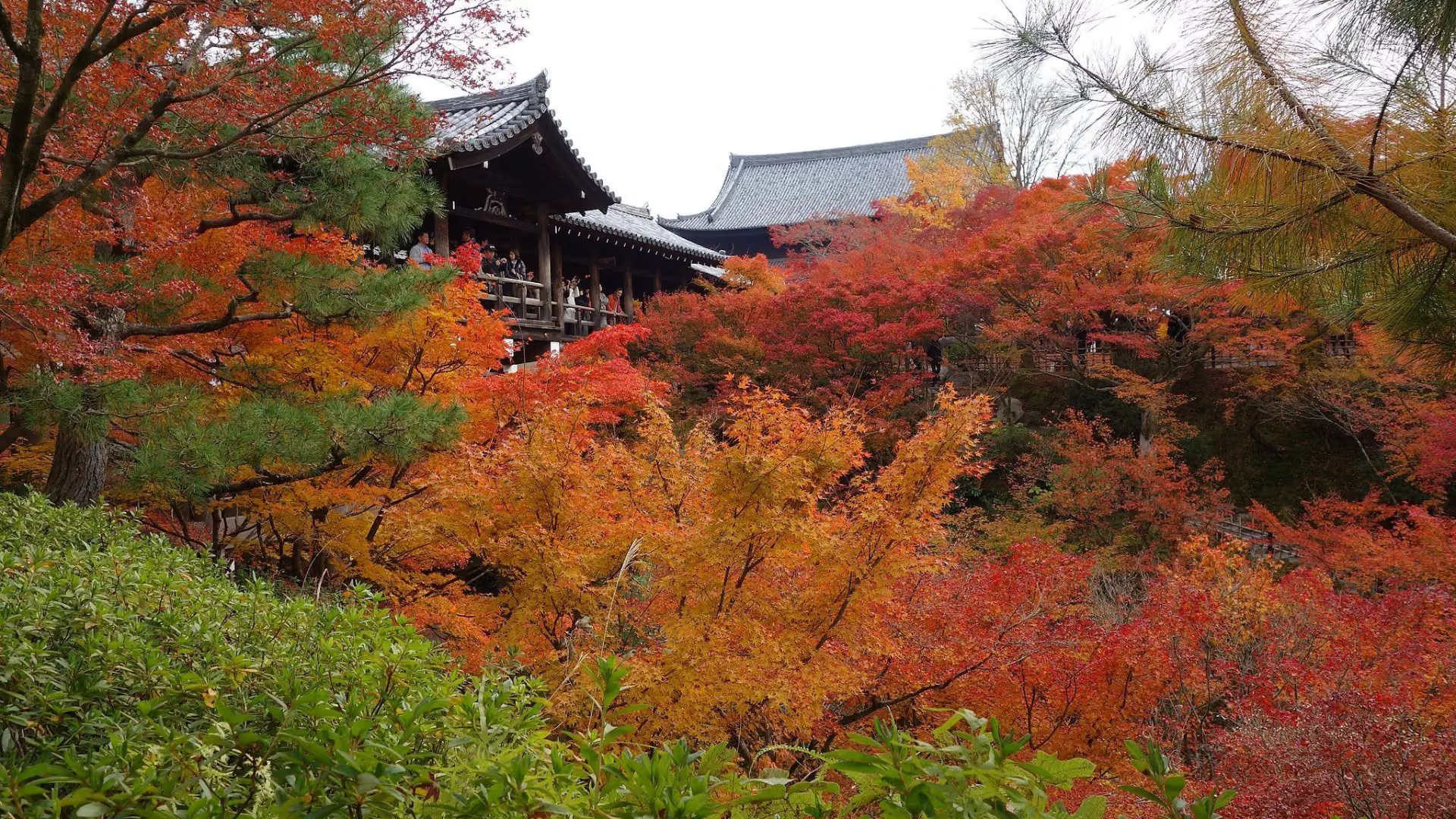
Tofukuji Temple
Head temple of a Rinzai Zen branch in Kyoto, known for the maple valley under the Tsutenkyo bridge and the 1939 garden around the abbot's quarters.
Kyoto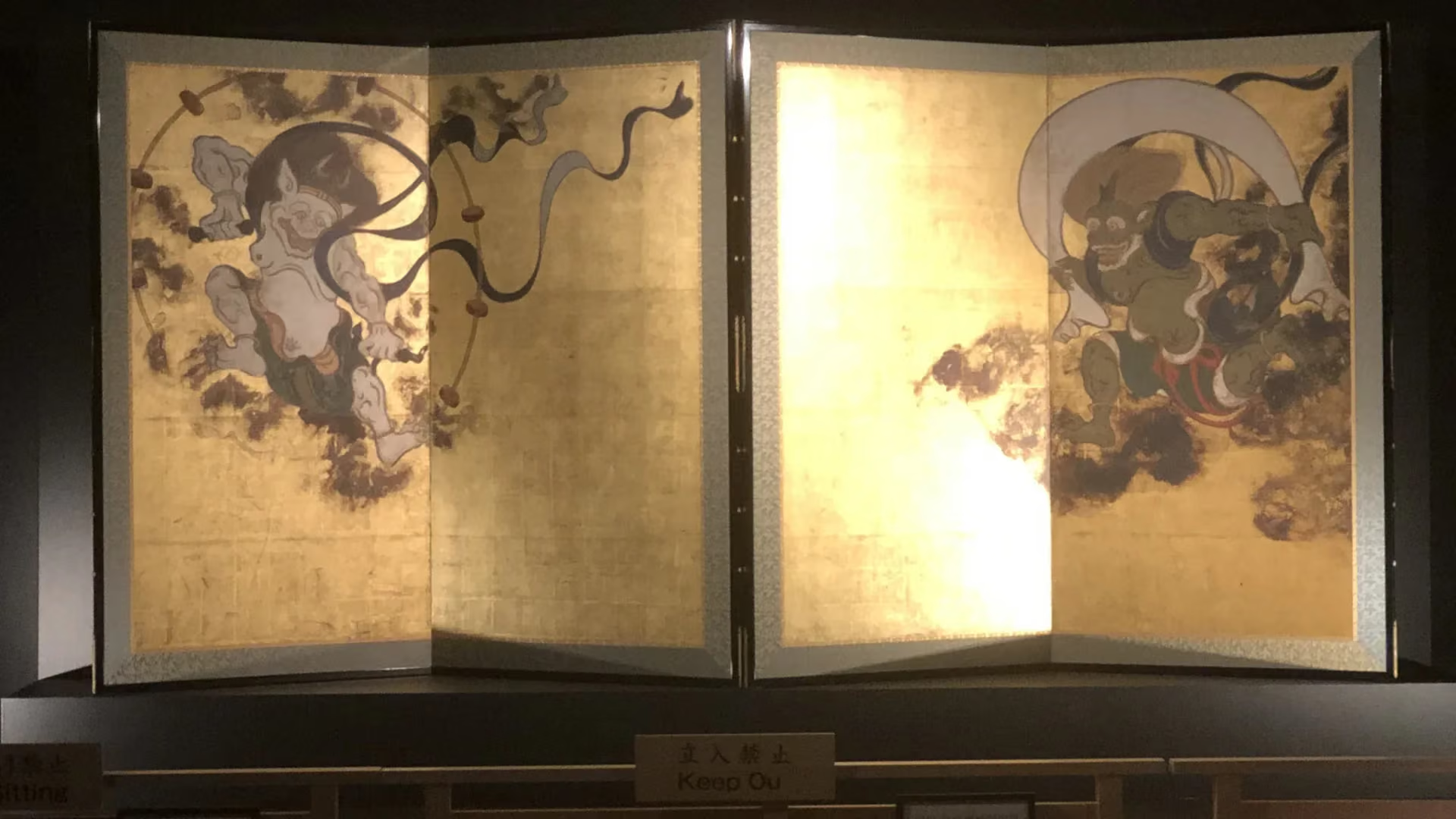
Kennin-ji Temple
Kennin-ji in Kyoto's Gion district is the oldest Zen temple in the city, founded in 1202 and the head temple of the Kennin-ji branch of Rinzai Zen.
Kyoto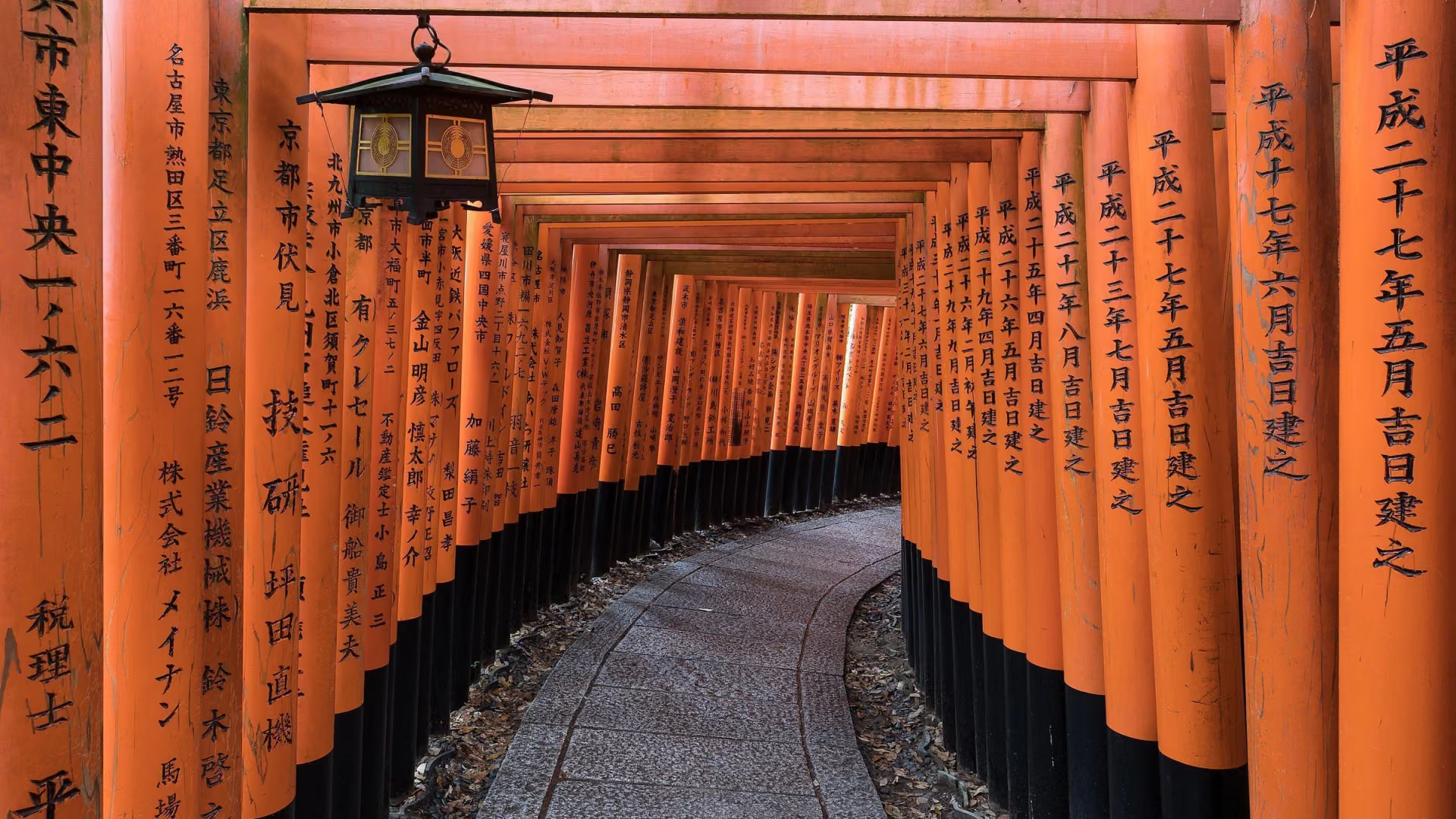
Fushimi Inari Taisha
The head shrine of Japan's Inari shrines, with about 10,000 torii, offered by worshippers in thanks for wishes granted, lining the paths over Mount Inari.
KyotoYou might also like
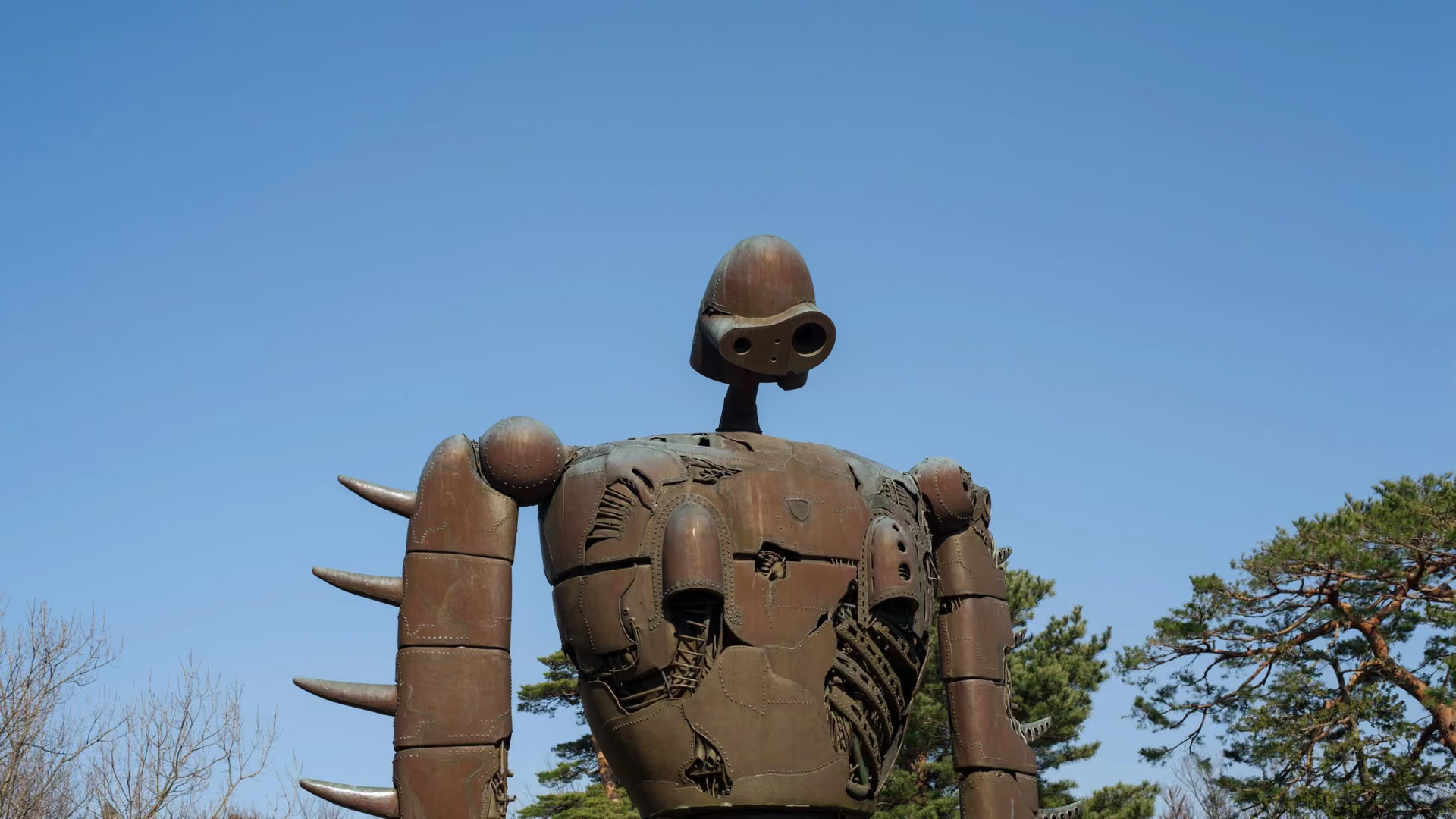
Ghibli Park
A 7.1-hectare park in Nagakute built around the worlds of Studio Ghibli films, with five themed areas spread across Expo 2005 Aichi Commemorative Park.
Nagakute · Aichi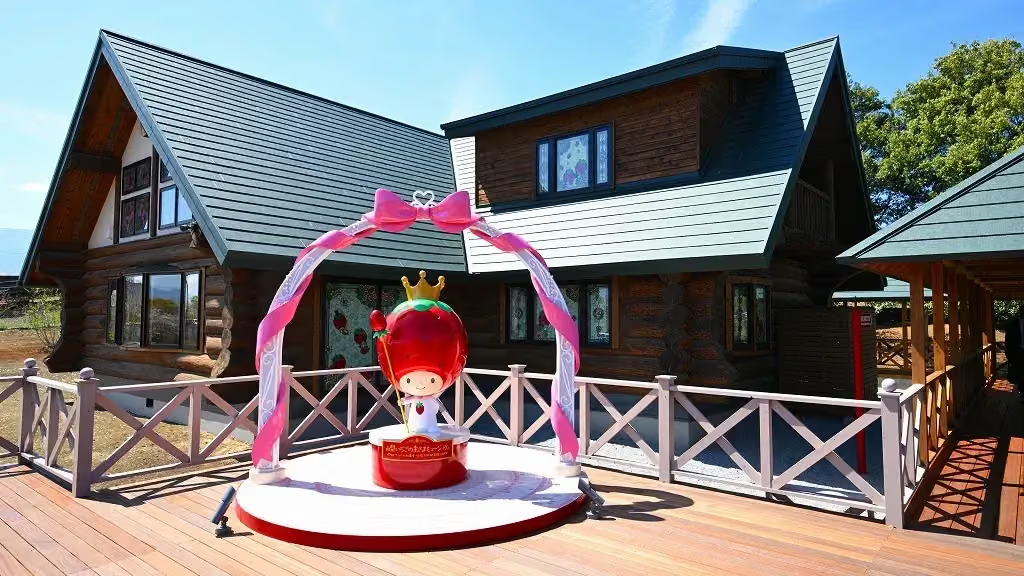
Yamanashi Strawberry King Museum
A museum on the history of Sanrio and its founder Tsuji Shintaro, created by him in his home prefecture of Yamanashi.
Kai · Yamanashi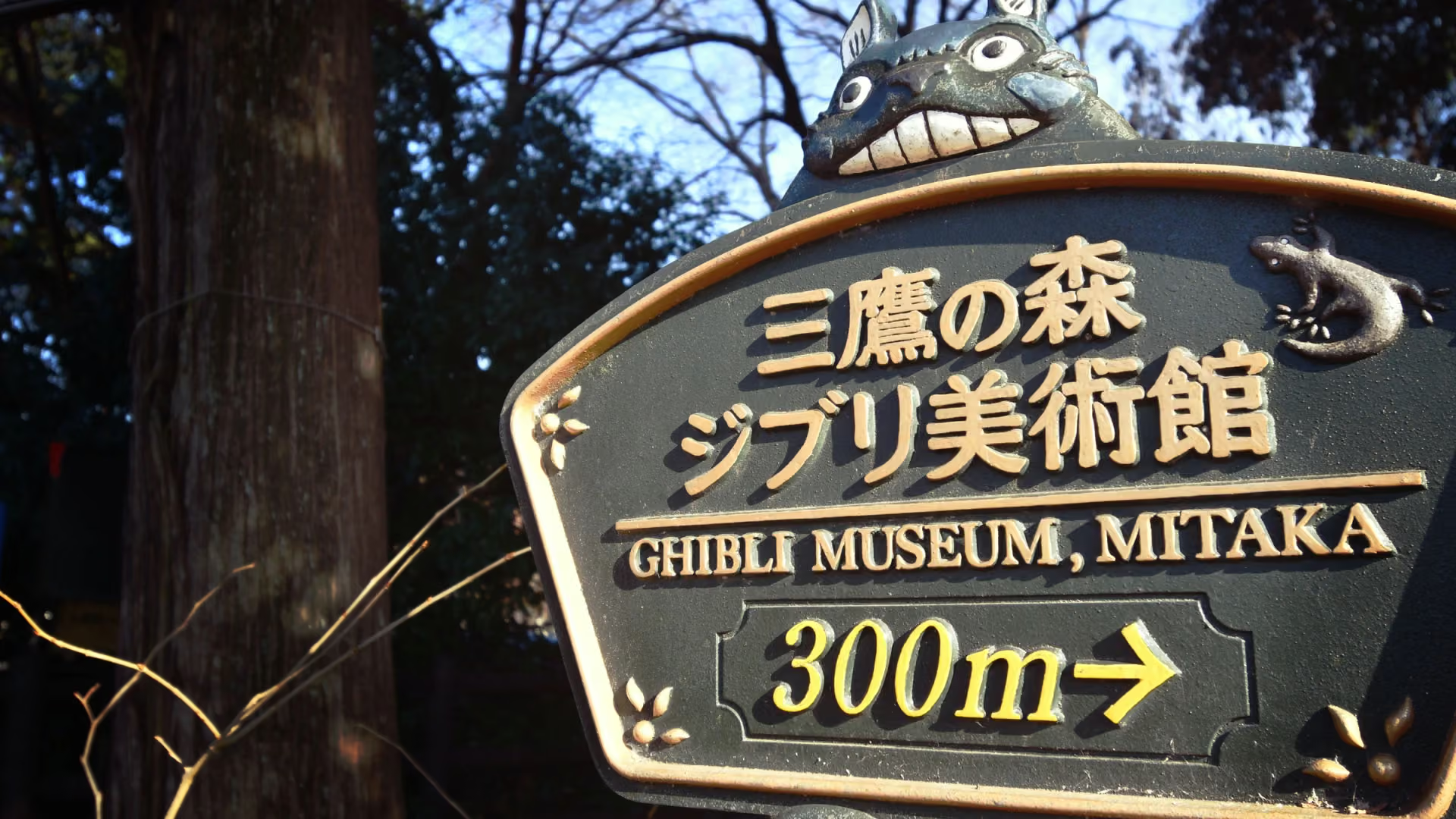
Ghibli Museum, Mitaka
Animation museum in Inokashira Park, with exhibits on how animated films are made, a theater showing original Ghibli shorts and a Cat Bus room for children.
Mitaka · Tokyo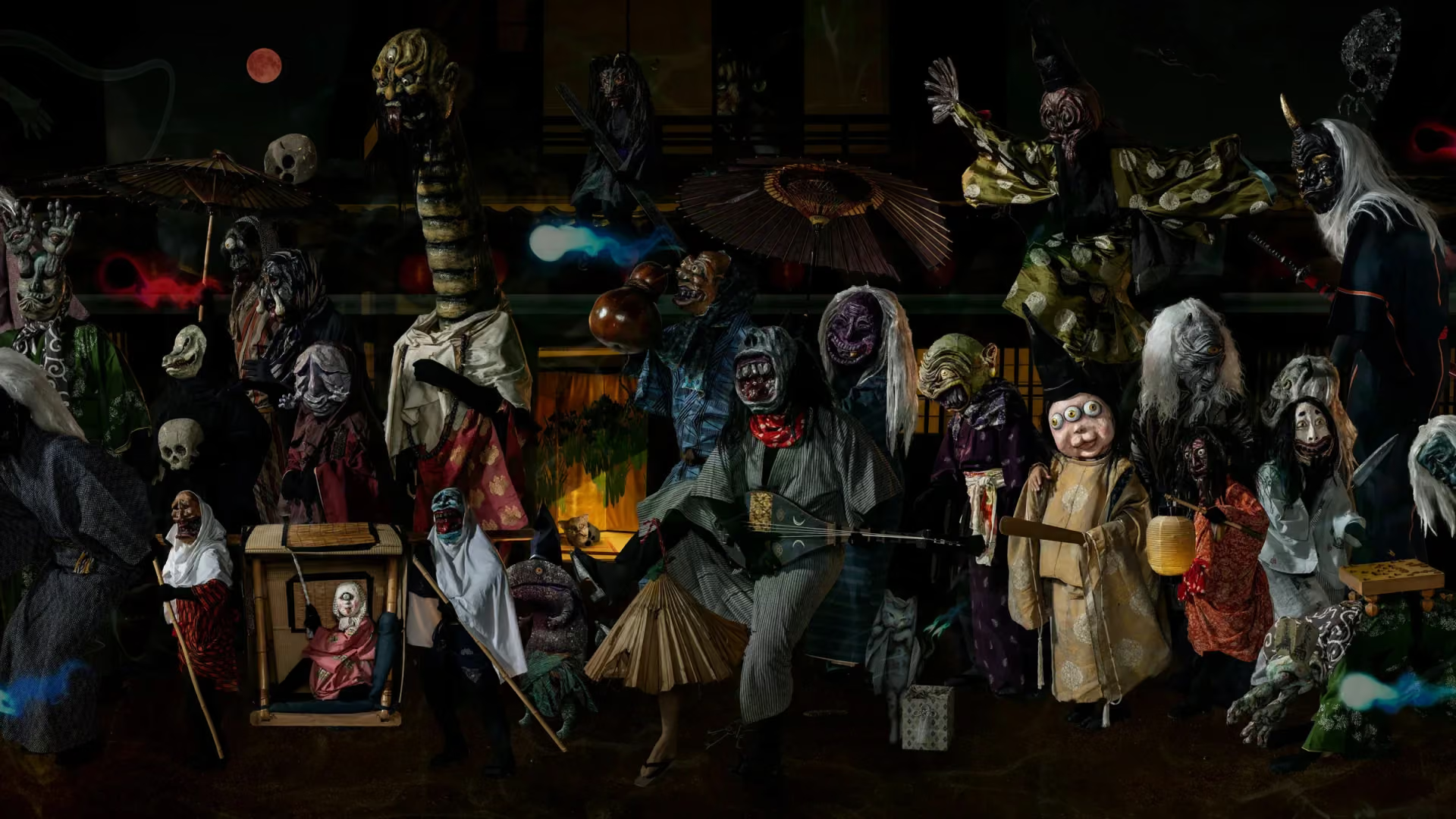
Kaikai Yokai Festival
Uzumasa Kyoto Village (Toei Kyoto Studio Park) fills with yokai every autumn: two evening parades, dance shows, daily yokai greetings and limited yokai food.
12 Sep – 29 Nov 2026Kyoto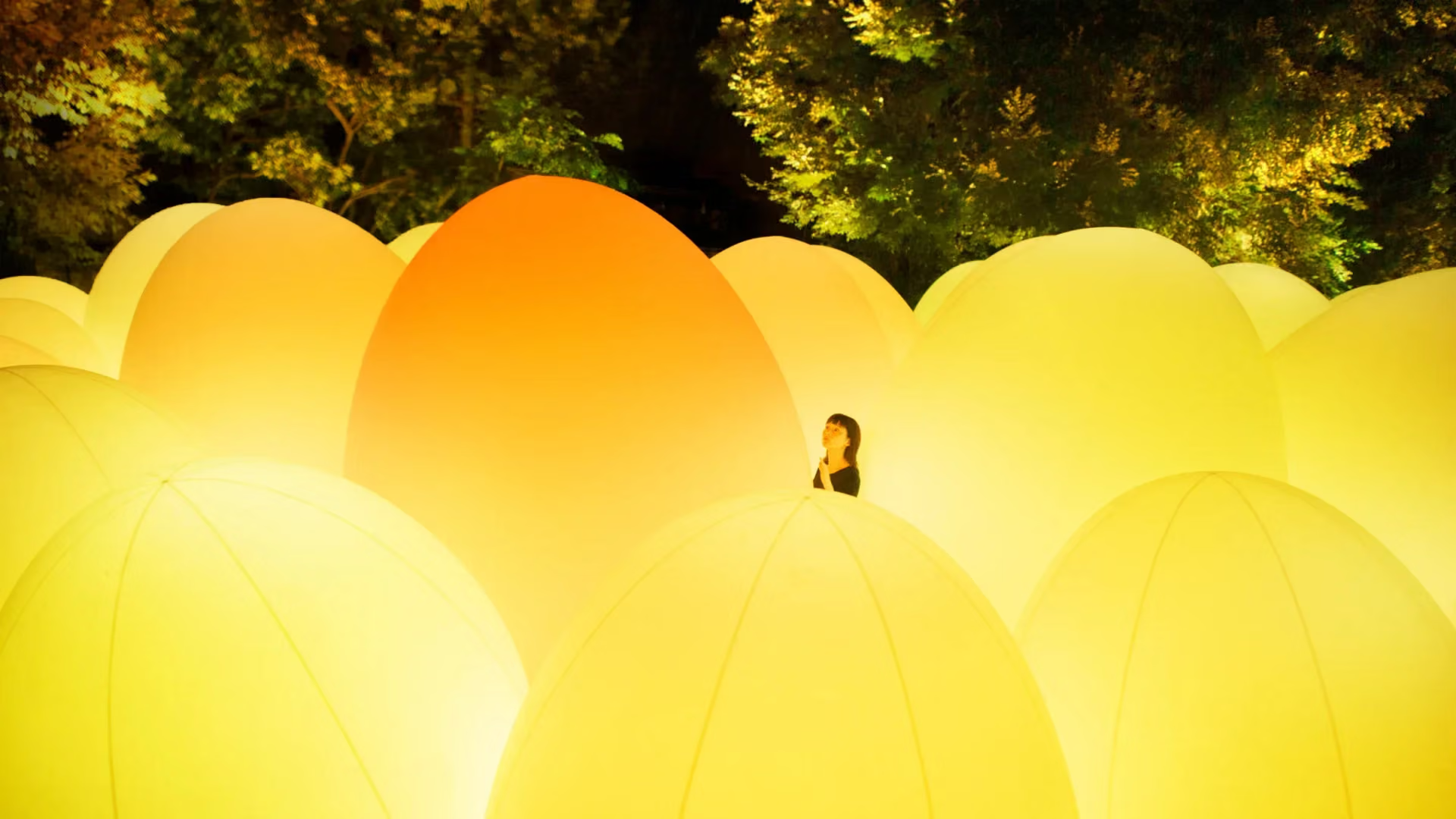
teamLab: Digitized Fukuoka Castle Ruins 2026-2027
A night-time art exhibition by teamLab among the stone walls of Fukuoka Castle Ruins, where the works change with wind, rain and the people walking through.
30 Oct 2026 – 11 Jan 2027Fukuoka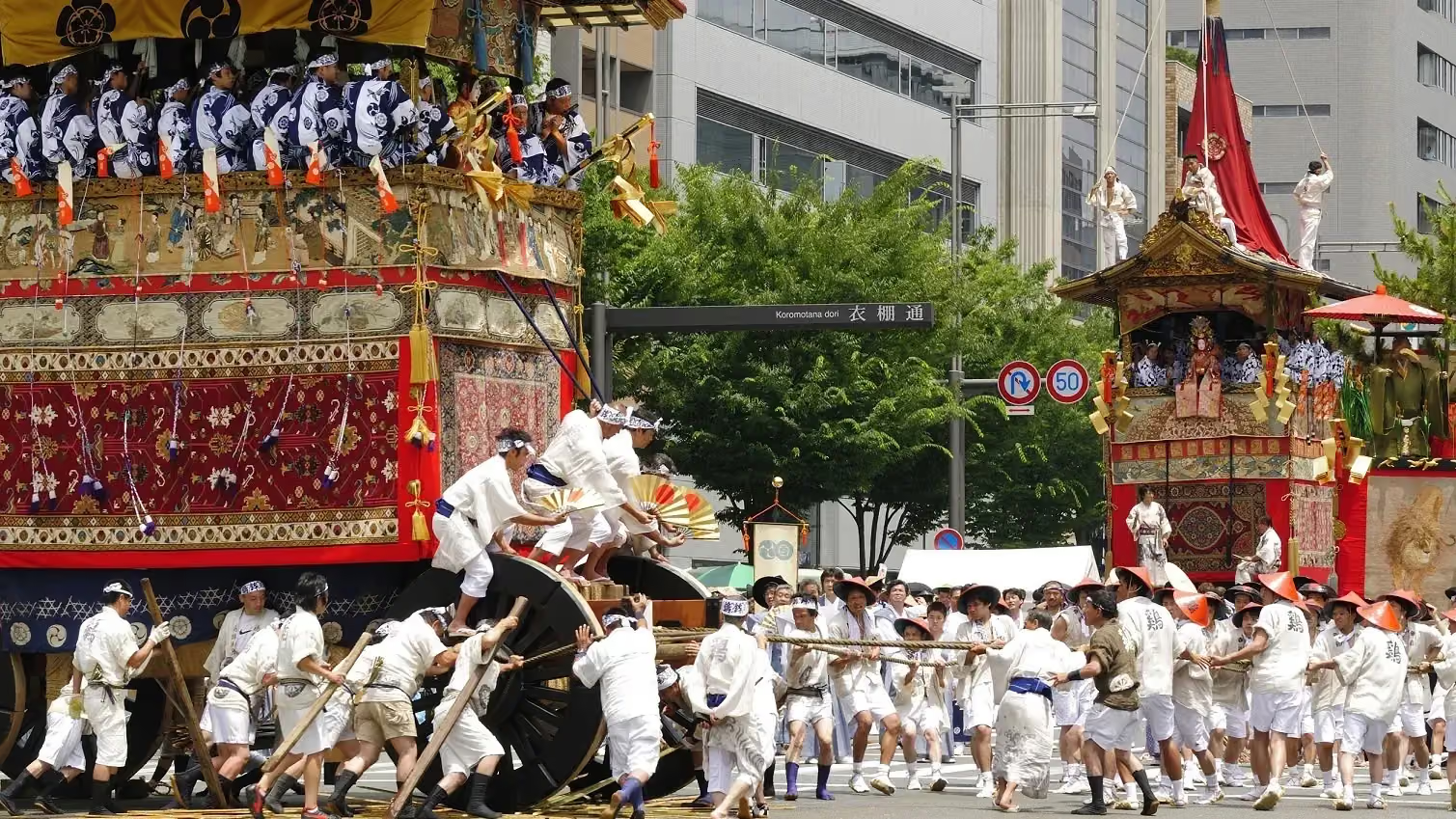
Gion Festival
Yasaka Jinja Shrine's month of rites in Kyoto, with lit floats on Yoiyama evenings, two float processions and three portable shrines carried through the city.
1–31 Jul 2027Kyoto