Kumano Hongu Onsenkyo
熊野本宮温泉郷
Three hot springs near Kumano Hongu Taisha: Yunomine, said to be the oldest in Japan, Kawayu, dug from a riverbed, and Watarase.
〒 647-1732How to get there
Kumano Hongu Onsenkyo is the group of three hot springs around Kumano Hongu Taisha, in the Hongu district of Tanabe: Yunomine, Kawayu and Watarase. The Kumano Hongu Tourist Association presents them together as the springs of healing and revival of Kumano.
Yunomine Onsen
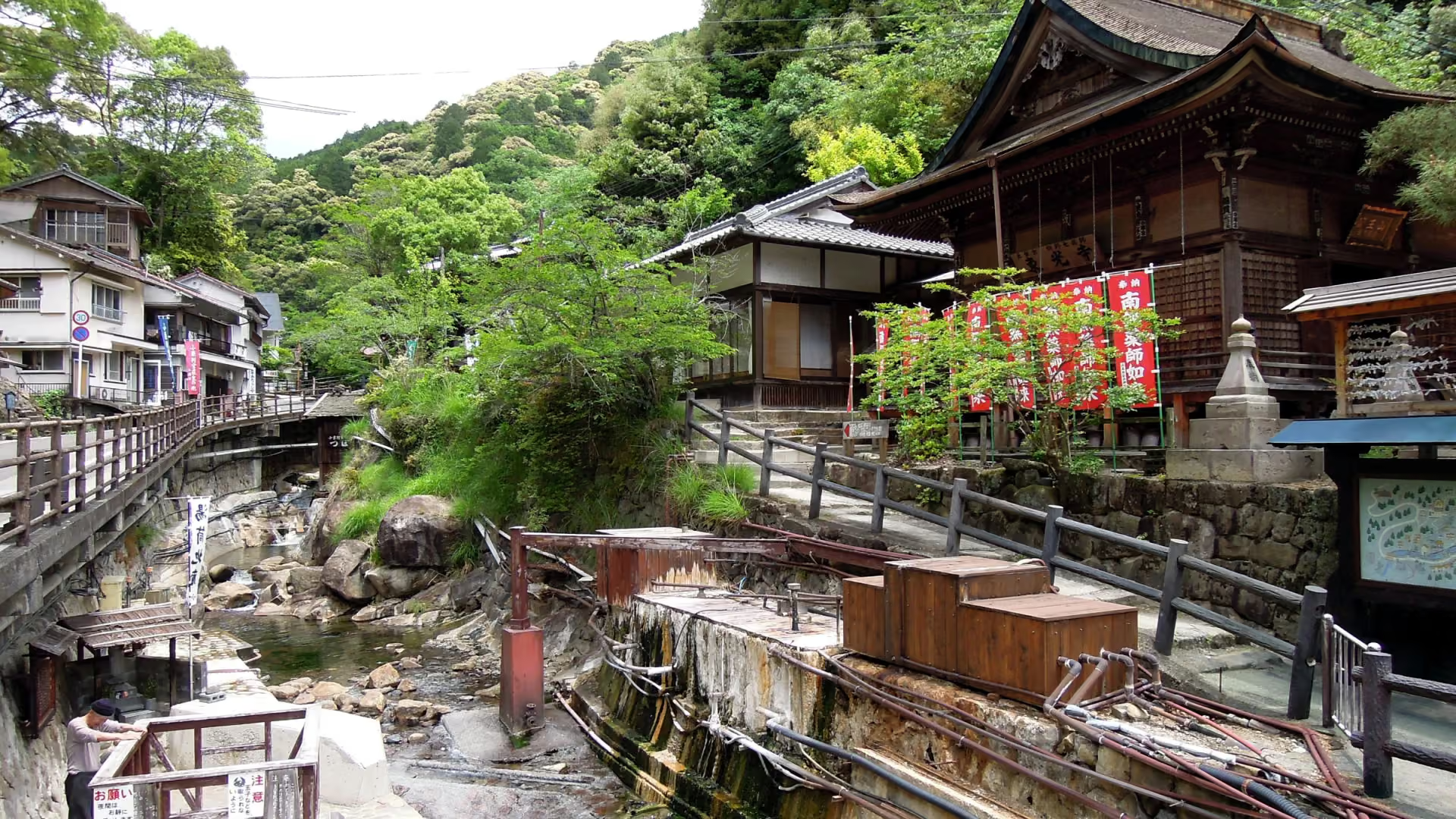
Yunomine is said to be the oldest hot spring in Japan. According to the tourist association, it was found around the 4th century by Oato no Sukune (大阿刀足尼), the kuni no miyatsuko, or regional ruler, of Kumano. Pilgrims on their way to Kumano Hongu Taisha stopped here for yugori (湯垢離), a purification in the hot water before worship. A stretch of the old pilgrimage road, the Dainichigoe, links Yunomine with Oyunohara, the former site of the shrine.
Tsuboyu (つぼ湯) is a natural rock pool fenced in with boards, with room for two or three bathers at a time. As the place where pilgrims purified themselves, it was inscribed in July 2004 as part of the World Heritage Site Sacred Sites and Pilgrimage Routes in the Kii Mountain Range, and the tourism bureau describes it as the only World Heritage site in which one can bathe. Its water is said to change colour up to seven times a day.
Yunomine is the setting of the climax of the legend of Oguri Hangan and Terute-hime, told in sekkyo-bushi (説経節), the sung Buddhist tales of medieval Japan. In the story, Oguri is poisoned by the family of Terute-hime, the woman he loves, and Enma, king of the underworld, sends him back to the living as a gaki-ami (餓鬼阿弥), a wretched, starving ghost. Set on a cart with a sign promising merit to anyone who pulls it, he is hauled towards Kumano by one traveller after another, Terute among them, not knowing it is him. According to the Kumano Hongu Tourist Association, he was bathed in Tsuboyu for 49 days and restored to his former self. A mound between Hongu and Yunomine, the Kurumazuka (車塚), is said to hold the cart.
A rock in the village, the Tsumagaki-iwa (爪書き岩), is said to carry the nembutsu that the monk Ippen, founder of the Ji school of Buddhism, carved into it with his fingernail.
The water is a sulphur-bearing sodium bicarbonate spring, colourless, at 92 degrees at the source. Beside the river it bubbles up at about 90 degrees in the yuzutsu (湯筒), where eggs and vegetables are boiled in it. The public bath next to Tsuboyu has ordinary baths and a kusuriyu (くすり湯), a medicinal bath.
Kawayu Onsen
Kawayu lies on the Oto river, a tributary of the Kumano river. Spring water at more than 70 degrees rises constantly from the riverbed and mixes with the river, so digging into the gravel of the bank brings up hot water at once and makes a private open-air bath, which the tourist association describes as rare in Japan. The source is a sodium bicarbonate and chloride spring at 73 degrees.
Each winter the river is dammed to make the Sennin-buro (仙人風呂), where the spring is mixed with river water to about 40 degrees. The name means the hermit's bath, and sennin also sounds like the word for a thousand people, the number the tourism bureau says it can hold. The bureau calls it the largest open-air bath in Japan, about 40 metres wide, 15 metres long and 60 centimetres deep, though its size changes with the river from year to year. On Saturday nights in the season, lanterns are lit around it, the Yukemuri Toro.
Watarase Onsen
Watarase lies among forest beside a clear river. It is known for a large open-air bath fed directly from the source, at the hotels there, and the area also has a campsite and bungalows. The water is a sodium chloride and bicarbonate spring.
Getting There

Planning a trip? Fit this into a trip and Oni plans the rest around it.
Places nearby
Kumano Hongu Taisha
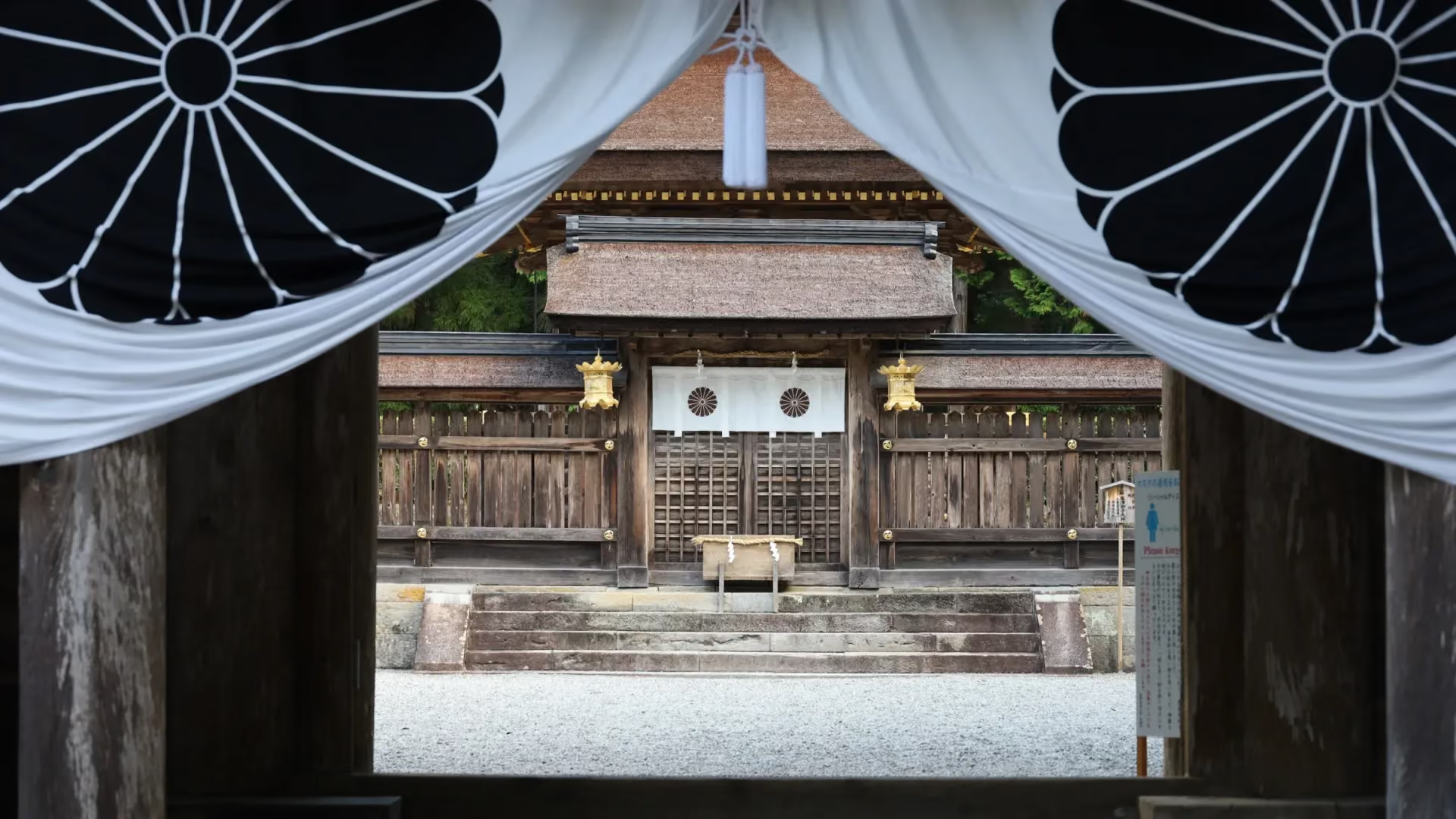
Kumano Hongu Taisha, heart of the Kumano Sanzan, is said to have stood before Emperor Jinmu's time; legend tells of three moons descending at its old site.
Tanabe · WakayamaYou might also like
Kinosaki Onsen
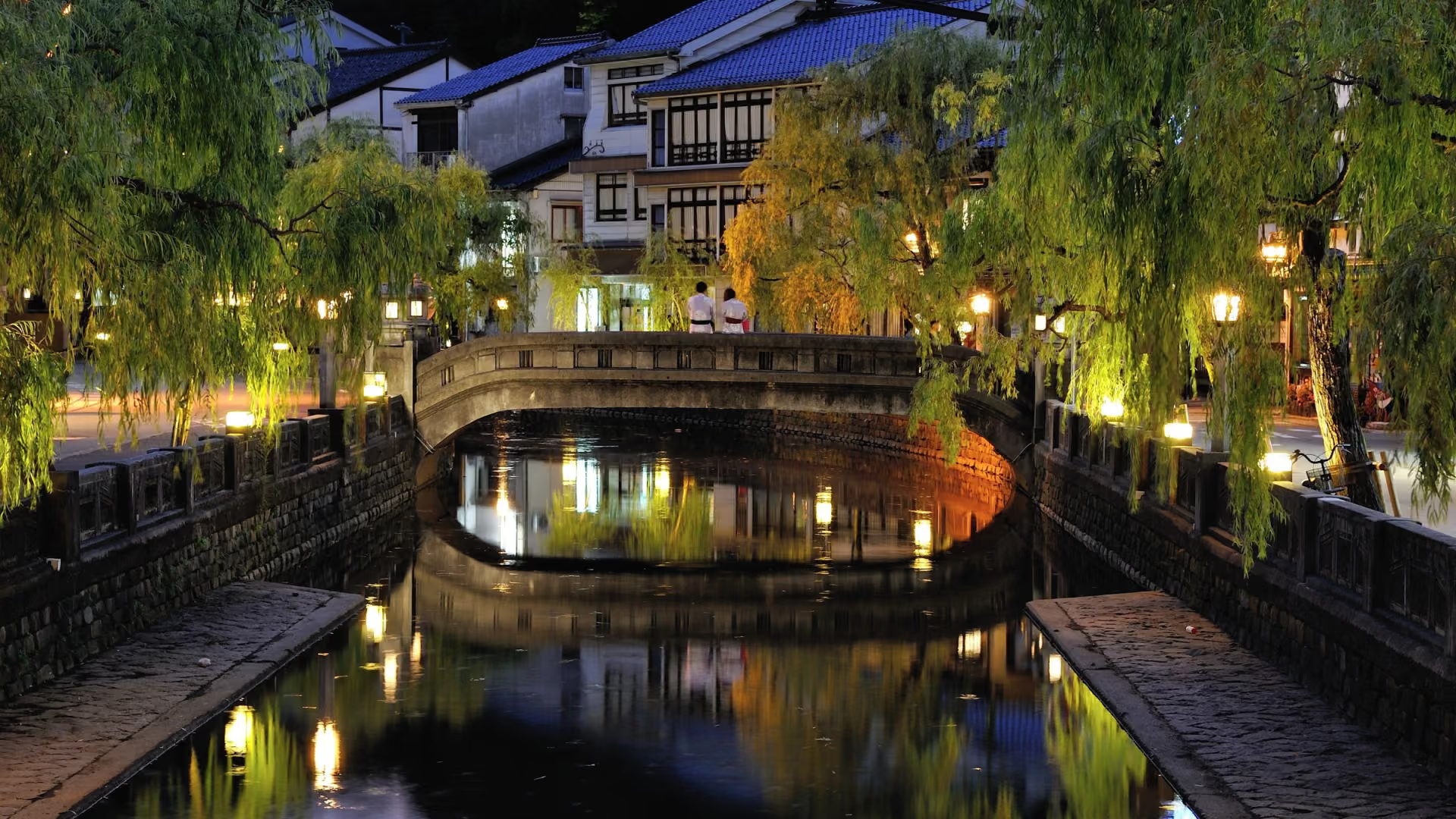
A hot spring town in northern Hyogo with a recorded founding in 720, seven public bathhouses and streets where guests walk in yukata.
Toyooka · Hyogo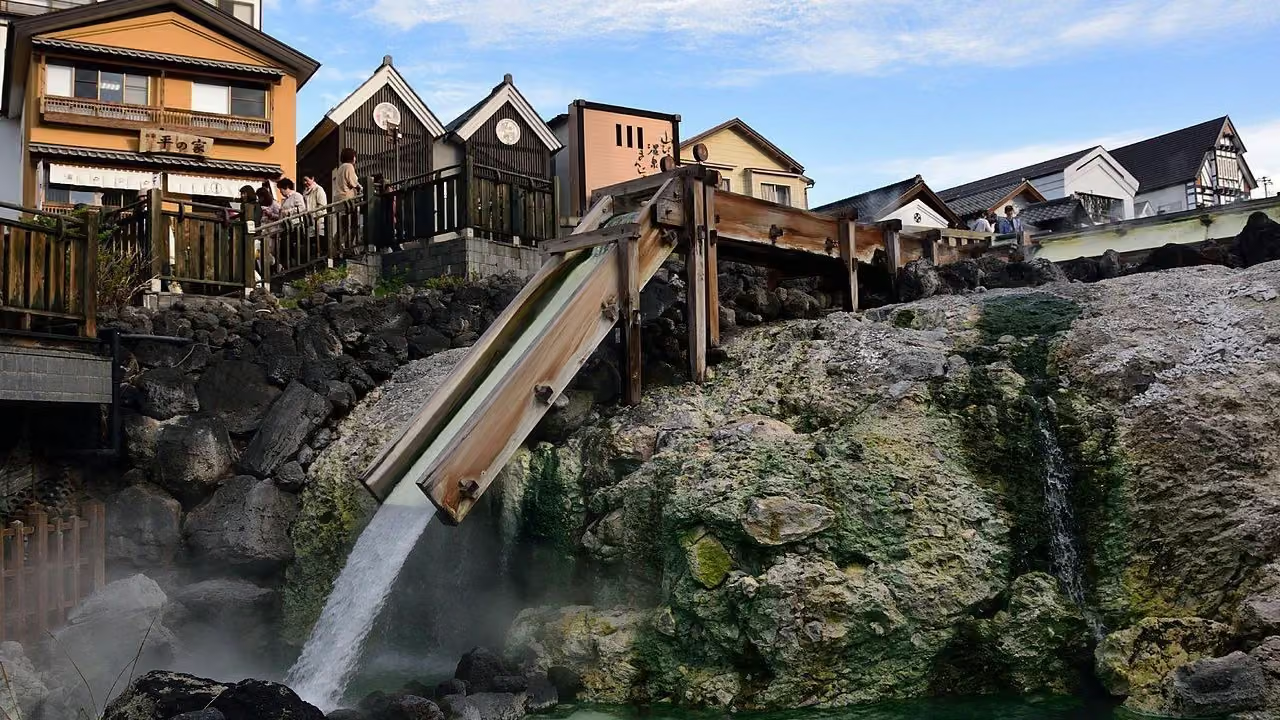
Kusatsu Onsen
A hot spring town on a highland at about 1,200 metres in Gunma, its springs fed by rain and snow falling on Kusatsu-Shirane.
Kusatsu · Gunma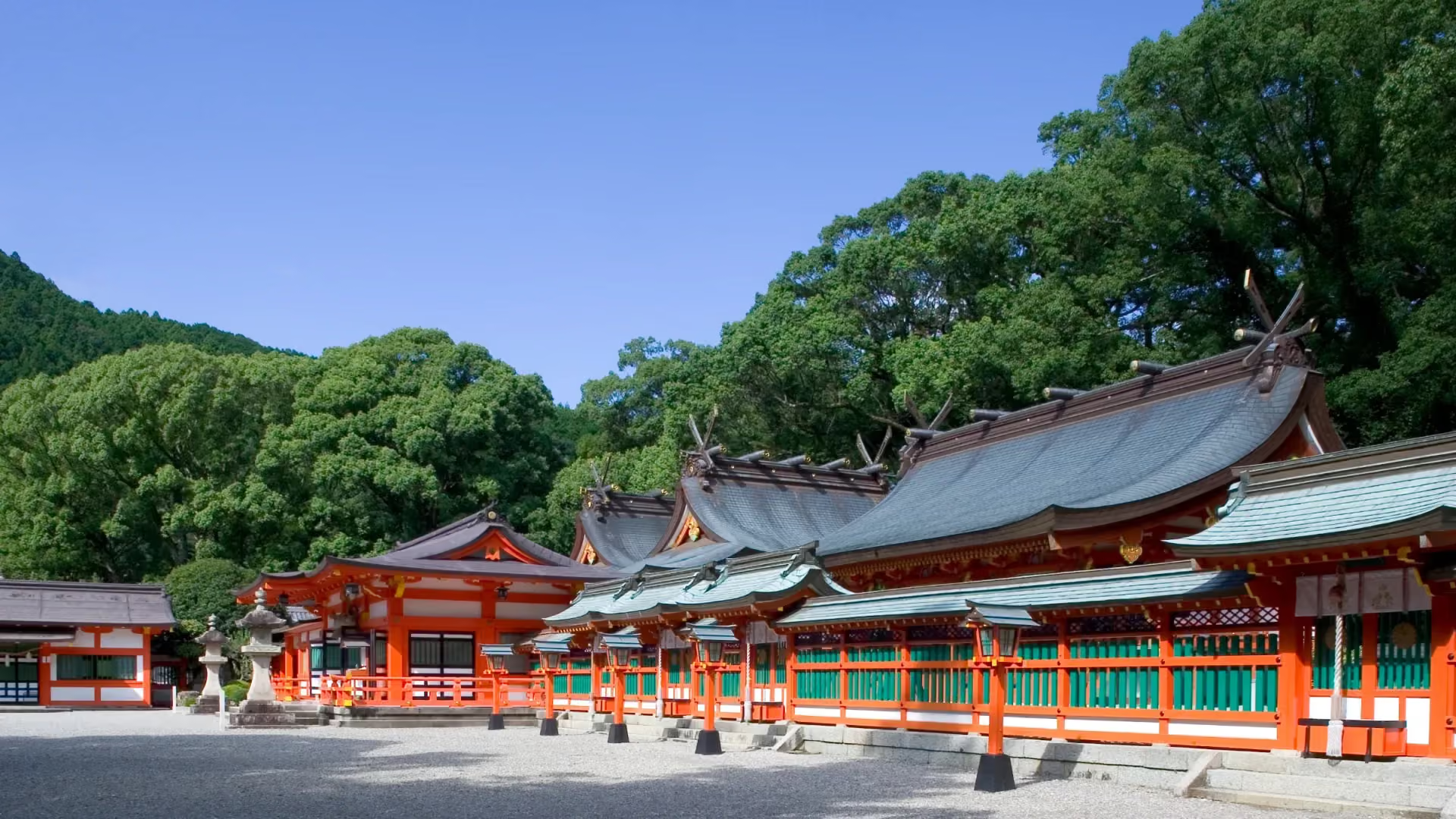
Kumano Hayatama Taisha
Kumano Hayatama Taisha in Shingu, Wakayama, is one of the three grand Kumano shrines, known as a land of rebirth where pilgrims have long sought renewal.
Shingu · Wakayama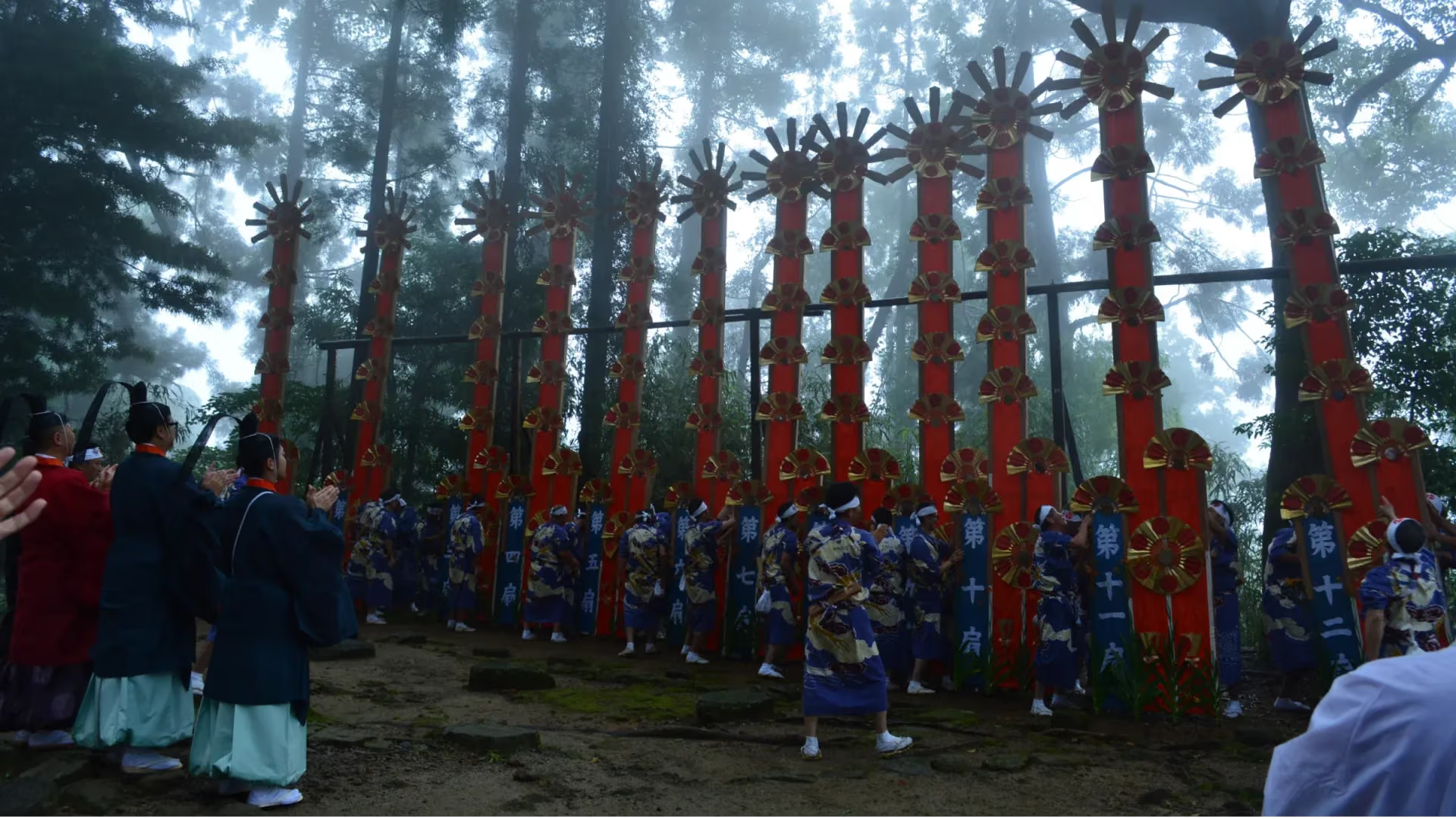
Nachi Fire Festival
One of Japan's three great fire festivals, where giant torches purify the path to Nachi Waterfall at a sacred Kumano shrine each 14 July.
14 Jul 2027Wakayama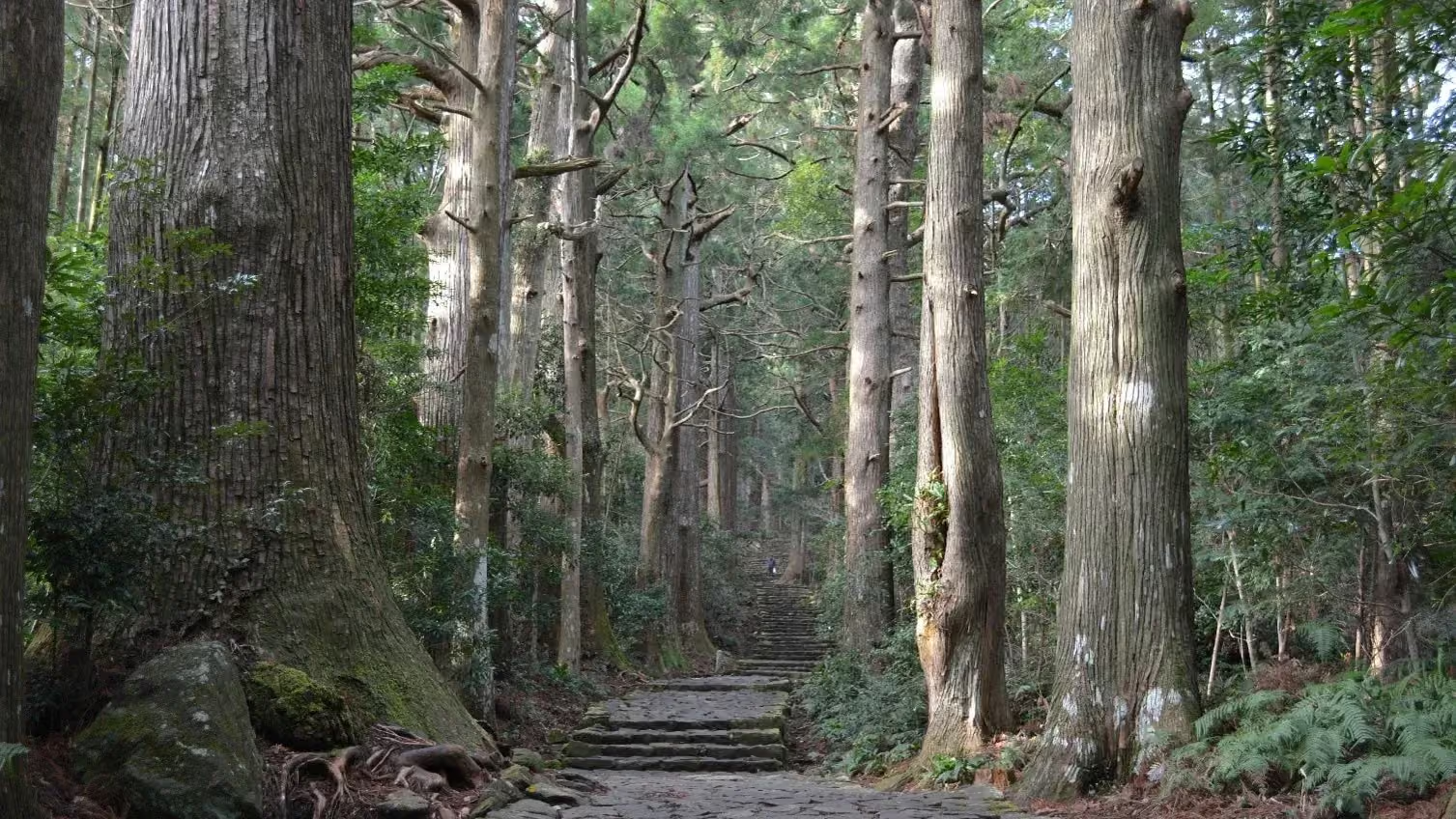
Kumano Kodo
For over a thousand years, the Kumano Kodo has led pilgrims through the mountains of Kii to the sacred Kumano Sanzan shrines - now a UNESCO World Heritage Site.
Wakayama · Kansai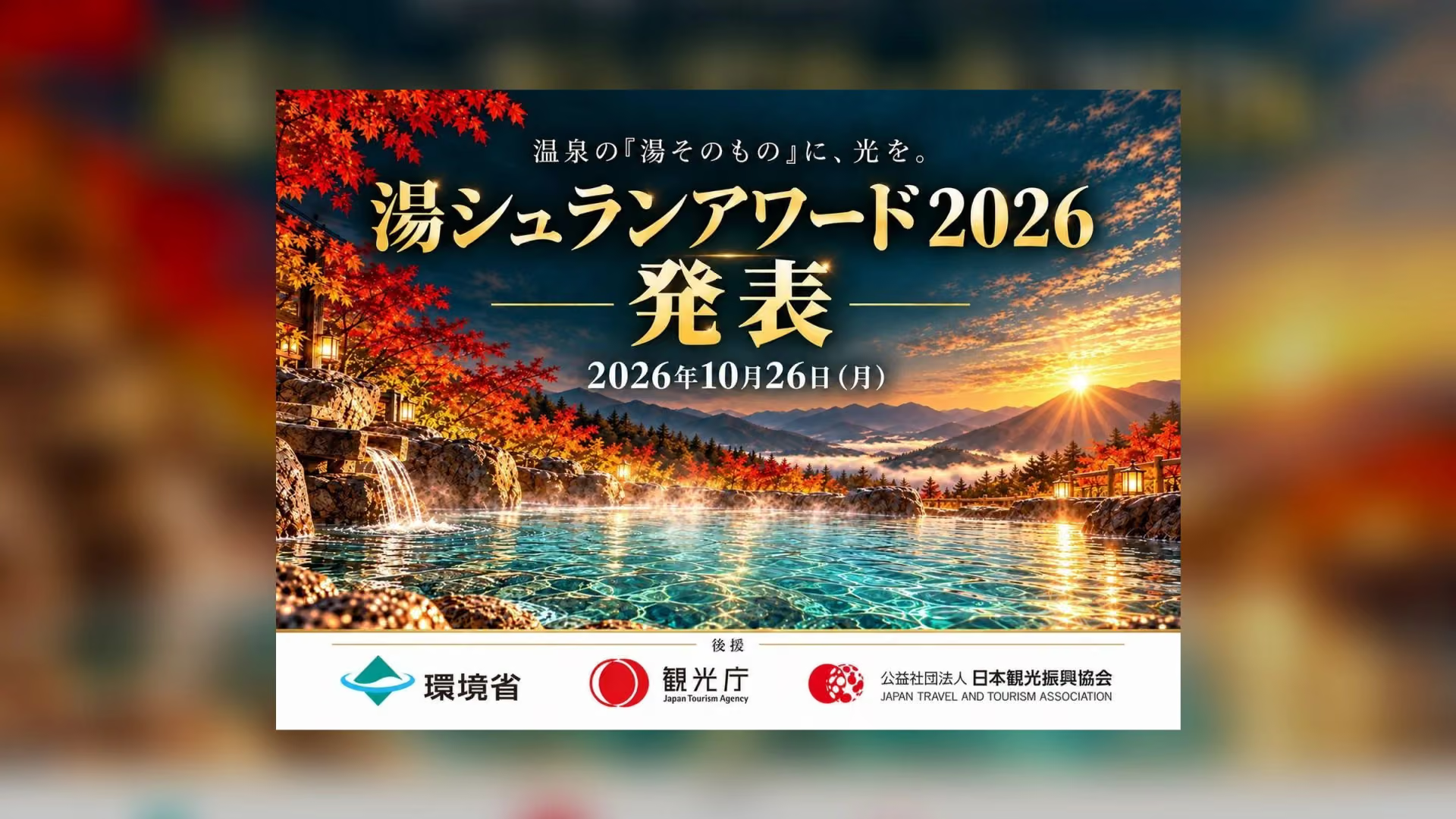
Yuchelin 2026: Japan's 21 Three-Star Onsen
Yuchelin, a new rating for Japanese hot springs, judges the water itself. Its first three-star list names 21 onsen, from Hokkaido to Yakushima.
2026/10/27