

Naritasan Park
成田山公園
Behind Narita's great temple lies a hillside garden with ponds, waterfalls and poem-carved stones, free to walk and far quieter than the temple itself.
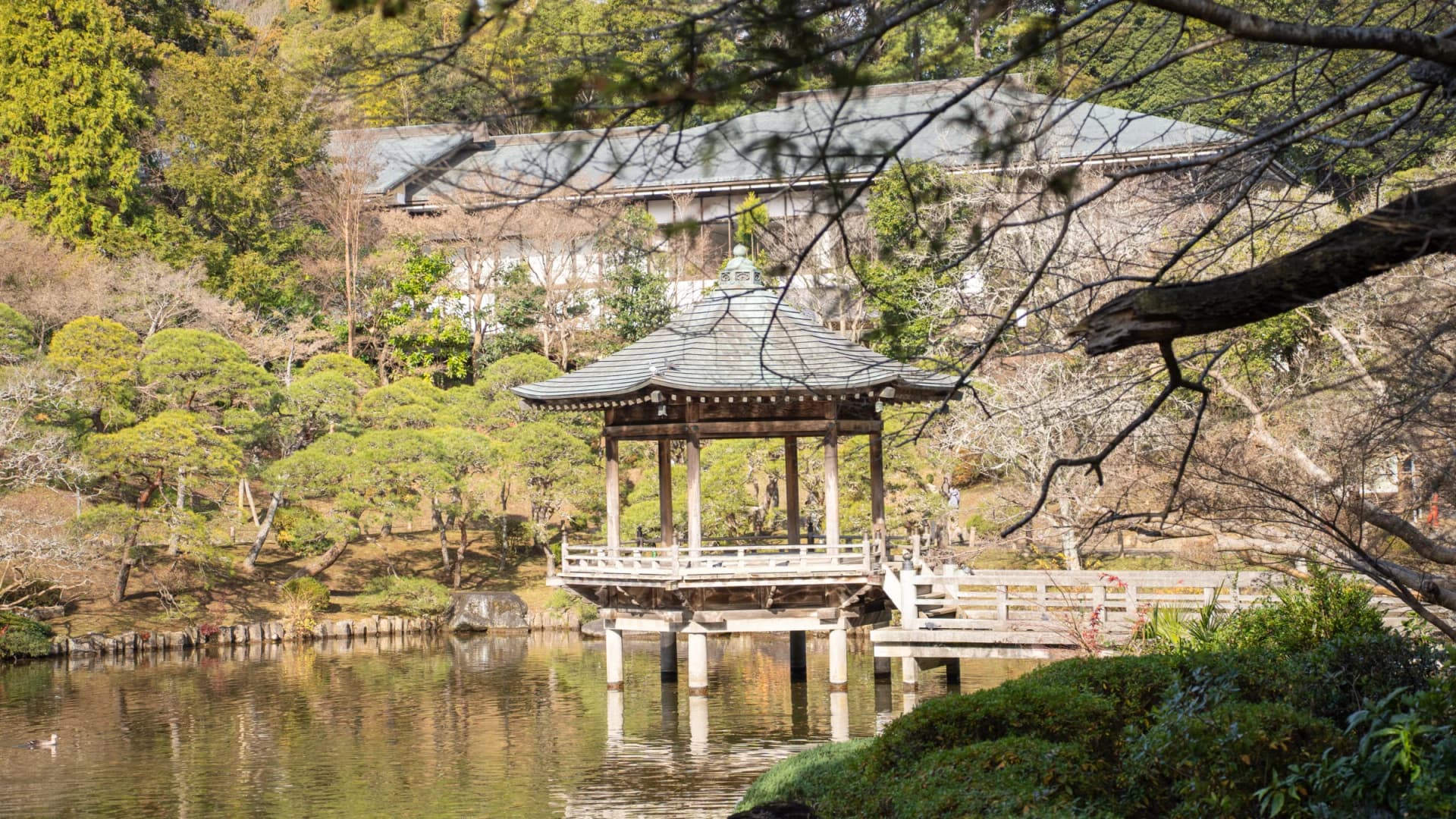
Behind the main hall of Naritasan Shinshoji Temple, the ground falls away into a wooded garden of 165,000 square metres – roughly three and a half Tokyo Domes. Completed in 1928 on the hillside behind the temple, Naritasan Park holds around 250 mature trees, among them oaks, sawtooth oaks and ginkgos, along with some 350 cherries and around 500 plums, red and white.
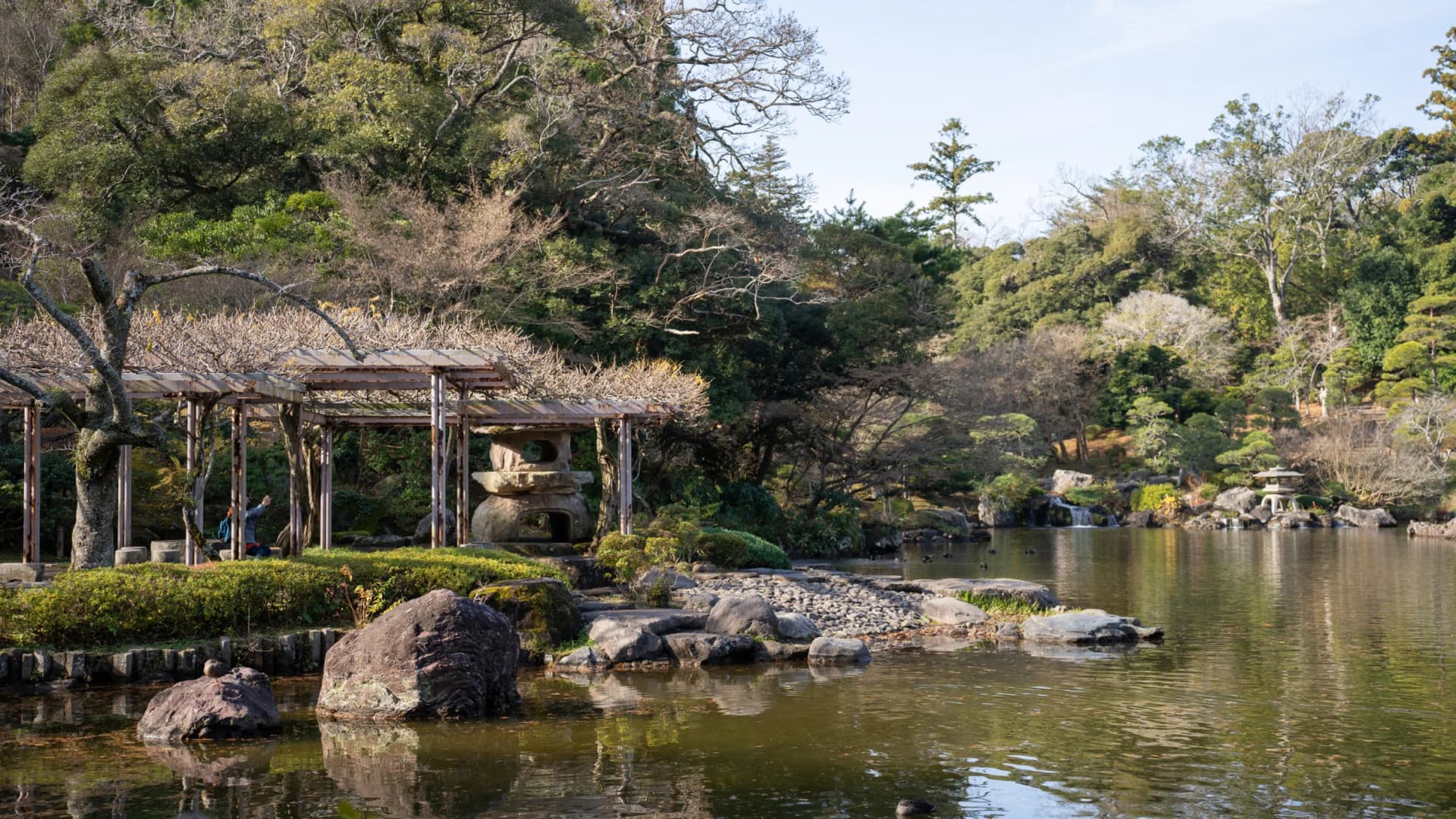
The park was laid out to express a Buddhist idea: that all living things are worthy of respect. Its three ponds – Ryuchi, Ryuju and Monju – stand for the practice of releasing captive creatures back into the wild, and the garden as a whole is meant as a place where life is nurtured rather than taken.
Water runs down from the Yuhi Falls, which appears out of a great rock face below the temple's Komyodo hall, reached by steps that drop through the trees. The falls feed the three ponds in turn. In the largest, Ryuchi, a small pavilion stands out over the water, surrounded by carp that gather the moment anyone claps or offers food. Directly below the Great Peace Pagoda – a 58-metre tower that watches over the whole park – is a Western-style garden with a large fountain, which comes as a surprise in the middle of everything else.
Scattered through the grounds are stone monuments inscribed with poems by Basho, Takahama Kyoshi and other writers – evidence that verse was widely practised in Narita in their day.
The park also contains the Naritasan Calligraphy Museum. Beside it is a suikinkutsu, a buried jar into which water drips; put your ear close and the echo rings like a struck string.
The park runs events through the year for enjoying the seasons, the largest being a plum festival in late winter and a maple festival in autumn, when the leaves colour from mid-November into early December and the whole garden turns.
Both include music – koto and erhu performances among the trees – and both include tea. At the plum festival it is served outdoors in the plum grove, in the open-air style called nodate; at the maple festival, in the Sekishoan teahouse where the colour is at its best. Neither costs anything to join.
Places nearby
Naritasan Shinshoji
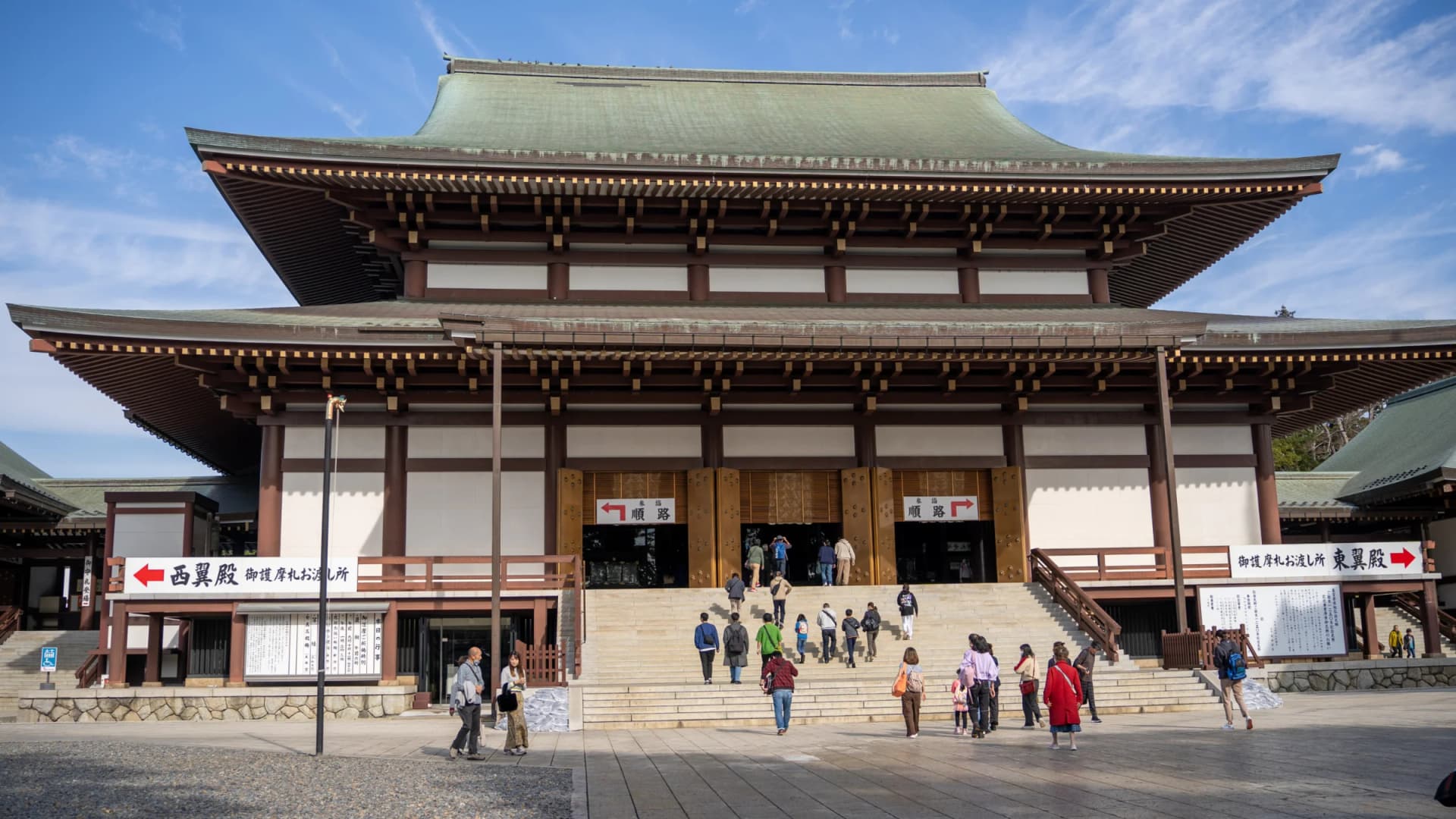
Naritasan Shinshoji in Narita, Chiba, is a head temple of Shingon Buddhism, centred on a Fudo Myoo image attributed to Kukai and a goma fire ritual unbroken for 1,080 years.
Narita · ChibaYou might also like
Shimizu Keiryu Hiroba
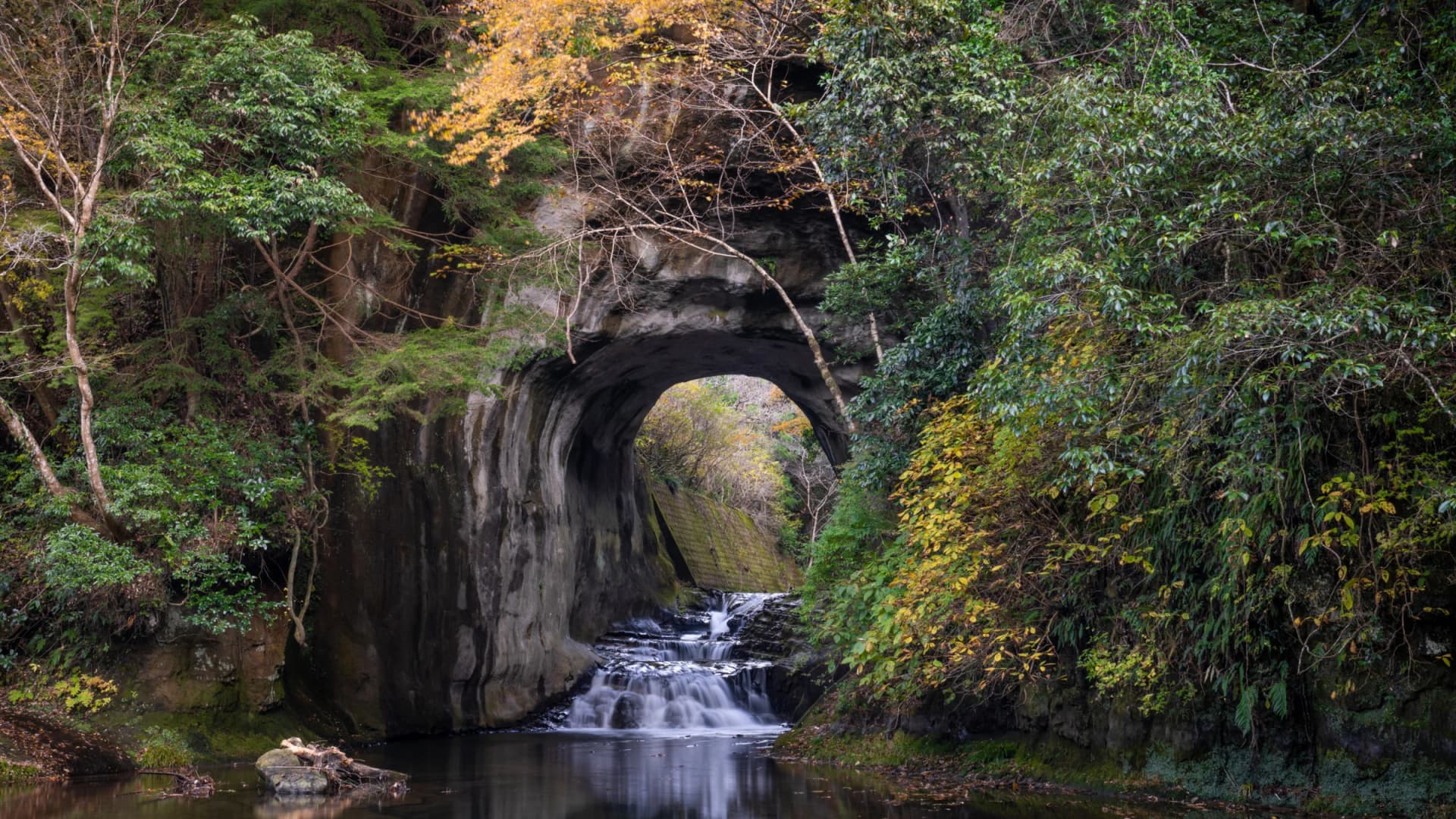
A wooded park in Kimitsu, where light entering an old river tunnel meets its reflection to form a heart on the water, best seen at dawn near the equinox.
Kimitsu · Chiba
Kyu-Furukawa Gardens
Kyu-Furukawa Gardens combines a Western stone mansion, rose garden, and traditional Japanese strolling garden, blending European and Japanese design on Tokyo's Musashino Plateau.
Tokyo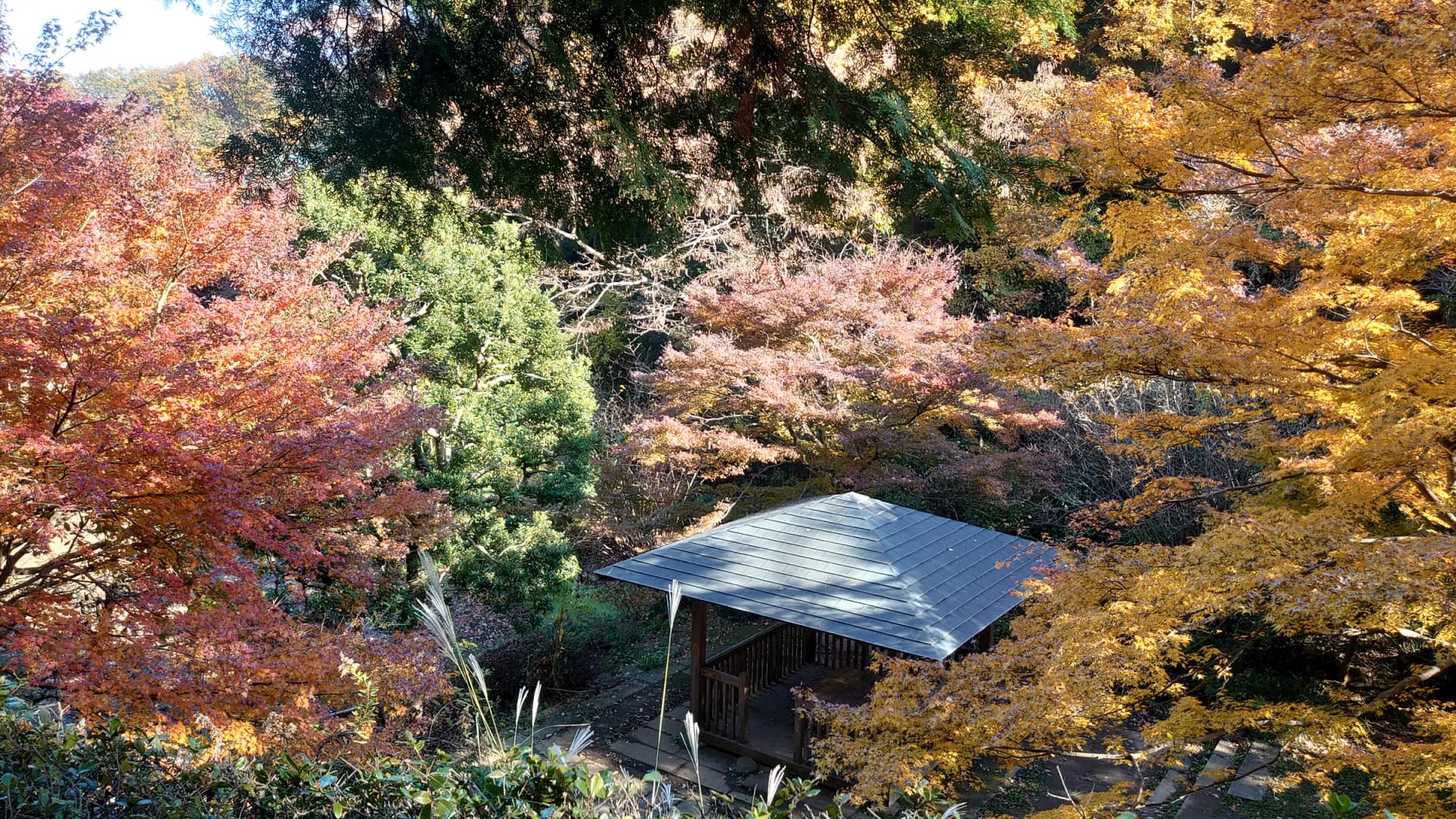
Ikuta Ryokuchi Park
Kawasaki's largest green space, blending woodland and wetland with museums, a planetarium, indigo dyeing, and seasonal cherry blossom, irises, and autumn foliage.
Kawasaki · Kanagawa
Strawberry Hunt in the Land of Oz
Strawberry picking transforms into a playful experience with themed décor and character guides at Japan's largest rose-themed park.
17 Jan – 30 Apr 2027Yachiyo · Chiba
Rikugien Garden Night Autumn Viewing
Rikugien Garden opens for nighttime autumn foliage viewing, illuminating the garden's fall colours alongside projection mapping and carefully framed photographic vistas.
28 Nov – 9 Dec 2026Tokyo
Yoshino Baigo Plum Blossom Festival
A plum blossom festival in the region's premier plum village draws hundreds of thousands of visitors to view 25,000 trees, now celebrating a decade since their replanting.
21 Feb – 22 Mar 2027Tokyo