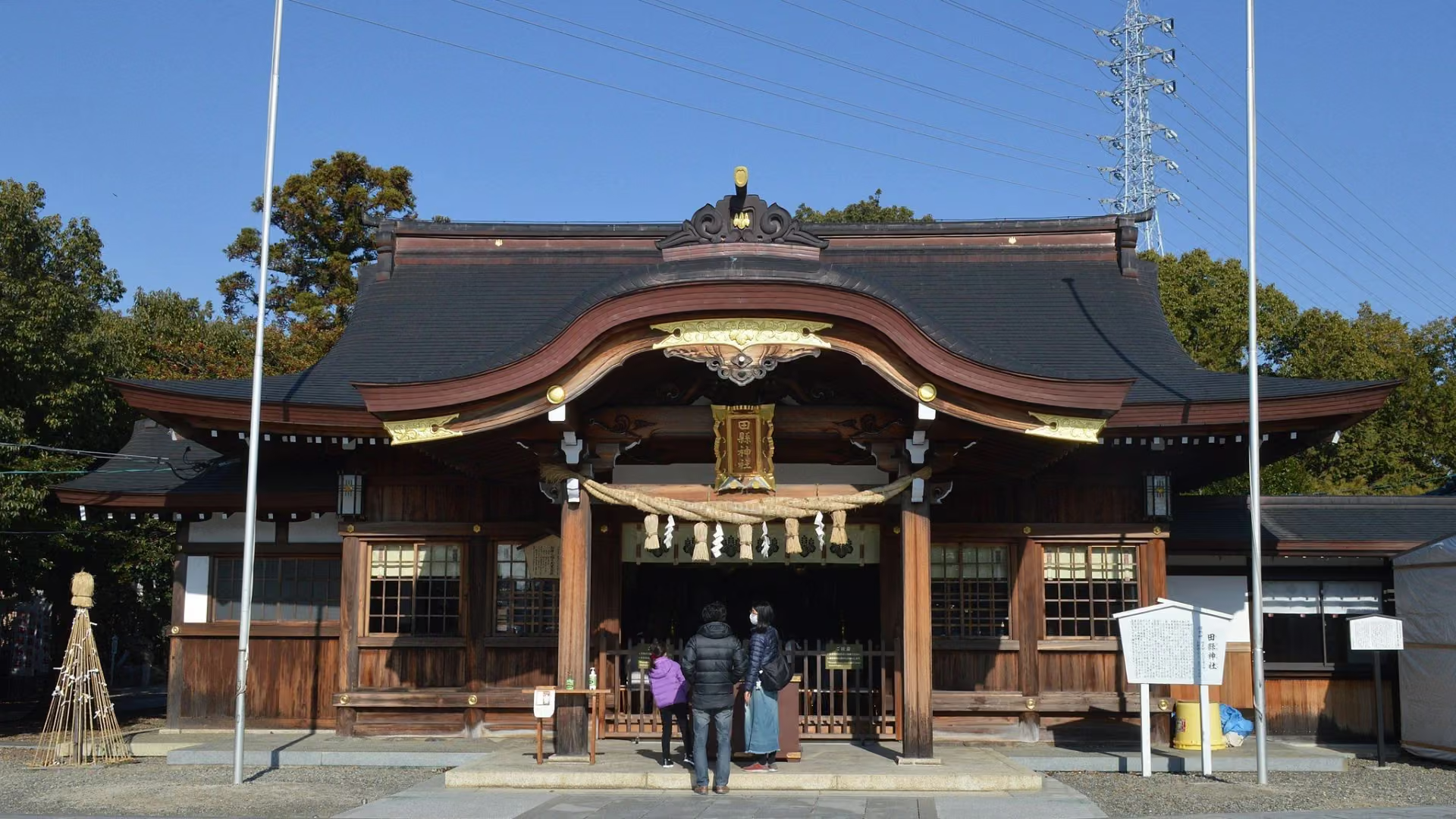
Tagata Shrine
田縣神社
This shrine dedicated to fertility and agricultural prosperity enshrines deities rooted in Japan's ancient traditions of harvest blessing and family well-being.
〒 485-0004How to get there
田県神社前Meitetsu Komaki Line5 min walk from the station
Tagata Shrine is a Shinto shrine deeply rooted in Japan’s ancient traditions of fertility worship, agricultural prosperity, and ancestral veneration. Since antiquity, it has been revered as a guardian deity of five-grain abundance, family prosperity, and regional cultivation. The shrine enshrines two deities: Mitoshi-no-Kami and Tamahime-no-Mikoto.
Enshrined Deities
Mitoshi-no-Kami is the grandson of Susanoo-no-Mikoto and the son of Otoshi-no-Kami. As a deity of agriculture, he is especially worshipped as a guardian of bountiful harvests.
Tamahime-no-Mikoto was the daughter of Oarata-no-Mikoto, the ancestral pioneer of the Owari region, and the wife of Takeinadane-no-Mikoto, a notable ancestor of the Owari clan. She was blessed with two sons and four daughters. After her husband's death, she returned to her hometown in the Arata area (now the shrine’s site), assisted in the local development, and devoted herself to childrearing and education. In recognition of her contributions, she was later enshrined alongside Mitoshi-no-Kami.
Sacred Traditions and Worship
One of the shrine’s most distinctive features is its association with fertility. Based on the ancient account from the Kogo Shui (compiled in 807), a folk practice emerged of offering phallic-shaped objects in prayer. This tradition, rooted in the wordplay between “umu” (to bear) and “umu” (to give birth), has connected the shrine with blessings of love, fertility, safe childbirth, harmonious marriage, business prosperity, and protection from misfortune. The shrine receives devoted worshippers from across Japan and attracts international attention for its unique symbolism.
Historical Significance
The exact founding date of Tagata Shrine is unknown, though some theories trace its origin as far back as the Yayoi period. It is located at the foot of Mt. Kubo, said to be where Toyotomi Hideyoshi camped during the Battle of Komaki and Nagakute. The shrine sits within an area traditionally known as Agata no Mori ("Forest of Agata").
In ancient times, the local clans practiced a belief system that saw the earth as a mother and the heavens as a father, praying for the union of these forces to yield agricultural abundance and national prosperity. This worldview shaped the shrine’s role in regional worship.
Tagata Shrine is listed in the Engishiki (927), a Heian-period register of shrines, and also appears in the Owari Province Register of Kami Names (Jinmyocho) of 1364, where it is recorded as a high-ranking shrine under the name Jusanmi Jodenkata Tenjin.
What's on here
| Date | Event | Details |
|---|---|---|
| March 2027 | ||
| 15 Mar 2027 | Harvest Festival | |
Getting There

Planning a trip? Fit this into a trip and Oni plans the rest around it.
You might also like
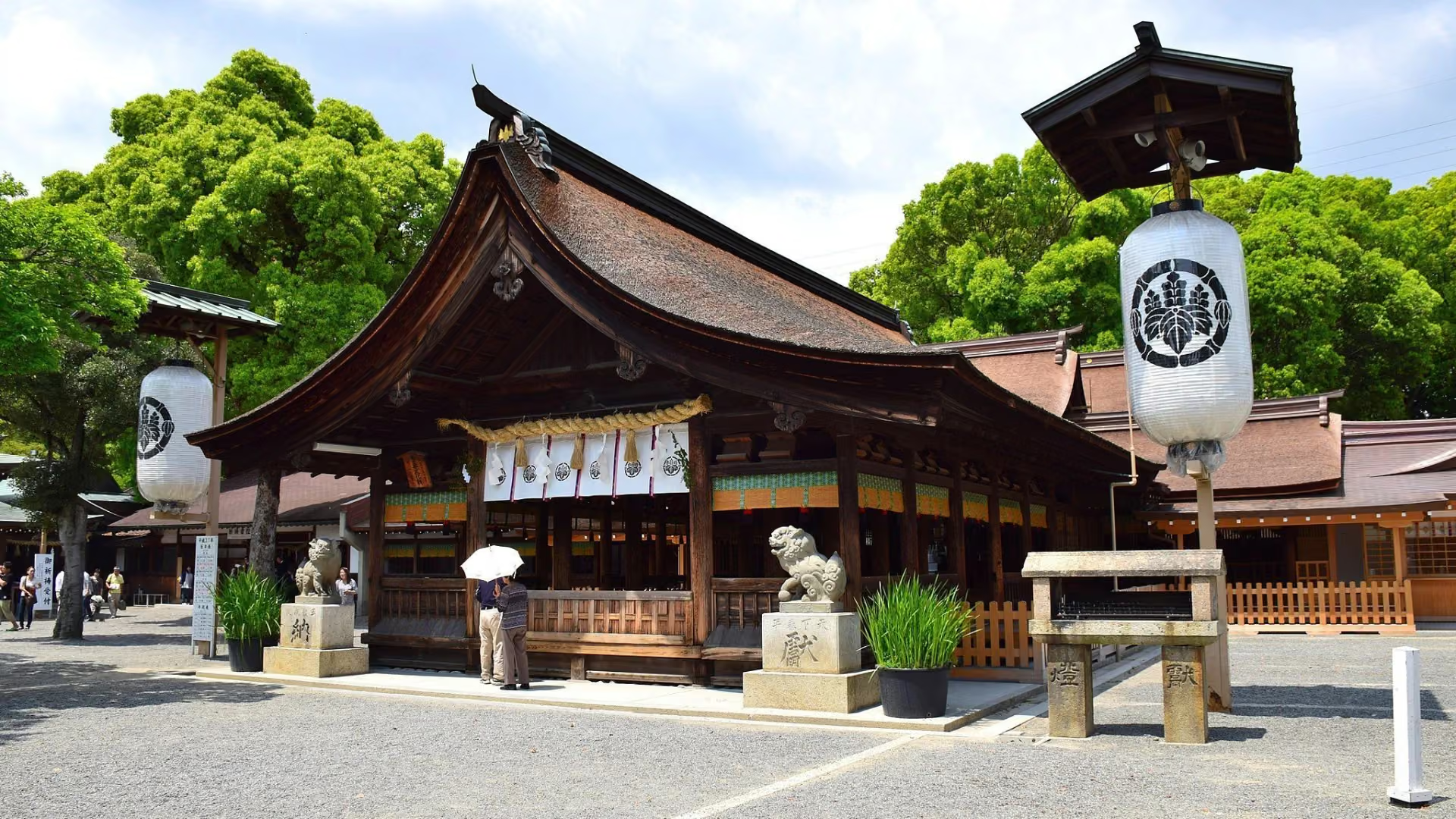
Owari Okunitama Shrine
Inazawa shrine that is the guardian of Owari Province, enshrining the land spirit revered for protecting agriculture and commerce since the Nara period.
Inazawa · Aichi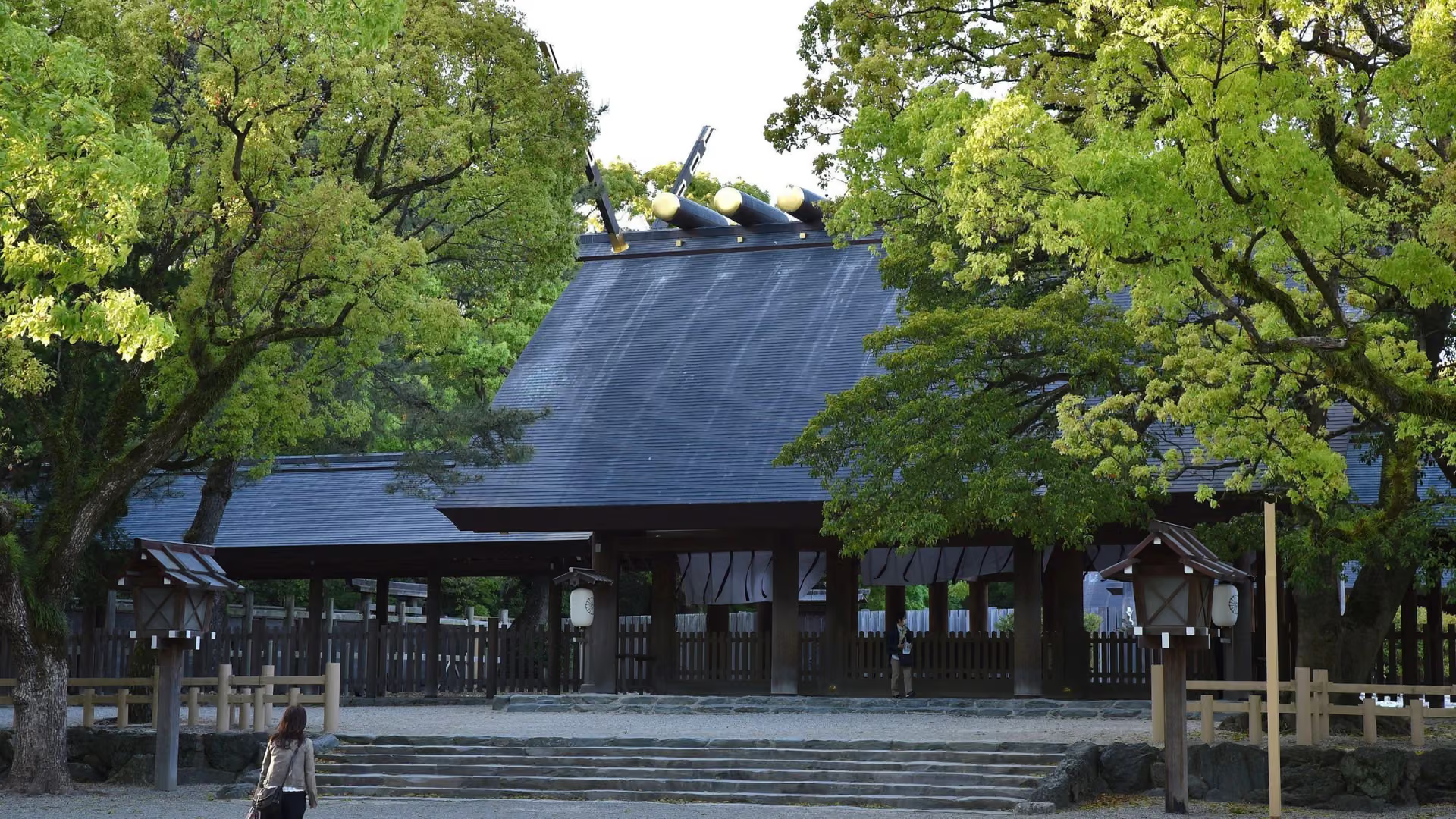
Atsuta Shrine
A highly revered Nagoya shrine established during Emperor Keiko's reign, it houses the Kusanagi no Tsurugi, one of the three symbols of the Imperial throne.
Nagoya · Aichi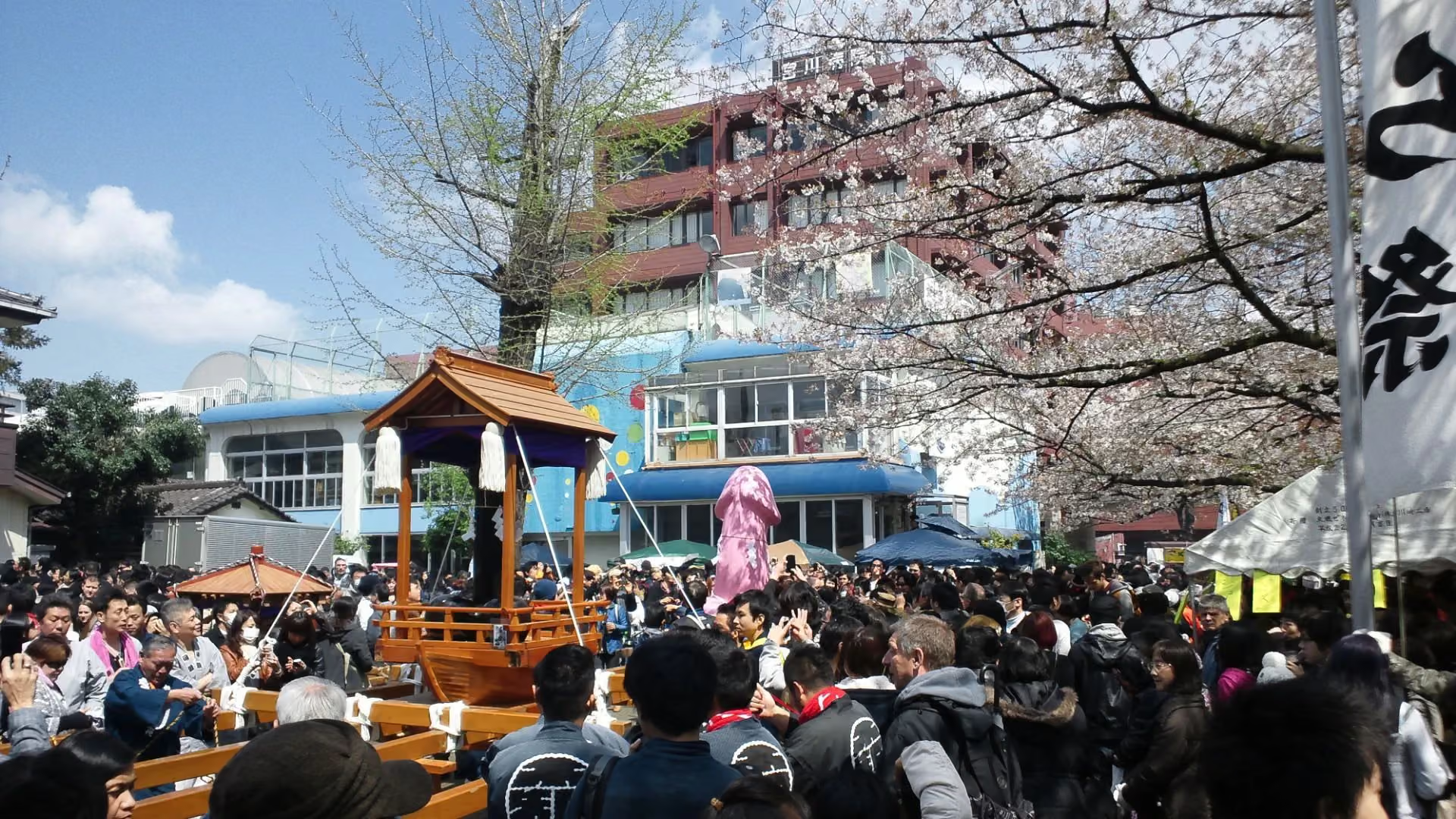
Kanamara Matsuri "Festival of the Steel Phallus"
An annual Shinto festival at Kanayama Shrine in Kawasaki featuring distinctive phallic imagery in decorations and parades while raising funds for HIV research.
5 Apr 2027Exact date not confirmed yetKawasaki · Kanagawa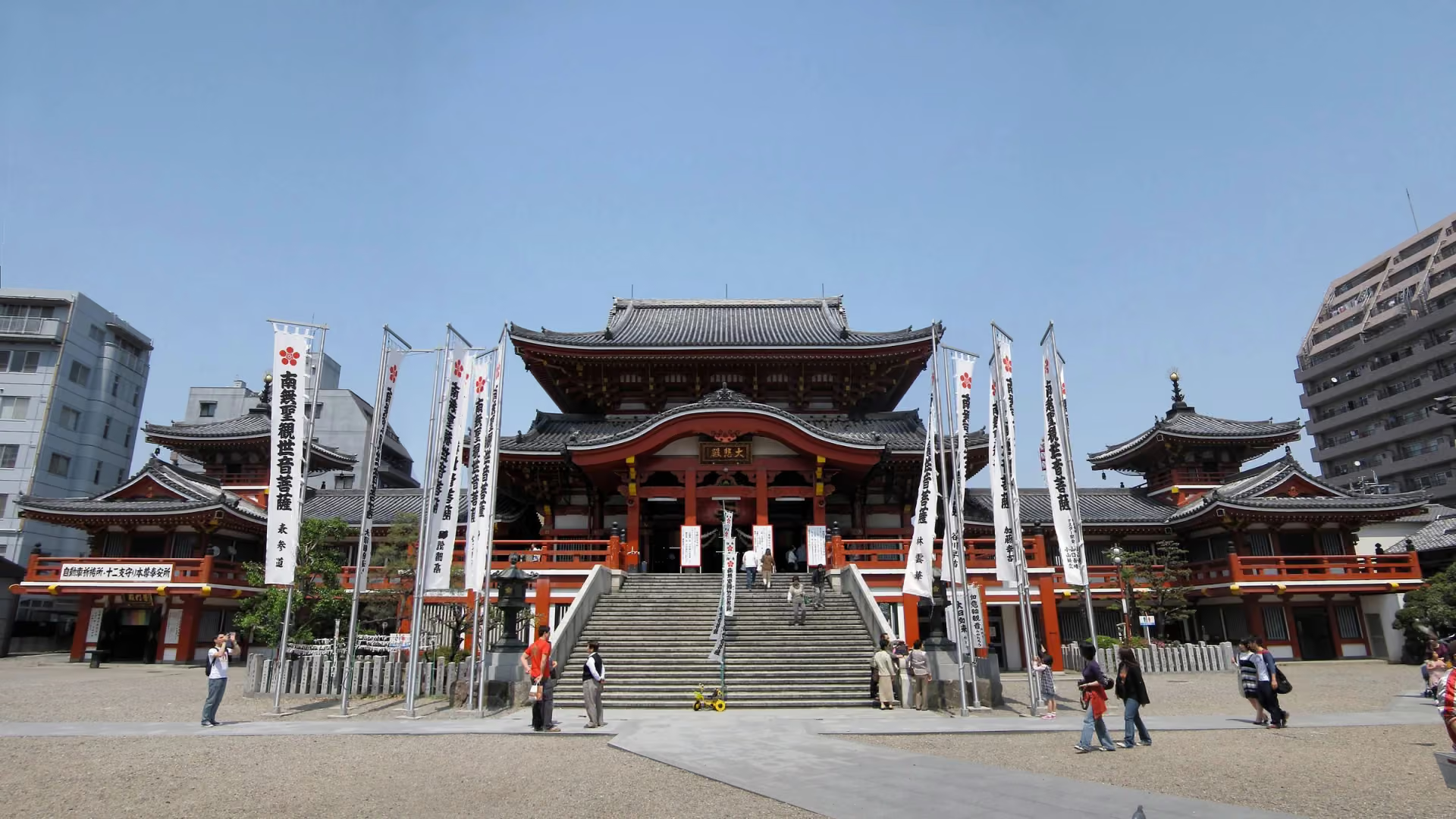
Osu Kannon
A Shingon temple in central Nagoya, moved here by Tokugawa Ieyasu in 1612, whose Osu Bunko library holds a National Treasure manuscript of the Kojiki.
Nagoya · Aichi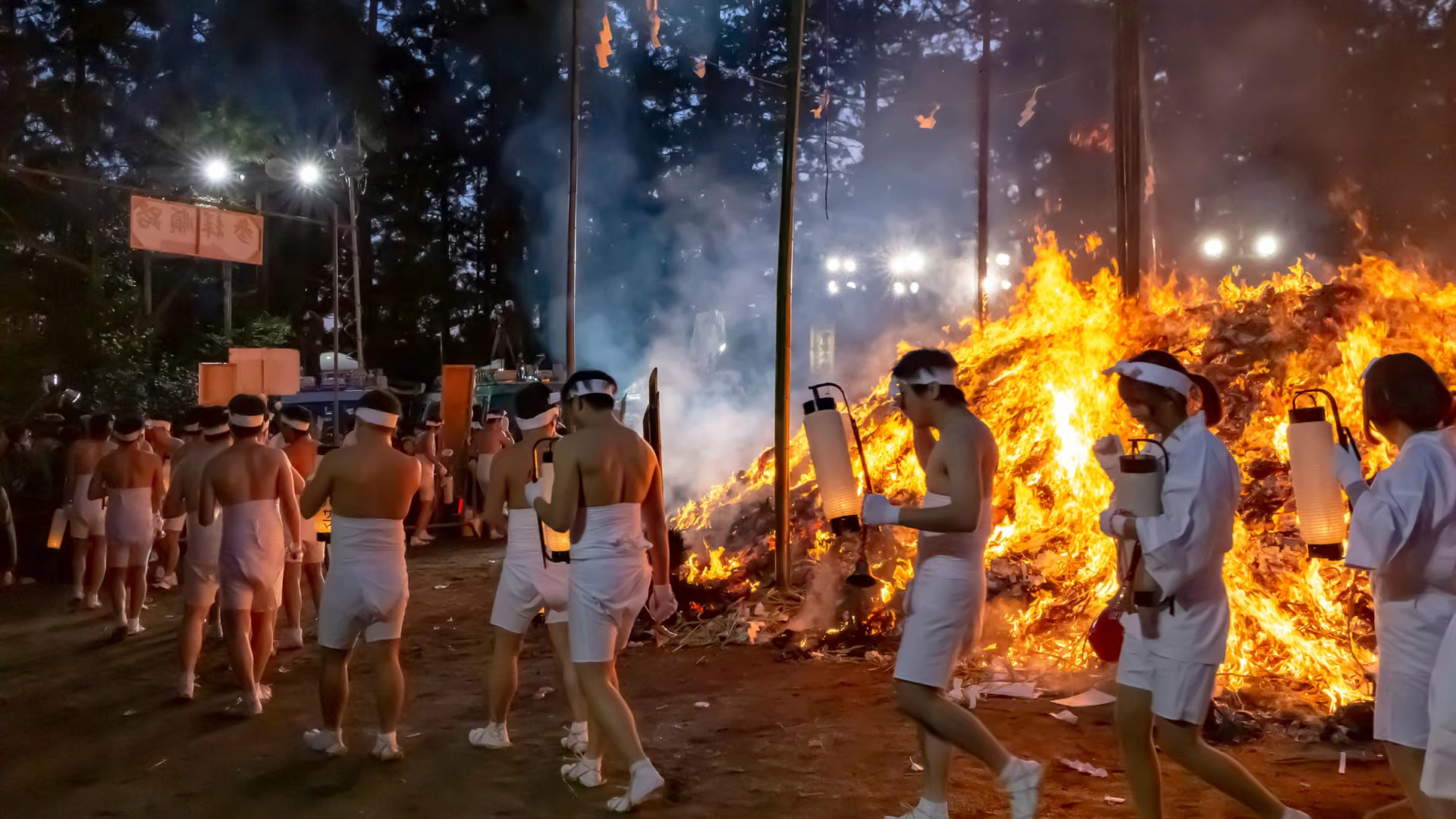
Dontosai Festival
An annual winter ritual in Sendai features the ceremonial burning of New Year decorations followed by a sacred pilgrimage procession in traditional attire.
14 Jan 2027Exact date not confirmed yetSendai · Miyagi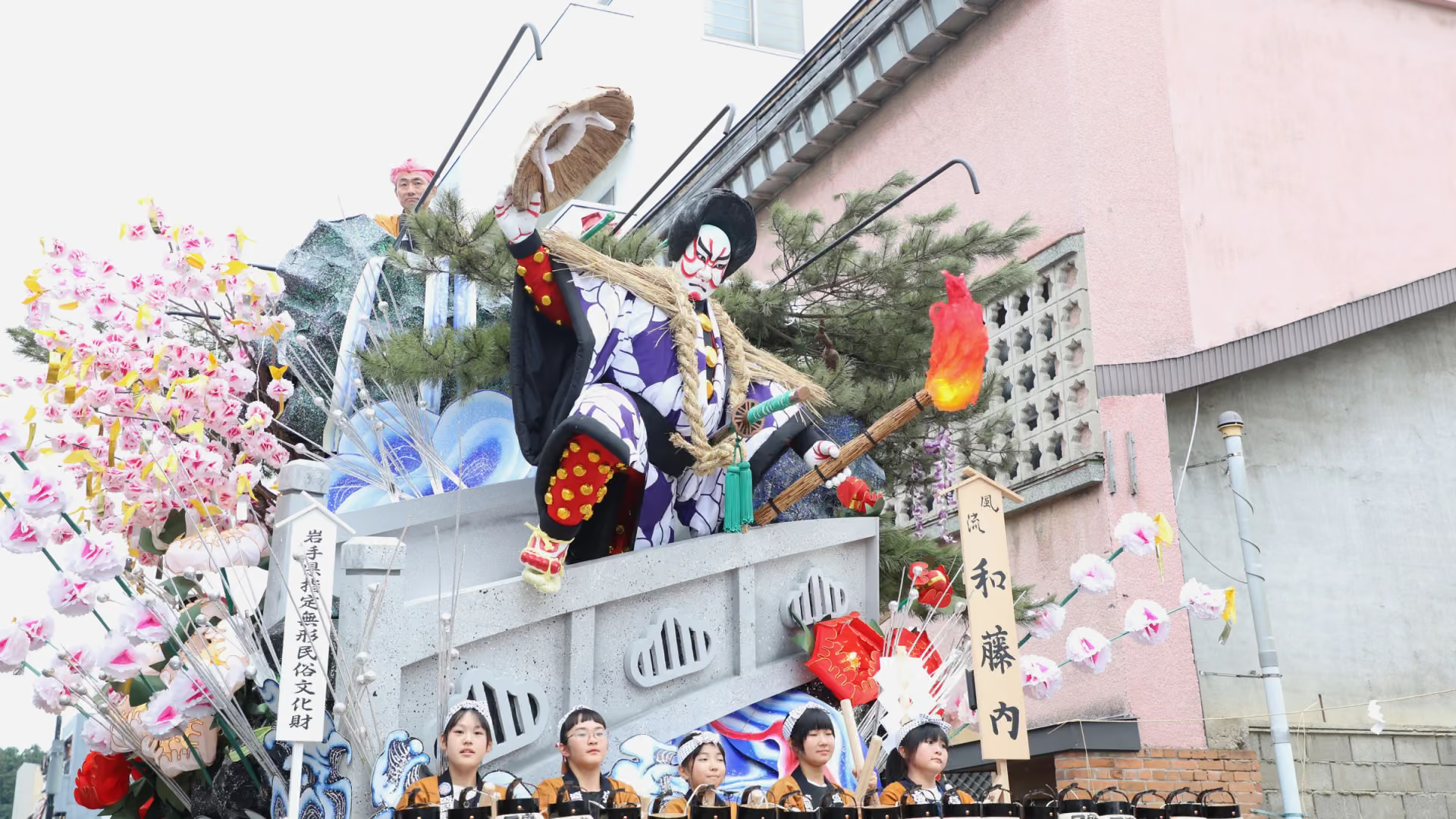
Morioka Fall Festival
One of Iwate's most enduring celebrations, this autumn festival originated as prayers for harvest, now featuring ornate floats and traditional parades.
14–16 Sep 2027Exact date not confirmed yetMorioka · Iwate