Osu Kannon
大須観音
A Shingon temple in central Nagoya, moved here by Tokugawa Ieyasu in 1612, whose Osu Bunko library holds a National Treasure manuscript of the Kojiki.
〒 460-0011How to get there
大須観音4 min walk from the station
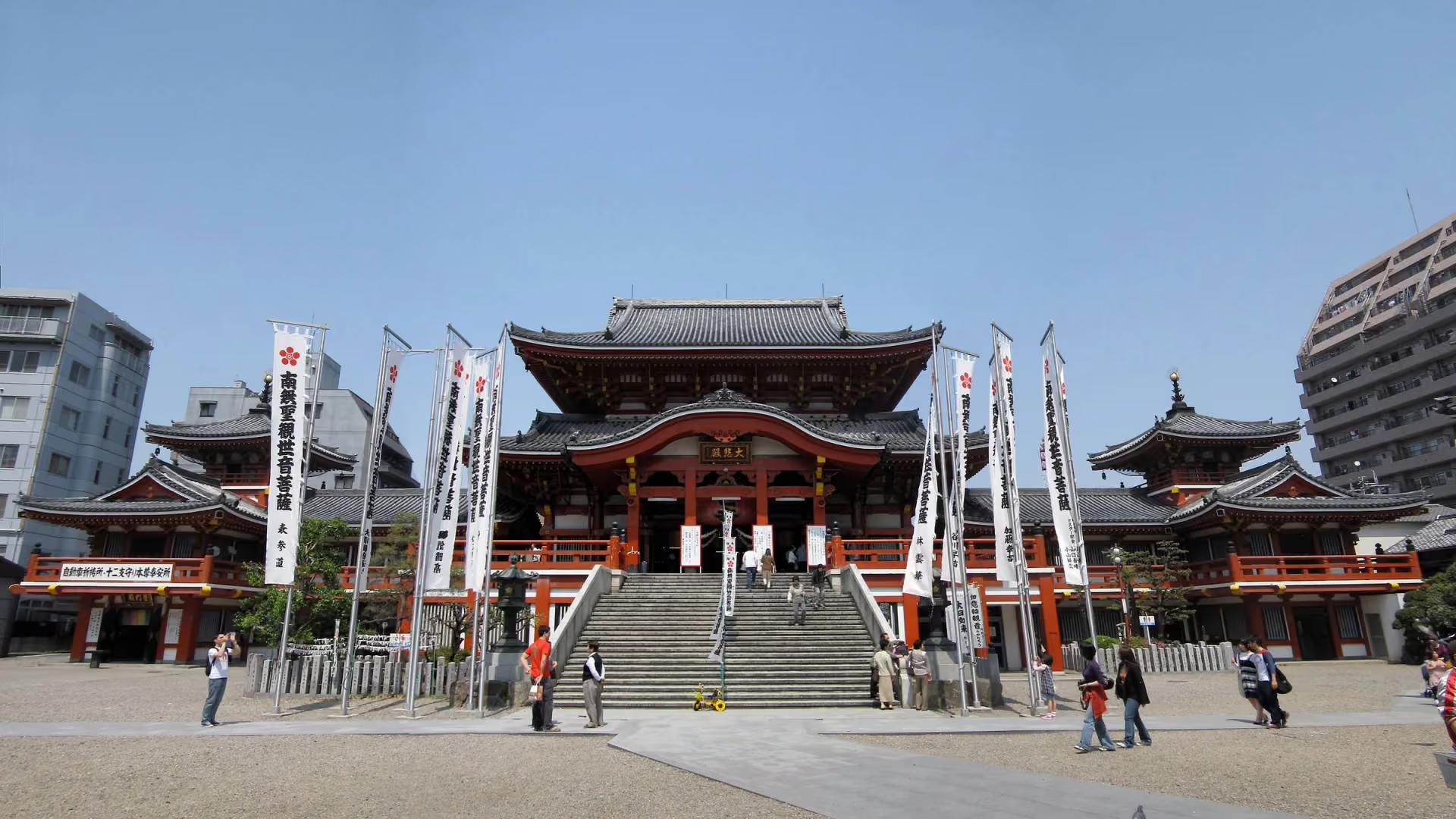
Osu Kannon is a Buddhist temple in the Osu district of central Nagoya. Its formal name is Kitanosan Shinpukuji Hoshoin. It is a special head temple of the Chizan branch of the Shingon school, and its principal image is Sho Kannon, a form of the bodhisattva of compassion. The temple's library, the Osu Bunko, holds four National Treasures, among them a manuscript of the Kojiki, the Record of Ancient Matters.
History
The temple was first built at Osu, in the Nagaoka estate of Owari Province, now Hashima in Gifu Prefecture. In 1324 Emperor Go-Daigo had a Kitano Tenmangu shrine built there. In 1333 he made the monk Noshin its head and granted the temple its formal name.
According to temple tradition, Noshin shut himself away at the Ise Grand Shrine for a hundred days, praying to learn which deity to enshrine. In a dream he was told that Kannon would do the most good for the people, and he saw the figure of Kannon. It matched exactly a Kannon at Shitennoji in Settsu, said to have been carved by Kobo Daishi, who bowed three times at every stroke of the blade. Under Emperor Go-Murakami, that image was moved to the temple by imperial order and became its principal image. Go-Murakami built halls, gave land and named it a temple for imperial prayers. Its lands grew to more than 10,000 koku, the measure of rice a domain produced. Shingon temples in six provinces became its branch temples.
Oda Nobunaga gave the temple lands worth 500 koku. In 1612, when Tokugawa Ieyasu laid out the new city of Nagoya, the temple was among the first things he moved there, to its present site. It became a center of the city and came to be known as Osu Kannon. The main hall burned down twice, in the great Osu fire of the Meiji era and in the war. The present hall was built in 1970.
Osu Bunko
The Osu Bunko holds about 15,000 volumes, known as the Shinpukuji or Osu texts. Many of them were collected by Noshin. It has long been counted among the three great sutra repositories of Japan, with those of Daigoji in Kyoto and Negoroji in Wakayama. In another reckoning it is one of the three great libraries of the country, with those of Ninnaji and Negoroji. Its National Treasures are a three-volume Kojiki and three Chinese texts: a chapter of the Book of Han on food and money, the Chogyokushu and a collection of poems by scholars of the Hanlin Academy. It also has 37 Important Cultural Properties, among them the Shomonki, a chronicle of the 10th-century rebel Taira no Masakado.
The temple's other treasures include a painting of the Buddha's death, an Important Cultural Property, and a self-portrait attributed to Sugawara no Michizane. There is also an oni mask, the mask of a demon. Tradition holds that a shrine attendant gave it to Noshin as the demon form of Kannon, to be used to drive away misfortune. Because of this mask, at the Setsubun bean-throwing each February, the crowd calls only "fortune in" and never "demons out."
The grounds
Visitors enter through the Niomon gate, guarded by a pair of Nio statues, and reach the main hall, called the Daihiden. The bell in the bell tower was cast in 1966 with gifts from women only, as a bell of a mother's love, and it is rung every morning at six. Around the grounds stand a stone carved with a haiku by Matsuo Basho, and mounds where old fans, dolls and teeth are laid to rest, each with its own memorial service once a year. A monument marks Osu as the birthplace of the Taishogoto, a stringed instrument played with keys. On the 18th of each month the temple holds a festival day for Kannon. According to the temple, more than 500,000 people visit in the first three days of the New Year.
Getting There

Planning a trip? Fit this into a trip and Oni plans the rest around it.
Places nearby
Nagoya Touken World
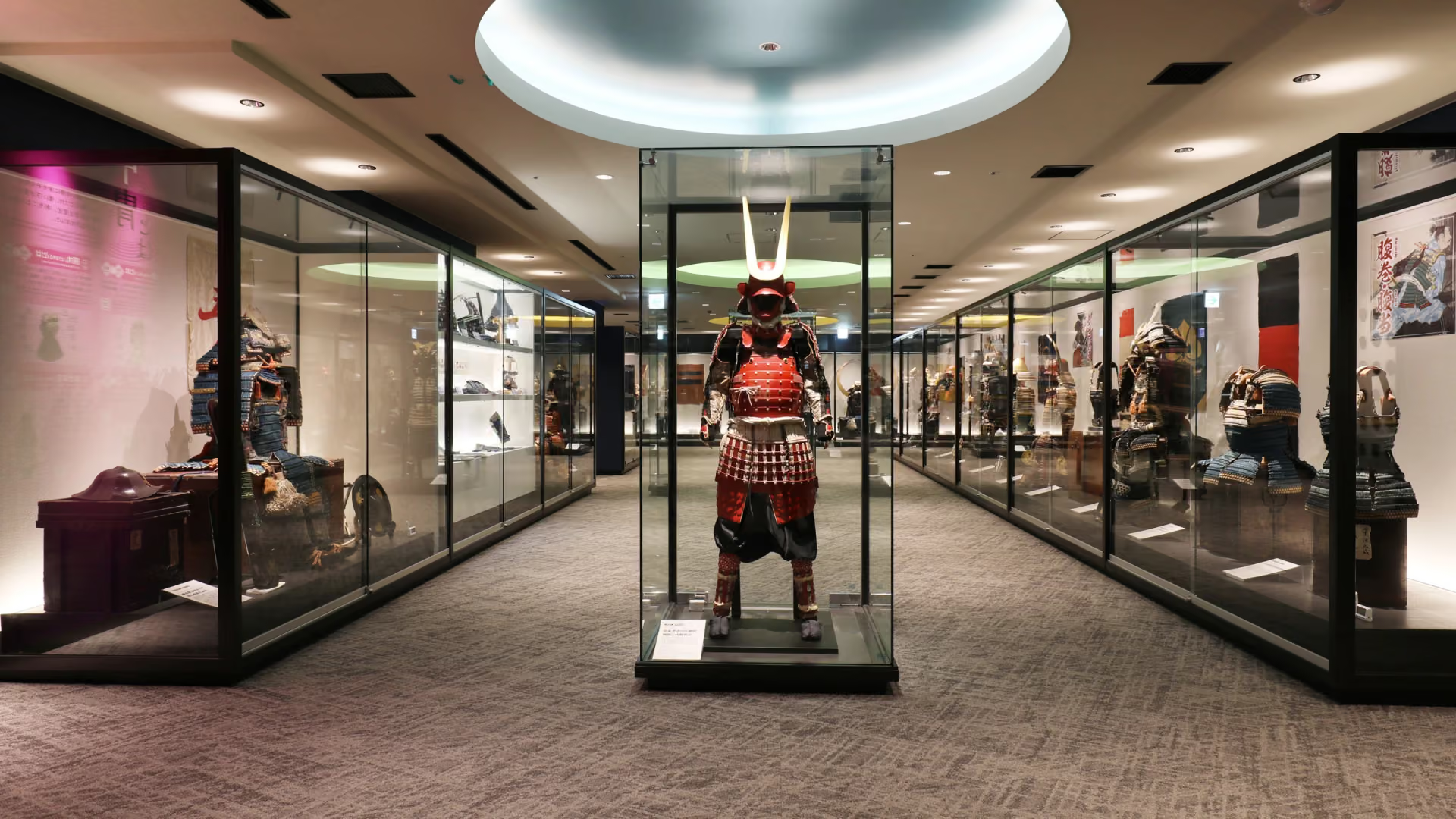
A Nagoya museum of Japanese swords, samurai armor and ukiyo-e, opened in 2024, with a collection of about 500 swords that includes a National Treasure tanto.
Nagoya · Aichi
PARCO Enta Park
Shopping destination reopening September 2026 with one of Japan's largest entertainment zones, featuring 40 character and franchise shops.
Nagoya · Aichi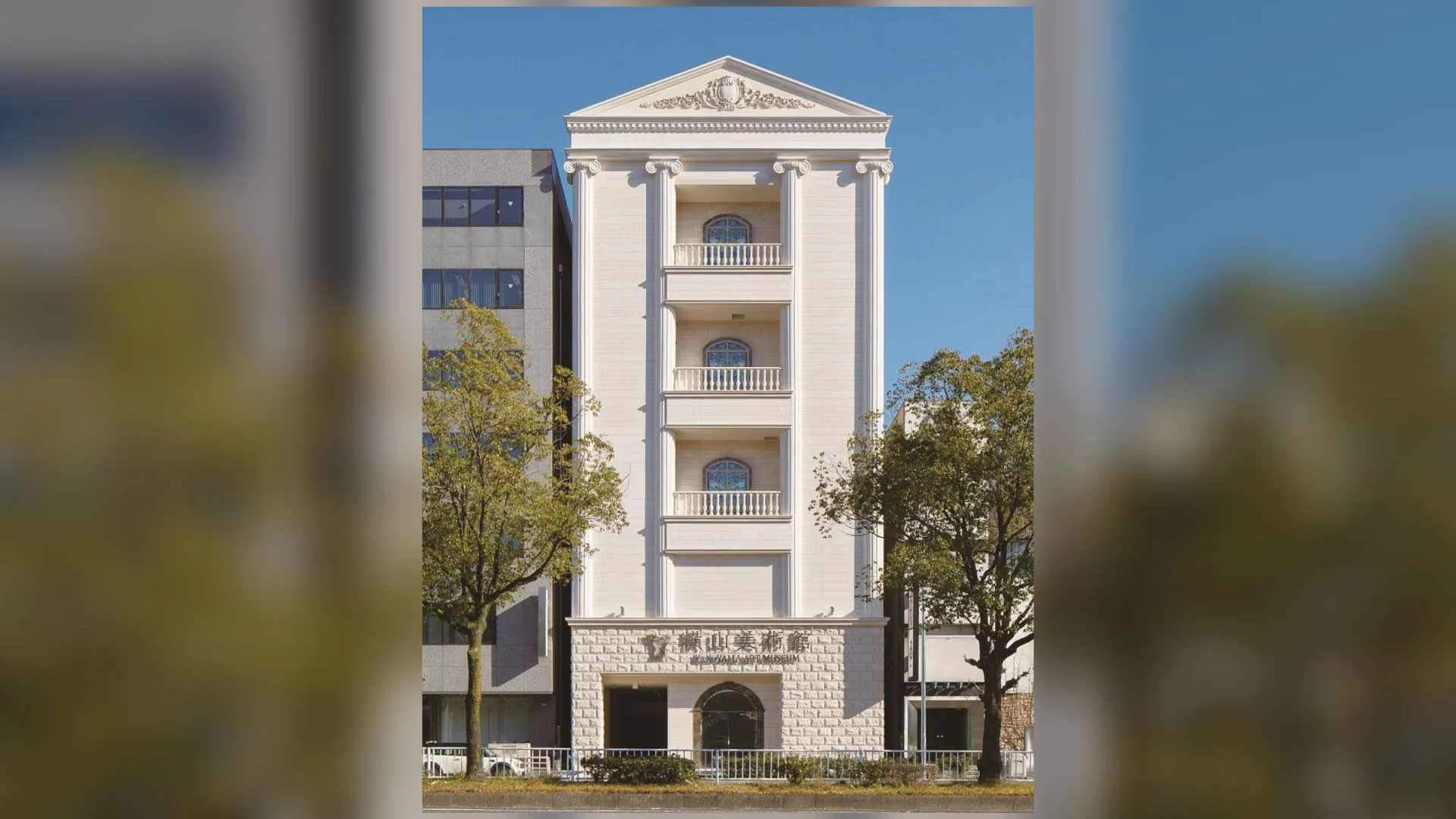
Yokoyama Art Museum
A Nagoya museum of Japanese export ceramics, with more than 5,000 pieces made for overseas markets in the Meiji and Taisho eras and later brought back to Japan.
Nagoya · AichiYou might also like
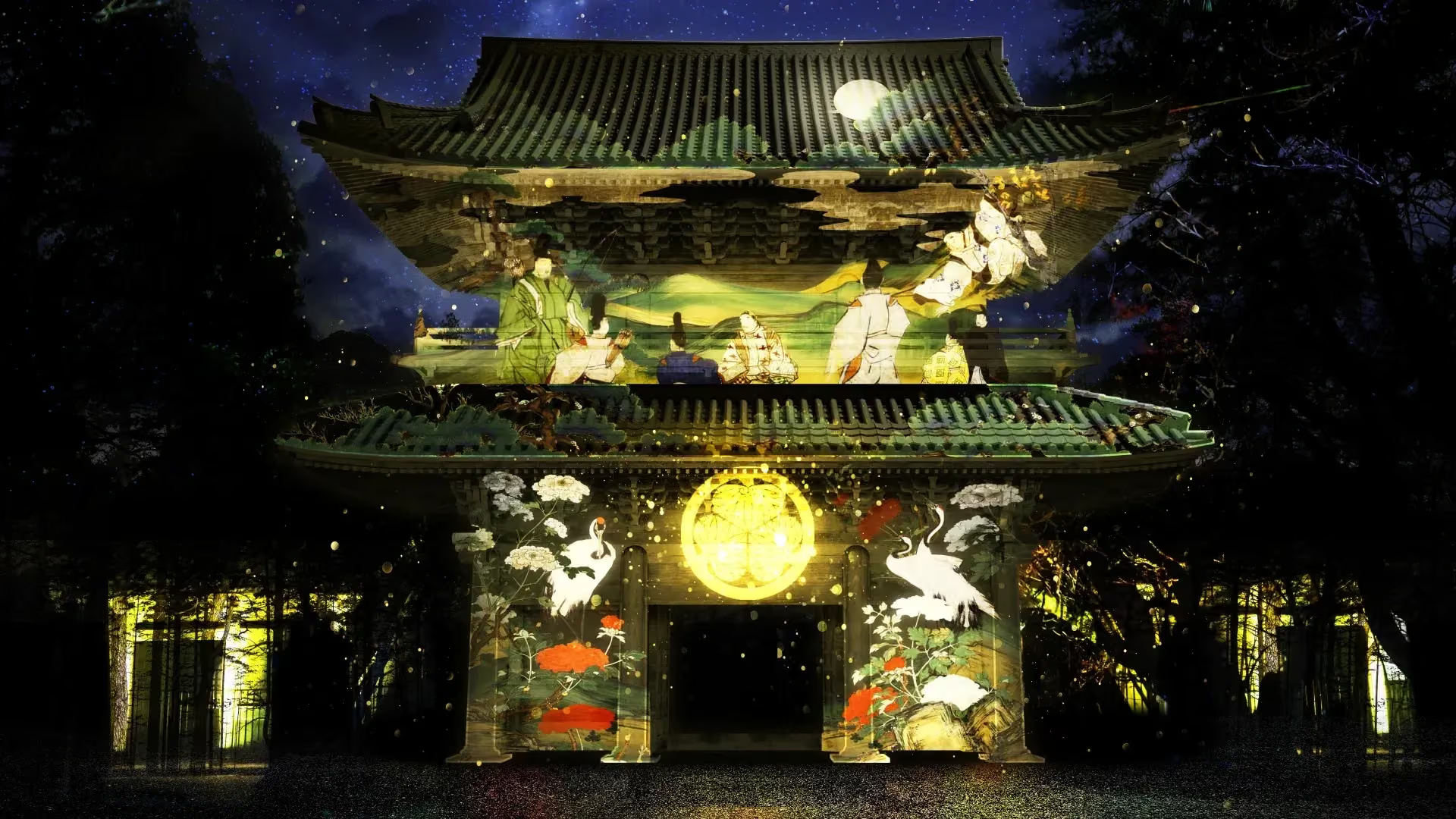
Daiju-ji
Pure Land Buddhist temple in Okazaki, founded in 1475 by Matsudaira Chikayoshi to honour the war dead, and the ancestral temple of the Tokugawa shoguns.
Okazaki · Aichi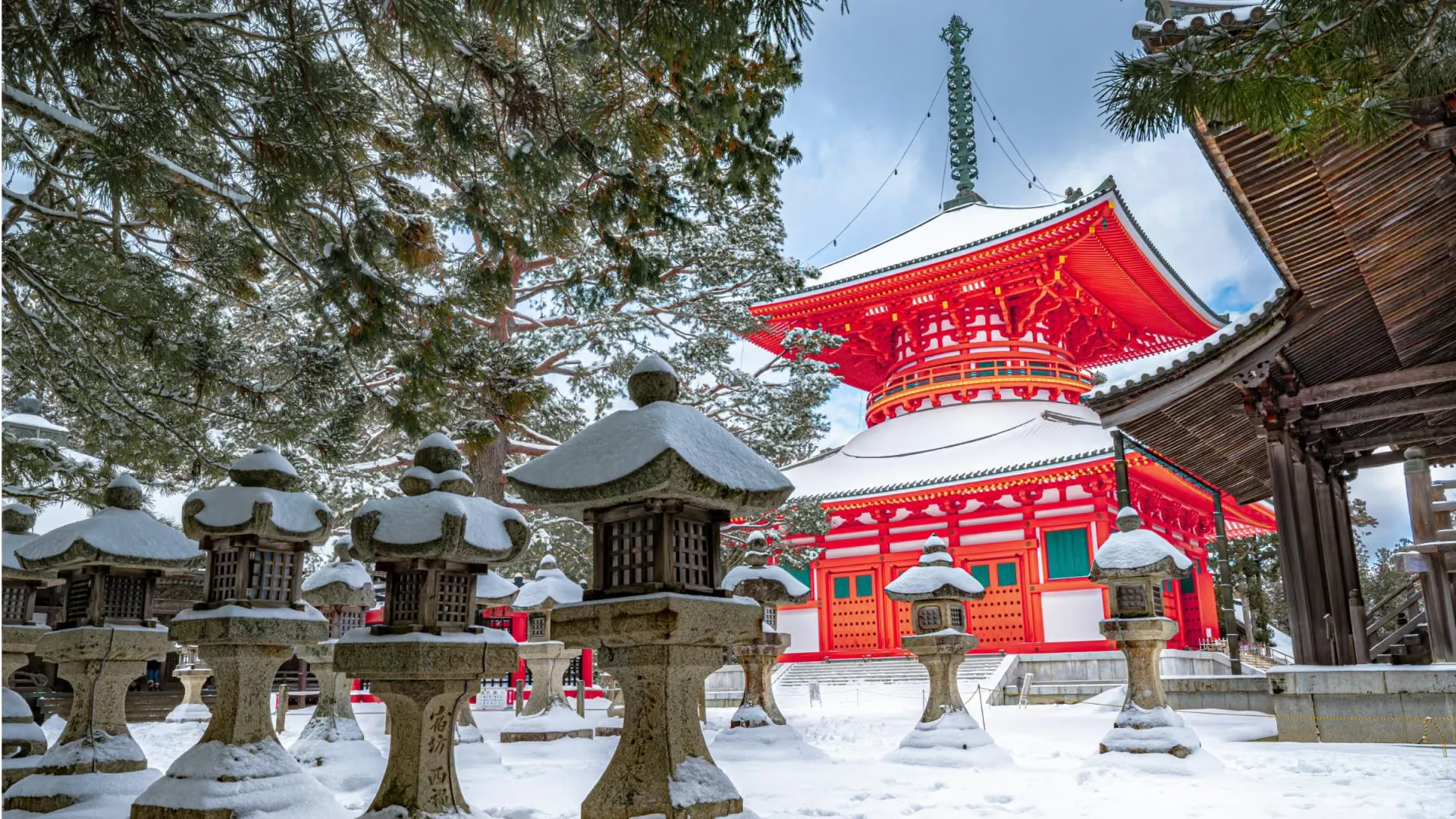
Kongobu-ji (Koyasan)
Mount Koya is a sacred temple complex where the entire mountain is treated as one unified holy domain dedicated to Shingon Esoteric Buddhism.
Koya · Wakayama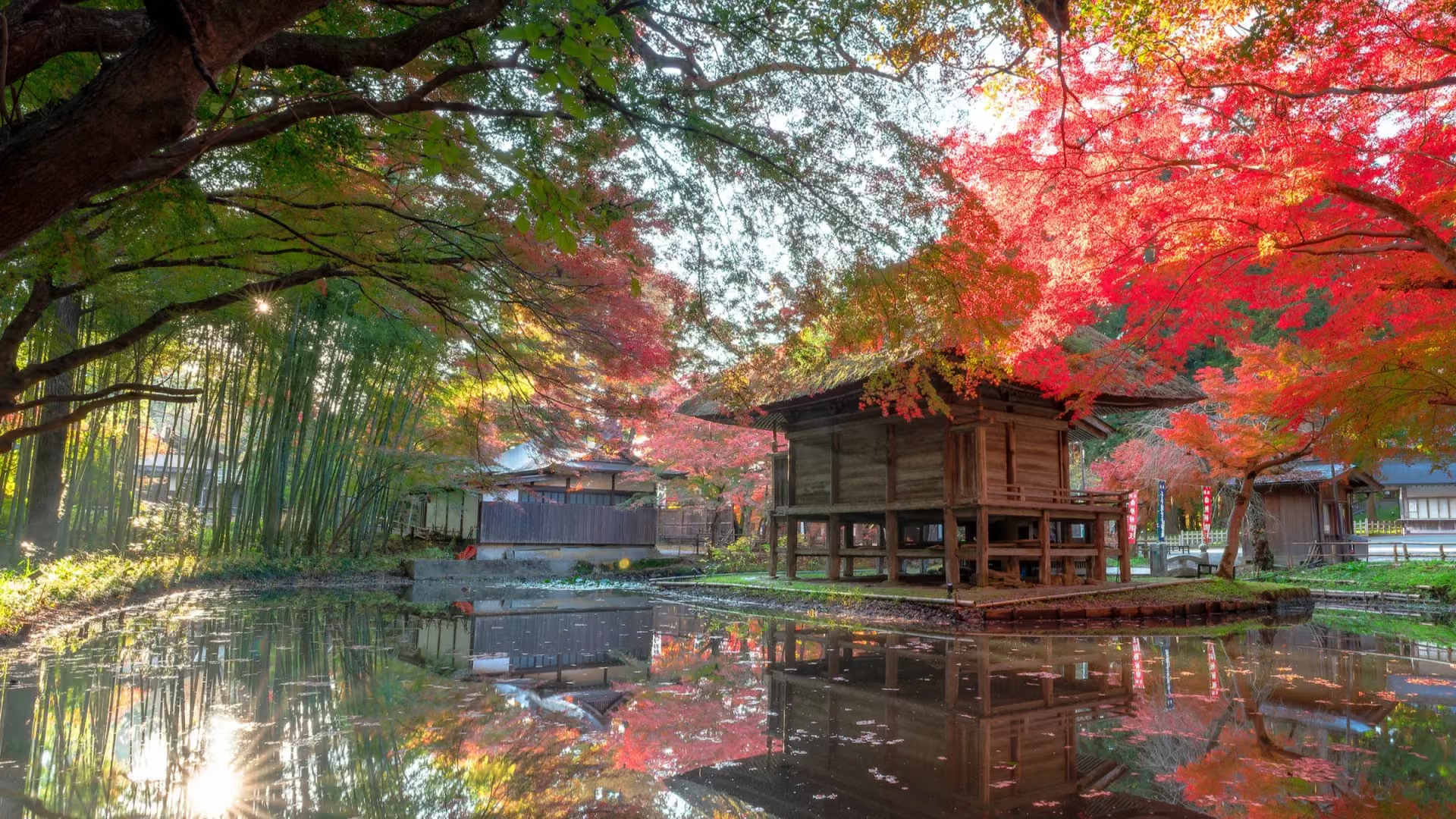
Chuson-ji Temple
The head Tendai temple founded in 850, significantly expanded in the 12th century and designated a UNESCO World Cultural Heritage site.
Hiraizumi · Iwate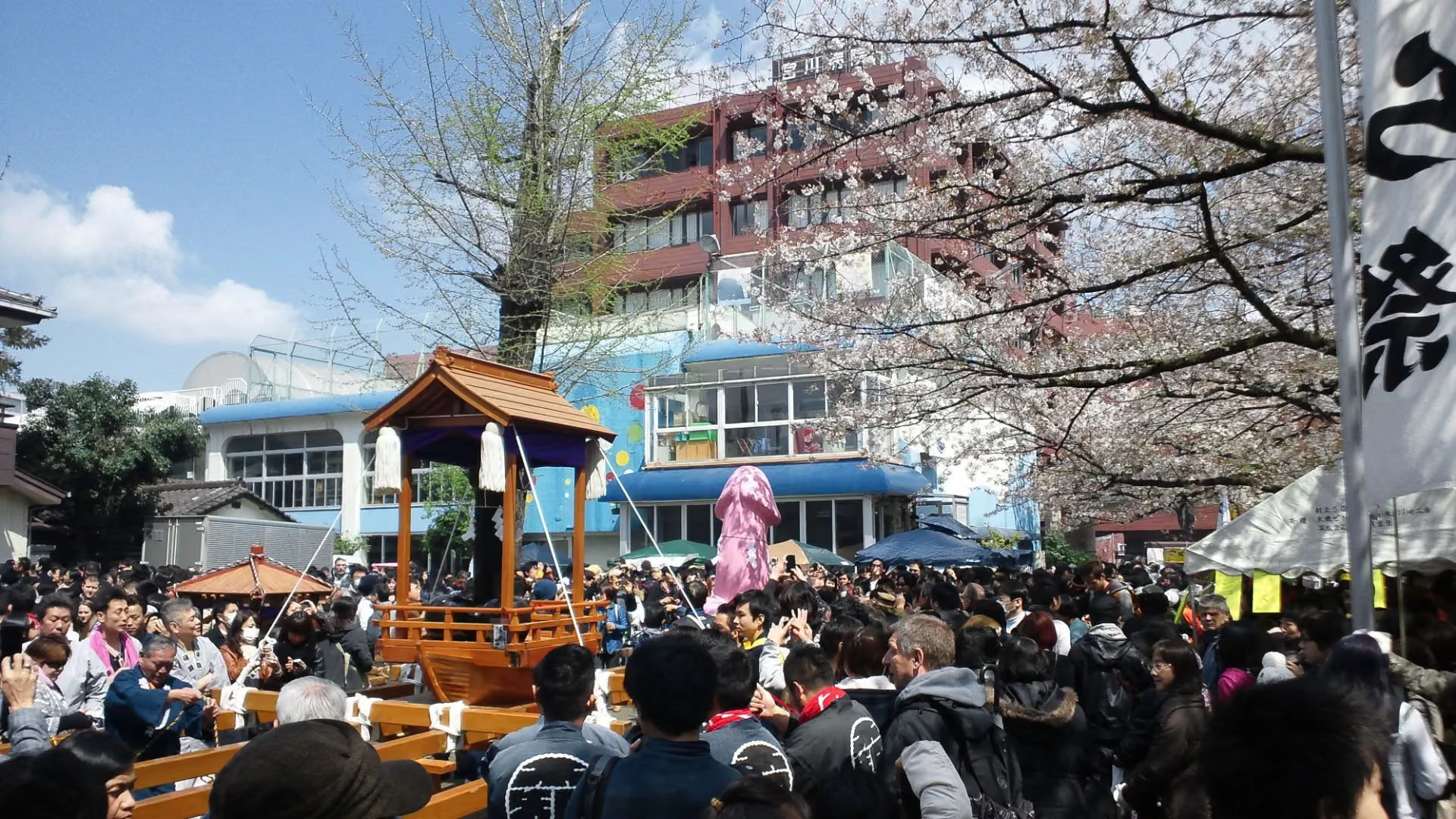
Kanamara Matsuri "Festival of the Steel Phallus"
An annual Shinto festival at Kanayama Shrine in Kawasaki featuring distinctive phallic imagery in decorations and parades while raising funds for HIV research.
5 Apr 2027Exact date not confirmed yetKawasaki · Kanagawa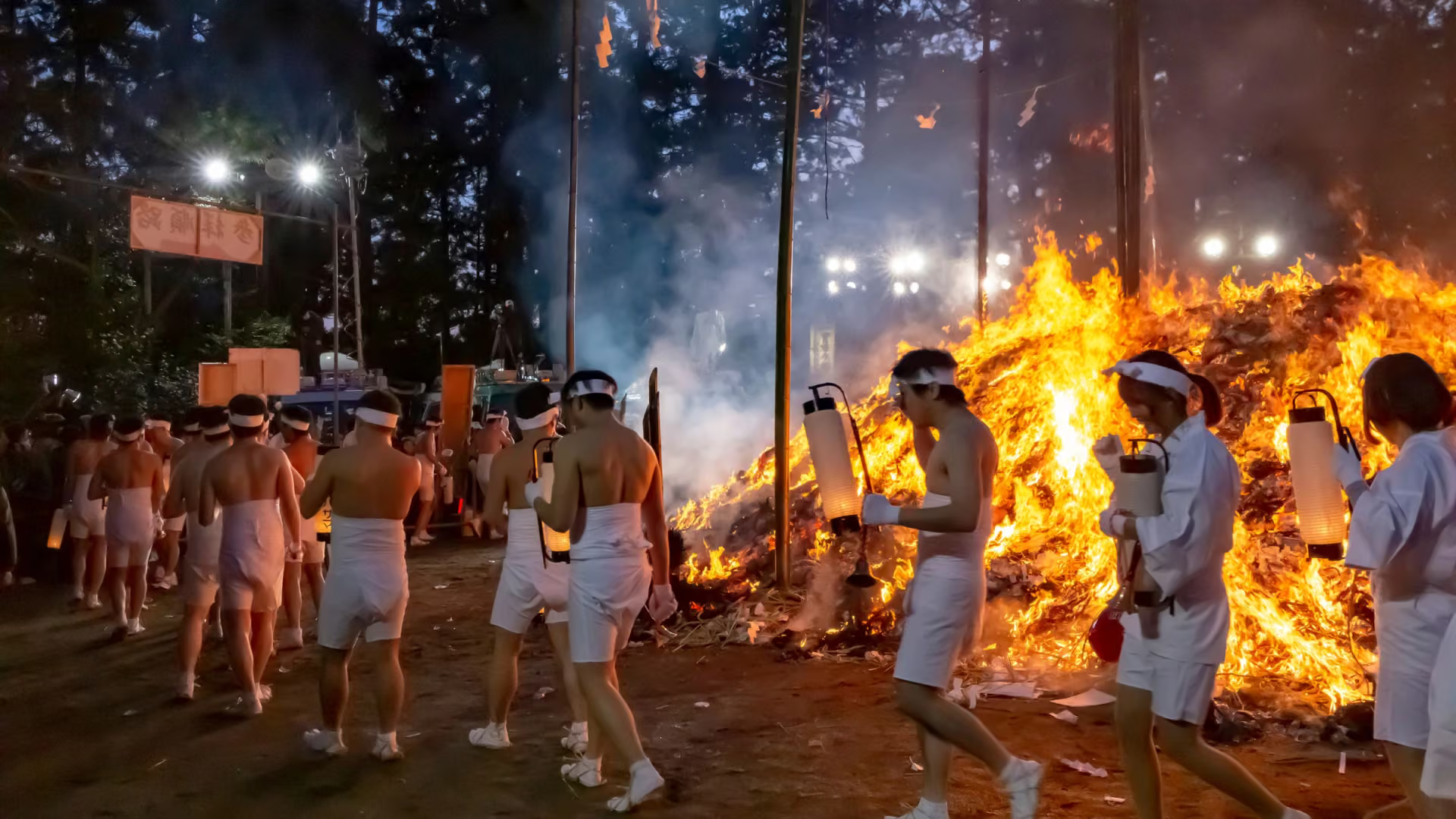
Dontosai Festival
An annual winter ritual in Sendai features the ceremonial burning of New Year decorations followed by a sacred pilgrimage procession in traditional attire.
14 Jan 2027Exact date not confirmed yetSendai · Miyagi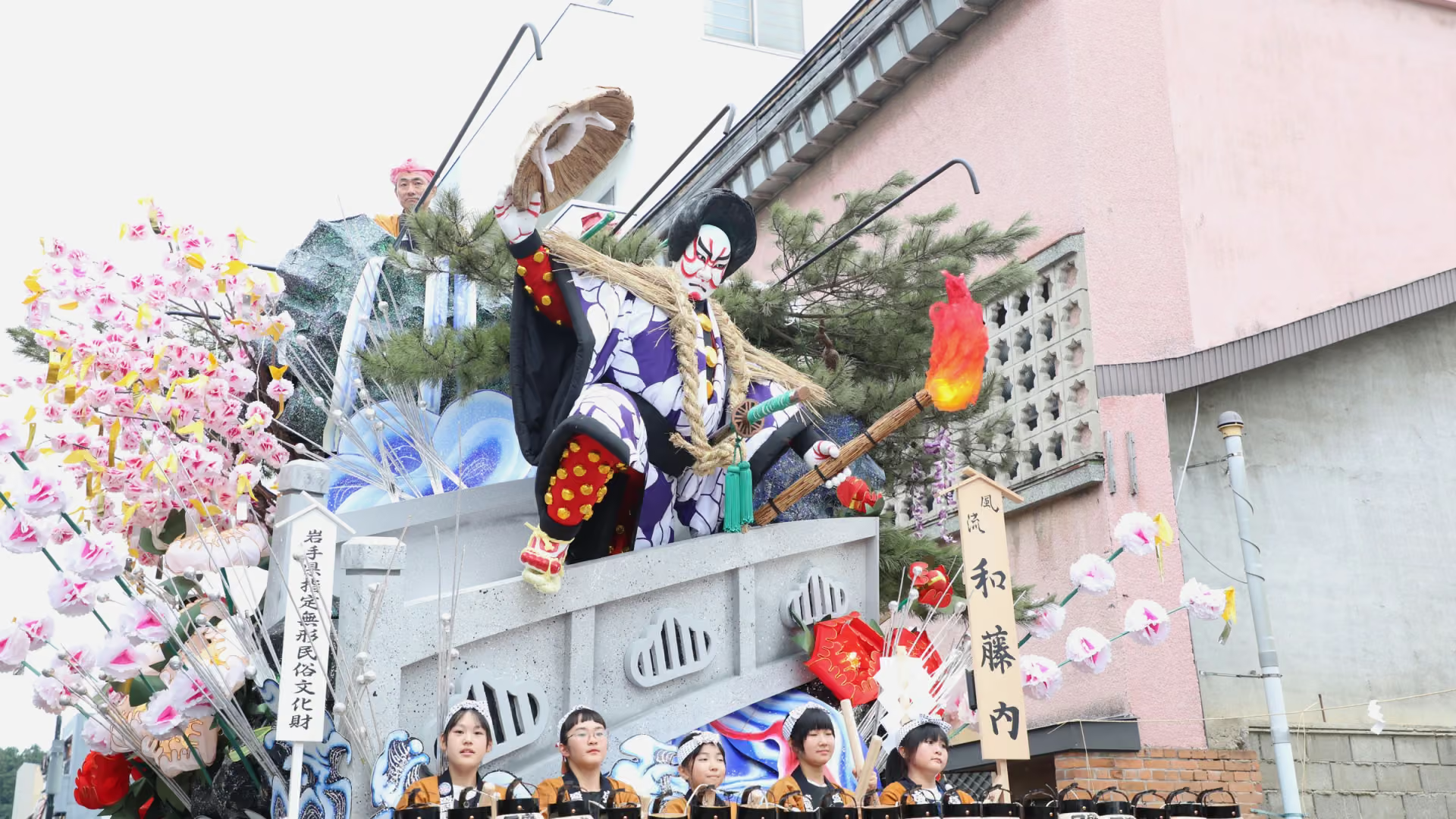
Morioka Fall Festival
One of Iwate's most enduring celebrations, this autumn festival originated as prayers for harvest, now featuring ornate floats and traditional parades.
14–16 Sep 2027Exact date not confirmed yetMorioka · Iwate