Tokaido Kawasaki Shuku Koryukan
東海道かわさき宿交流館
A small, free museum near Kawasaki Station on the history of Kawasaki Shuku, the Edo-period post town on the old Tokaido highway between Edo and Kyoto.
Open when a Monday is a public holiday, closing instead on the next non-holiday day.
〒 210-0001How to get there
京急川崎Keikyu Daishi Line · Keikyu Main Line3 min walk from the station
The Tokaido Kawasaki Shuku Koryukan is a small, free museum near Kawasaki Station devoted to the history of Kawasaki Shuku (shuku means a "post town"), the Edo-period post town that once stood here on the Tokaido, the great highway between Edo (Tokyo) and Kyoto. Part exhibition space and part community centre, it makes an easy and rewarding stop for anyone curious about what Kawasaki was before it became an industrial city - and a natural starting point for a walk along the line of the old road.
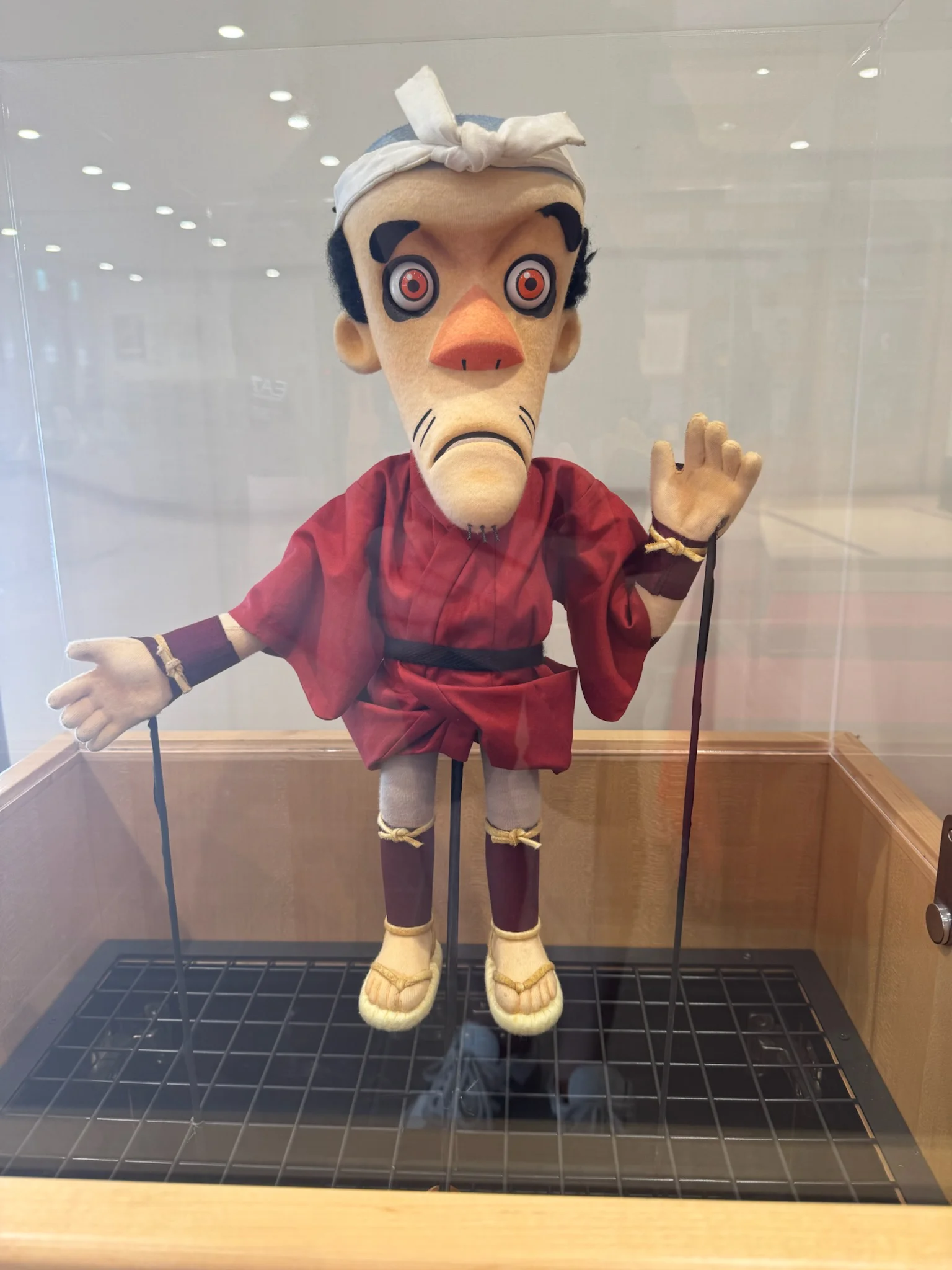
The ground floor is set up as a place to drop in and rest, built around a recreation of the Mannenya, the teahouse that made Kawasaki Shuku famous in its day. Visitors can sit on the tatami and benches and watch a large-screen introduction to the post town, guided by the museum's mascot, Rokusan the courier - named after the Rokugo River, the old name for the stretch of the Tama River that travellers had to cross here.
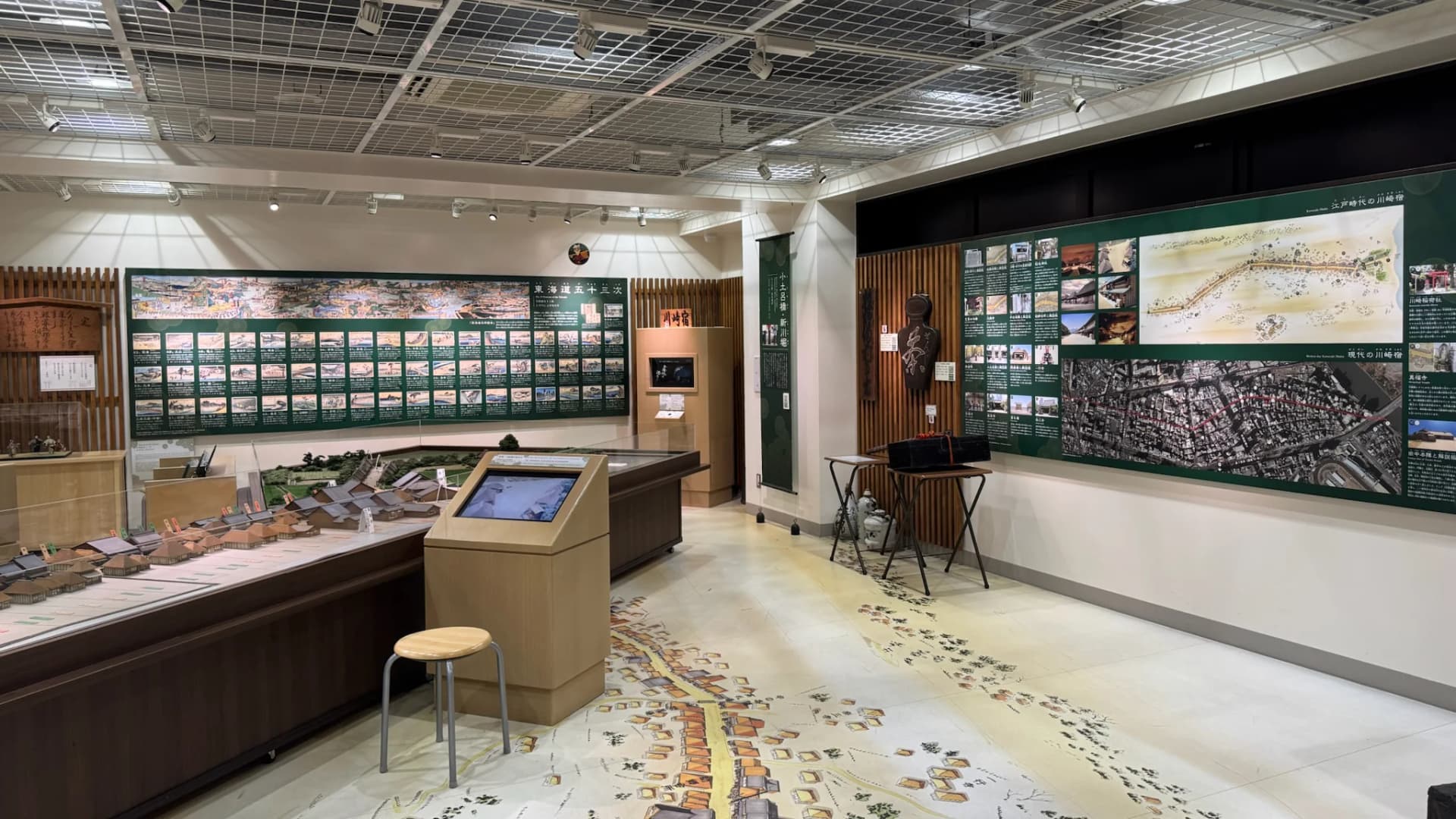
The main historical exhibits are one floor up, arranged around a floor map of the old town and a series of "story boxes" that pair diorama models with projected film to bring episodes of Kawasaki Shuku to life. Among them are the Rokugo Ferry, which carried travellers across the flood-prone Tama River after the bridge was abandoned in the late 17th century - including the remarkable tale of an elephant that crossed the river in 1729, walked all the way from Nagasaki as a gift for the shogun and led over a bridge of boards laid across boats. Others cover the Mannenya teahouse, known for its Nara-chameshi tea rice and immortalised in the comic travel novel "Shank's Mare" (Tokaido-chu Hizakurige), which also hosted the first American consul, Townsend Harris, and, by one account, a meeting involving Sakamoto Ryoma; the post-station office that ran the town's horses, porters, and official mail; and the parting of the poet Matsuo Basho from his disciples at the edge of Kawasaki Shuku in 1694.
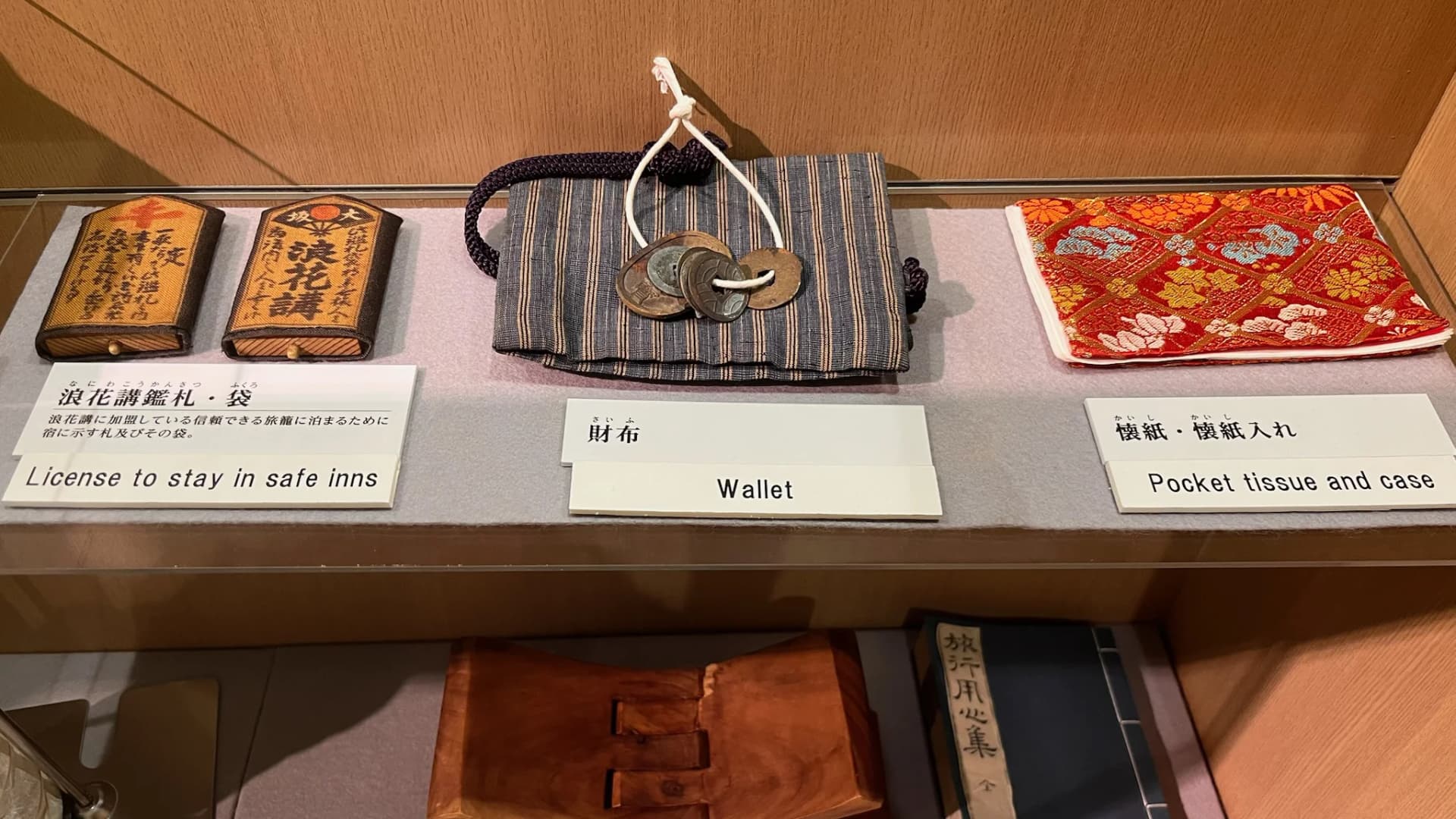
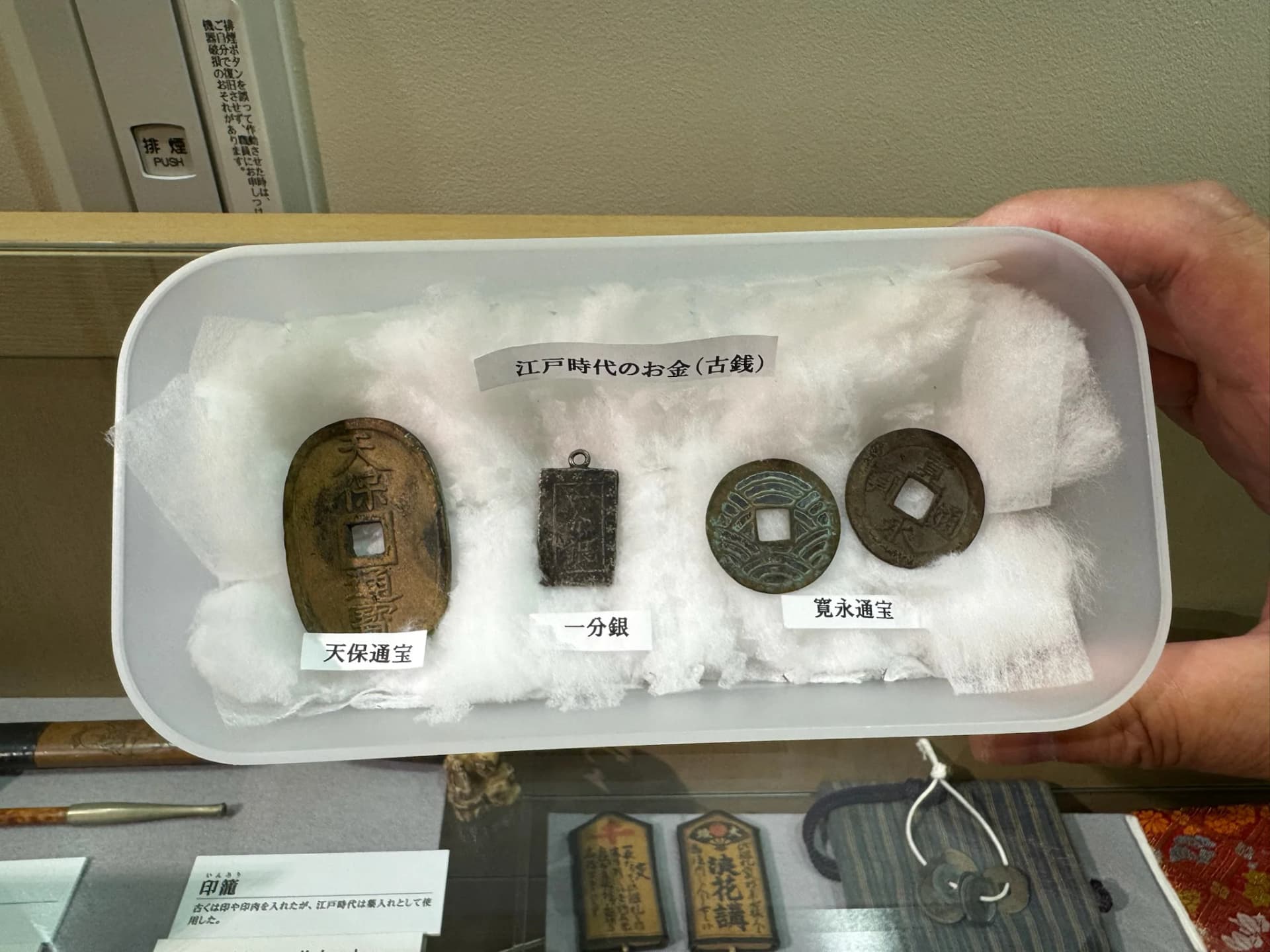
The same floor also displays Hiroshige's celebrated Tokaido prints alongside each station, replica travel tools that visitors can pick up and handle - a portable writing set, a folding Odawara lantern, an Edo traveller's pillow, and more - and a touchscreen that lets you walk the recreated townscape and compare it with the modern city. A costume corner lets you dress in Edo-period travelling clothes and pose for a photo against a Rokugo Ferry woodblock print.
Higher up, the museum turns to Kawasaki's transformation from post town to modern city, using layered aerial photographs and maps to trace how the streets, railways, river, and canals shaped the place over time, and introducing figures connected to the city - from the Edo-period administrator Tanaka Kyugu to Asano Soichiro, a founder of the Keihin industrial zone, and the singer Sakamoto Kyu, known in the West especially for his song "Ue o Muite Aruko" (Sukiyaki). A top-floor hall with a stage is used for community events and can be hired.
Getting There

Planning a trip? Fit this into a trip and Oni plans the rest around it.
Places nearby
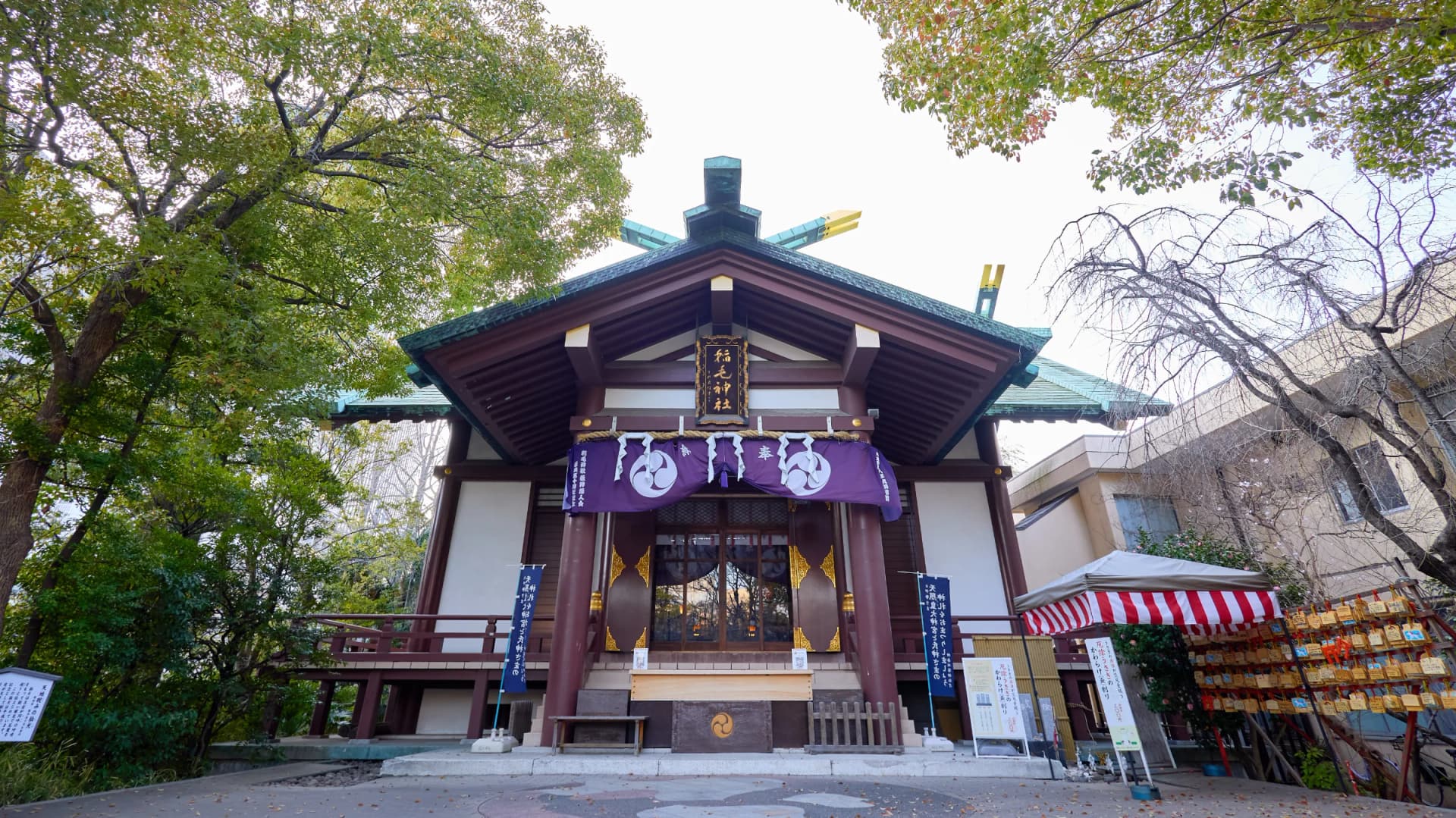
Inage Shrine
A thousand-year-old shrine in central Kawasaki dedicated to victory and harmony, and home to the Kawasaki Sanno Festival.
Kawasaki · Kanagawa
La Cittadella
Shopping and entertainment complex designed to evoke an Italian hill town, built on the site of Kawasaki's historic cinema district that dates back to 1937.
Kawasaki · Kanagawa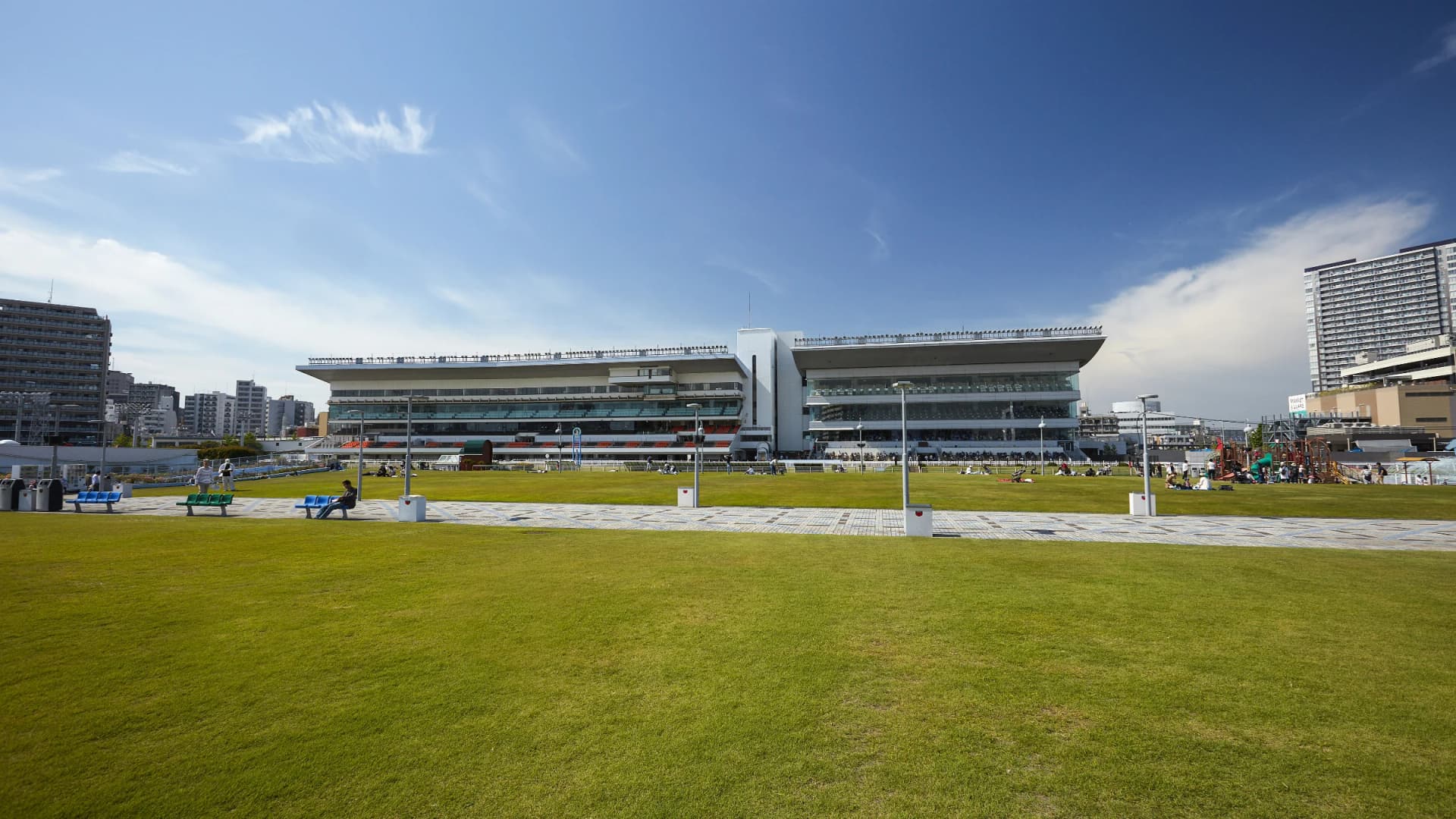
Kawasaki Racecourse
Kawasaki Keiba is one of Tokyo's most beginner-friendly racecourses - part racing venue, part public park, with a food court and infield playground.
Kawasaki · KanagawaYou might also like

Japan Open-Air Folk House Museum
Open-air museum in Kawasaki with 25 traditional houses relocated from across Japan, plus indigo-dyeing sessions, a soba restaurant and craft displays.
Kawasaki · Kanagawa
Shin-Yokohama Ramen Museum
Opened in 1994 as the world's first ramen-themed food amusement park, this museum gathers famous ramen shops from across Japan in a single location.
Yokohama · Kanagawa
Yokohama Port Museum
Museum documenting 160 years of Yokohama port history and Japan's early maritime relations with Western countries through interactive exhibitions.
Yokohama · Kanagawa
Yokohama Doll Museum's Hinamatsuri
Traditional hina dolls and intricately crafted miniature furnishings reveal the artistry and cultural significance of this centuries-old celebration.
30 Jan – 15 Feb 2027Exact date not confirmed yetYokohama · Kanagawa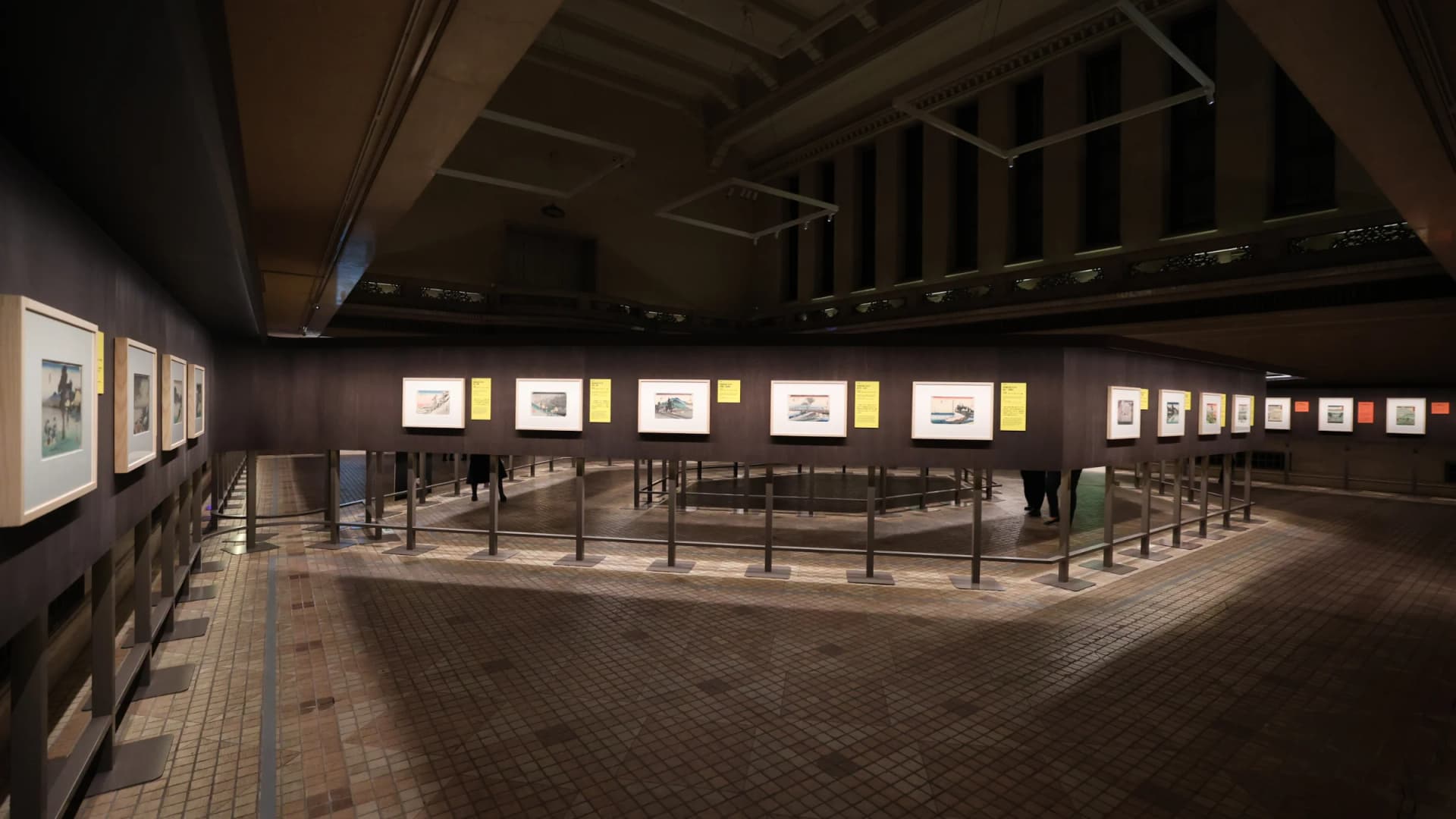
Hiroshige: New Perspectives on Edo Japan
Hiroshige at the Tokyo National Museum: every print of his three major series, from the Tokaido to the Hundred Famous Views of Edo, shown in three parts.
29 Sep – 20 Dec 2026Tokyo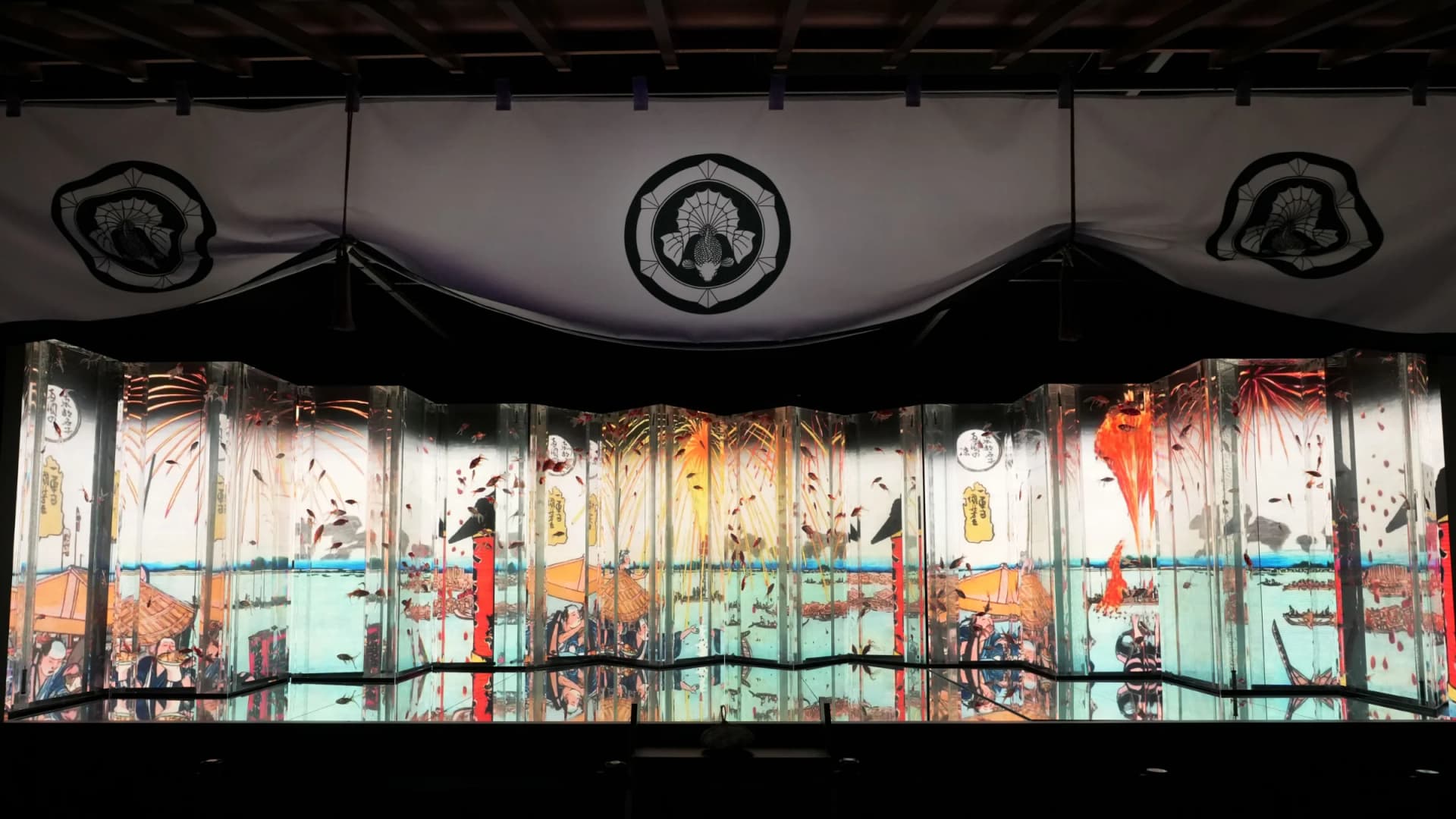
Goldfish and Edo Culture at ART AQUARIUM MUSEUM GINZA
A display inside the Ginza goldfish museum on how Edo townspeople kept and looked at goldfish, and how the fish reached the woodblock prints of the time.
From 14 Sep 2026Tokyo