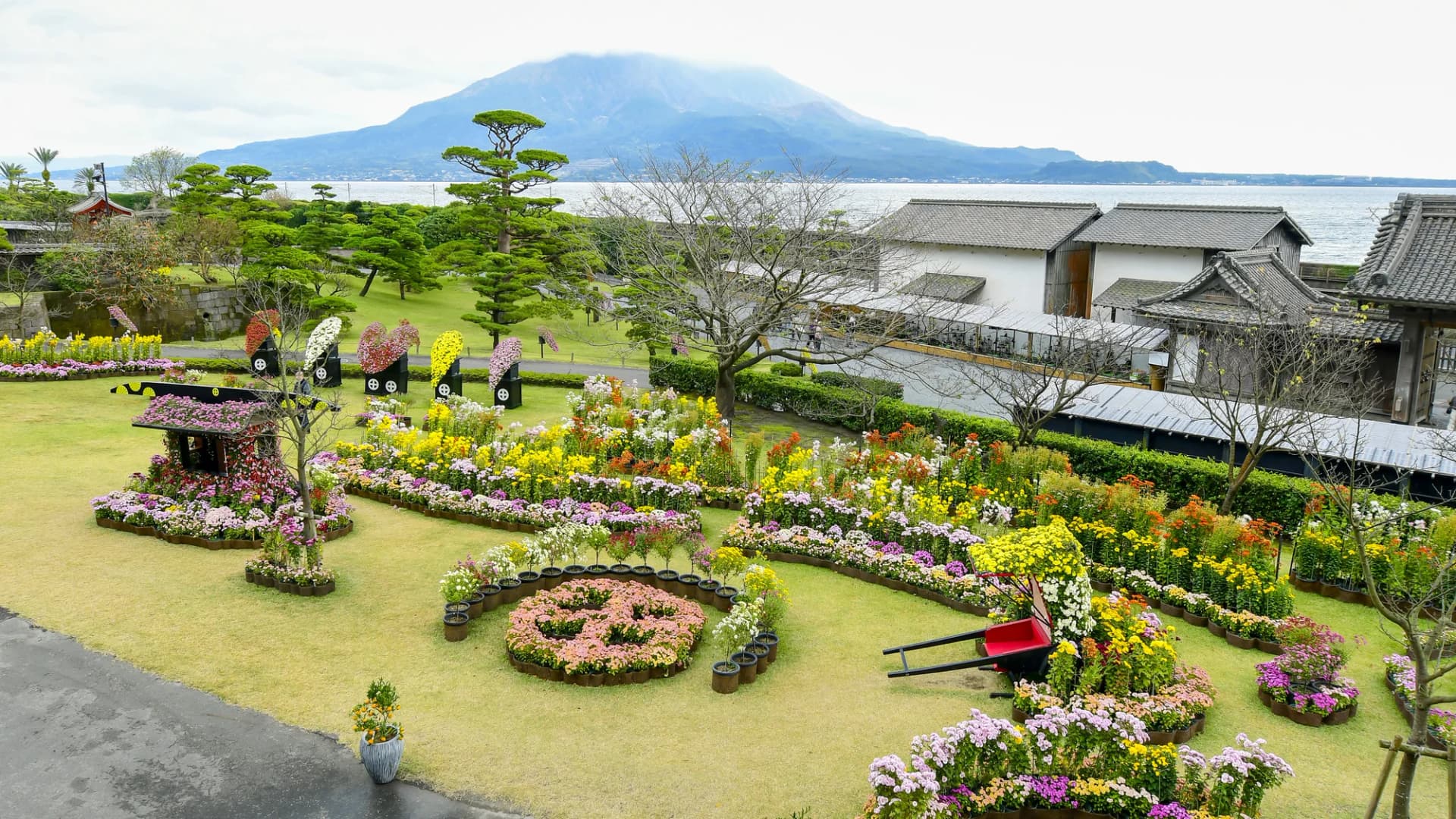
Sengan-en
The garden and villa of the Shimazu lords at Kagoshima, laid out in 1658 with Sakurajima and the bay borrowed as its scenery.
Kagoshima

Shrines, museums, parks, and the spots in between, with the access details worked out.
The garden and villa of the Shimazu lords at Kagoshima, laid out in 1658 with Sakurajima and the bay borrowed as its scenery.
KagoshimaOpened in 2005 on the site of an Edo-period magistrate's office, this museum explores Nagasaki's distinctive history as Japan's historical gateway to overseas exchange.
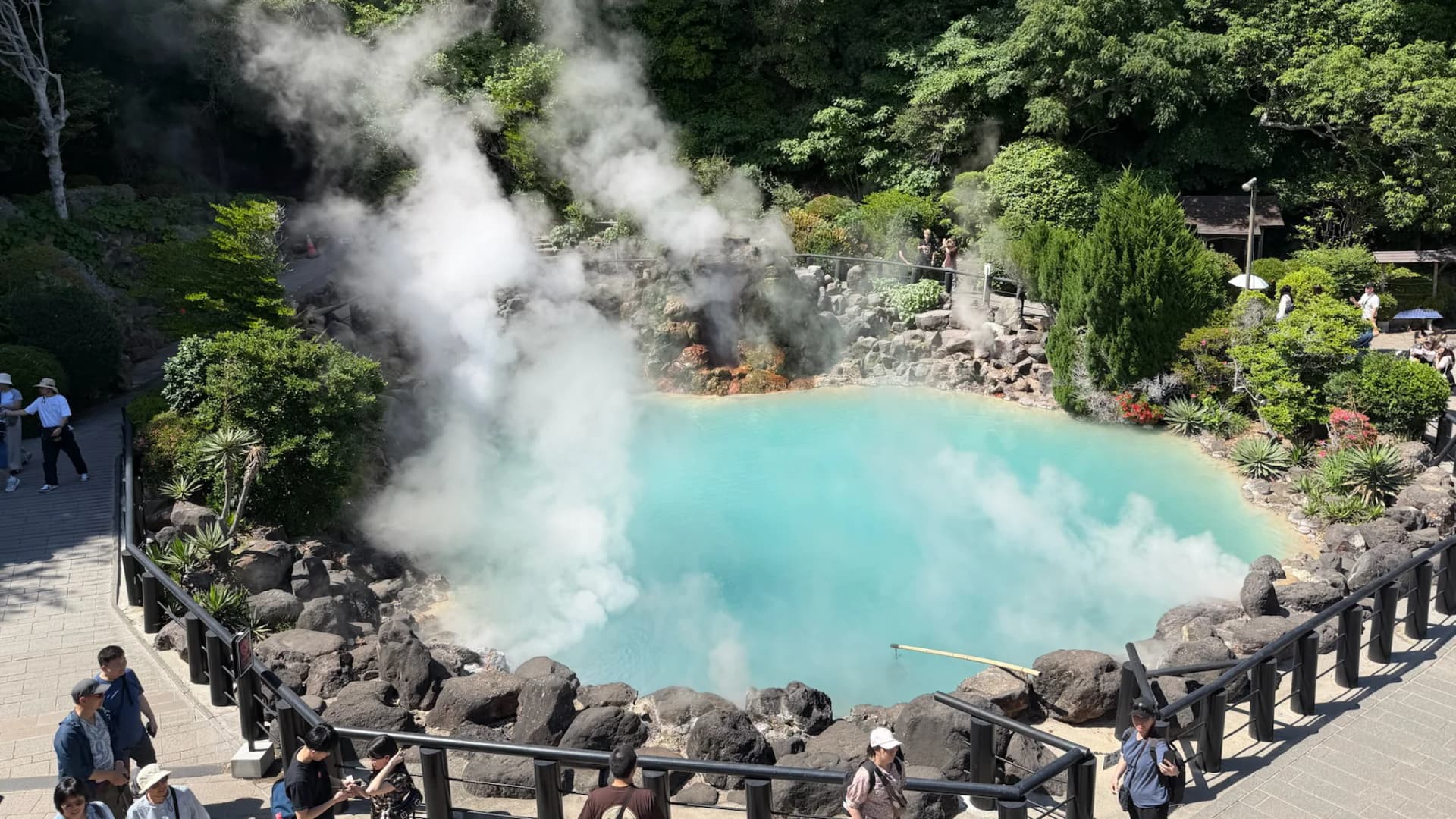
NagasakiSeven vividly coloured hot springs in Beppu – from a cobalt-blue pool to a blood-red pond — too hot to bathe in, but spectacular to see.
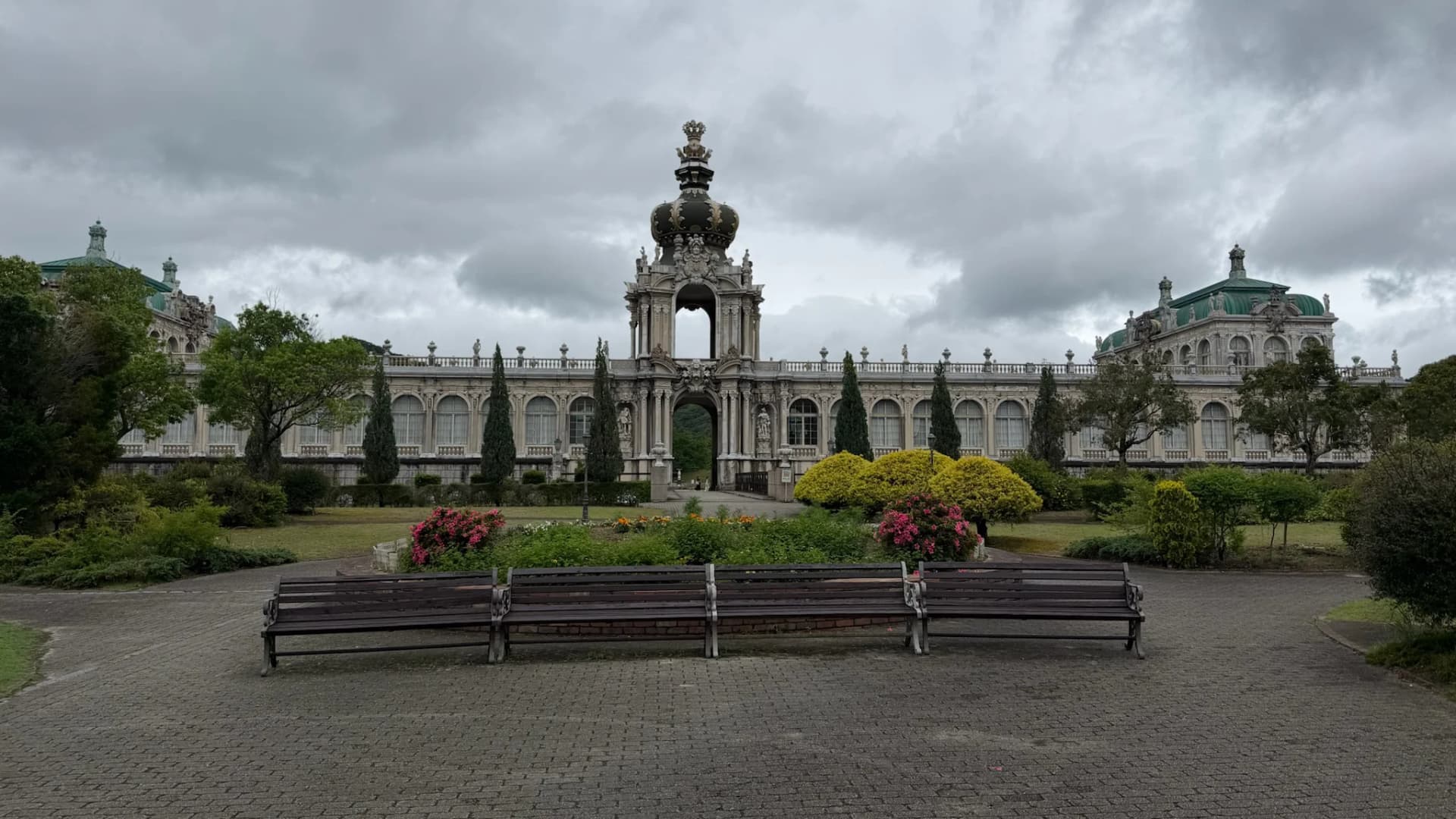
Beppu · OitaA park at Arita in Saga built around a copy of the Zwinger palace of Dresden, marking the porcelain that went from here to Europe.
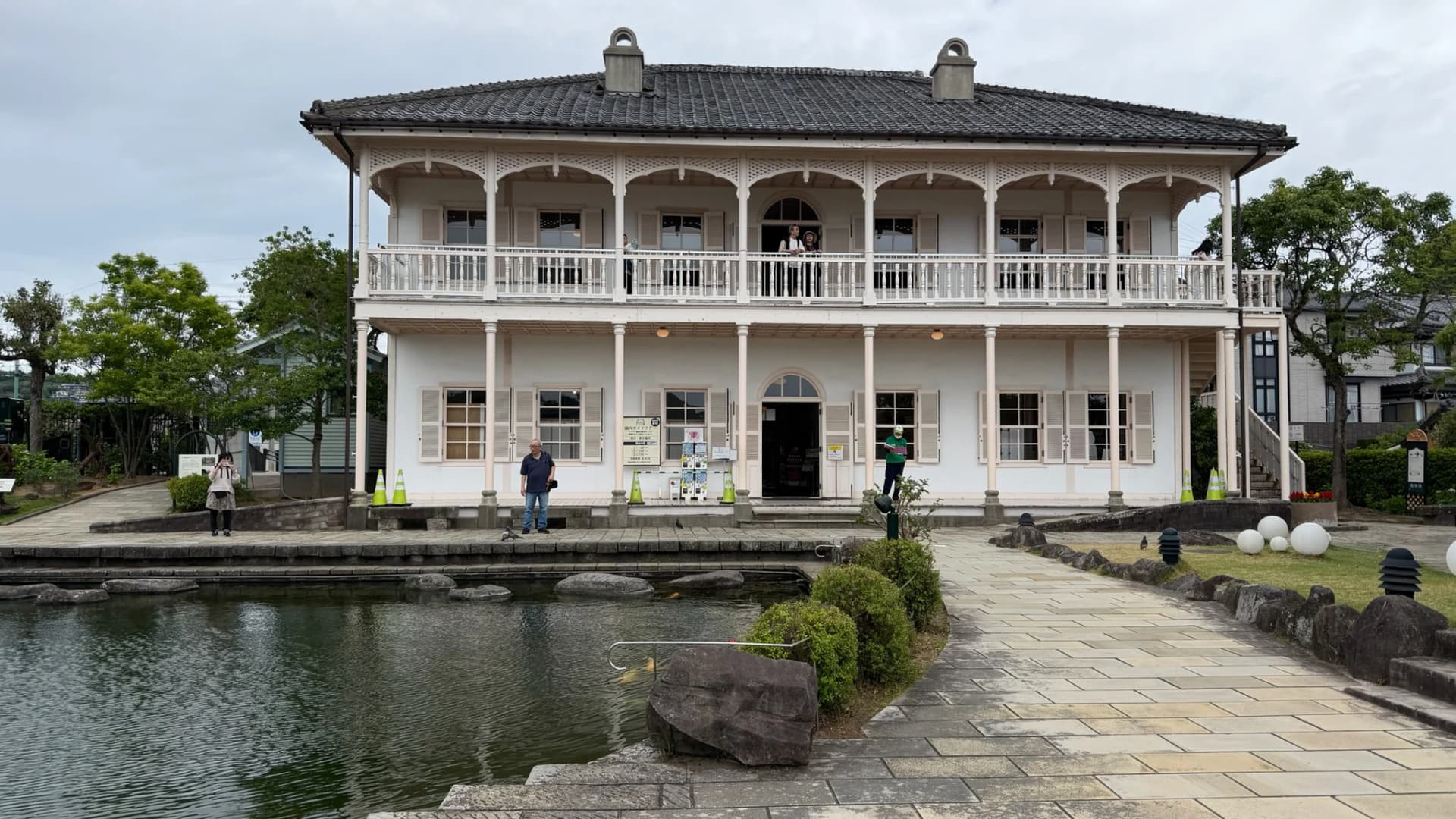
Arita · SagaA hillside park in Nagasaki holding the Western houses of the foreign settlement, among them the oldest wooden Western building in Japan.
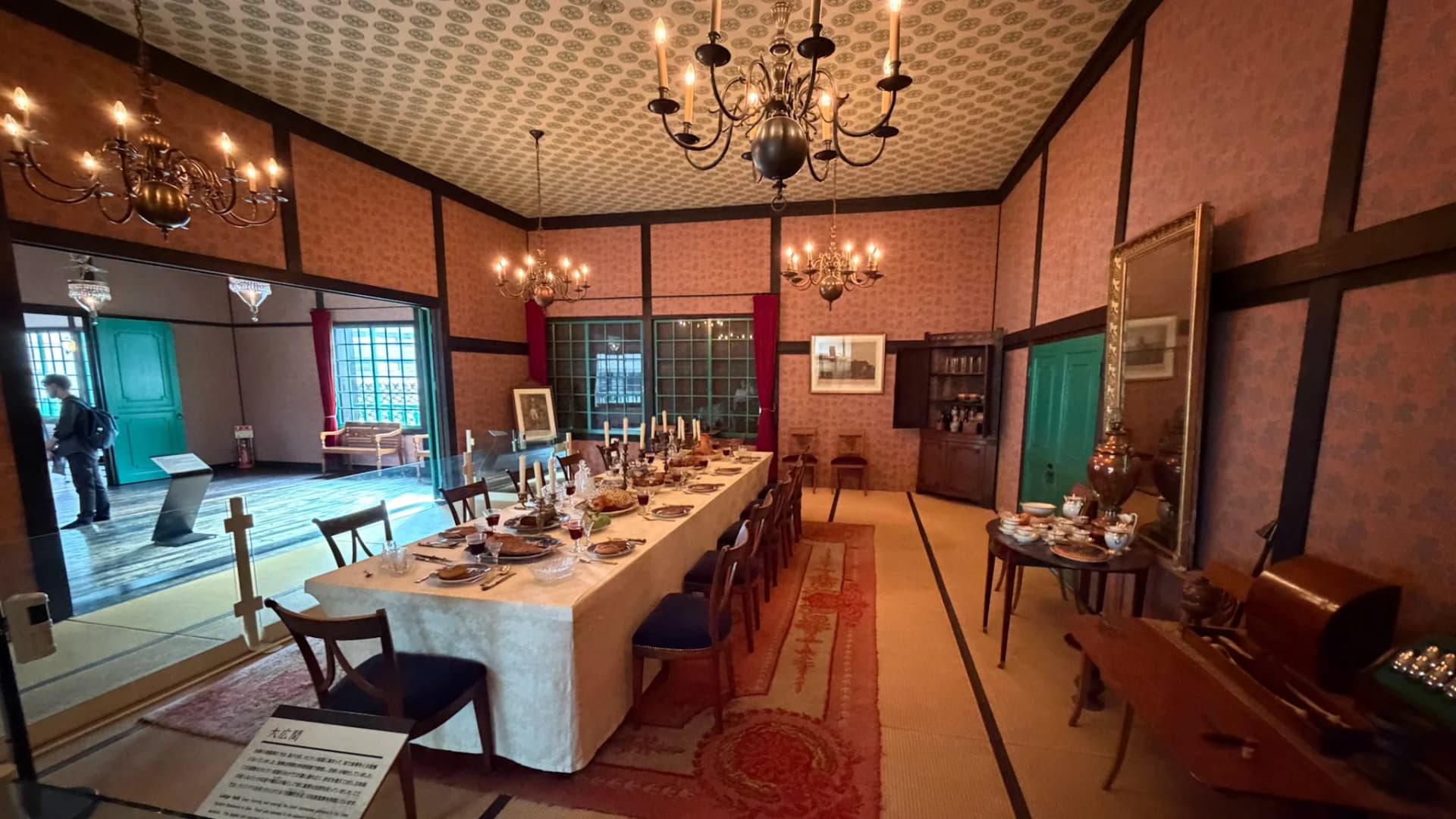
NagasakiThe fan-shaped island in Nagasaki that was Japan's only opening to the West for more than two centuries, now rebuilt street by street.
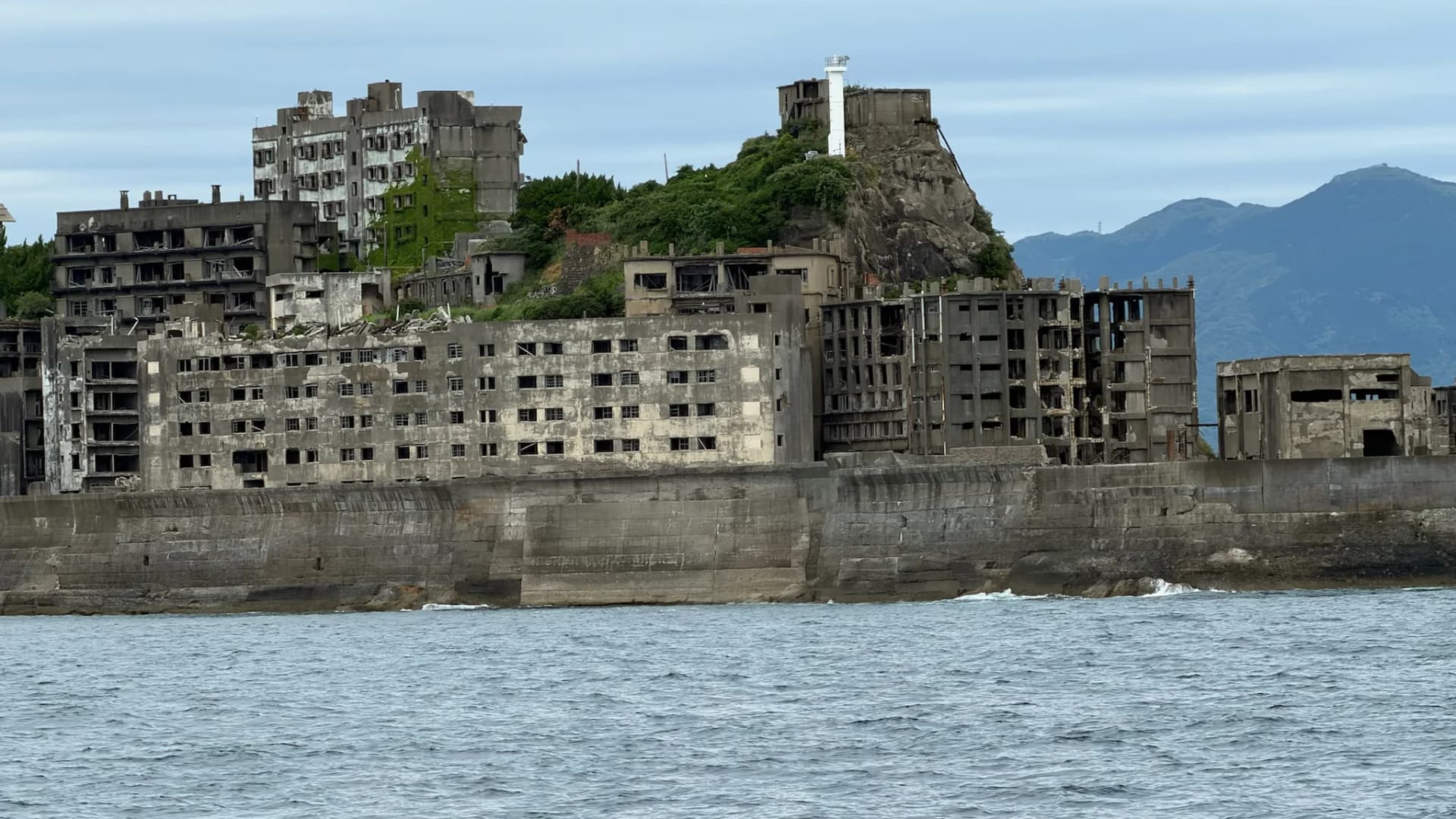
NagasakiAn abandoned coal mining island off Nagasaki, once the most crowded place in Japan, left empty since the mine closed in 1974.
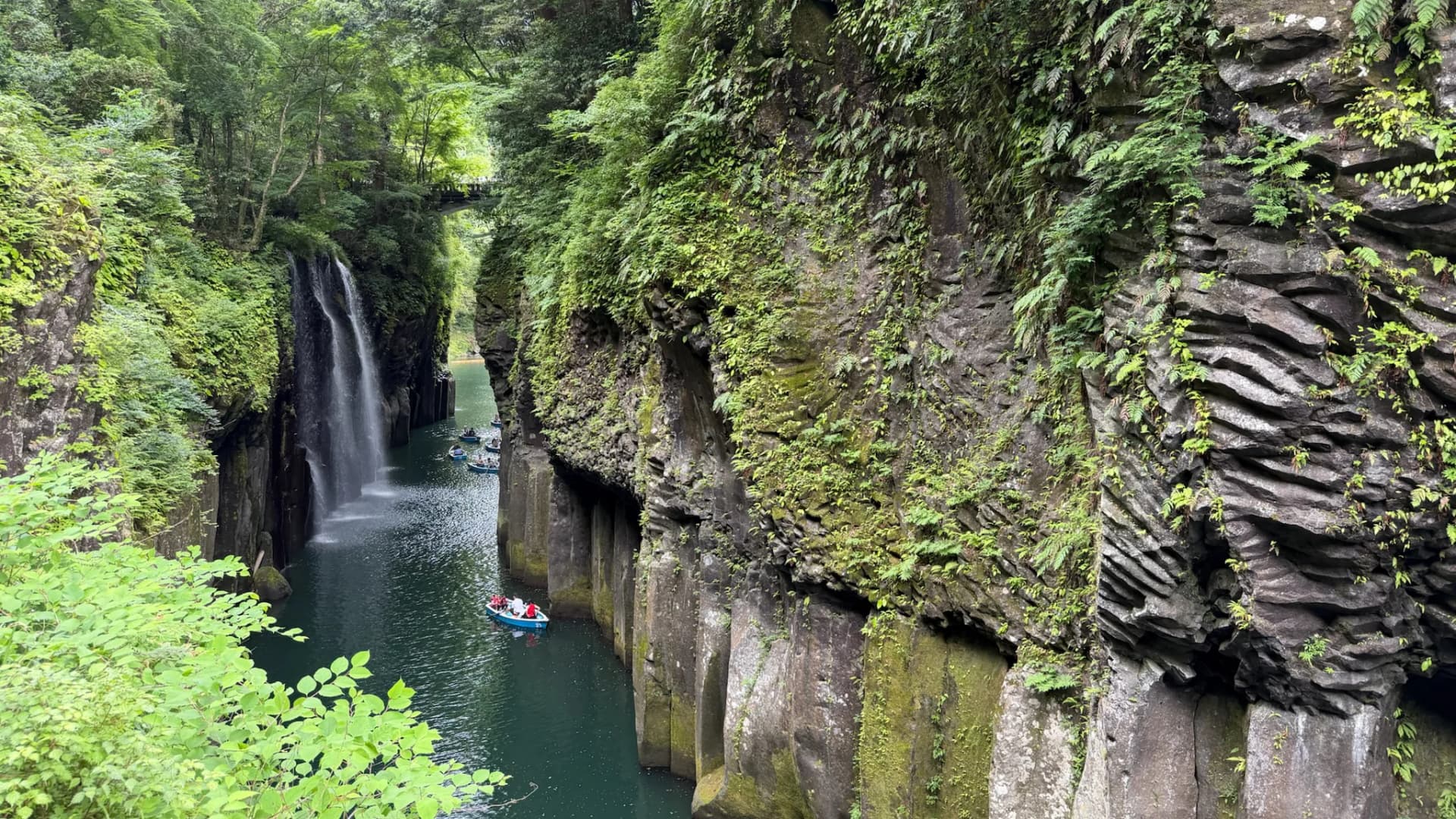
NagasakiA gorge in Miyazaki where cliffs of columnar rock rise from the Gokase River, with a waterfall that can be reached by hired boat.
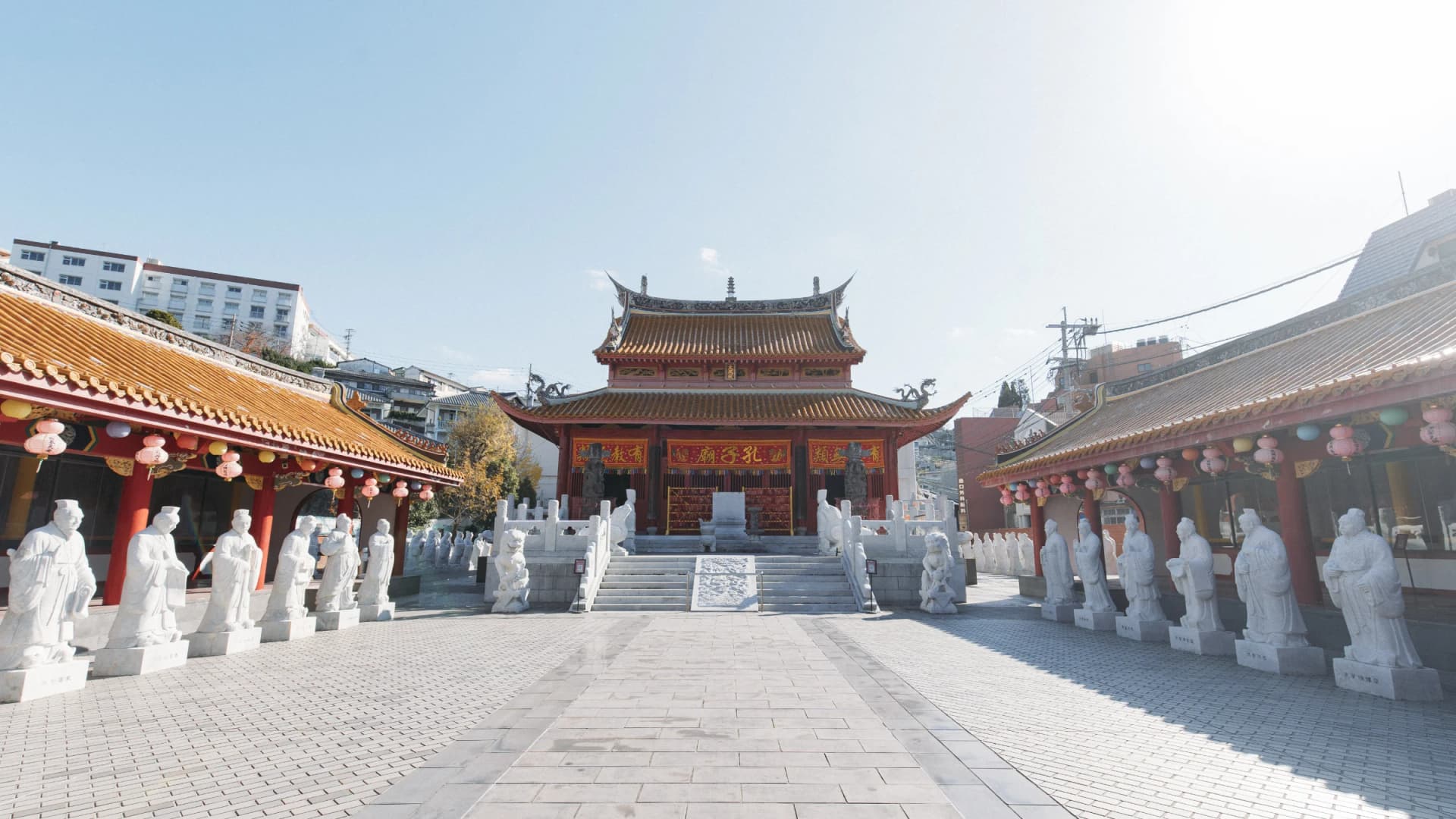
Takachiho · MiyazakiThe only Confucius temple in Japan built in full Chinese style, put up in 1893 by the Qing government and the Chinese community of Nagasaki.
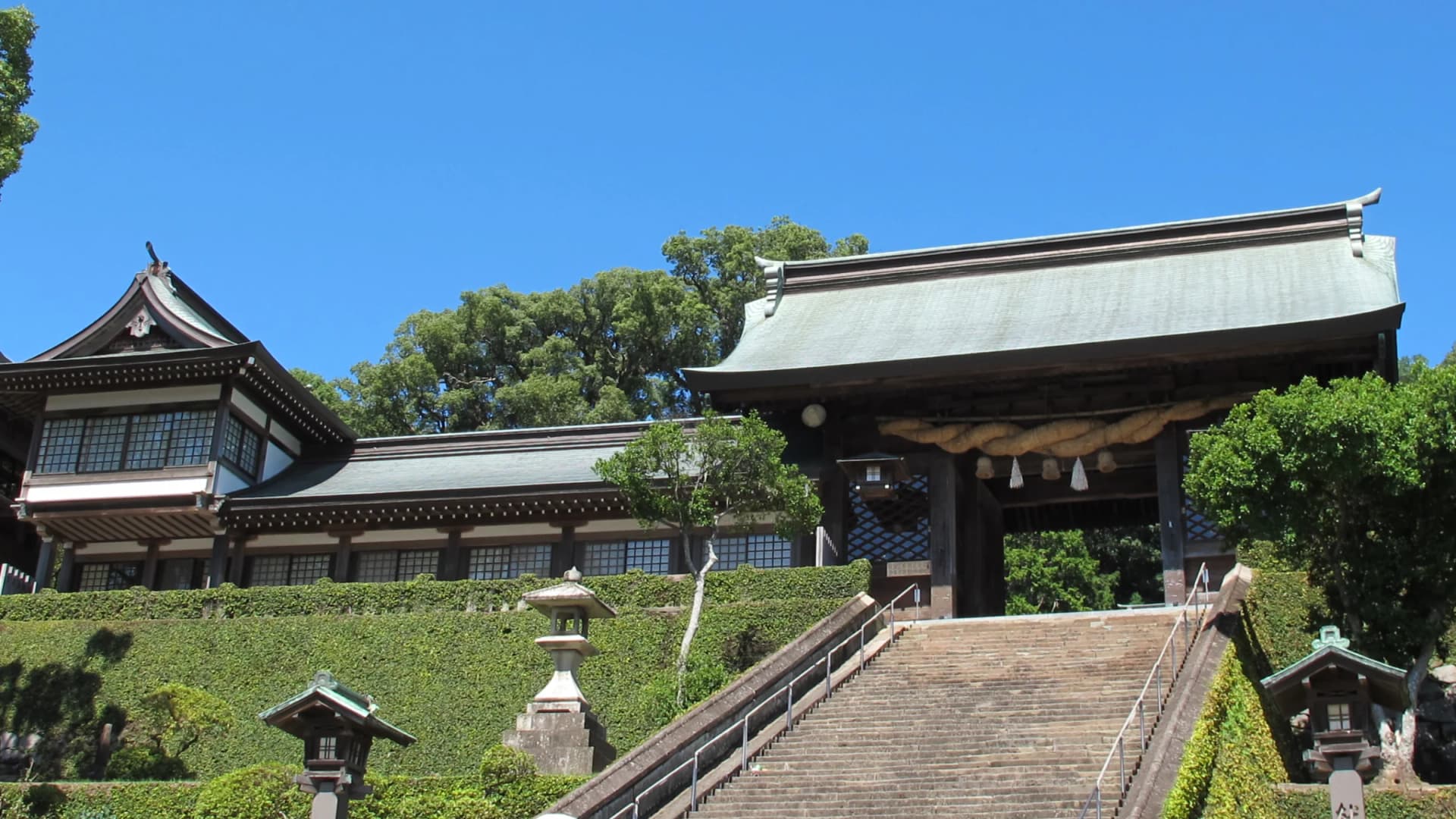
NagasakiThe tutelary shrine of Nagasaki, re-established in 1625 after the city had been church land, and home of the Kunchi festival.
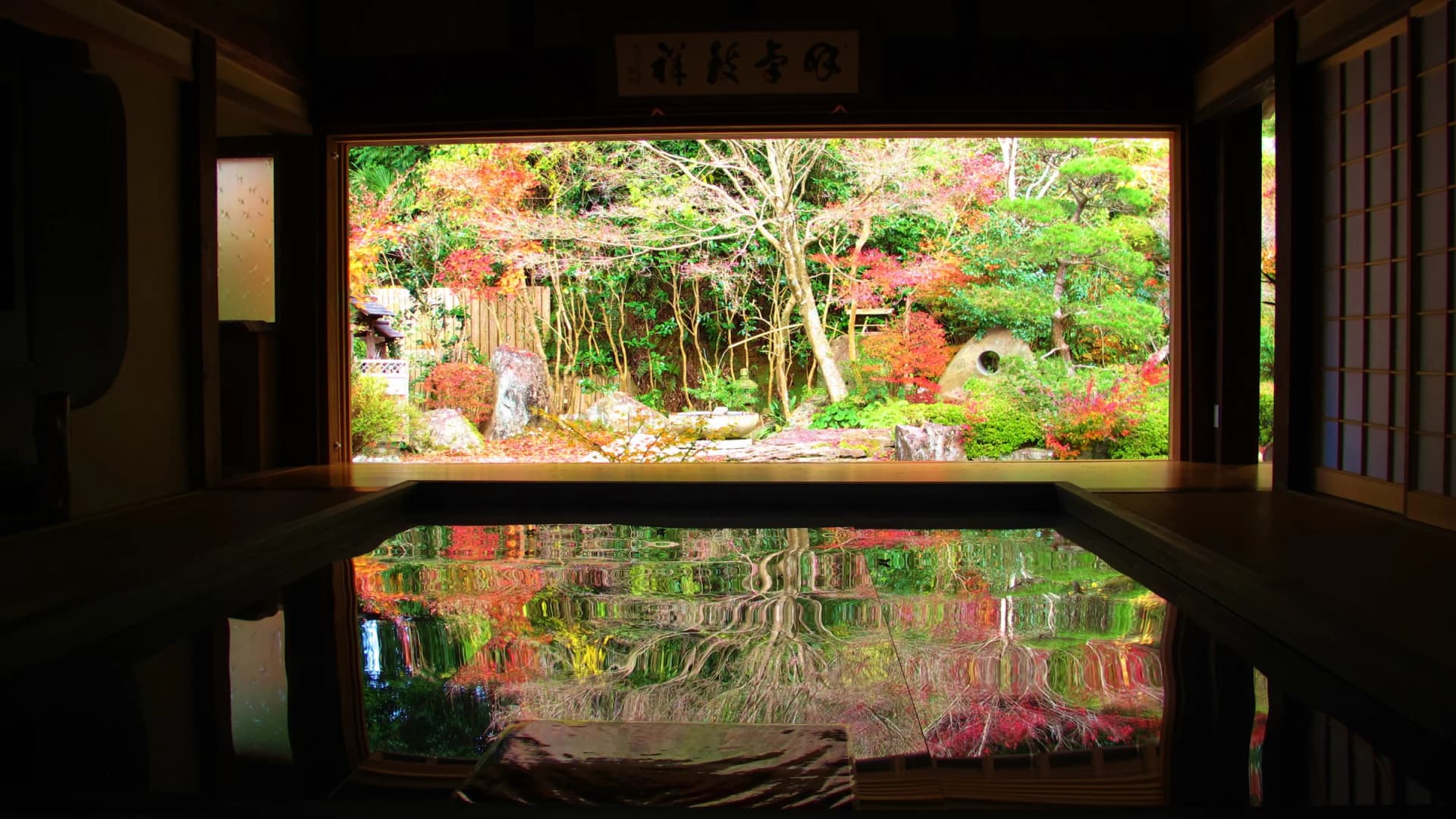
NagasakiA temple at Emukae in Sasebo where the maples of the garden are shown upside down, reflected in a panel set into the floor of the hall.
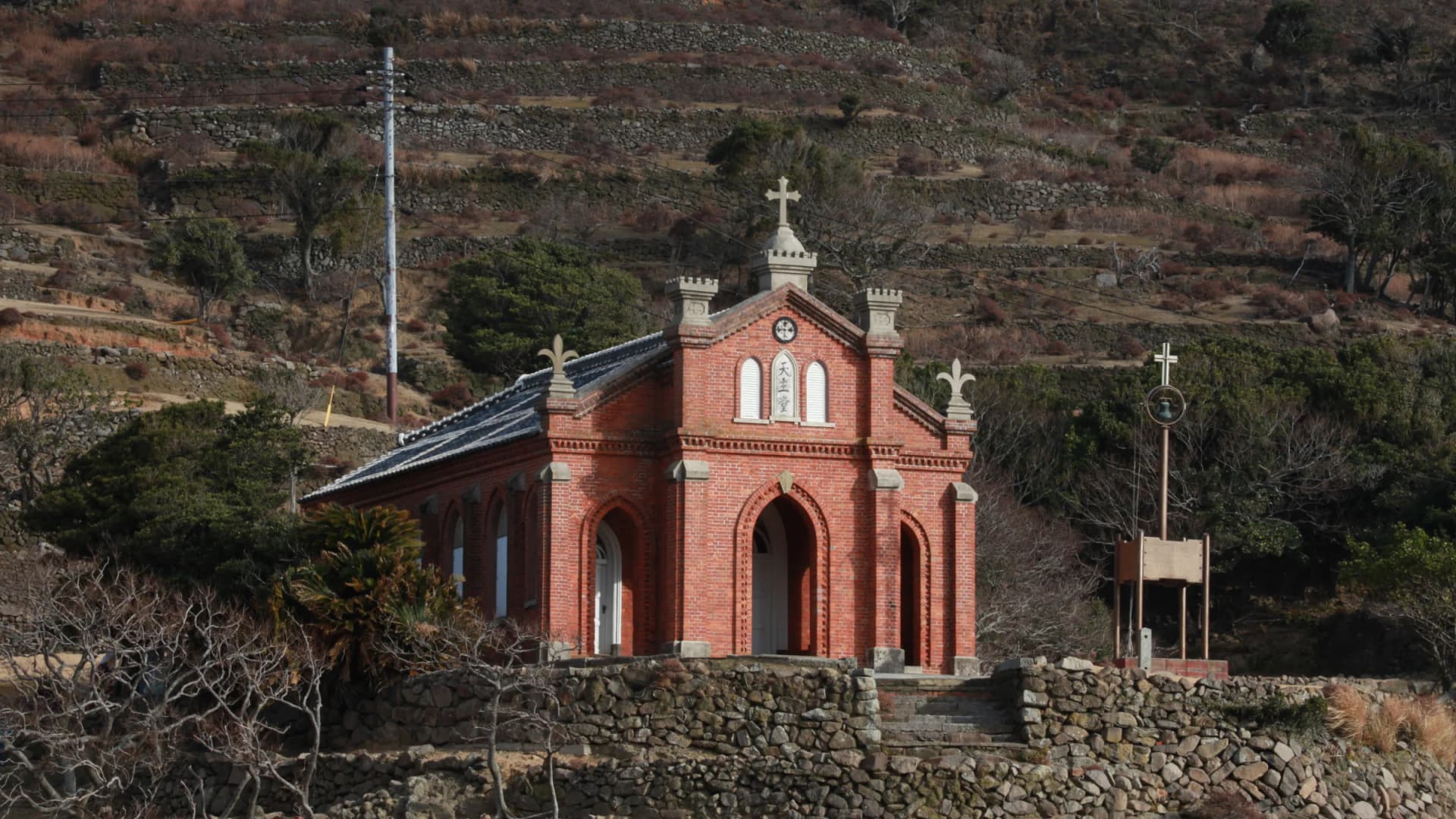
Sasebo · NagasakiA brick church of 1908 on an island in Nagasaki that now has no inhabitants, built by seventeen households of former hidden Christians.
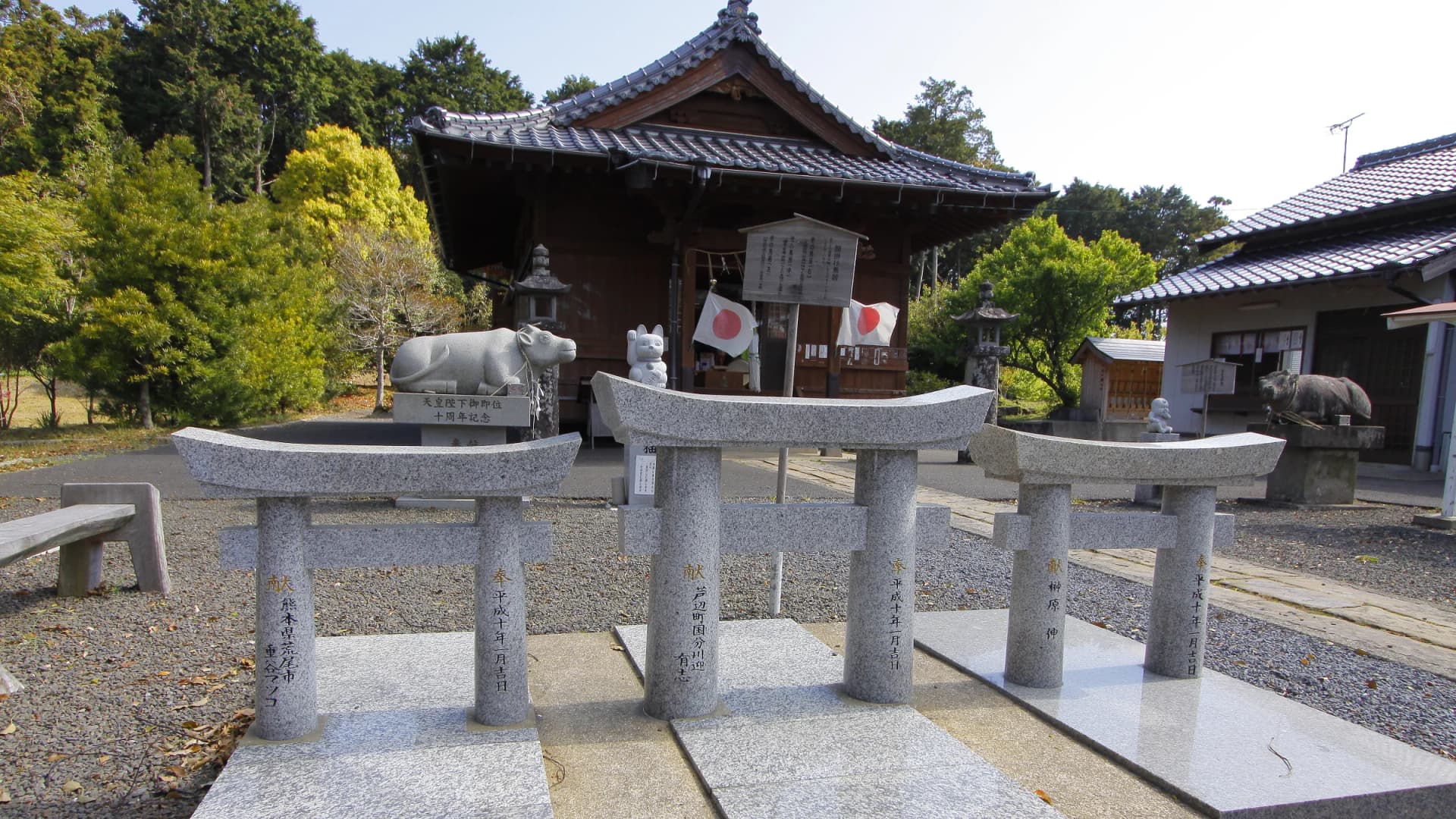
Ojika · NagasakiA shrine at the centre of the island of Iki, founded in 811, to the small god Sukunahikona and to Sugawara no Michizane.
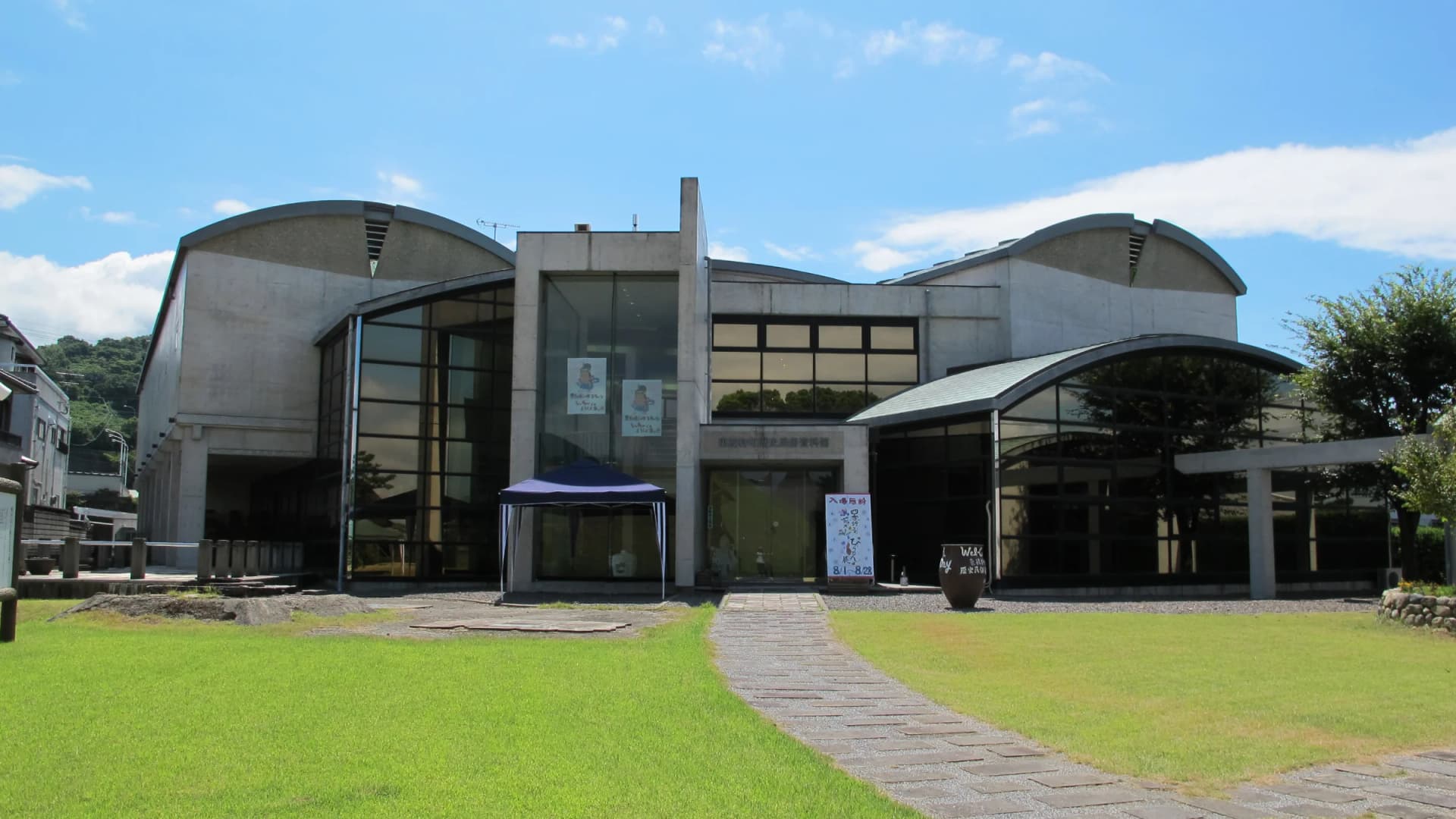
Iki · NagasakiA local museum in a park built around Hisagozuka, one of the largest burial mounds in Nagasaki, covering the area from the stone age to the Edo road.
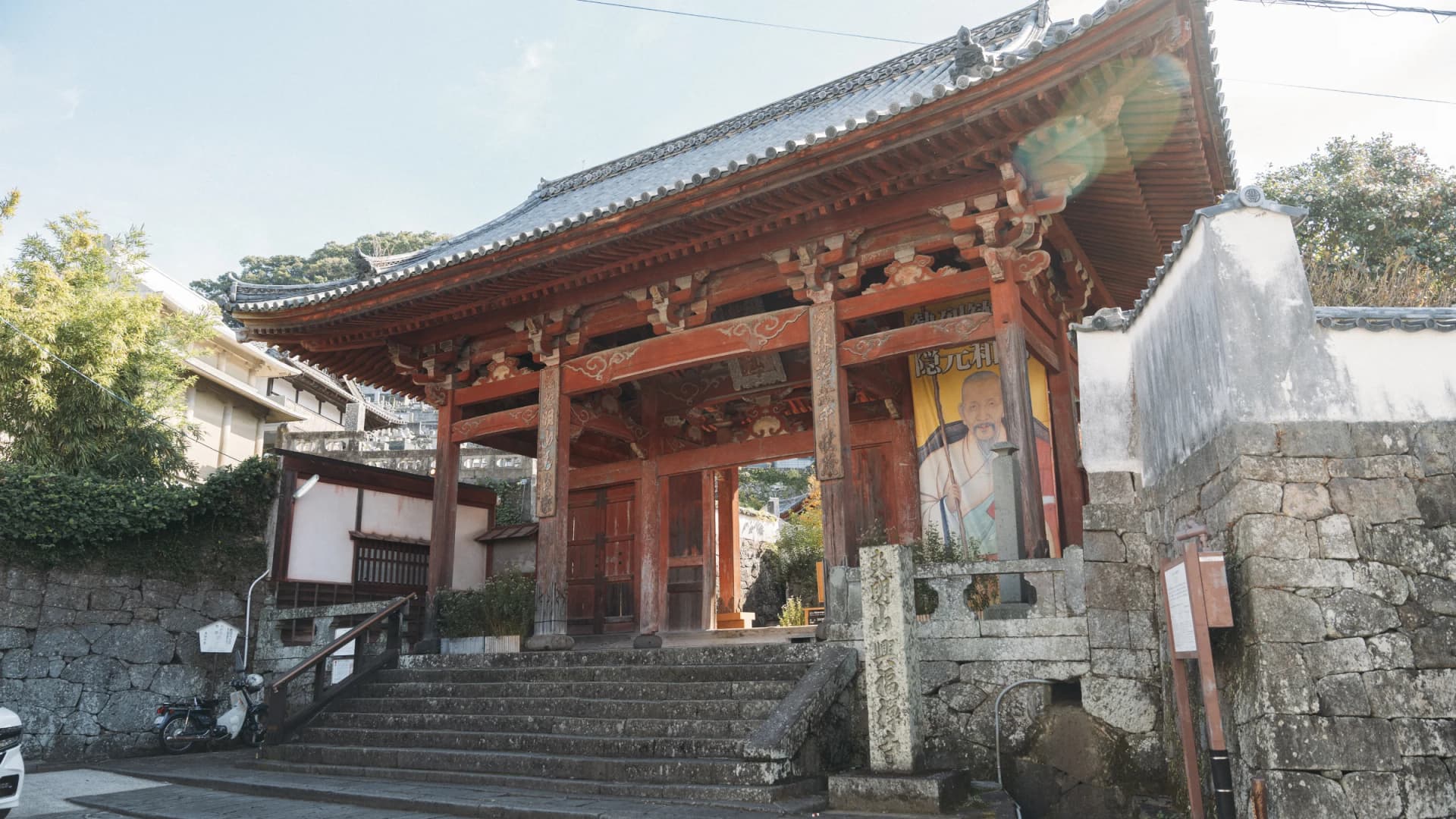
Higashisonogi · NagasakiA Chinese temple in Nagasaki founded in 1629 by merchants from Fujian, with two buildings that are National Treasures.
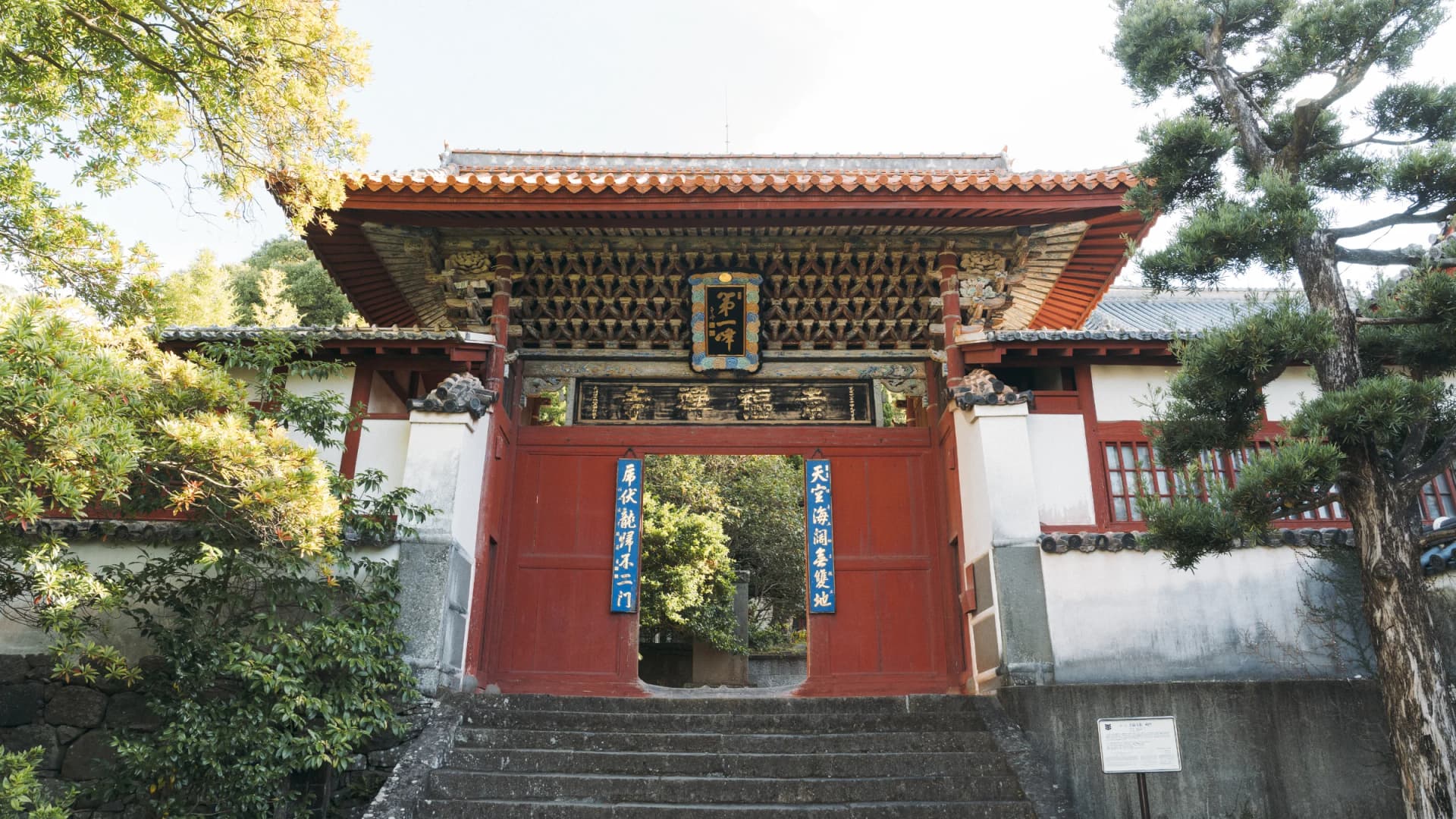
NagasakiThe first Chinese temple built in Nagasaki, founded in 1620, and the place where the Obaku school of Zen began in Japan.
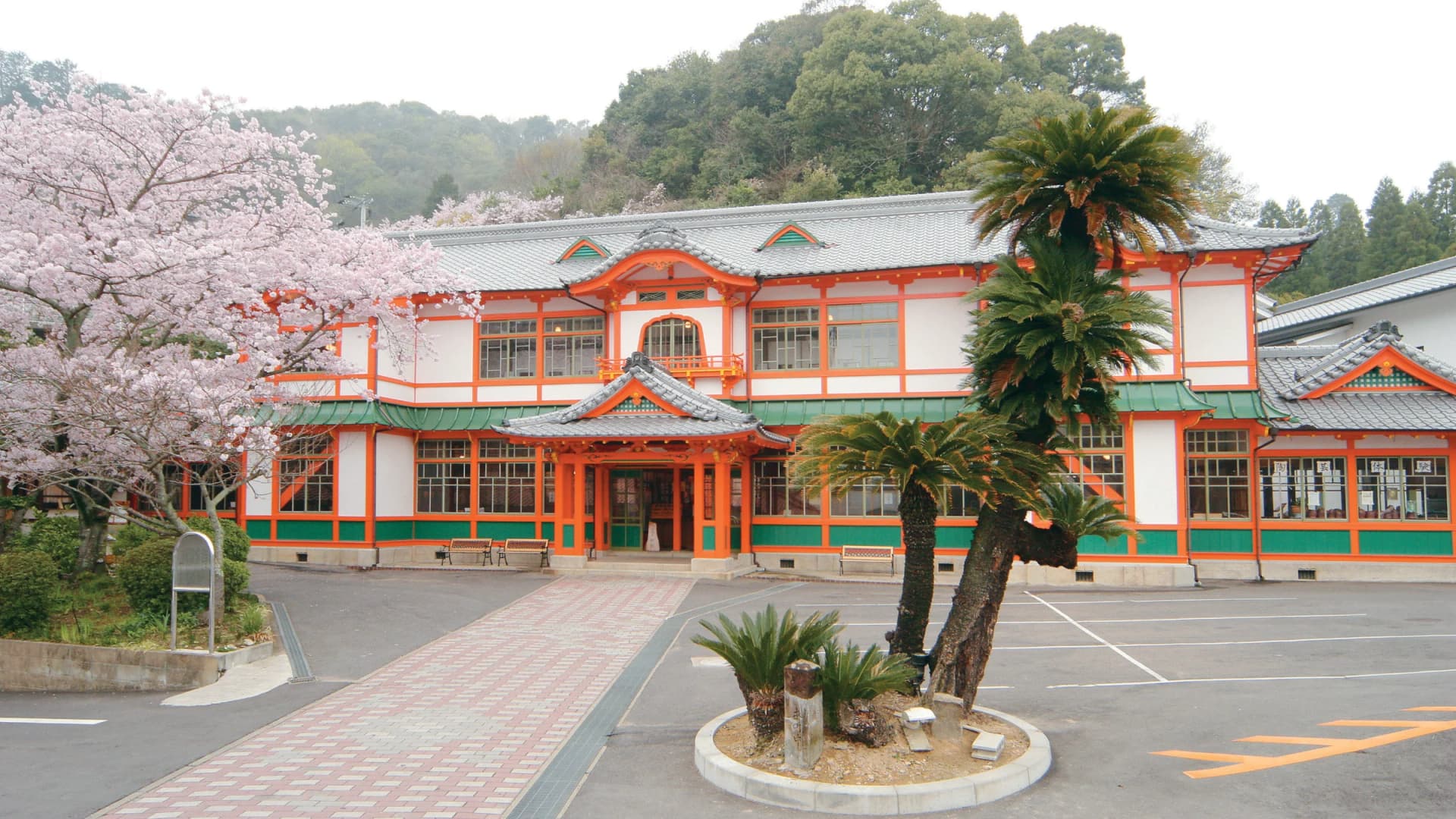
NagasakiA hot spring town in Saga with 1,300 years behind it, a wooden bathhouse of 1876 and a gate that is an Important Cultural Property.
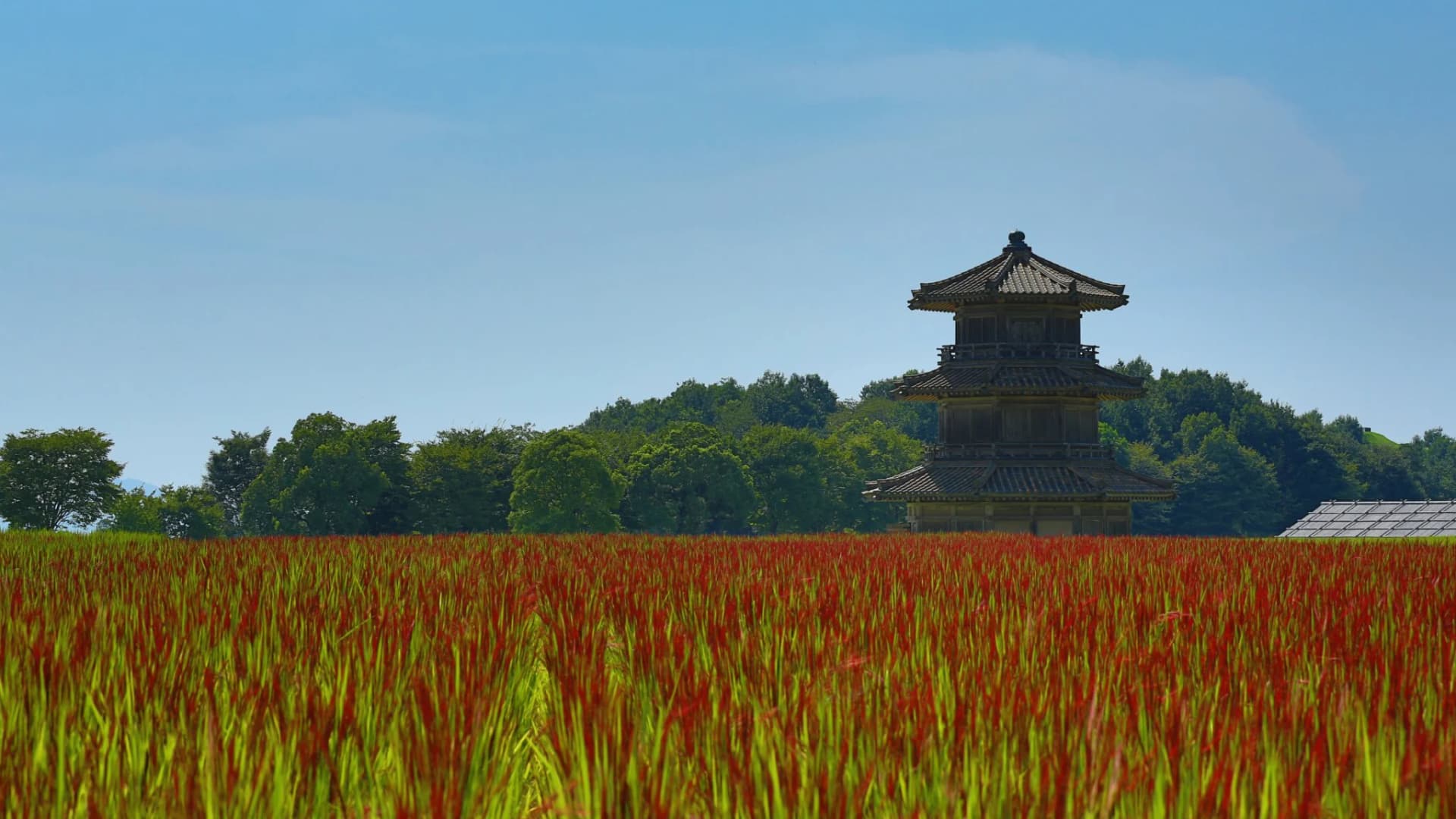
Takeo · SagaThe site of a seventh-century mountain fortress in Kumamoto, built against invasion from the mainland, with four buildings reconstructed.
Yamaga · Kumamoto