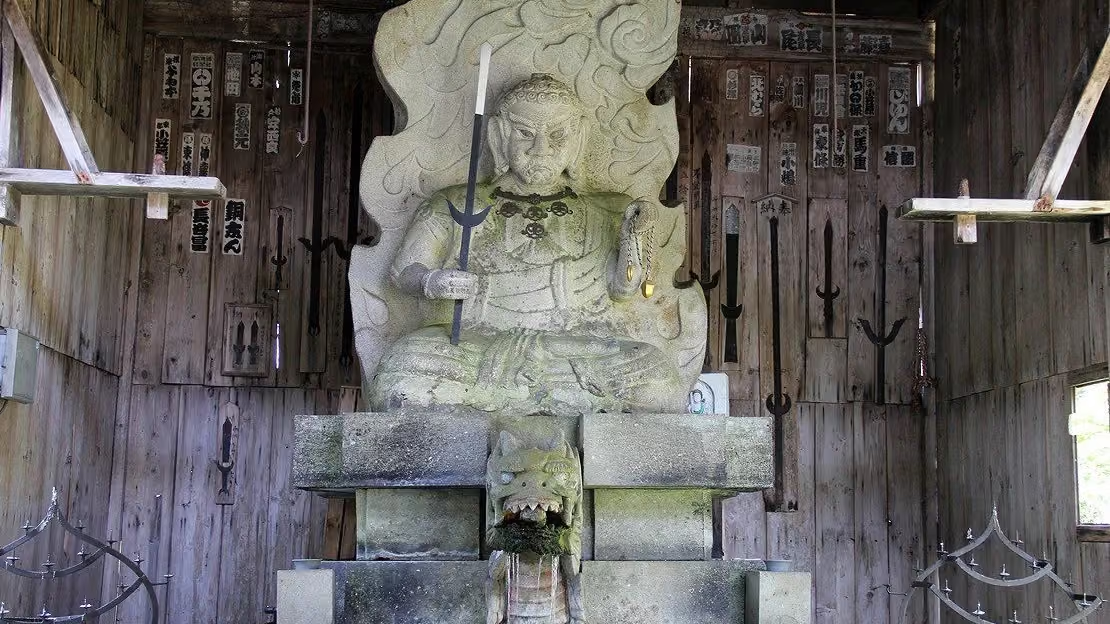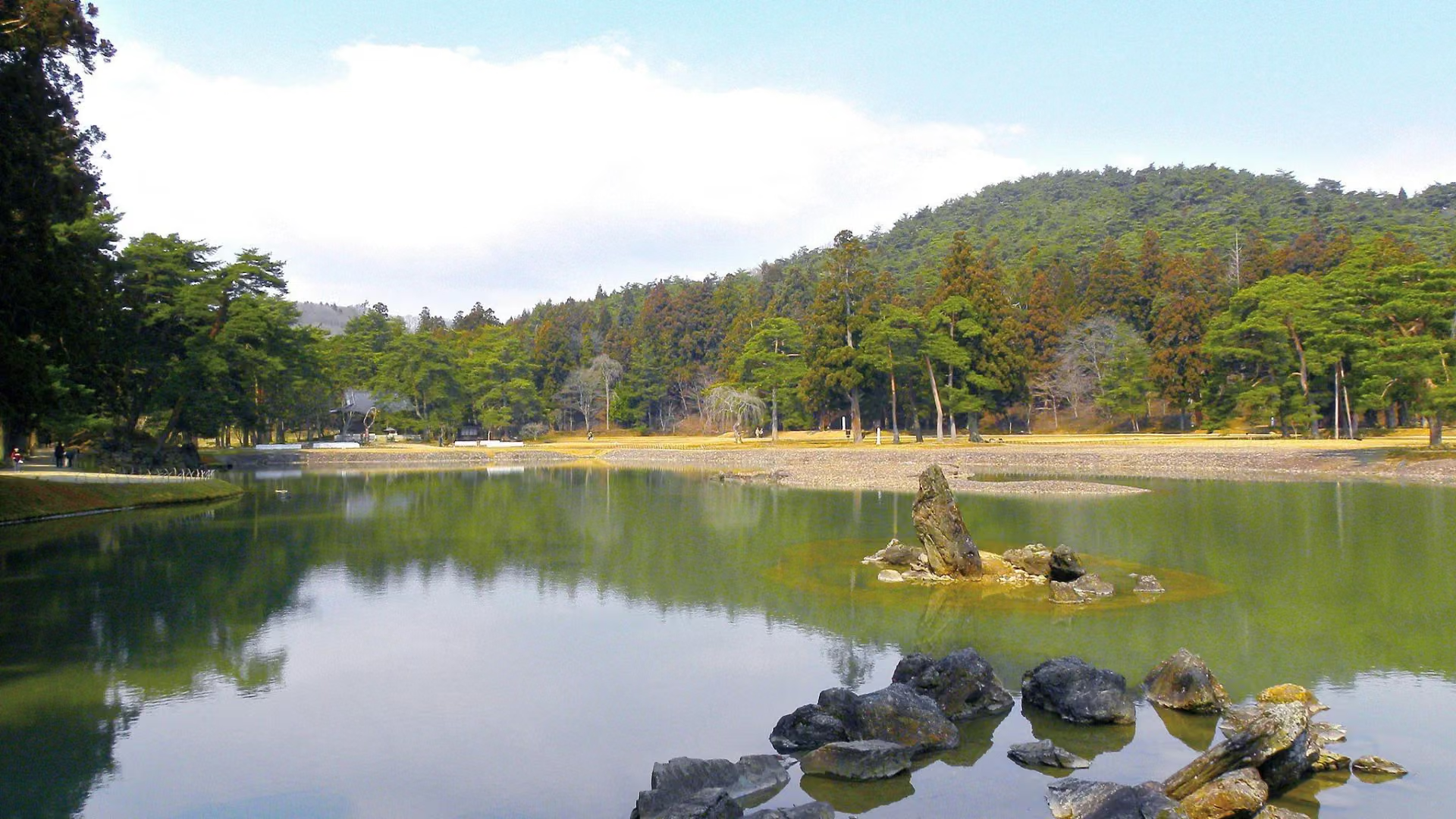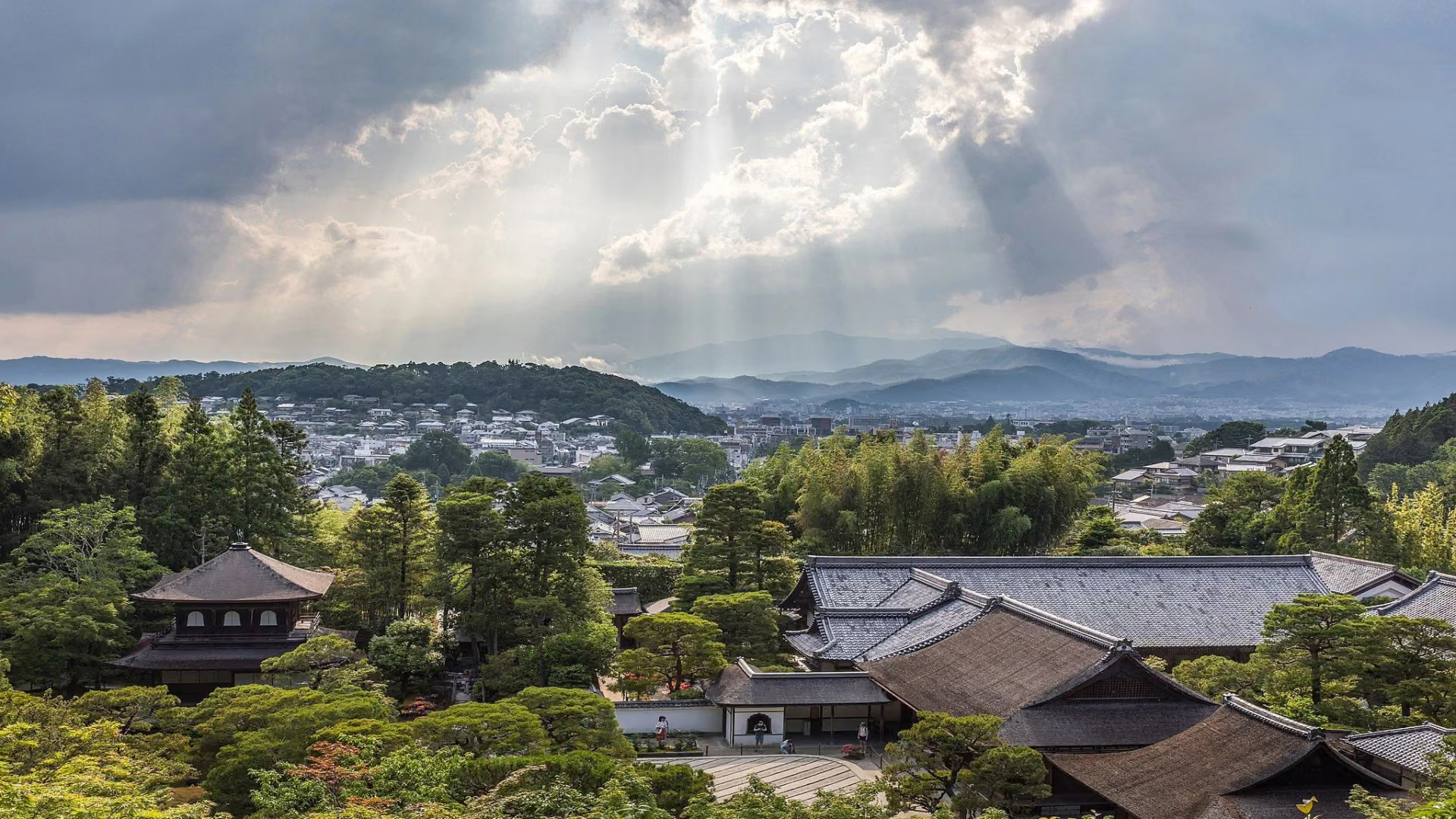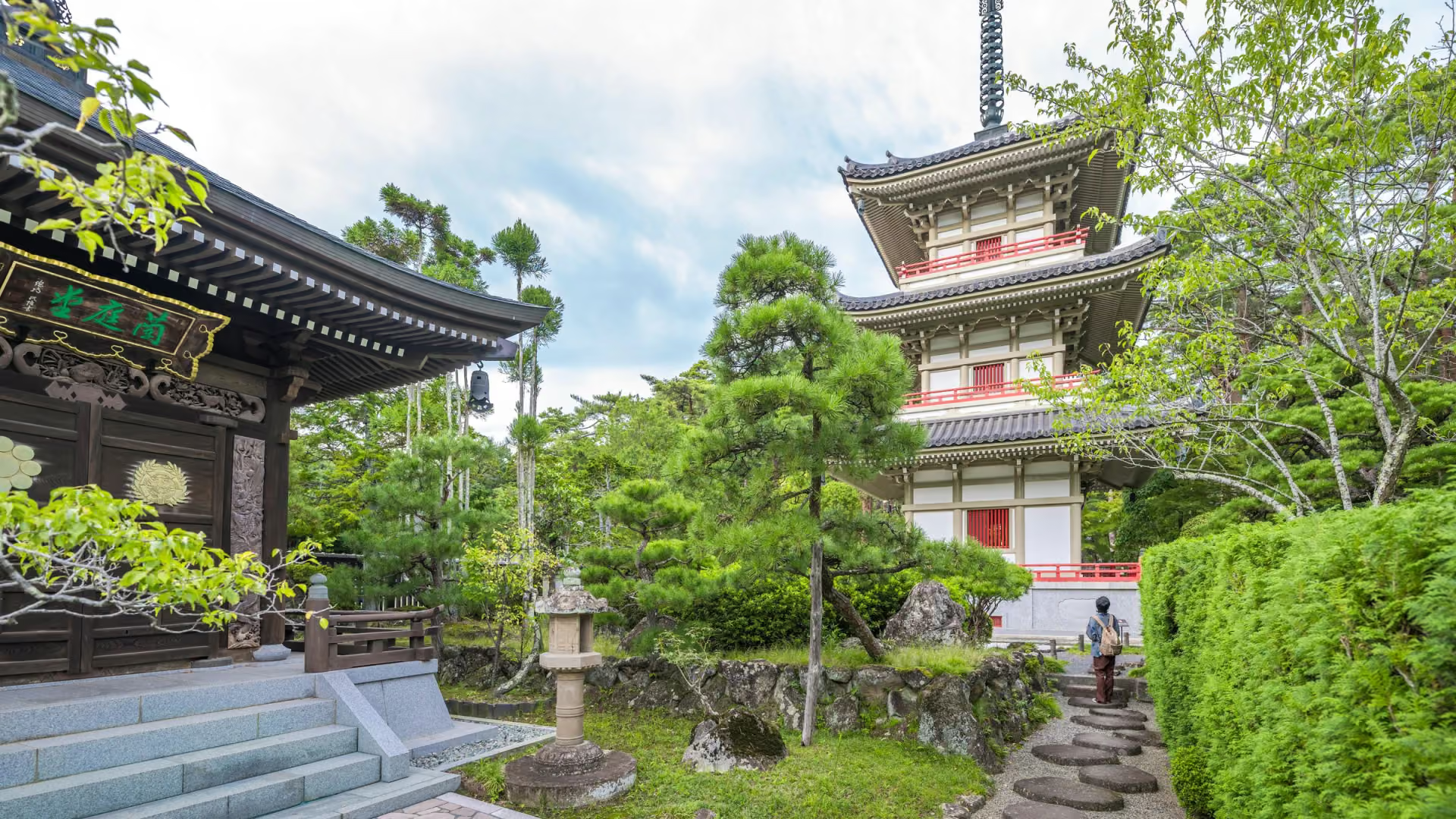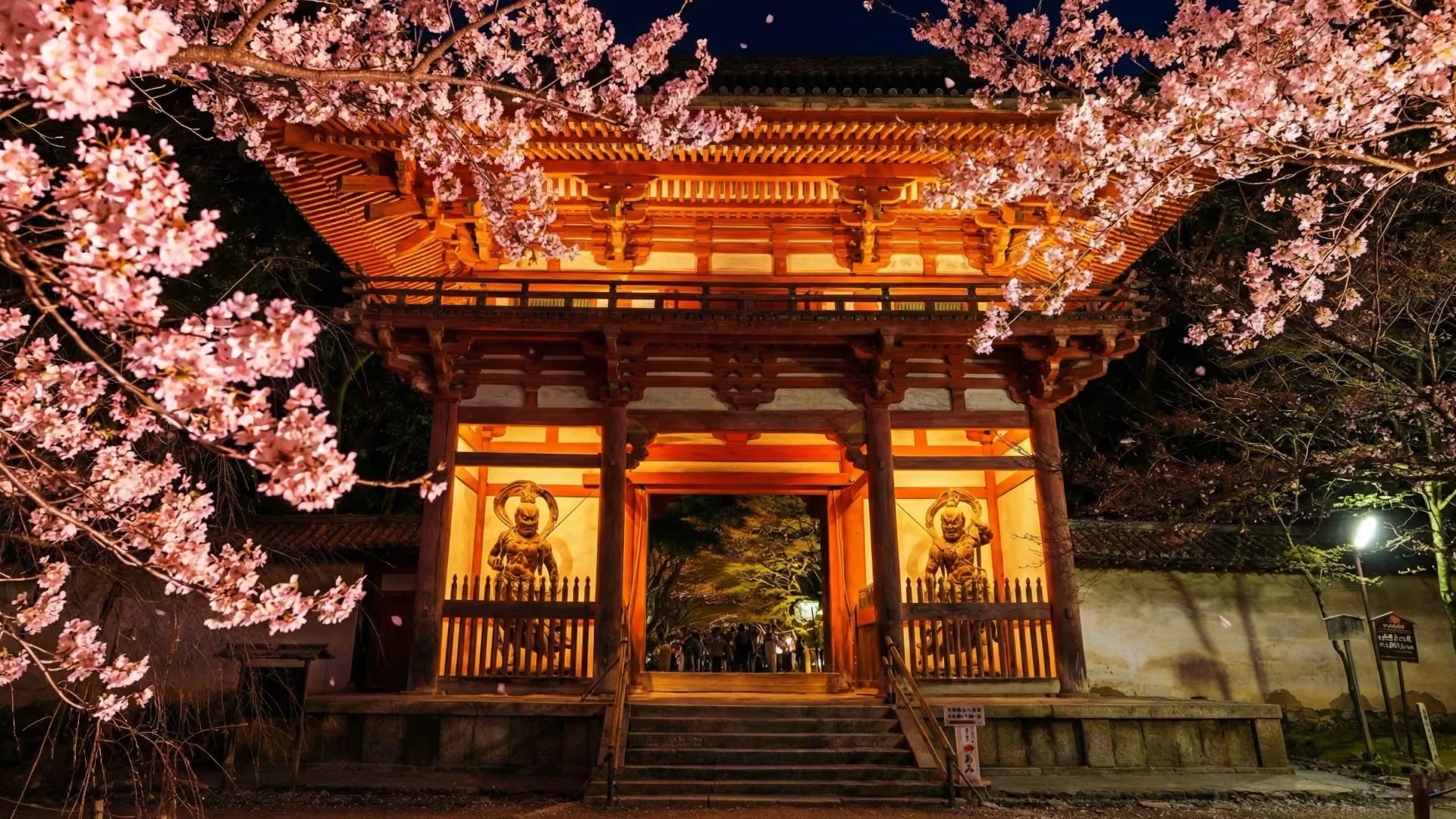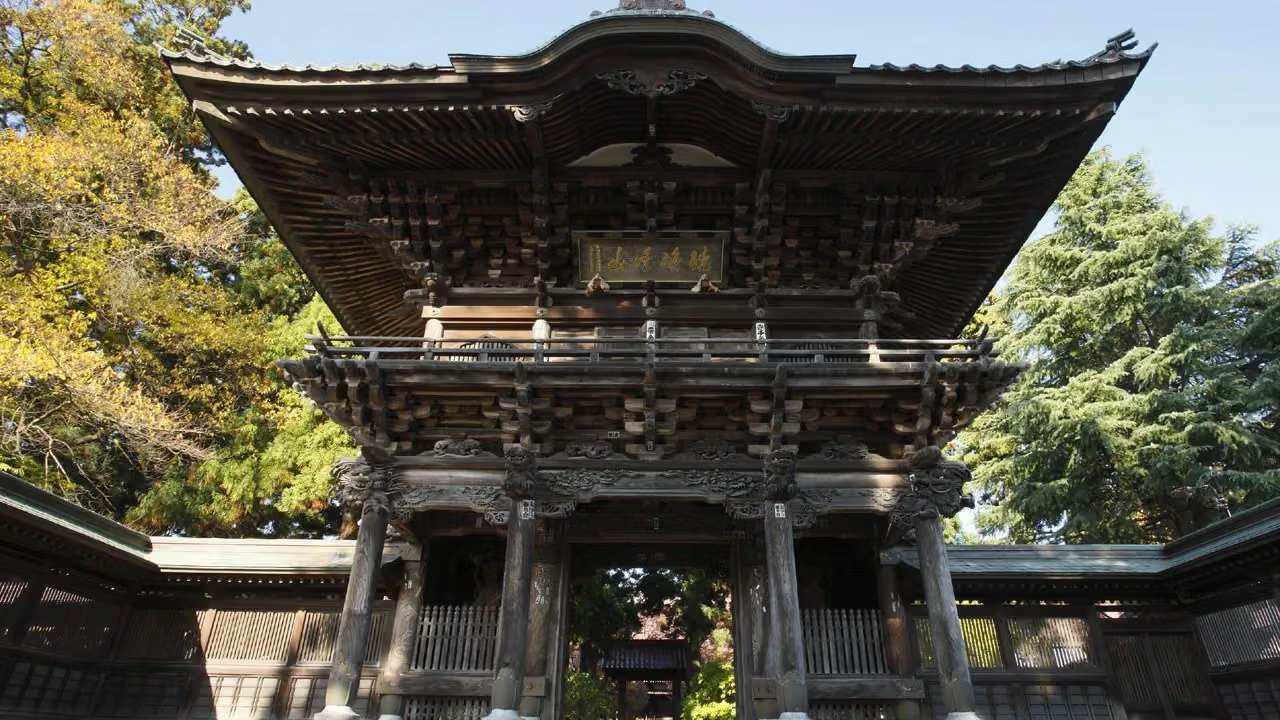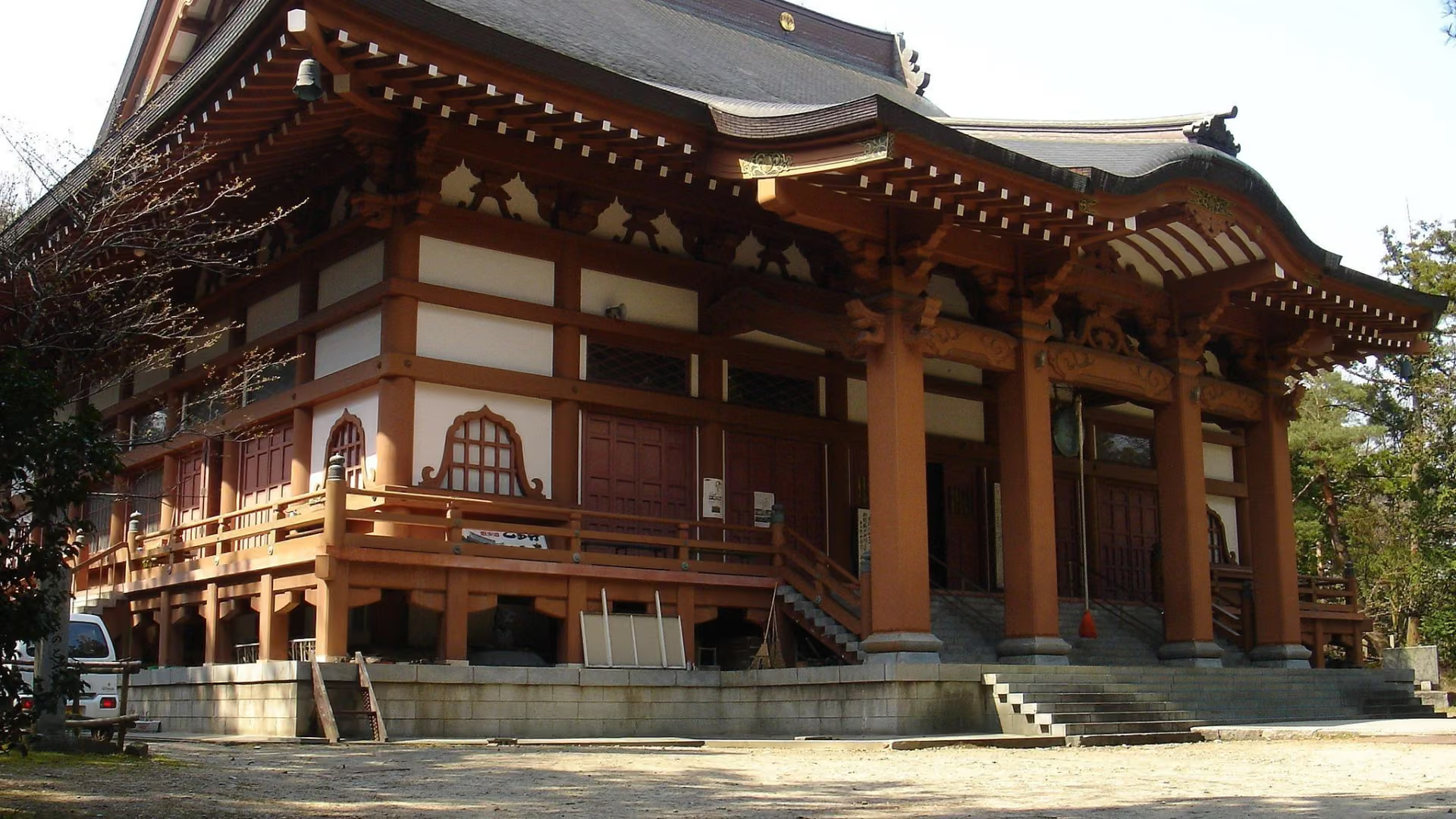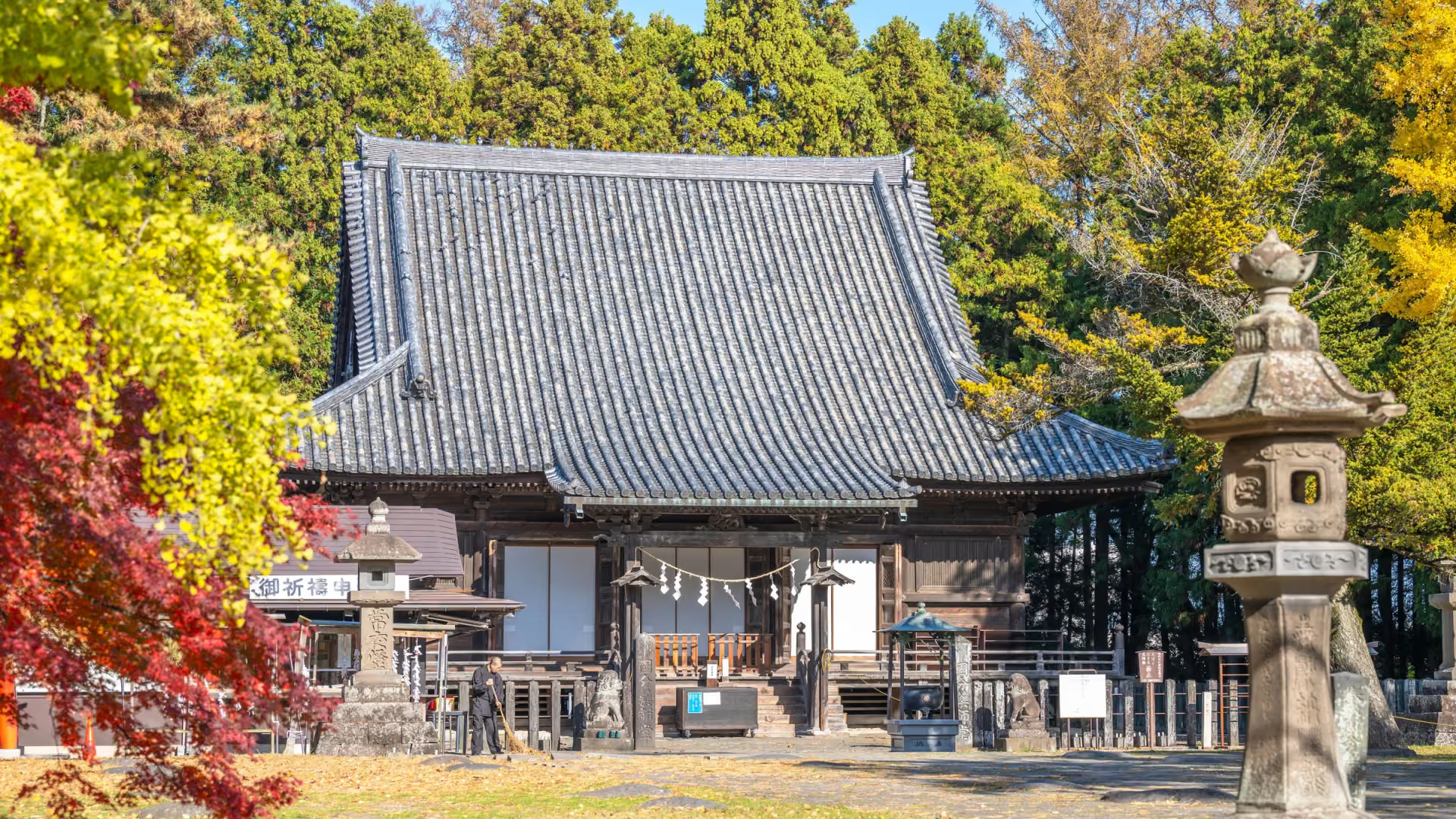
Mutsu Kokubun-ji
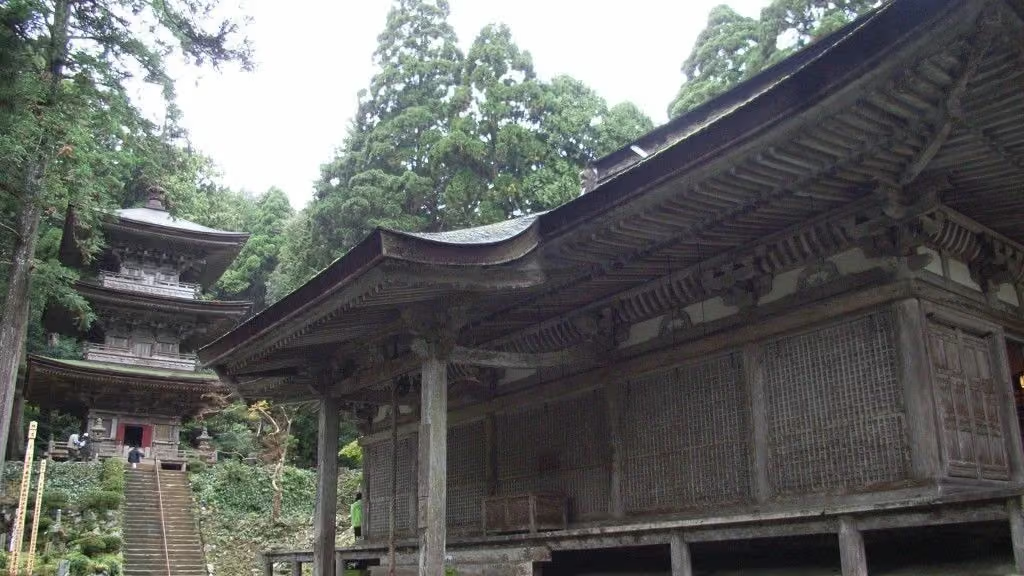
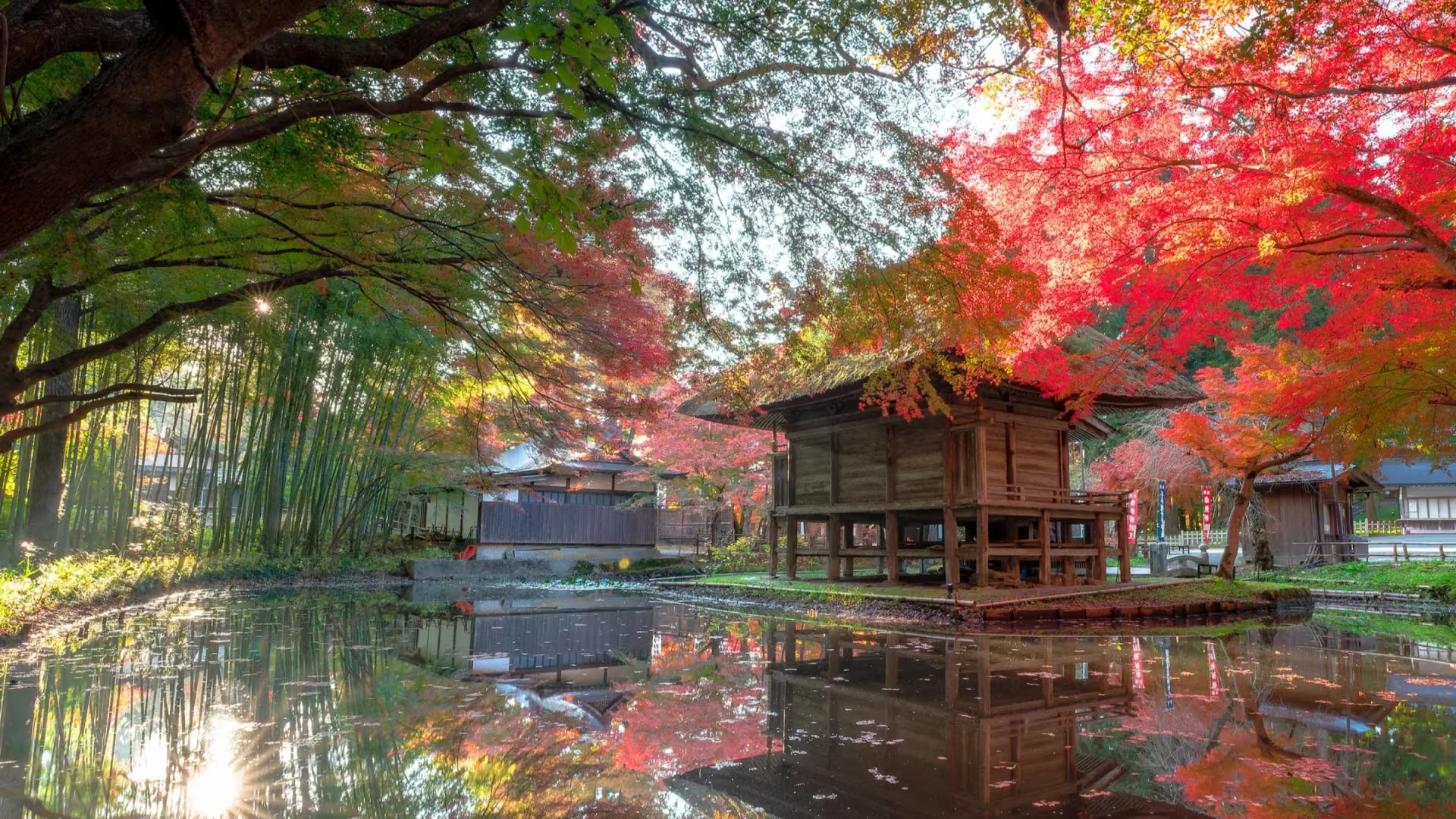
A provincial Buddhist temple founded in 741 as part of an imperial initiative, now housing Edo-period structures and archaeological remains.
Sendai · Miyagi

A provincial Buddhist temple founded in 741 as part of an imperial initiative, now housing Edo-period structures and archaeological remains.
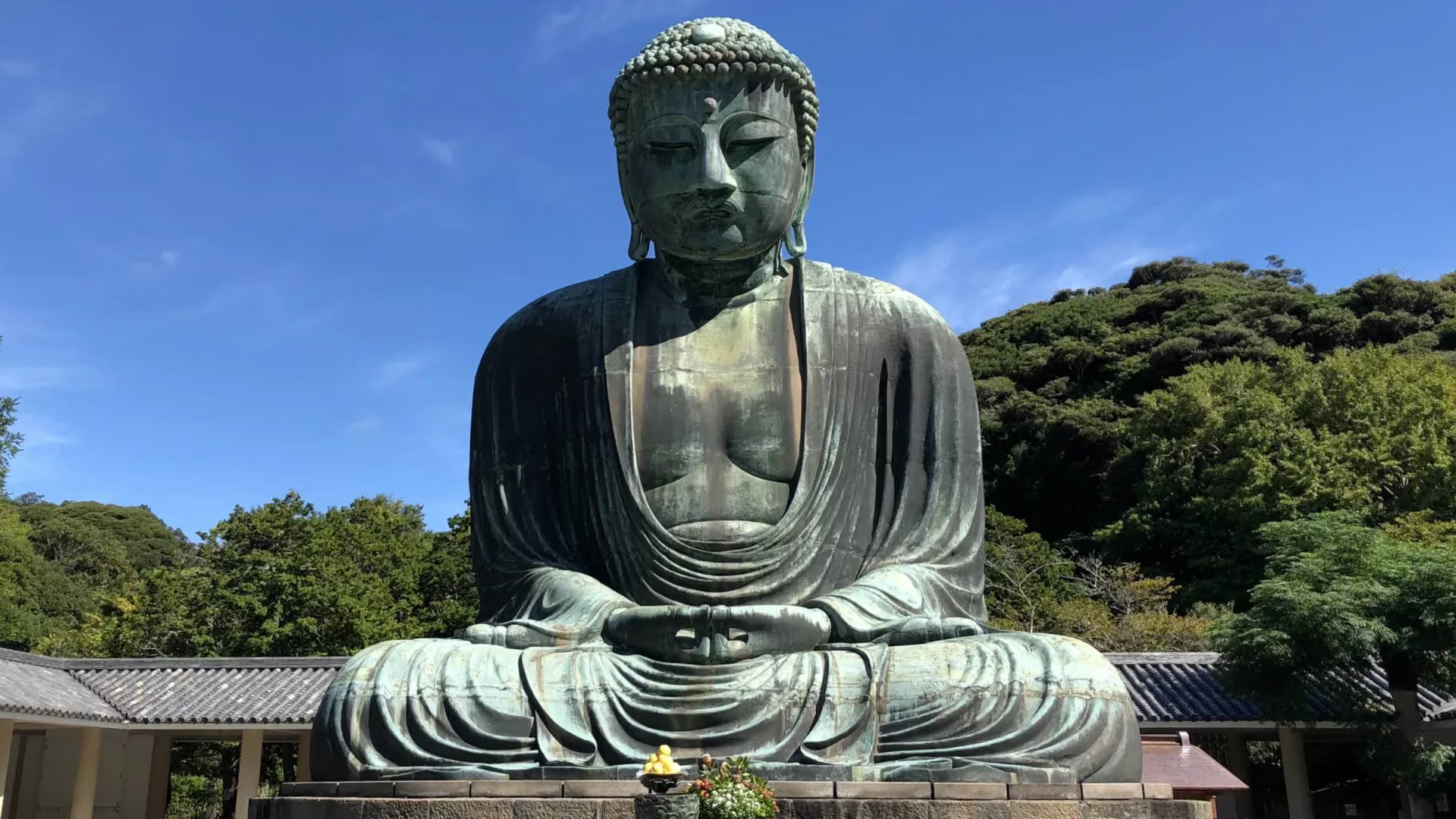
Sendai · MiyagiA Buddhist temple in Kamakura housing the Great Buddha, a monumental copper statue of Amida Buddha cast in the 13th century.
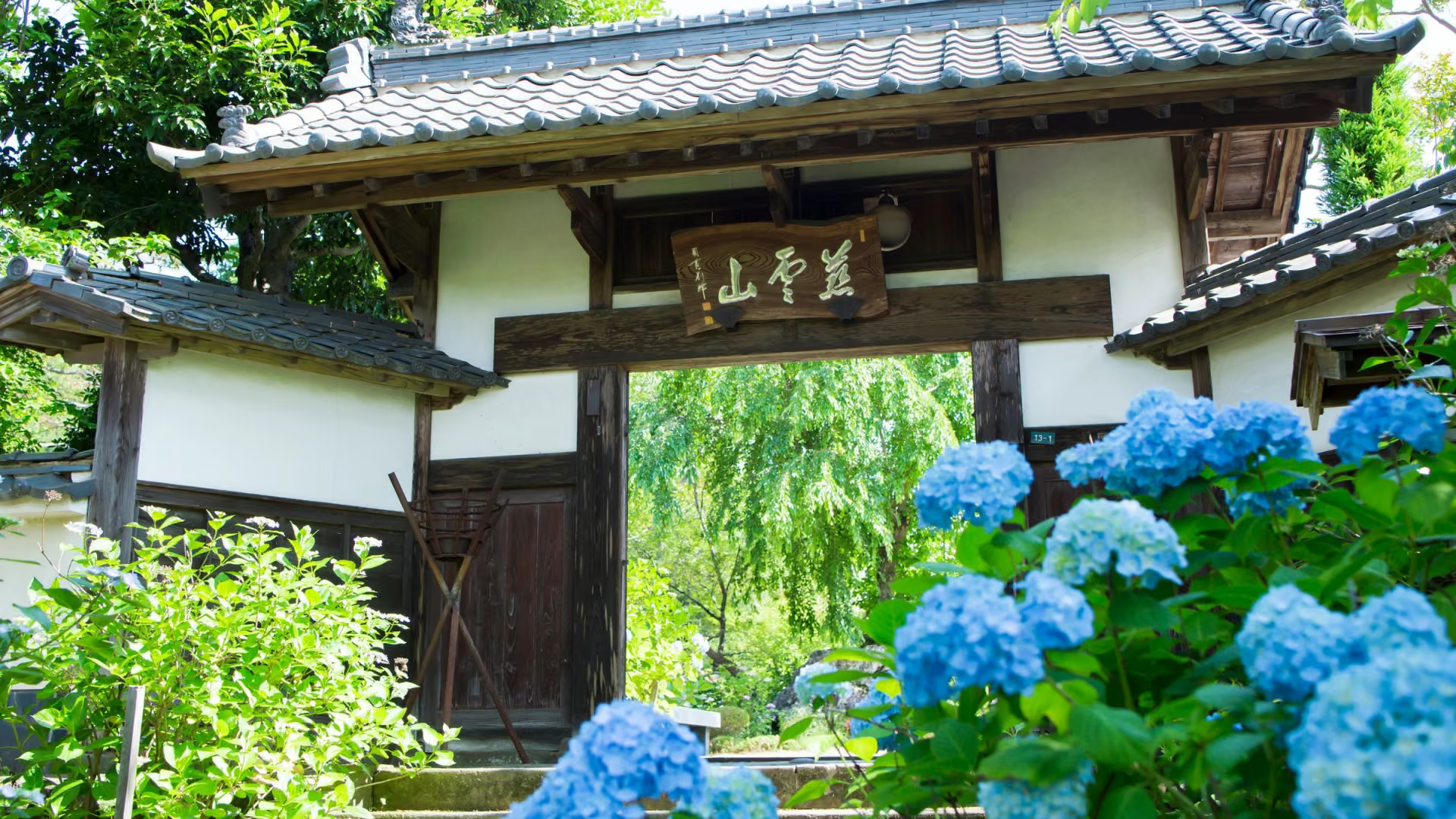
Kamakura · KanagawaShifuku-ji is a Rinzai Zen temple in Sendai, relocated in 1591 to serve the Date family, renowned for its 1,200 blooming hydrangeas in early summer.
Sendai · MiyagiBuddhist temple built around a Senju Kannon statue created in 751 that miraculously survived fire and warfare over the centuries.
OkayamaBuddhist temple founded in 806 with Kamakura-period structures designated as National Treasures and a historic pond garden.
Obama · FukuiBuddhist temple tracing roots to 1221, founded on land donated to honor Bishamonten, a protective deity originally enshrined by a military general.
Minamiuonuma · NiigataBuddhist temple from the 12th century, renowned for its gold-leaf decorated hall and picturesque pond garden in the finest Heian-era style.
Hiraizumi · IwateZen temple from the late 15th century with a garden of sand and stone featuring a pond, inspired by but never covered with silver like Kinkaku-ji.
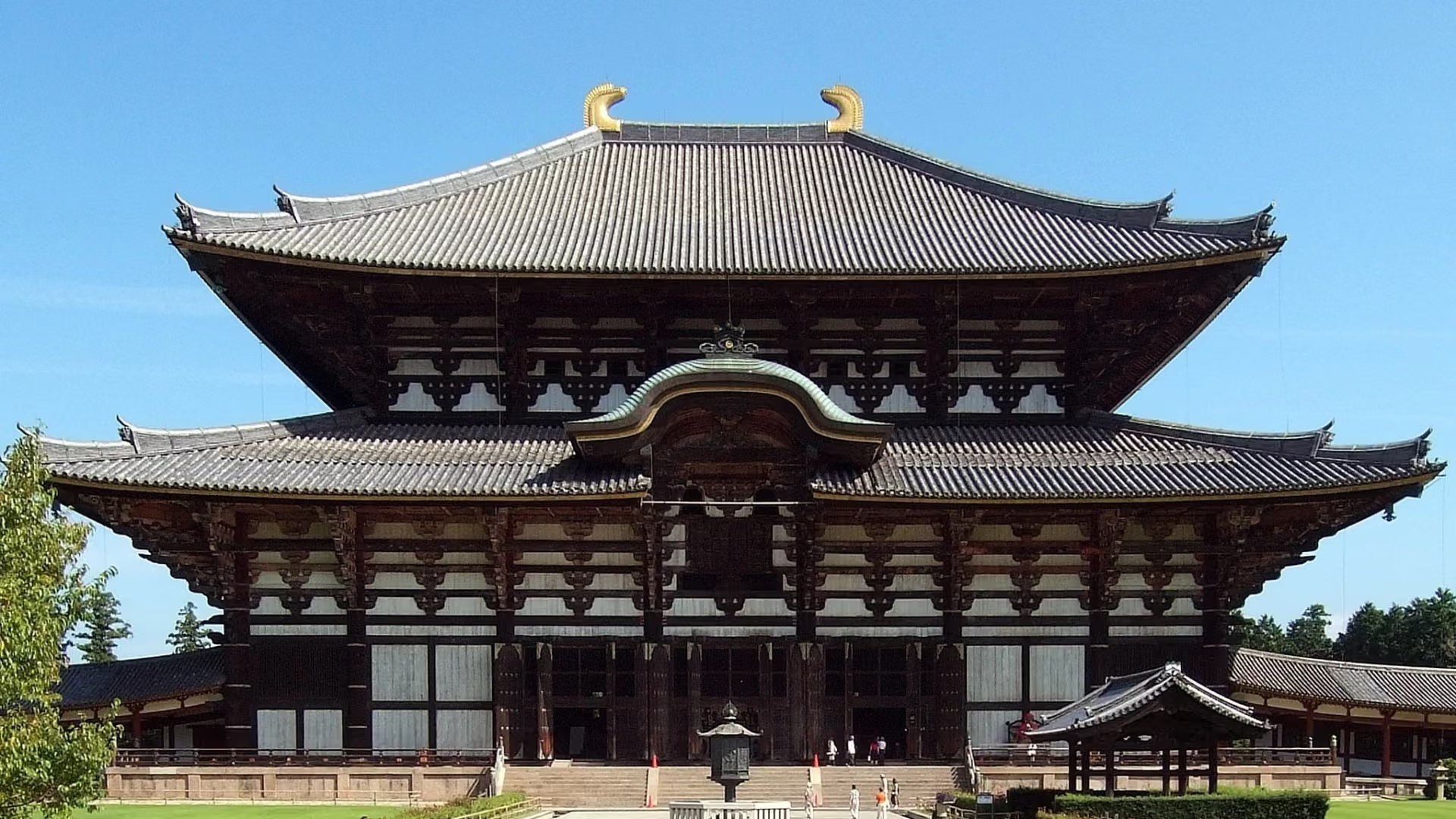
KyotoThe central hall of Todai-ji temple rebuilt in the Edo period, standing as the world's largest wooden structure after multiple destructions and reconstructions.
NaraTemple in Kaga traditionally attributed to Myokaku Shonin, credited with developing the Japanese syllabary, who is believed to be buried here.
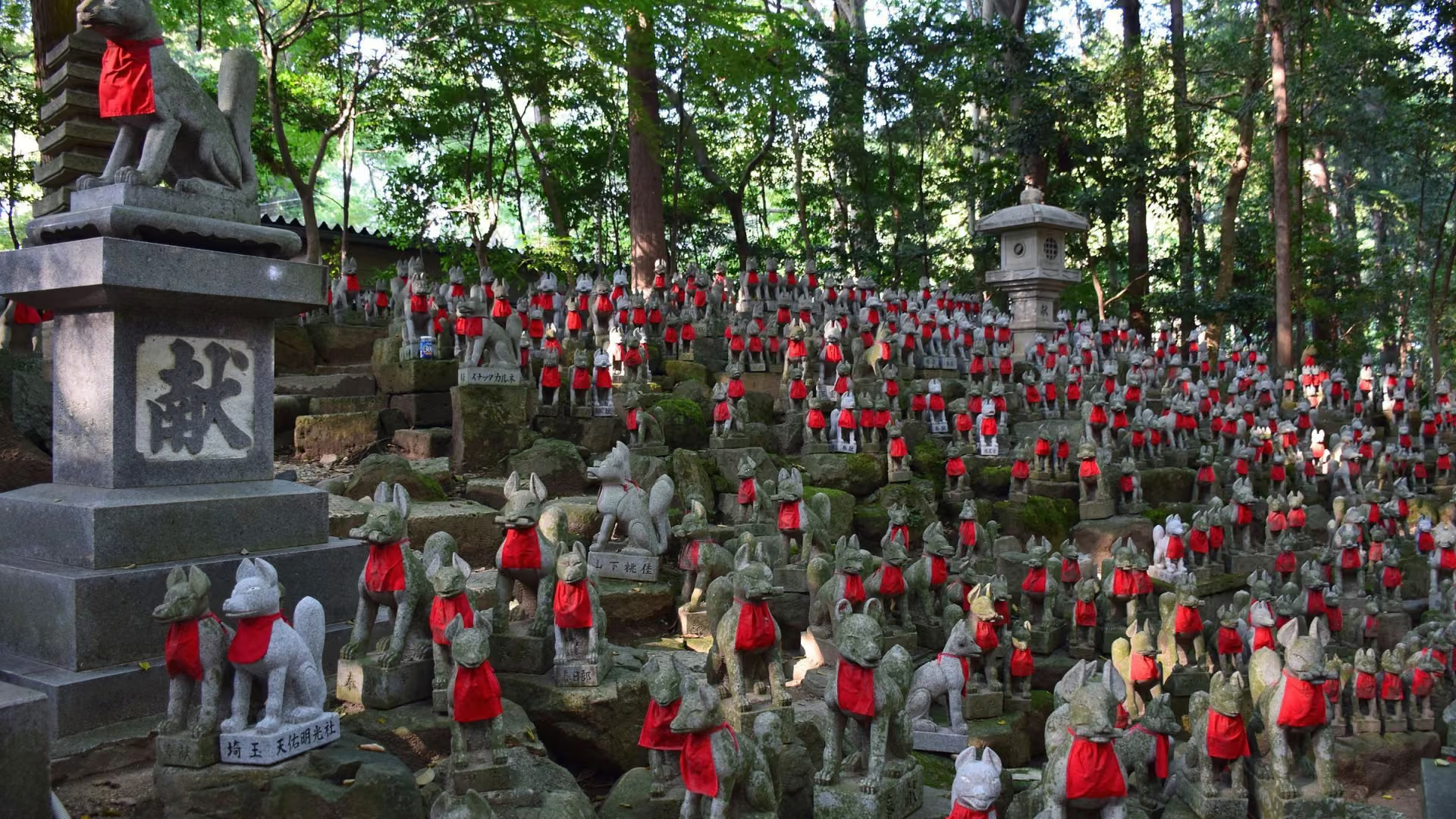
Kaga · IshikawaSoto Zen temple founded in 1441, known for its guardian deity Inari, who blends Buddhist and Shinto traditions and is linked to fertility and trade.
Toyokawa · AichiThe head Tendai temple founded in 850, significantly expanded in the 12th century and designated a UNESCO World Cultural Heritage site.
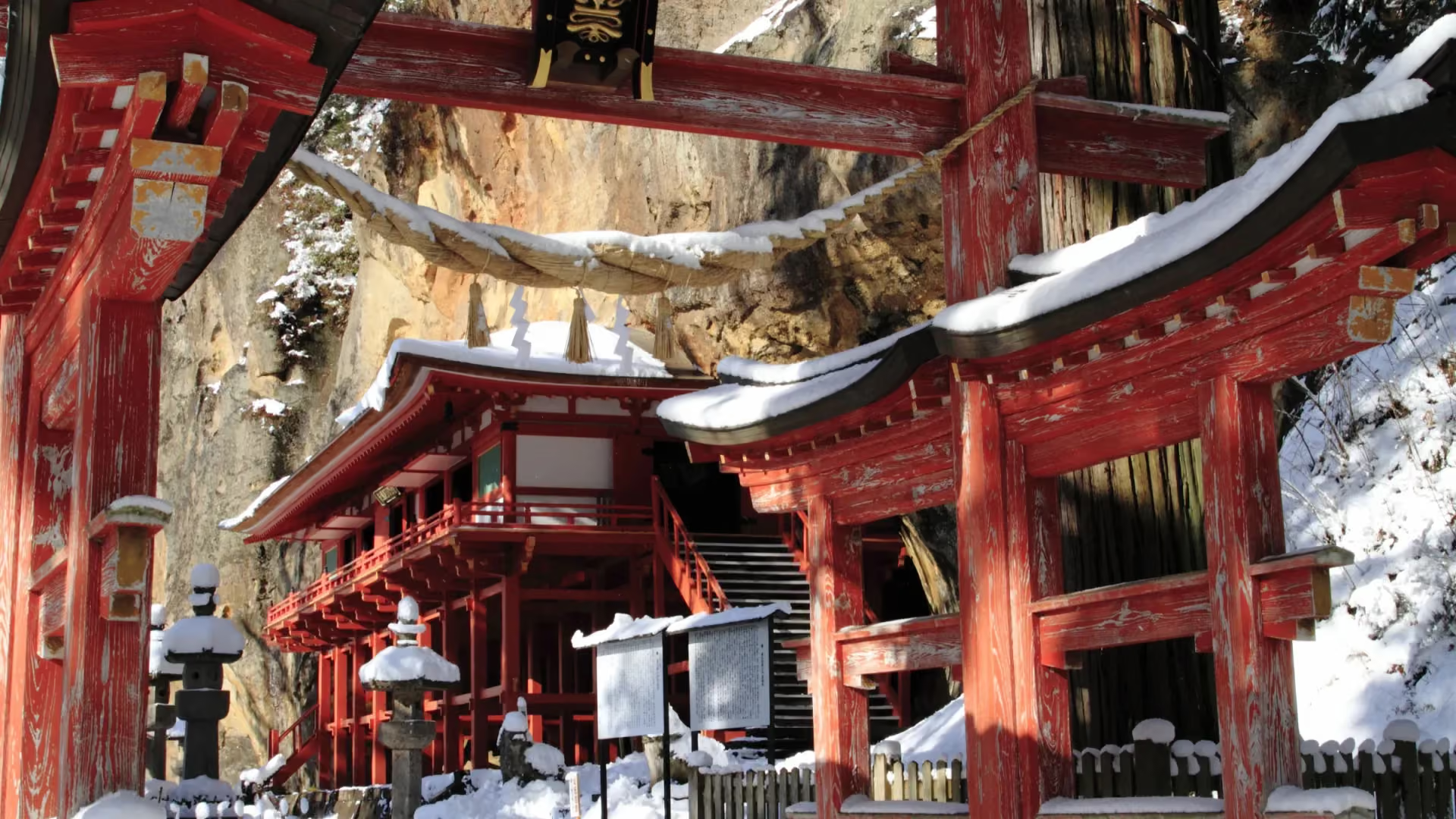
Hiraizumi · IwateTakkoku no Iwaya Bishamon-do, established in 801 AD within a natural cave, merges geology with spiritual architecture, preserving 1,200 years of worship.
Hiraizumi · IwateKennin-ji, located in Kyoto's Gion district, is the oldest Zen temple in the city, founded in 1202 as the head temple of the Rinzai Zen Buddhism branch.
KyotoZen temple founded in 1441 and relocated to Sendai in 1602, where it flourished for over three centuries under Date clan patronage.
Sendai · MiyagiOver 1,100-year-old Buddhist temple complex and head temple of the Daigo branch of Shingon Buddhism, centered on an ancient natural spring.
KyotoZen temple founded in 1394 and relocated to Morioka in 1601, renowned for its exceptional collection of 500 wooden Rakan enlightened-disciple statues.
Morioka · IwateA Buddhist temple founded in 736 by imperial decree, featuring a seven-hall complex and housing a sacred relic of the Buddha enshrined since the Heian period.
Tainai · Niigata