Eiheiji Temple
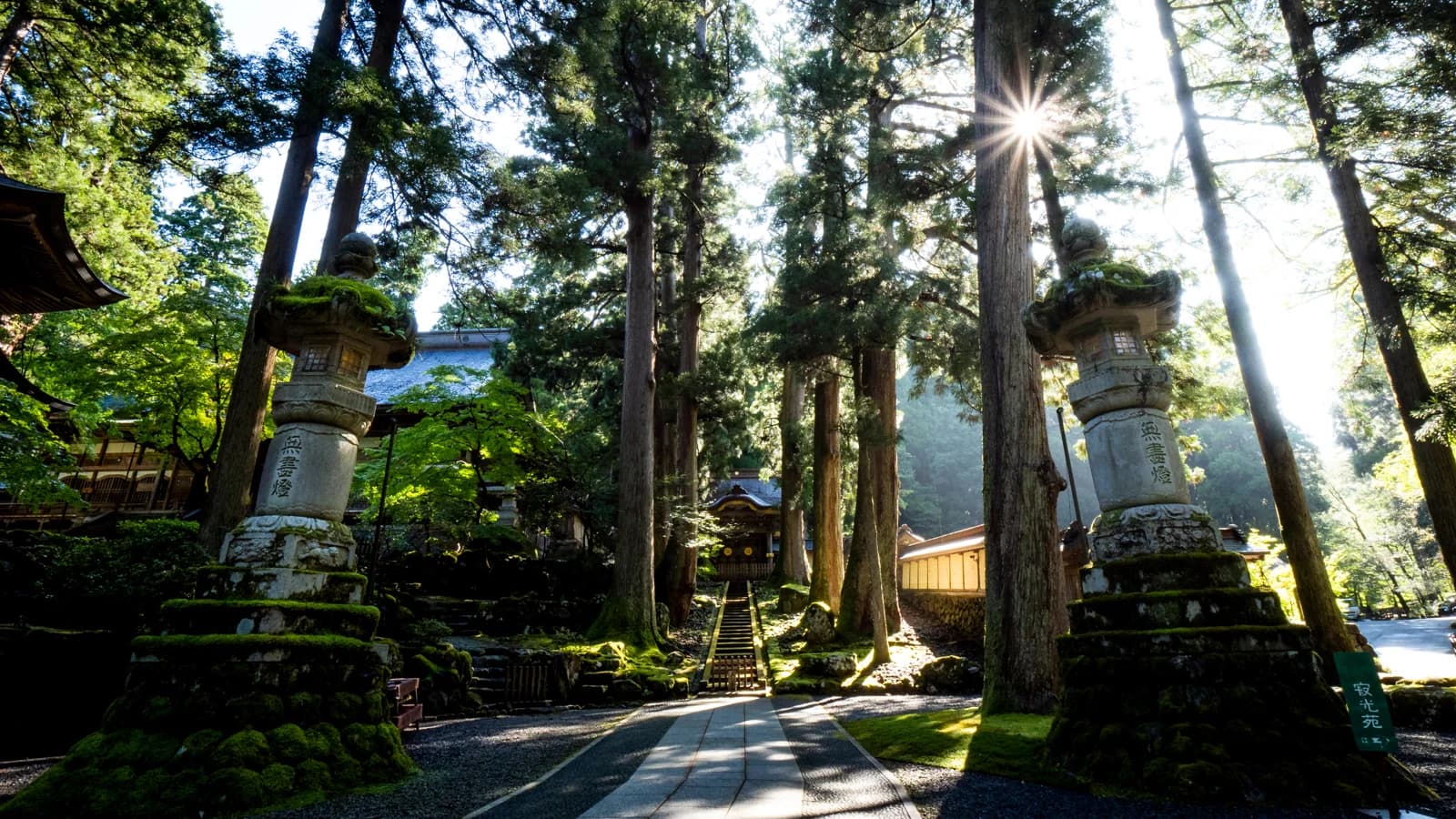
One of the two head temples of Soto Zen, founded in 1244 in the mountains of Fukui and still a working monastery of about 150 monks.
Eiheiji · Fukui

One of the two head temples of Soto Zen, founded in 1244 in the mountains of Fukui and still a working monastery of about 150 monks.
Eiheiji · FukuiA Tendai temple of 860 built up a rock face in Yamagata, its halls reached by a stone stairway, and the place of Basho's poem about cicadas.
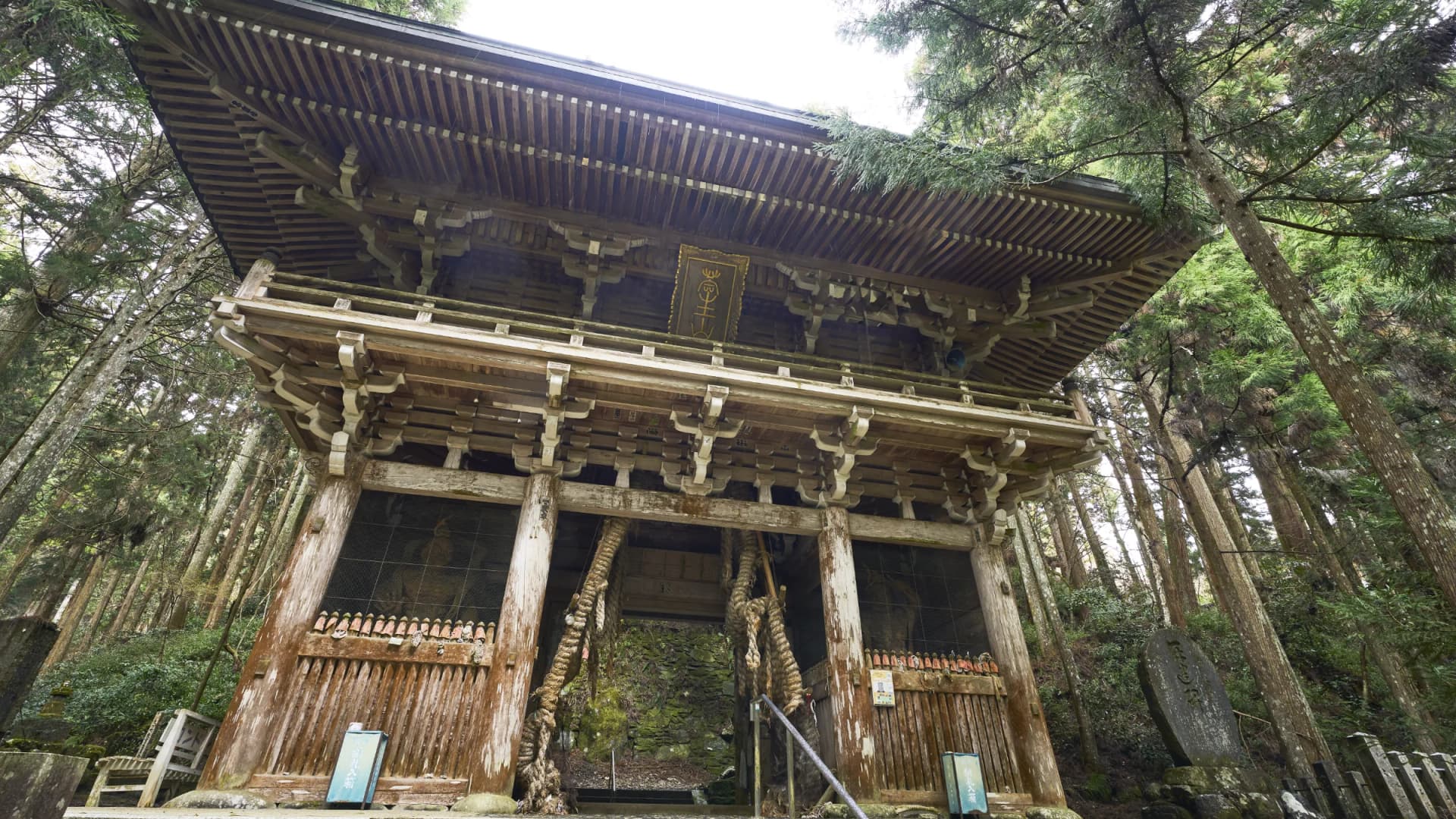
YamagataThe forty-fourth temple of the Shikoku pilgrimage and its halfway point, standing among old trees at 579 metres in the mountains of Ehime.
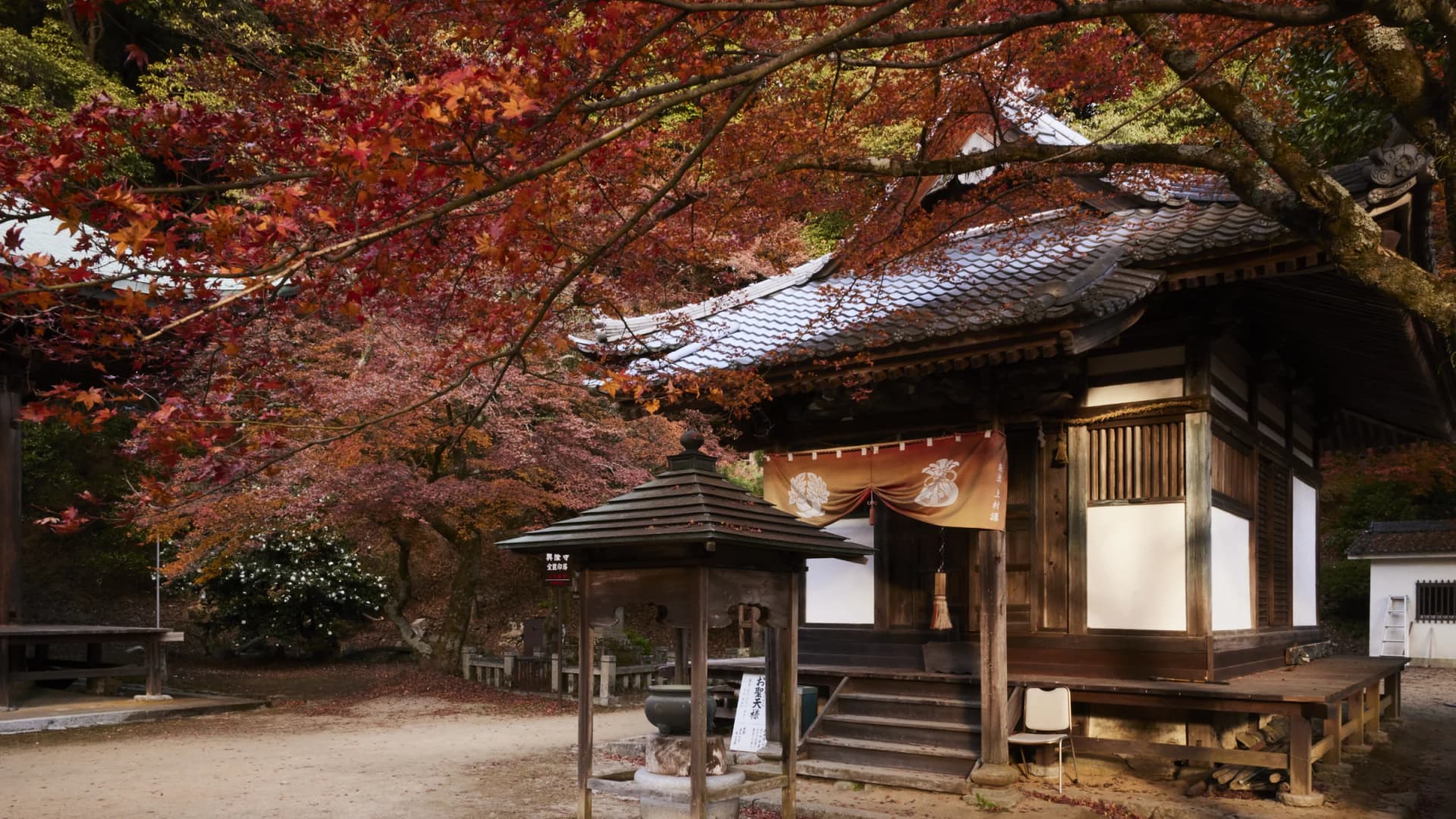
Kumakogen · EhimeA mountain temple in Saijo, Ehime, founded in 642, reached by a long approach under maples, with a main hall that is an Important Cultural Property.
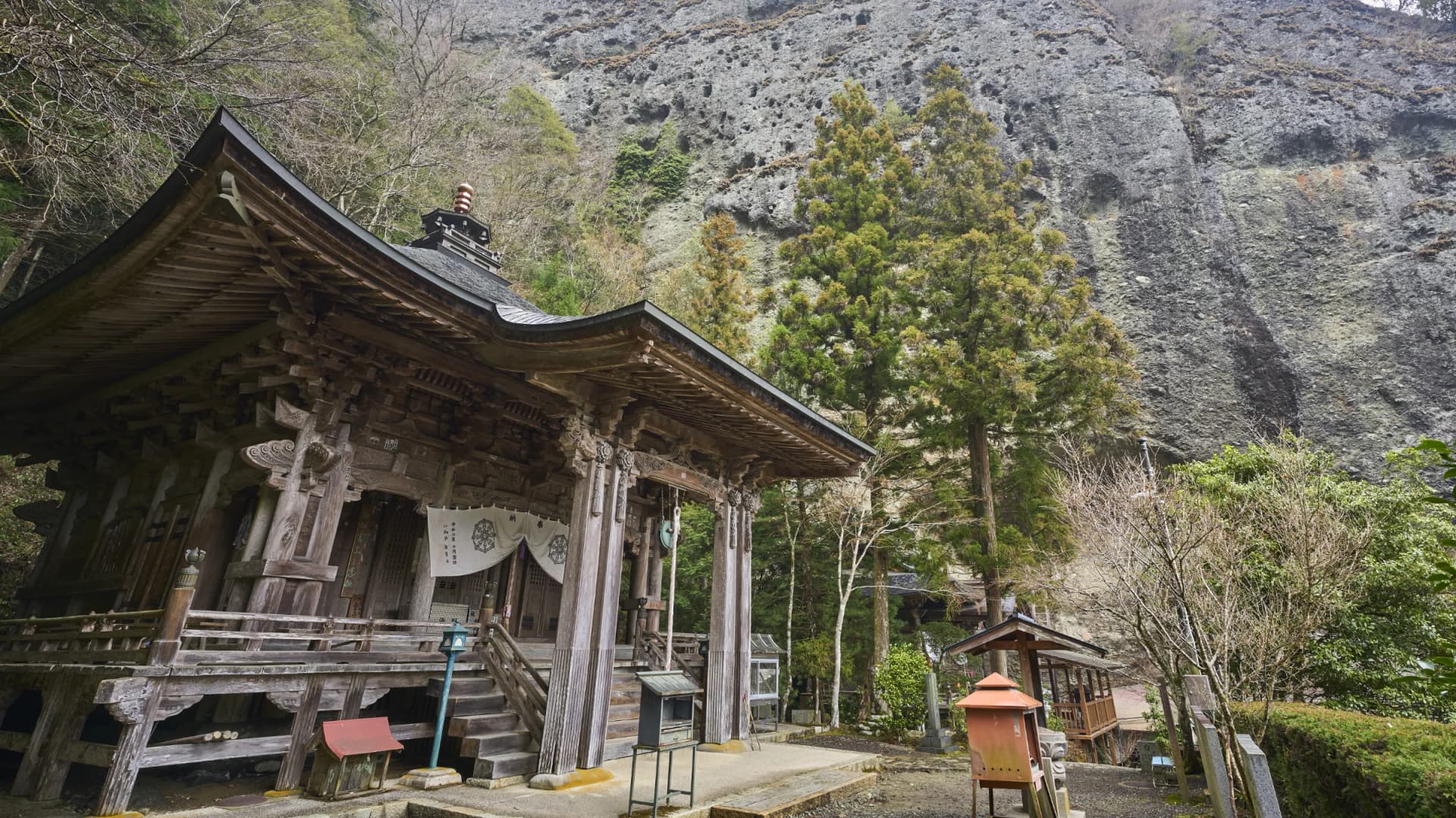
Saijo · EhimeThe forty-fifth temple of the Shikoku pilgrimage, built against cliffs in the mountains of Ehime, where the mountain itself is the object of worship.
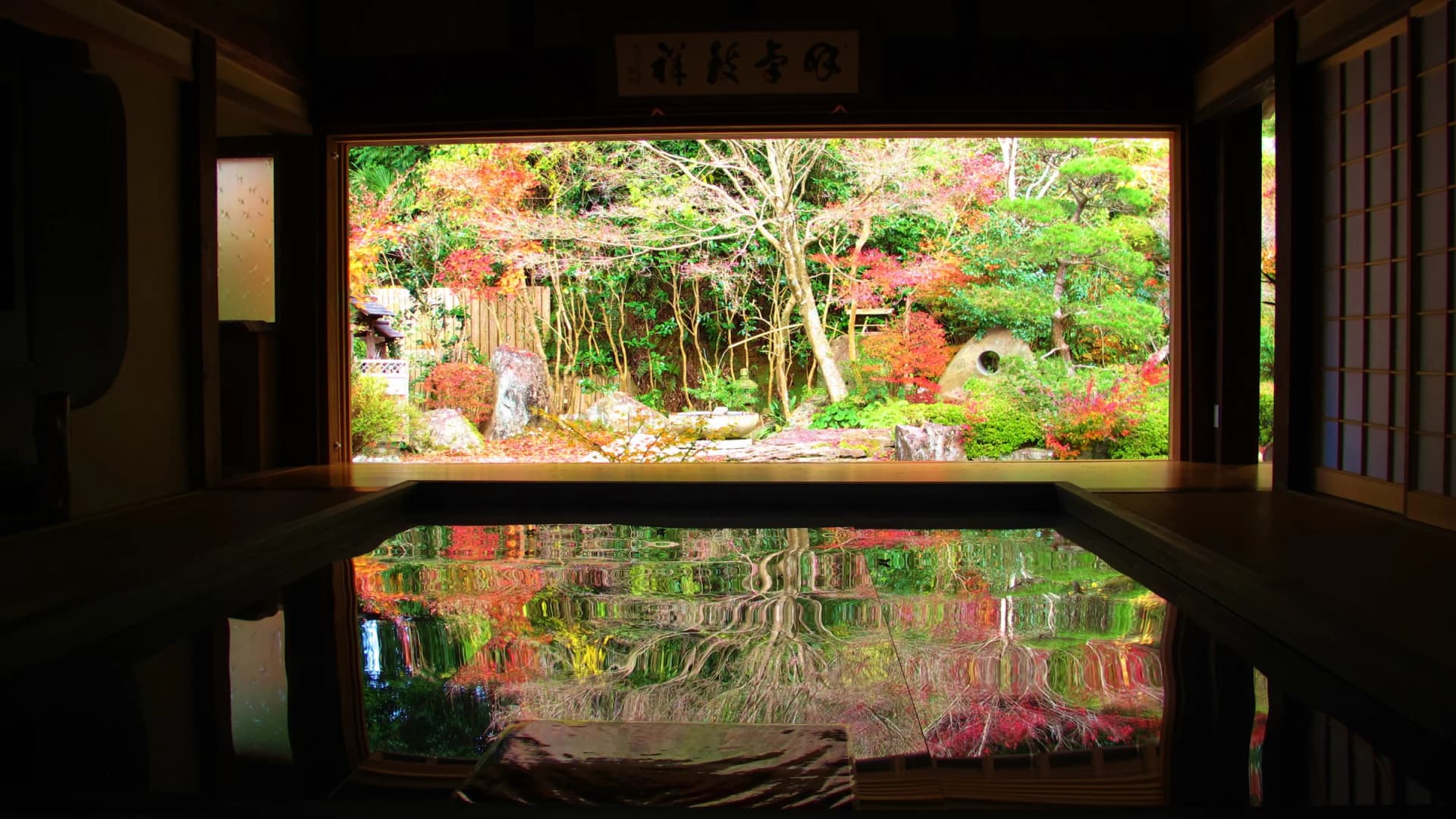
Kumakogen · EhimeA temple at Emukae in Sasebo where the maples of the garden are shown upside down, reflected in a panel set into the floor of the hall.
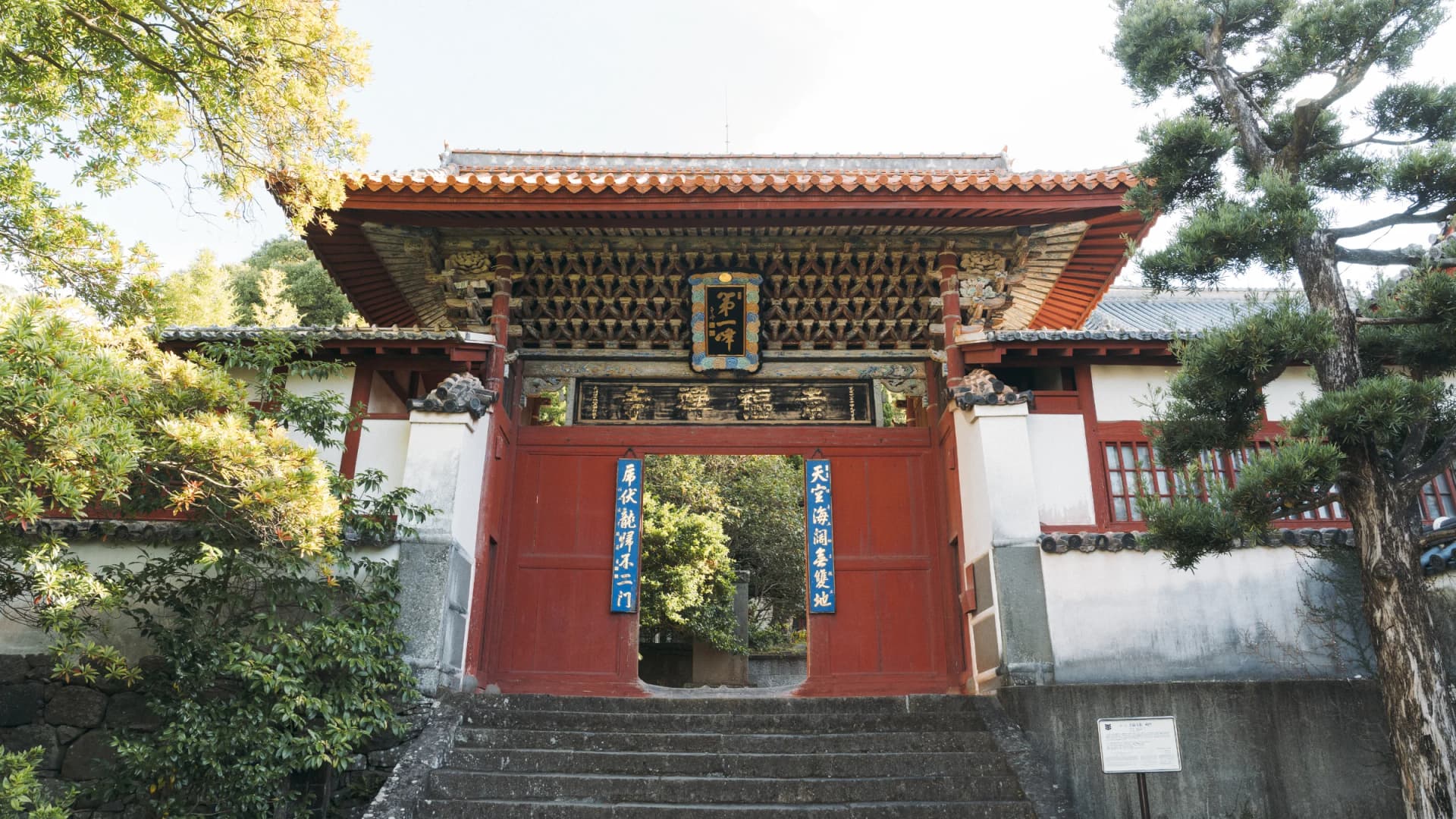
Sasebo · NagasakiA Chinese temple in Nagasaki founded in 1629 by merchants from Fujian, with two buildings that are National Treasures.
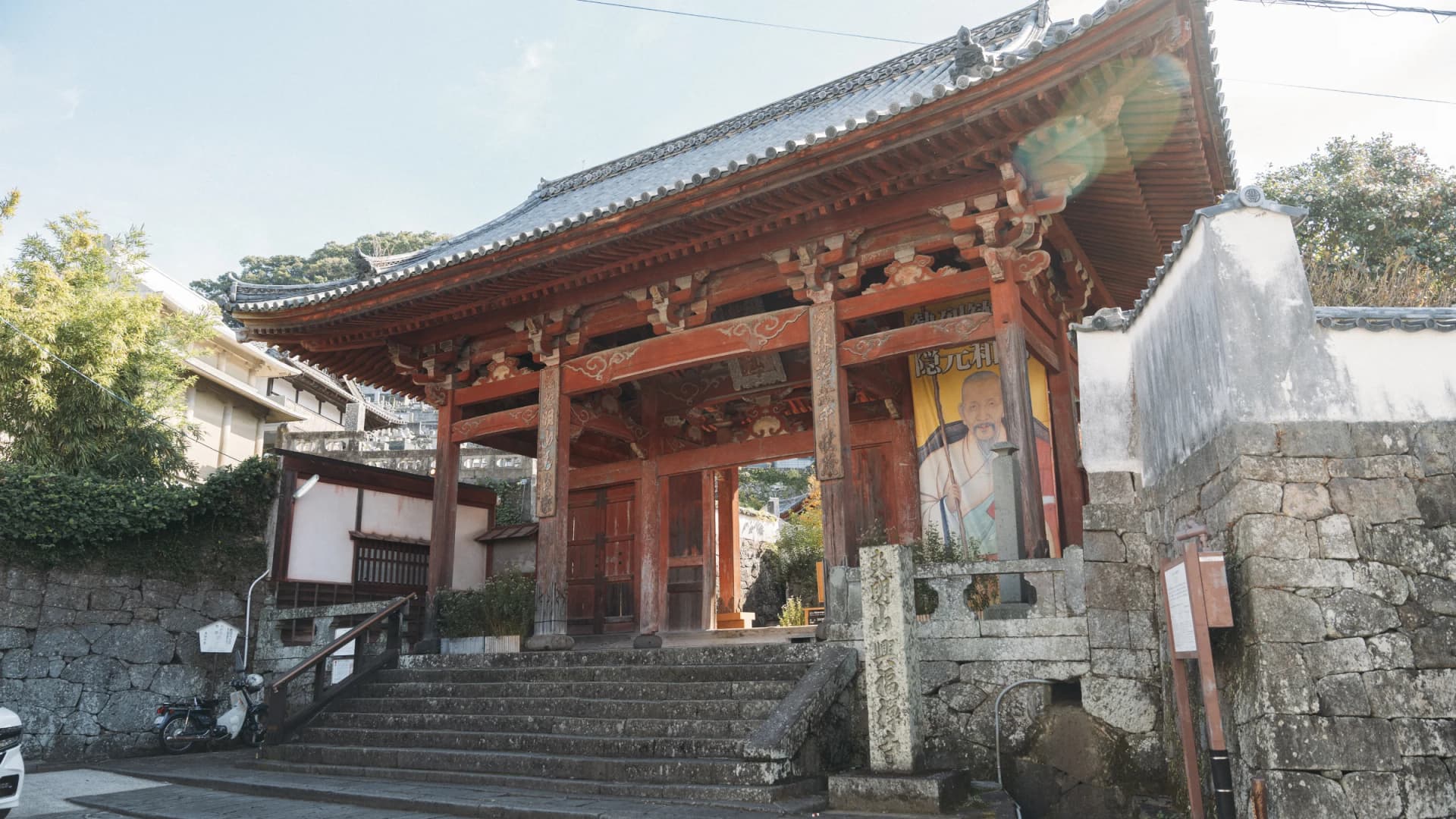
NagasakiThe first Chinese temple built in Nagasaki, founded in 1620, and the place where the Obaku school of Zen began in Japan.
NagasakiA Rinzai Zen temple at Fukuyama with tea houses, moved historic halls, gardens, and one of the largest collections of Hakuin's Zen painting.
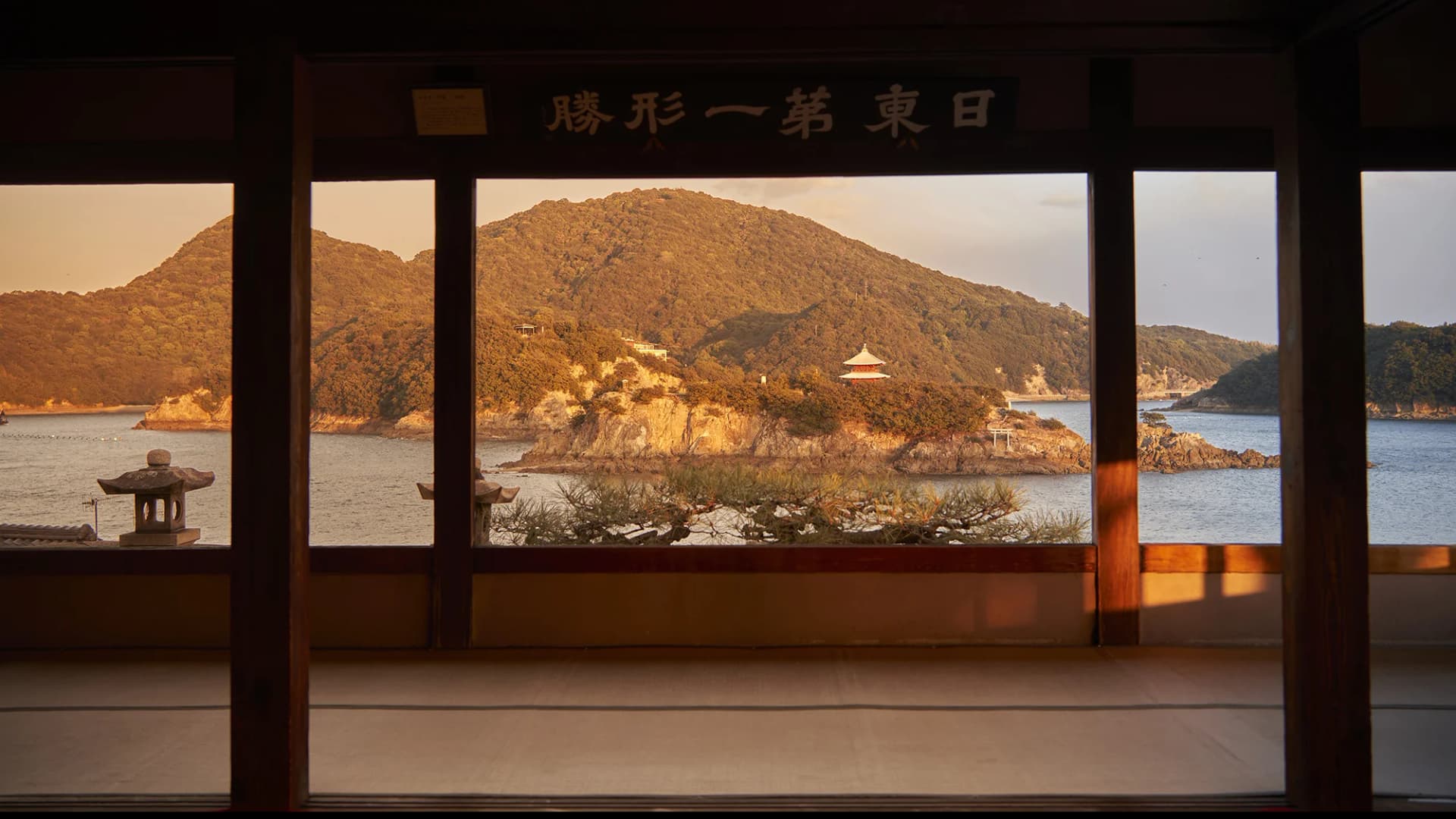
Fukuyama · HiroshimaThe guest hall of a Shingon temple at Tomonoura, built around 1690, whose view over the Seto Inland Sea a Korean envoy called the finest in Japan.
Fukuyama · HiroshimaMount Koya is a sacred temple complex where the entire mountain is treated as one unified holy domain dedicated to Shingon Esoteric Buddhism.
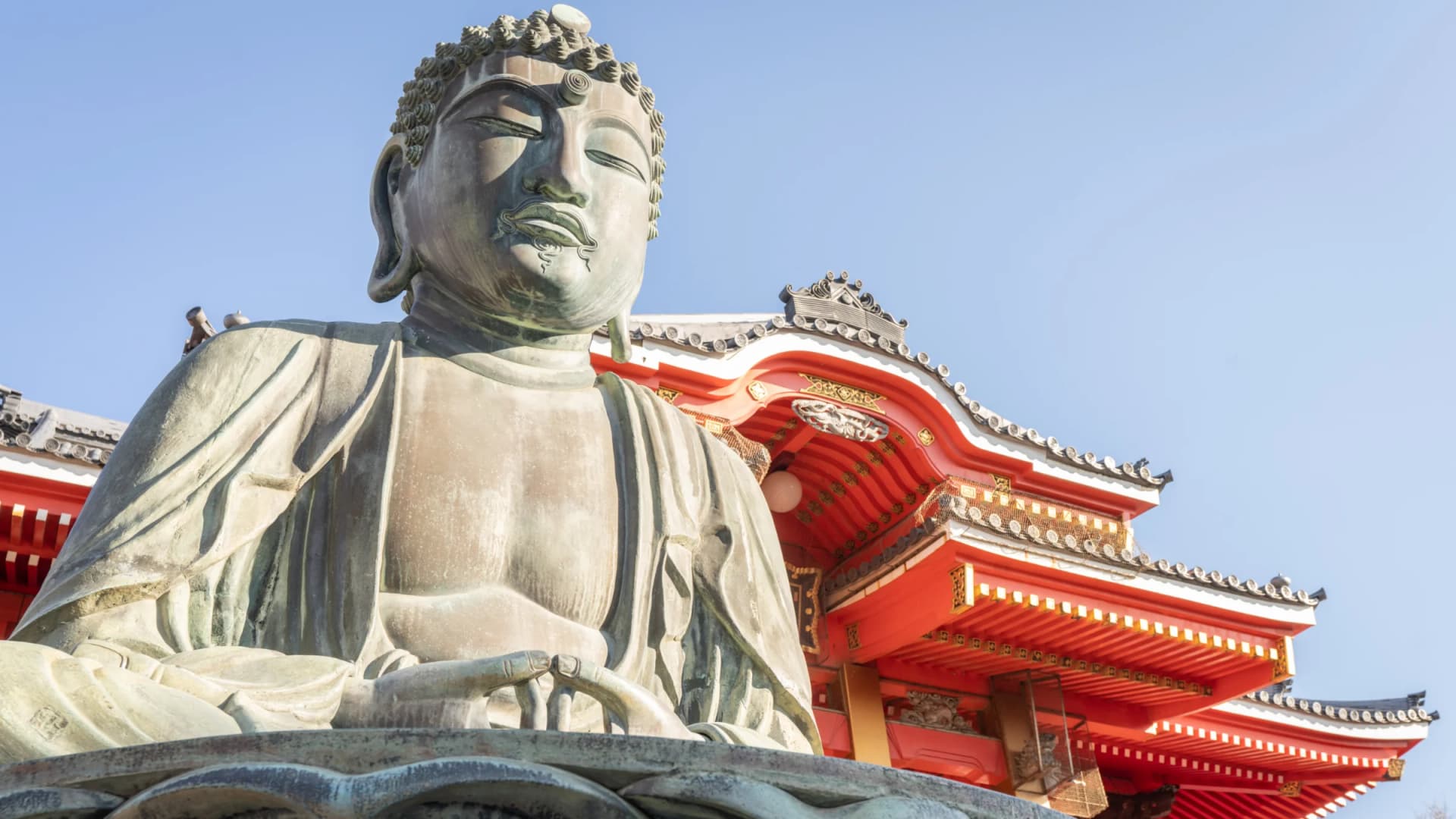
Koya · WakayamaA prominent Shingon Buddhist temple renowned for its spiritual power to dispel misfortune and grant various blessings to visitors.
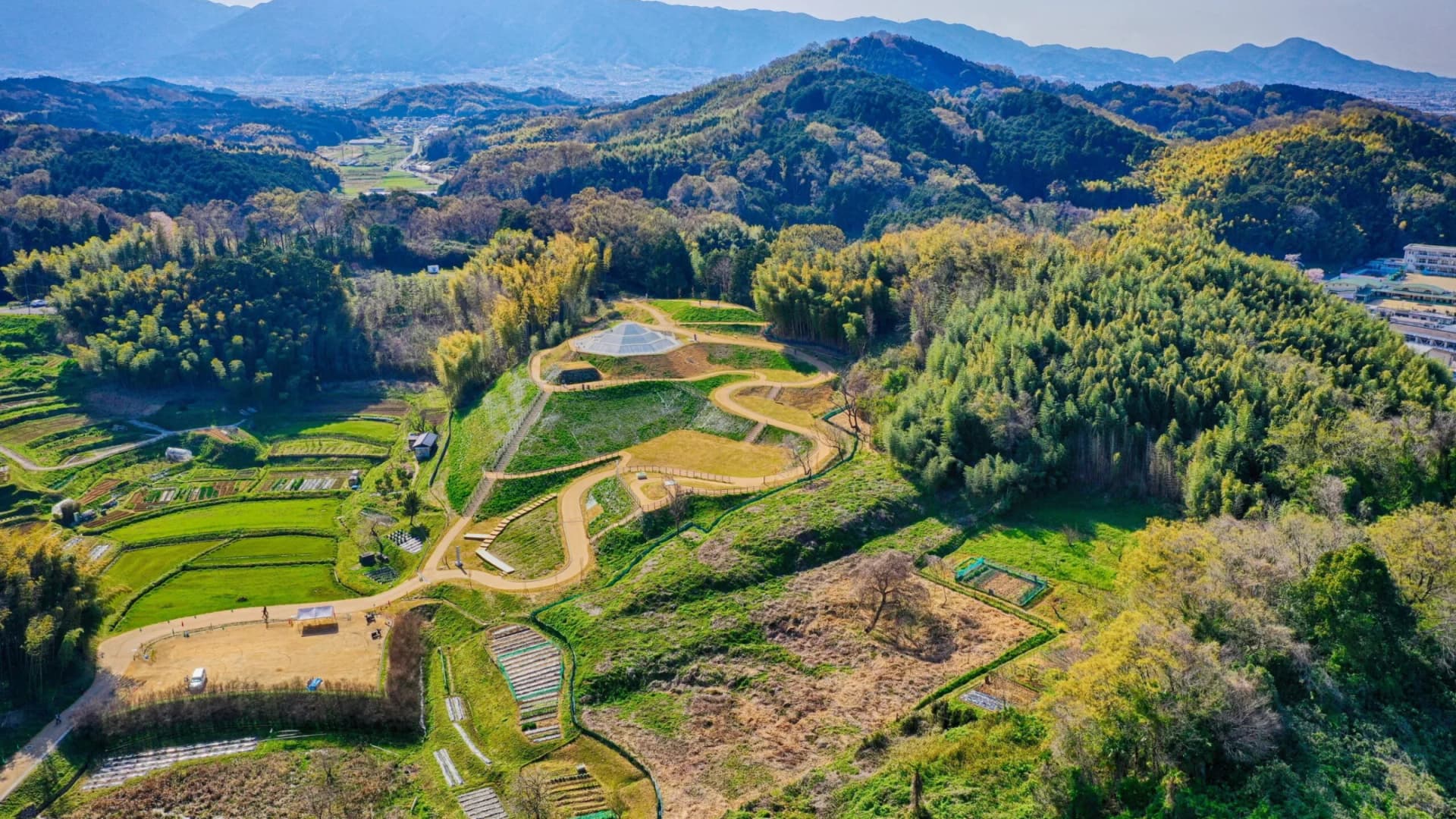
Kawasaki · KanagawaThe Nara-Prefecture ruins where Japan's first centralised state took shape, newly inscribed as a UNESCO World Heritage Site in 2026.
Kashihara · NaraA temple at the eastern edge of Kanto, founded around an image of Kannon that fishermen are said to have drawn from the sea one glowing night in 728.
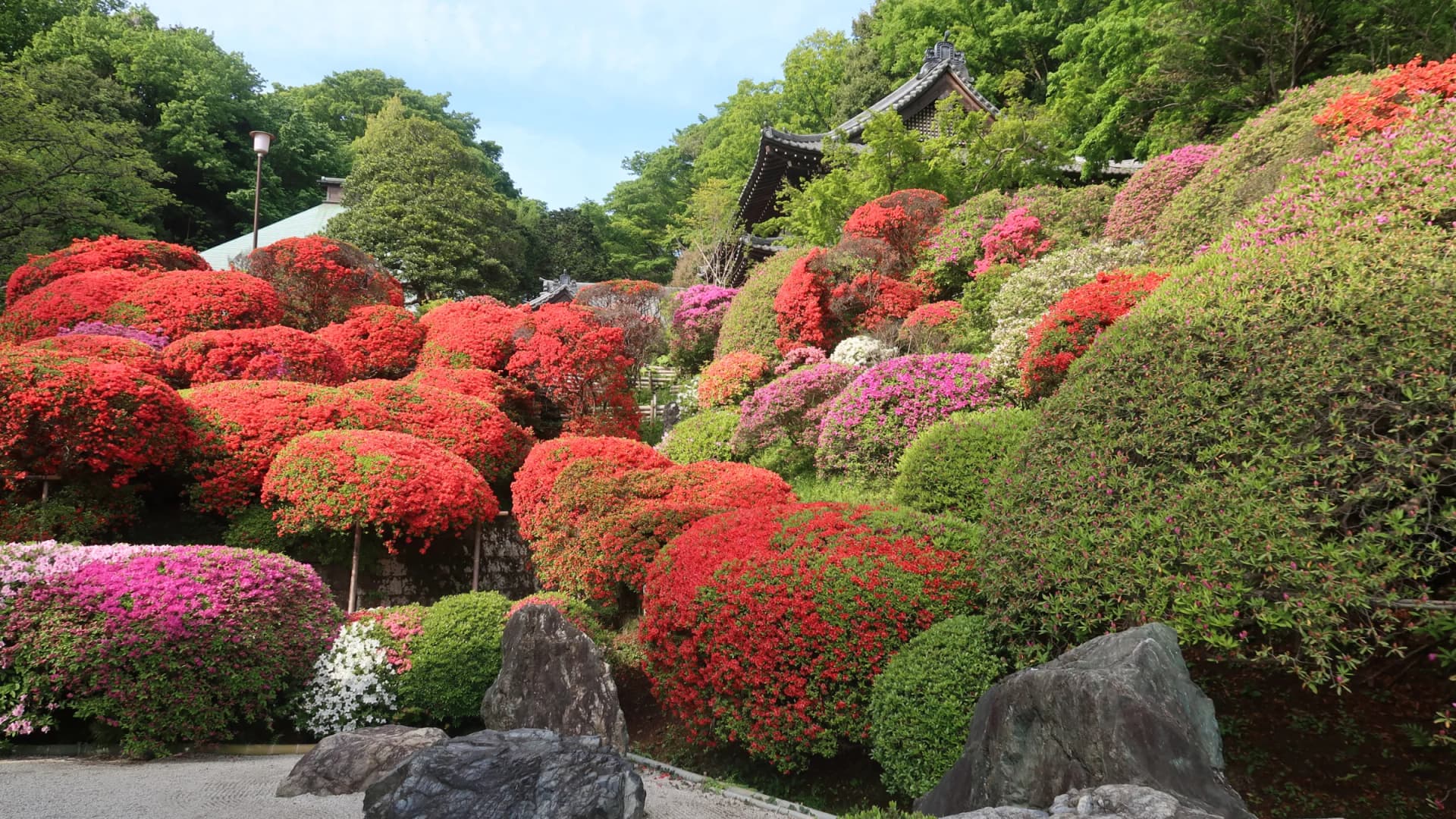
Choshi · ChibaA Tendai temple in the Kawasaki hills, known as the "azalea temple" for the 2,000 shrubs that colour its slopes each spring, and for its healing prayers.
Kawasaki · KanagawaA Tendai temple in the Nagao Hills of Kawasaki, known as the "hydrangea temple" for the 1,000 shrubs that fill its grounds each June, with a June festival.
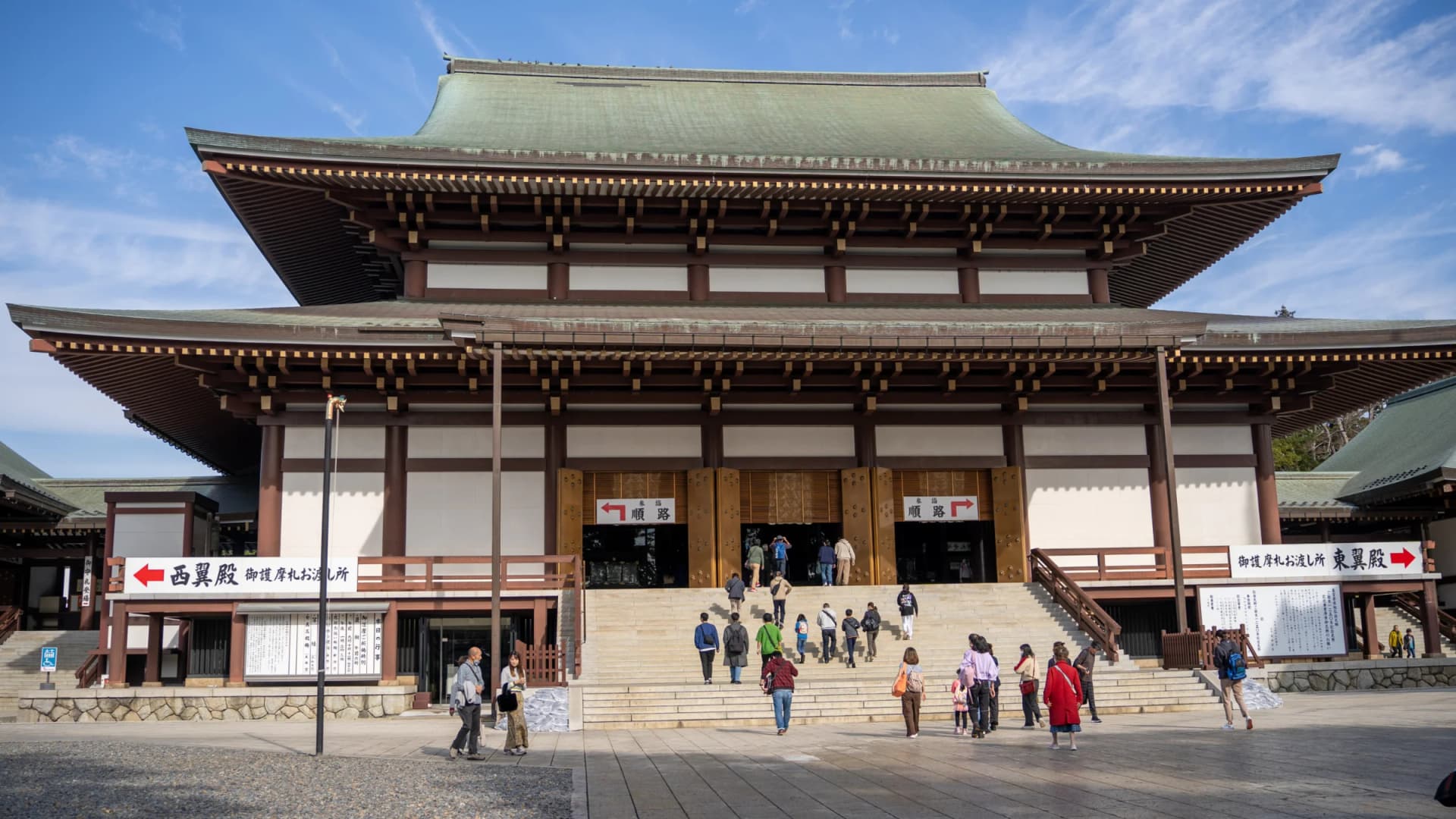
Kawasaki · KanagawaNaritasan Shinshoji in Narita, Chiba, is a head temple of Shingon Buddhism, centred on a Fudo Myoo image attributed to Kukai and a goma fire ritual unbroken for 1,080 years.
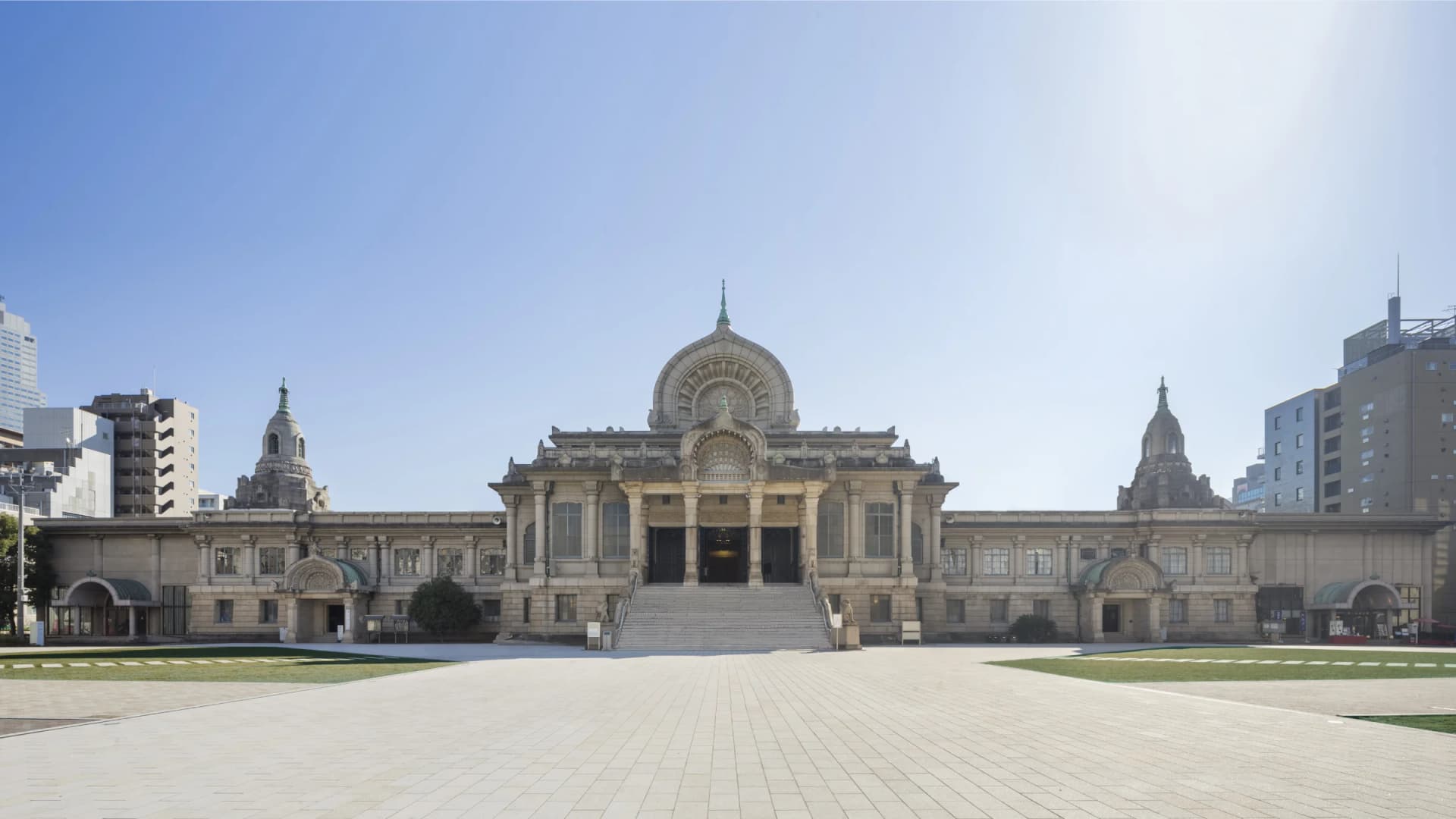
Narita · ChibaTsukiji Hongwanji is a striking Shin Buddhist temple in central Tokyo, blending Indian-inspired architecture, Silk Road motifs, and animal carvings by Ito Chuta.
Tokyo