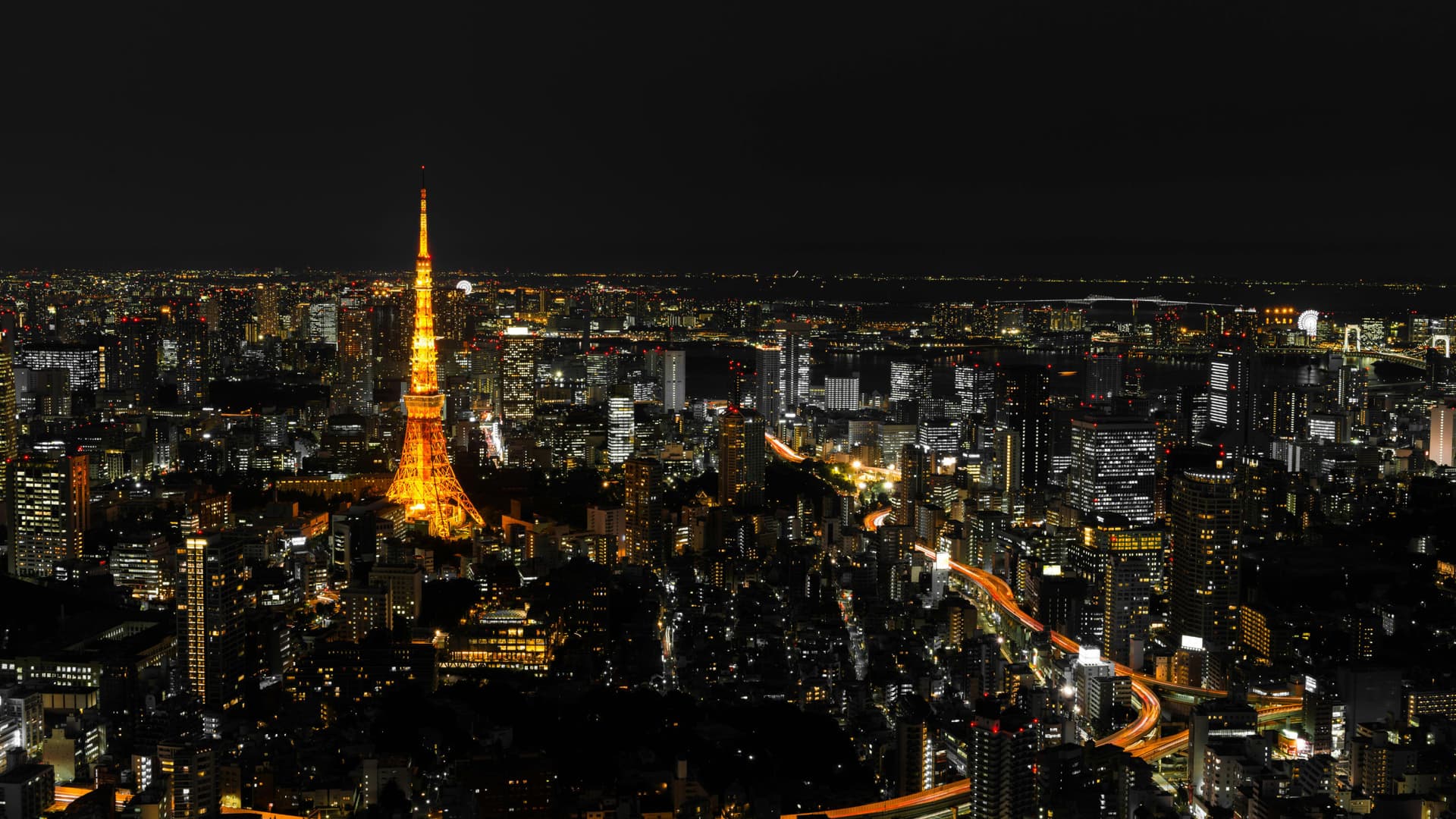
Chichibu Kawase Matsuri
秩父川瀬祭り
The summer counterpart to Chichibu's famous winter festival, held in July, where children take central roles as musicians and performers on decorated floats.
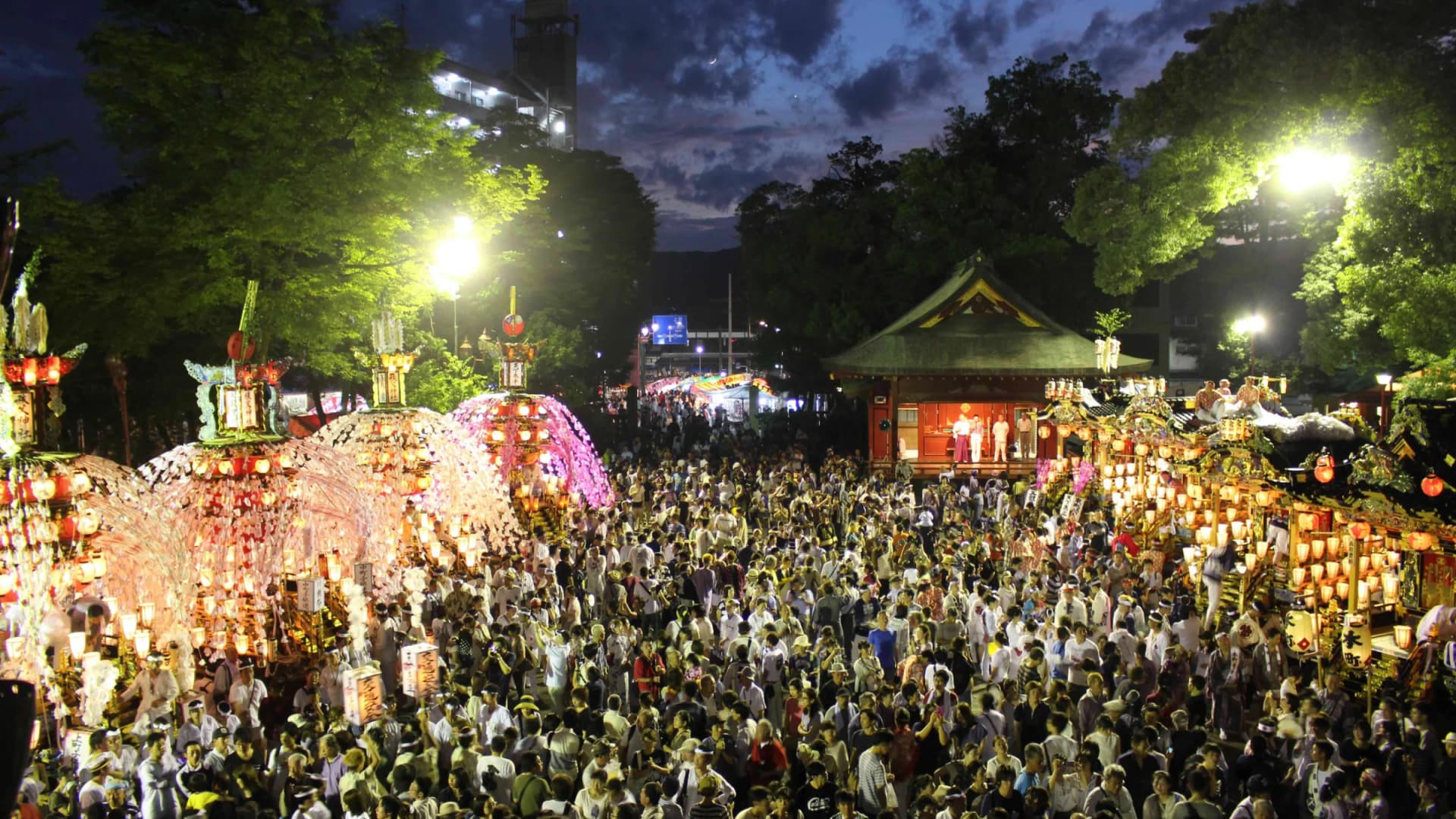
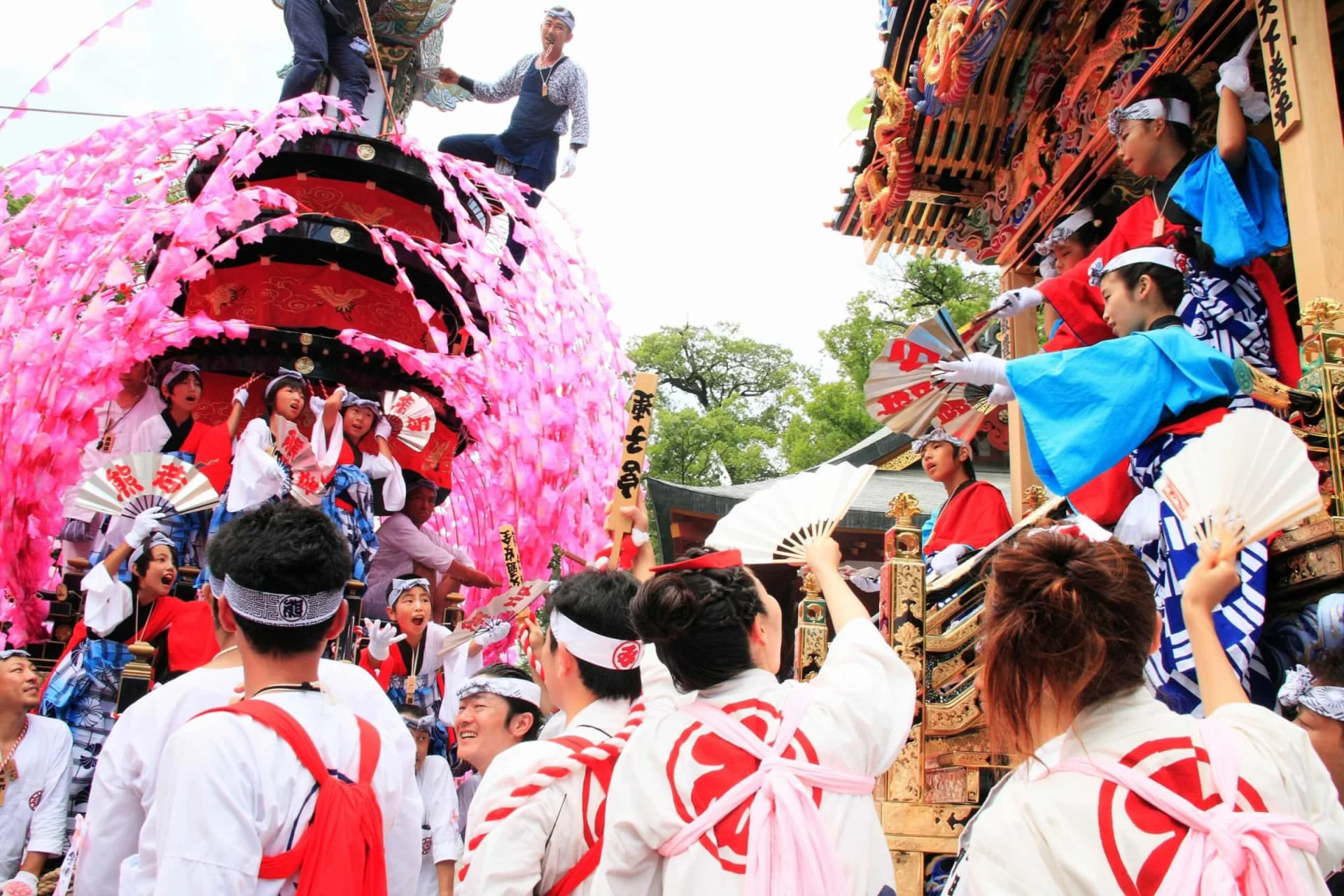
The Chichibu Kawase Matsuri is the summer festival of Chichibu Shrine, known locally as "Ogion". It is often described as the counterpart to the famous winter Chichibu Yomatsuri: a daytime festival rather than a night one, a summer event rather than a winter one, and, above all, a festival for children rather than adults. Youngsters take many of the central roles, serving as the "hayashite" musicians aboard the kasaboko and yatai floats and as the "hyoshigi" clapper-players wearing flower hats, which gives the whole event a distinctive charm.
Origins and history
The Kawase Matsuri descends from the Gion festivals that flourished in the Heian period, spreading to the Chichibu region as Gion belief took hold. Its exact founding date is unknown, but references to the festival appear in documents dating back as far as 1659 and 1707 (Hoei 4), as well as the Bunka–Tenpo era (1804–1844). It was originally held on the fifteenth day of the sixth month under the old lunar calendar, and moved to its present dates of 19 and 20 July following the calendar reform of the Meiji period.
The eve festival (19 July)
From the afternoon of the 19th, eight ornately decorated floats, four kasaboko and four yatai, are pulled through the streets of central Chichibu to the rousing sound of the Chichibu yatai-bayashi music. As evening falls, the floats converge on Chichibu Shrine. There, a rite called the "Tenno Hashiradate" welcomes Susanoo-no-Mikoto.
Late that night, the festival's connection to water comes to the fore. Young people from each district draw water from the clear Arakawa River and carry it back to purify their neighbourhoods, a rite known as "Omizutori" that precedes the following day's mikoshi washing.
The main festival (20 July)
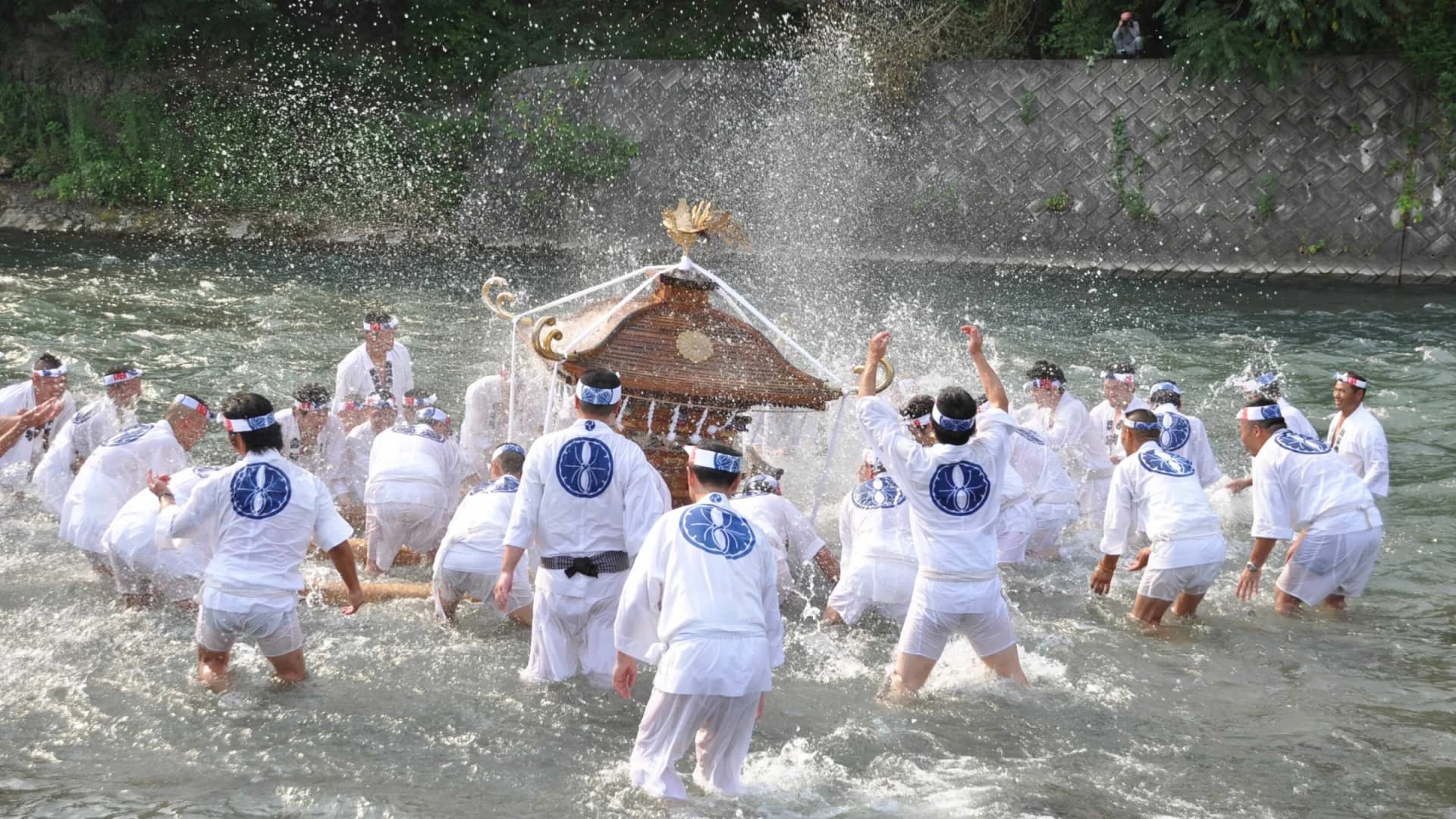
The main day opens with morning ceremonies, after which the sacred procession sets out in the early afternoon. The eight floats are joined by the shrine's mikoshi, a white-wood portable shrine weighing around 400 kilograms and carried by thirty-four young men chosen from the districts, and the procession moves from the shrine down to the riverside ceremonial ground on the Arakawa.
There, the festival reaches its climax with the mikoshi washing, in which the portable shrine is borne into the clear river current — the rite from which the festival takes its name, believed to wash away misfortune of every kind. After offerings such as kagura dance, the mikoshi returns to the shrine. The floats continue to be pulled through the districts into the night, with the passing manoeuvres ("surechigai") and the final parting of the floats ("hikiwakare") among the highlights before the festival draws to a close.
A pair with the winter festival
At Chichibu Shrine, the mikoshi makes its procession only twice a year: at the Kawase Matsuri in summer and at the Chichibu Night Festival (Yomatsuri) in winter. The two are often seen as a matched pair. The summer festival centres on children and descends from the shrine to the river, while the winter festival centres on adults and climbs from the shrine towards the mountain — a symmetry of season that is mirrored, some would say, in the rituals themselves.
Getting There

You might also like

Ohara Hadaka Festival
The 'Naked Festival' features mikoshi carried into the sea, a boisterous parade through town, and shrines tossed high against fireworks and songs of joy.
23–24 Sep 2027Isumi · Chiba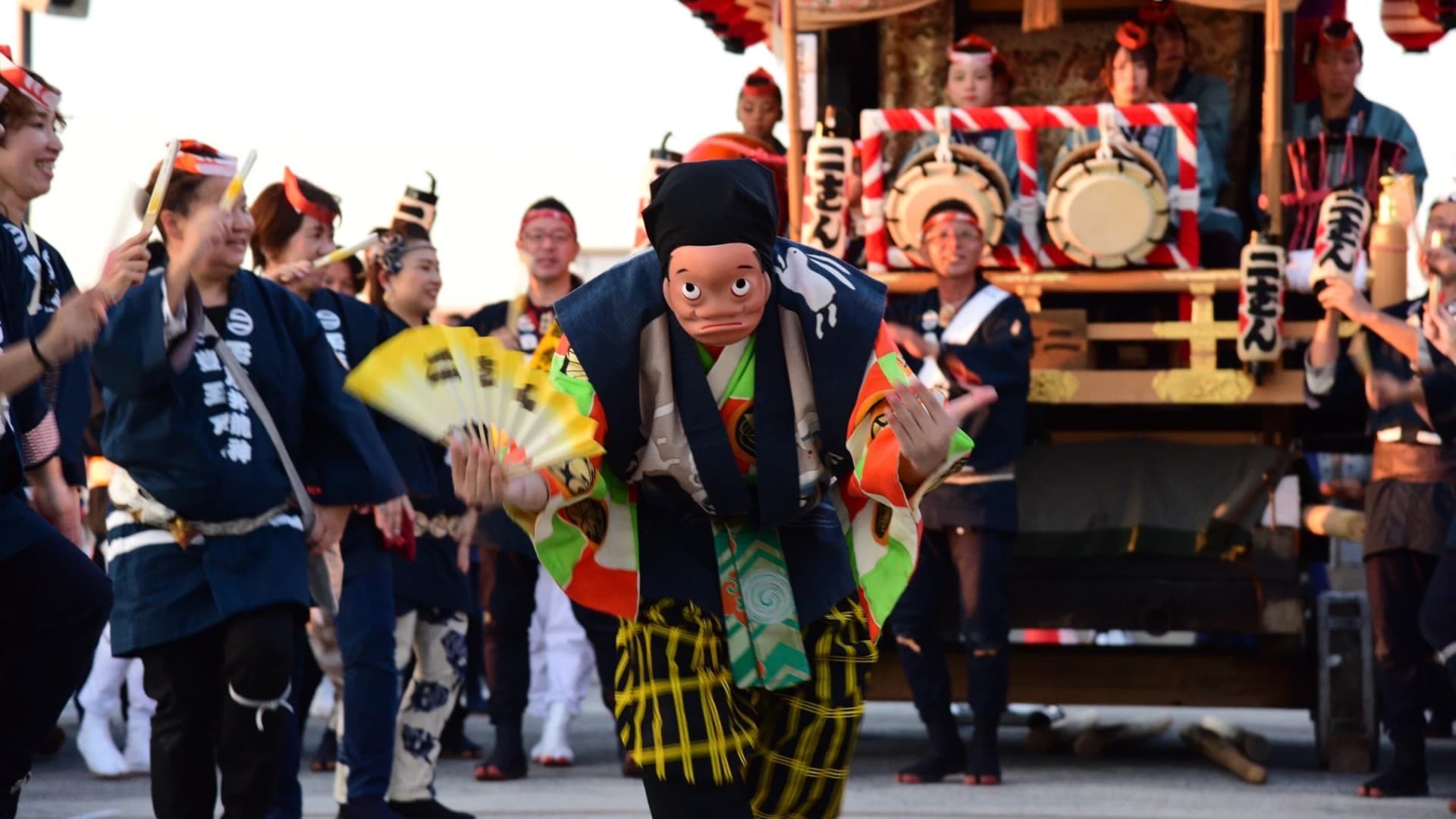
Sakura Autumn Festival
Each October the old castle town of Sakura fills with towering doll floats, portable shrines and Edo-descended music for three days of procession.
9–11 Oct 2026Sakura · Chiba
Sanja Matsuri
Sanja Matsuri is one of Tokyo's largest traditional festivals, honouring enshrined figures through mikoshi processions and an Intangible Folk Cultural Property ritual dance.
15–17 May 2027Tokyo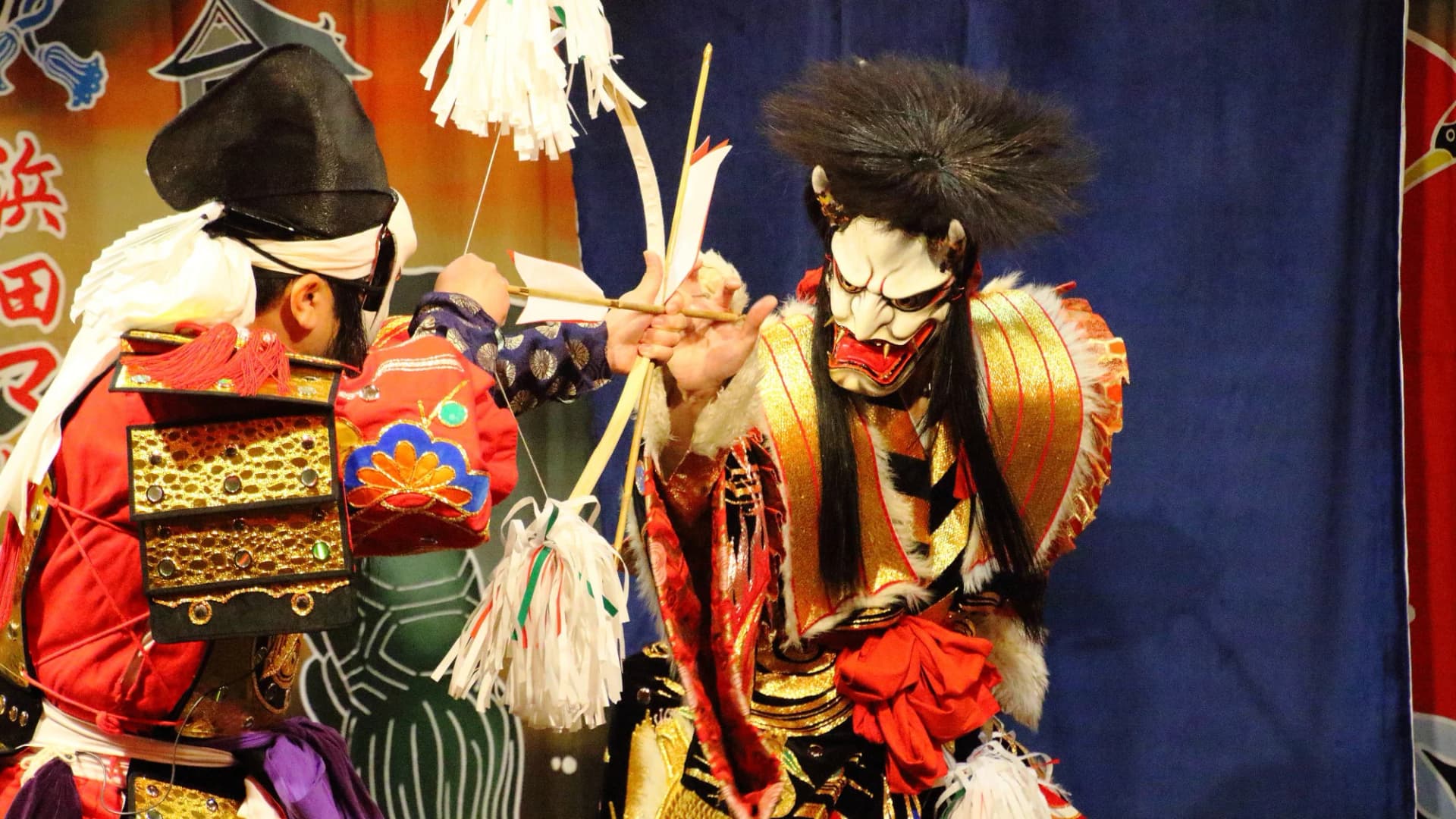
Iwami Kagura
Each autumn in western Shimane, shrine stages host Iwami Kagura – sacred dances performed through the night, from ceremonial pieces to a battle with a serpent.
Shimane · Chugoku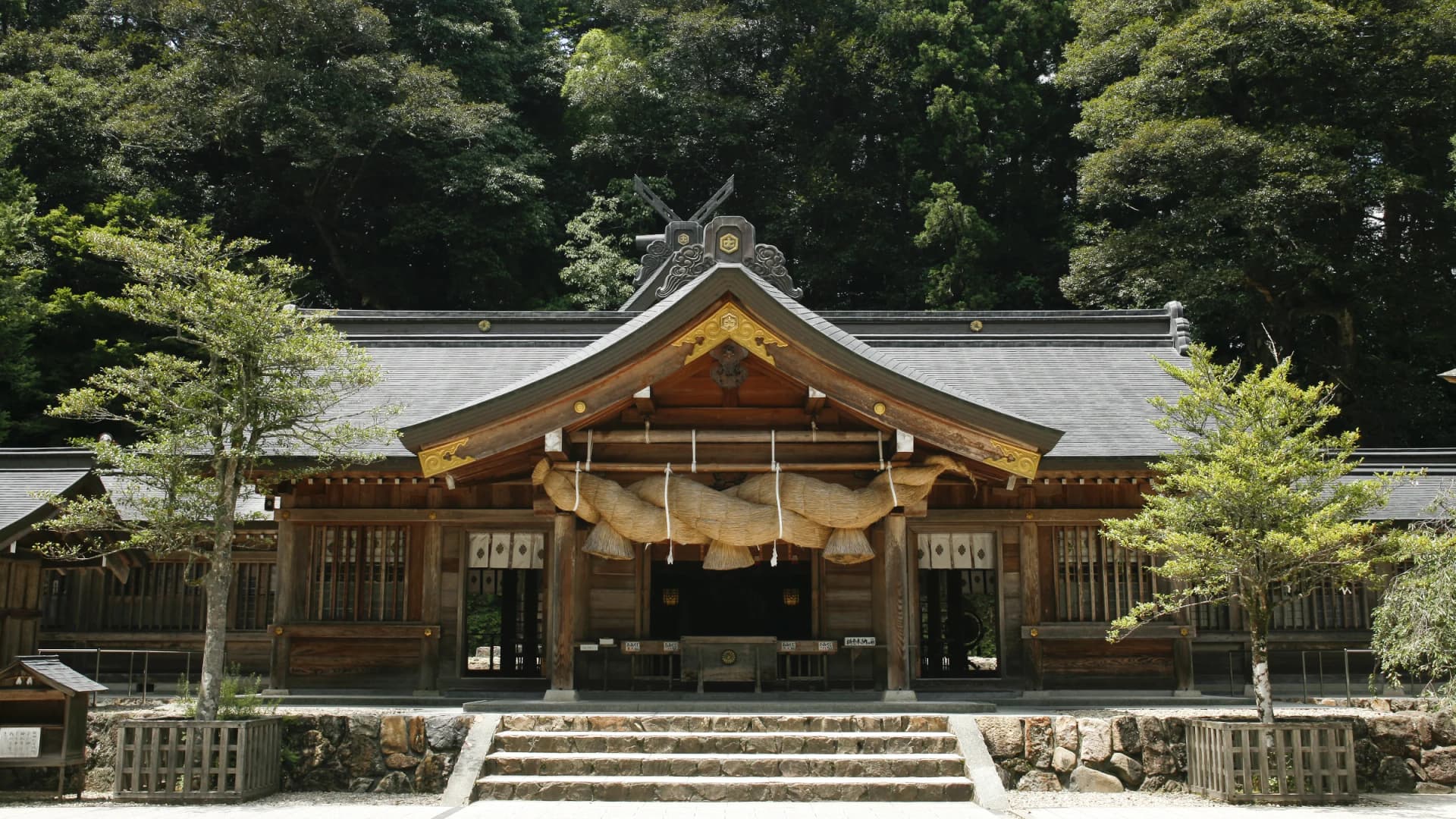
Kumano Taisha
Kumano Taisha, Izumo's "birthplace of fire", holds sacred hikiriusu and hikirigine fire-drills, a startling rice-cake ritual, and Susanoo's comb festival for Princess Inada.
Matsue · Shimane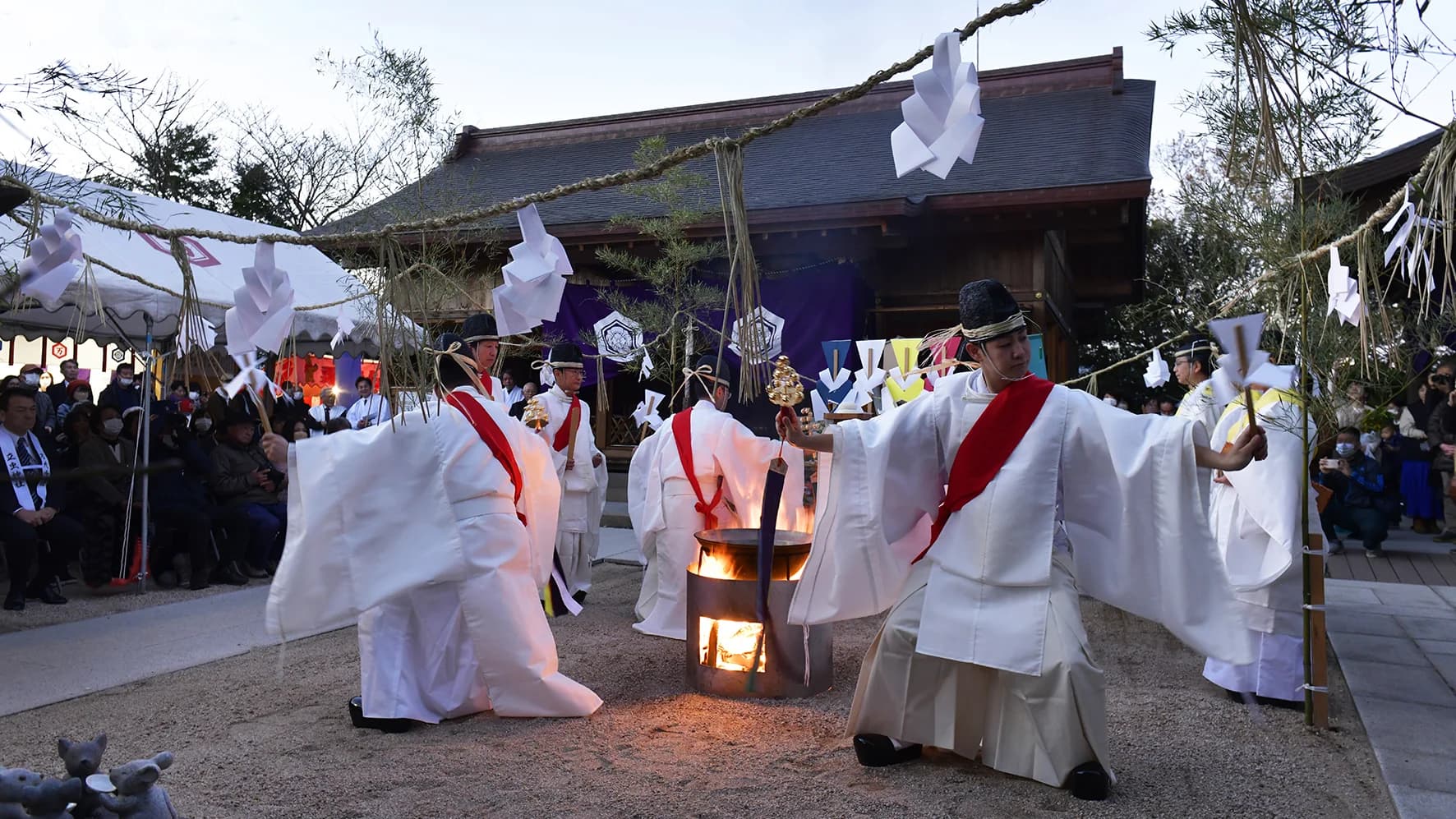
Mankusen Shrine
Mankusen Shrine in Izumo is said to be the last stop for the gods of Japan before they return home.
Izumo · Shimane