Owari Tsushima Tenno Festival
尾張津島天王祭
The summer festival of Tsushima Shrine in Aichi: five boats hung with paper lanterns cross a pond at night, then six boats with Noh figures the next morning.
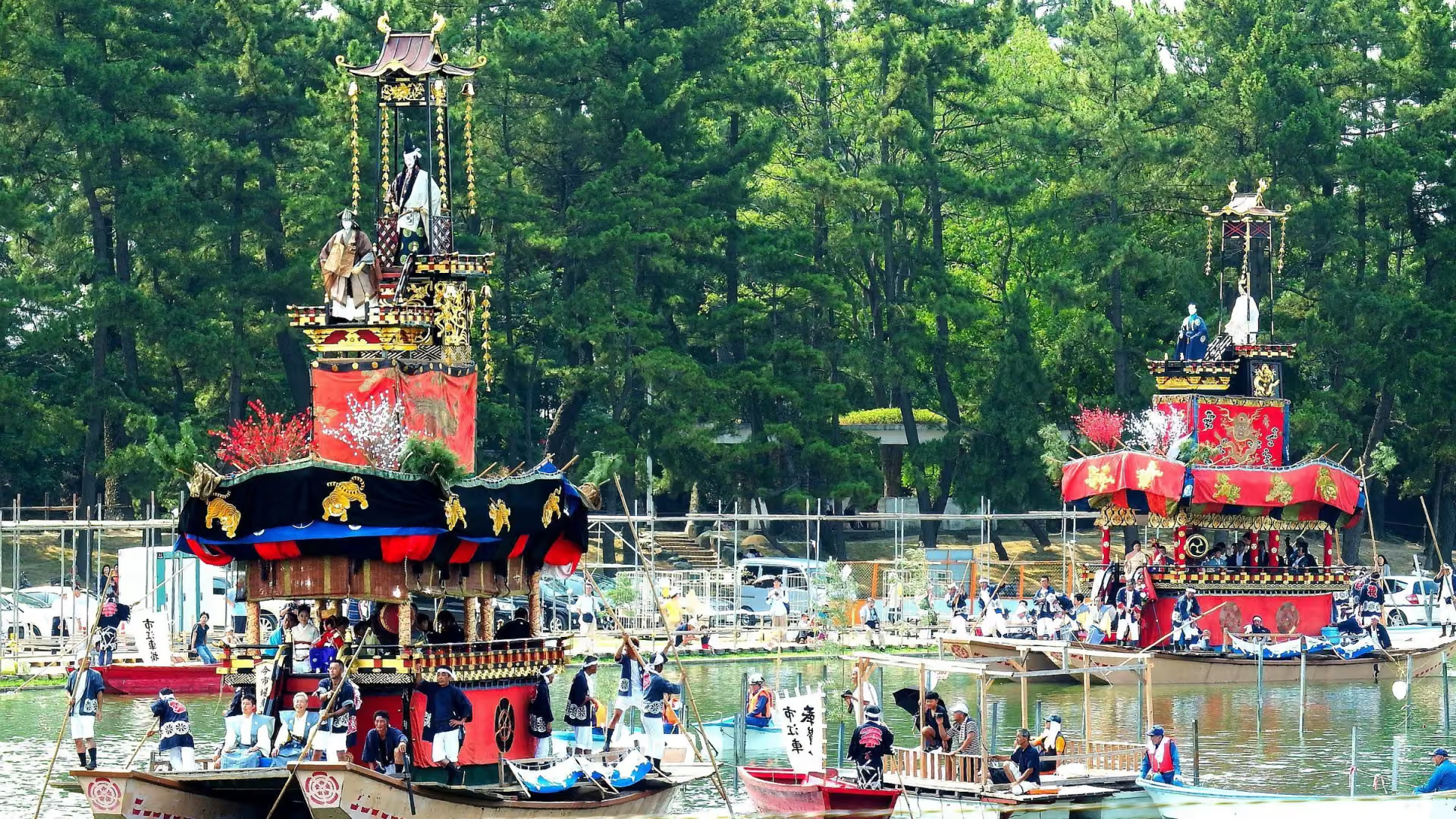
The evening festival starts at 18:00 and the boats' lanterns are lit from about 18:30. The morning festival starts at 9:10. Both go ahead in light rain.
〒 496-0853How to get there
津島Meitetsu Bisai Line · Meitetsu Tsushima Line15 min walk from the station
〒 496-0851How to get there
津島Meitetsu Bisai Line · Meitetsu Tsushima Line12 min walk from the station
The Owari Tsushima Tenno Festival is the summer festival of Tsushima Shrine in Tsushima, Aichi. It takes place on the pond of Tennogawa Park, once the Tenno River, and is known as one of Japan's three great river festivals. Lantern boats cross the water on the first evening and decorated boats the next morning.
History
Tsushima Shrine was once called Tsushima Gozu Tenno Sha, after Gozu Tenno, a deity feared as a bringer of epidemics. Festivals for him were held in summer to calm him and to pray for safety from disease. In Kyoto this took the form of the floats of the Gion Festival. Tsushima was a port linking Ise and Owari by boat, so its festival took to the water.
Nobody knows when the festival began. The leaflet of the tourist association cites a record from 1459 and speaks of nearly 600 years, and the oldest record of the boats' figures dates from 1522. Oda Nobunaga watched it in 1558. It followed the old calendar until 1963, when it moved to a weekend in July.
The boat rite was designated a National Important Intangible Folk Cultural Property in 1980. In 1984 Aichi Prefecture designated the boats themselves a Tangible Folk Cultural Property. In December 2016 the rite was added to the UNESCO Intangible Cultural Heritage list, as one of the 33 Yama, Hoko, Yatai float festivals of Japan.
What happens
The evening festival, the yoimatsuri (宵祭), belongs to the five makiwara boats (まきわら船) of Tsushima's five old villages. Each is two hulls joined together around a central mast, about 20 m tall overall. Twelve lanterns on the mast stand for the months and 365 in a half circle below stand for the days of the year, and about 500 lanterns are hung in all. The lanterns are lit first, then the boats set out to the sound of Tsushima music.
Overnight the five boats are stripped of their lanterns and dressed again for the morning festival, the asamatsuri (朝祭). The Ichie boat, from the Ichie district, joins them in the lead, making six danjiri boats (車楽舟). Each carries life-size figures dressed in Noh costume, and old music is played on board. The first of the five Tsushima boats always carries the figure from the Noh play Takasago.
Halfway across the pond, ten men on the Ichie boat jump into the water with cloth spears on their backs. They swim to the shore by the shrine's resting place, run to Tsushima Shrine and offer the spears there.
Getting There


Planning a trip? Fit this into a trip and Oni plans the rest around it.
You might also like
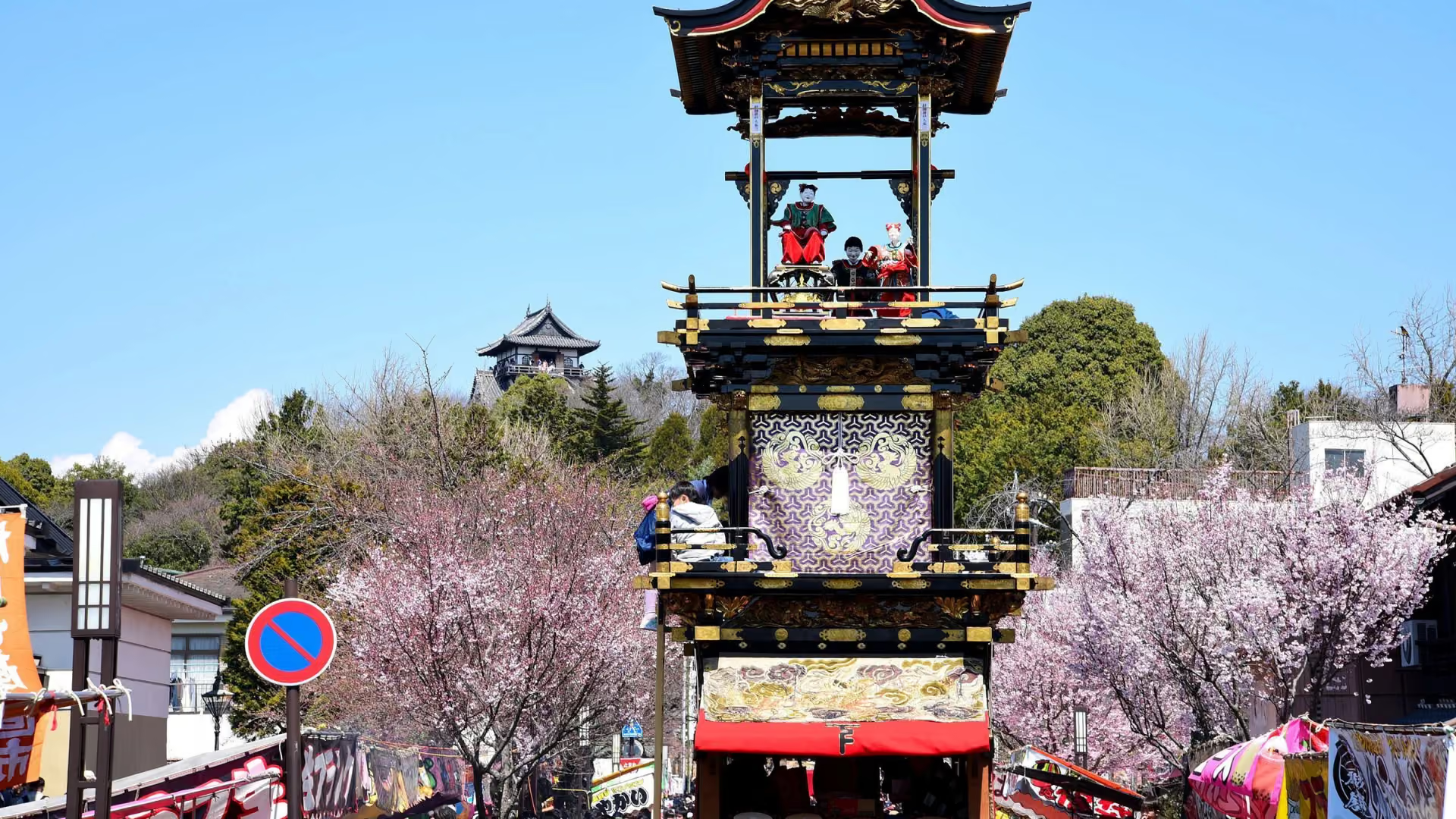
Inuyama Festival
Spring festival of Haritsuna Shrine dating from 1635, with 13 three-tiered floats carrying mechanical karakuri puppets through the castle town of Inuyama.
3–4 Apr 2027Exact date not confirmed yetInuyama · Aichi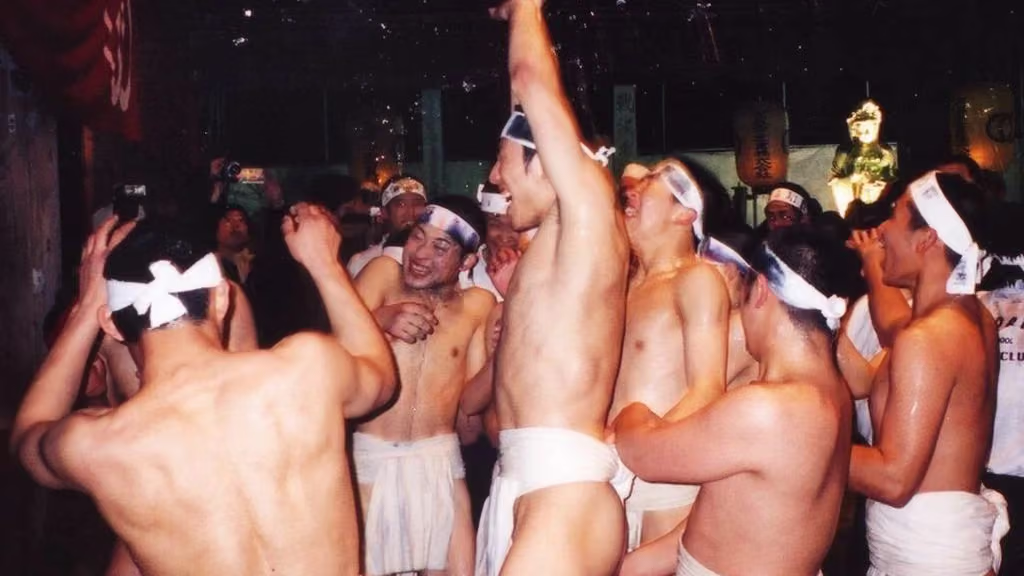
Konomiya Hadaka Matsuri
Historic purification festival where nearly-naked men engage in a spirited struggle to touch the selected Naoi-nin, symbolizing the cleansing of misfortune.
19 Feb 2027Inazawa · Aichi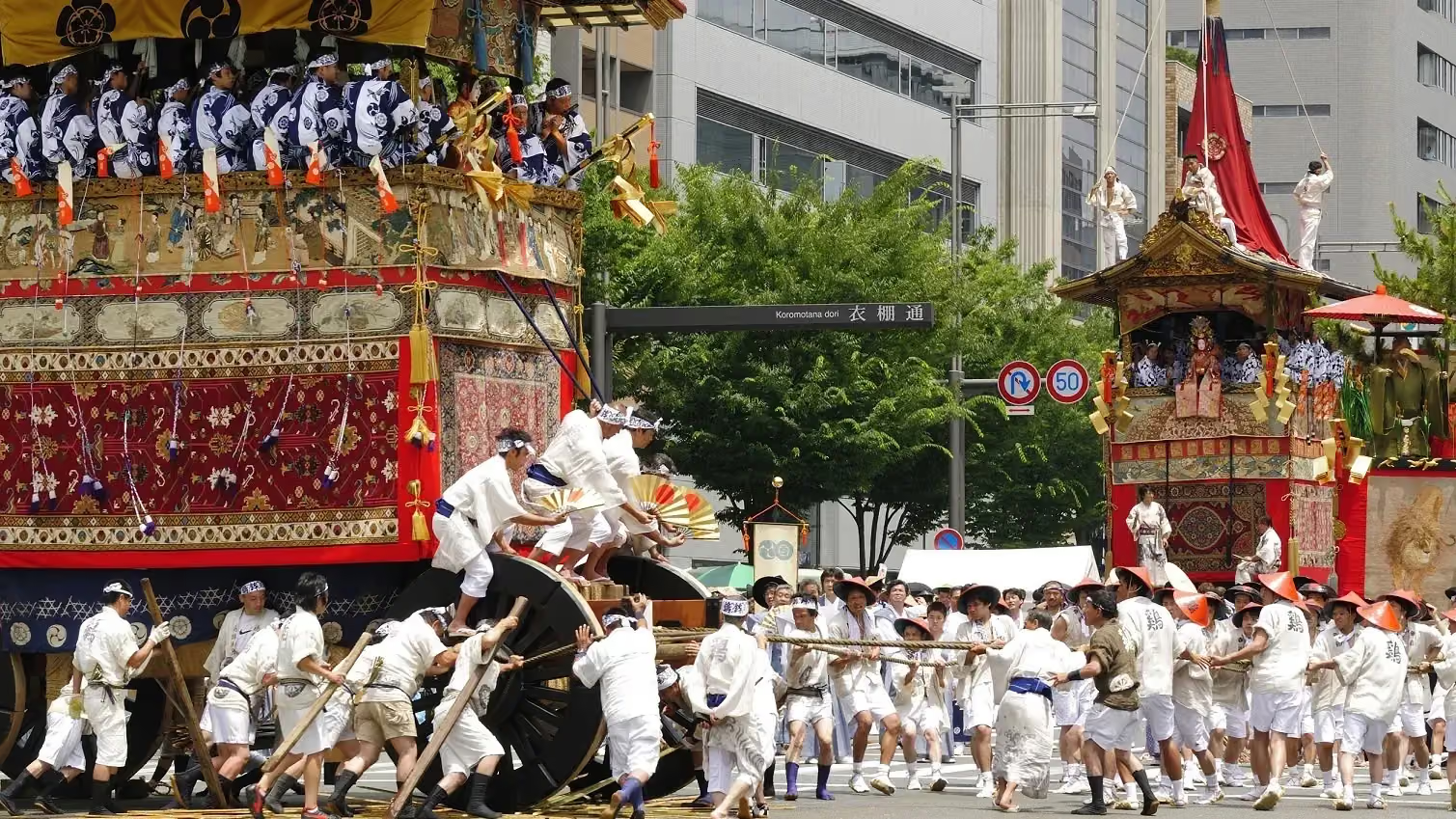
Gion Festival
A month-long Kyoto festival centered on Yasaka Jinja Shrine, with sacred rituals, food stalls and illuminated floats, ending in a grand procession and parade.
1–31 Jul 2027Kyoto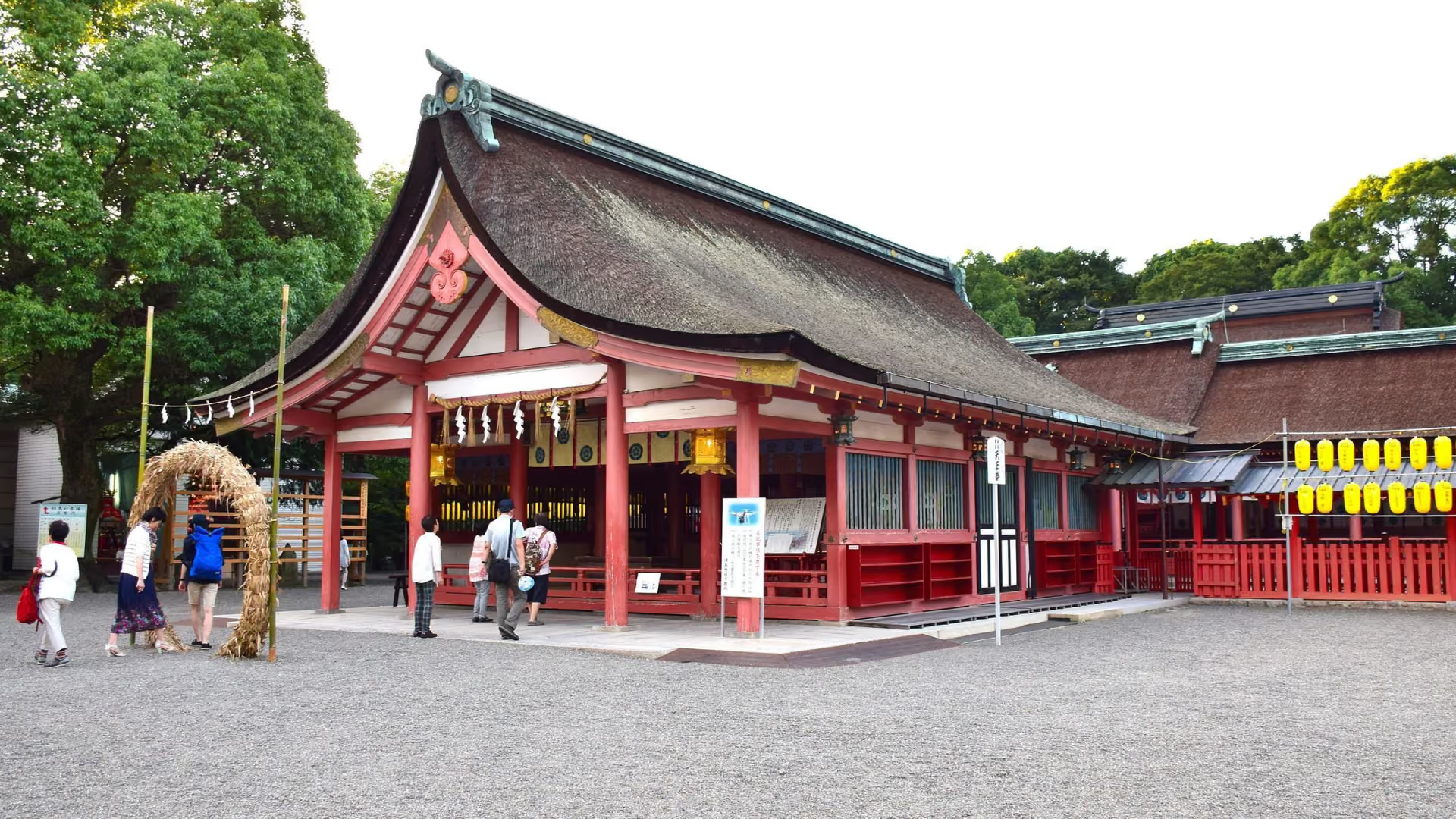
Tsushima Shrine
The head shrine of about 3,000 Tsushima and Tenno shrines across Japan, dedicated to Susanoo and founded, by shrine tradition, in 540.
Tsushima · Aichi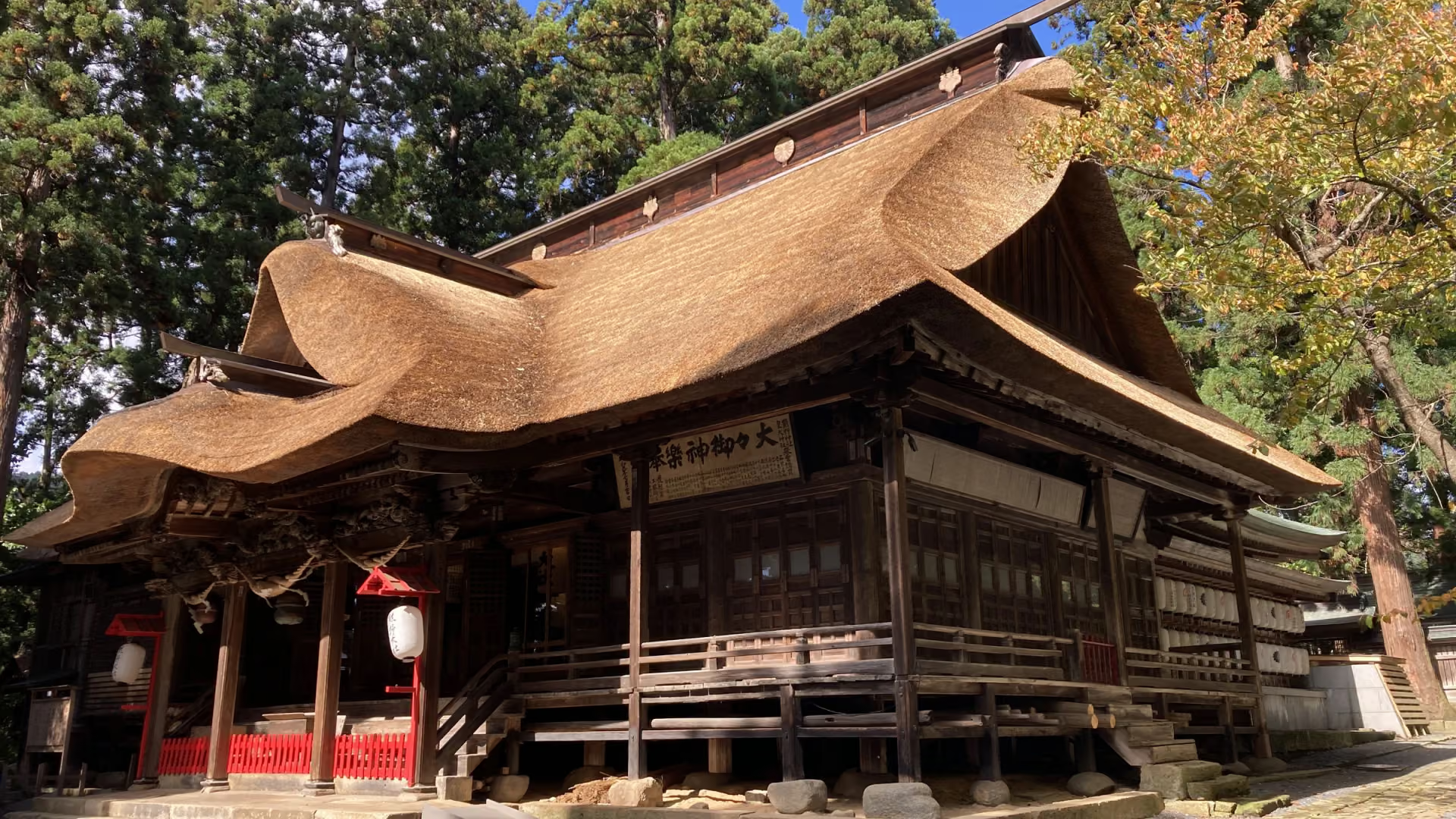
Kumano Taisha Shrine
One of the Three Kumano of Japan, said to have been rebuilt in 806, known as the Ise of Tohoku and as a shrine of matchmaking deities.
Nanyo · Yamagata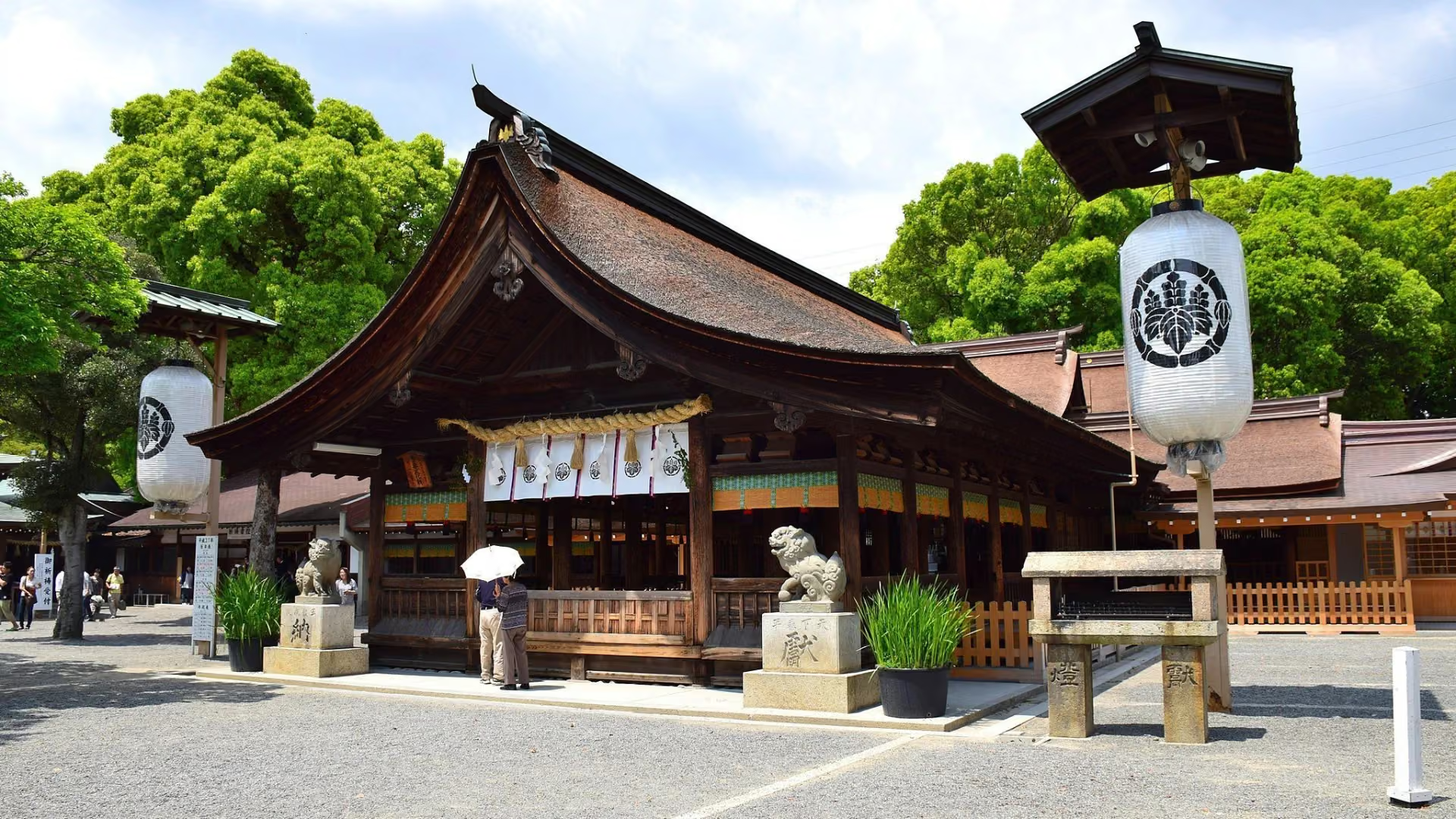
Owari Okunitama Shrine
Inazawa shrine that is the guardian of Owari Province, enshrining the land spirit revered for protecting agriculture and commerce since the Nara period.
Inazawa · Aichi