Aoba Shrine
青葉神社
Shinto shrine in Sendai founded in 1874 for Date Masamune, the first lord of the Sendai Domain, with six registered cultural property buildings from the 1920s.
〒 981-0916How to get there
北仙台Namboku Line · Senzan Line8 min walk from the station
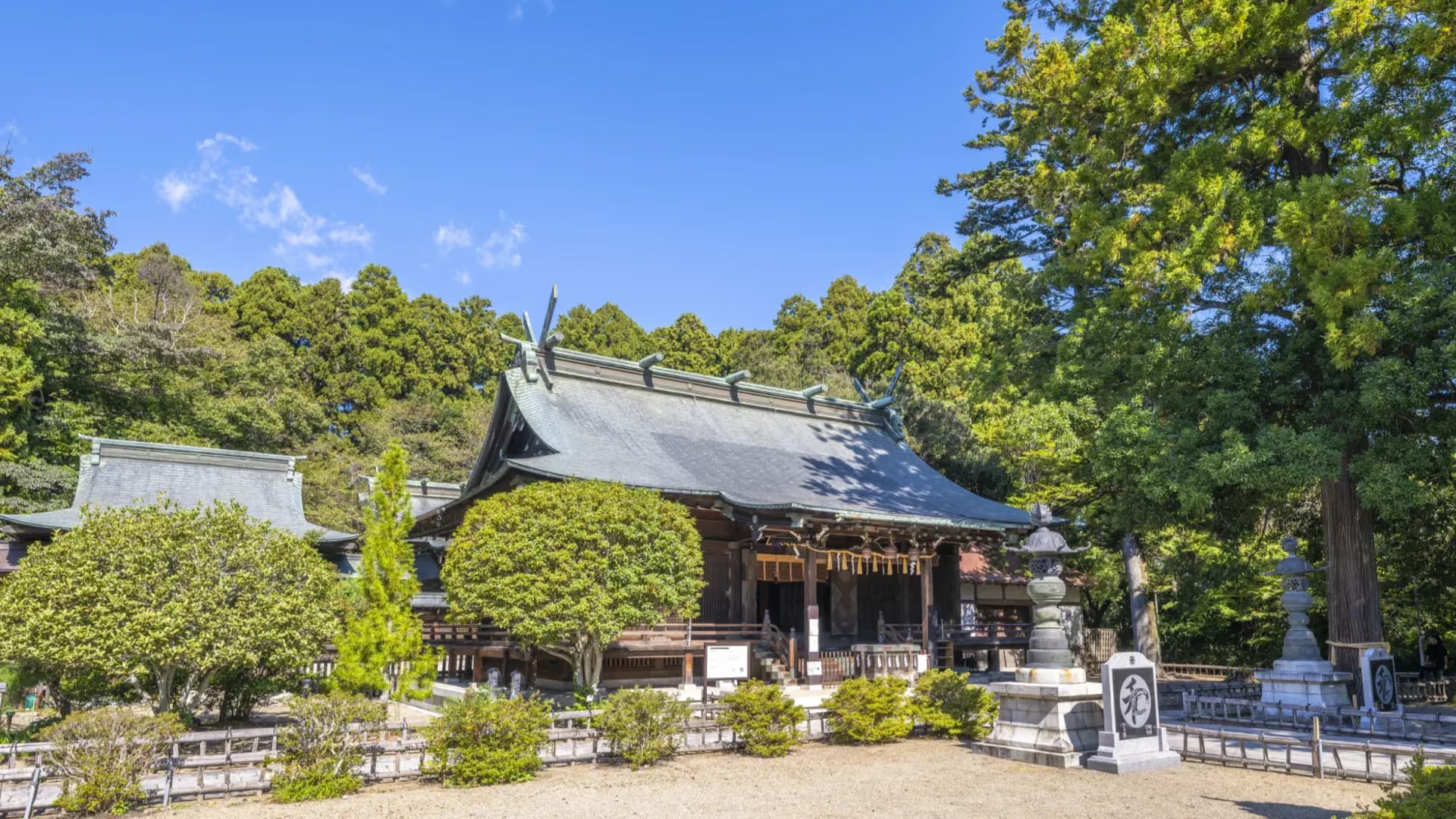
Aoba Shrine is a Shinto shrine in the Kitayama area of Aoba Ward, Sendai. It enshrines Date Masamune, the founder of the Sendai Domain, under the divine name Takefuruhiko no Mikoto (武振彦命). His wife Megohime (愛姫) is enshrined with him in the main hall.
History
The shrine began with a request in 1873 from a former physician of the Sendai Domain and others to hold rites for Masamune. Permission came the next year. The shrine was given its name and its deity his divine name, and it was founded in 1874 on the grounds of Tosho-ji, a temple in Kitayama north of the old castle town. The enshrinement ceremony took place on 15 November 1874.
Former retainers of the domain and local people went on improving the grounds. Rebuilding at the present site began in 1922, the new buildings were finished in 1927, and the deity was moved into them in May 1928. In 2019 six of the buildings were entered on the national register of Tangible Cultural Properties.
The shrine's mikoshi (神輿), a portable shrine, is carried in the historical parade on the main day of the Sendai Aoba Festival in May.
The buildings
An engineer of Miyagi Prefecture designed the main buildings, and a master carpenter from the former domain's carpenters led the work. They follow traditional shrine forms with modern touches in the detail, and all have copper roofs.
The main hall (honden), built in 1924, is in the sangensha nagare-zukuri (三間社流造) style: three bays wide, with the front of the roof stretching far forward. Its kibana, the carved ends of the beams, have geometric patterns. The worship hall (haiden) of 1927 faces the approach. It has a hip-and-gable roof, tatami floors and a coffered ceiling.
Between the two stand the middle gate and the norito-sha, where priests recite prayers, and a latticed fence encloses the main hall; all three date from 1927. A corridor links the worship hall to the shinsenjo, where offerings are prepared, built around 1929. The smallest of the six is the hall that once sheltered the shrine of Megohime. It was built in 1931 and moved to its present spot in the mid Showa era, when her shrine was moved into the main hall.
The Soreisha on the grounds enshrines the retainers who served Masamune.
Getting There

Planning a trip? Fit this into a trip and Oni plans the rest around it.
Places nearby
Shifuku-ji Temple
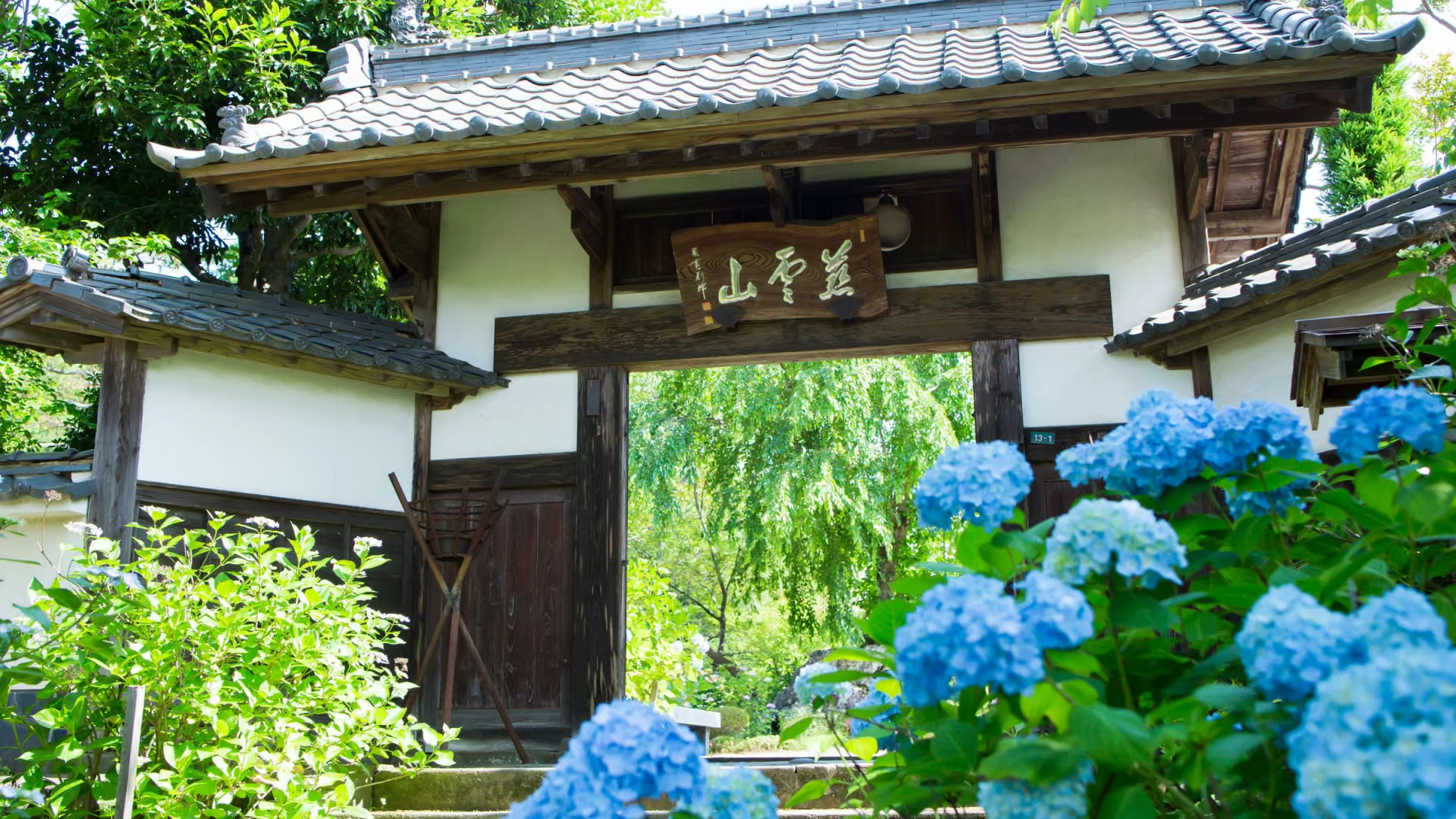
Rinzai Zen temple in the Kitayama district of Sendai, one of the Kitayama Gozan temples, known as the hydrangea temple for its early summer flowers.
Sendai · Miyagi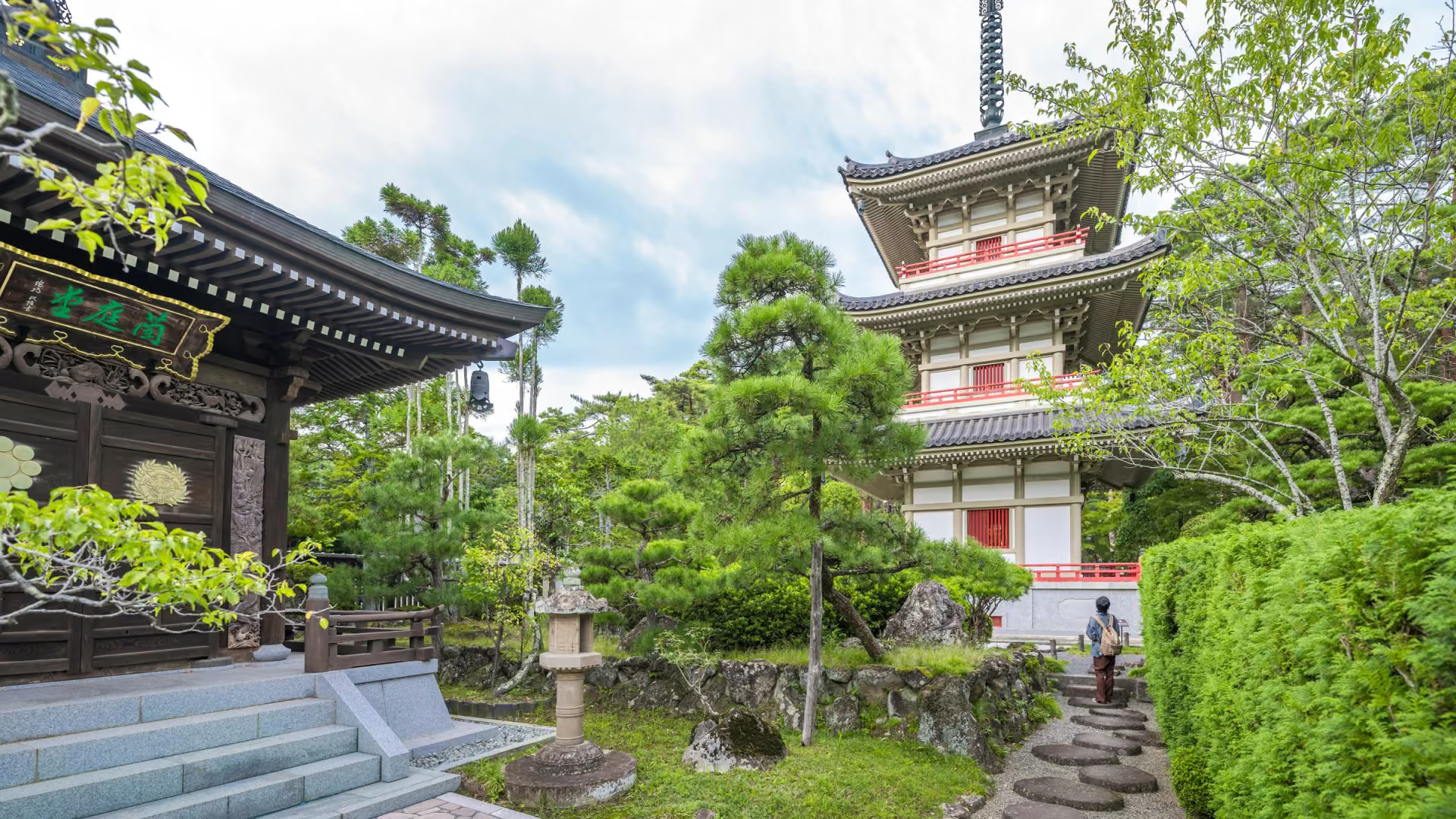
Rinnoji Temple
Zen temple founded in 1441 and relocated to Sendai in 1602, where it flourished for over three centuries under Date clan patronage.
Sendai · Miyagi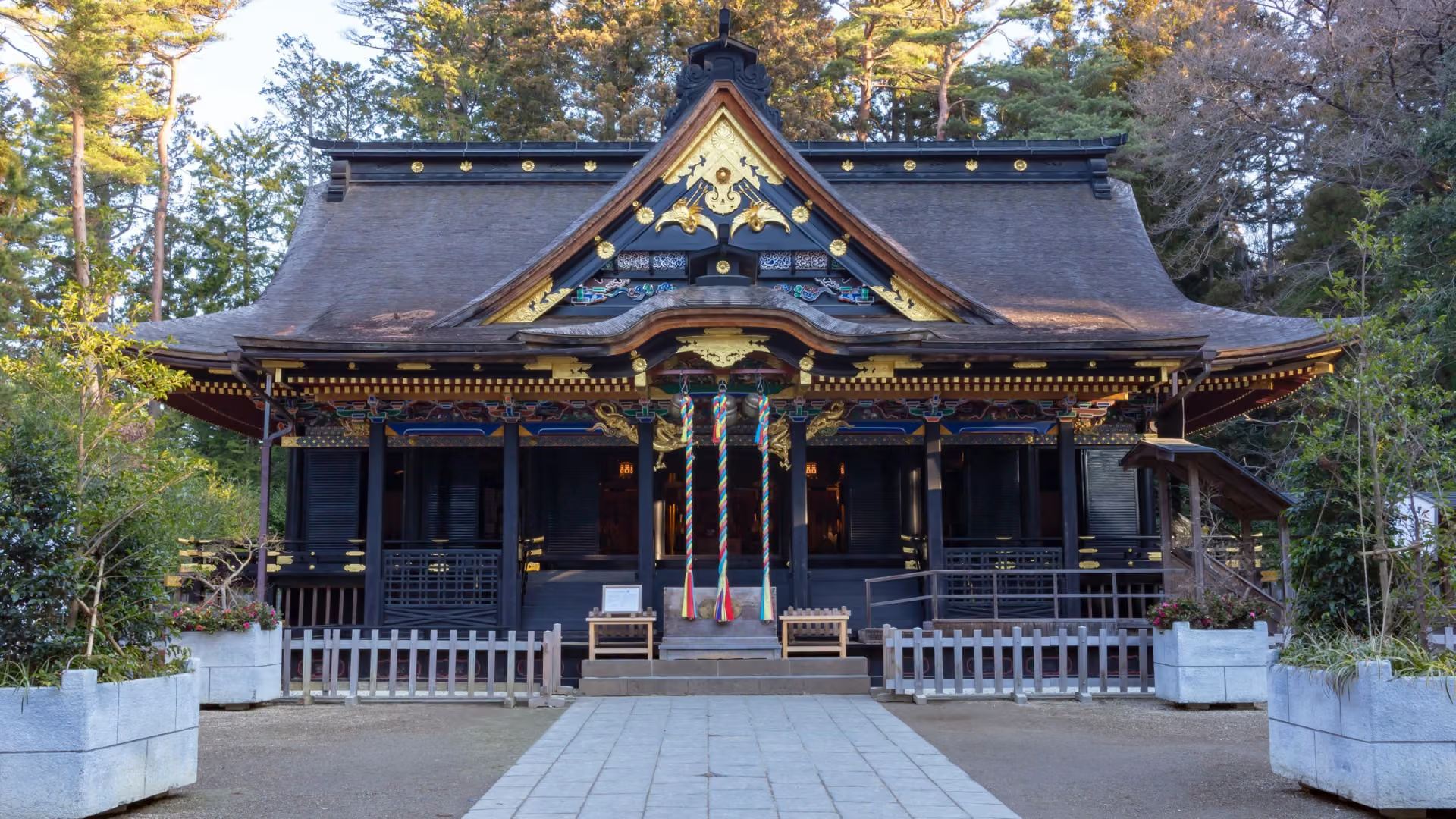
Osaki Hachimangu Shrine
Built between 1604 and 1607 under Date Masamune, this shrine showcases Momoyama-era architecture with an intricate main hall designated as a National Treasure.
Sendai · MiyagiYou might also like
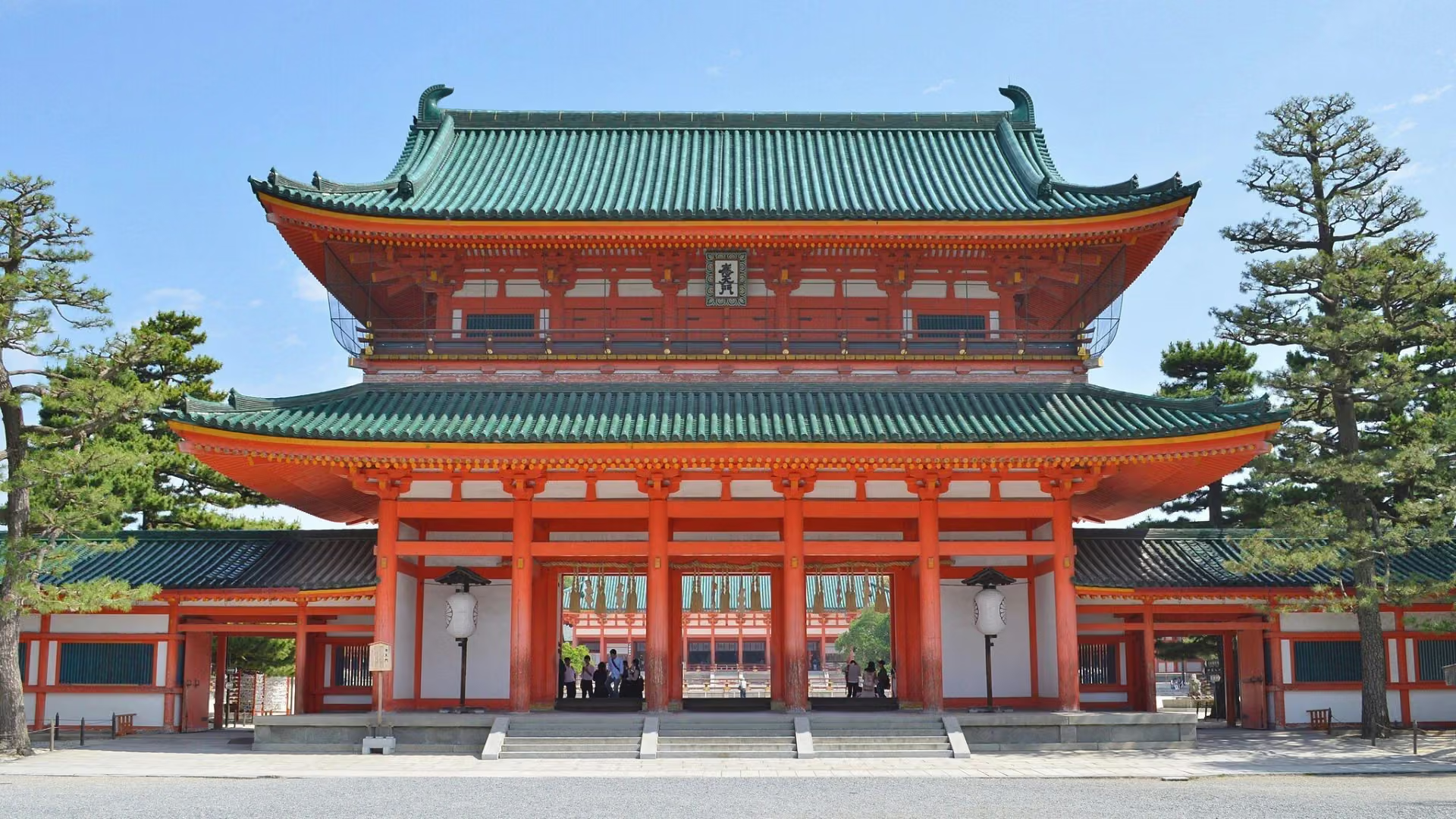
Heian Shrine
A Shinto shrine in Kyoto founded in 1895 for the 1,100th anniversary of the capital, its vermilion halls modelled on the Heian palace.
Kyoto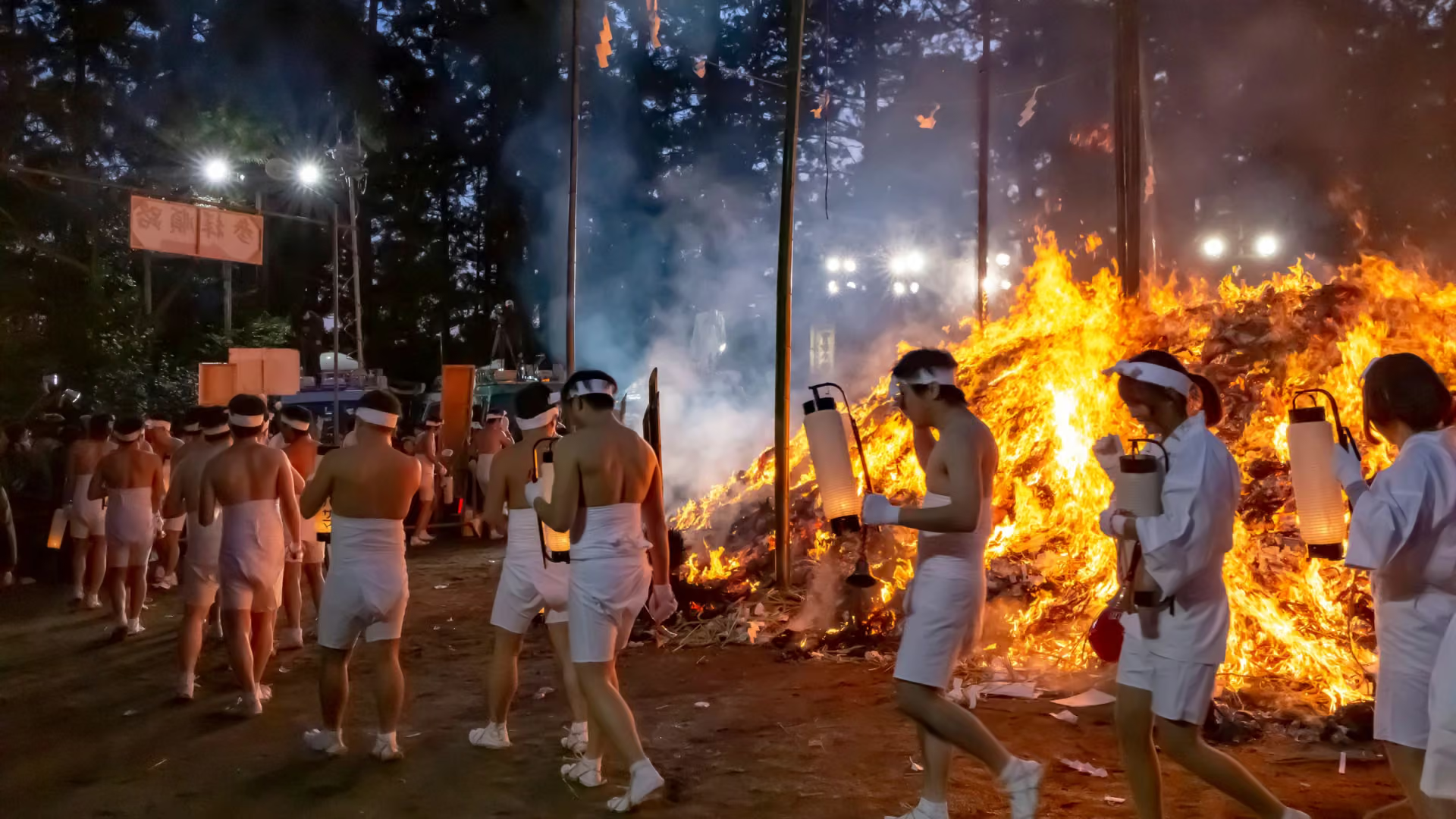
Dontosai Festival
An annual winter ritual in Sendai features the ceremonial burning of New Year decorations followed by a sacred pilgrimage procession in traditional attire.
14 Jan 2027Sendai · Miyagi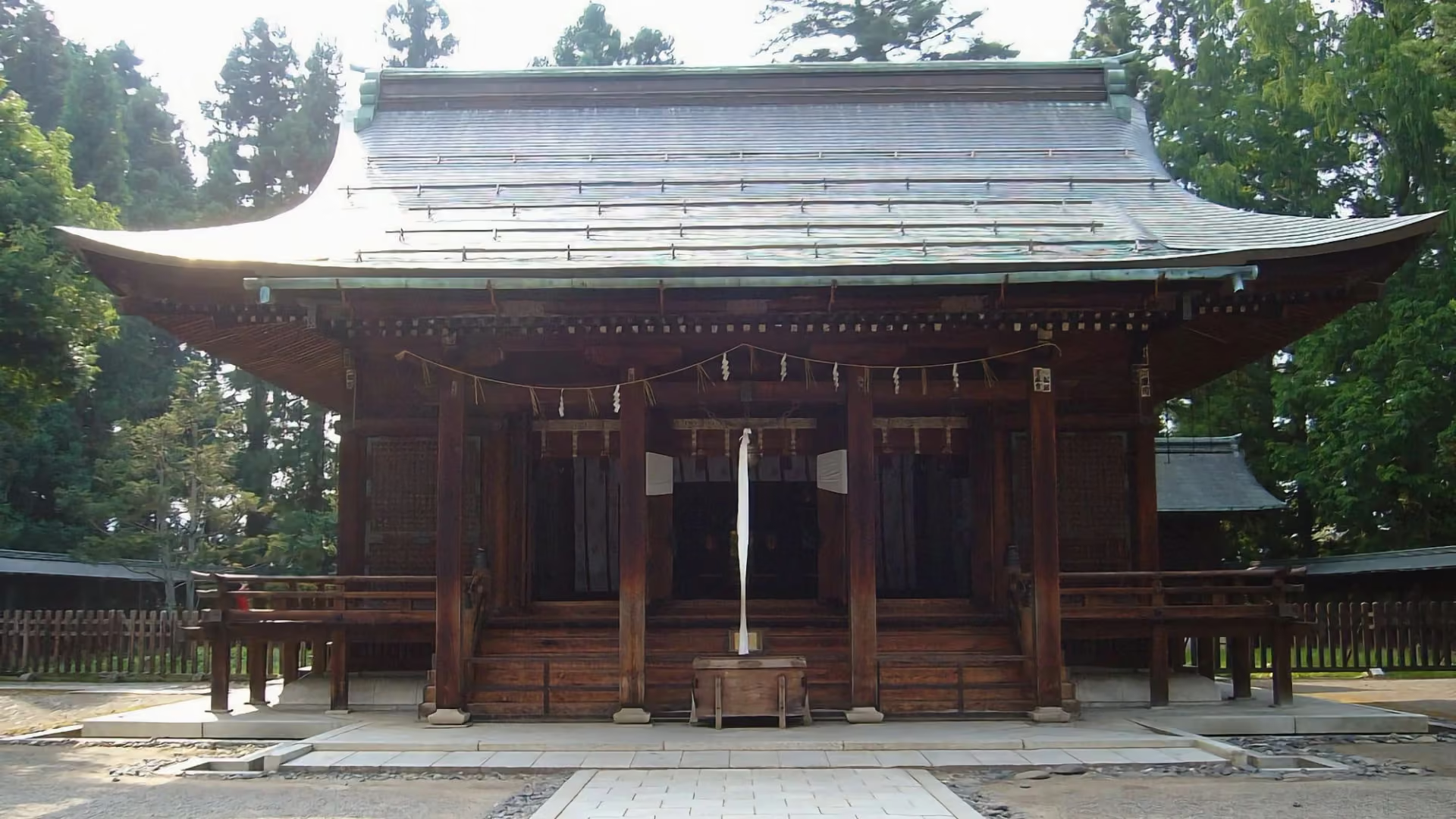
Uesugi Shrine
Shrine on the site of Yonezawa Castle's main enclosure, dedicated to the warlord Uesugi Kenshin and rebuilt in 1923 after a city fire.
Yonezawa · Yamagata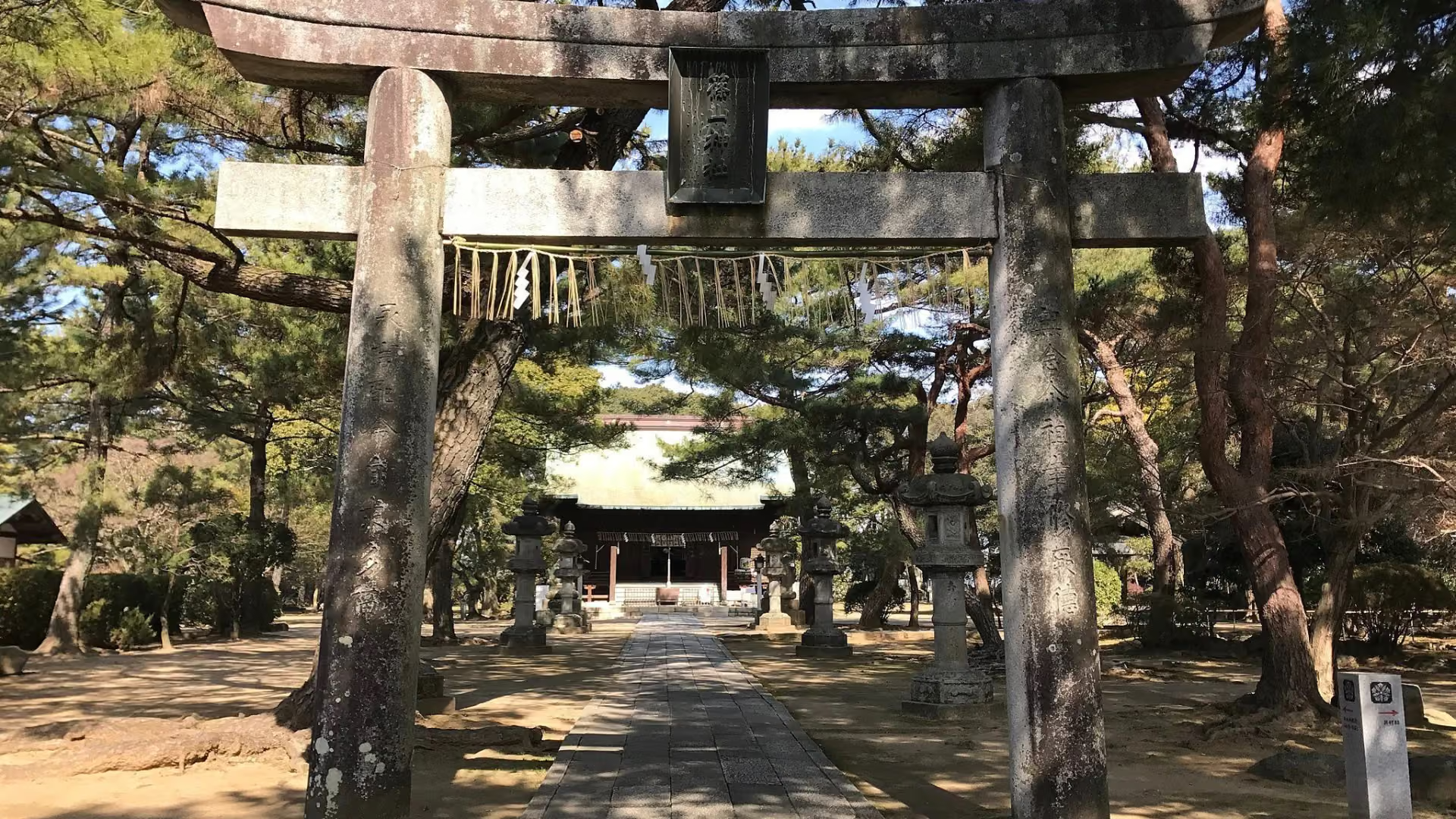
Sasayama Shrine
Shrine founded in 1877 on the site of Kurume Castle's inner citadel, enshrining five members of the Arima clan, including Arima Yoriyasu of the Arima Kinen.
Kurume · Fukuoka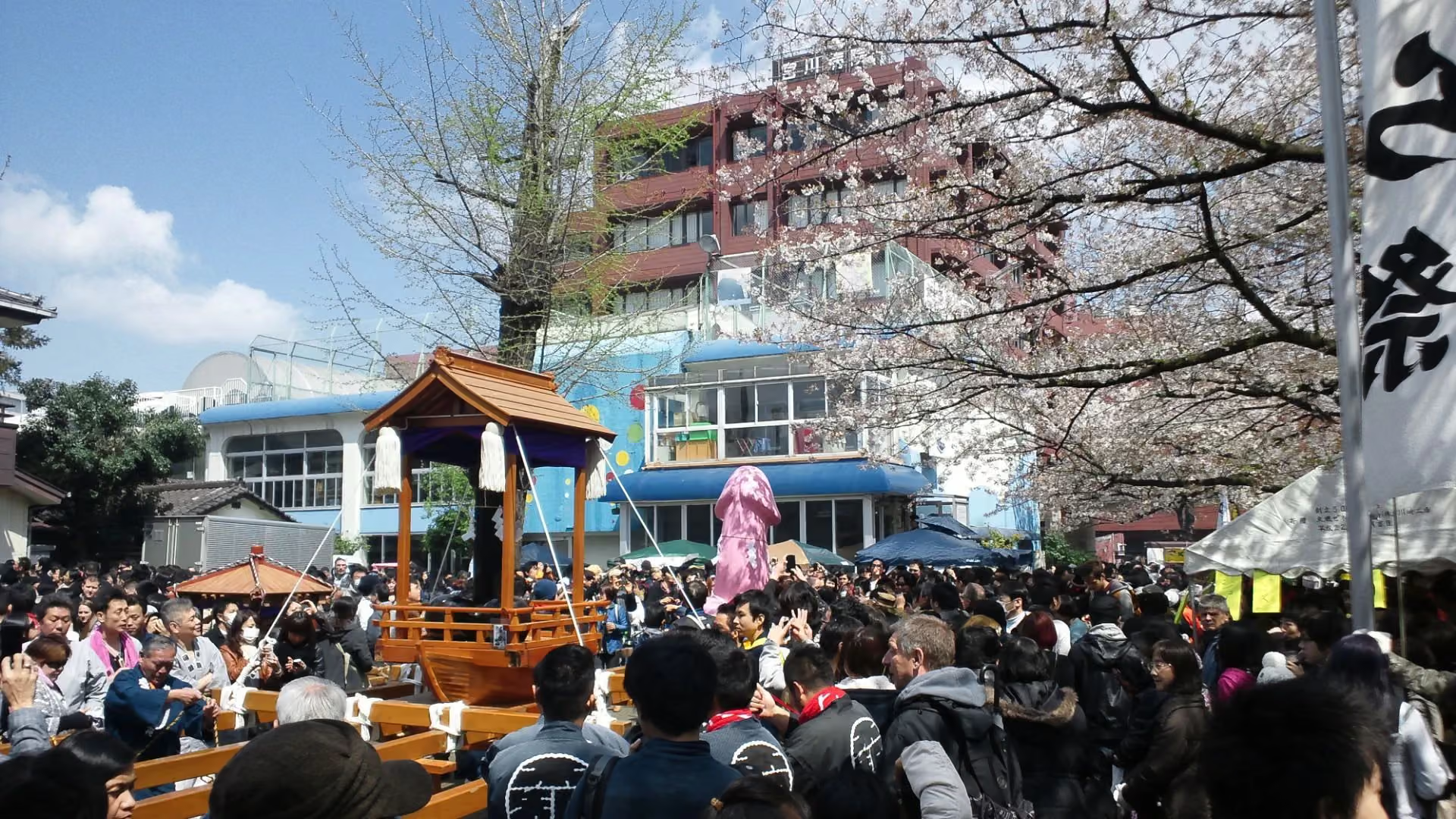
Kanamara Matsuri
A spring festival at Kanayama Shrine in Kawasaki: three phallus-shaped mikoshi are carried out with prayers for children, marriage and protection from disease.
4 Apr 2027Exact date not confirmed yetKawasaki · Kanagawa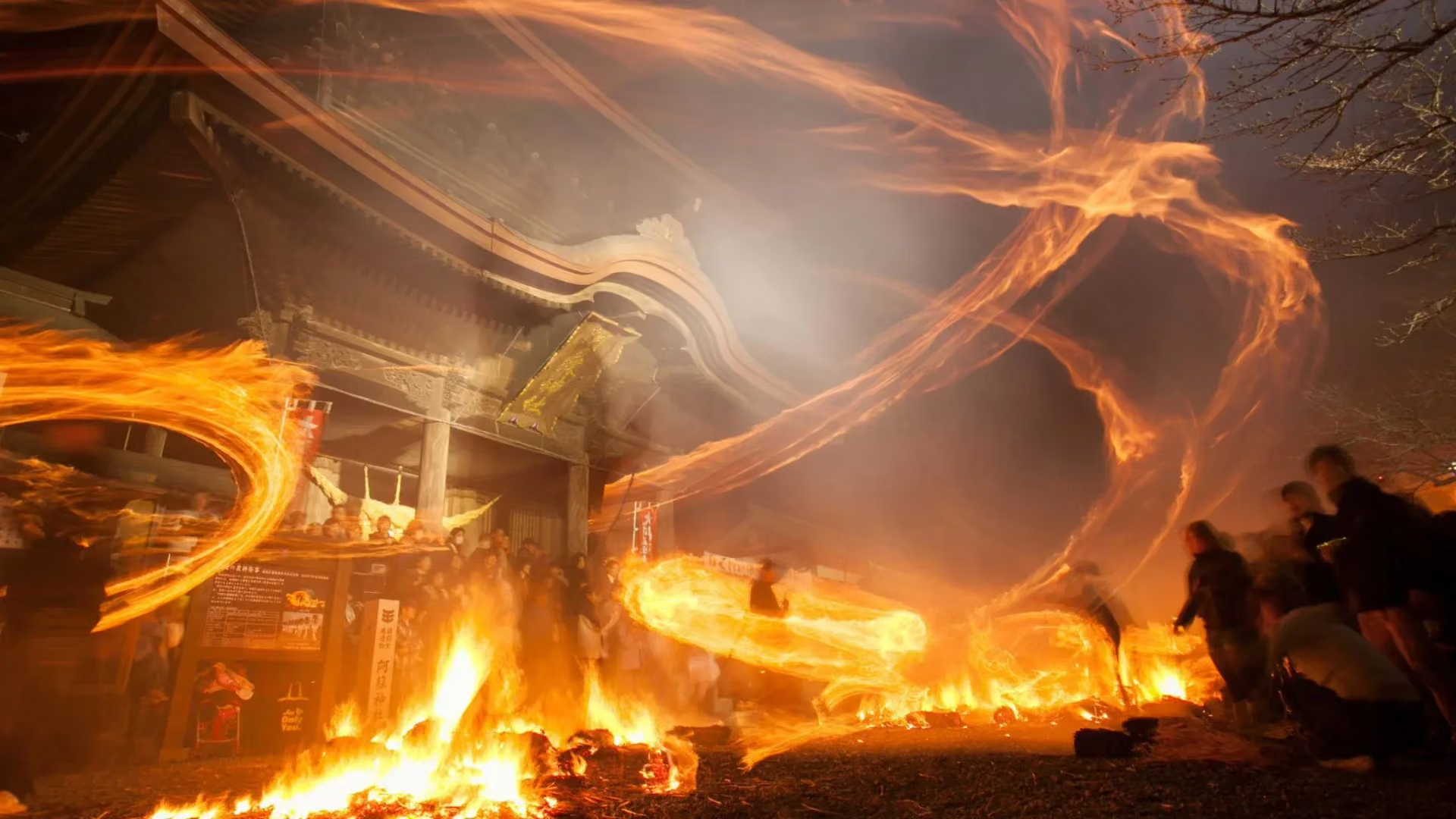
Hifuri Shinji Fire Swinging Ritual
During the Tatsukuri Festival at Aso Shrine, burning bundles of grass are swung on the shrine approach to welcome the bride of the deity Kunitatsu-no-Kami.
23 Mar 2027Exact date not confirmed yetAso · Kumamoto