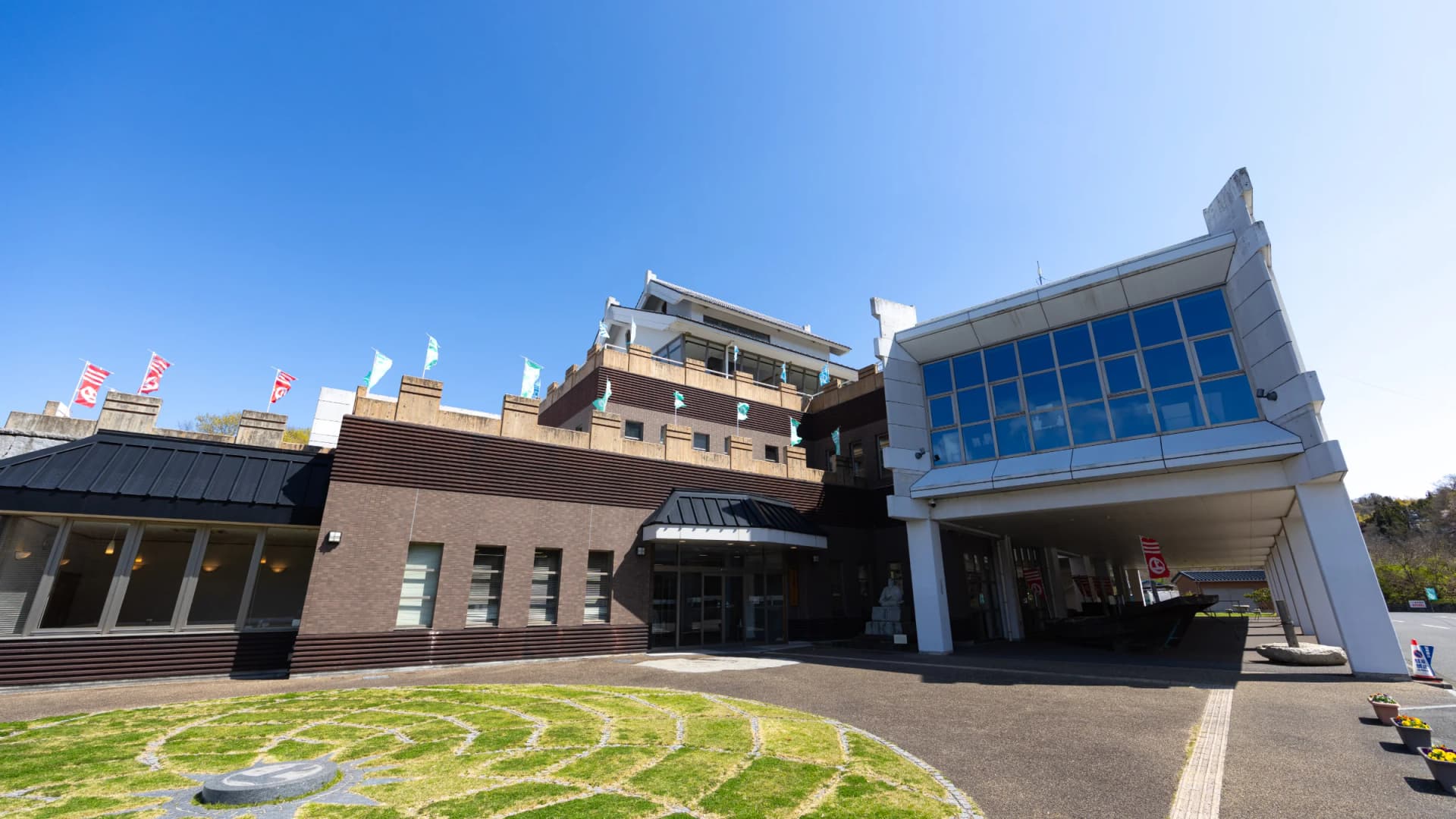
Nagasaki Museum of History and Culture
Opened in 2005 on the site of an Edo-period magistrate's office, this museum explores Nagasaki's distinctive history as Japan's historical gateway to overseas exchange.
Nagasaki

Opened in 2005 on the site of an Edo-period magistrate's office, this museum explores Nagasaki's distinctive history as Japan's historical gateway to overseas exchange.
NagasakiJapan's first national museum dedicated to Ainu culture and the core facility of Upopoy, promoting understanding of this Indigenous heritage.
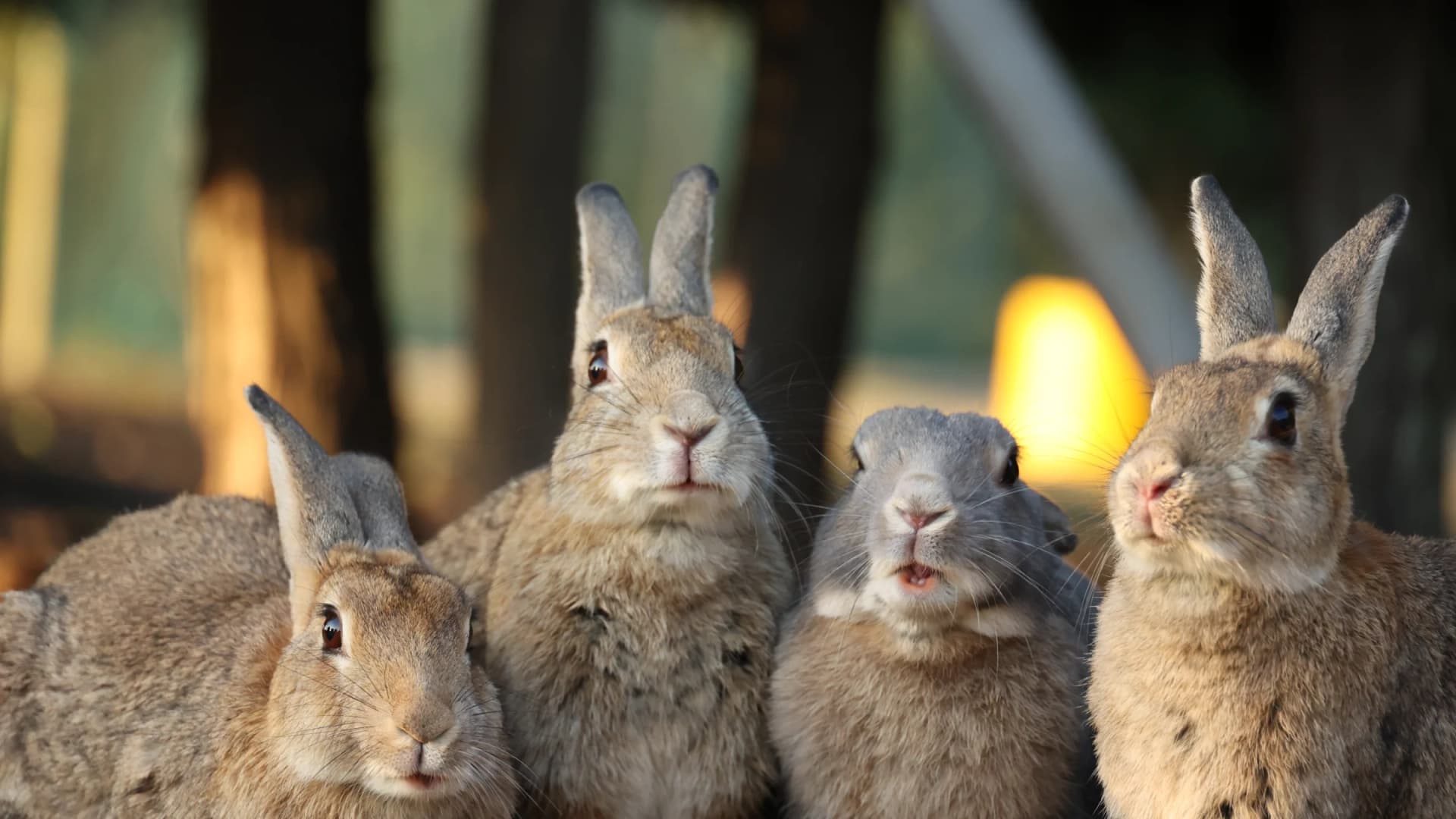
Shiraoi · HokkaidoA small island in the Inland Sea with about a thousand wild rabbits on it, which was the Japanese army's poison gas works until 1945.
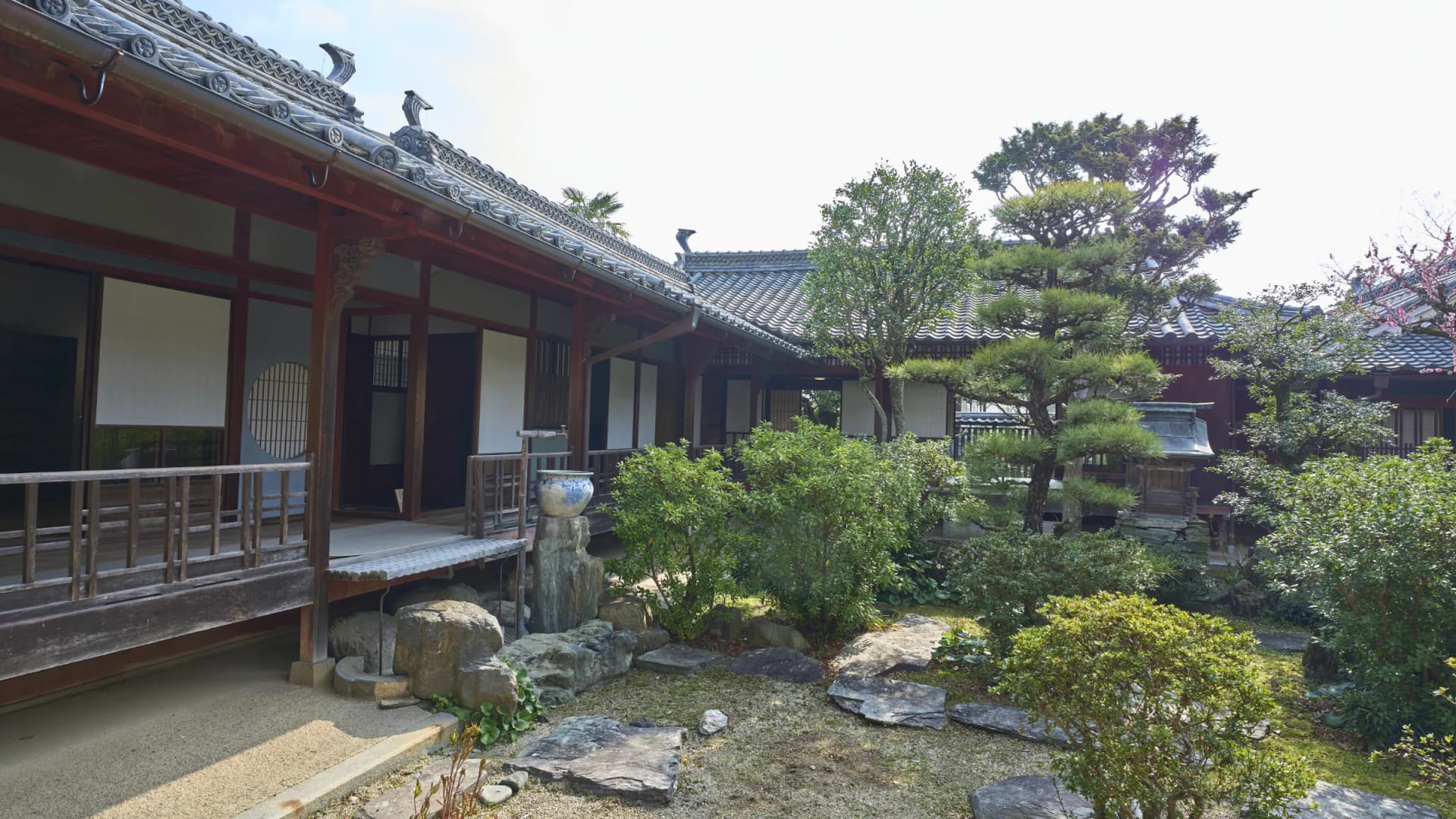
Takehara · HiroshimaThe house and works of a wax-making family in Uchiko, Ehime, kept with its boiling sheds and stores, and now a museum of the trade.
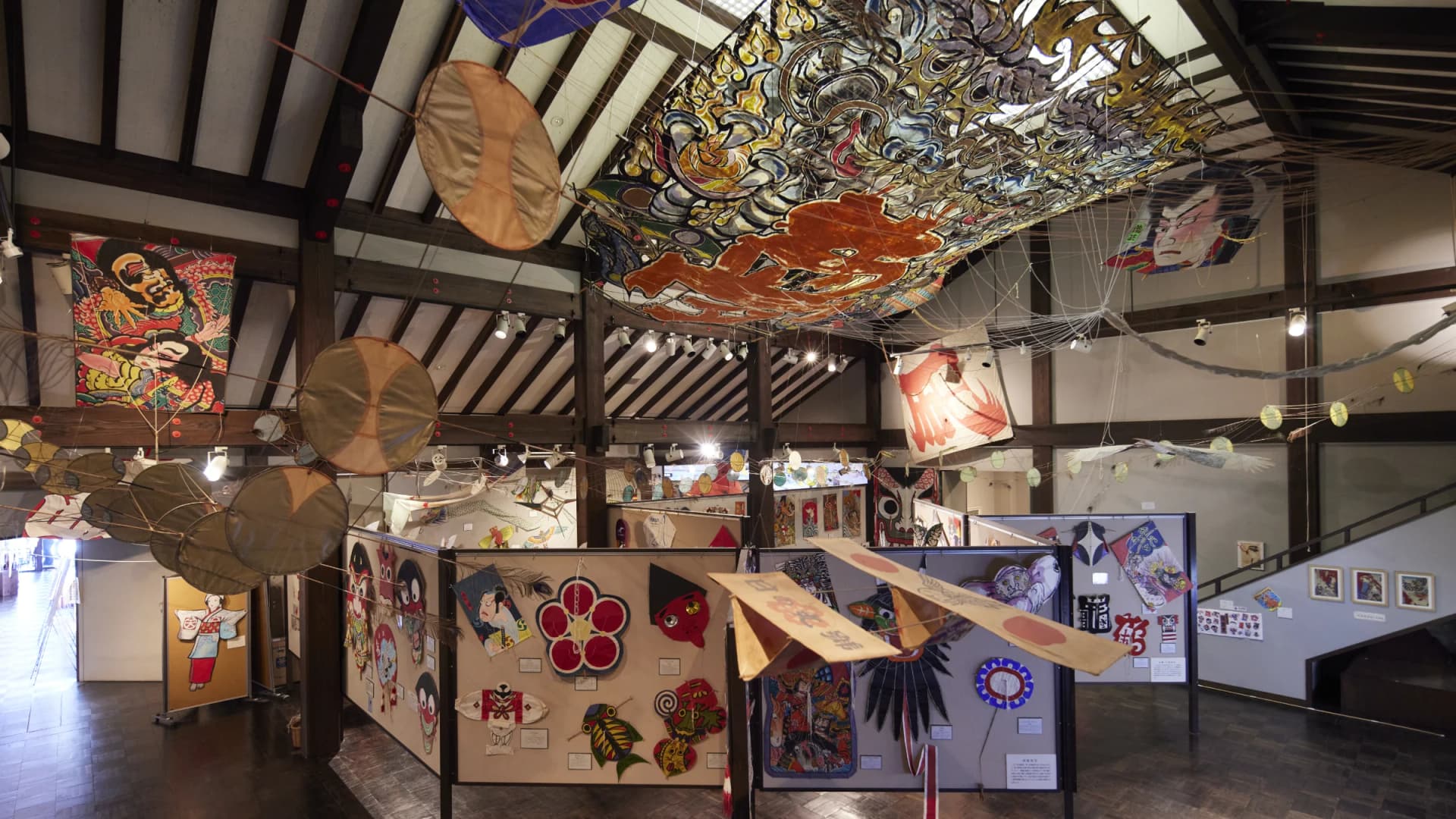
Uchiko · EhimeA museum in Uchiko, Ehime, devoted to kites from Japan and around the world, in the town that holds a kite battle every May.
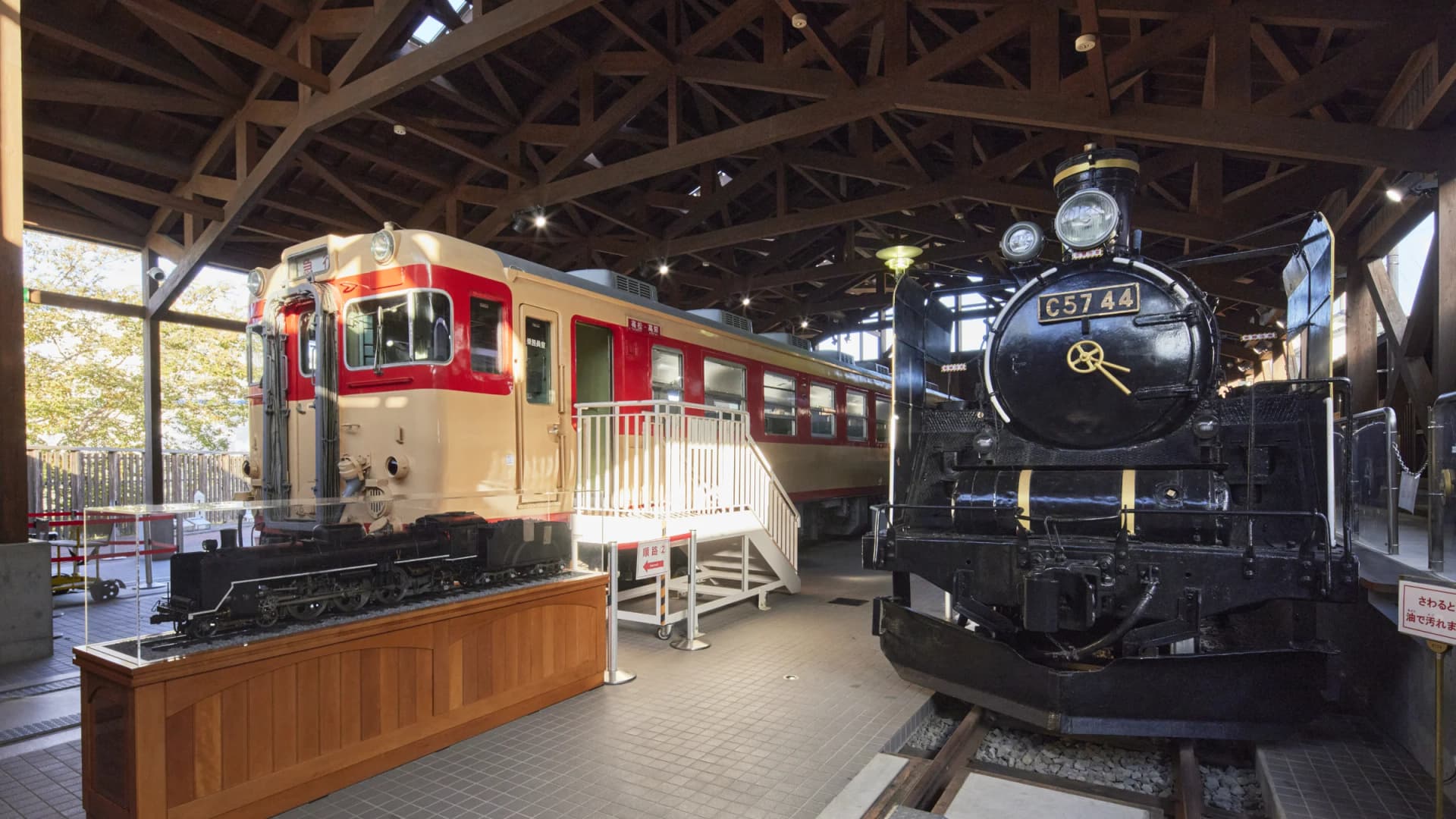
Uchiko · EhimeA railway museum beside Iyo-Saijo station holding an original bullet train car and the diesel locomotive that worked the lines of Shikoku.
Saijo · EhimeA museum on Oshima in the Inland Sea about the Murakami, the sea lords who controlled the straits around Imabari in the sixteenth century.
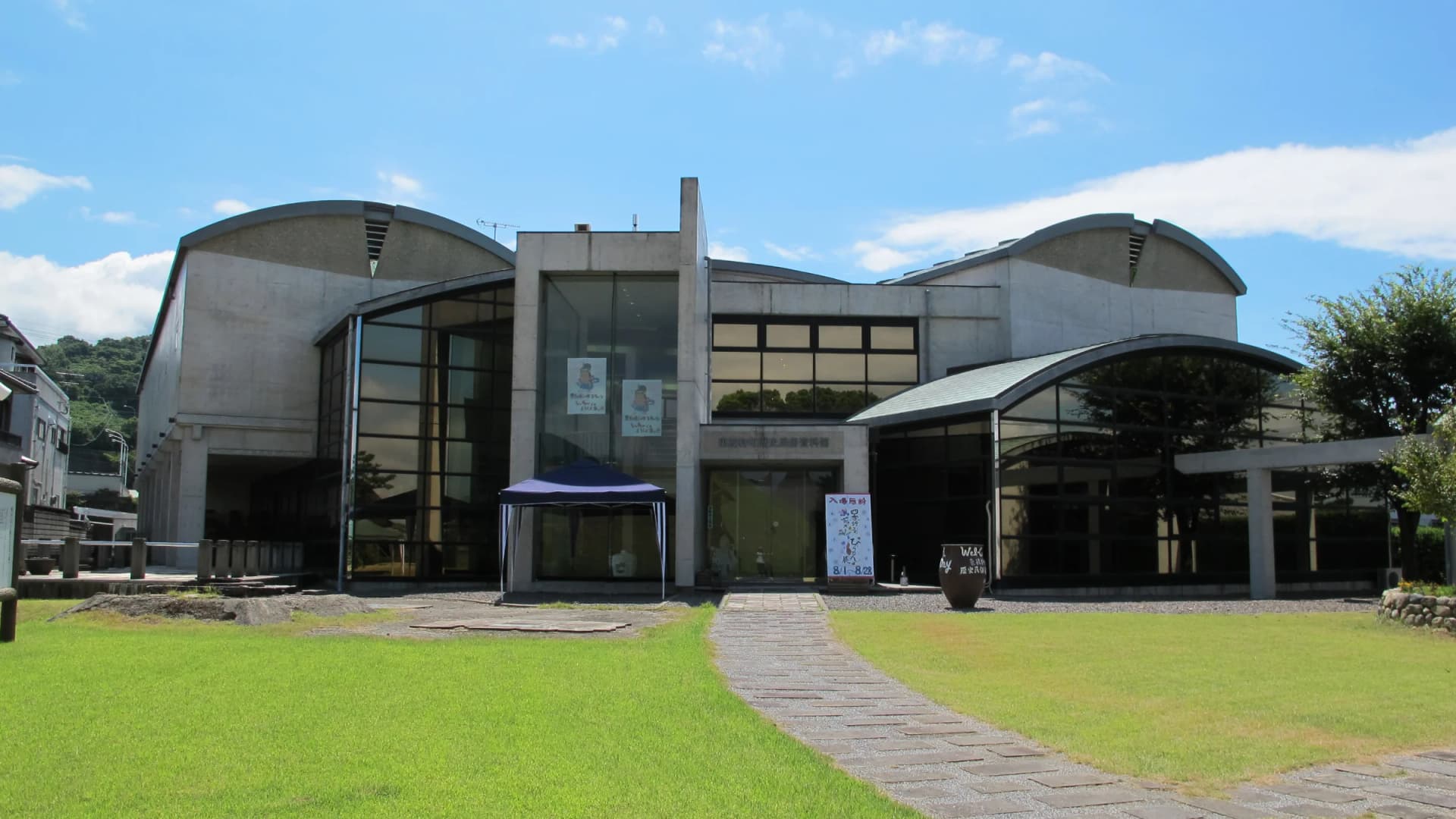
Imabari · EhimeA local museum in a park built around Hisagozuka, one of the largest burial mounds in Nagasaki, covering the area from the stone age to the Edo road.
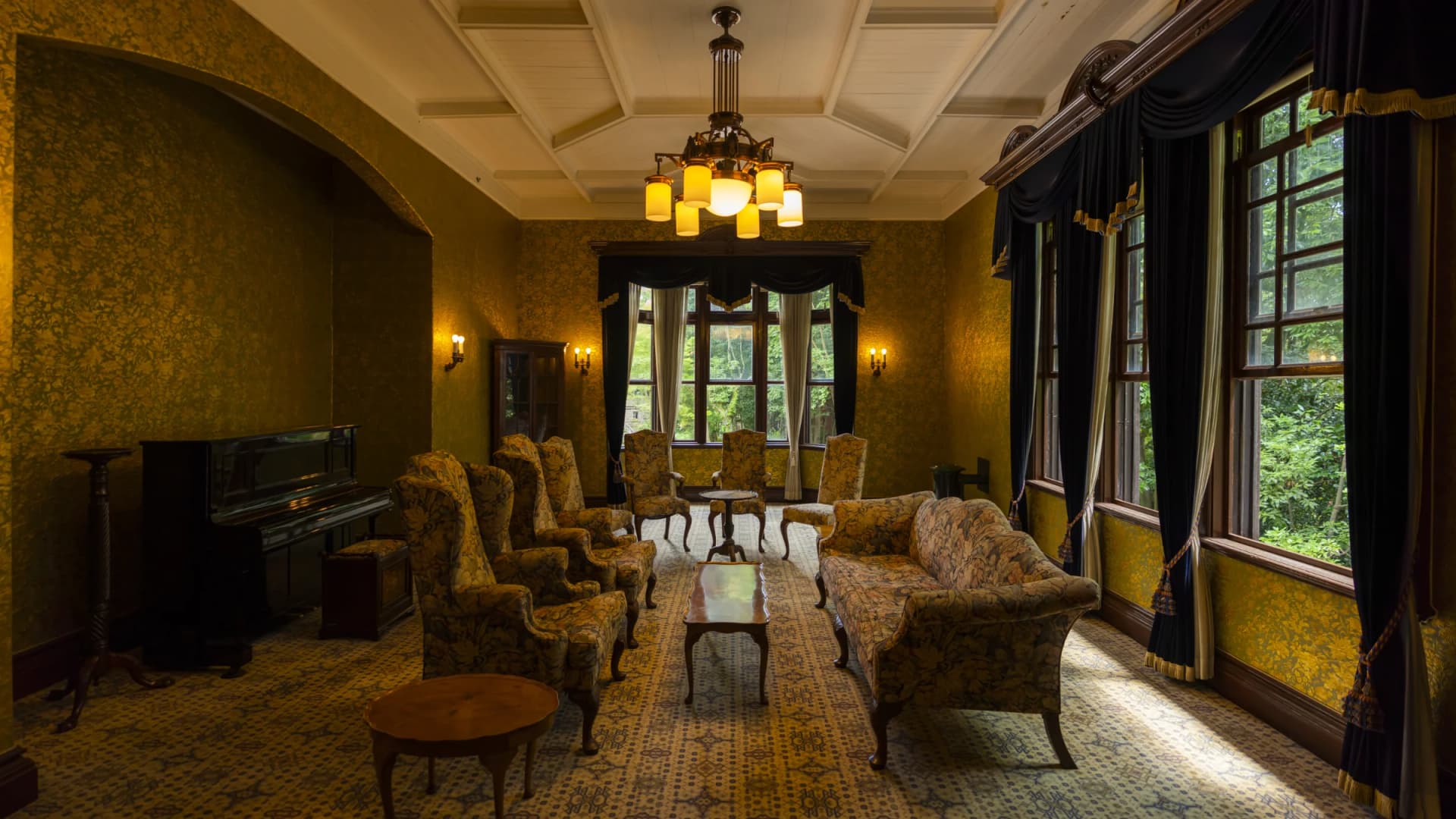
Higashisonogi · NagasakiThe restored 1905 residence of the commander of the Kure naval district, with rare gilded leather paper on its walls, and a naval arsenal clock tower.
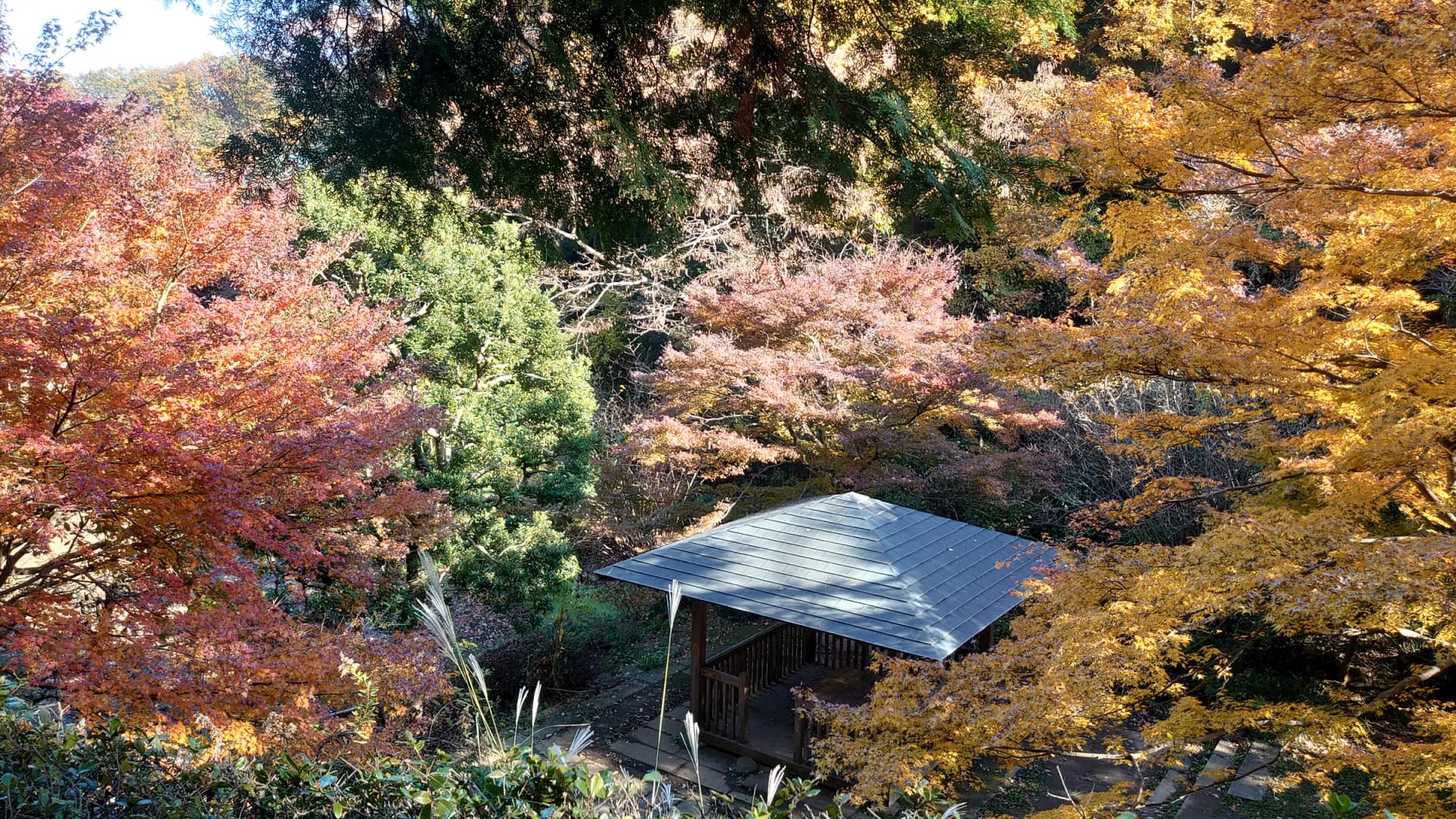
Kure · HiroshimaKawasaki's largest green space, blending woodland and wetland with museums, a planetarium, indigo dyeing, and seasonal cherry blossom, irises, and autumn foliage.
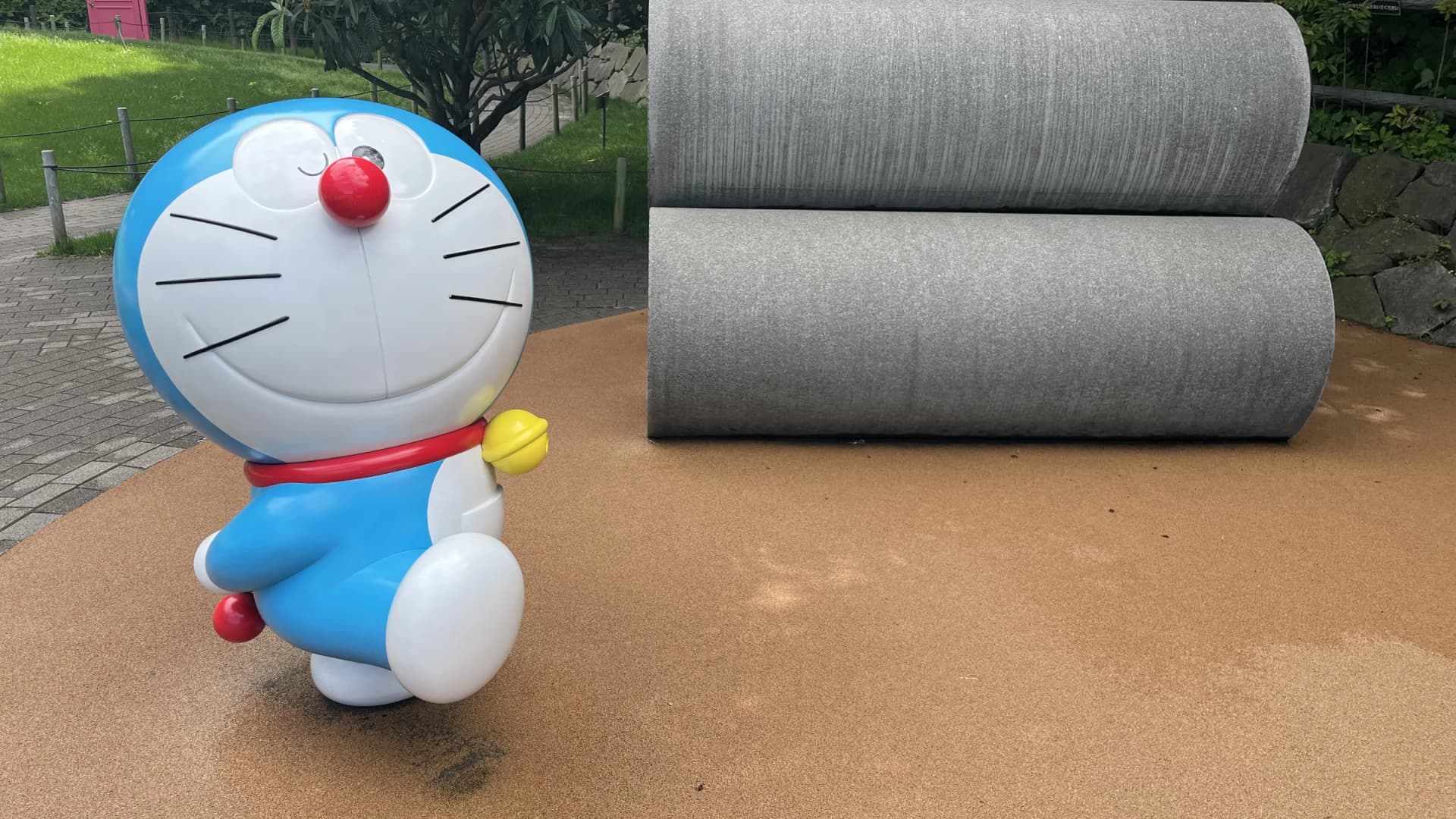
Kawasaki · KanagawaThis museum celebrates Fujiko·F·Fujio, creator of Doraemon, displaying his original works, workspace, and interactive exhibits for manga fans.
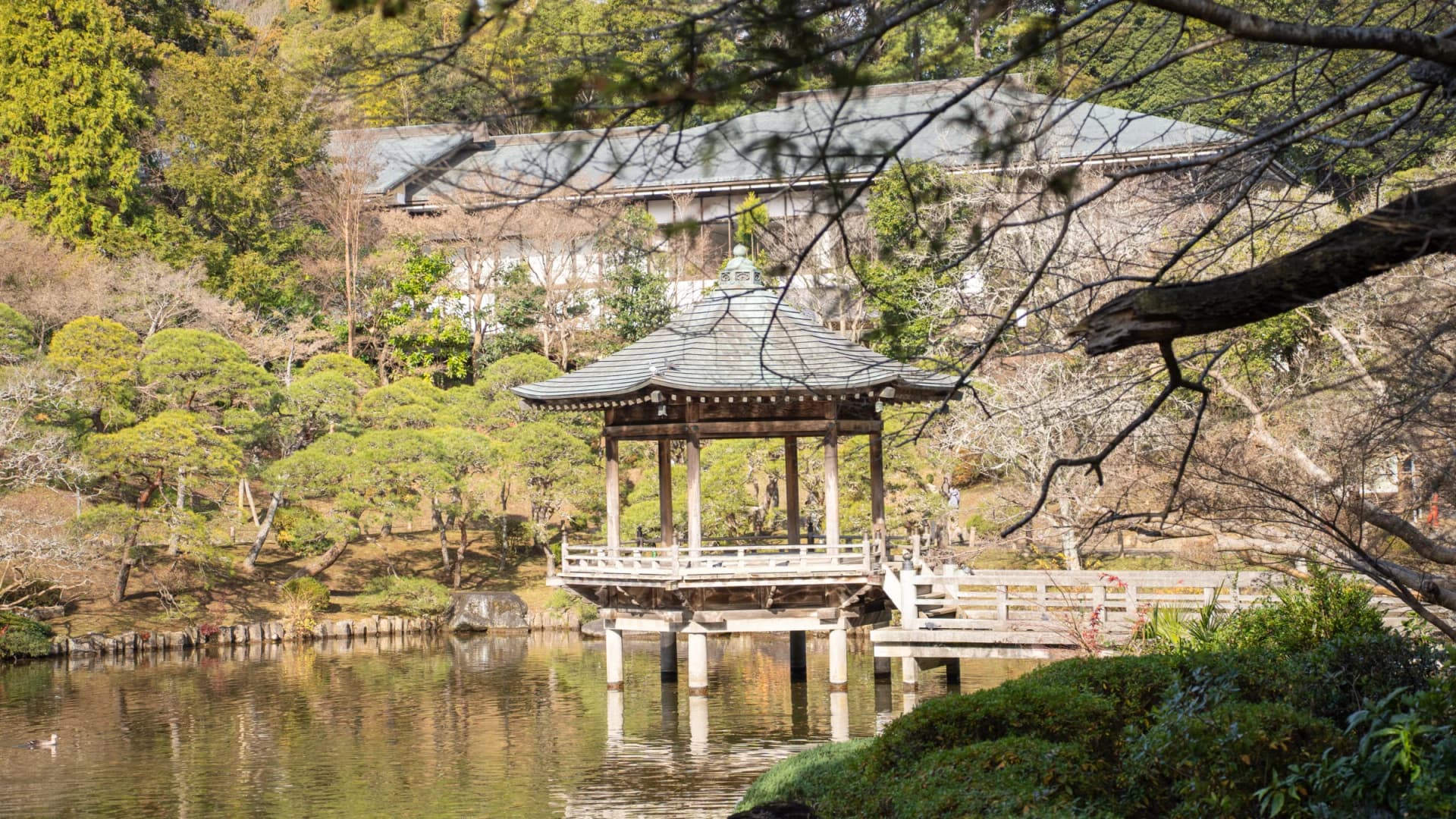
Kawasaki · KanagawaBehind Narita's great temple lies a hillside garden with ponds, waterfalls and poem-carved stones, free to walk and far quieter than the temple itself.
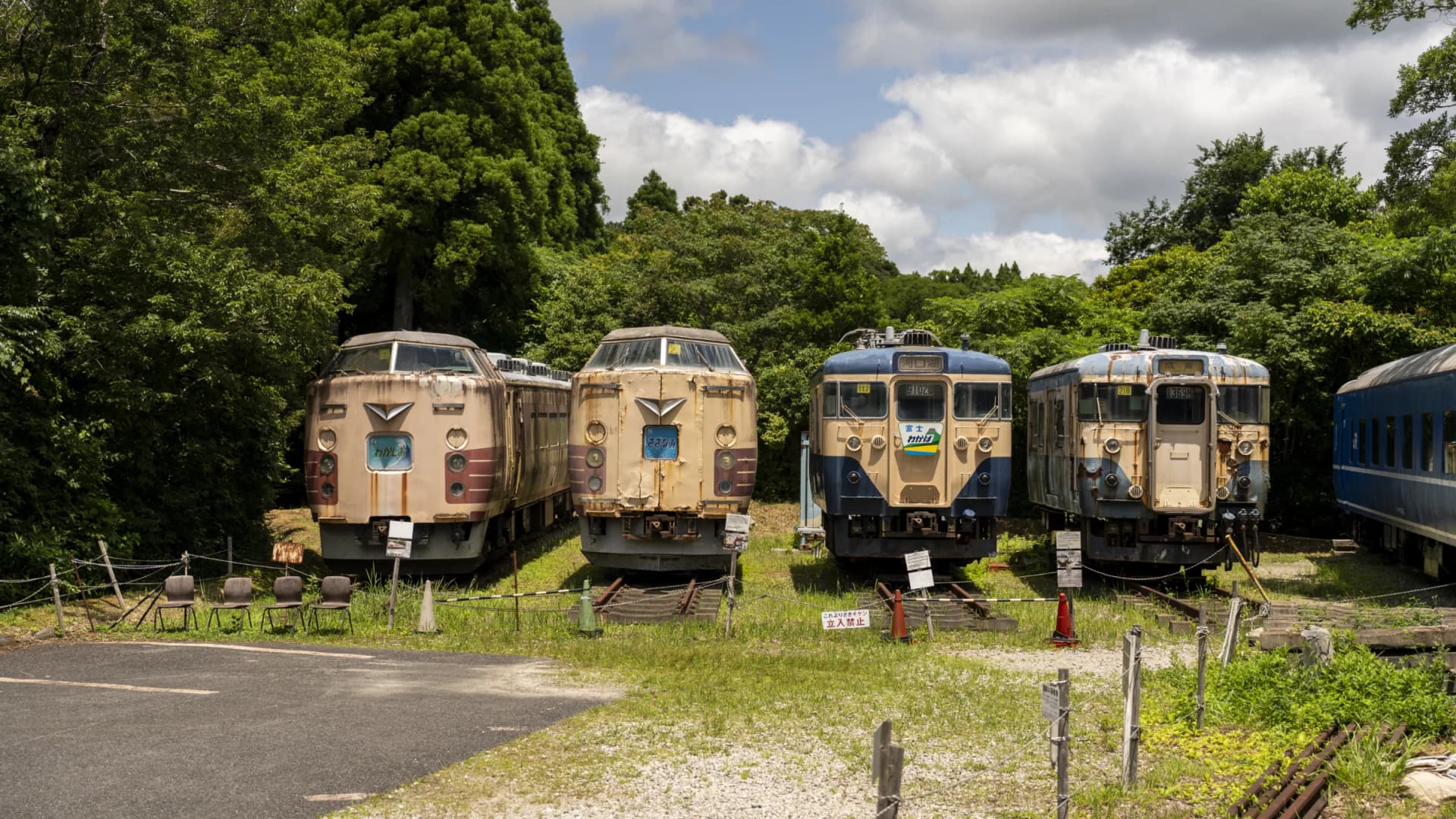
Narita · ChibaOn a quiet hillside in rural Chiba, around thirty retired railway carriages have been preserved, including several that survive nowhere else in Japan.
Isumi · ChibaHoused in a converted soy sauce factory, this museum showcases over 800 yokai artworks tracing Japanese supernatural traditions from ancient animism through the Edo period.
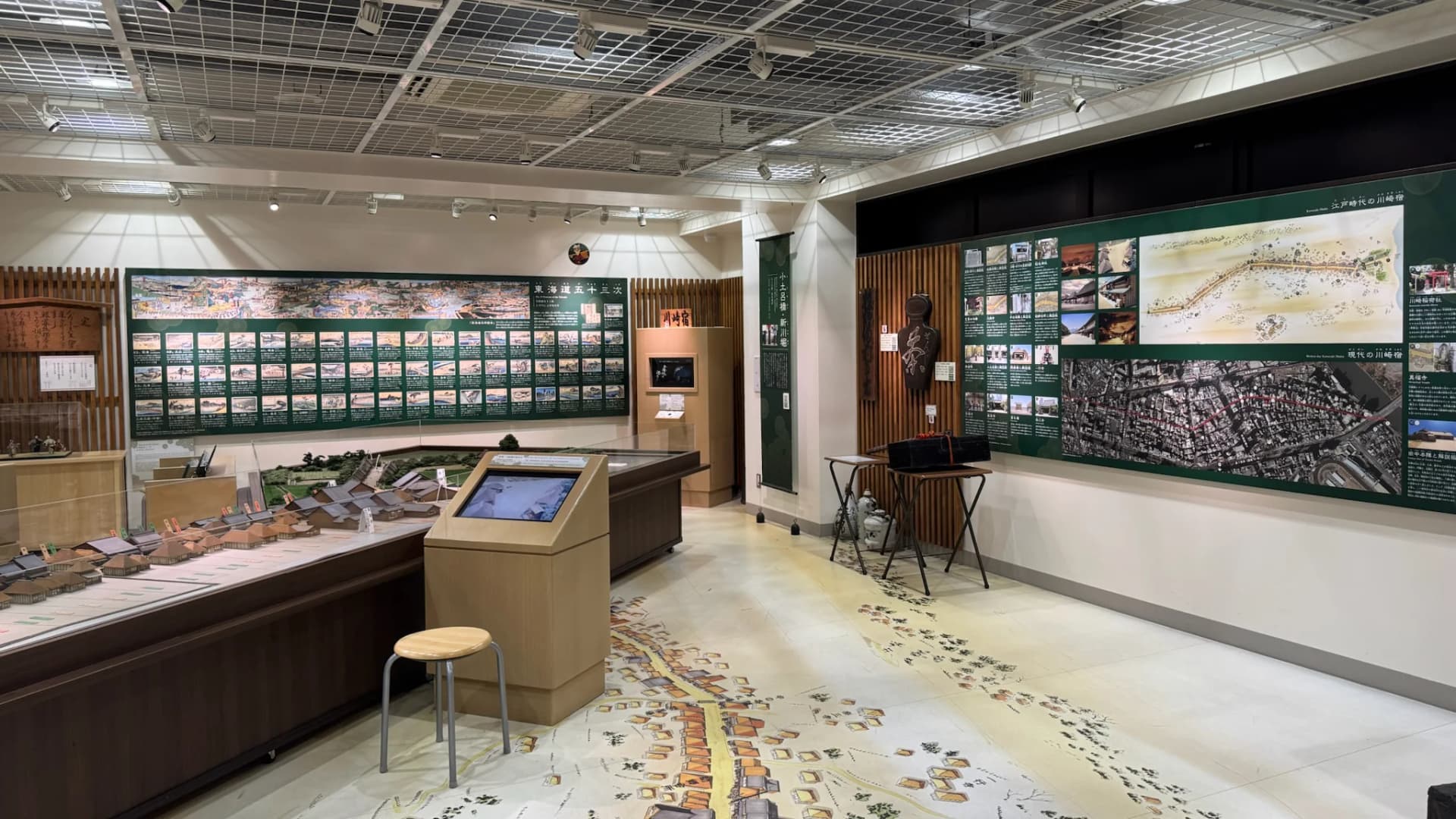
Tonosho · KagawaA small, free museum near Kawasaki Station on the history of Kawasaki Shuku, the Edo-period post town on the old Tokaido highway between Edo and Kyoto.
Kawasaki · KanagawaAn open-air museum in Kawasaki with 25 traditional Japanese houses relocated from across the country, plus indigo-dyeing sessions, a soba restaurant, and craft displays.
Kawasaki · KanagawaMuseum honoring the poet Nakahara Chūya with permanent and rotating exhibitions exploring different aspects of his literary legacy.
YamaguchiThe Hakone Open-Air Museum, Hakone, Kanagawa, opened in 1969 as Japan's first open-air museum, with around 120 sculptures set across 70,000 square metres and a Picasso Pavilion.
Hakone · Kanagawa