

Kyoto Seishu Netsuke Art Museum
京都清宗根付館
Museum dedicated to netsuke miniature sculpture, housing over 6,000 pieces with rotating exhibitions showcasing this refined Japanese art form.

Closed on Mondays
The Kyoto Seishu Netsuke Art Museum is a specialised museum dedicated to the study, preservation, and exhibition of netsuke, small sculptural objects unique to Japan. The museum holds a collection of more than 6,000 netsuke. From this collection, it organises themed special exhibitions on a monthly basis, each highlighting a different aspect or interpretation of netsuke. Alongside these, the permanent exhibition is also updated gradually each month through rotation of displayed works, allowing visitors to encounter a wide range of pieces over time. Netsuke are widely known internationally under the same name and are recognised for combining practical function with artistic expression.
Netsuke and Their Cultural Significance
Netsuke originally developed around the Genroku period (1688–1704) as functional toggles used to secure personal items such as medicine cases (inrō), tobacco pouches, and drawstring purses when worn with kimono. As townspeople culture flourished, netsuke spread widely and evolved into a distinctive form of miniature art. Crafted by painters of the Kanō school and skilled artisans from various disciplines, netsuke came to embody refined design, technical skill, humour, narrative, and aesthetic playfulness.
Motifs found in netsuke are highly diverse, including human figures, animals, plants, everyday objects, historical episodes, customs, Noh and Kabuki theatre, and imaginary beings such as spirit animals and yōkai. Their characteristic rounded forms and compact scale are not merely reduced sculptures, but shapes developed specifically for their function and visual impact when worn.
Although the original use of netsuke declined with modernisation and the adoption of Western clothing, their artistic value attracted strong interest from Europe and North America from the late Edo period onward. Netsuke began to be appreciated as independent artworks, leading to overseas export and further stylistic development. Today, netsuke continue to be created both in Japan and abroad, combining traditional techniques with contemporary interpretations.
Architecture and Location
The museum is housed in a historic building registered as a Tangible Cultural Property designated by the City of Kyoto. The structure is a samurai-residence-style upper-class townhouse featuring a rare shikidai entrance, an architectural element that is now uncommon within the city.
Located in the Mibu area of Kyoto, historically considered the western edge of the capital during the medieval period, the building reflects the area’s past. During the Edo period, Mibu was known for Mibu gōshi, samurai who returned to farming life. The museum building was constructed in 1820 as the residence of the Kanzaki family, one such household. While preserving the historical character and dignity of the original structure, the building has been renovated using the craftsmanship of contemporary Kyoto artisans, including interior design, garden landscaping, and lighting.
Research and Outreach
As a specialised museum, the Kyoto Seishu Netsuke Art Museum places strong emphasis on research and education. Its curators publish a newsletter four times a year, presenting current research on netsuke, organizing their historical development, and establishing netsuke as an independent category of art comparable to ukiyo-e prints and lacquerware. The museum also supports and publishes research by emerging scholars and engages in activities to connect people with netsuke and netsuke artists. These initiatives include traveling exhibitions, the establishment of awards to encourage artistic creation, and opportunities for exchange among artists and audiences.
Places nearby

Kyoto International Manga Museum
Founded in 2003, this museum houses 300,000 manga items from Edo-period prints to contemporary series, with permanent exhibitions and workshops on manga's cultural evolution.
Kyoto · Kyoto
Future Train Kyoto Diner & Cafe
Future Train on Kyoto's Umekoji viaduct is Japan's first restaurant on a disused railway, featuring a repurposed Limited Express Thunderbird train car.
Kyoto · Kyoto
Kyoto Railway Museum
A railway museum with 53 historic trains spanning 130 years of Japan's railway history, from the first imported steam locomotive to modern shinkansen.
Kyoto · KyotoYou might also like

KYOTO NIPPON FESTIVAL
Kyoto Nippon Festival transforms Kitano Tenmangū shrine with large-scale art installations and immersive dance performance featuring artist Mika Ninagawa and collaborative works.
1 Feb – 24 May 2027Kyoto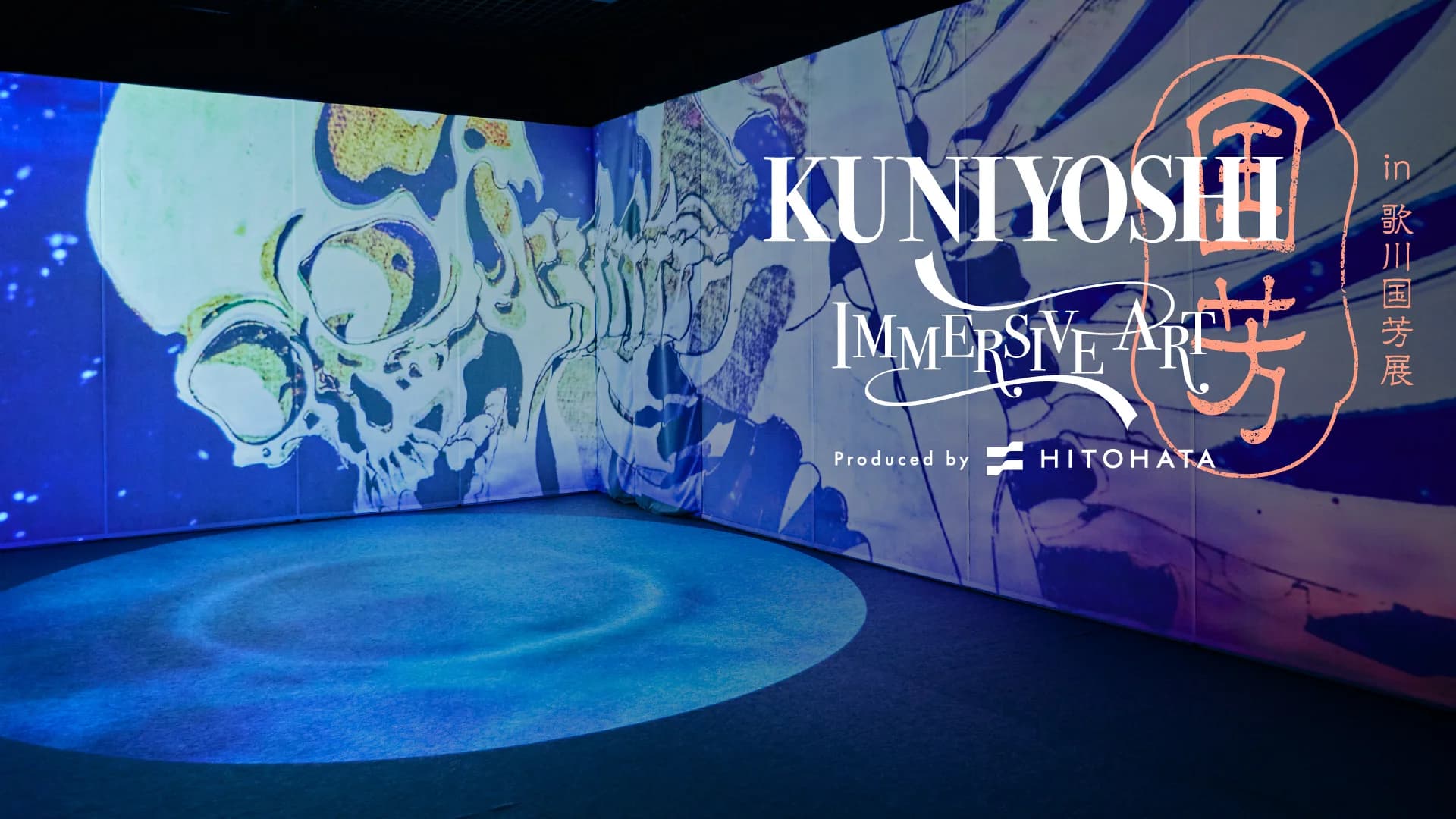
KUNIYOSHI IMMERSIVE ART in Utagawa Kuniyoshi Exhibition
An immersive exhibition explores an Edo-era artist who mastered warrior prints, portraits, landscapes, and satirical works, refusing confinement to a single artistic genre.
18 Jul – 23 Sep 2026Kyoto
Kaikai Yokai Festival
Toei Kyoto Studio Park brings Japanese yokai legends to life with parades, interactive dance experiences, workshops, and exhibitions celebrating supernatural folklore.
12 Sep – 29 Nov 2026Kyoto
Jotenkaku Museum
Kyoto museum founded to preserve Zen culture, holding five National Treasures and 145 Important Cultural Properties in historic settings.
Kyoto
Toei Kyoto Studio Park
This working film studio's theme park offers authentic period-drama settings and the chance to watch real productions on historic full-scale sets.
Kyoto
Ōe Town Washi Denshokan Museum
A museum preserving the tradition of Tango Futamata Paper, a handmade Japanese washi used in temple and shrine restoration.
Fukuchiyama · Kyoto