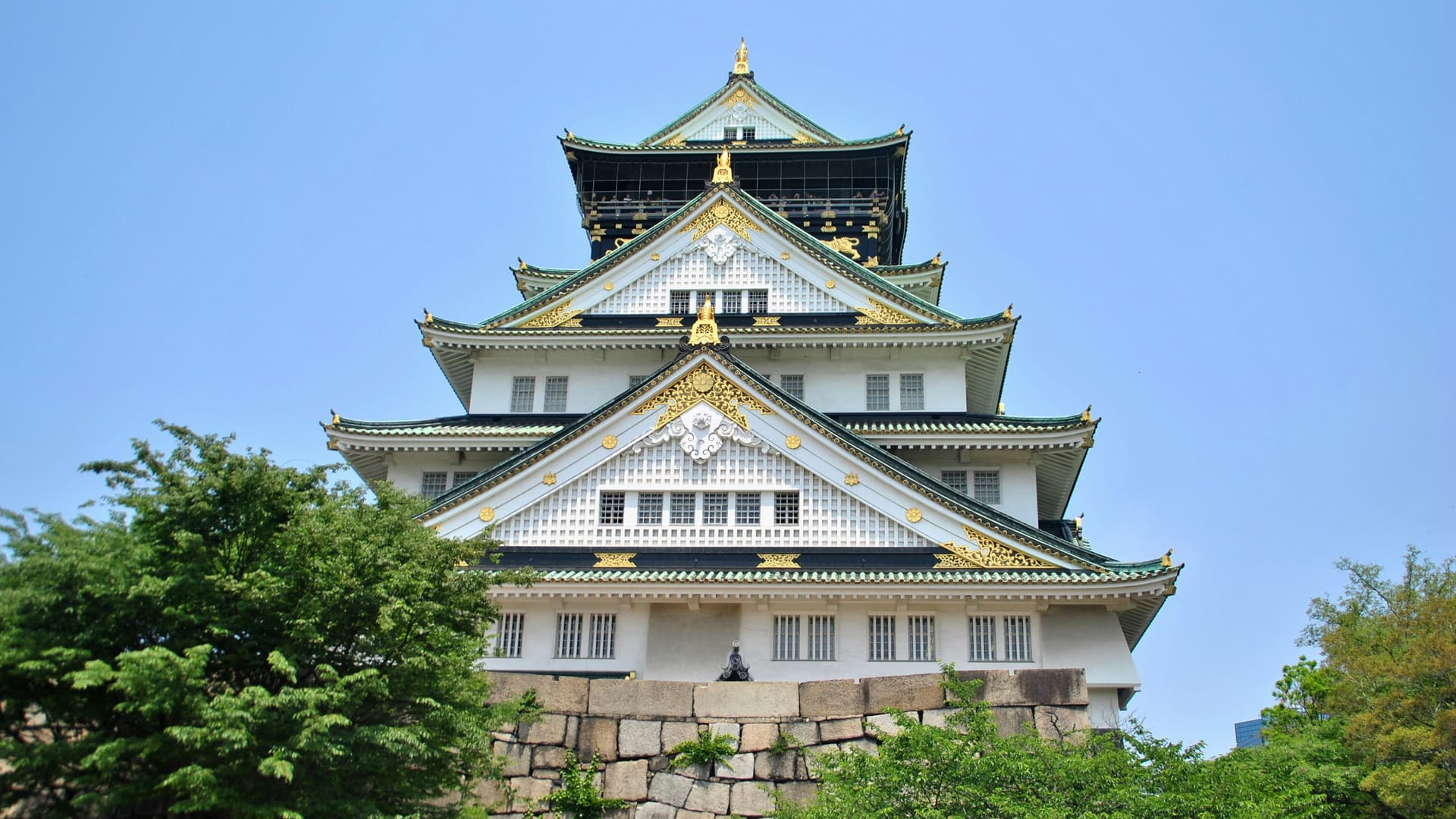
Bitchukoku Soja Shrine
備中国総社宮
Bitchukoku Soja Shrine consolidated deities of 324 provincial shrines into a single site dedicated to the deity of nation-building and good fortune.

〒 719-1126How to get there
東総社Kibi Line4 min walk from the station
Bitchukoku Soja Shrine is a historic Shinto shrine located in Soja City. Its exact date of foundation is unknown, but it emerged as a central place of worship in the late Heian period. At that time, provincial governors customarily visited all shrines within Bitchu Province upon taking office. To simplify these visits, the deities of 324 shrines in the province were enshrined together near the provincial capital, giving rise to Soja-gu (“shrine of all shrines”).
The principal kami is Ōnamuchi-no-Mikoto (another name for Ōkuninushi), a major deity associated with nation-building and good fortune. He is enshrined together with Suserihime-no-Mikoto and a group of eight Musubi deities connected to creation and spiritual power. Numerous auxiliary shrines within the precincts are dedicated to additional kami, reflecting the shrine’s historical role as a comprehensive centre of provincial worship.
During the Muromachi period, the shrine received patronage from influential warrior families, including the Hosokawa and Mori clans. In the Edo period, local merchants contributed to its prosperity through donations. It was designated a prefectural shrine in 1872. After the main hall was destroyed by fire in 1977, it was rebuilt in 1979. In 1994, the historic shrine site was designated an Important Cultural Property of Soja City.
Shrine Precincts
The grounds include several subordinate shrines dedicated to deities of agriculture, scholarship, commerce, maritime safety, protection from misfortune, and healing. A sacred pond of ancient origin, designed in an Izumo-style layout, contains three small islands symbolising divine presence. Stone arrangements associated with earlier ritual practices remain preserved near the pond.
A large evergreen tree known as ogatama-no-ki, traditionally valued in Shinto ritual, stands prominently within the precincts and is noted for its size.
Soja Shrine preserves a significant collection of ema (votive plaques), many dating from the Edo period. These include paintings of historical and literary subjects, festival scenes, and mathematical tablets (sangaku) reflecting the Edo-era tradition of dedicating geometry problems to shrines. The quality and number of surviving works rank among the most notable in Okayama Prefecture.
The shrine is associated with a wide range of blessings, including prosperity, recovery from illness, academic success, safe travel, harmonious relationships, and general fulfillment of wishes. Its annual festivals, many held in October and on traditional lunar calendar dates, continue longstanding local traditions.
Getting There

You might also like

Kumano Taisha Shrine
One of three major Kumano shrines in Japan, Kumano Taisha was established in 806 and is known as the Ise Shrine of the North for its significance.
Nanyo · Yamagata
Isaniwa Shrine
A Shinto shrine in Matsuyama with roots in a visit by Emperor Chuai and Empress Jingu to Dogo Onsen, enshrining multiple emperors as cultural treasures.
Matsuyama · Ehime
Ichinomiya Shrine
This Heian-period shrine in Tokushima city venerates two kami and showcases a Momoyama-style main hall built in 1630, designated a National Important Cultural Property.
Tokushima
Morioka Fall Festival
One of Iwate's most enduring celebrations, this autumn festival originated as prayers for harvest, now featuring ornate floats and traditional parades.
14–16 Sep 2027Morioka · Iwate
Kanamara Matsuri "Festival of the Steel Phallus"
An annual Shinto festival at Kanayama Shrine in Kawasaki featuring distinctive phallic imagery in decorations and parades while raising funds for HIV research.
5 Apr 2027Kawasaki · Kanagawa
Kuji Autumn Festival
This over 650-year-old festival in a northern mountain town expresses gratitude for the harvest while praying for protection from disaster and the arrival of good fortune.
17–20 Sep 2027Kuji · Iwate