Nagoya Touken World
名古屋刀剣ワールド
A Nagoya museum of Japanese swords, samurai armor and ukiyo-e, opened in 2024, with a collection of about 500 swords that includes a National Treasure tanto.
Last entry 16:30. When a Monday is a public holiday, the museum opens and closes the next weekday instead. Also closed over the New Year (12/29 to 1/3) and between exhibitions: check the official calendar.
〒 460-0008How to get there
大須観音9 min walk from the station
Gate price from¥1,200Price checked 2026/11/06
Provider prices may differ from the price above. Booking through our links earns us a commission, at no extra cost to you.
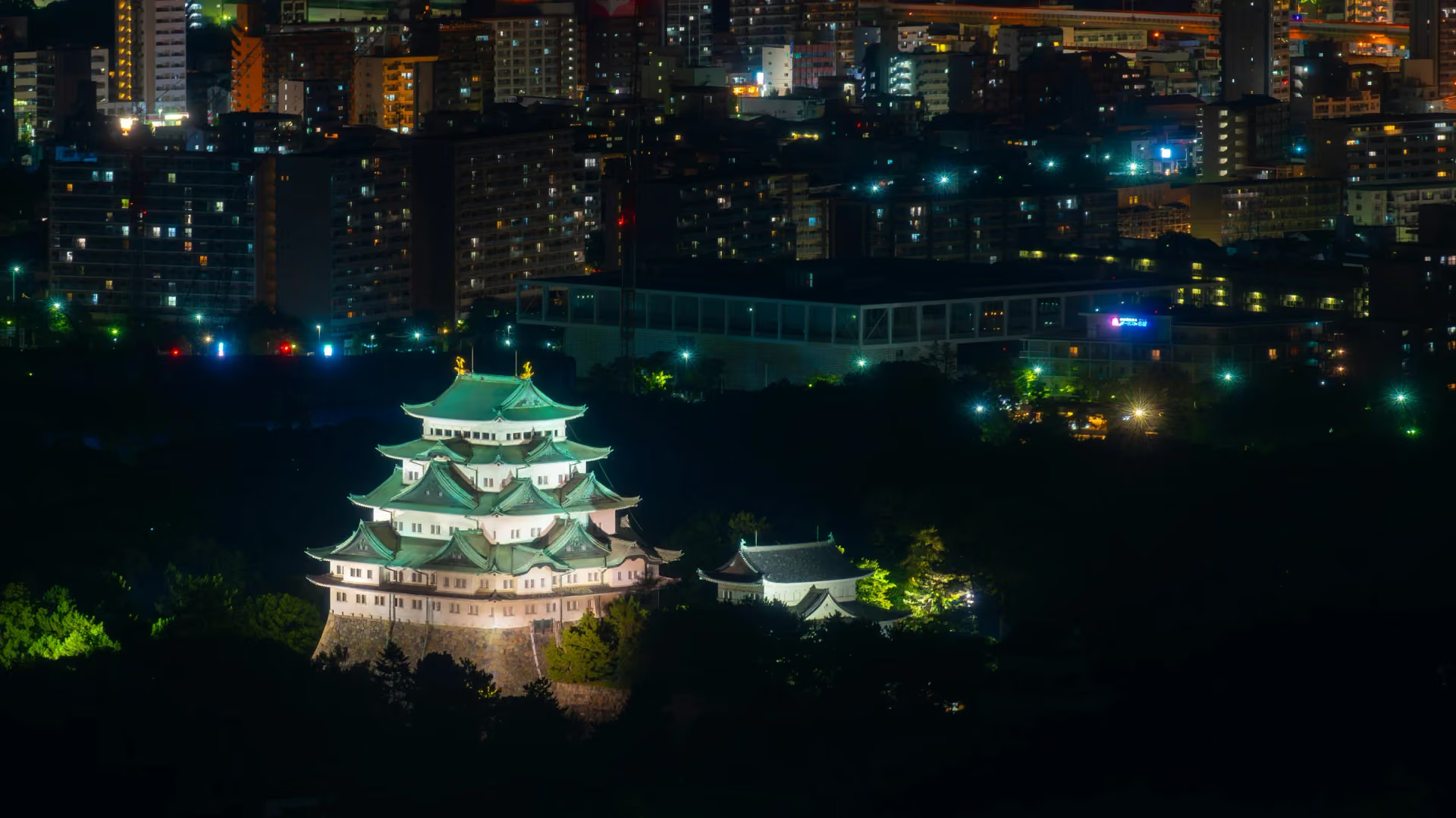
Nagoya Touken World is a museum of Japanese swords, samurai armor and ukiyo-e in Nagoya, also called the Nagoya Touken Museum (名古屋刀剣博物館) or Meihaku for short. It opened in May 2024. The Touken World Foundation runs it, and Token Corporation founded it as part of its social contribution work, to keep valuable works of Japanese craft and art together and to bring more visitors to Nagoya.
The collection
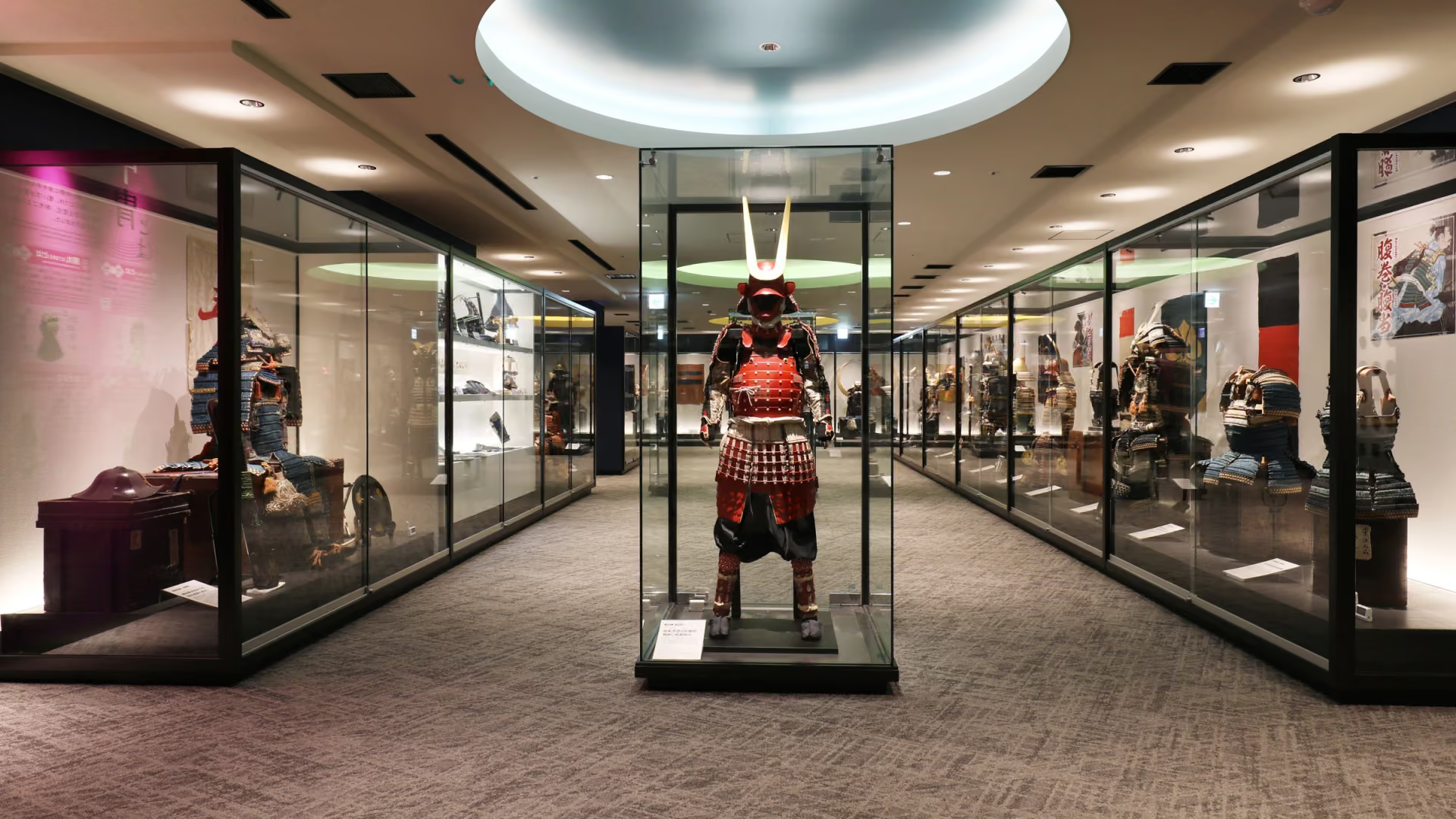
About 500 swords make up the core of the collection, from blades of the late Heian period to the work of living smiths. All five classic traditions of Japanese swordmaking, the Gokaden (五箇伝), are represented: Yamato, Yamashiro, Bizen, Sagami and Mino. Up to 200 swords can be on show at a time, with about 50 suits of armor, 150 ukiyo-e prints and 350 matchlocks and early Western firearms. The museum also holds sword fittings, horse gear and paintings. Its ukiyo-e are mostly battle scenes and portraits of warriors.
National Treasures, Important Cultural Properties and Important Art Objects are among the pieces on display. One National Treasure is the Uraku Rai Kunimitsu, a tanto, or short sword, made by Rai Kunimitsu of the Yamashiro tradition. It is said to have belonged to Oda Uraku, the youngest brother of Oda Nobunaga and a master of the tea ceremony.
The building
The museum fills a seven-storey North Building and the first three floors of the main building of Sakae Tower Hills, a 28-storey tower built to a concept by the architect Kisho Kurokawa. The front of the North Building is modelled on a kido-mon (木戸門), the wooden gate of a traditional Japanese house. Its round windows and ring-shaped roof ornaments repeat those of the tower.
Inside, the colors are the blue, red and gold of armor and sword fittings, with metallic tones taken from the blades. Coffered ceilings painted with flowers, phoenixes and celestial maidens grow more elaborate on each floor up, and carved ranma (欄間), openwork transom panels, are set into the walls.
Floors
The ground floor has the museum shop and the reception, along with cannons and large-bore guns from the Sengoku to the Edo period. On the second floor, the permanent gallery shows Important Art Objects and swords graded Tokubetsu Juyo Token (特別重要刀剣), Special Important Swords. The armor zone, a film theater and the Japanese cafe and restaurant Uraku share the same floor.
Themed displays of the museum's own swords take up part of the third floor. Beside them are an ukiyo-e zone, a zone of bows and guns, a library, and gold statues of the Sanketsu (三傑), the three warlords Oda Nobunaga, Toyotomi Hideyoshi and Tokugawa Ieyasu. The special exhibition room on the fourth floor holds temporary exhibitions and pieces such as National Treasures and Important Cultural Properties. Ukiyo-e line the stairs from the second floor to the fourth. On the sixth floor, a tatami room serves as a study room and tea room for sword viewings, tea gatherings and lectures.
What's on here
| Date | Event | Details |
|---|---|---|
| October 2026 | ||
| 1 Oct 2026 – 17 Jan 2027 | Special Exhibition: Magnificent Blade Carvings | |
Getting There

Planning a trip? Fit this into a trip and Oni plans the rest around it.
Places nearby

PARCO Enta Park
The entertainment concept of Nagoya PARCO, centred on a West Building floor of character shops, a collaboration cafe and the PARCO HALL exhibition space.
Nagoya · Aichi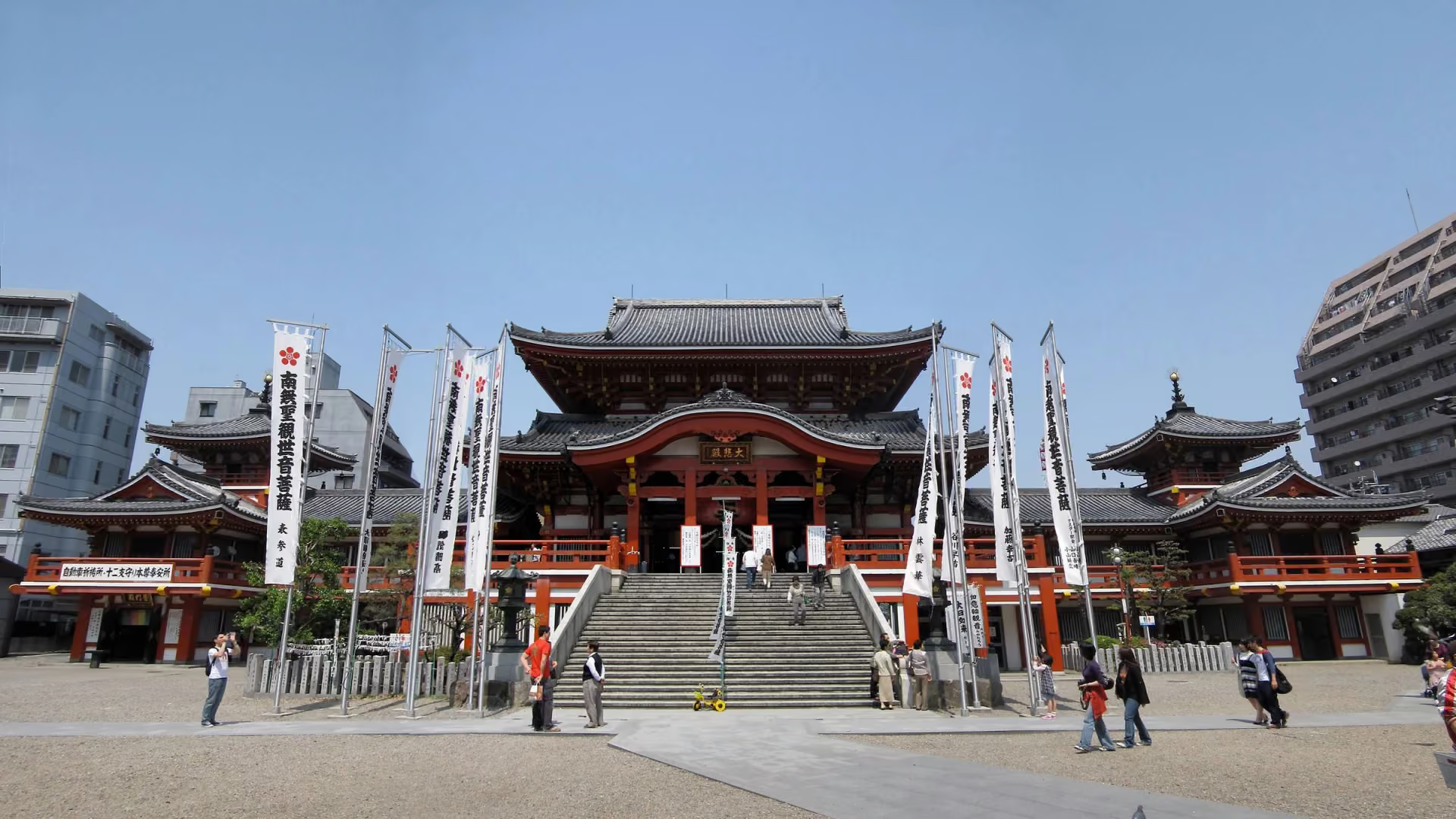
Osu Kannon
A Shingon temple in central Nagoya, moved here by Tokugawa Ieyasu in 1612, whose Osu Bunko library holds a National Treasure manuscript of the Kojiki.
Nagoya · Aichi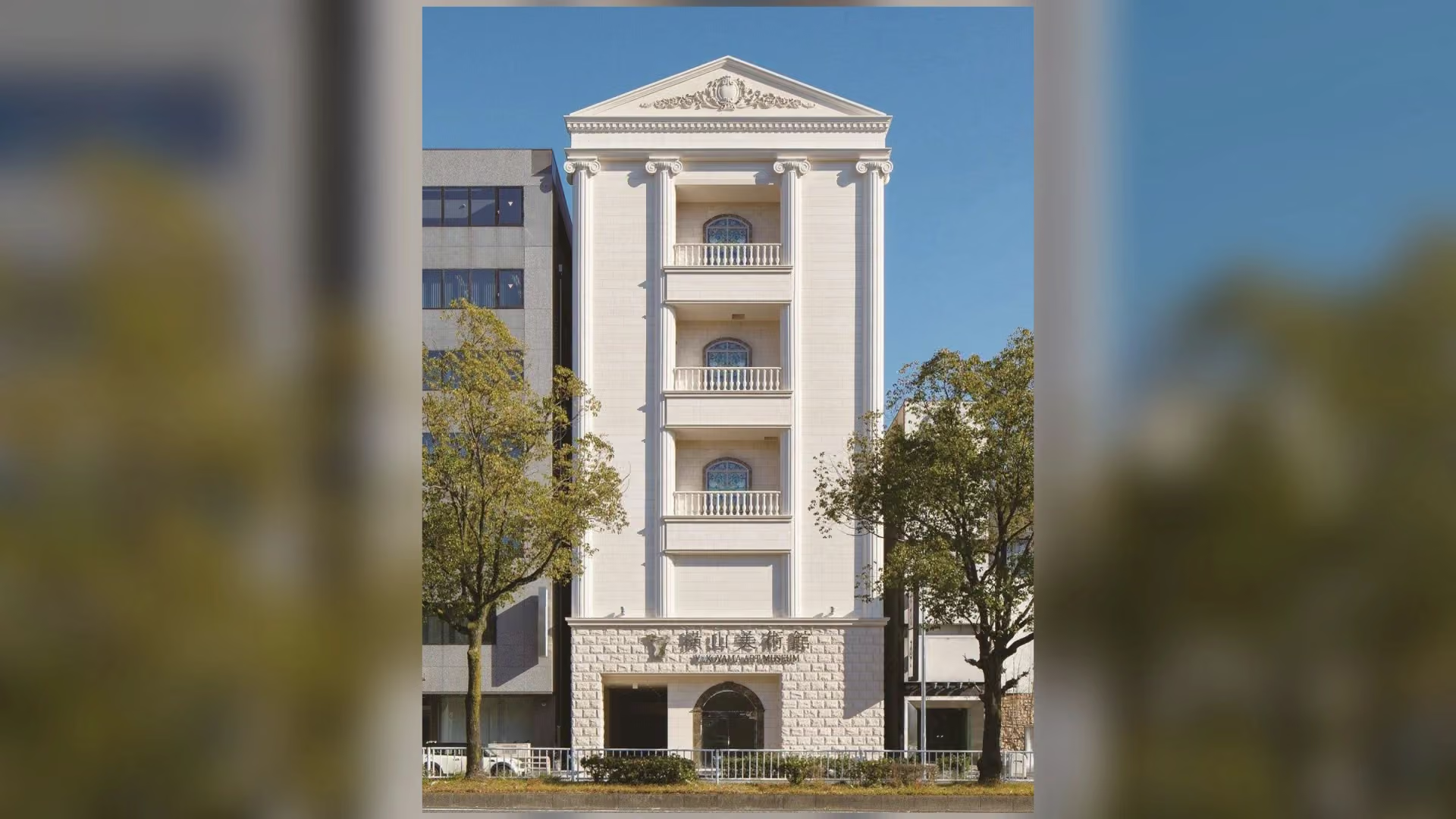
Yokoyama Art Museum
A Nagoya museum of Japanese export ceramics, with more than 5,000 pieces made for overseas markets in the Meiji and Taisho eras and later brought back to Japan.
Nagoya · AichiYou might also like
Tokugawa Art Museum
Opened in 1935, the museum holds over 10,000 works of the Owari Tokugawa family, including nine National Treasures and the Tale of Genji Illustrated Scrolls.
Nagoya · Aichi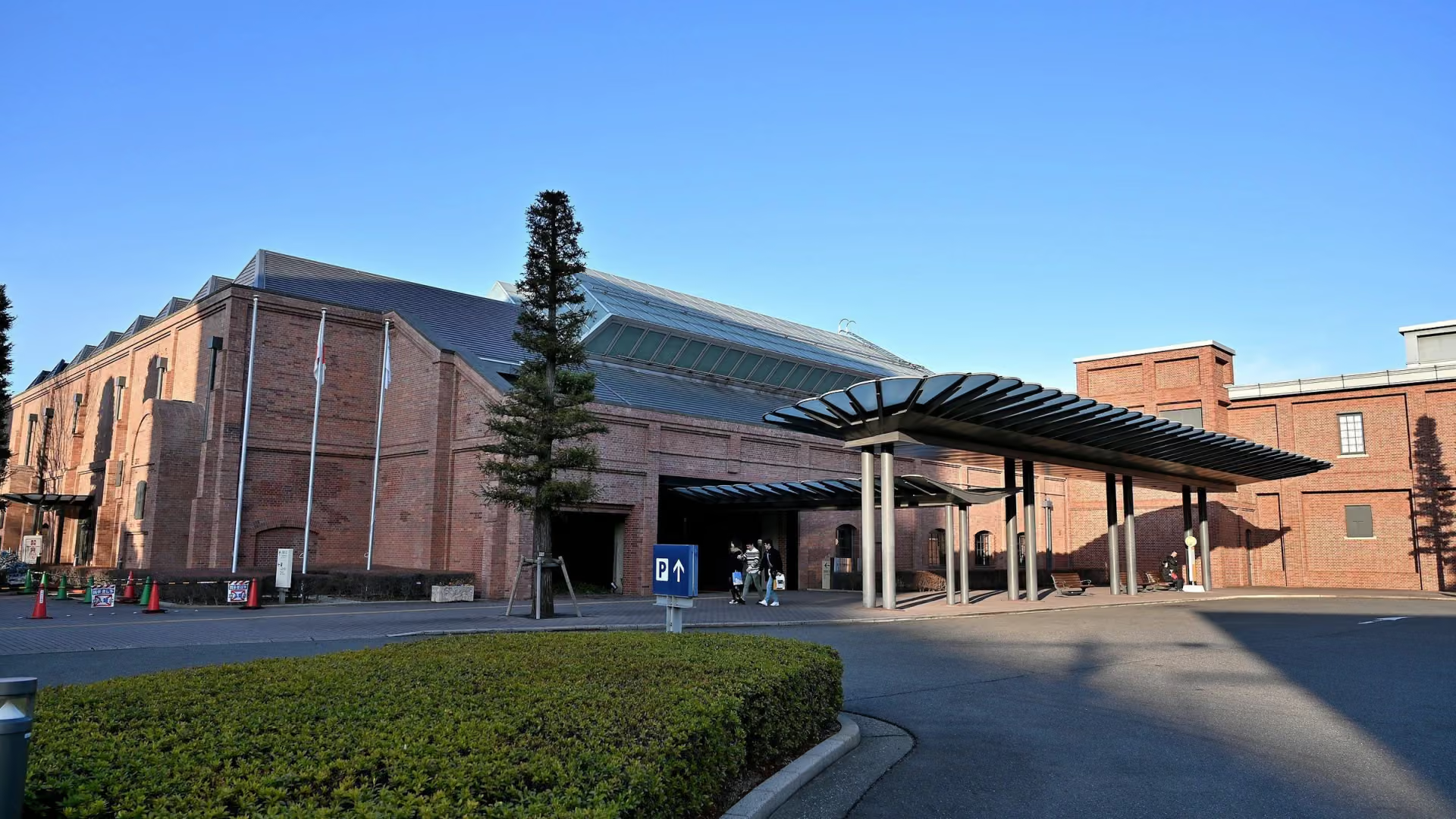
Toyota Commemorative Museum of Industry and Technology
This museum in a historic red-brick textile factory traces Toyota's evolution from textile company to global automobile manufacturer.
Nagoya · Aichi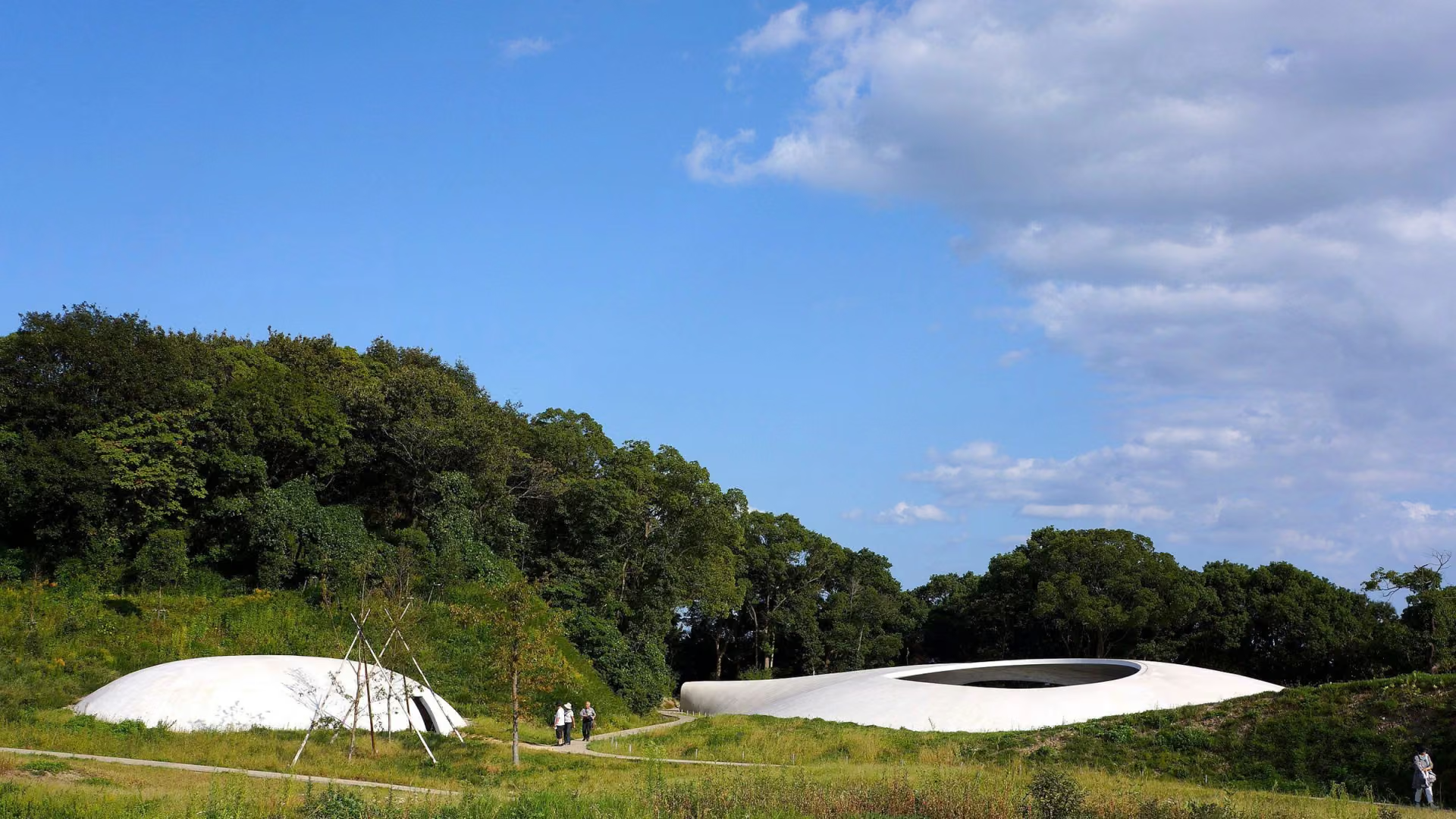
Teshima Art Museum
A water-droplet-shaped museum on Teshima Island by artist Rei Naito and architect Ryue Nishizawa, a pillar-free interior space open to wind, light and sound.
Tonosho · Kagawa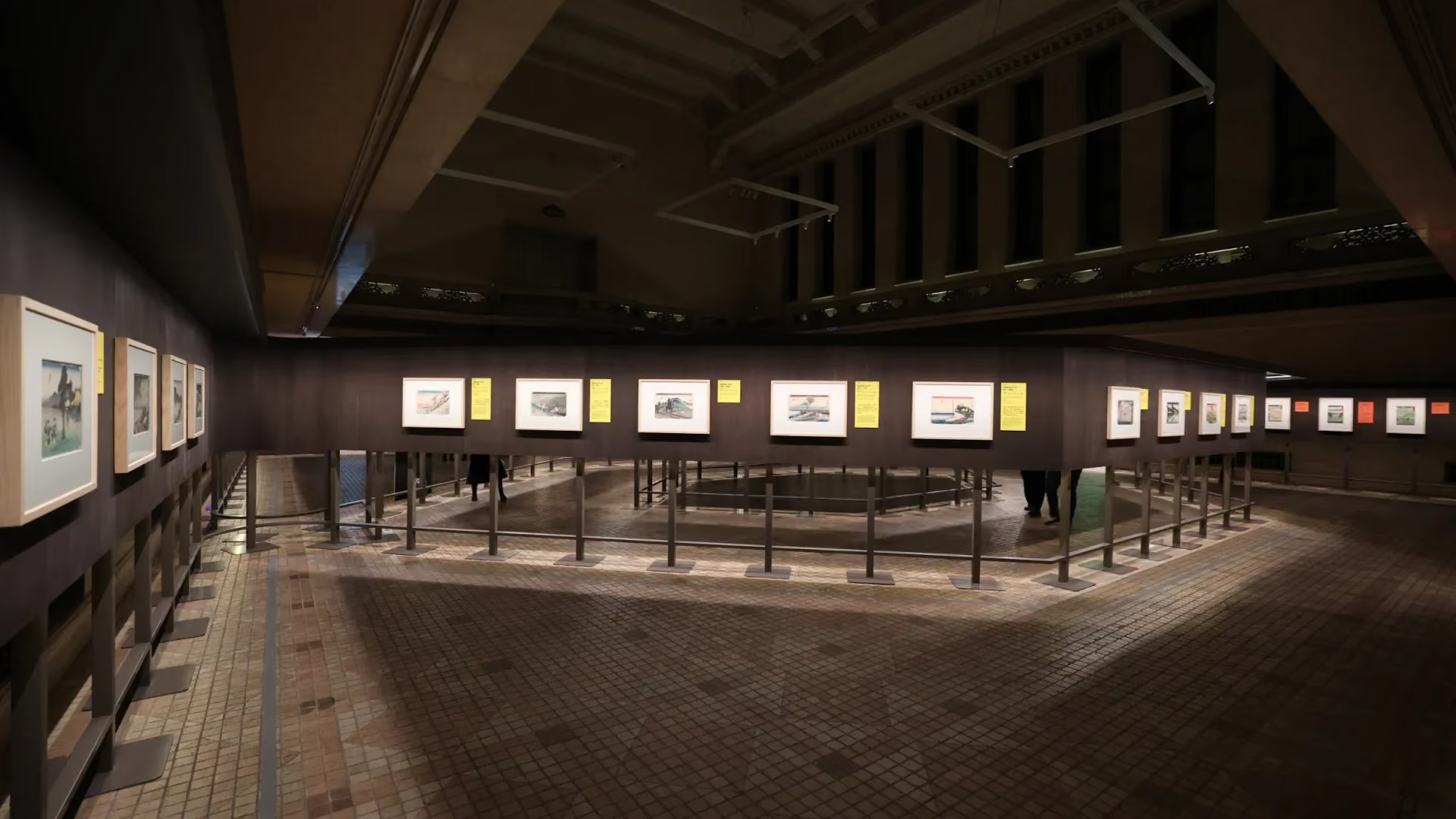
Hiroshige: New Perspectives on Edo Japan
Hiroshige at the Tokyo National Museum: every print of his three major series, from the Tokaido to the Hundred Famous Views of Edo, shown in three parts.
29 Sep – 20 Dec 2026Tokyo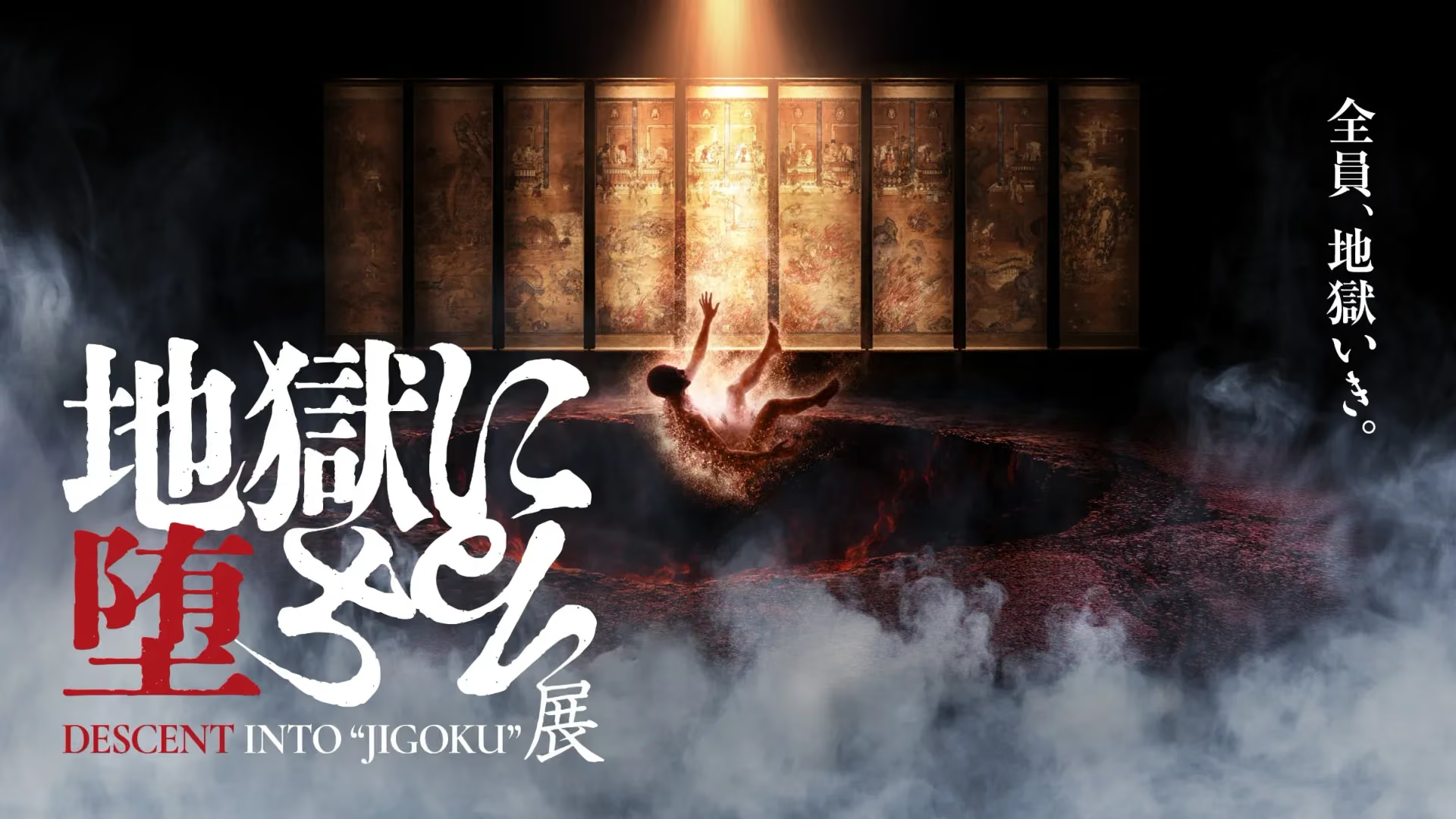
Descent into "Jigoku"
An exhibition in Osaka on the Japanese hell, following the path of the dead through full-size reproductions of painted scrolls and moving projections.
28 Nov – 27 Dec 2026Osaka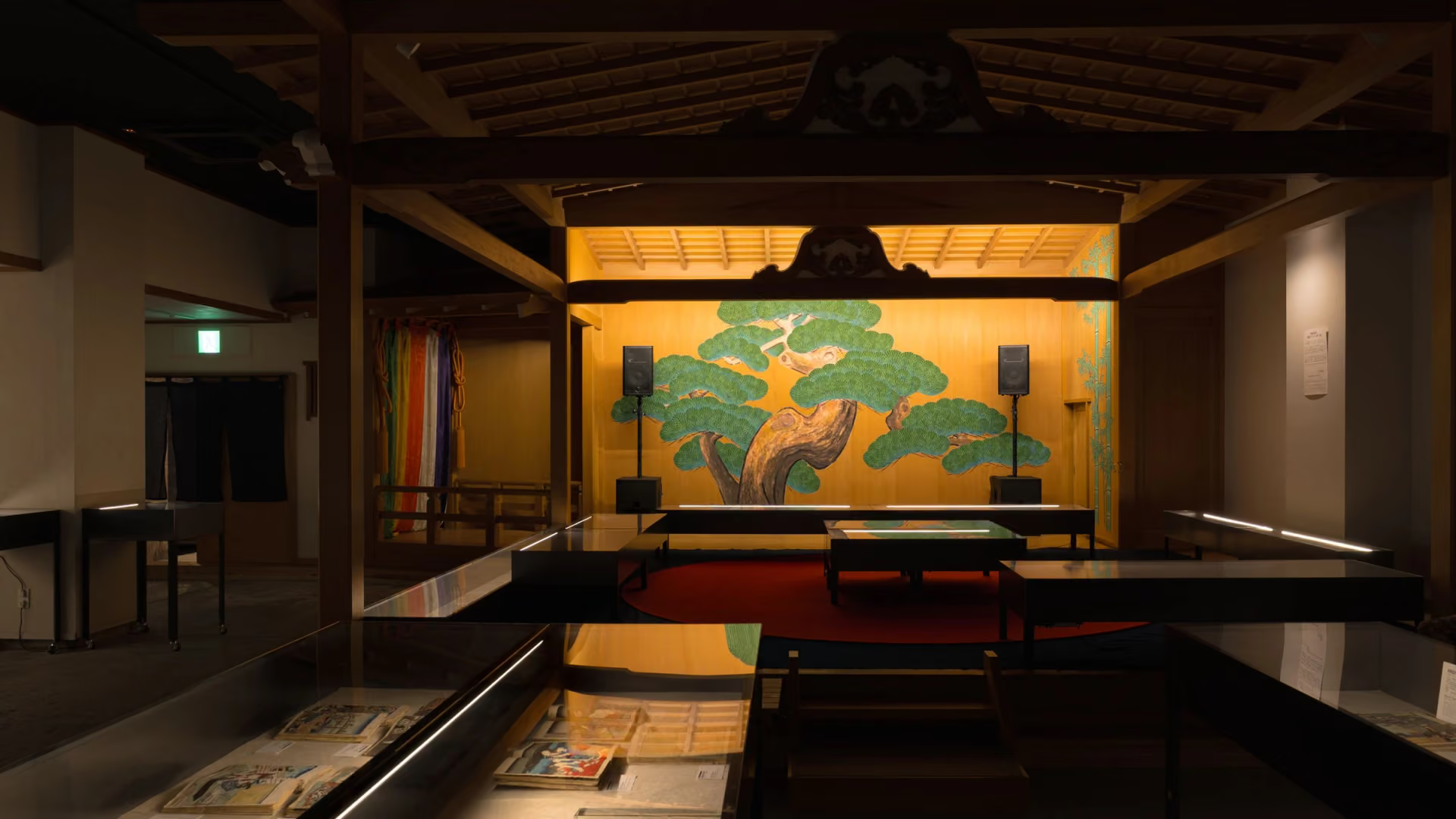
Kunisada and Kuniyoshi: Shinjuku Kabukicho Shunga Exhibition WA
Shunga and ukiyo-e by Utagawa Kunisada and Utagawa Kuniyoshi at the Shinjuku Kabukicho Noh Stage, the fourth Kabukicho shunga show. Ages 18 and over.
3 Oct – 29 Nov 2026Tokyo