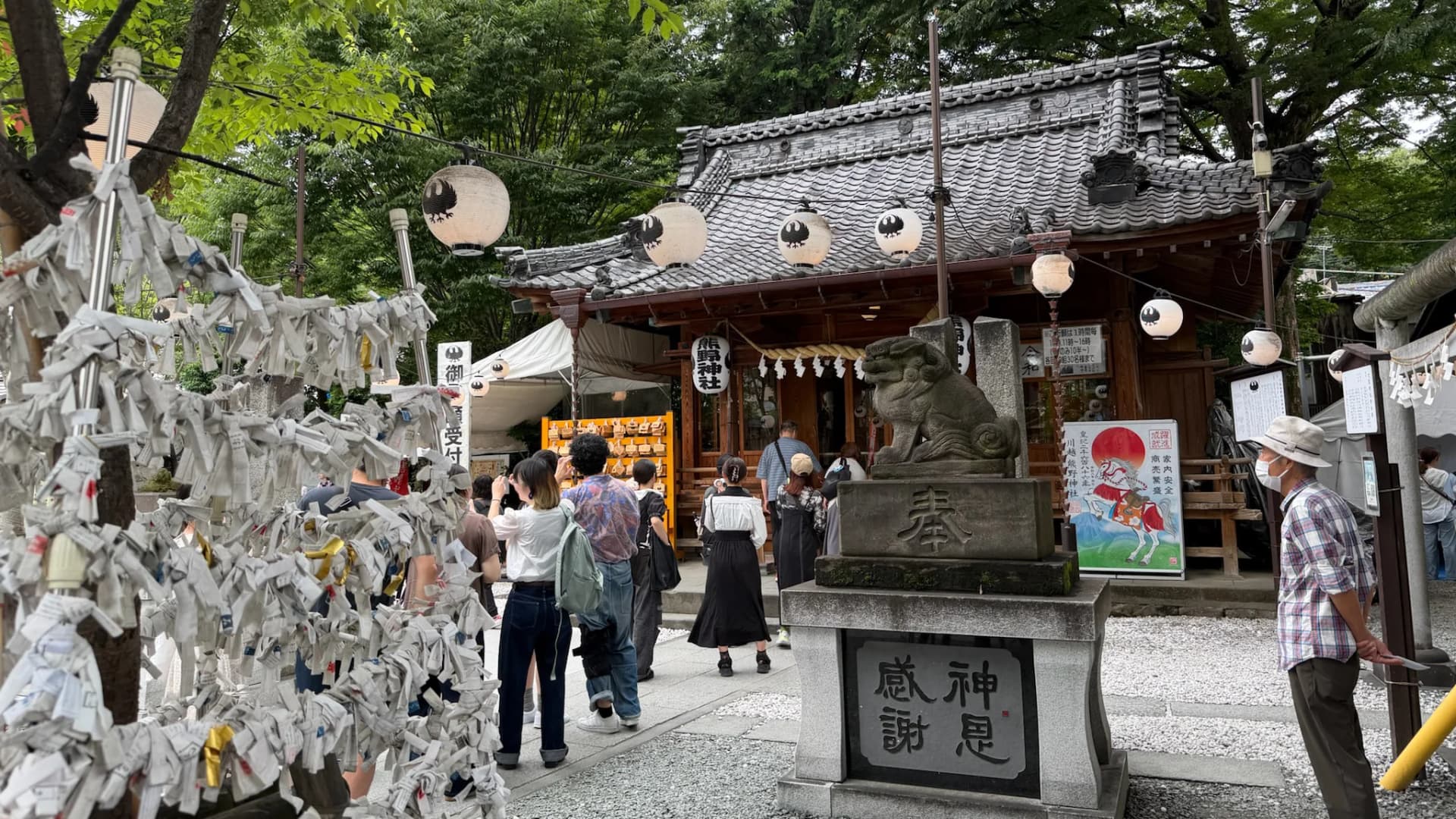
Kumano Shrine (Kawagoe)
Founded in 1590 in Kawagoe, Kumano Shrine honours the Kumano deities and the yatagarasu crow, drawing visitors seeking fortune, love, and protection.
Kawagoe · Saitama

Shrines, museums, parks, and the spots in between, with the access details worked out.
Founded in 1590 in Kawagoe, Kumano Shrine honours the Kumano deities and the yatagarasu crow, drawing visitors seeking fortune, love, and protection.
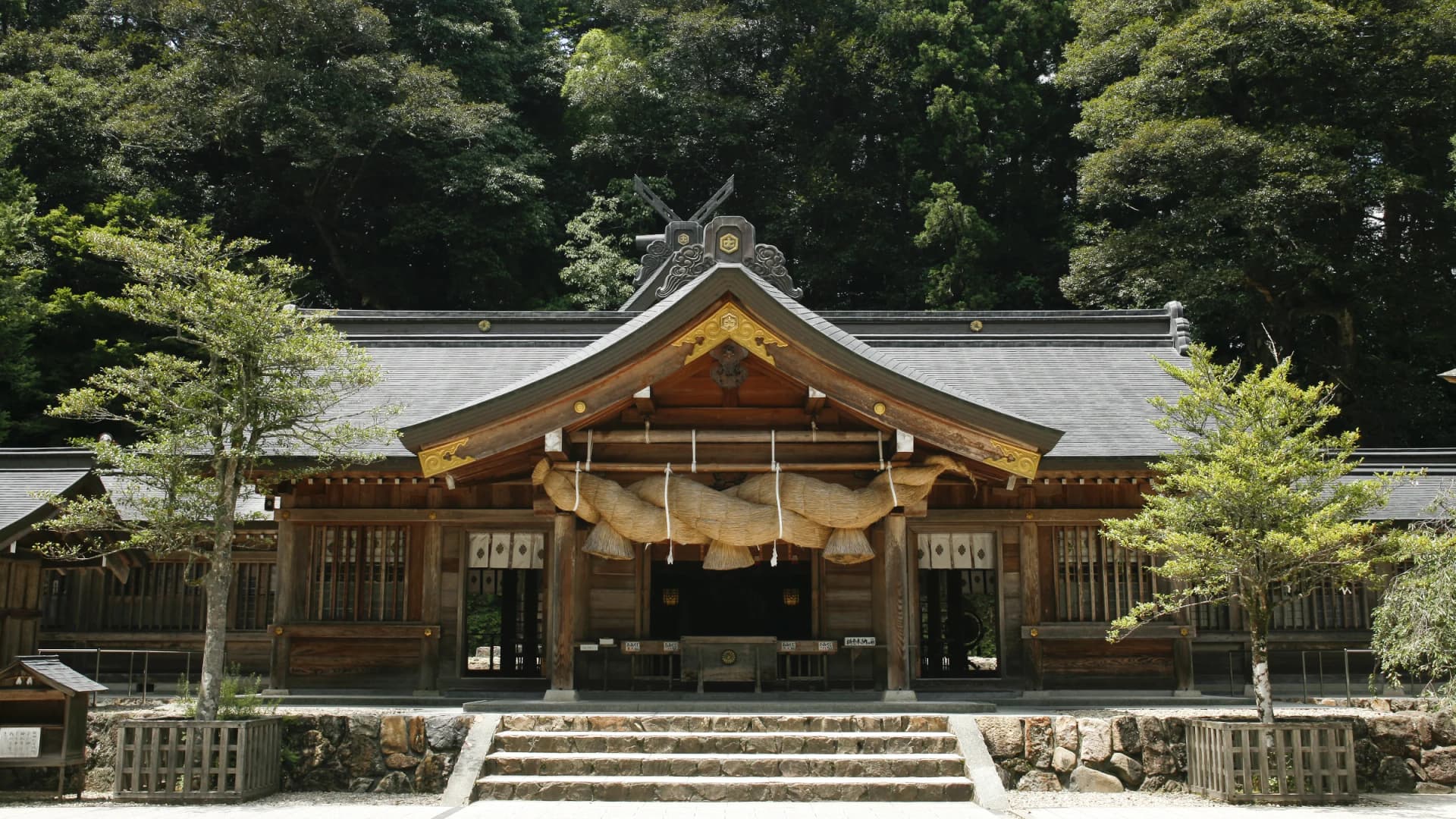
Kawagoe · SaitamaKumano Taisha, Izumo's "birthplace of fire", holds sacred hikiriusu and hikirigine fire-drills, a startling rice-cake ritual, and Susanoo's comb festival for Princess Inada.
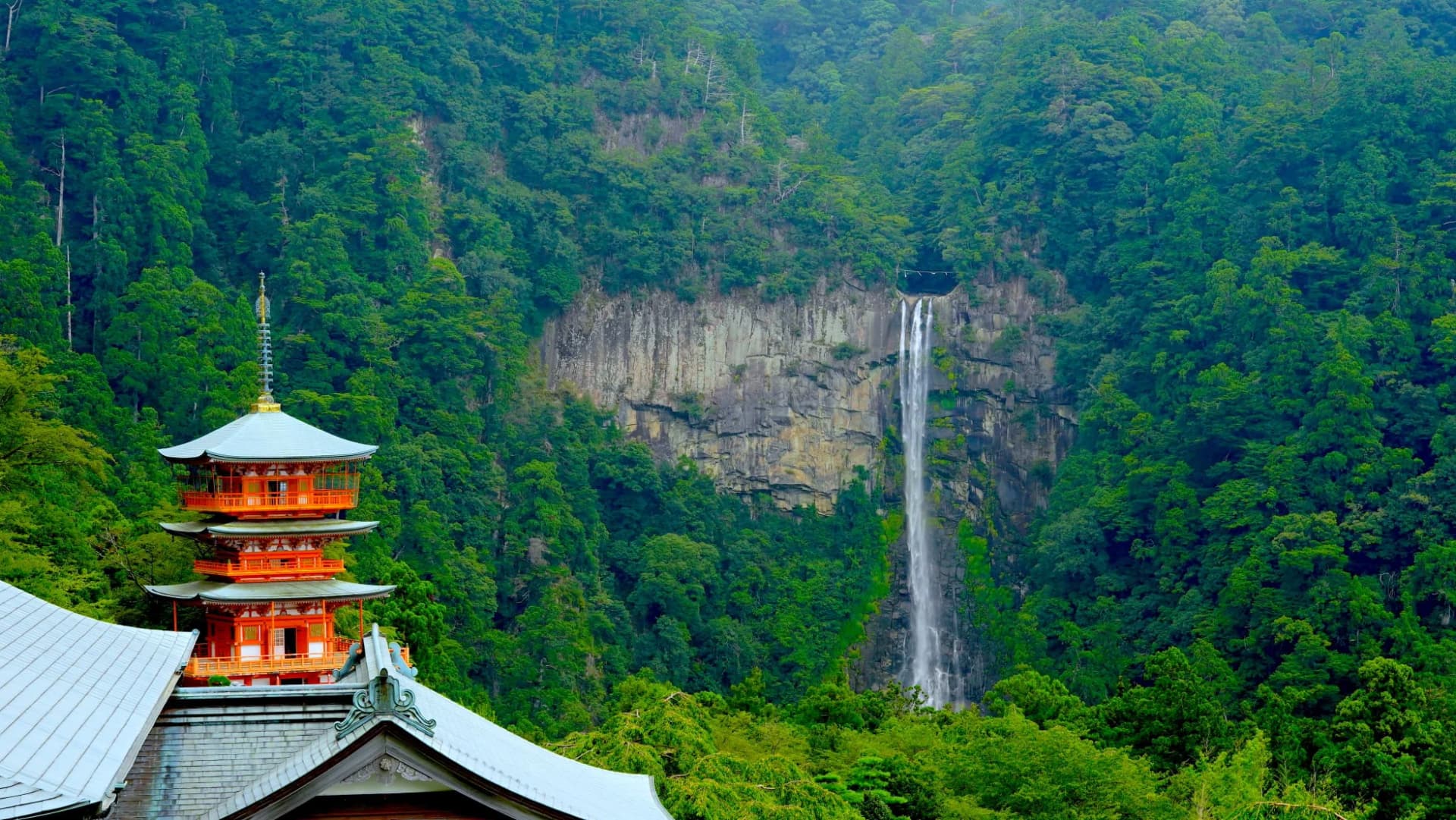
Matsue · ShimaneOne of the three grand shrines of Kumano, beside Japan's tallest waterfall – and spiritual home of the Yatagarasu, the three-legged crow on Japan's football crest.
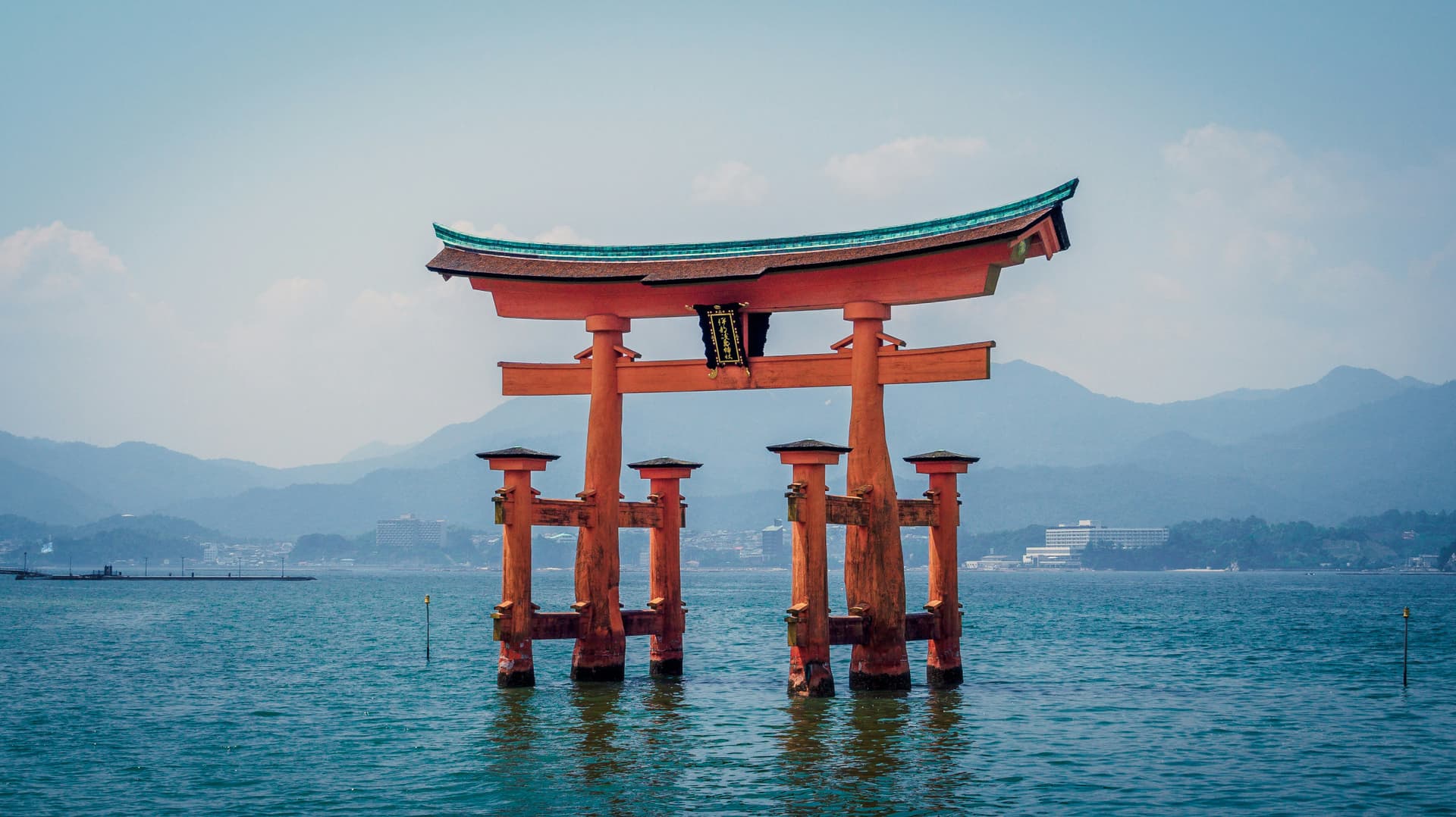
WakayamaThe floating shrine of Miyajima, built out over a tidal cove, with its great vermilion torii standing in the sea off the sacred island.
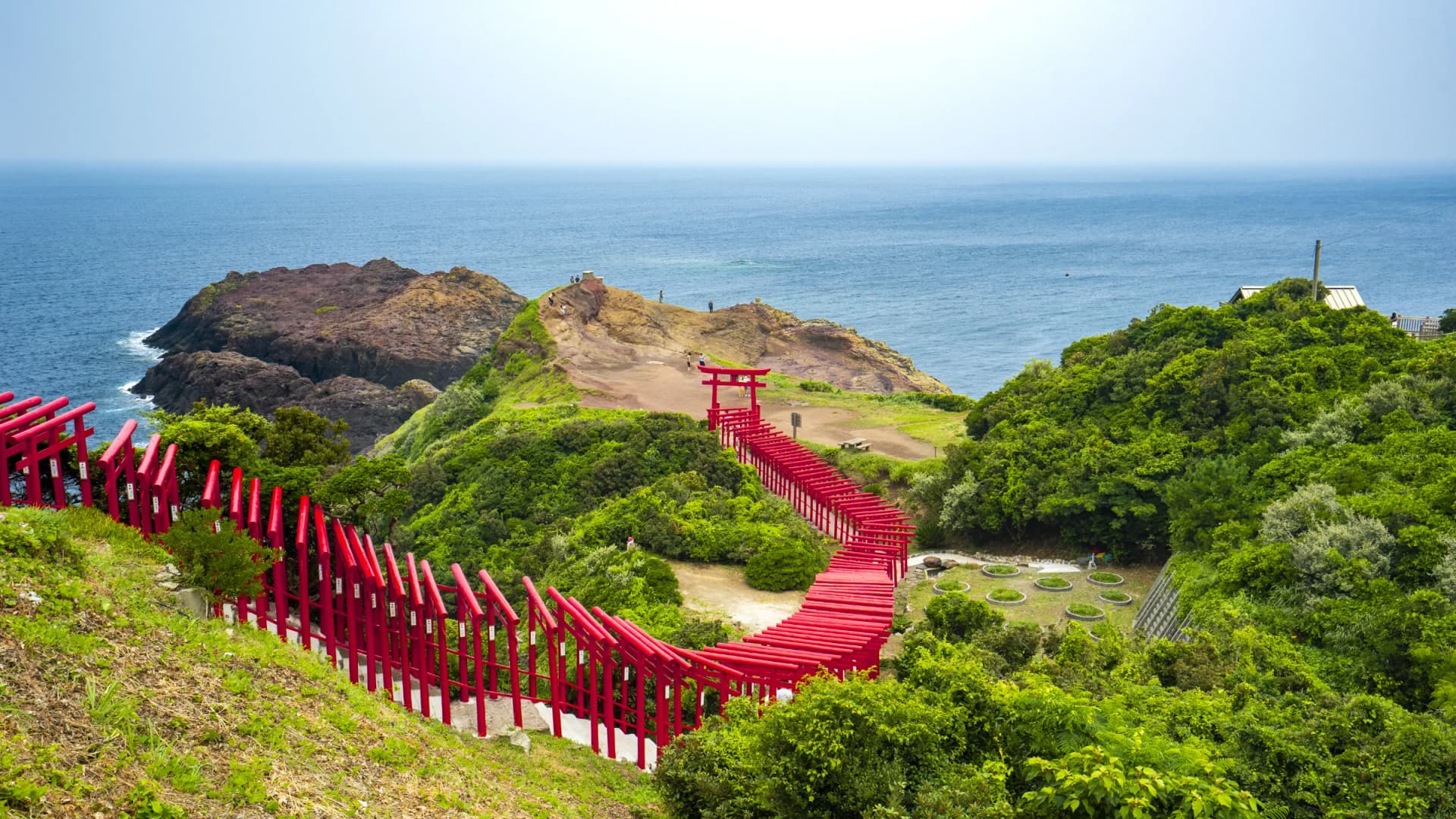
Hatsukaichi · HiroshimaA clifftop shrine on the Nagato coast where 123 red torii run down to the Sea of Japan, with an offering box perched high on the entrance gate.
Nagato · YamaguchiA thousand-year-old shrine in central Kawasaki dedicated to victory and harmony, and home to the Kawasaki Sanno Festival.
Kawasaki · KanagawaHakone Shrine, Motohakone, Hakone, Kanagawa, was founded in 757 on the shores of Lake Ashi and is known for its Heiwa no Torii, a red torii gate standing in the lake.
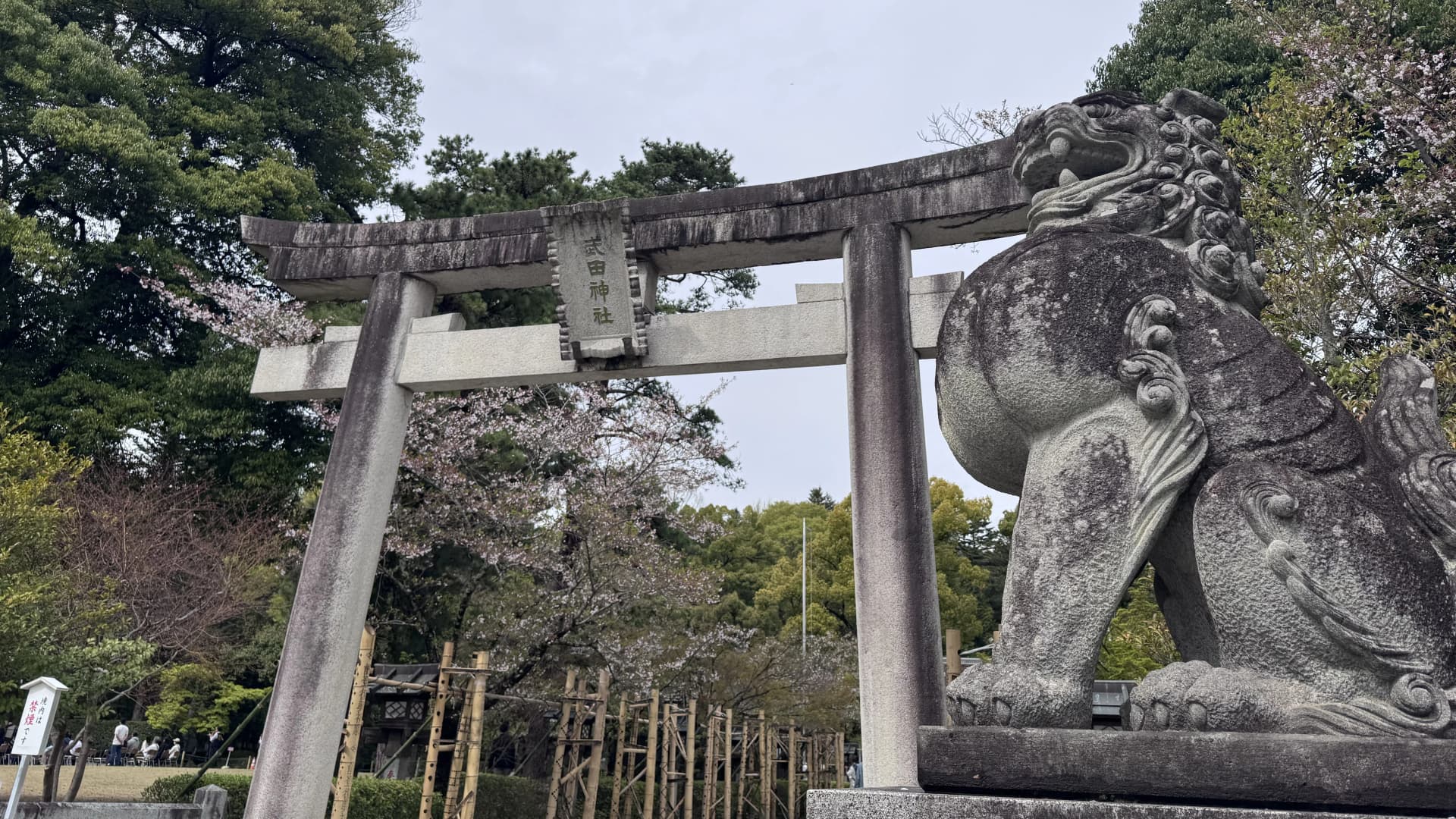
Hakone · KanagawaThis shrine honors Takeda Shingen, a Sengoku-period general remembered for both military prowess and regional development in the domain he ruled.
Kofu · YamanashiYoshida Shrine in Toyohashi, Aichi, dates to 1124, stood within Yoshida Castle under its lords, and is known as the birthplace of tezutsu hand-held fireworks.
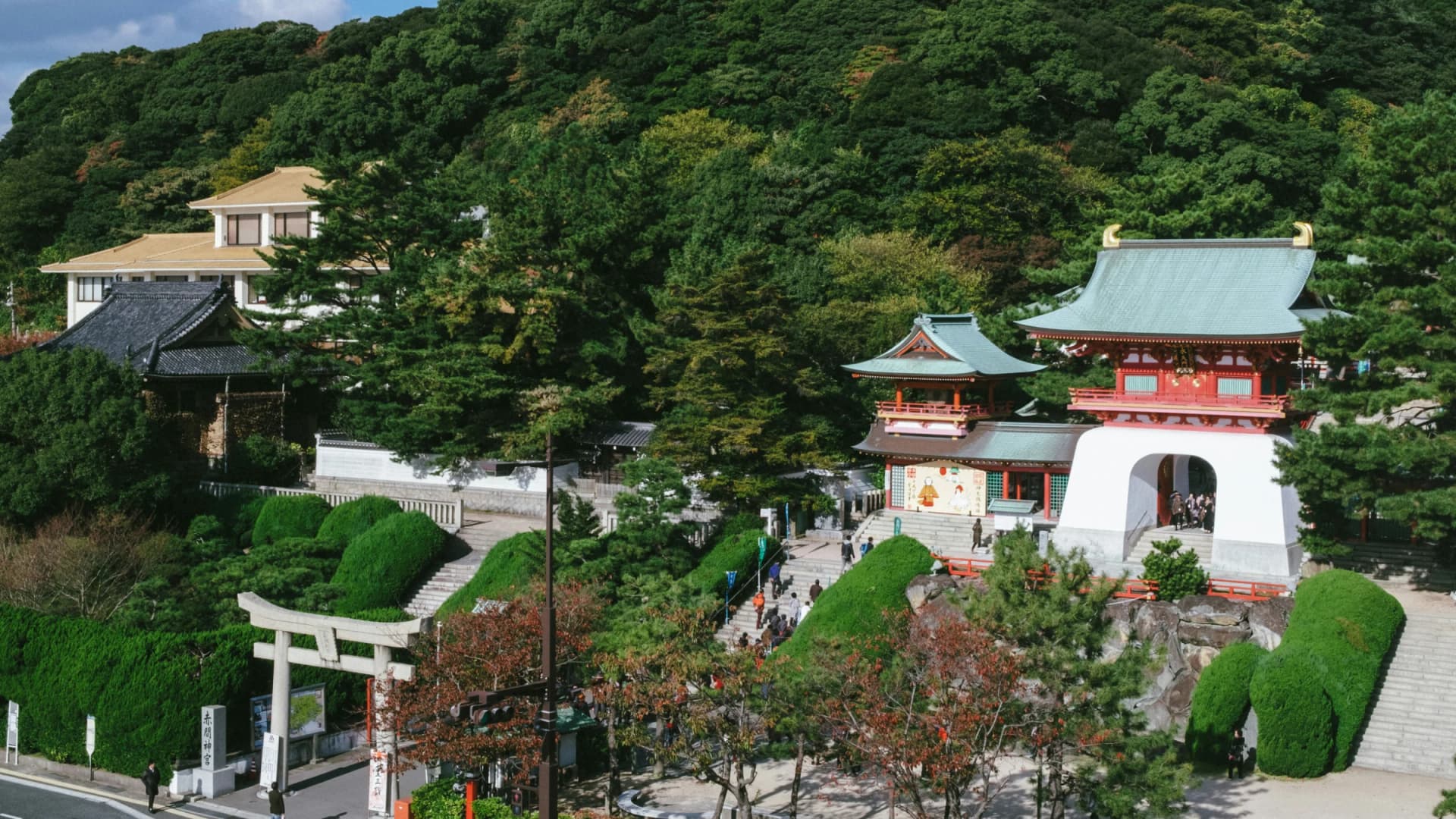
Toyohashi · AichiShinto shrine honoring Antoku, an emperor who died during the Battle of Dan-no-ura in 1185, with a gate designed after the legendary underwater palace of the Dragon God.
Shimonoseki · YamaguchiThis shrine honors Tokugawa Ieyasu, the founder and first military leader of the Tokugawa Shogunate, and was established in 1624.
Maebashi · GunmaTokyo's largest Hachiman shrine, established in 1627, holds historical significance as the birthplace of Kanjin-zumō, a precursor to modern Grand Sumo.
TokyoBitchukoku Soja Shrine consolidated deities of 324 provincial shrines into a single site dedicated to the deity of nation-building and good fortune.
Soja · OkayamaUesugi Shrine in Yonezawa honors the formidable warlord Uesugi Kenshin and was rebuilt in 1923 following a destructive fire.
Yonezawa · YamagataSendai Toshogu Shrine, established in 1654 to honor Tokugawa Ieyasu, stands out among Japan's Toshogu shrines for its scale and beauty.
Sendai · MiyagiThe head shrine of approximately 12,000 Tenmangū and Tenjin shrines throughout Japan, Kitano Tenmangū is dedicated to the deity of learning and culture.
KyotoIshikawa shrine dedicated to Amenofuyukinu no Mikoto and his son Ōkuninushi, the Shinto god of nation-building and matchmaking, with subsidiary shrines on the grounds.
Wajima · IshikawaShinto shrine dedicated to Hachiman Okami, Amaterasu Omikami the sun goddess, and Sarutahiko Okami the god of guidance, with smaller shrines on the precinct grounds.
Kanazawa · Ishikawa