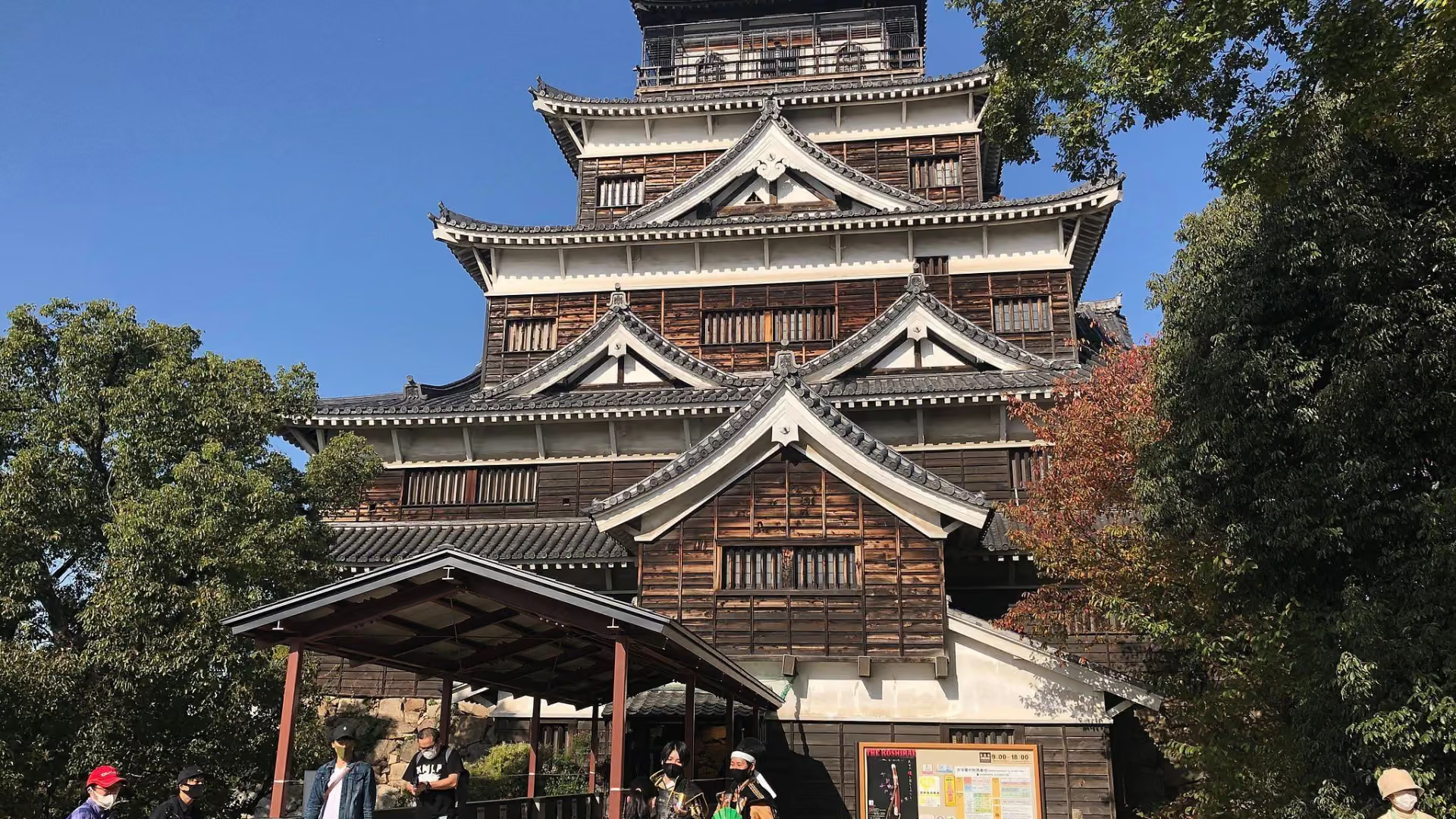
Hiroshima Castle
Castle built by Mori Terumoto from 1589 on the Ota River delta. Its keep, rebuilt after the 1945 atomic bombing, closed in 2026; the grounds stay open.
Hiroshima

Castle built by Mori Terumoto from 1589 on the Ota River delta. Its keep, rebuilt after the 1945 atomic bombing, closed in 2026; the grounds stay open.
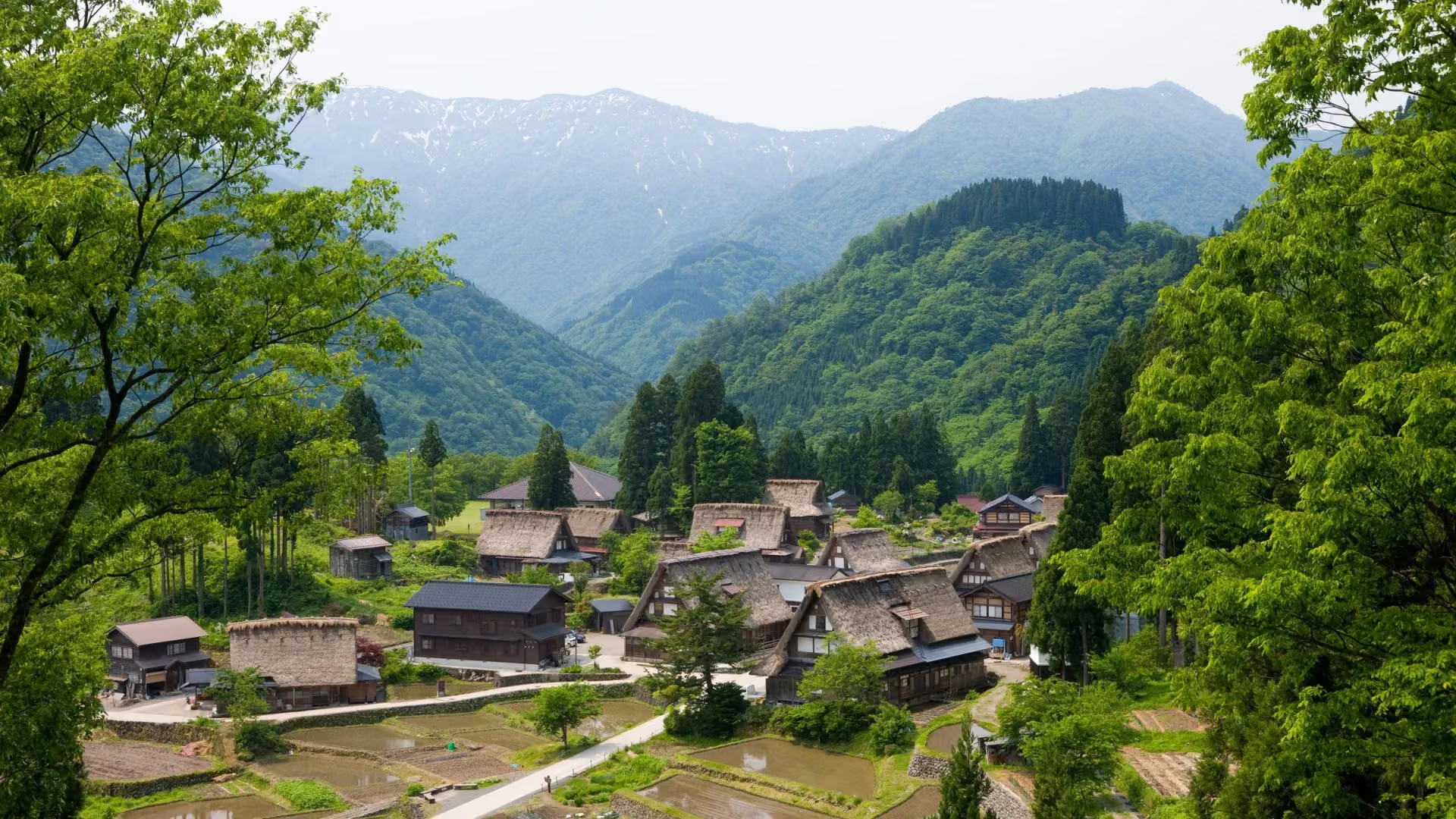
HiroshimaA village in the UNESCO-listed Gokayama area with 20 gassho-style houses, most from the late Edo to Meiji periods, under thatched roofs pitched near 60 degrees.
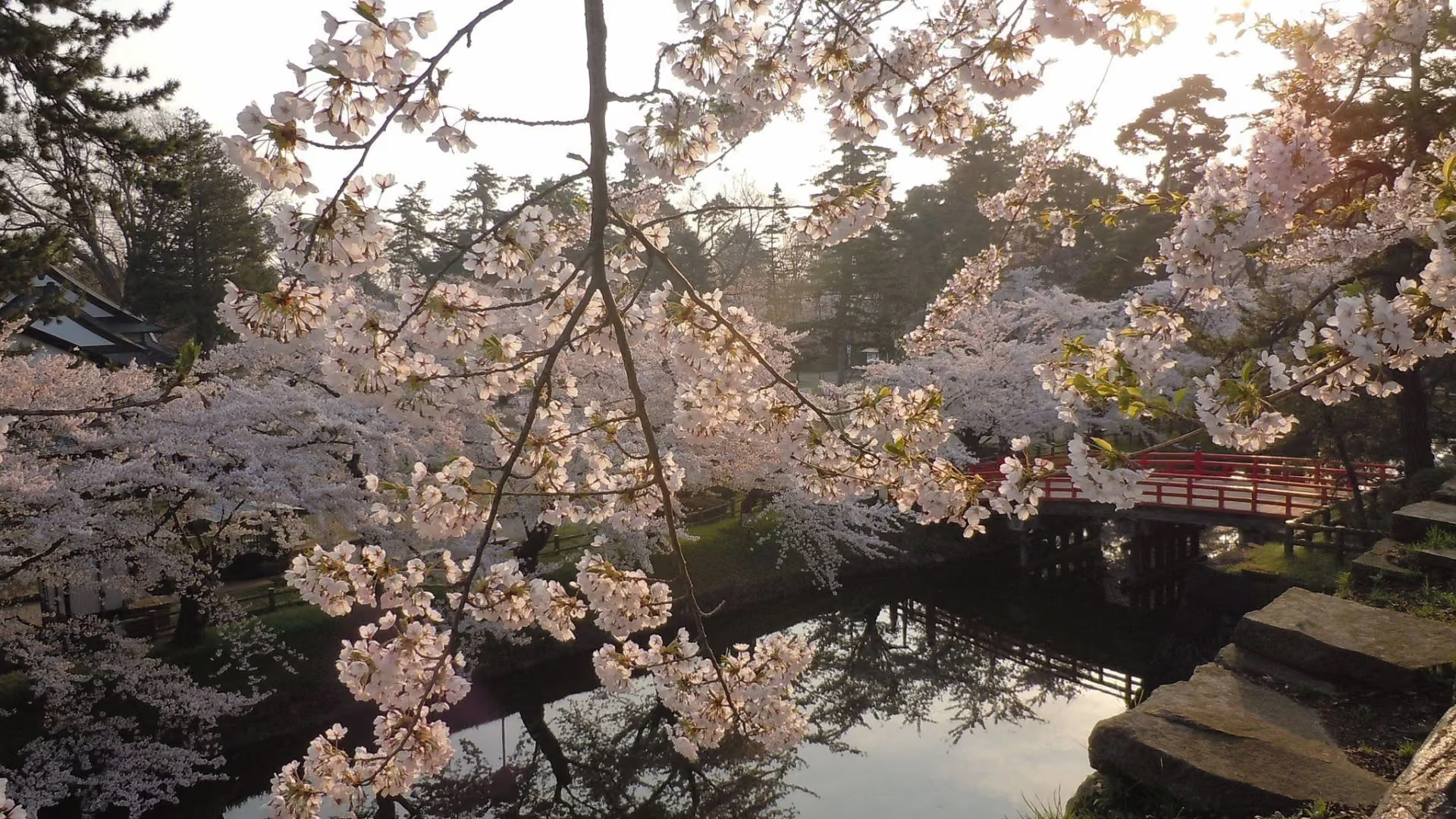
Nanto · ToyamaPark on the grounds of Hirosaki Castle in Aomori, with an original Edo-period keep, turrets and gates and about 2,600 cherry trees.
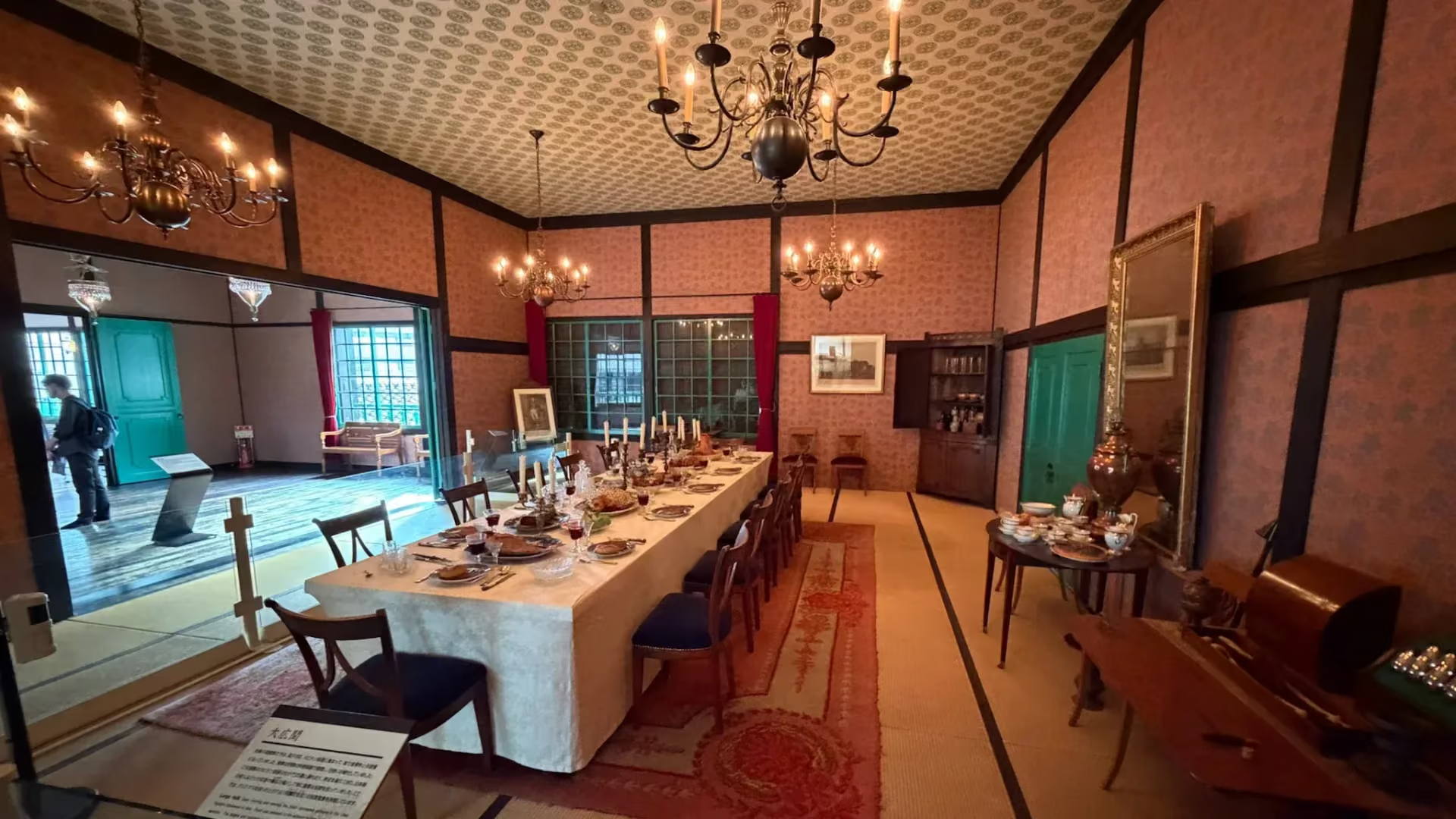
Hirosaki · AomoriThe fan-shaped island in Nagasaki that was Japan's only opening to the West for more than two centuries, now rebuilt street by street.
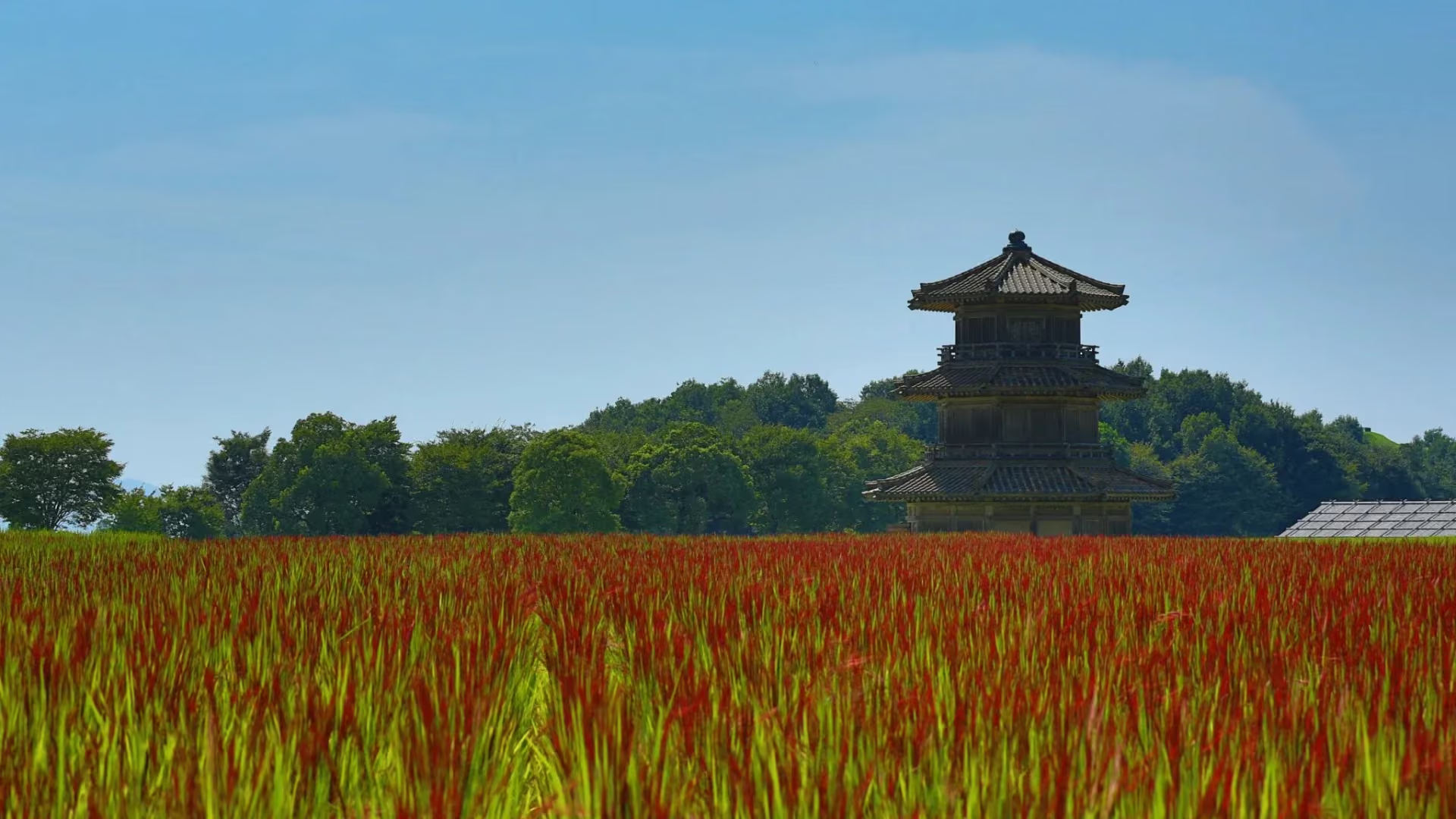
NagasakiThe site of a seventh-century mountain fortress in Kumamoto, built against invasion from the mainland, with four buildings reconstructed.
Yamaga · KumamotoThe site of the Takeda clan's residence in Kofu, home to Takeda Nobutora, Shingen and Katsuyori, where Takeda Shrine now stands.
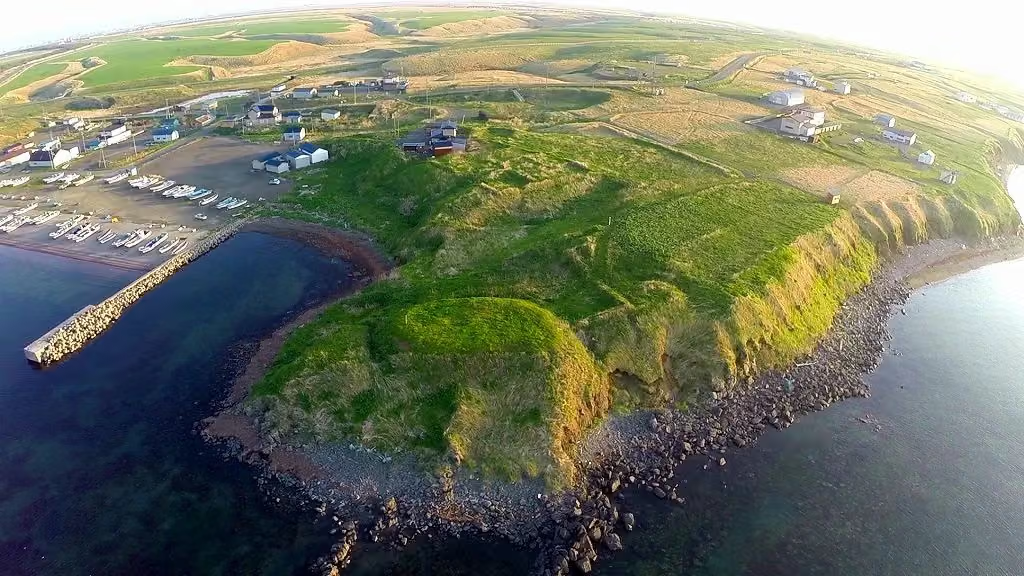
Kofu · YamanashiAinu chashi earthworks on the sea cliffs of the Nemuro Peninsula, dated to around the 16th to 18th centuries and No. 1 of the 100 Fine Castles of Japan.
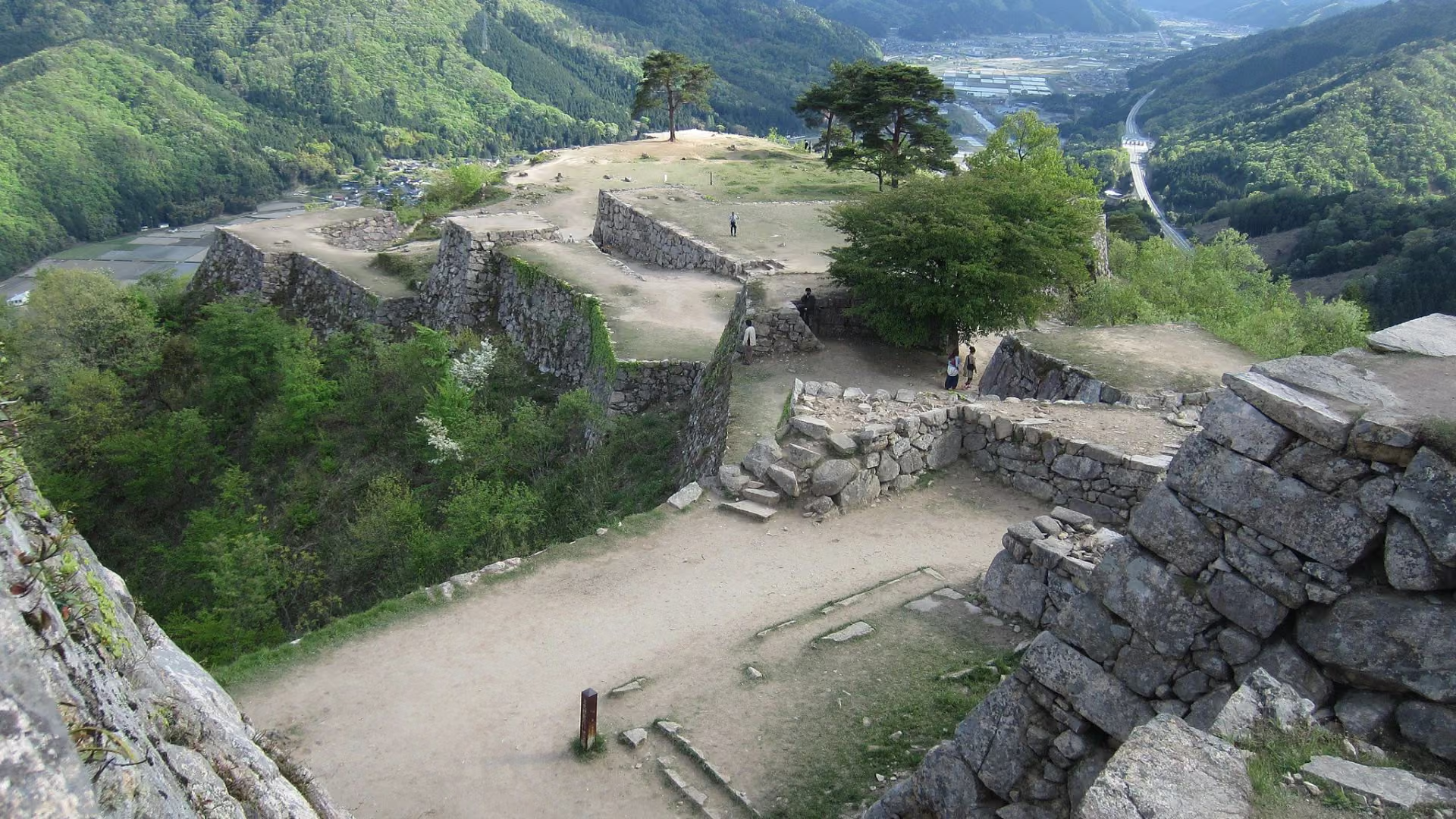
Nemuro · HokkaidoStone walls of a mountain castle abandoned in 1600, on a 353-metre summit, known as the castle in the sky when a sea of clouds forms below it.
Asago · HyogoSite of a castle built in 1334 for the Southern Court and held by the Nejo Nanbu clan for about 300 years, with its main bailey rebuilt on excavated remains.
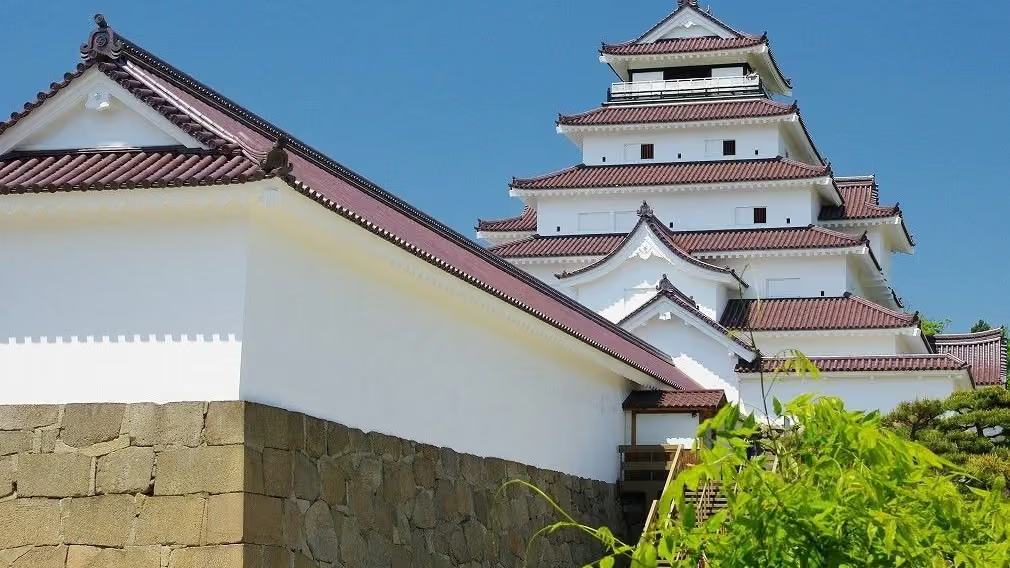
Hachinohe · AomoriAlso called Tsuruga Castle, the seat of the Aizu Domain held out for a month in the 1868 Boshin War; its rebuilt red-tiled keep houses a museum.
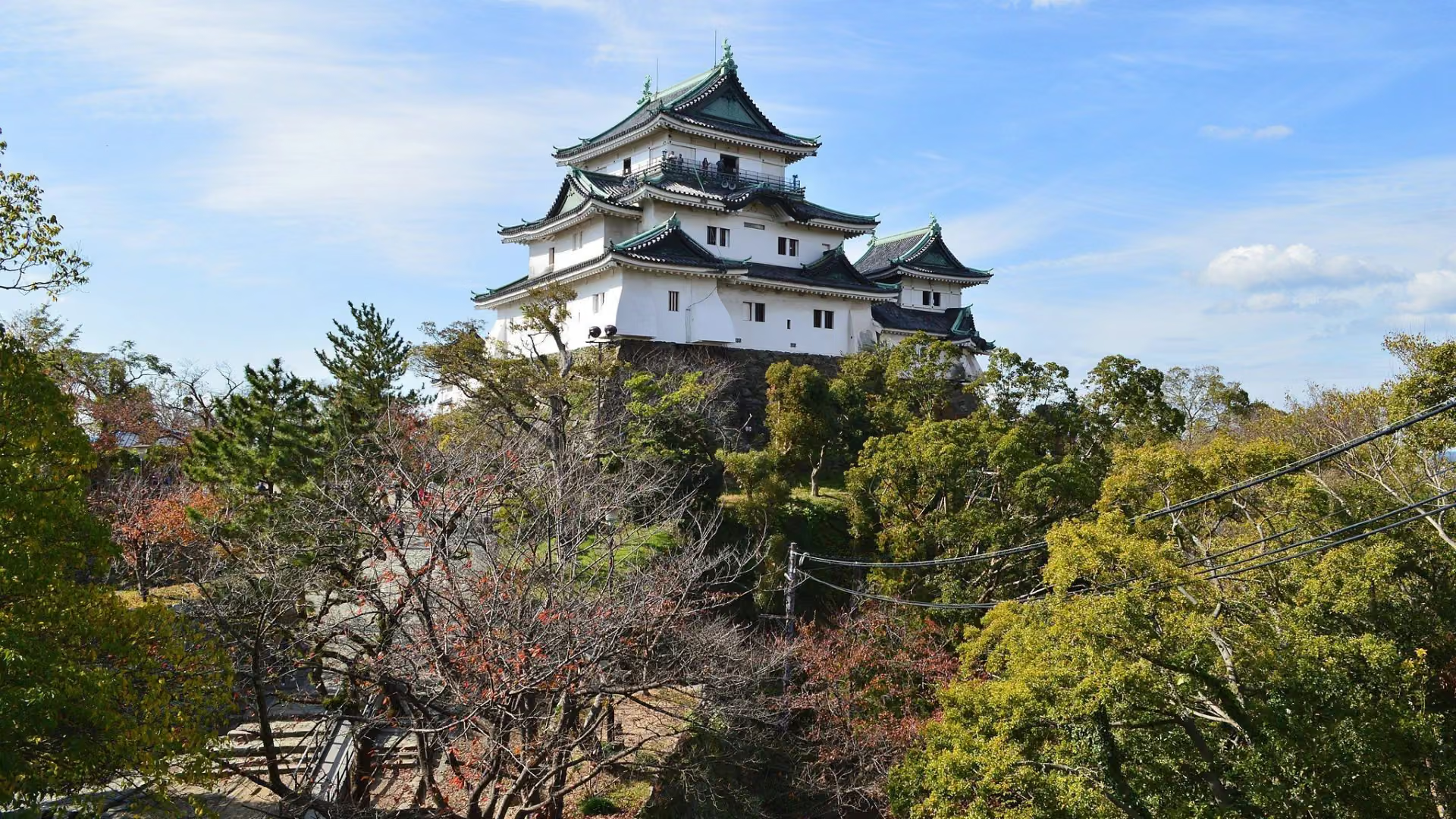
Aizuwakamatsu · FukushimaCastle founded in 1585 by Toyotomi Hidenaga and later the seat of the Kishu Tokugawa family, with a keep rebuilt in 1958 and the Nishinomaru Garden.
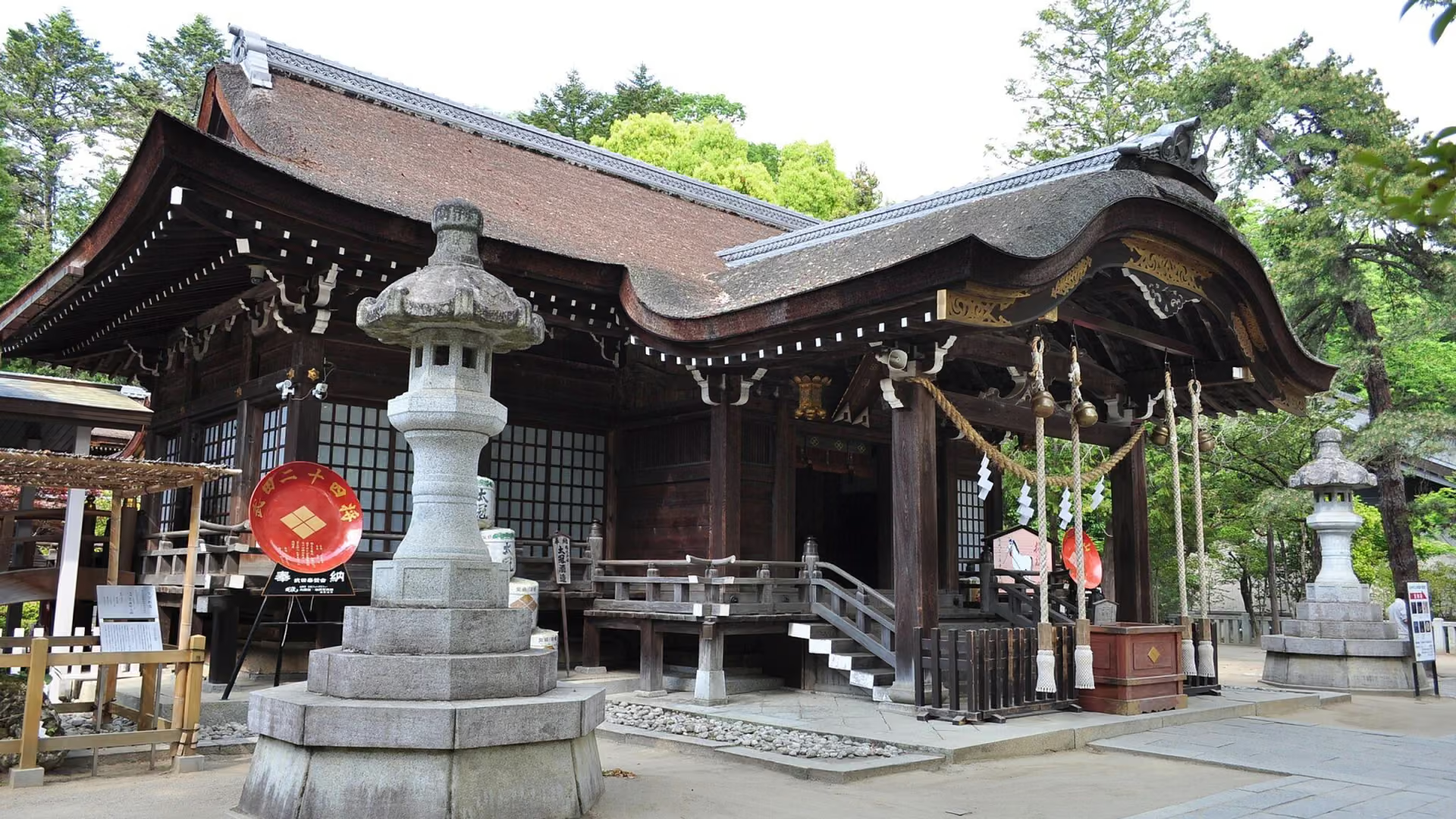
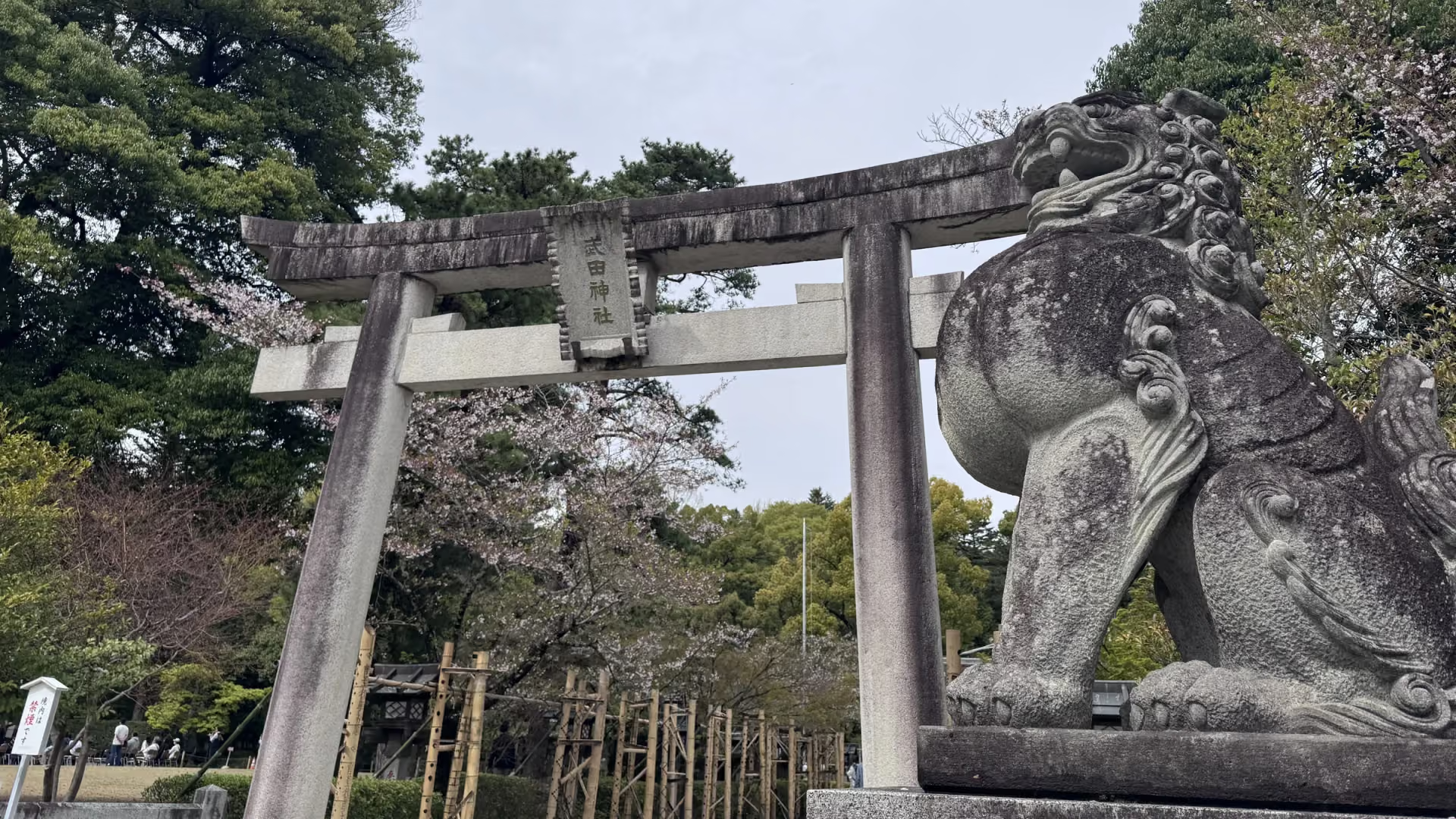
WakayamaThis shrine honors Takeda Shingen, a Sengoku-period general remembered for both military prowess and regional development in the domain he ruled.
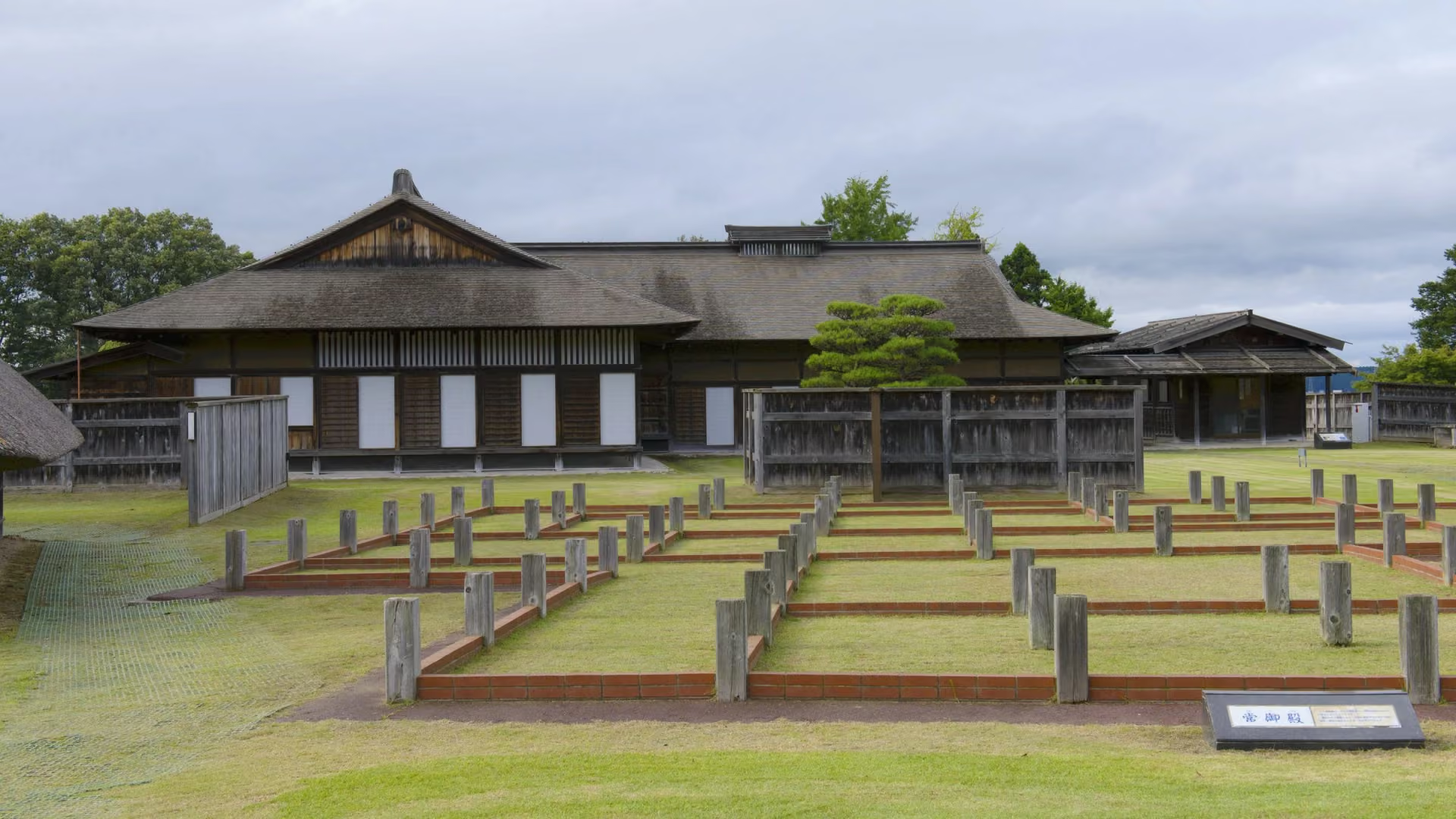
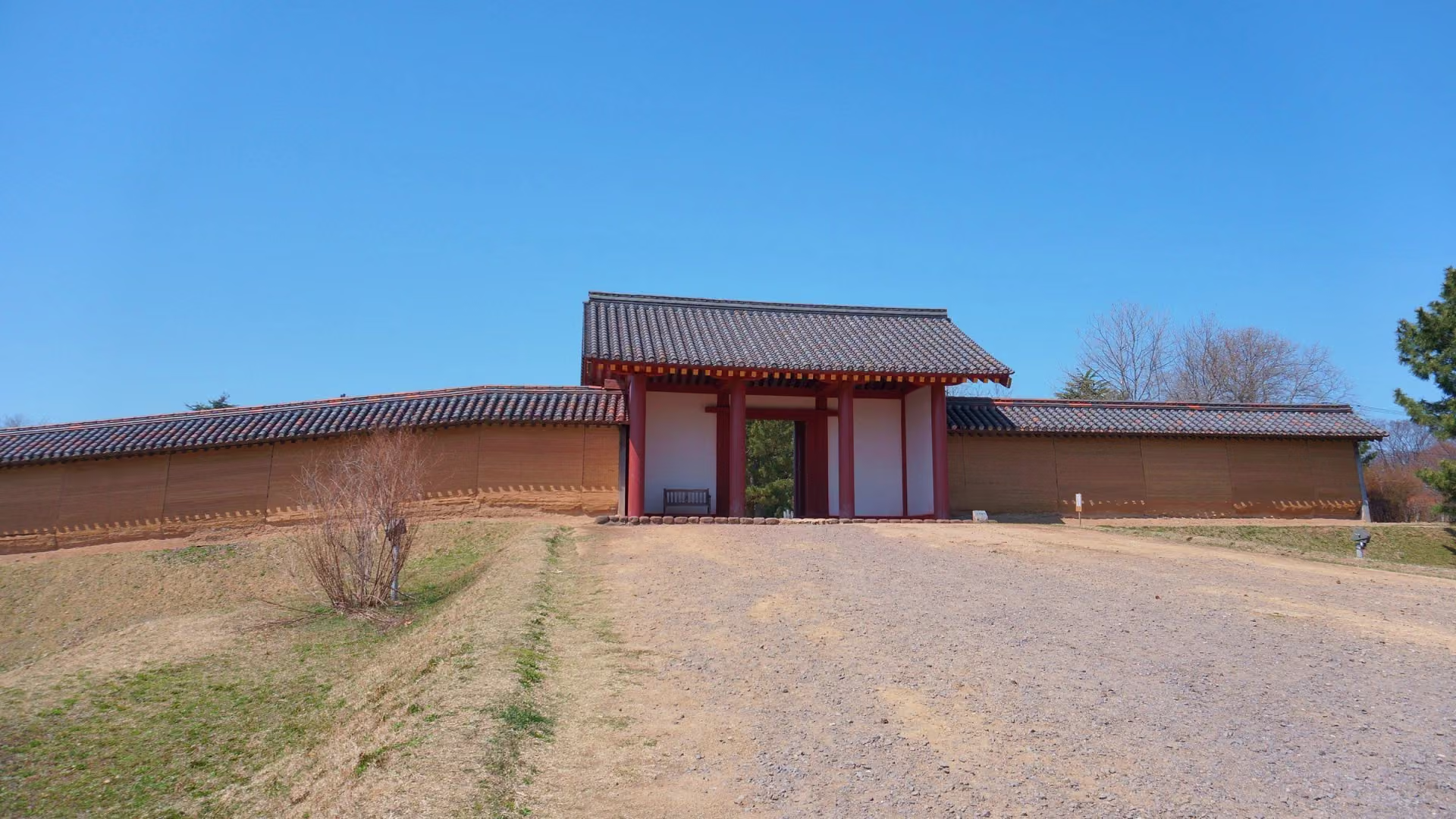
Kofu · YamanashiRuins of the northernmost government fort of ancient Japan, seat of Dewa Province in the Nara period, with a rebuilt east gate and a Nara-period toilet.
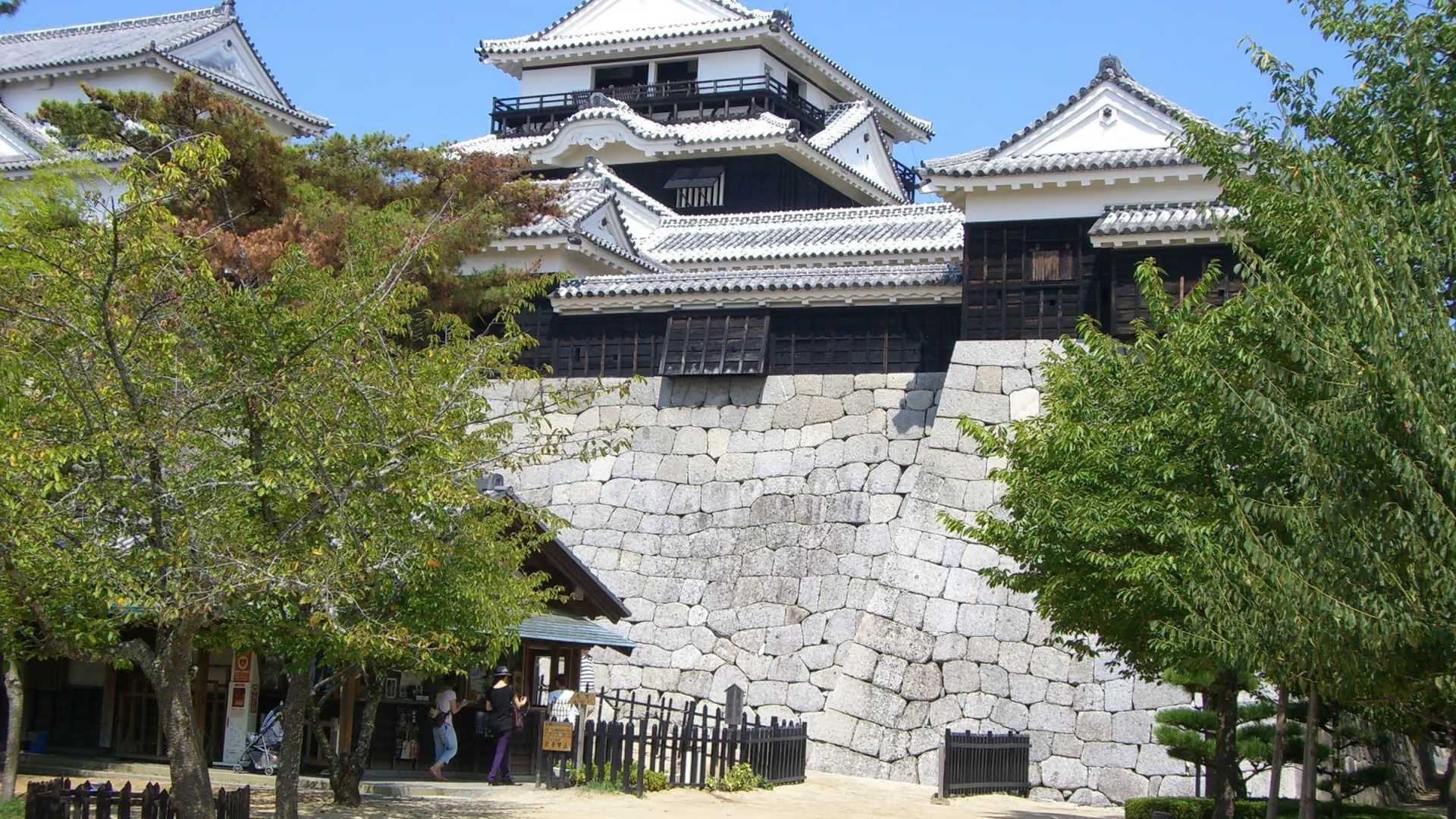
AkitaHilltop castle in central Matsuyama with one of the twelve original castle keeps in Japan, completed in 1854, and 21 Important Cultural Properties.
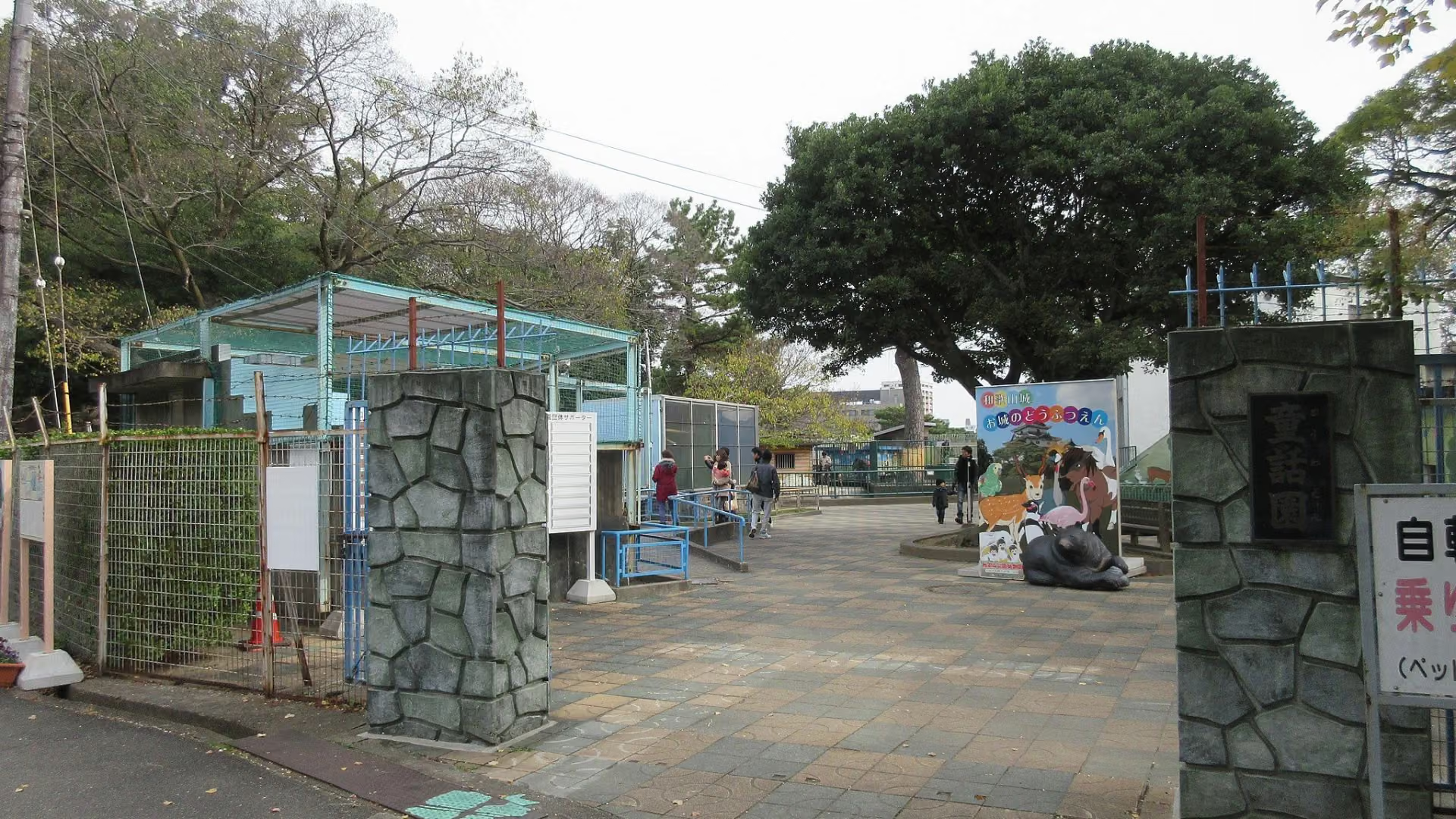
Matsuyama · EhimeFree zoo in the grounds of Wakayama Castle, dating from the Taisho era, with Humboldt penguins, European flamingos, red-crowned cranes and miniature horses.
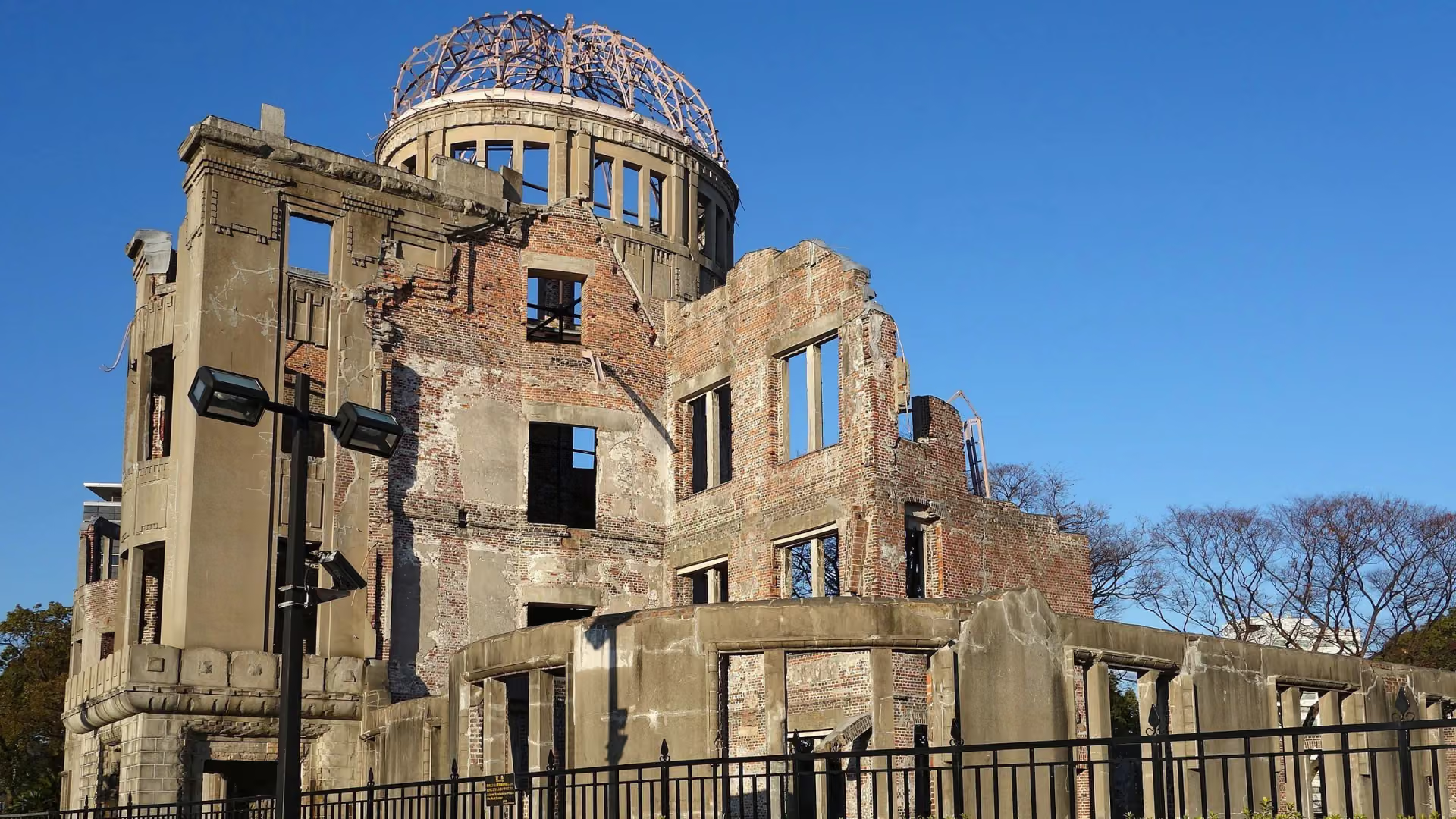
WakayamaThe ruin of the former Hiroshima Prefectural Industrial Promotion Hall, about 160 meters from the hypocenter of the 1945 atomic bomb. A World Heritage Site.
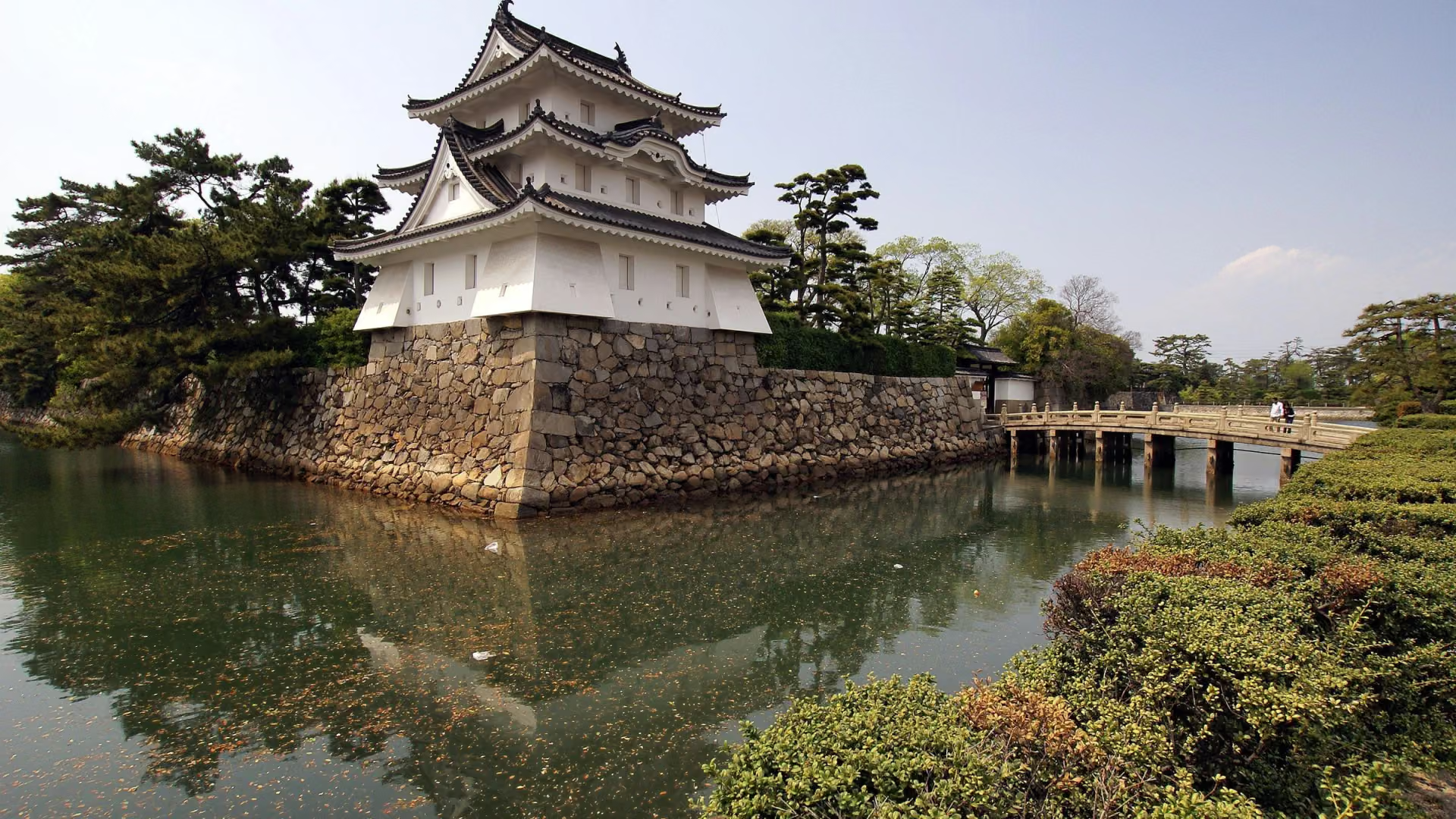
HiroshimaSea castle on the Seto Inland Sea with three rings of seawater moats, counted among Japan's Three Great Water Castles, with four surviving castle buildings.
Takamatsu · Kagawa