Nagoya Touken World
A Nagoya museum of Japanese swords, samurai armor and ukiyo-e, opened in 2024, with a collection of about 500 swords that includes a National Treasure tanto.
Nagoya · Aichi

A Nagoya museum of Japanese swords, samurai armor and ukiyo-e, opened in 2024, with a collection of about 500 swords that includes a National Treasure tanto.
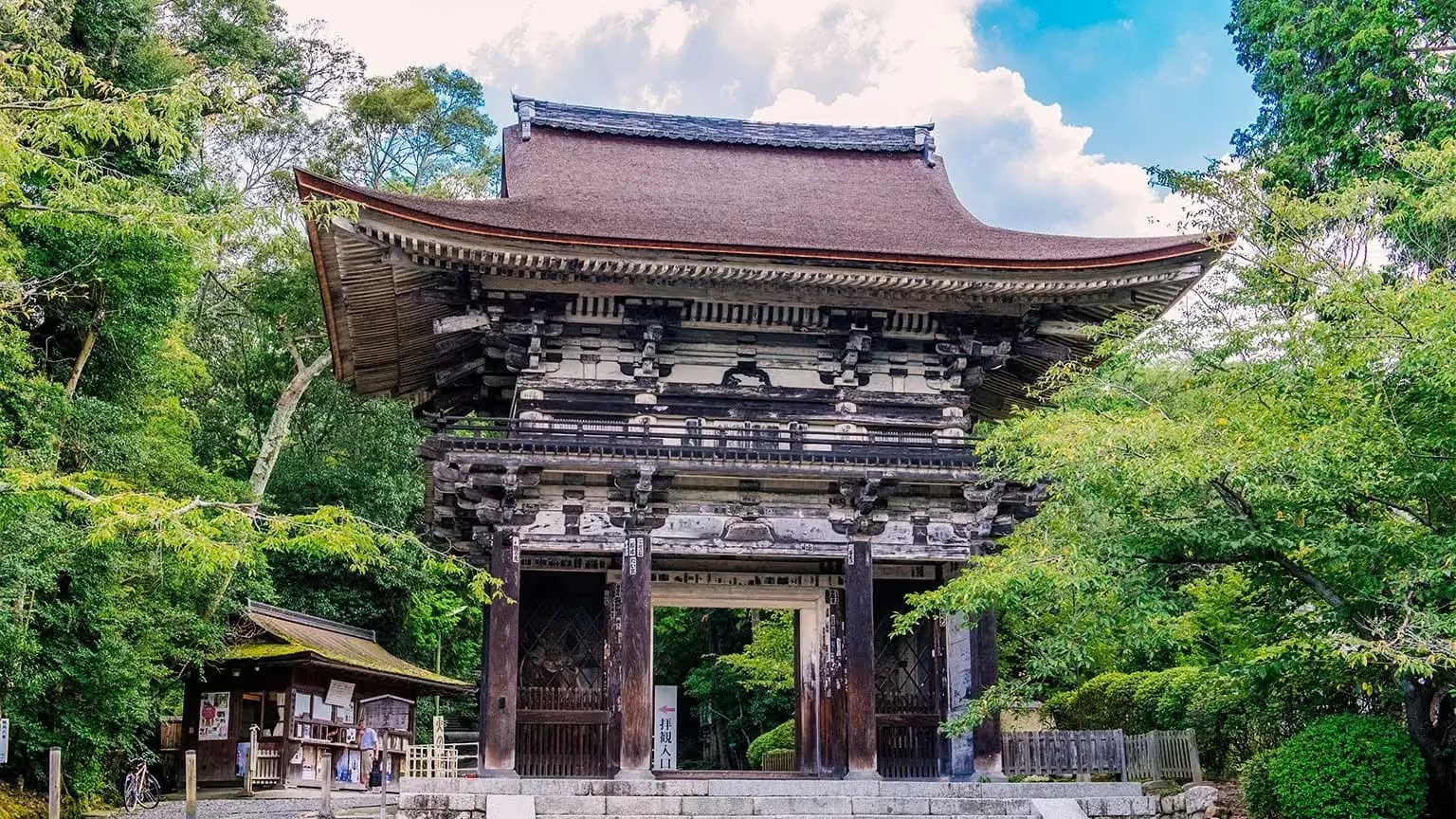
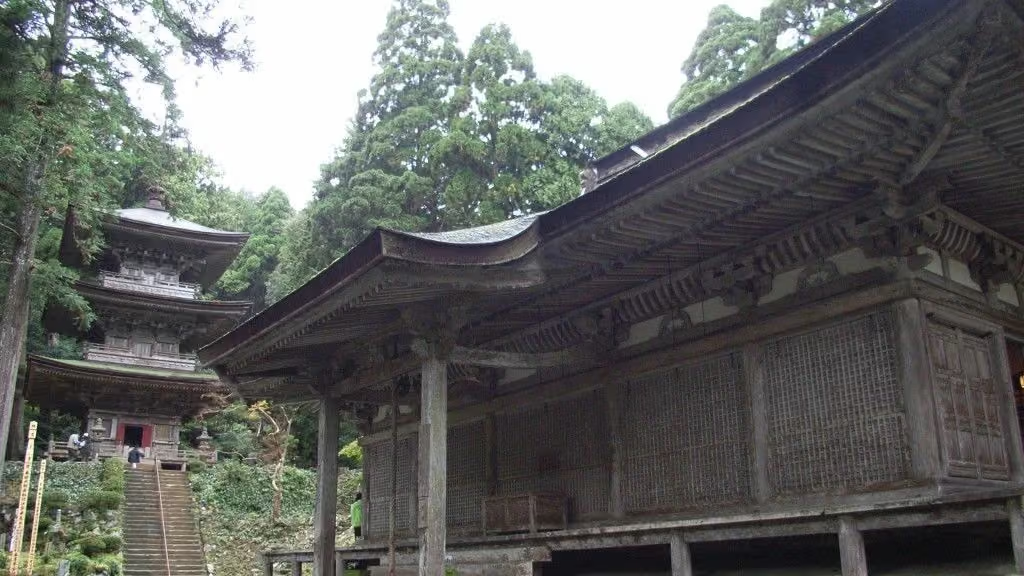
Nagoya · AichiHead temple of the Tendai Jimon sect, Miidera was founded in the seventh century and has survived repeated destruction, earning the name Phoenix Temple.
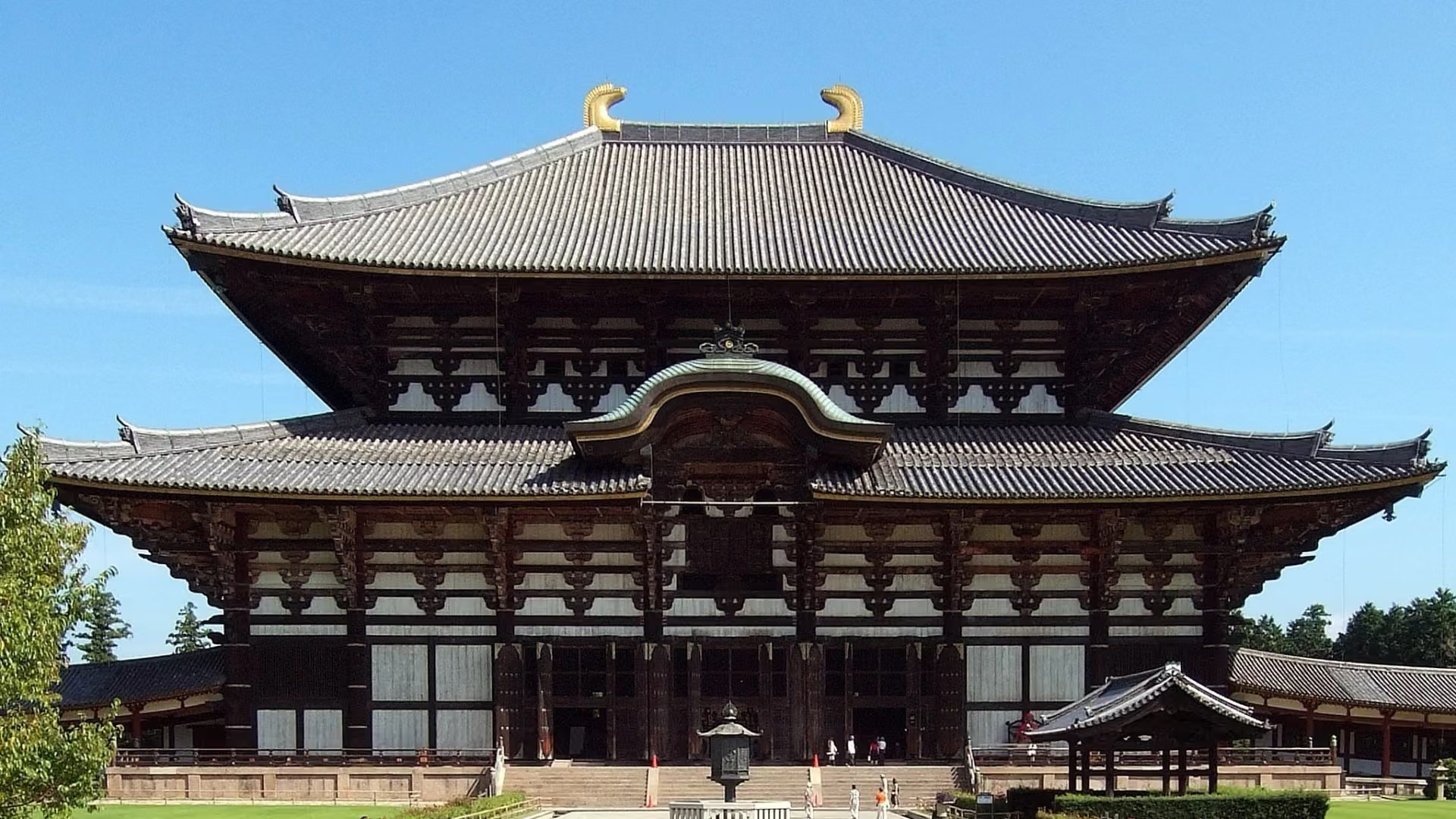
Otsu · ShigaTodai-ji's main hall and home of the Great Buddha, burned in 1180 and 1567, rebuilt in 1709 and among the largest wooden buildings in the world.
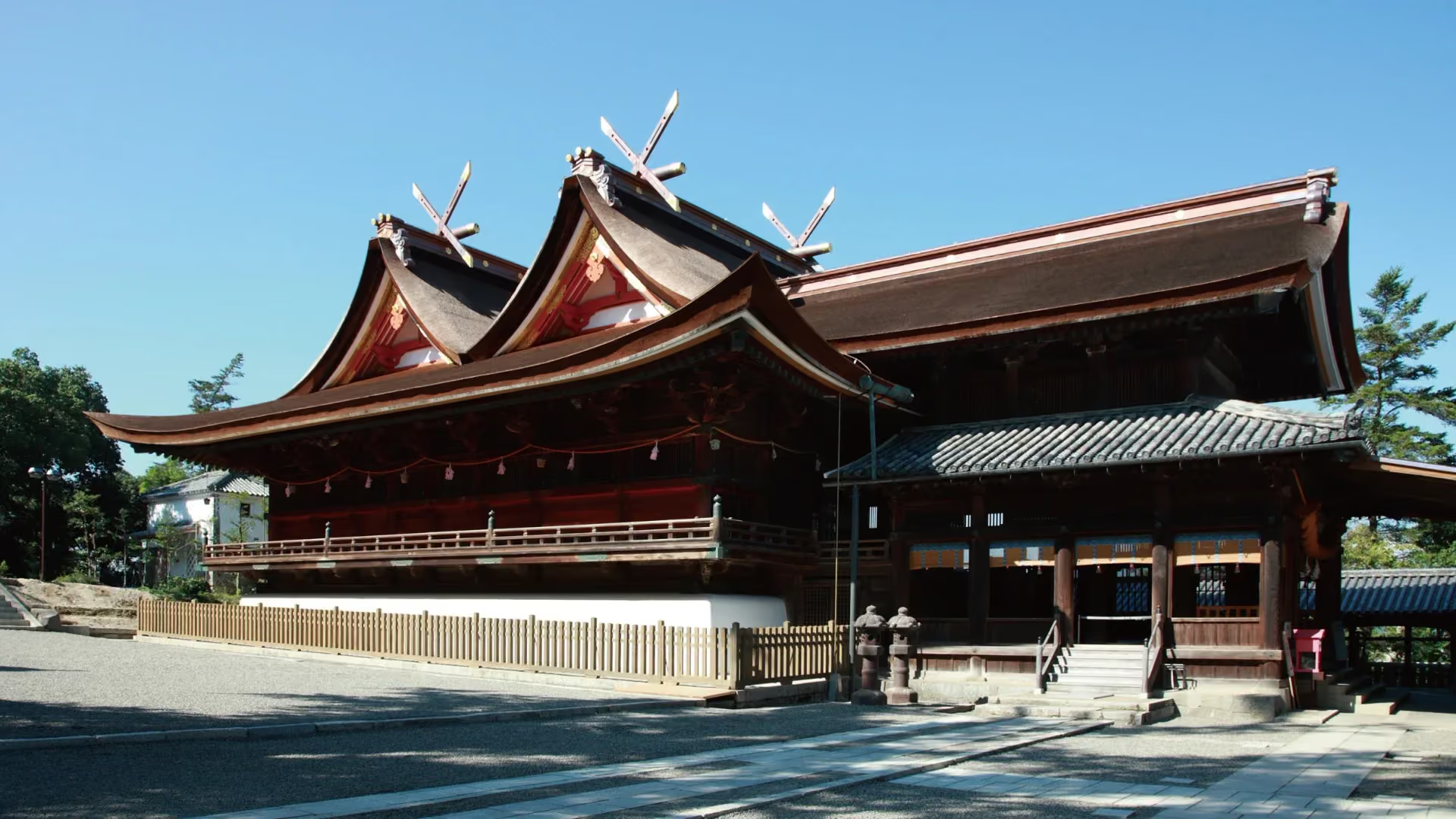
NaraIchinomiya of Bitchu in Okayama, enshrining Kibitsuhiko, whose defeat of the ogre Ura is said to lie behind the Momotaro tale, in a National Treasure hall.
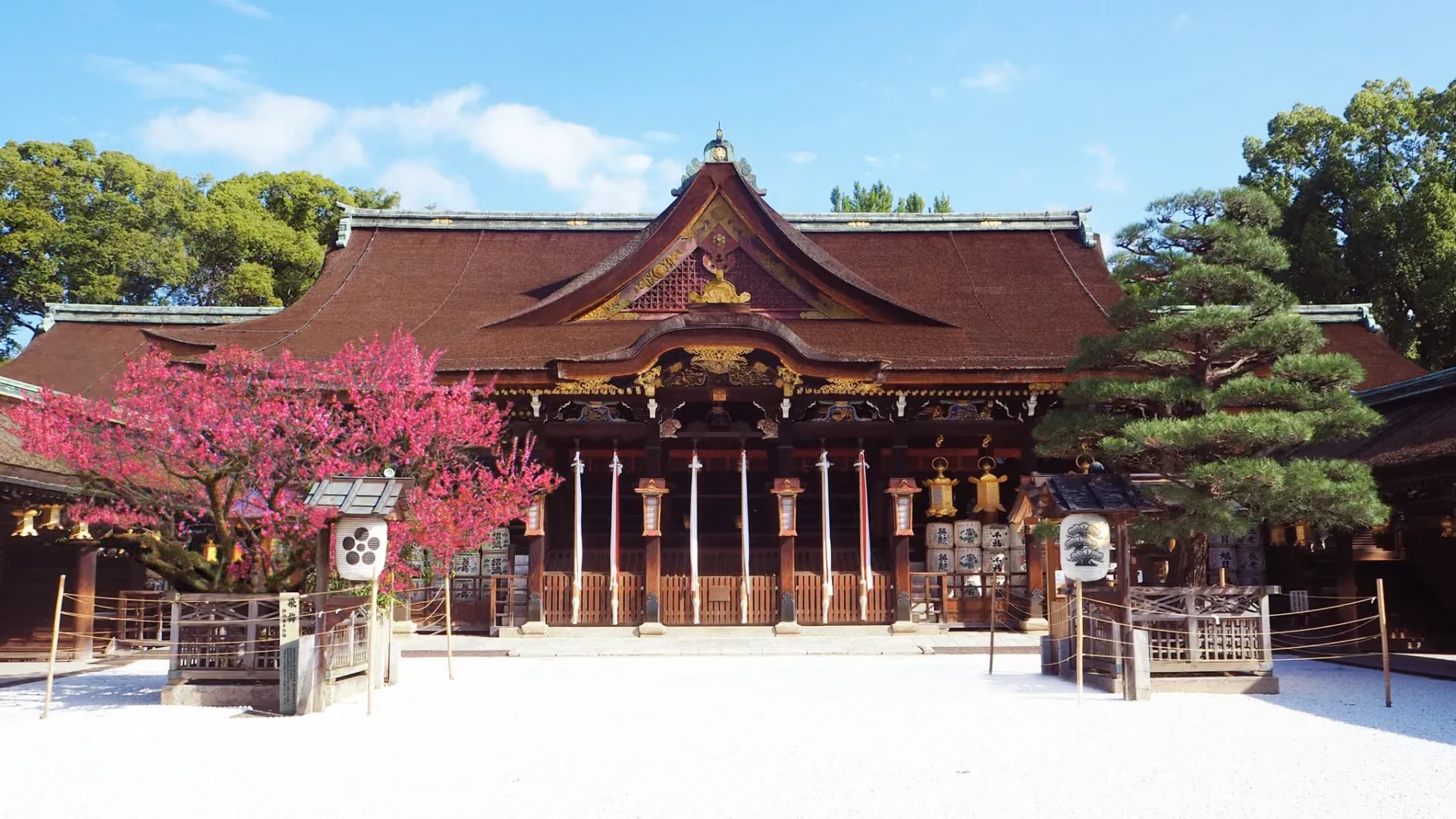
OkayamaThe head shrine of approximately 12,000 Tenmangu and Tenjin shrines throughout Japan, Kitano Tenmangu is dedicated to the deity of learning and culture.
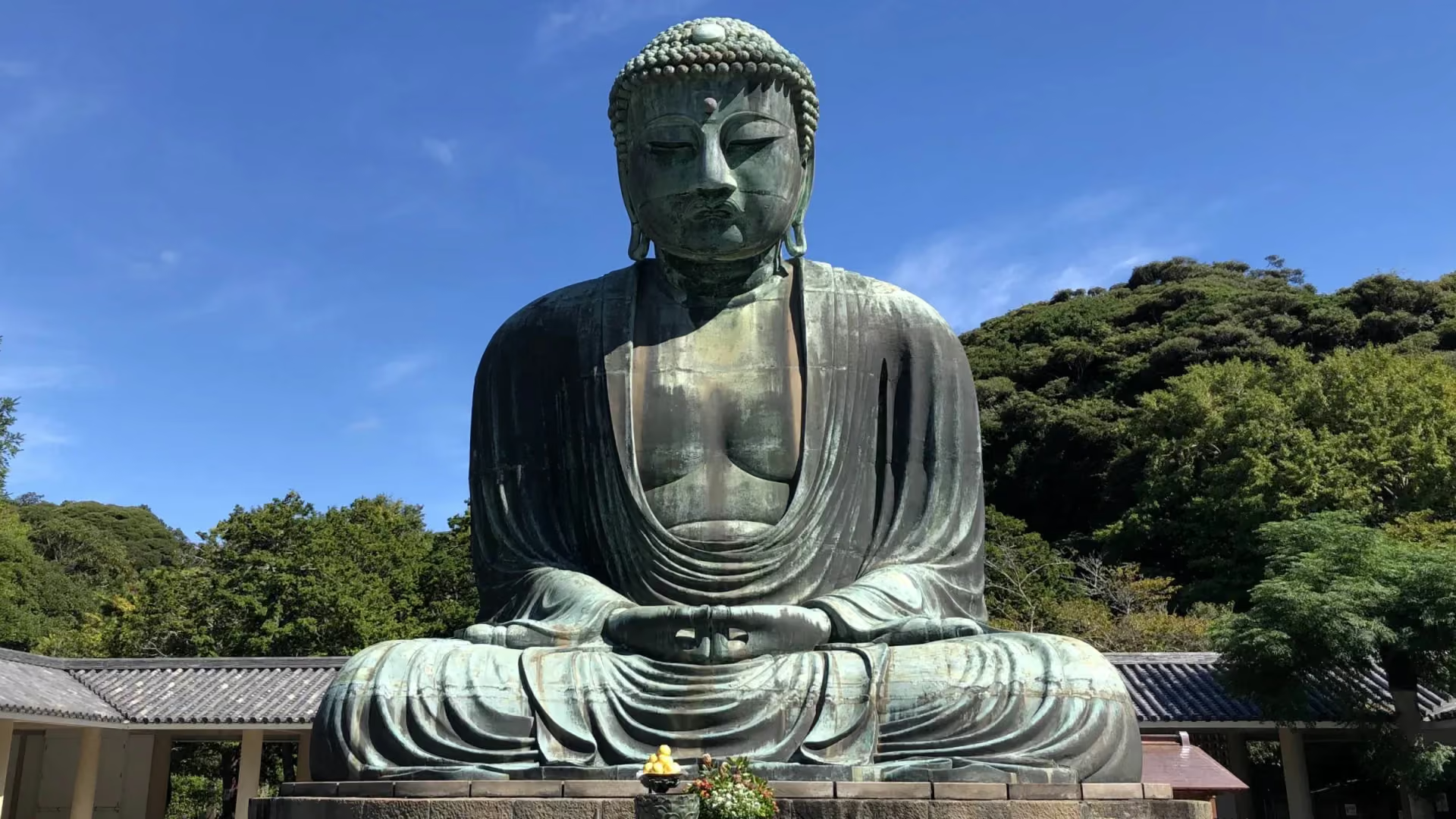
KyotoA Jodo sect temple in Kamakura whose main image is the Great Buddha, a seated copper statue of Amida Buddha begun in 1252 and a National Treasure.
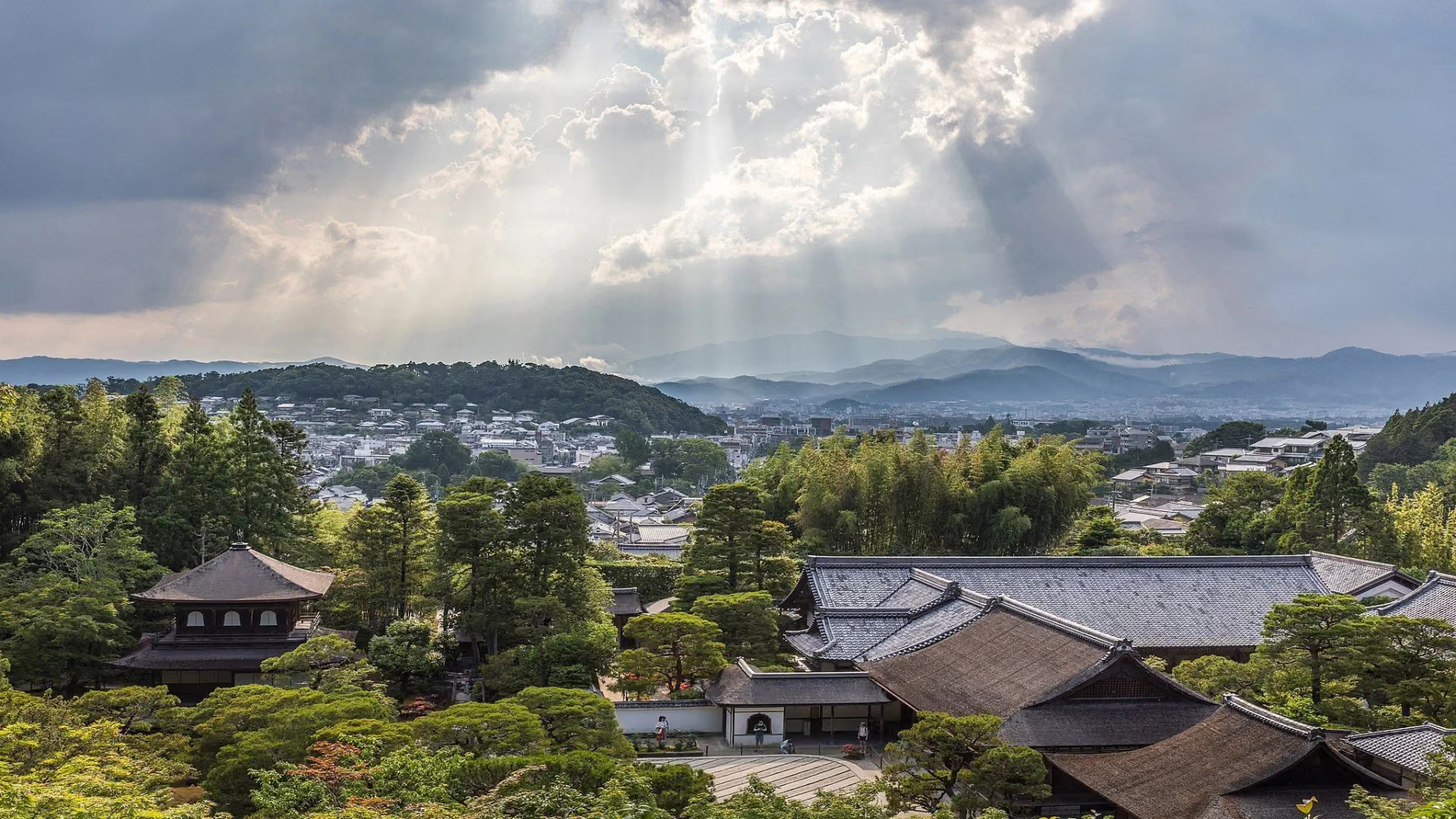
Kamakura · KanagawaZen temple in Kyoto that grew out of shogun Ashikaga Yoshimasa's villa, with the Silver Pavilion and the Togudo, both National Treasures, and a sand garden.
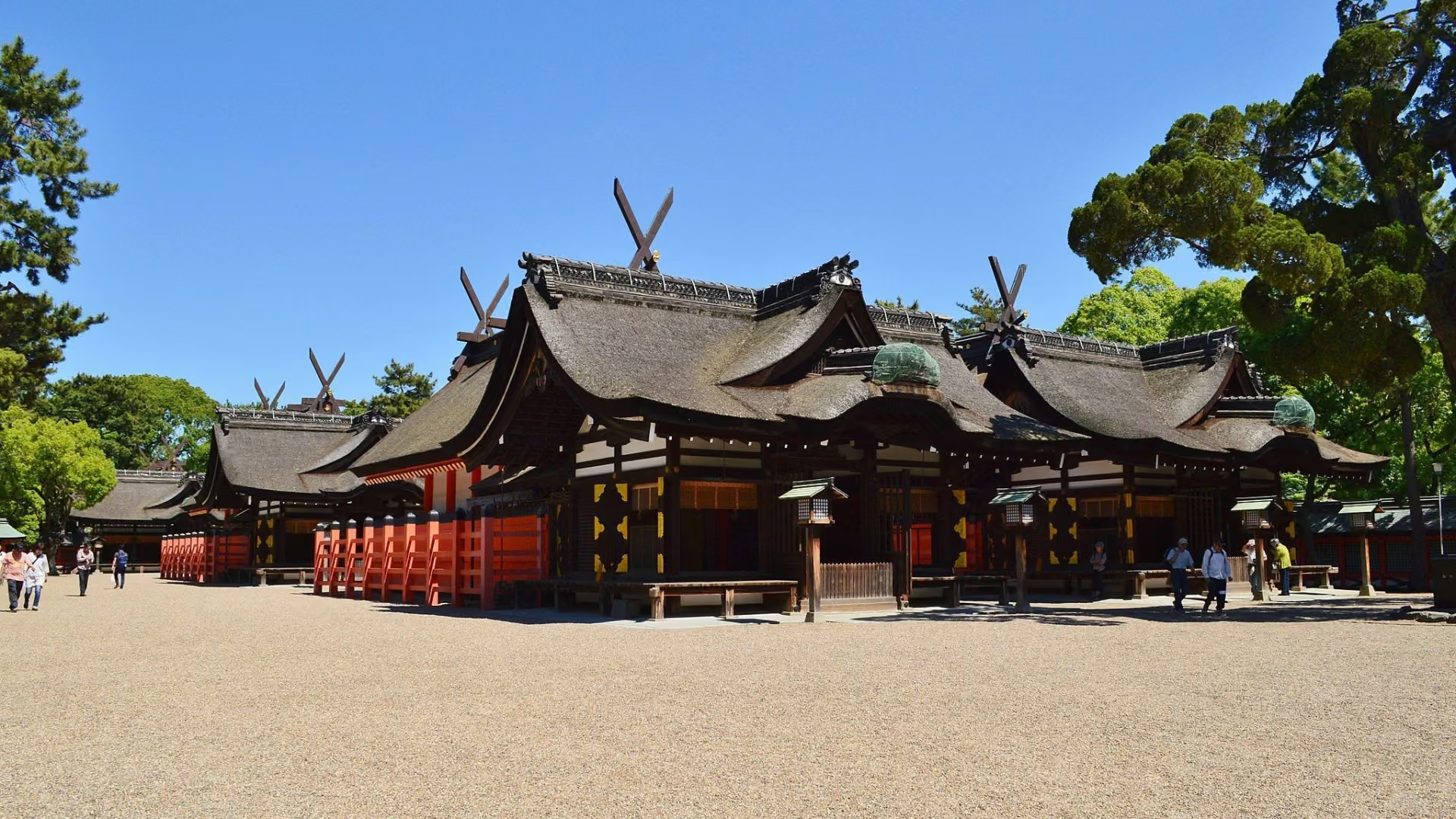
KyotoHead shrine of the Sumiyoshi shrines, in Osaka, said to date from 211, with four main halls in the Sumiyoshi-zukuri style that are National Treasures.
OsakaShingon temple founded in 806 by tradition, with a main hall and three-storey pagoda from the Kamakura period that are National Treasures.
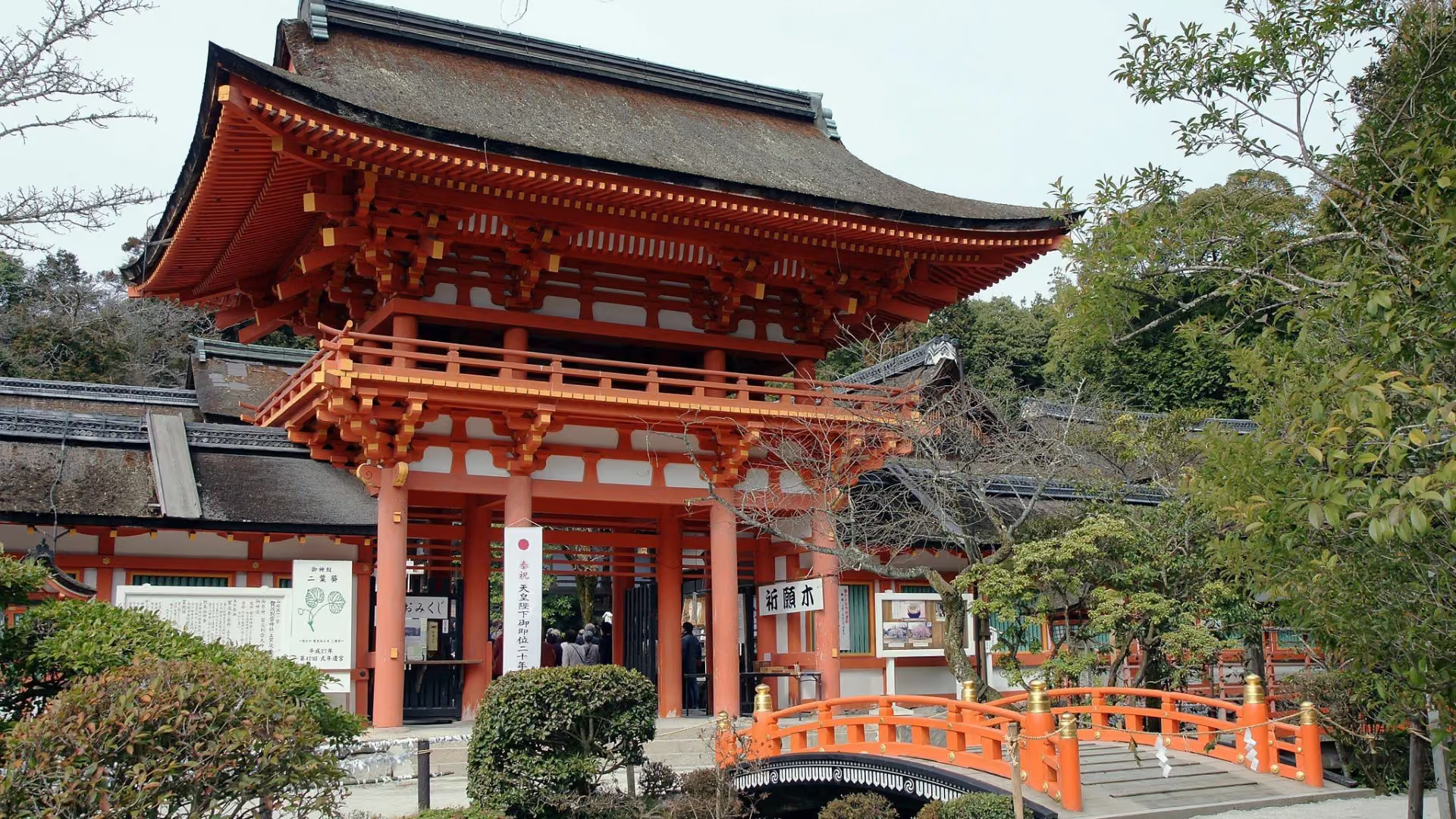
Obama · FukuiShrine to the thunder deity Kamo Wakeikazuchi in northern Kyoto, built in 677 and guardian of the capital from 794, with National Treasure halls.
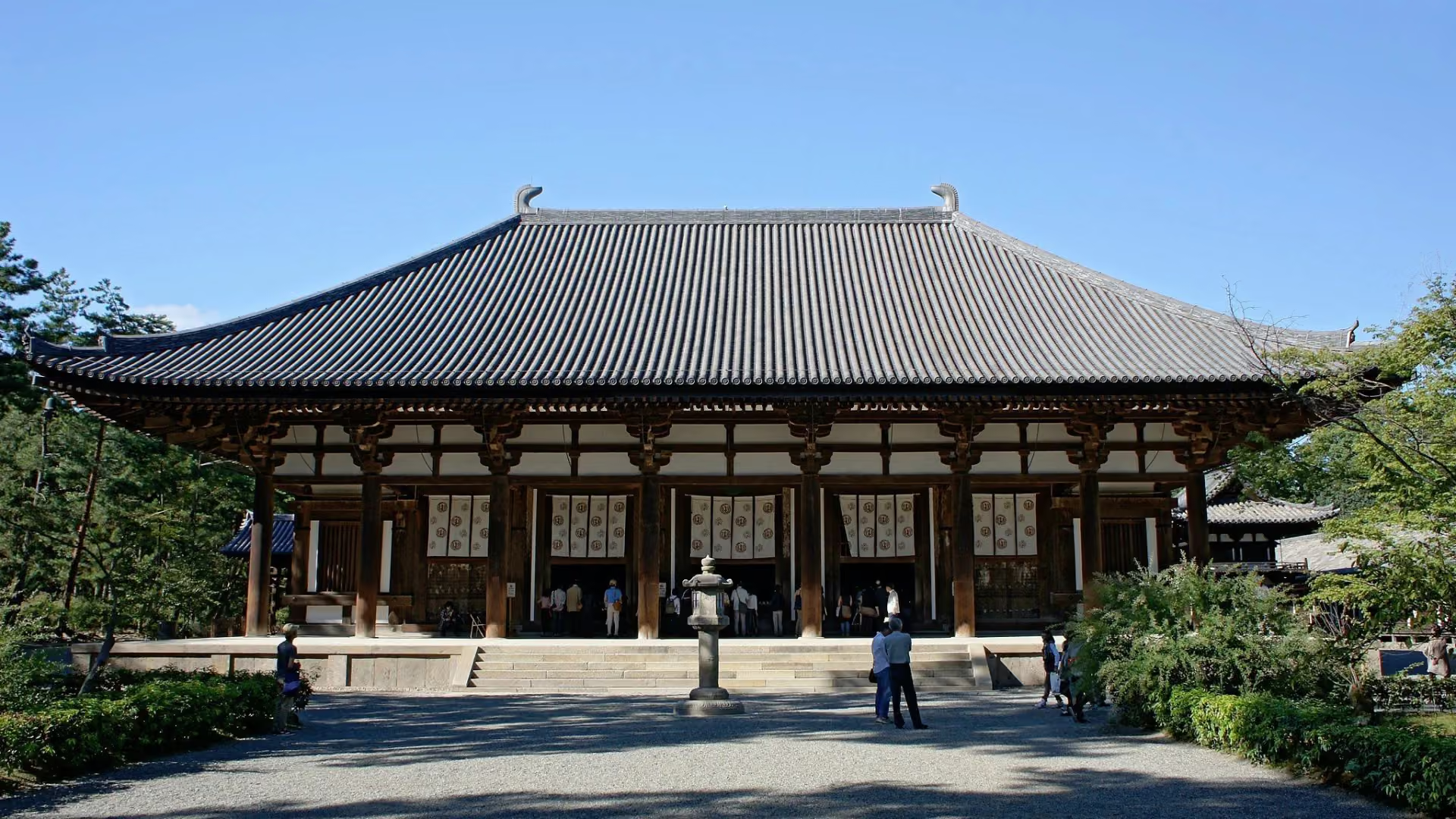
KyotoA Buddhist temple in Nara founded in 759 by the Chinese priest Ganjin, head temple of the Ritsu-shu denomination and home to 17 National Treasures.
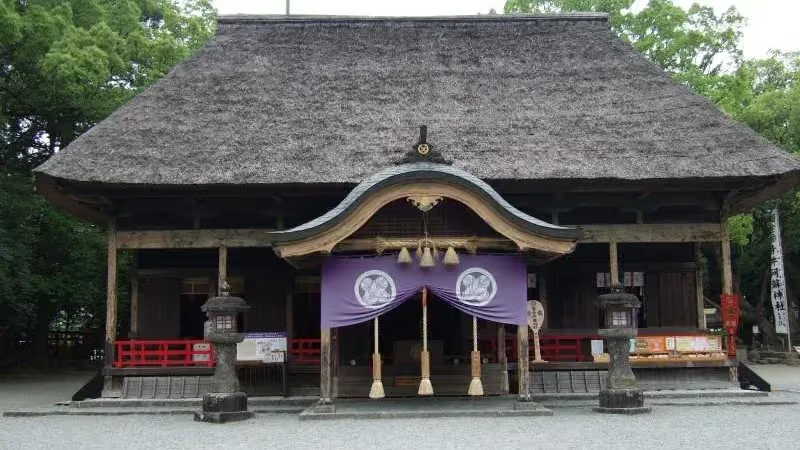
NaraA shrine in Hitoyoshi founded in 806 for three deities of Aso Shrine, with black-lacquered, thatched buildings of 1610 to 1613 designated a National Treasure.
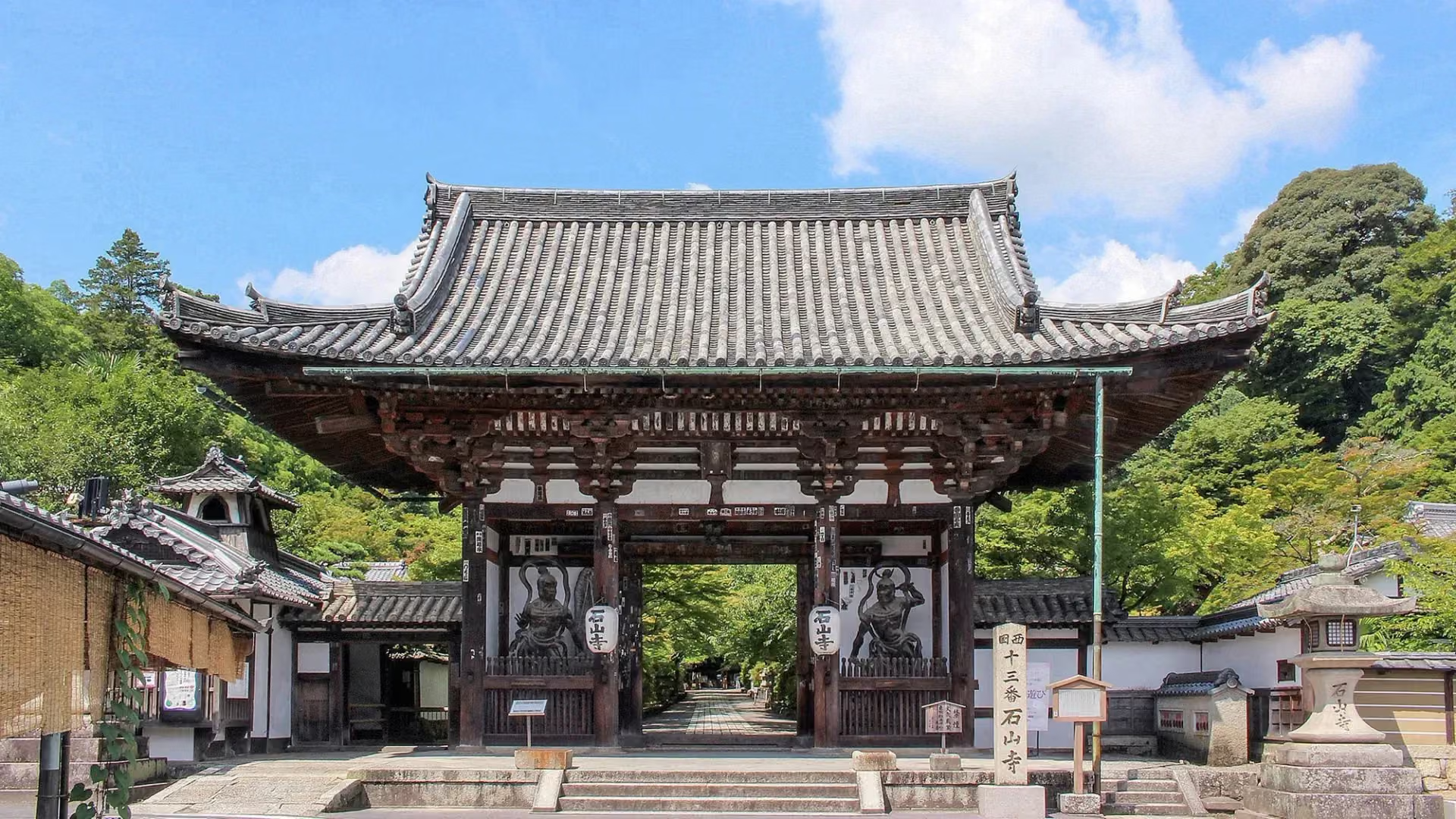
Hitoyoshi · KumamotoA Shingon Buddhist temple in Otsu, traditionally founded in 747, where Murasaki Shikibu is said to have begun The Tale of Genji, with National Treasure halls.
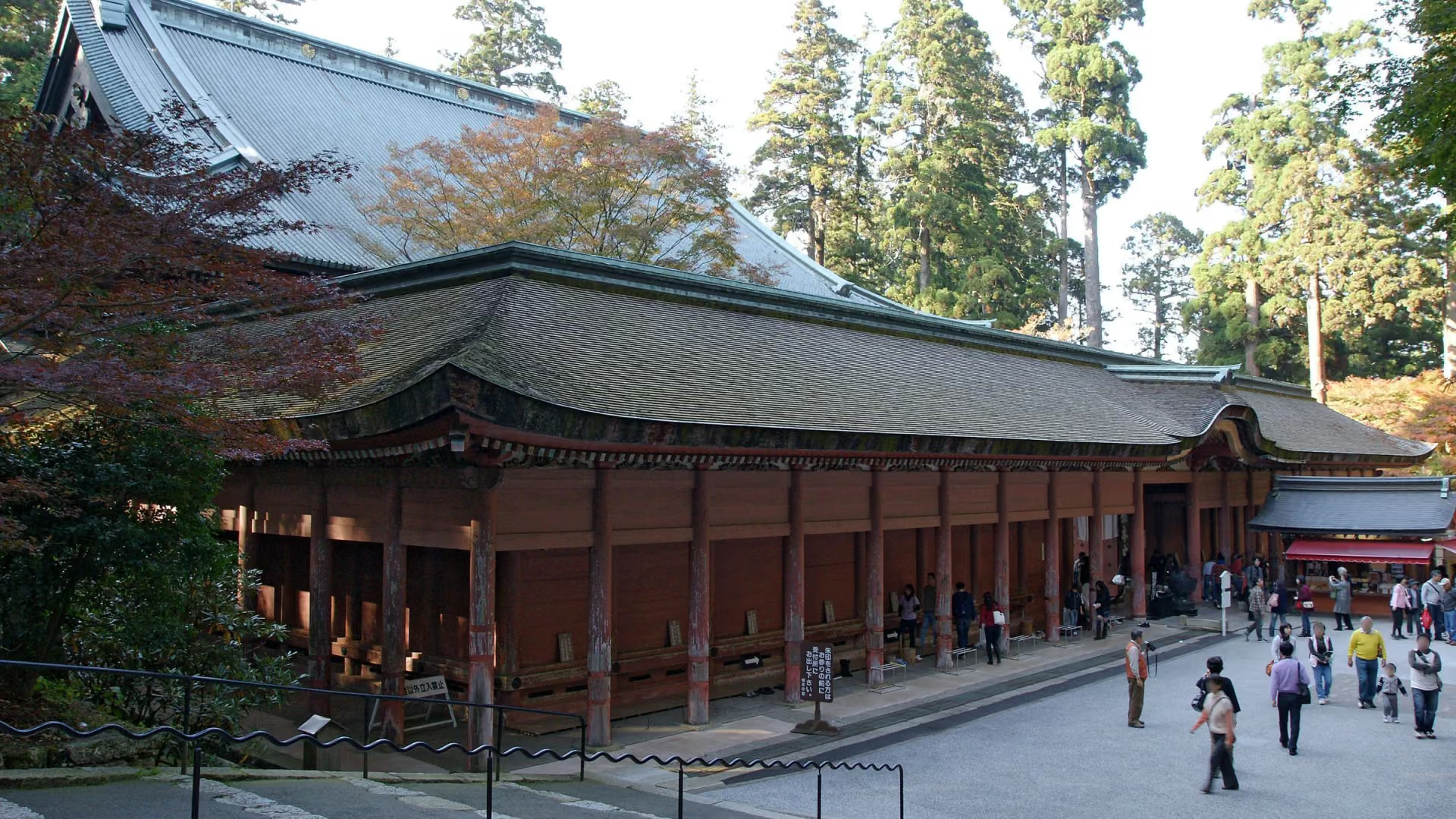
Otsu · ShigaFounded in 788 by Saicho, the head temple of Tendai Buddhism on Mount Hiei, where monks still walk the kaihogyo circuit; part of a UNESCO World Heritage site.
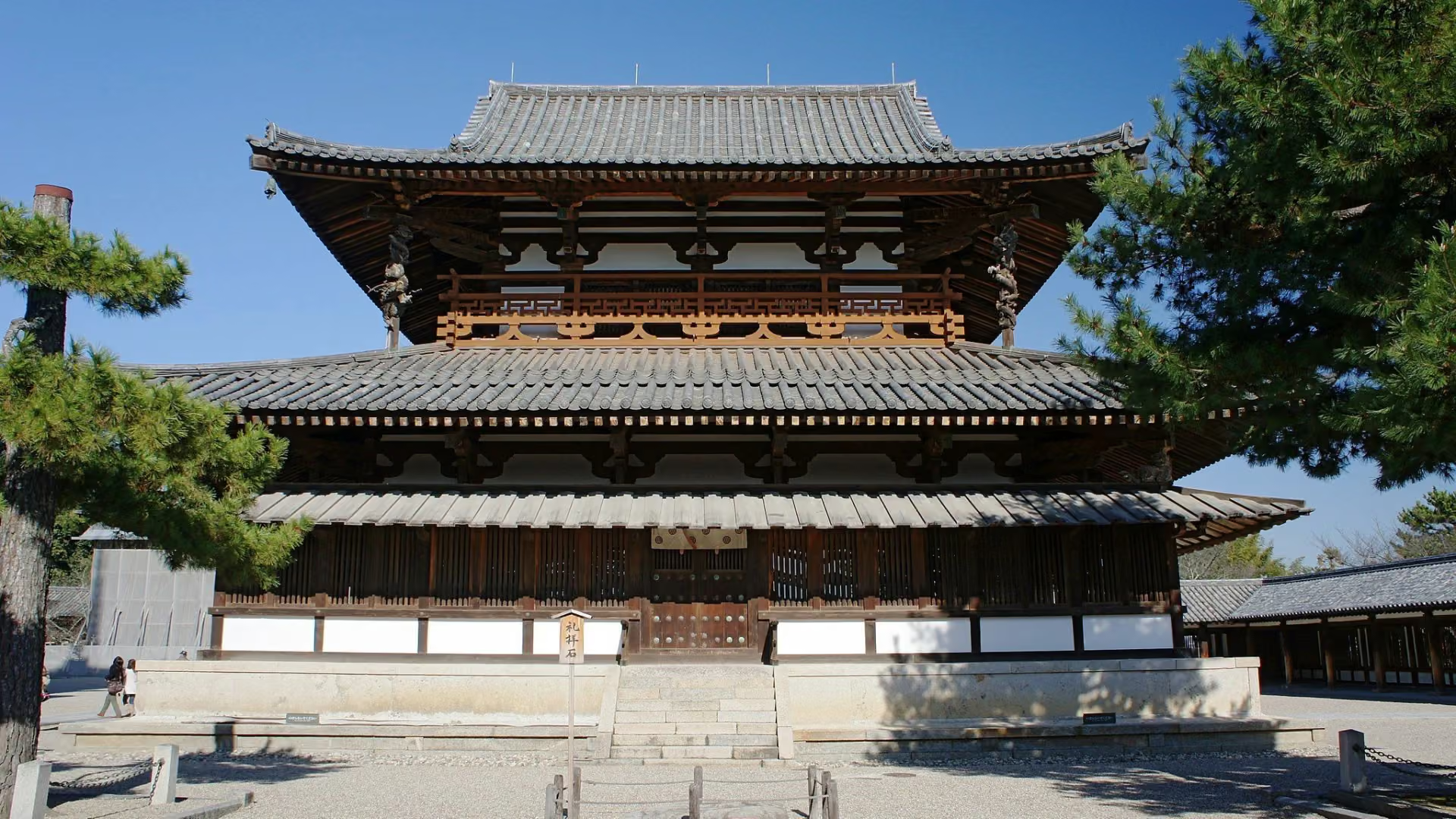
Otsu · ShigaA temple in Ikaruga founded by Prince Shotoku around 607, its Western Precinct known as the oldest surviving group of wooden buildings in the world.
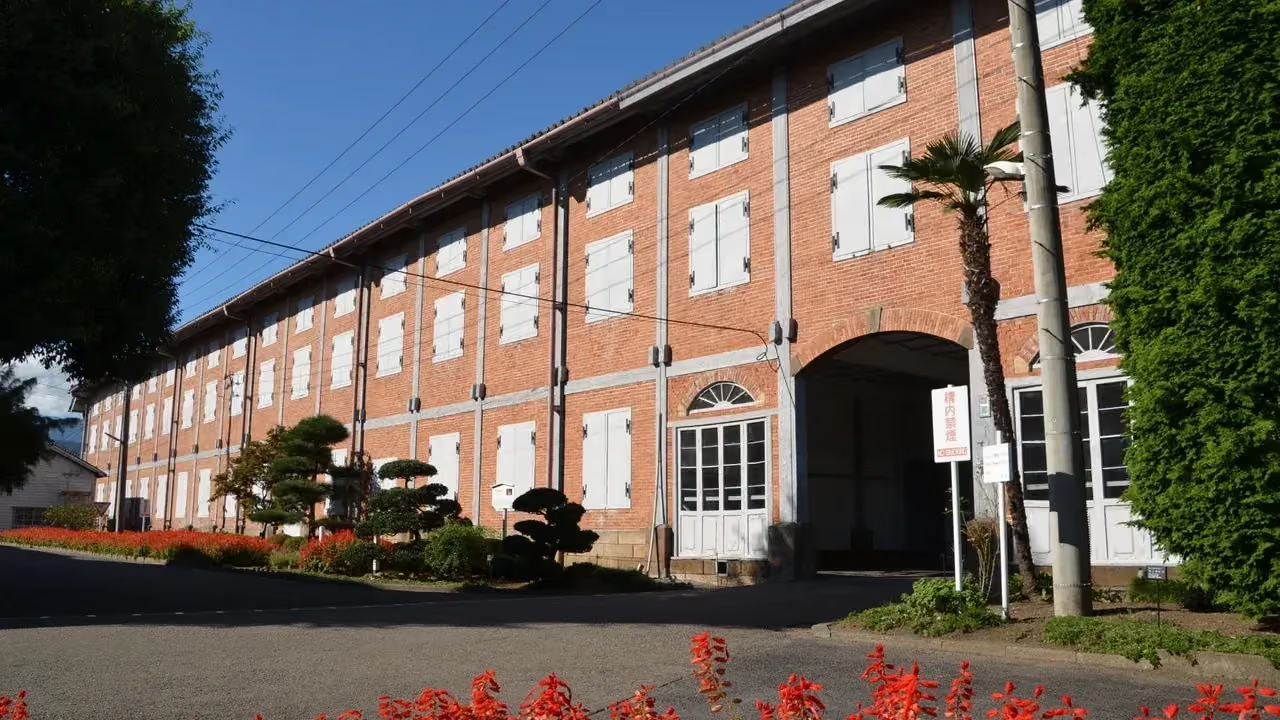
Ikaruga · NaraA model silk mill opened by the Meiji government in 1872, its brick buildings almost all intact, with three buildings designated National Treasures.
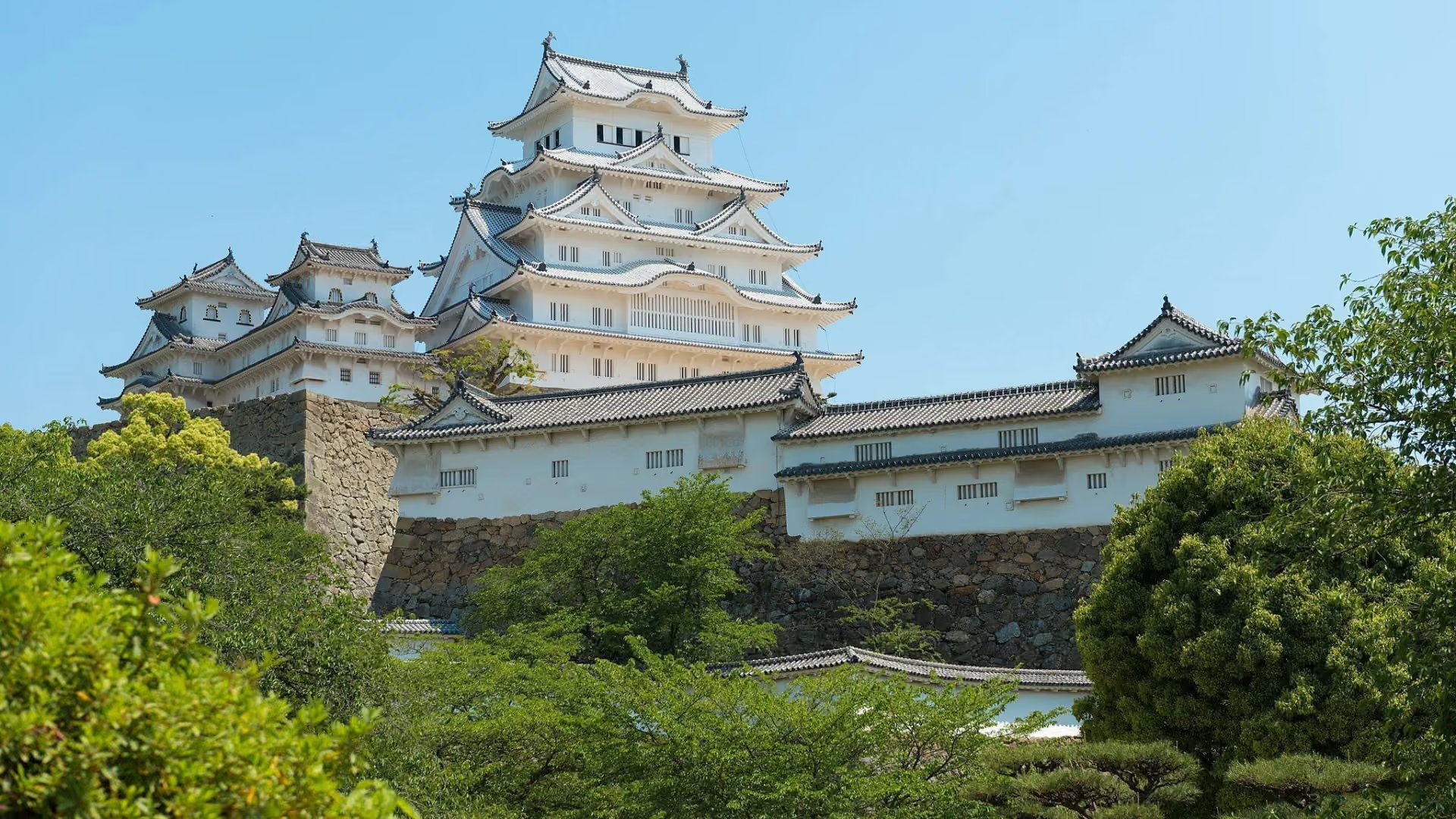
Tomioka · GunmaEarly Edo-period hilltop castle whose white main keep was completed in 1609, a National Treasure and one of Japan's first UNESCO World Heritage Sites.
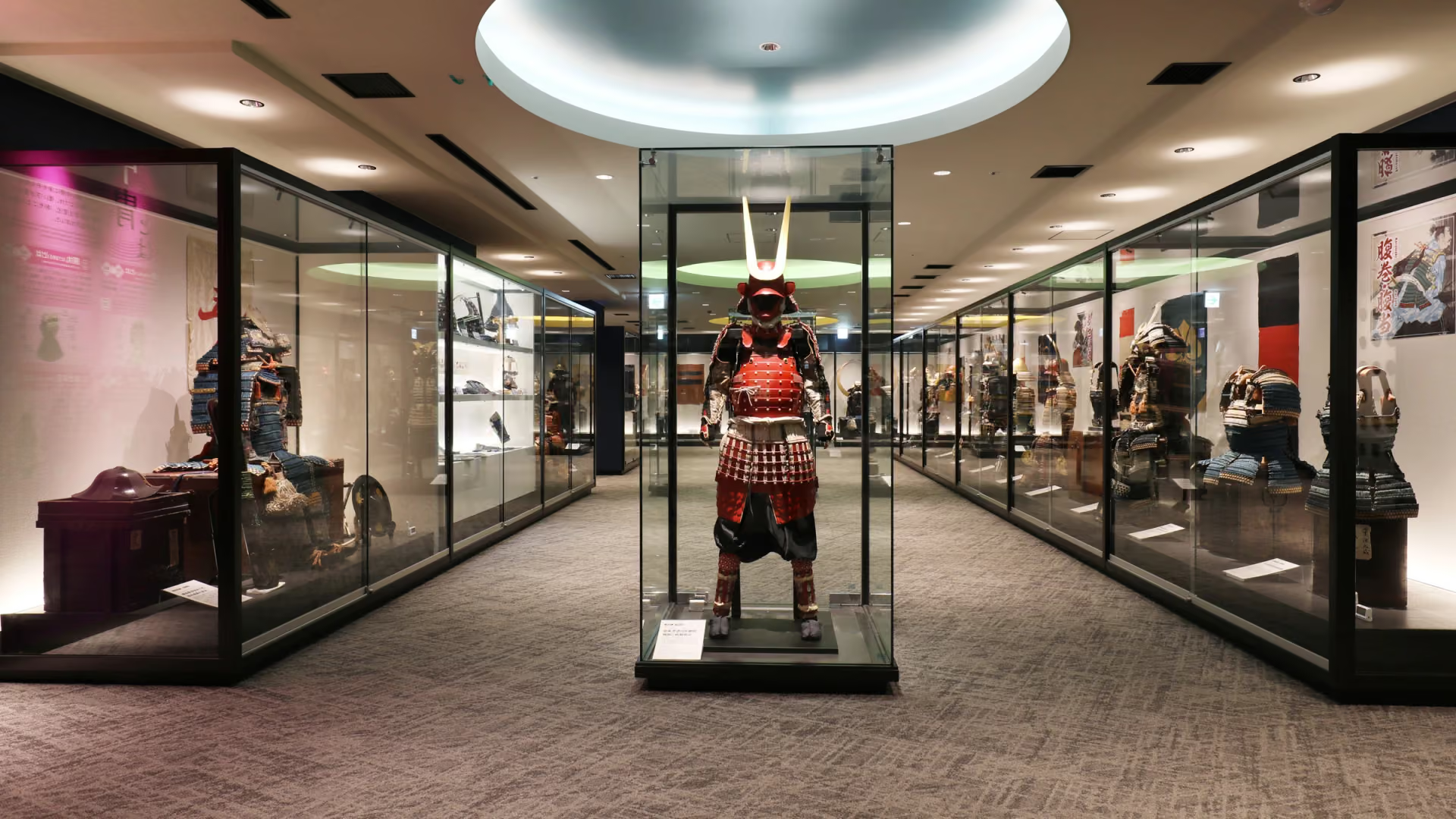
Himeji · HyogoOpened in 1935, the museum holds over 10,000 works of the Owari Tokugawa family, including nine National Treasures and the Tale of Genji Illustrated Scrolls.
Nagoya · Aichi