Chuson-ji Temple
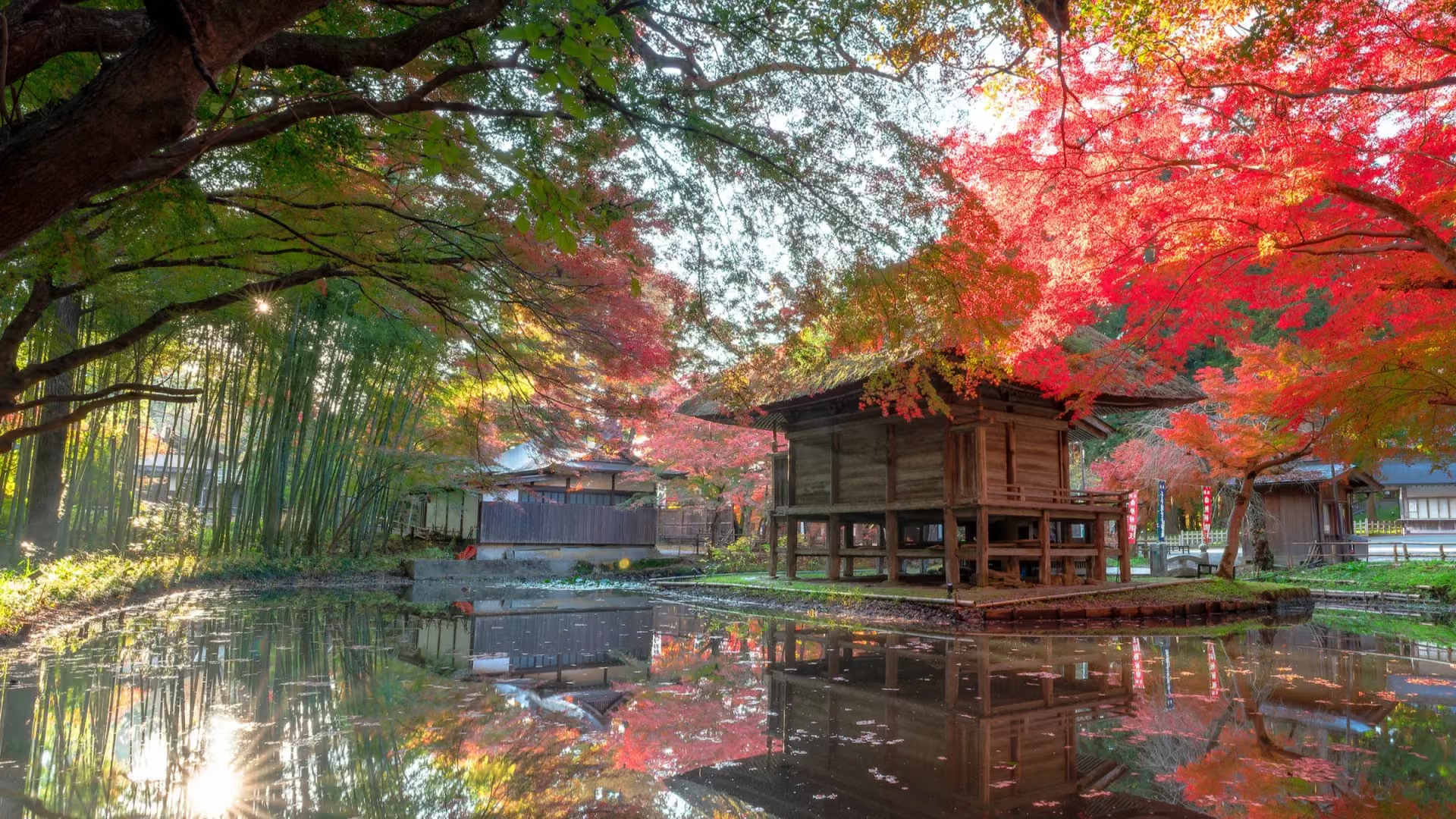
Head Tendai temple of northeastern Japan, founded in 850 and expanded in the 12th century, with the gold-covered Konjikido hall and World Heritage status.
Hiraizumi · Iwate

Head Tendai temple of northeastern Japan, founded in 850 and expanded in the 12th century, with the gold-covered Konjikido hall and World Heritage status.
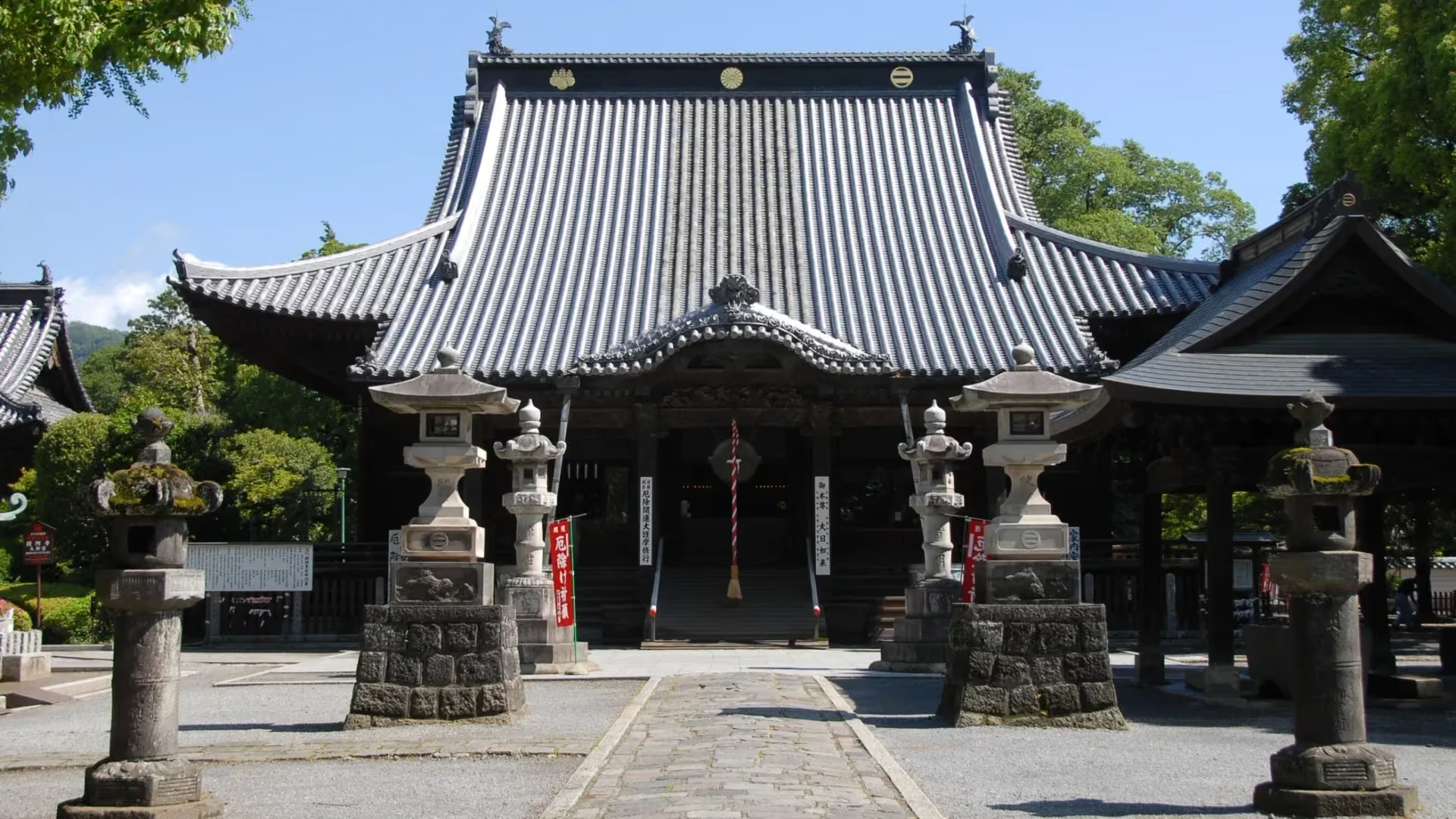
Hiraizumi · IwateThis temple, the head of the Dainichi sect, was founded in 1197 on the grounds of the Ashikaga clan residence and is designated a National Historic Site.
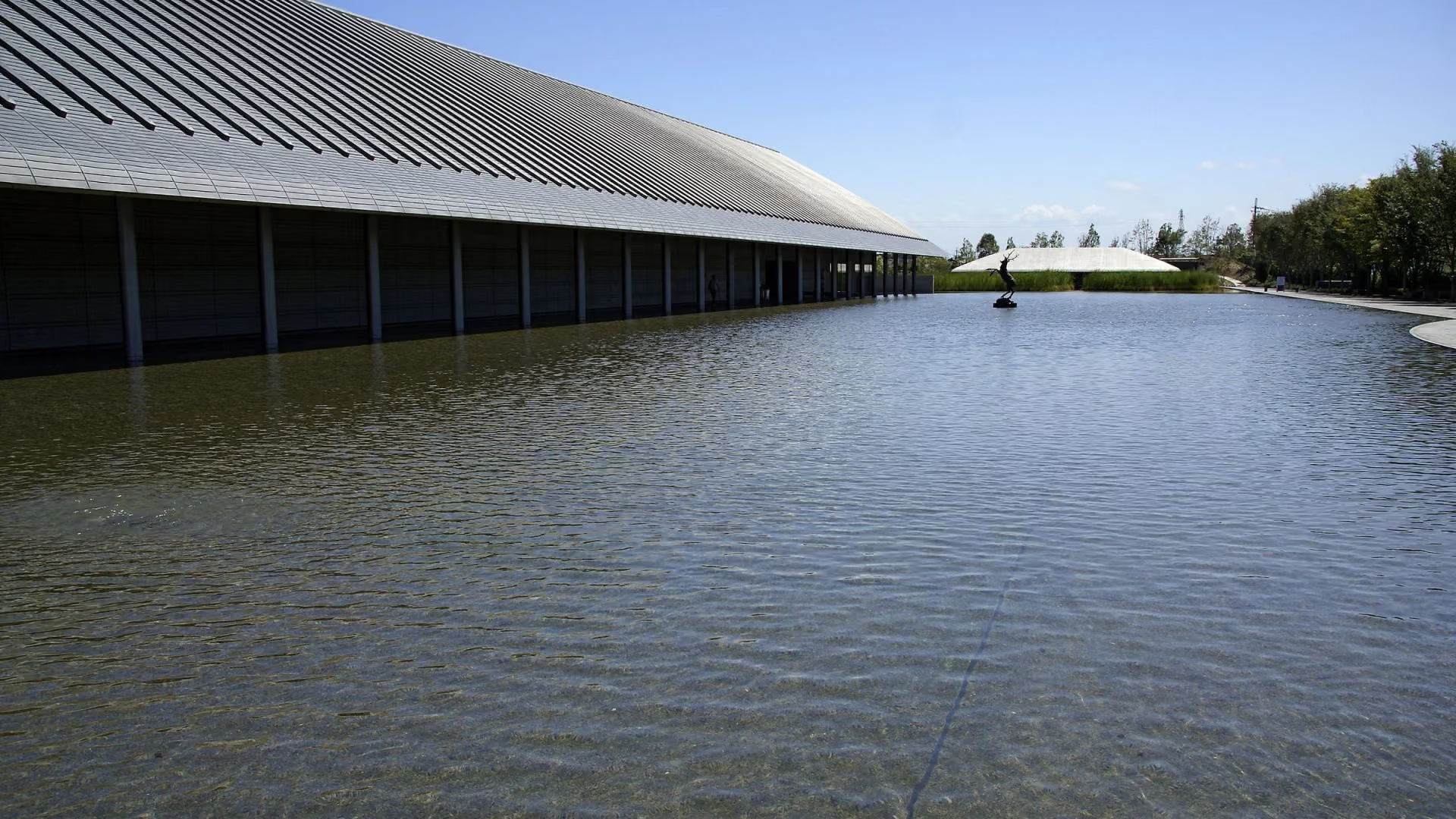
Ashikaga · TochigiArt museum in Moriyama with Japanese-style paintings and sculpture, a water garden, and a historic temple bell (bonsho) designated a National Treasure.
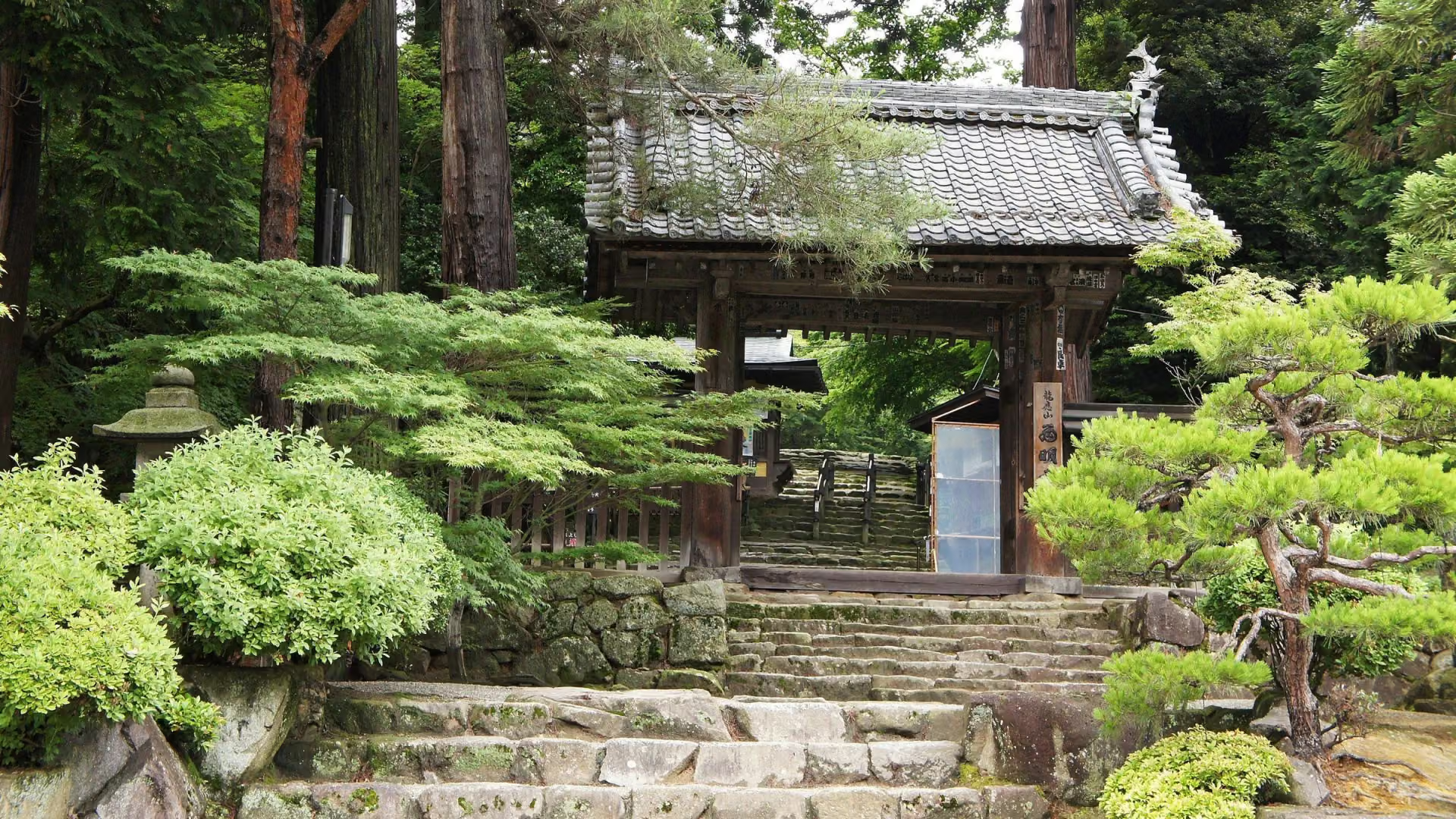
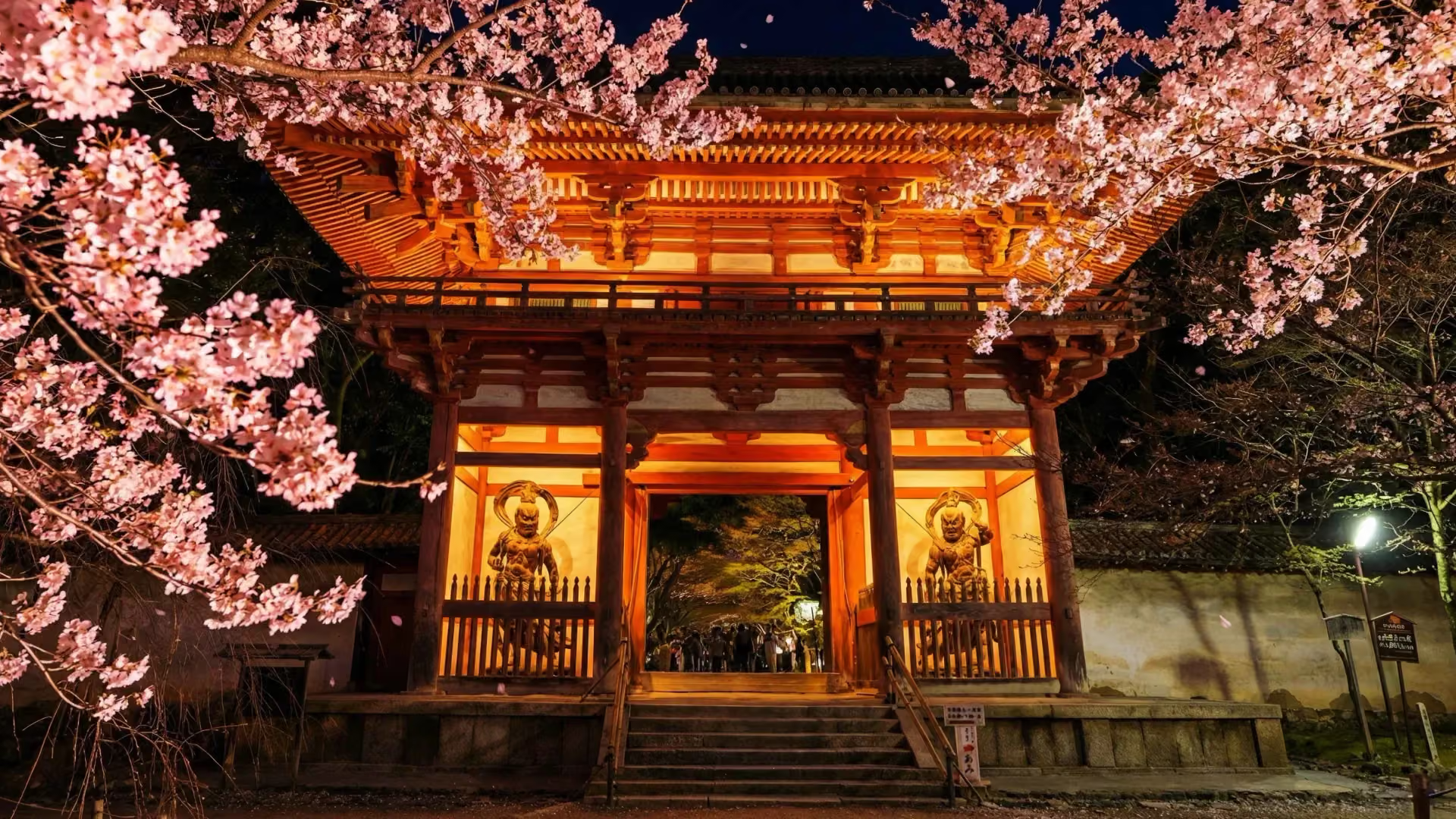
Moriyama · ShigaTendai temple in Kora, founded in 834 by tradition, with a National Treasure main hall and pagoda built without nails and Asuka period pillar paintings.
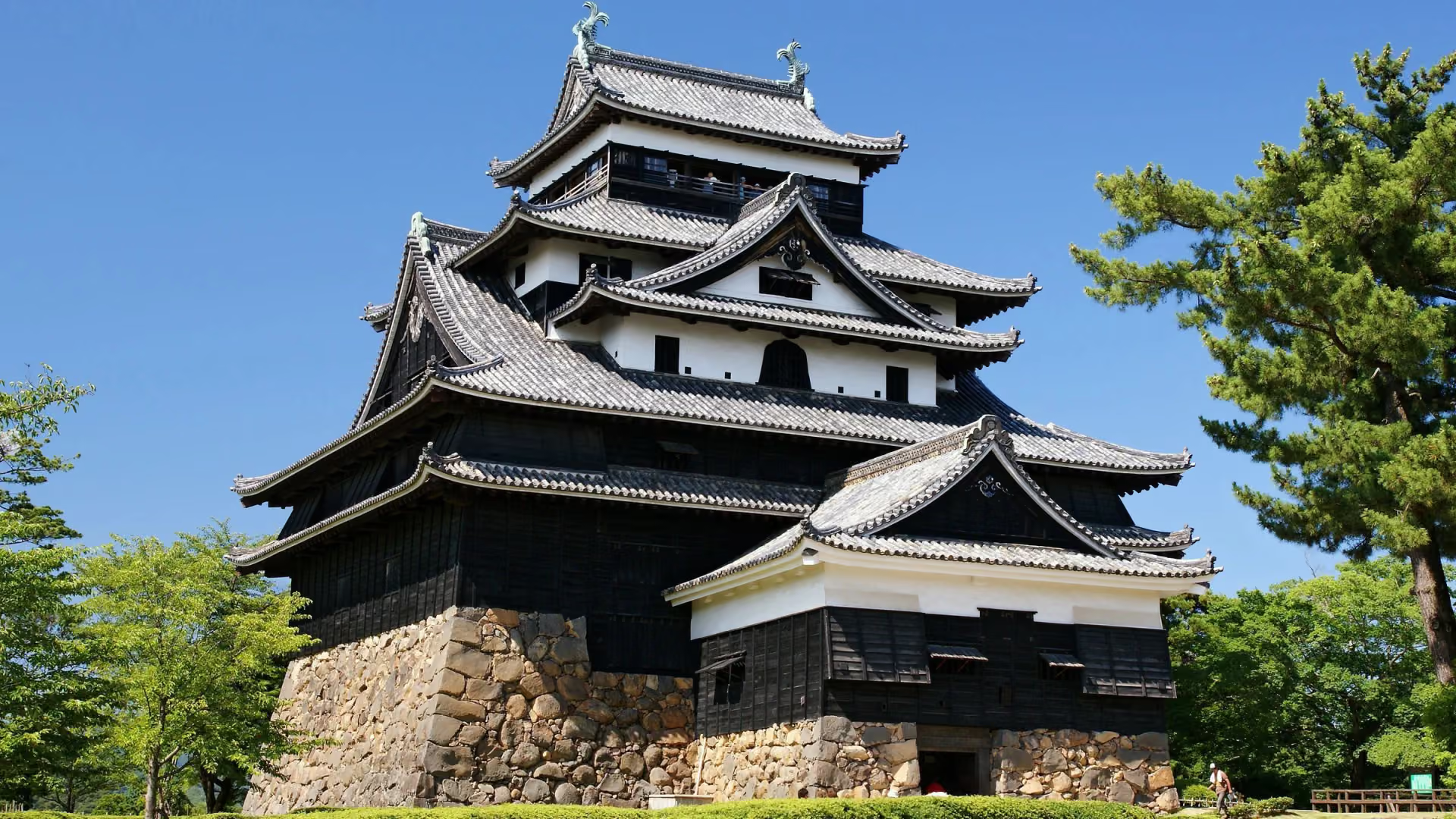
Kora · ShigaCastle in Matsue whose keep, finished in 1611, is one of the 12 original castle keeps left in Japan and a National Treasure since 2015.
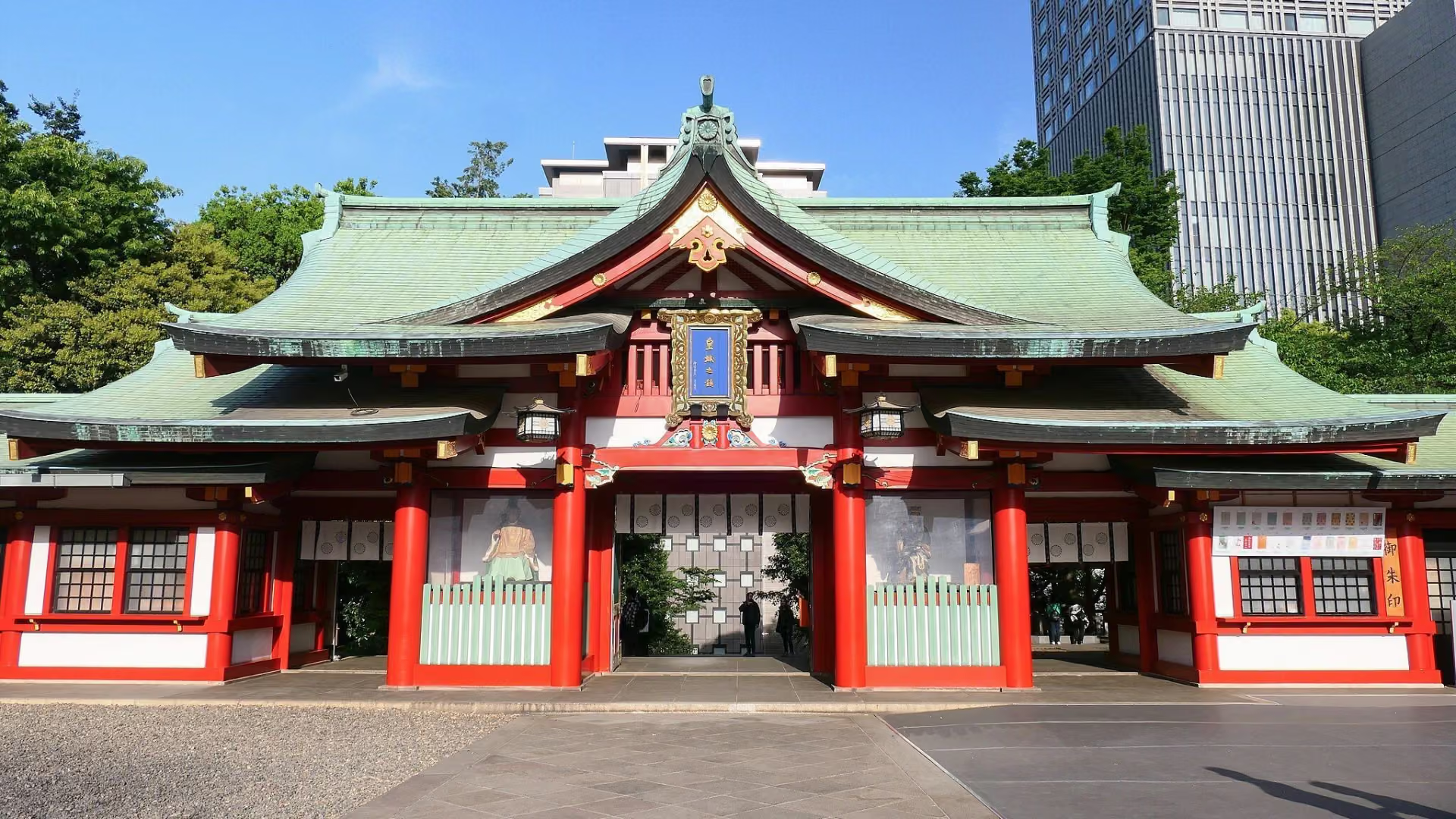
Matsue · ShimaneA shrine in Nagatacho that guarded Edo Castle and the Tokugawa shoguns, rebuilt after 1945, with a treasure hall holding 31 swords.
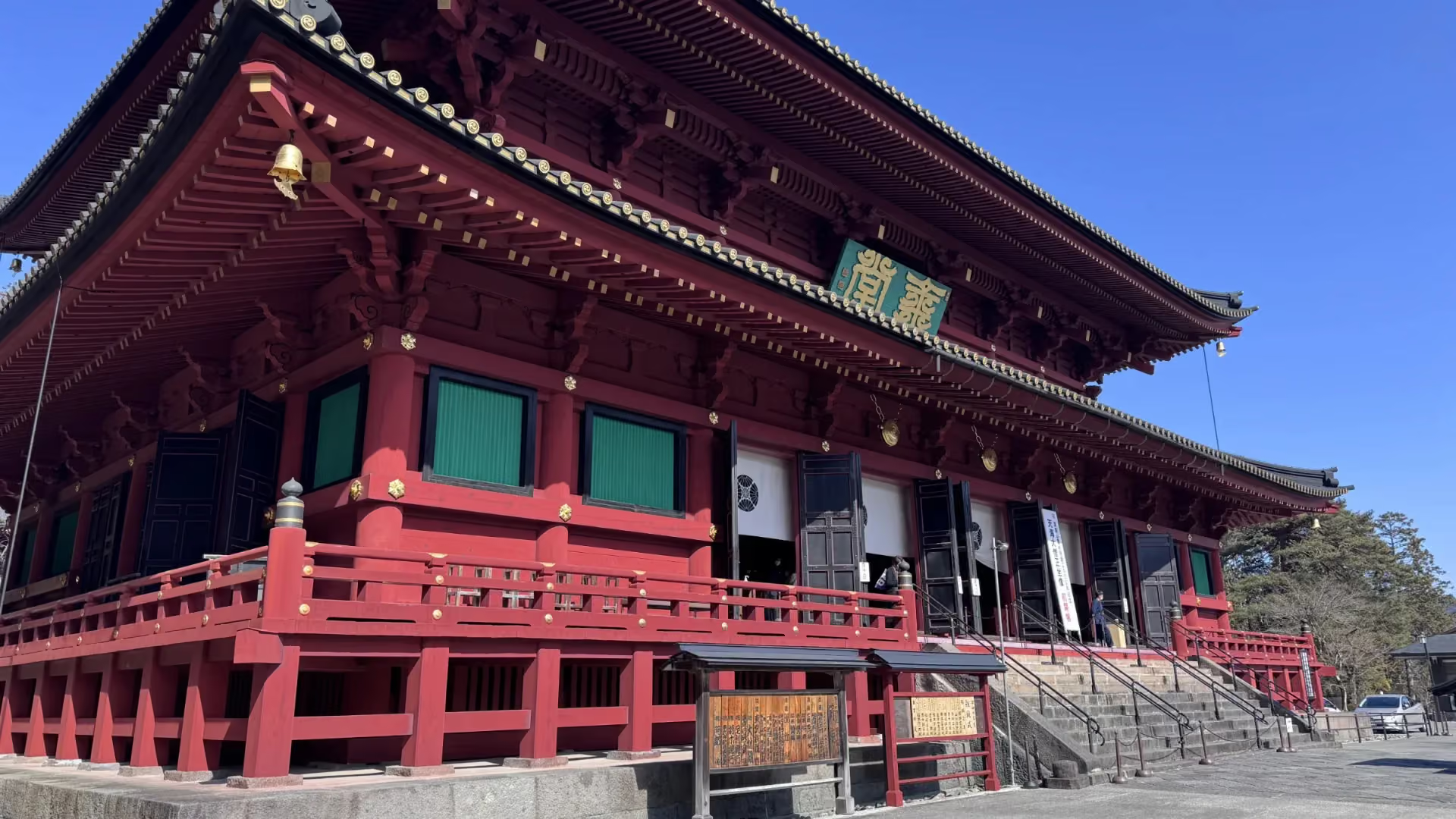
TokyoRinnoji is a Tendai Buddhist temple in Nikko within a UNESCO World Heritage Site, known for its Sanbutsudo hall and the National Treasure Taiyuin mausoleum.
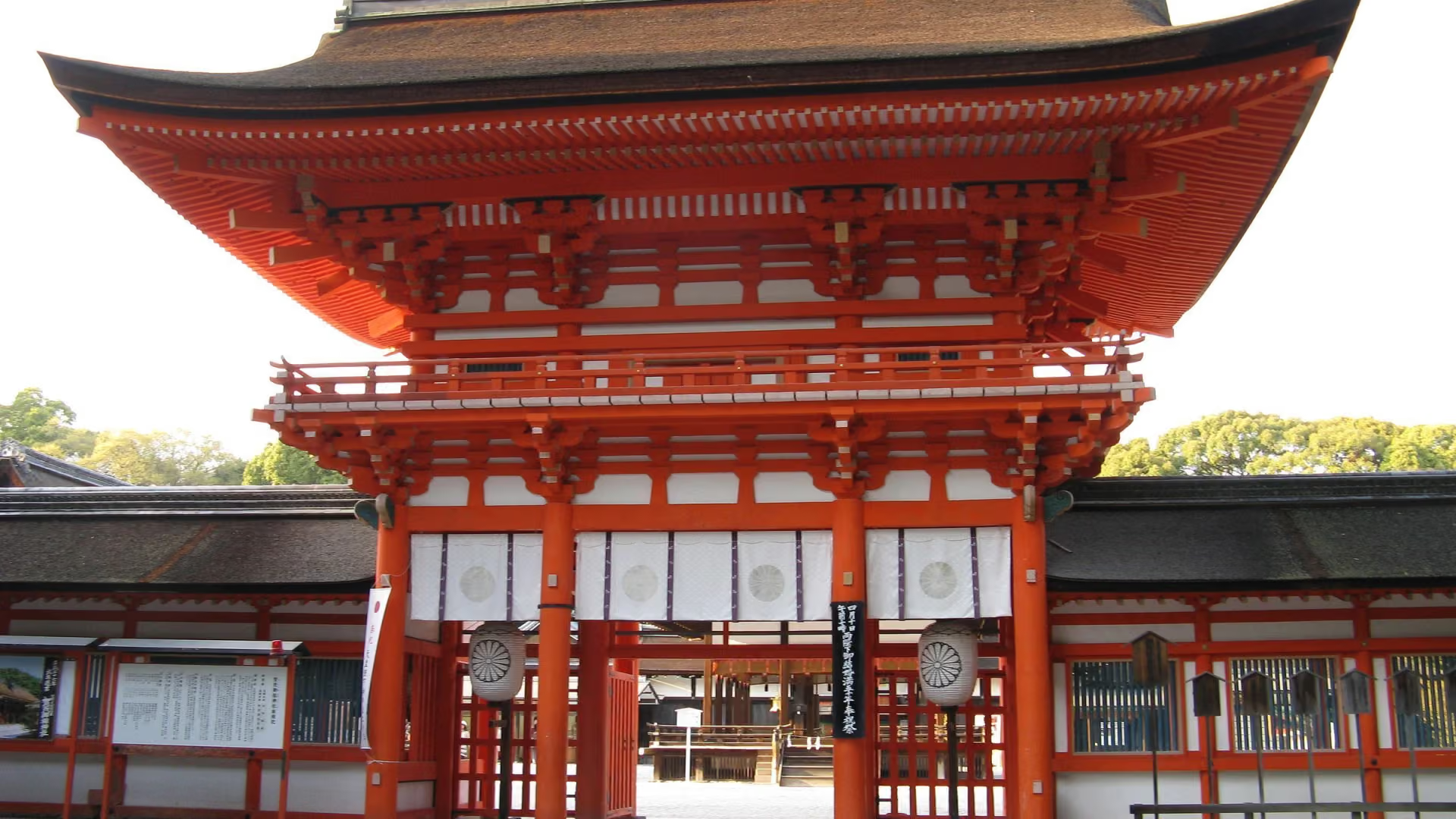
Nikko · TochigiShrine where the Kamo and Takano rivers meet, enshrining Kamo Taketsunumi and his daughter Tamayorihime, beside the ancient Tadasu no Mori forest.
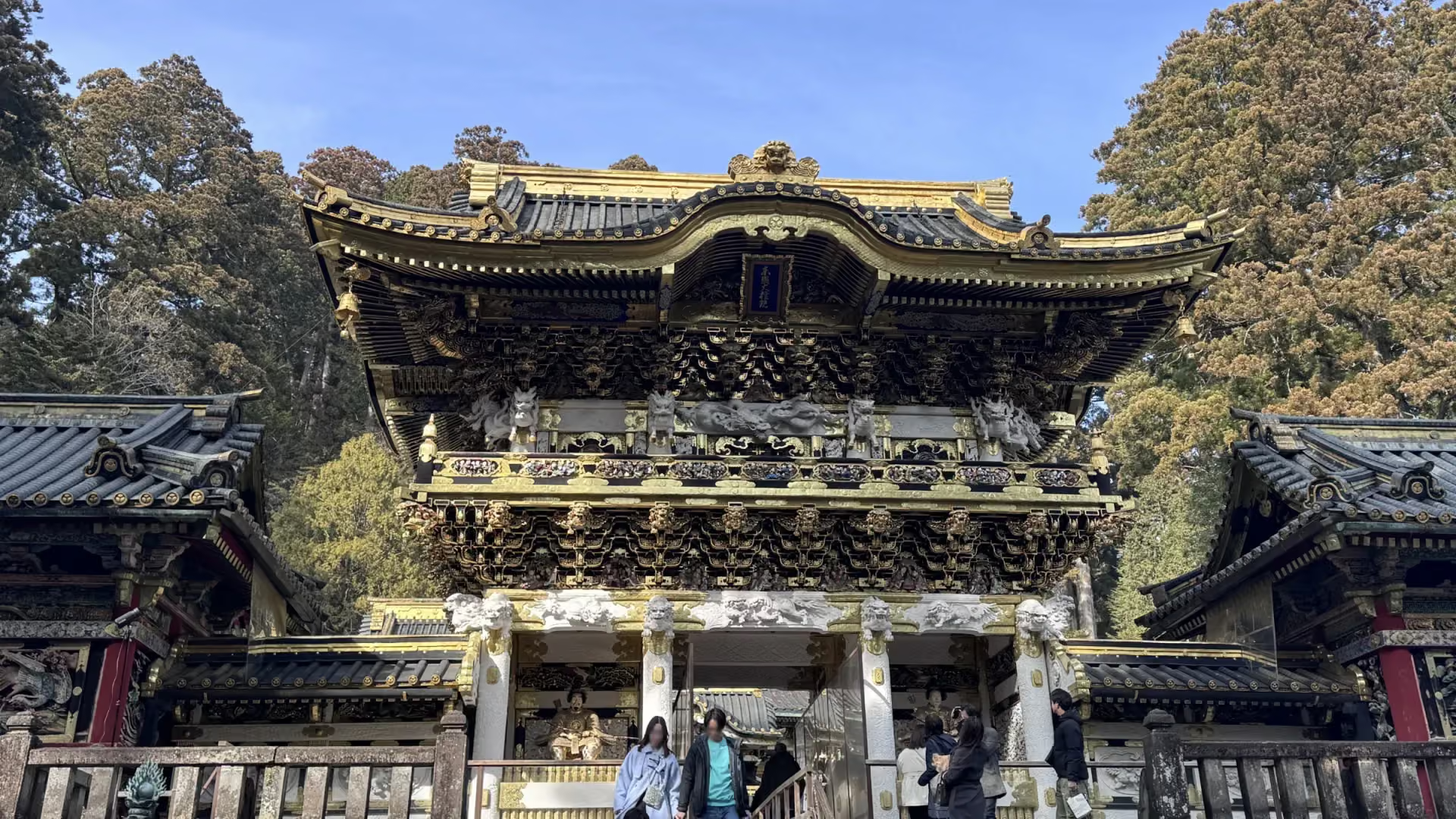
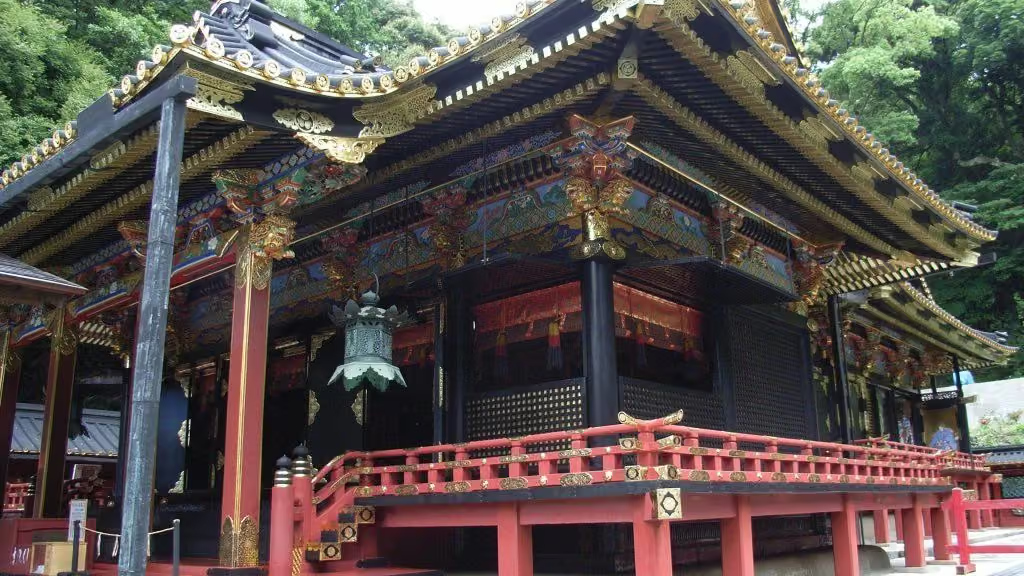
KyotoShinto shrine established 1617 to enshrine Tokugawa Ieyasu, the first shogun who ended the Sengoku period and founded 260 years of Edo peace.
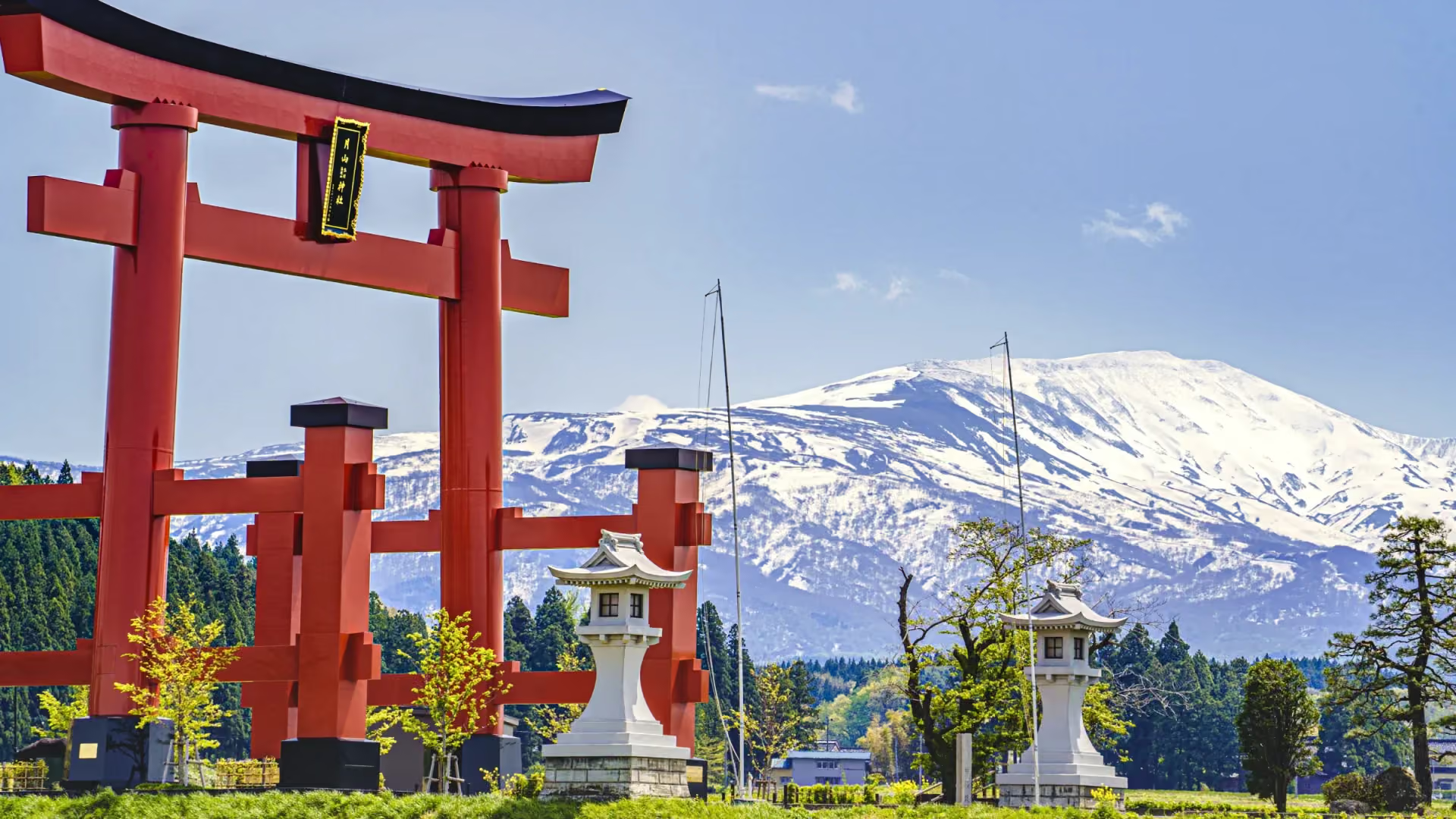
Nikko · TochigiThe lowest of the three mountains of Dewa in Yamagata, climbed by a stone stair through old cedars, with a five-storey pagoda that is a National Treasure.
Tsuruoka · YamagataBuddhist temple complex of over 1,100 years and head temple of the Daigo branch of Shingon Buddhism, with a five-story pagoda completed in 951.
KyotoShinto shrine housing the original grave of Tokugawa Ieyasu, the first shogun, and considered the oldest Tosho-gu shrine in Japan.
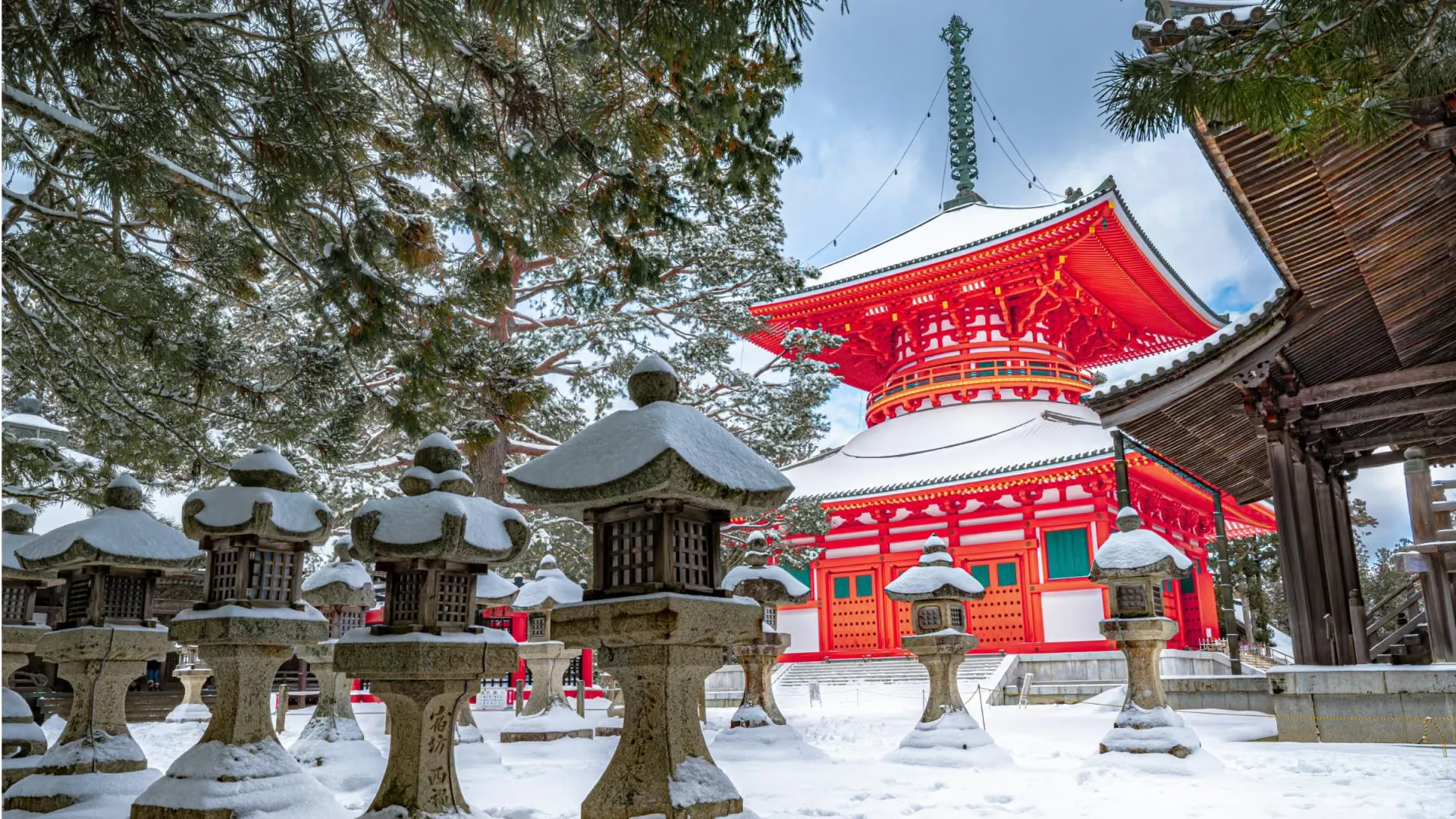
ShizuokaMount Koya is a sacred temple complex where the entire mountain is treated as one unified holy domain dedicated to Shingon Esoteric Buddhism.
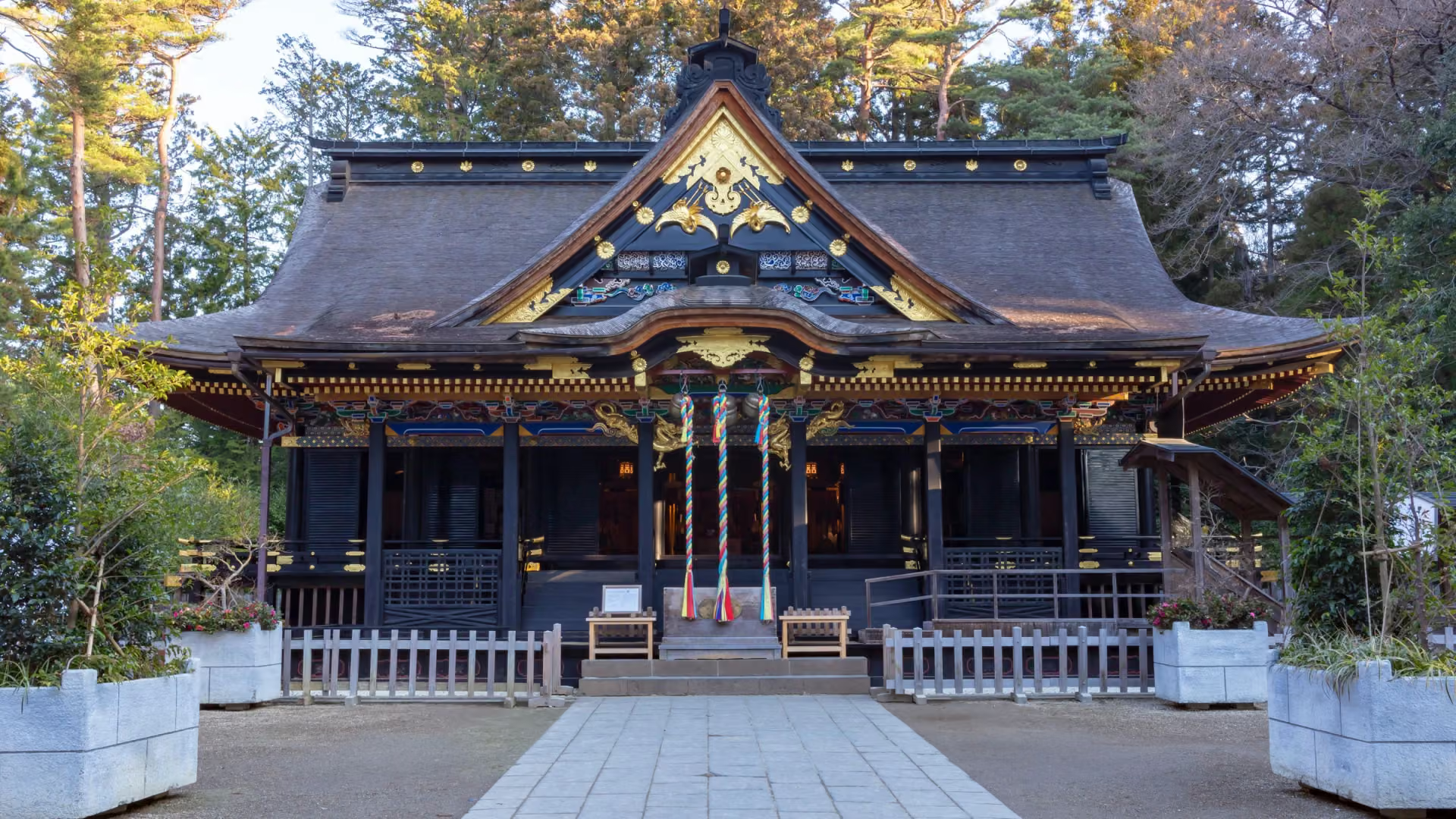
Koya · WakayamaBuilt between 1604 and 1607 under Date Masamune, this shrine showcases Momoyama-era architecture with an intricate main hall designated as a National Treasure.
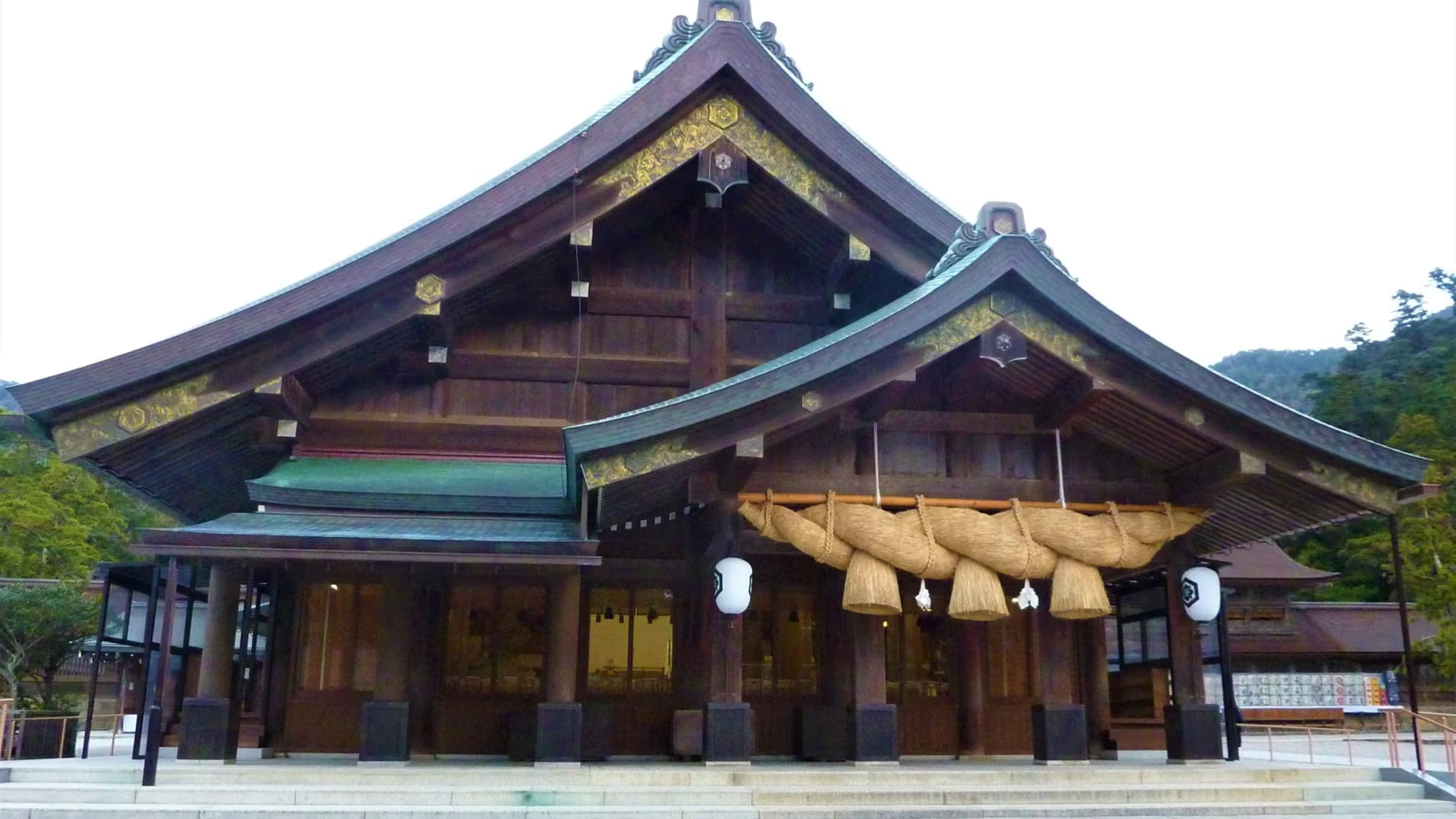
Sendai · MiyagiShinto shrine dedicated to Okuninushi no Okami, deity of land-building and of bonds between people, with a Taisha-zukuri main hall and a huge shimenawa rope.
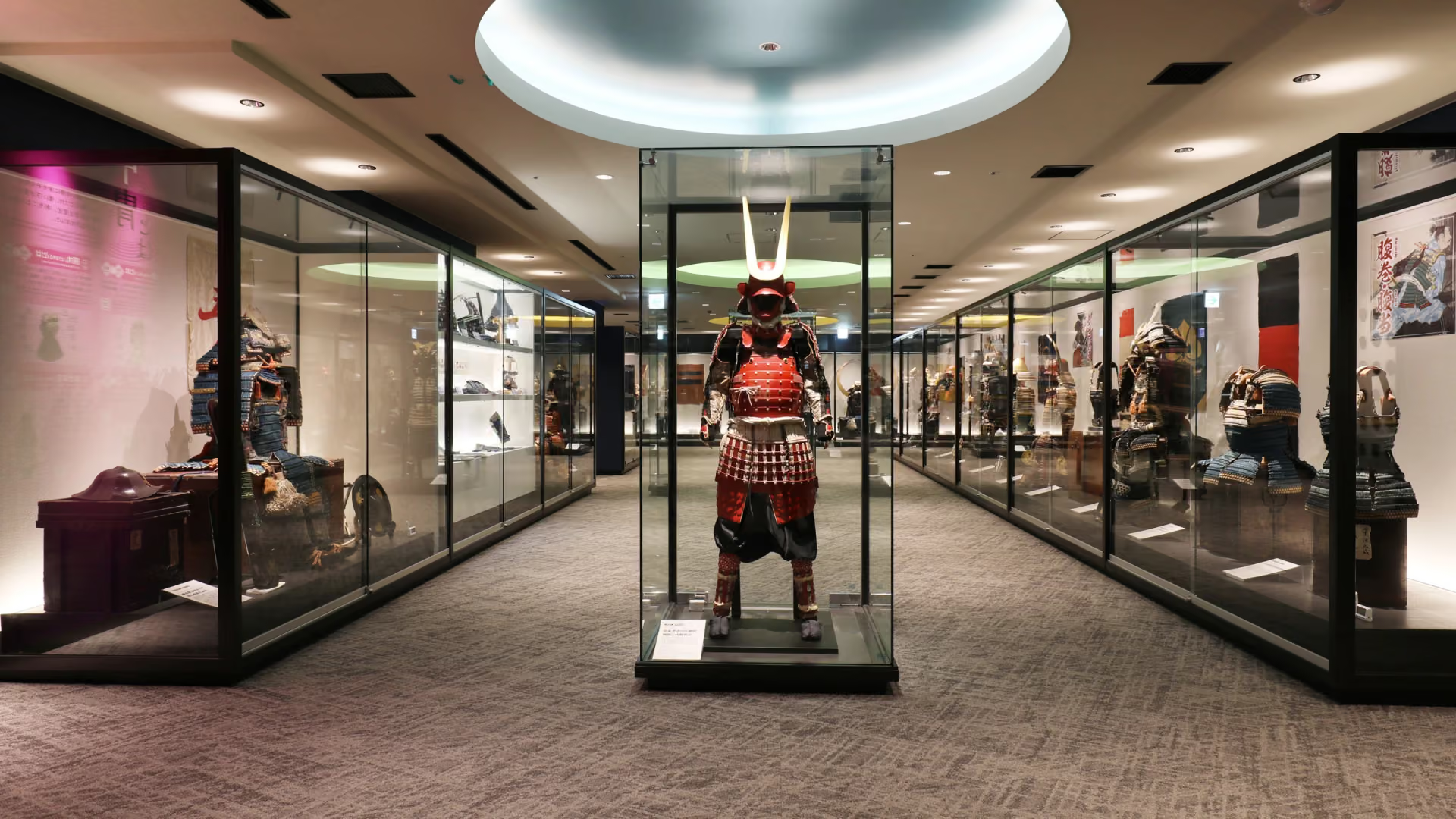
Izumo · ShimaneA Nagoya museum of Japanese swords, samurai armor and ukiyo-e, opened in 2024, with a collection of about 500 swords that includes a National Treasure tanto.
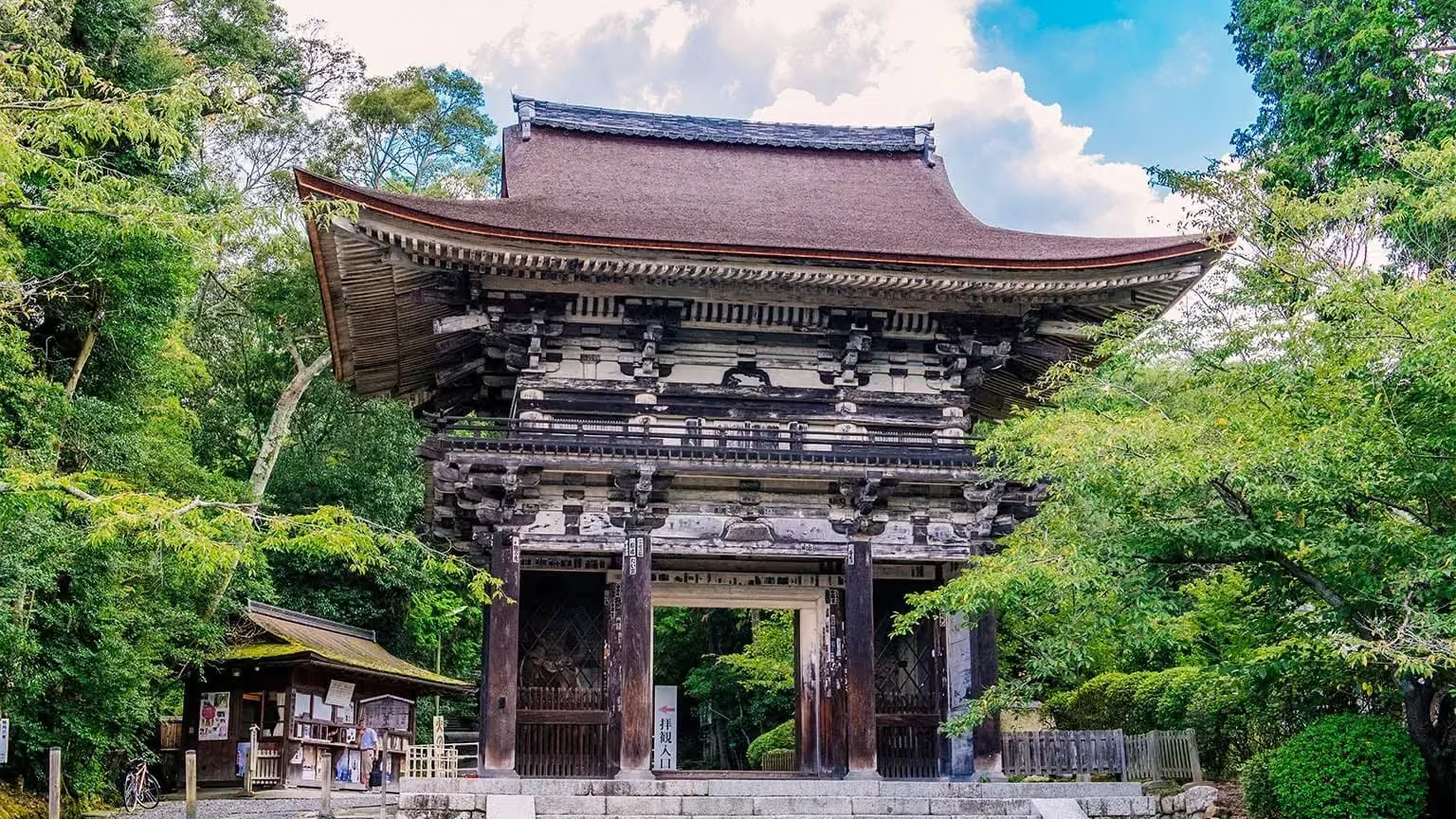
Nagoya · AichiHead temple of the Tendai Jimon sect, Miidera was founded in the seventh century and has survived repeated destruction, earning the name Phoenix Temple.
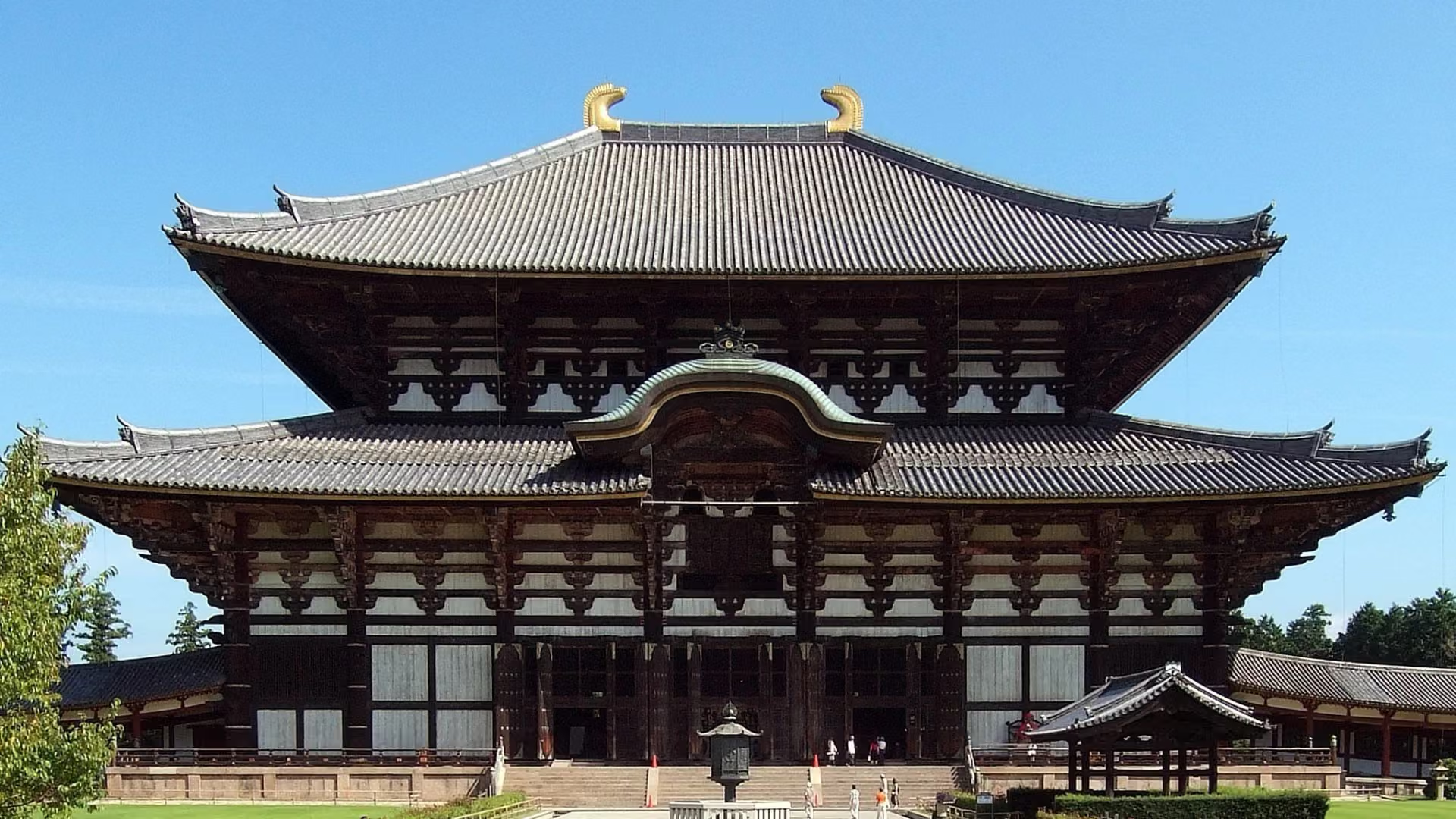
Otsu · ShigaTodai-ji's main hall and home of the Great Buddha, burned in 1180 and 1567, rebuilt in 1709 and among the largest wooden buildings in the world.
Nara