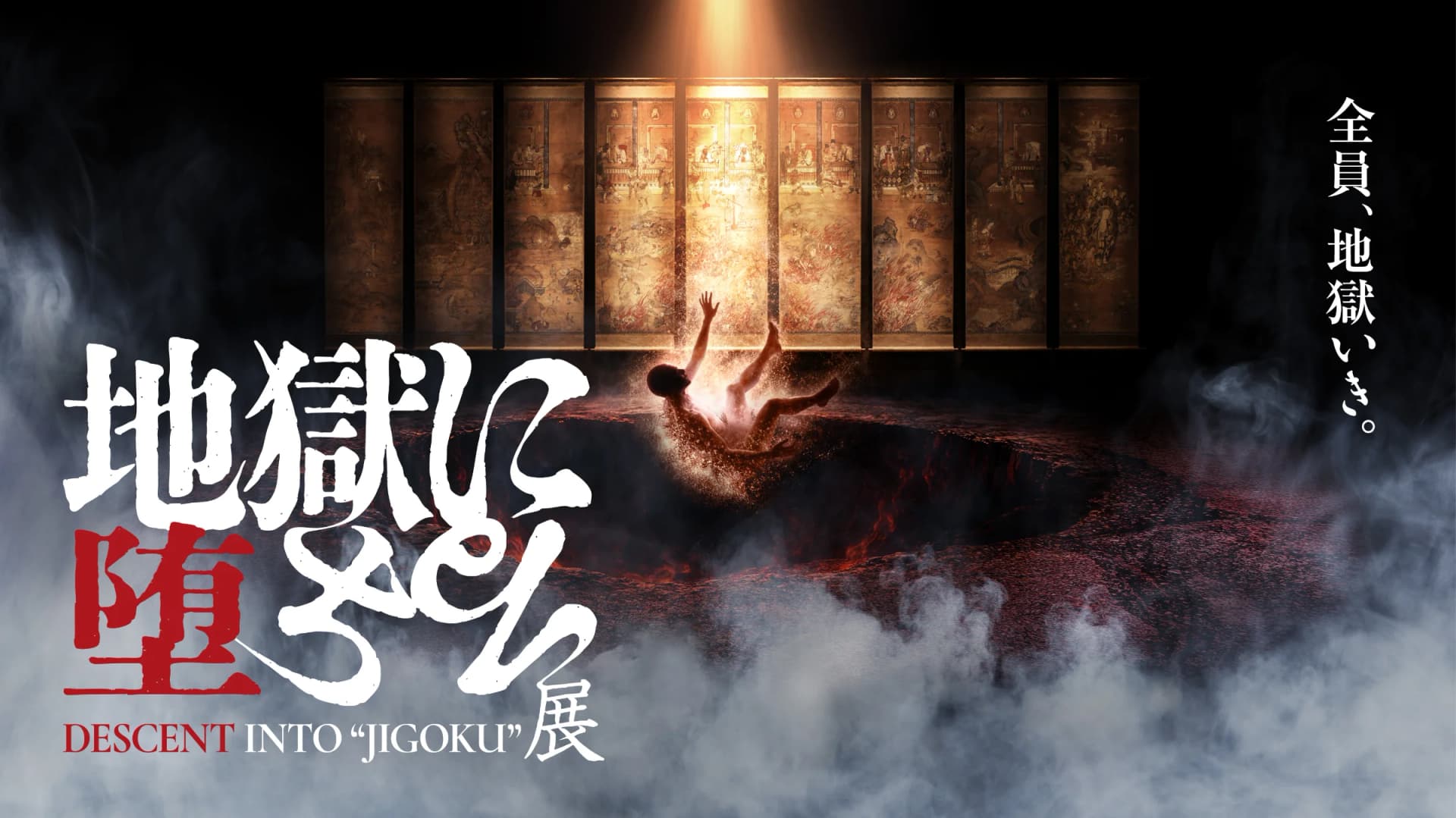
Descent into "Jigoku"
An exhibition in Osaka on the Japanese hell, following the path of the dead through full-size reproductions of painted scrolls and moving projections.
28 Nov – 27 Dec 2026Osaka · Kansai

National Treasures in Japan refer to designated cultural properties, including buildings, sculptures, paintings, calligraphic works, archaeological materials, and other artifacts that are considered to have exceptional cultural and historical significance to the country. In Japan, there are currently around 1,700 National Treasures, each of which offers a unique and fascinating glimpse into the country's rich cultural heritage.
An exhibition in Osaka on the Japanese hell, following the path of the dead through full-size reproductions of painted scrolls and moving projections.
28 Nov – 27 Dec 2026Osaka · KansaiMatsumoto Castle features projection mapping with ukiyo-e imagery, traditional crafts, and seasonal scenes unfolding in three phases with interactive illuminations throughout the park.
Colored lights and music illuminate this National Treasure temple in spring, accompanied by a market featuring local goods and specialties.
22 Apr – 5 May 2027Toyama · ChubuBuilt between 1604 and 1607 under Date Masamune, this shrine showcases Momoyama-era architecture with an intricate main hall designated as a National Treasure.
Sendai · MiyagiTofukuji is one of Kyoto's great Zen temples, celebrated for its sweeping maple valley and the modern garden surrounding the abbot's quarters.
KyotoHead temple of the Tendai Jimon sect, Miidera was founded in the seventh century and has survived repeated destruction, earning the name Phoenix Temple.
Otsu · ShigaRinnoji is a Tendai Buddhist temple in Nikko and part of a UNESCO World Heritage Site, known for its Sanbutsudo hall and the National Treasure Taiyuin mausoleum.
Nikko · TochigiThe head Tendai temple founded in 850, significantly expanded in the 12th century and designated a UNESCO World Cultural Heritage site.
Hiraizumi · IwateA Tendai sect Buddhist temple founded in the early Heian period, housing a National Treasure main hall with Heian-period statues and garden.
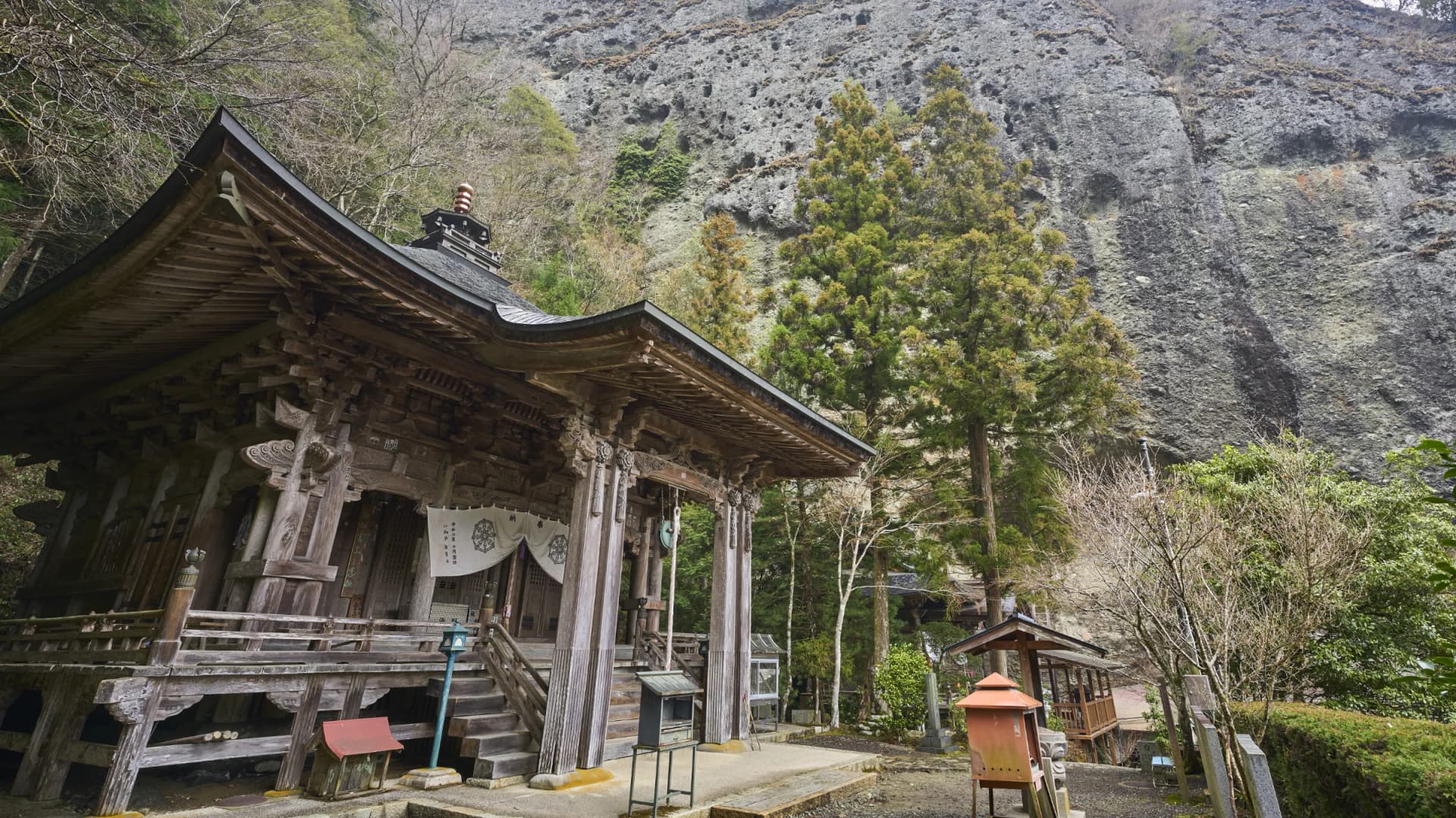
Aisho · ShigaThe forty-fifth temple of the Shikoku pilgrimage, built against cliffs in the mountains of Ehime, where the mountain itself is the object of worship.
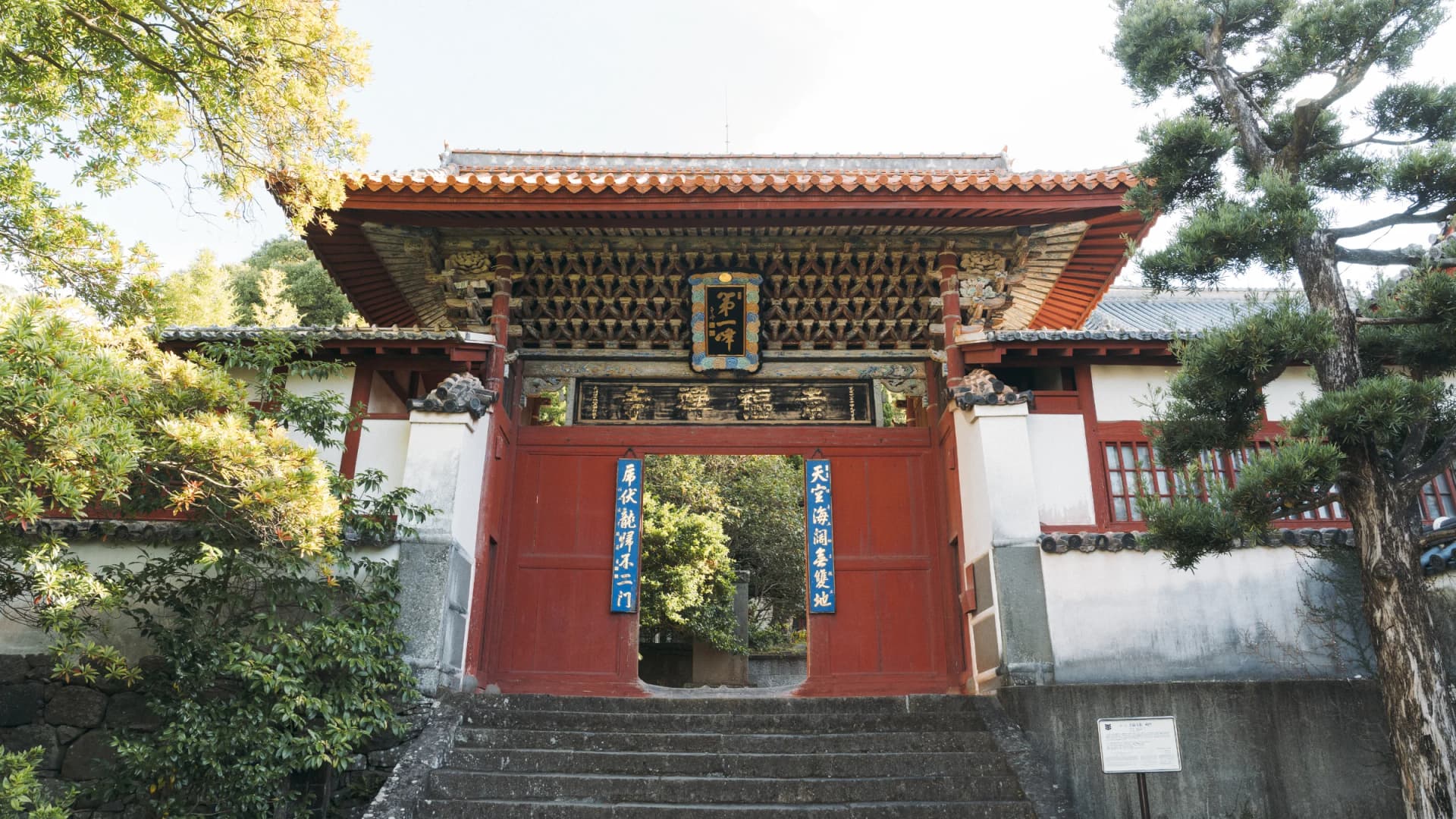
Kumakogen · EhimeA Chinese temple in Nagasaki founded in 1629 by merchants from Fujian, with two buildings that are National Treasures.
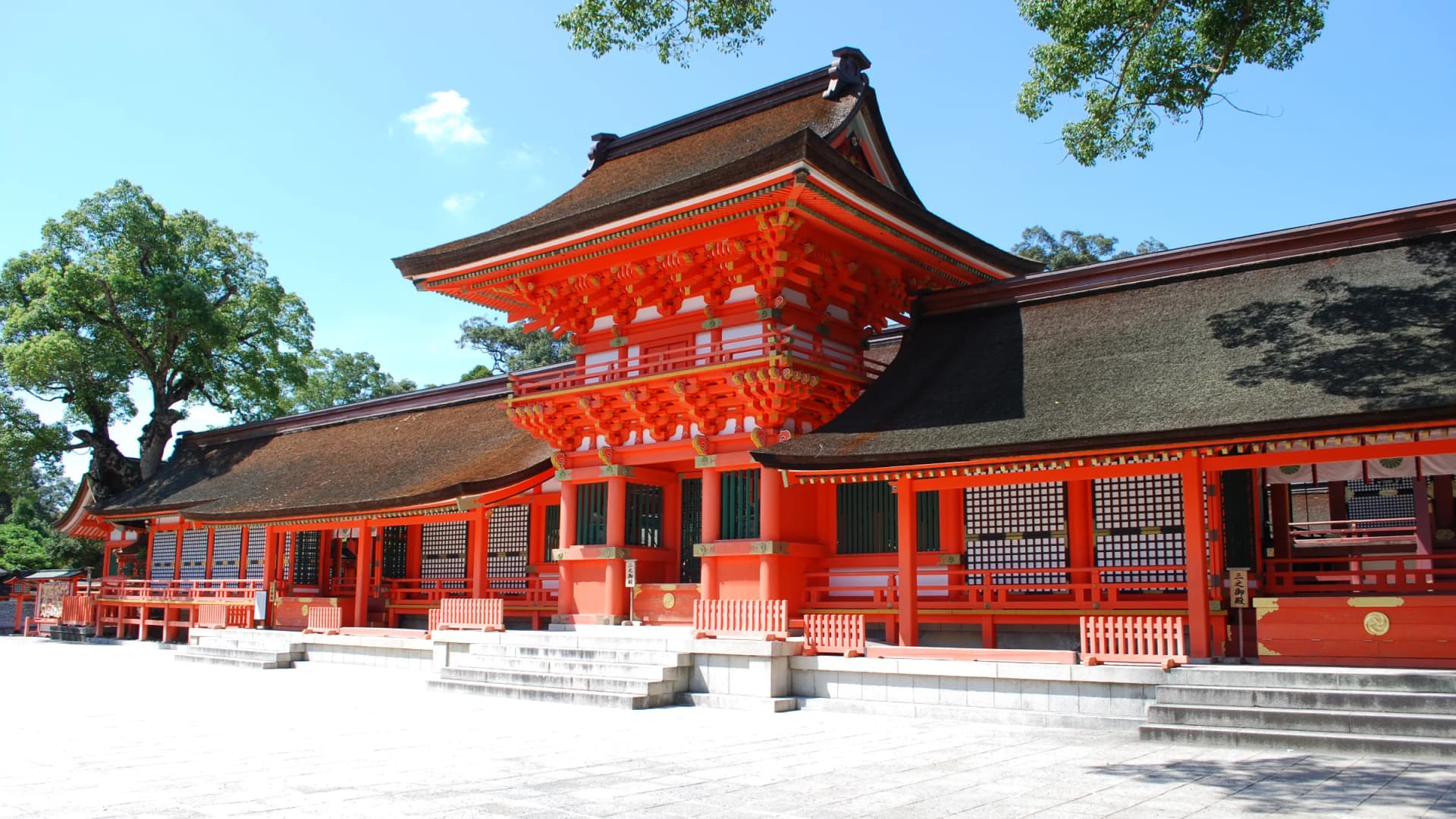
NagasakiThe head shrine of the forty thousand Hachiman shrines, founded at Usa in 725, with three halls that are a National Treasure.
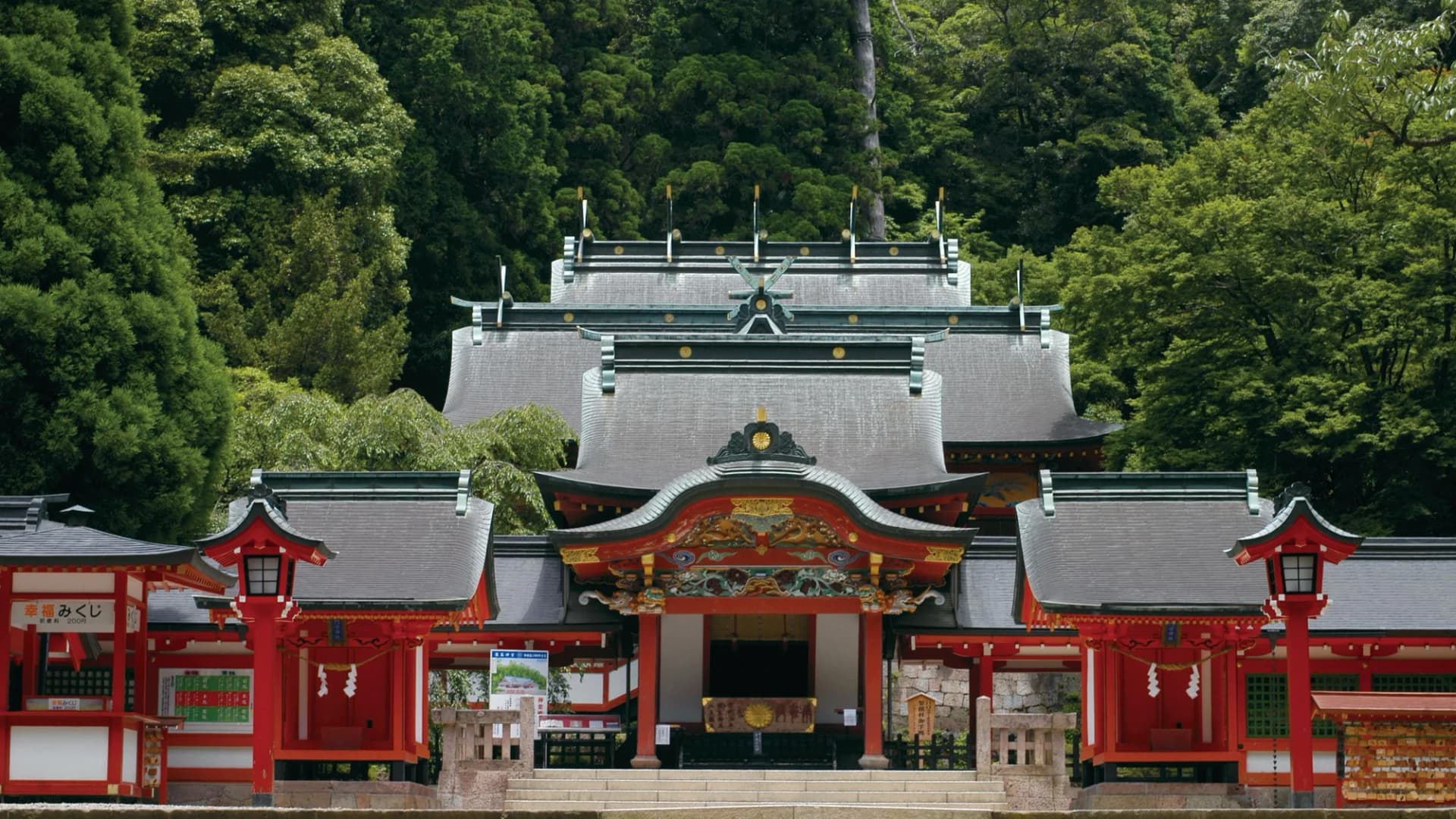
Usa · OitaA shrine below the peak of Takachiho in Kagoshima, its vermilion halls of 1715 made a National Treasure in 2022.
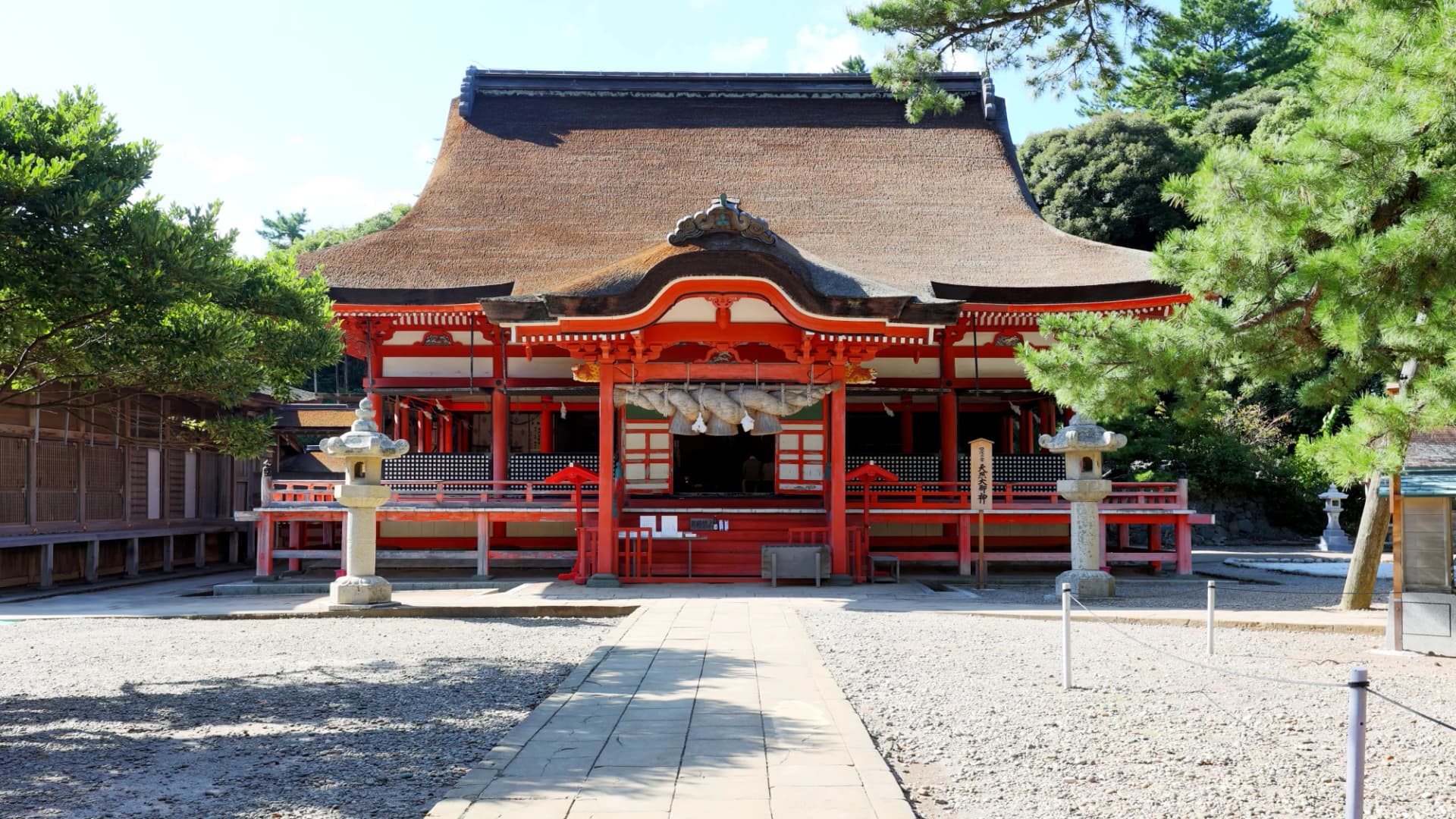
Kirishima · KagoshimaTwo shrines on one site at the western tip of the Shimane Peninsula, rebuilt in the 1630s and holding a National Treasure suit of armour.
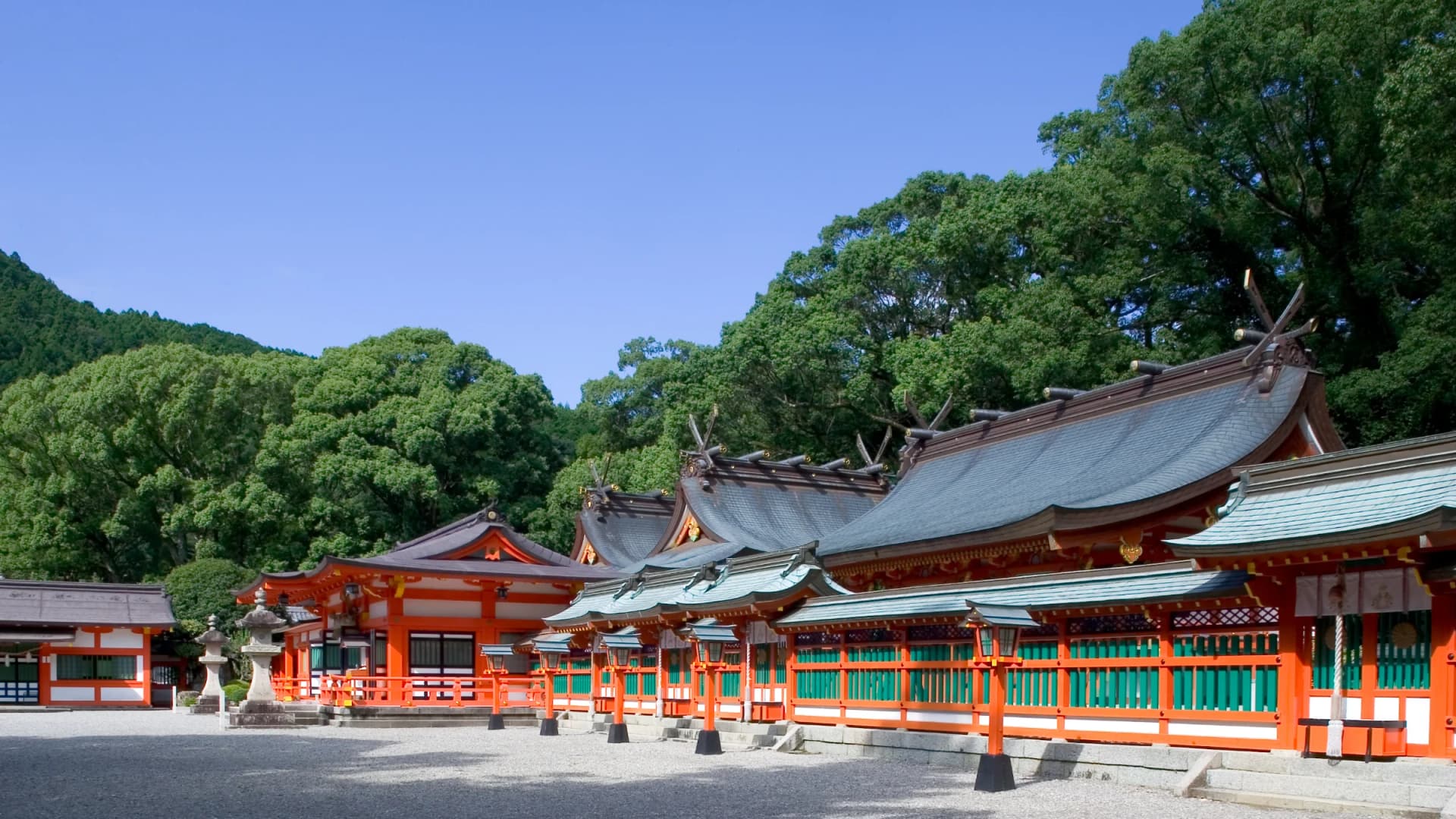
Izumo · ShimaneIn Shingu, Wakayama, Kumano Hayatama Taisha stands as one of the three grand Kumano shrines – a "land of rebirth" where pilgrims have sought renewal for centuries.
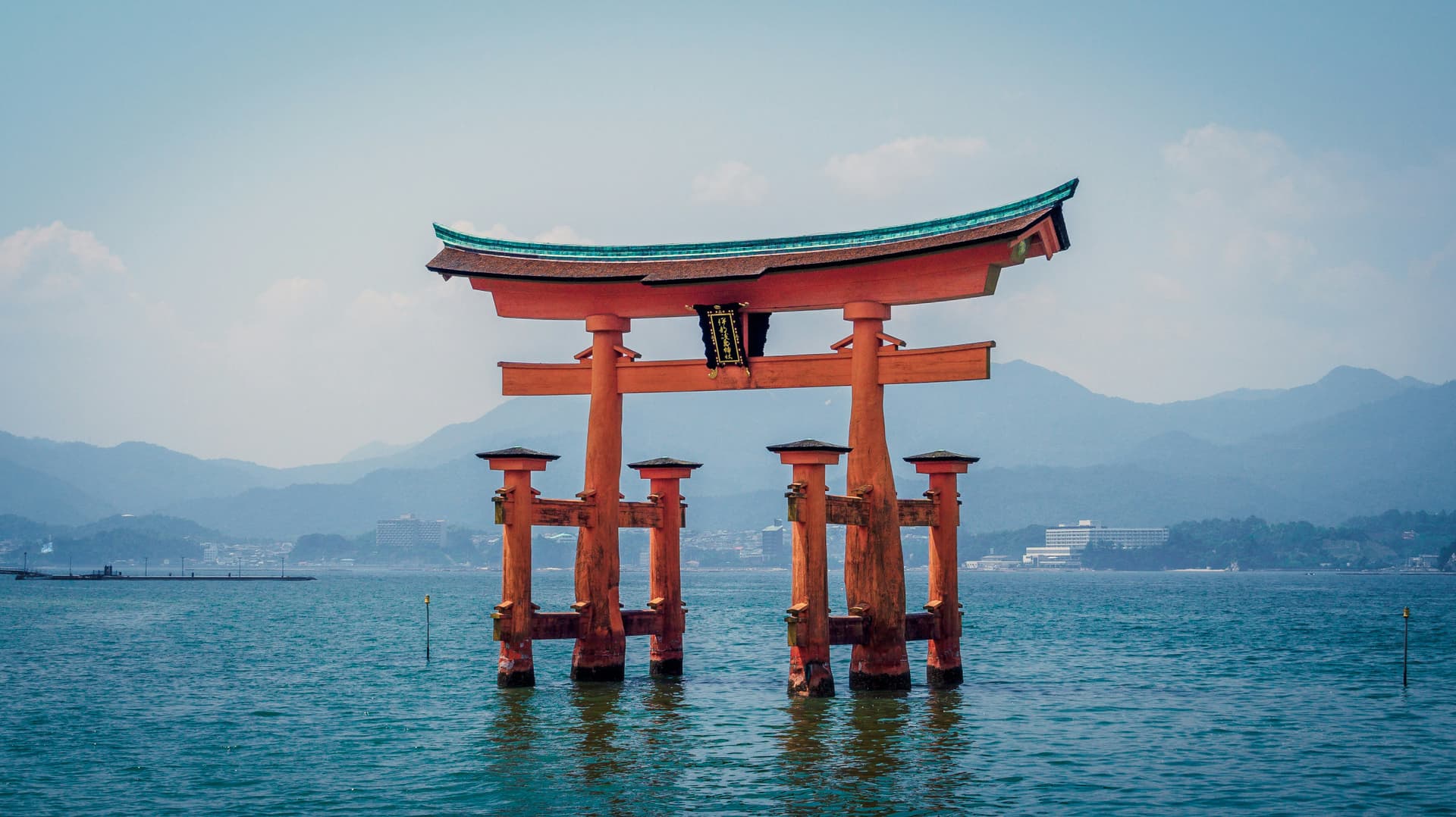
Shingu · WakayamaThe floating shrine of Miyajima, built out over a tidal cove, with its great vermilion torii standing in the sea off the sacred island.
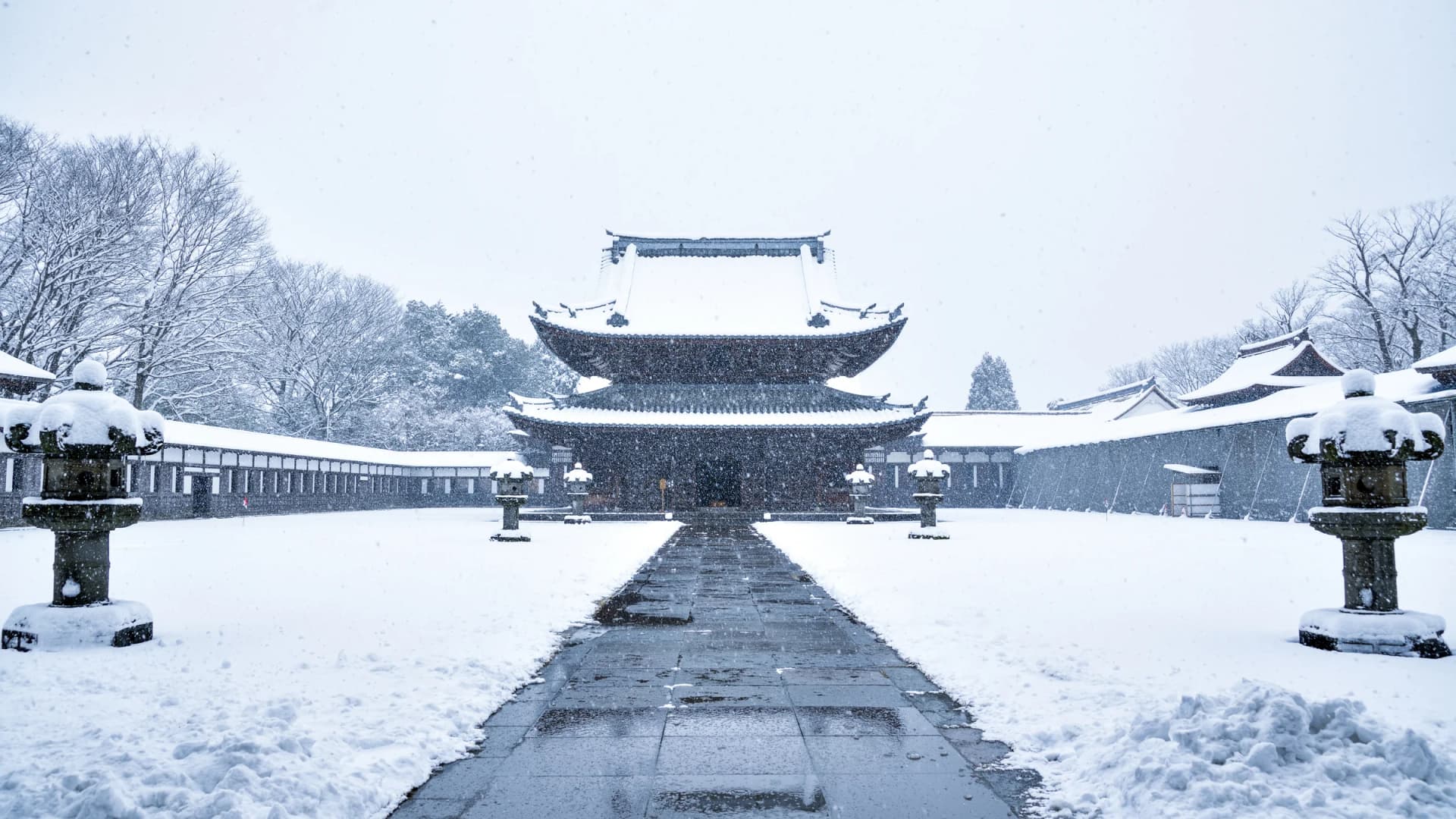
Hatsukaichi · HiroshimaA 17th-century Soto-school Buddhist temple in Takaoka houses several buildings designated as national treasures and important cultural properties.
Takaoka · ToyamaMajor Okayama shrine dedicated to Kibitsuhiko-no-Mikoto, a legendary prince credited with defeating an ogre and bringing peace to the region, foundations of the Momotaro folktale.
OkayamaOver 1,100-year-old Buddhist temple complex and head temple of the Daigo branch of Shingon Buddhism, centered on an ancient natural spring.
KyotoA Shingon Buddhist temple in Otsu traditionally founded in 747, preserving numerous important cultural properties and National Treasures of traditional architecture.
Otsu · ShigaShinto shrine established 1617 to enshrine Tokugawa Ieyasu, the first shogun who ended the Sengoku period and founded 260 years of Edo peace.
Nikko · Tochigi