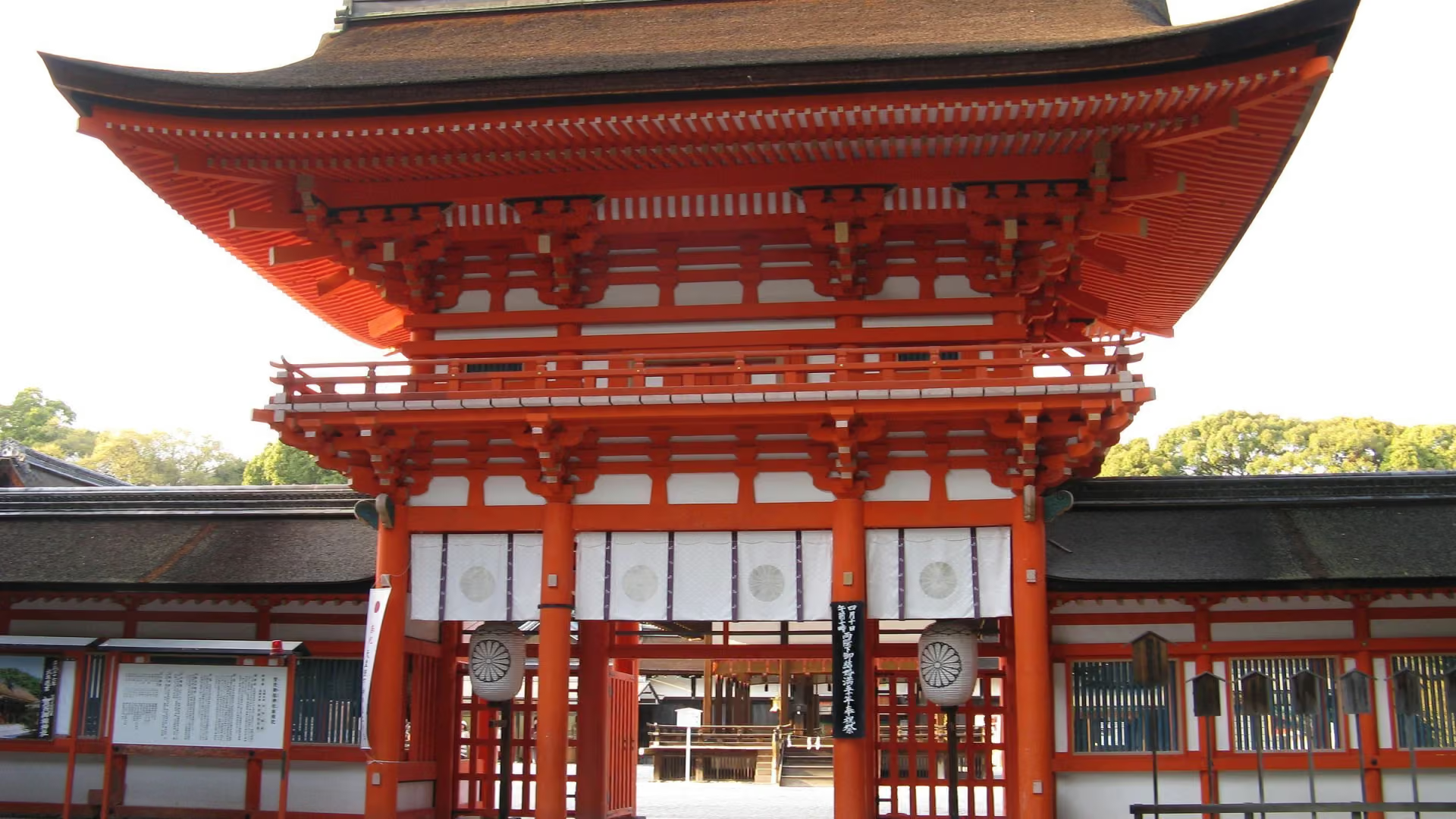
Shimogamo Shrine
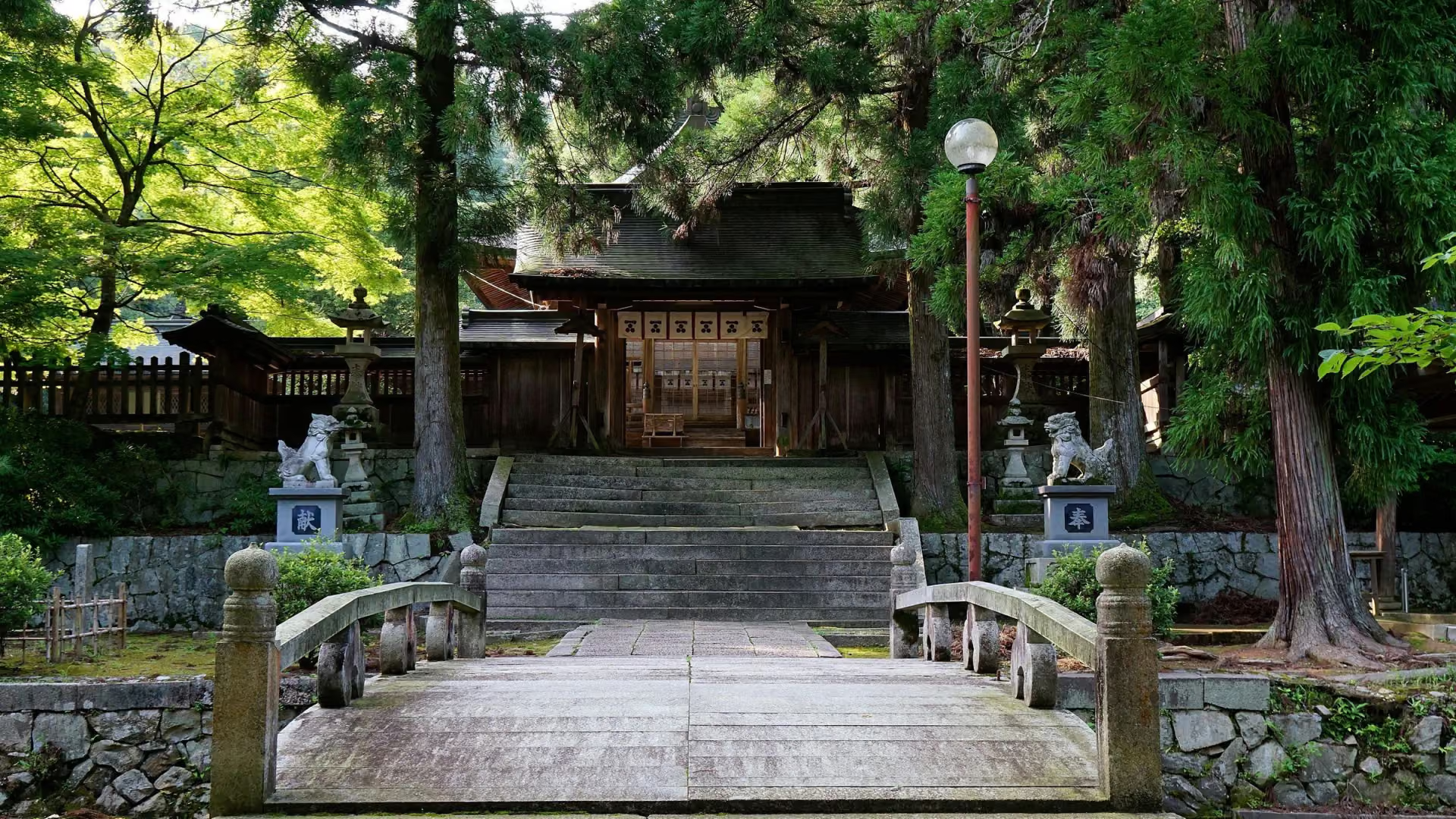
Kyoto shrine dating to the 6th century, dedicated to Tamayori-hime and her father, worshipped for protection from misfortune and as guardian of the capital.
Kyoto

Kyoto shrine dating to the 6th century, dedicated to Tamayori-hime and her father, worshipped for protection from misfortune and as guardian of the capital.
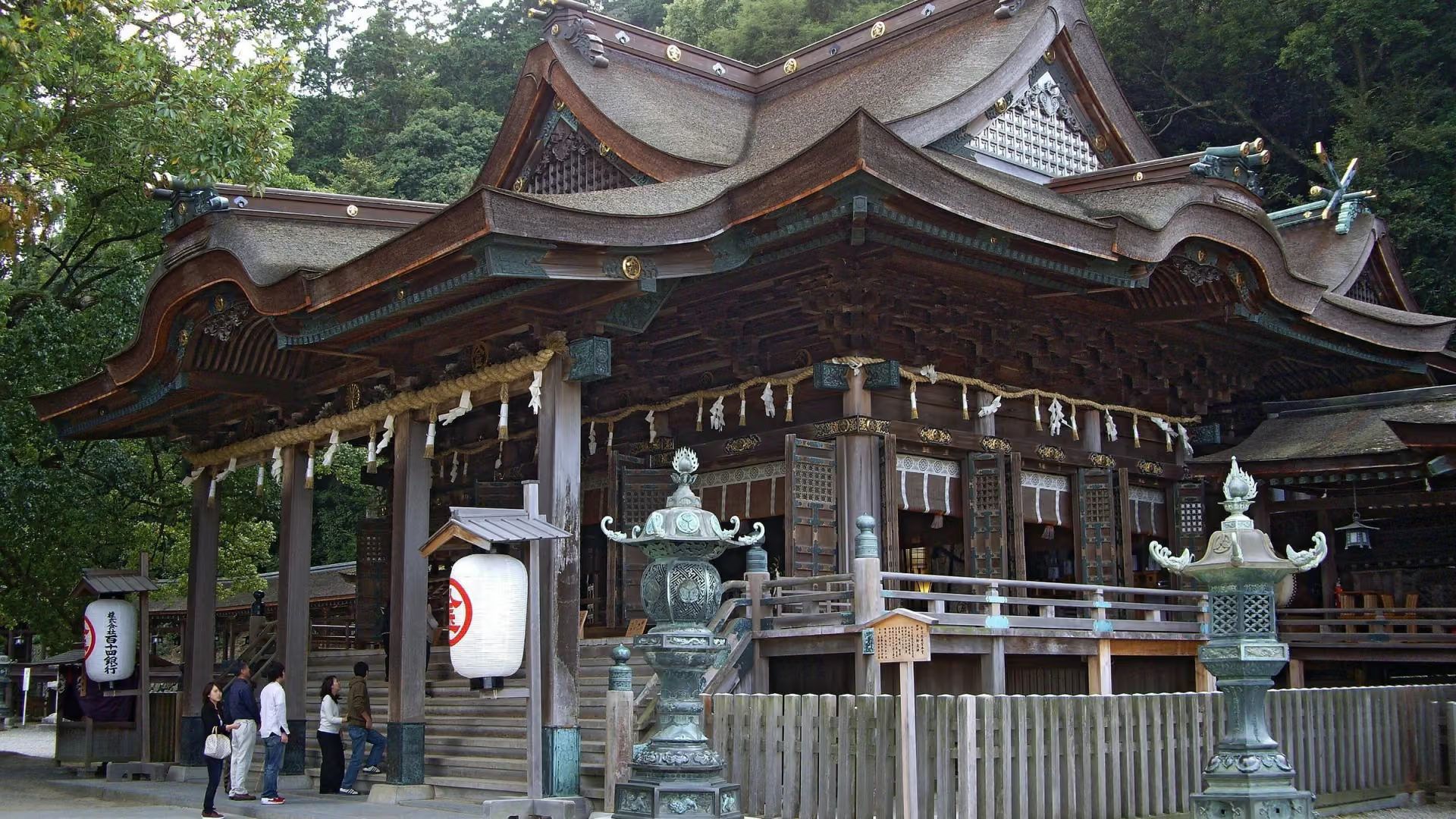
KyotoA shrine devoted to the protection of sailors and sea transport, requiring a climb of 785 steps to the main shrine on Mount Zozu.
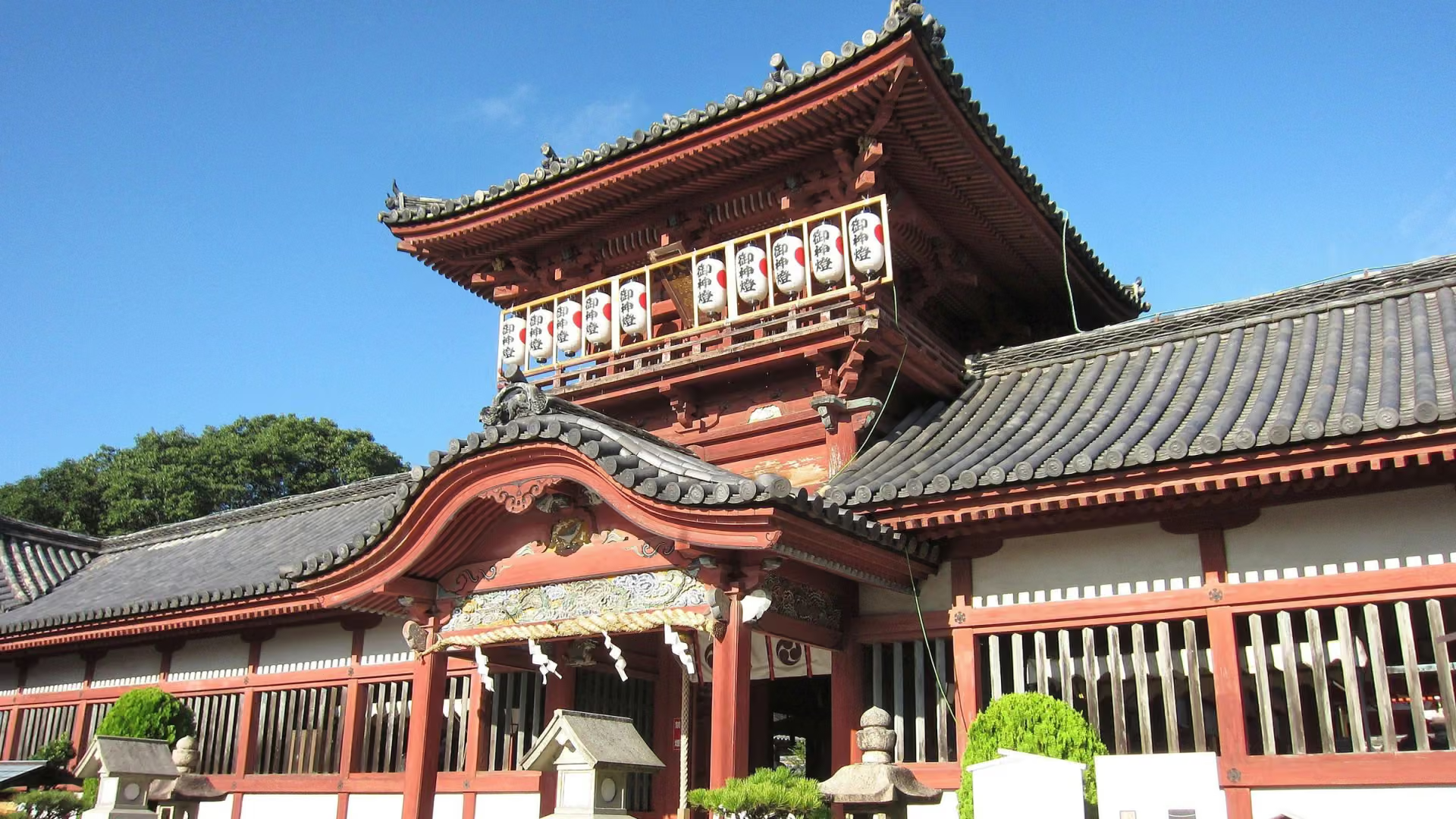
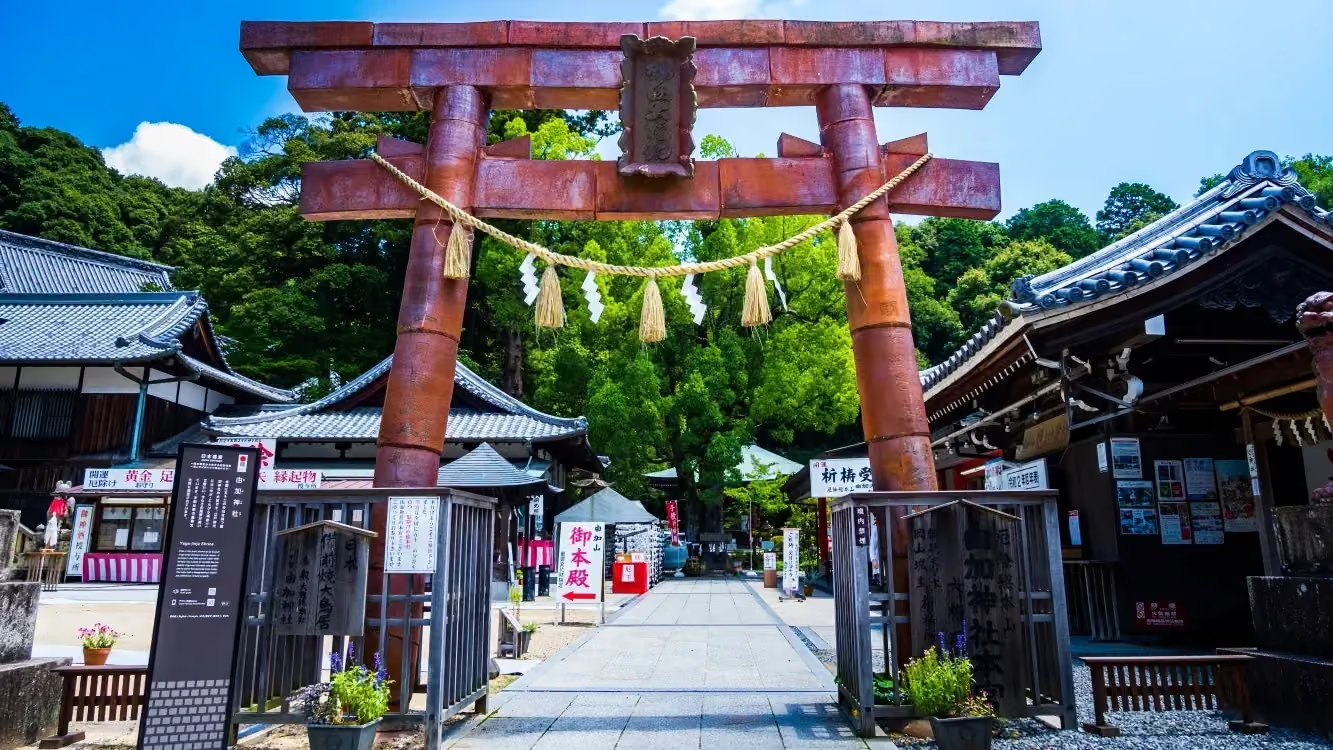
Kotohira · KagawaA Shinto shrine in Matsuyama with roots in a visit by Emperor Chuai and Empress Jingu to Dogo Onsen, enshrining multiple emperors as cultural treasures.
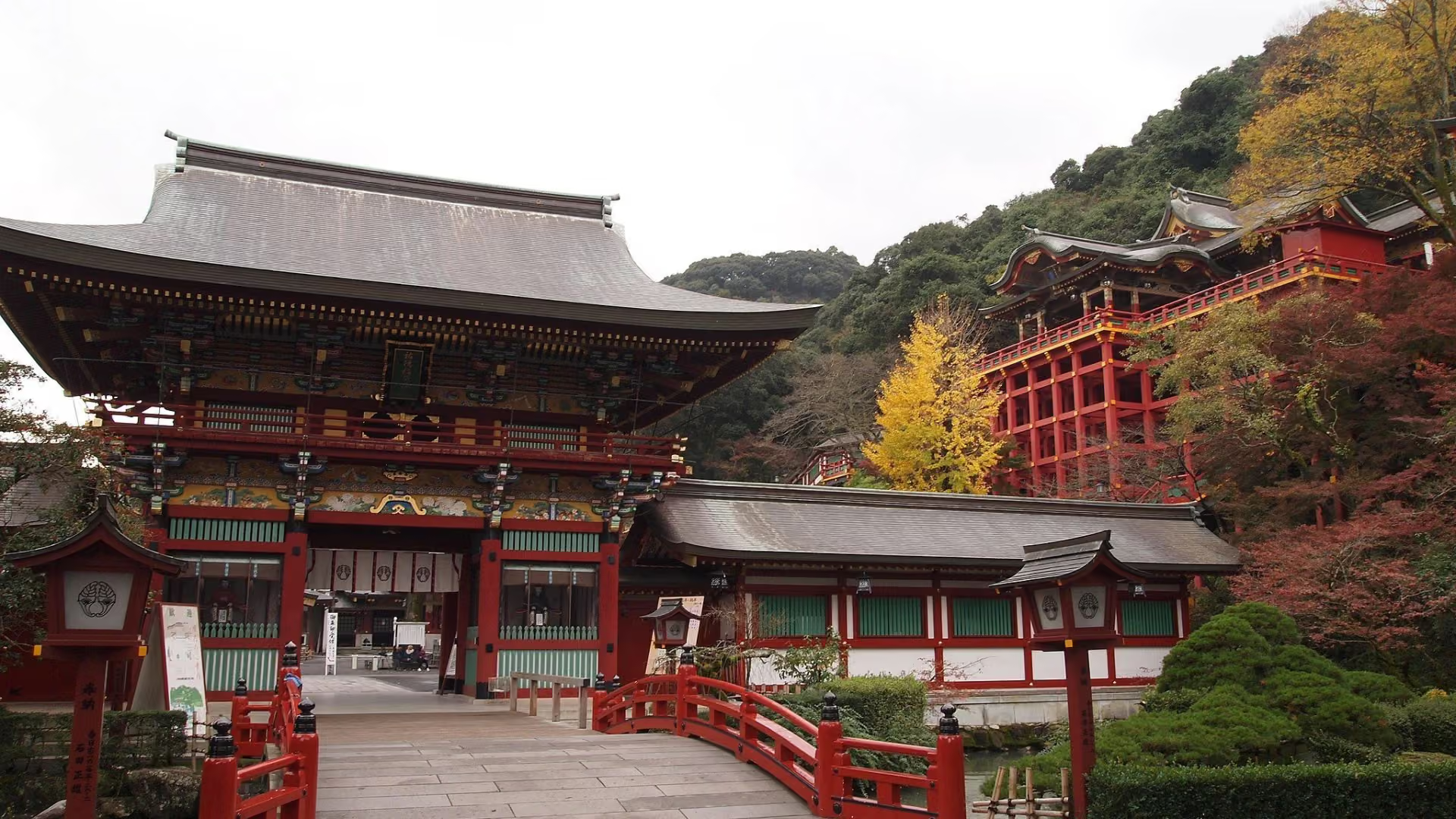
Matsuyama · EhimeOne of Japan's three most famous Inari shrines, dedicated to the god of agriculture and prosperity, known for vermilion torii gates and statues.
Kashima · SagaYamaguchi shrine dedicated to Mori Motonari, the Sengoku-period warlord who unified the Chugoku region and established the powerful Mori clan.
YamaguchiOkutsuhime Shrine on remote Hegurajima island was founded by traditional female divers and preserves centuries of maritime worship traditions.
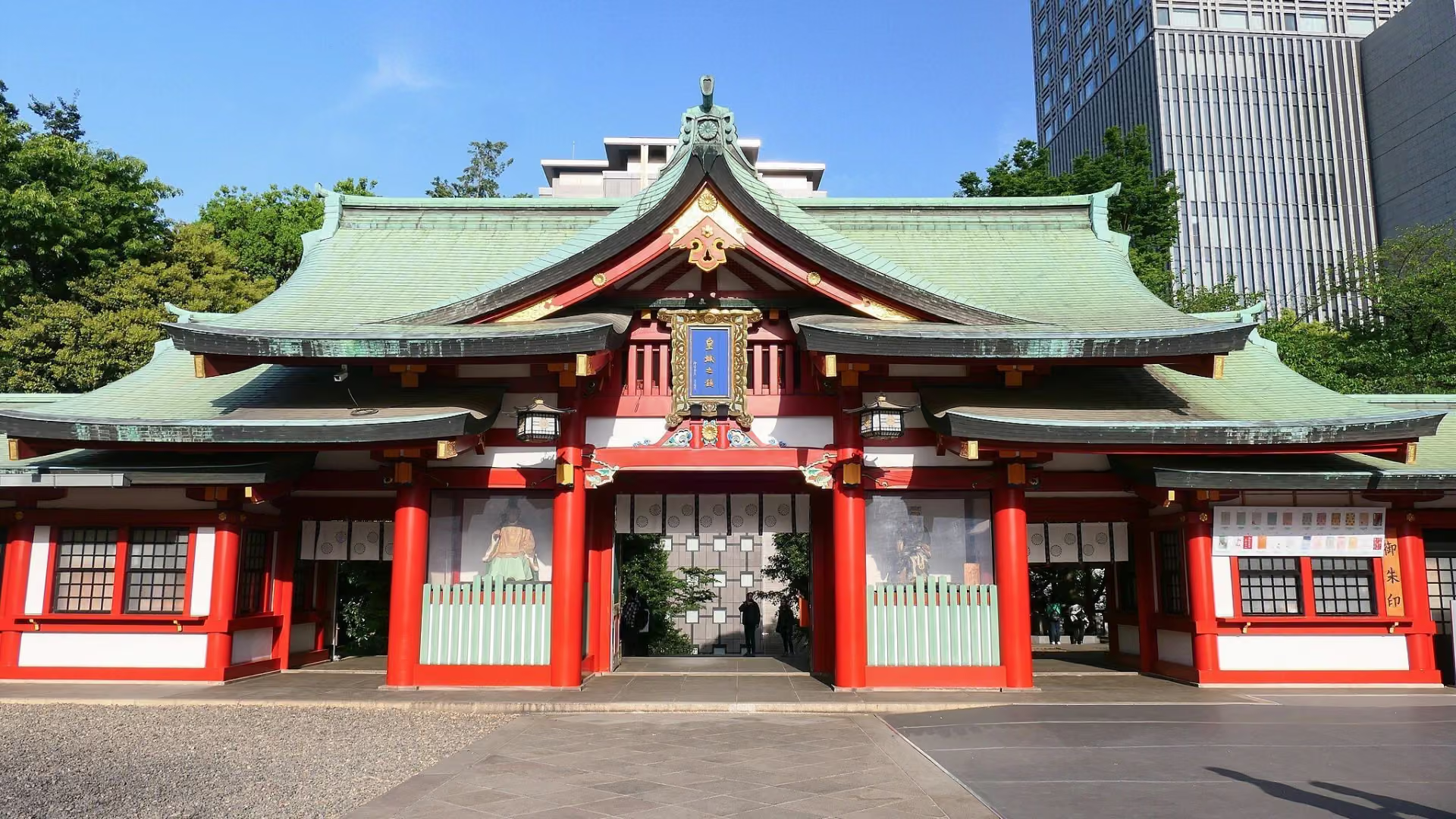
Wajima · IshikawaHie Shrine in Tokyo's Nagatacho district dates to the Kamakura period and served as guardian deity of Edo Castle and the Imperial Palace.
TokyoA Shinto shrine dedicated to Hachiman Okami, the sun goddess Amaterasu Omikami and Sarutahiko Okami, god of guidance, with four sub-shrines on the grounds.
Kanazawa · IshikawaShinto shrine in the Kaga region, said to date to 585 when an imperial kami was moved here, and among the region's most historically significant shrines.
Kaga · IshikawaShrine in Hofu founded in 904 for Tenjin, the deified scholar and poet Sugawara no Michizane, with a single building that houses all its main sanctuaries.
Hofu · YamaguchiSaijo Inari is a 1,200-year-old Buddhist temple and one of Japan's three great Inari sites, preserving a rare form of Shinto-Buddhist syncretic worship.
OkayamaBitchukoku Soja Shrine consolidated deities of 324 provincial shrines into a single site dedicated to the deity of nation-building and good fortune.
Soja · OkayamaUesugi Shrine in Yonezawa honors the formidable warlord Uesugi Kenshin and was rebuilt in 1923 following a destructive fire.
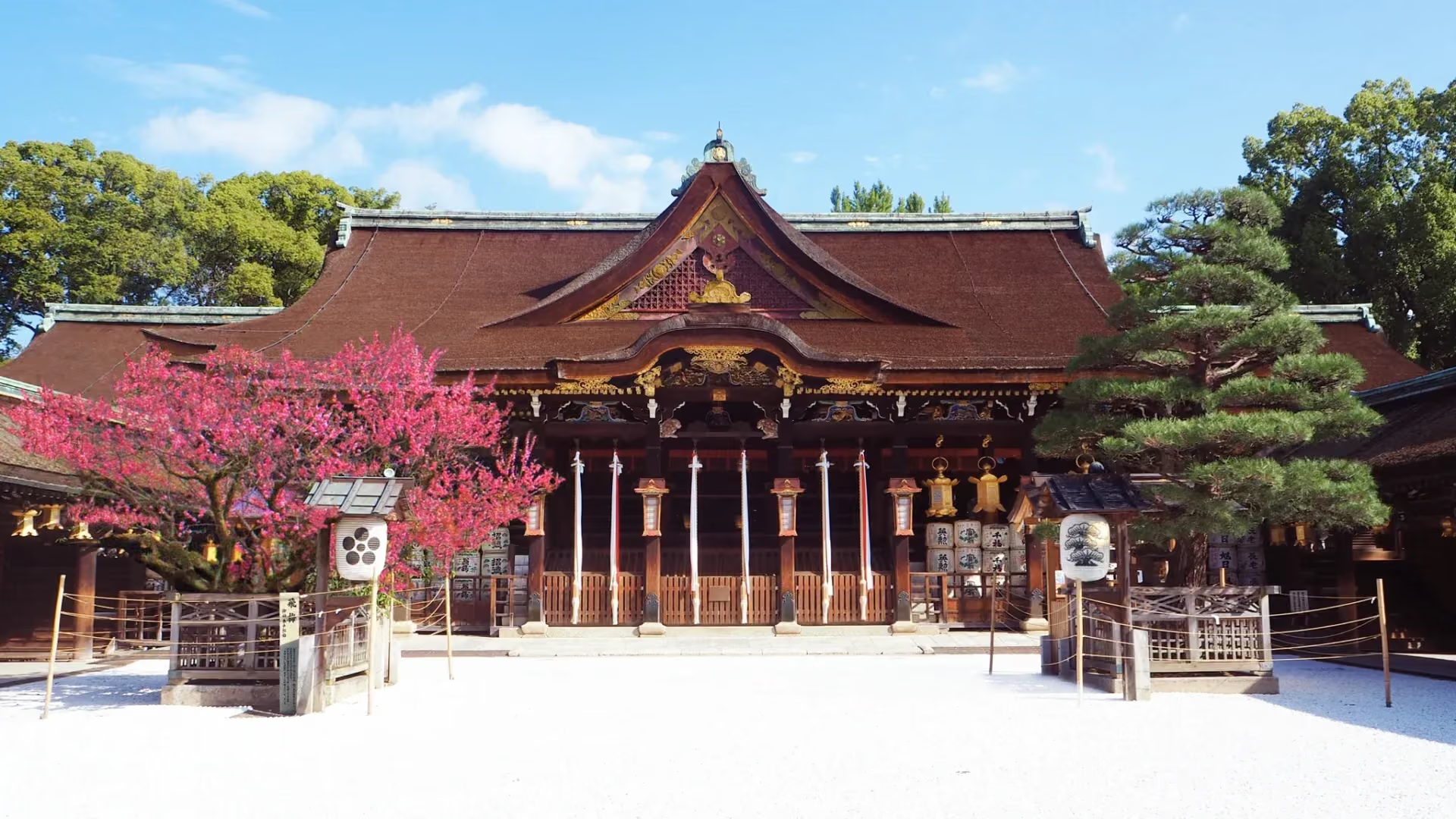
Yonezawa · YamagataThe head shrine of approximately 12,000 Tenmangu and Tenjin shrines throughout Japan, Kitano Tenmangu is dedicated to the deity of learning and culture.
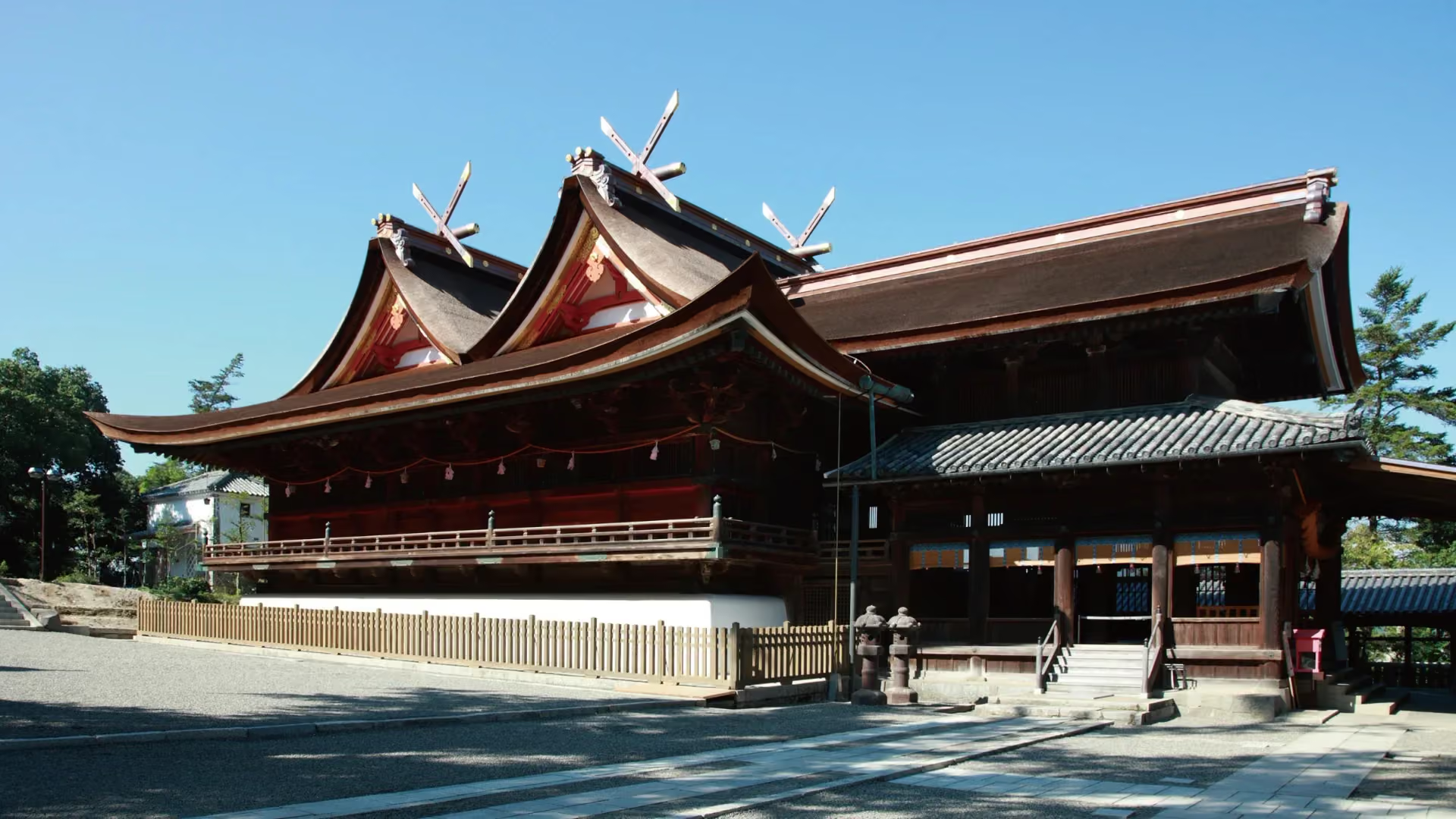
KyotoOkayama shrine to Kibitsuhiko-no-Mikoto, a legendary prince said to have defeated an ogre and brought peace to the region, the root of the Momotaro story.
OkayamaSacred mountain shrine in Okayama with more than two thousand years of history, blending Shinto and Buddhist practices as a centre of pilgrimage.
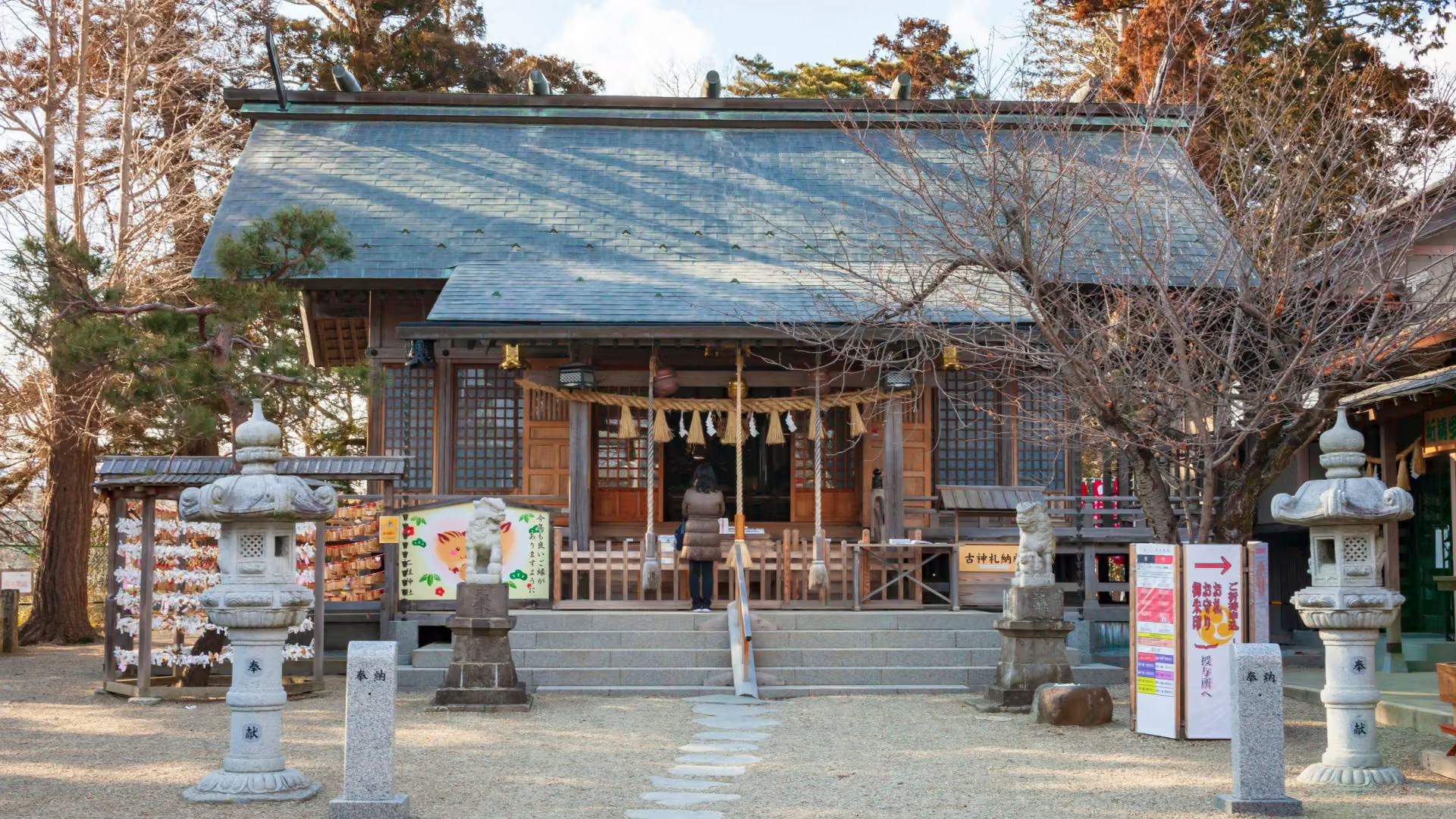
Kurashiki · OkayamaThis Sendai shrine has served as a center of devotion for over a thousand years, enshrining the divine family of Izanagi, Izanami, and their child Ebisu.
Sendai · MiyagiShrine dedicated to Emperor Jimmu and ancestral deities, believed to occupy the site of the emperor's ancient palace before his legendary eastern expedition.
Miyazaki