Izu Shaboten Zoo
伊豆シャボテン動物公園
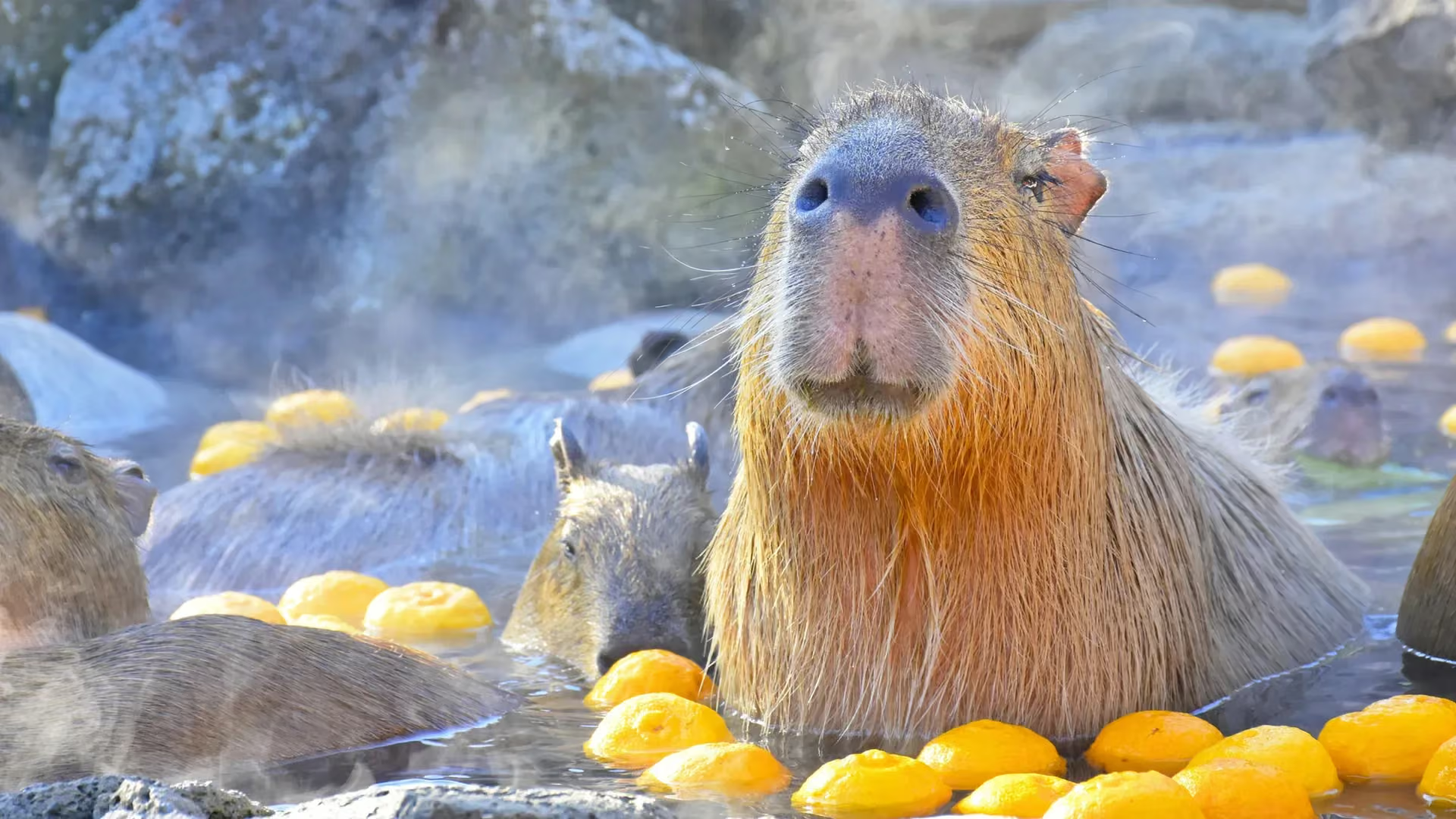
Zoo and cactus garden in Ito with about 150 kinds of animals and 1,500 kinds of cacti, where capybaras first took winter hot baths in 1982.
Last entry 15:30. Open every day; hours change with the season, so check the official calendar.
〒 413-0231How to get there
伊豆高原Izu Kyuko Line10 min by taxi from the station
Gate price from¥2,800Price checked 2026/11/01
Provider prices may differ from the price above. Booking through our links earns us a commission, at no extra cost to you.
Izu Shaboten Zoo is a zoo and cactus garden at the foot of Mt Omuro in Ito, on the Izu Peninsula. It opened in 1959 and covers about 200,000 square meters. About 150 kinds of animals live there, and its greenhouses hold about 1,500 kinds of cacti and succulents. Peacocks and squirrel monkeys roam the grounds freely.
The capybara bath
Capybaras have been kept at the zoo since 1966. One winter day in 1982, a keeper cleaning their enclosure with hot water saw the capybaras gather in a small puddle of it and soak their feet and hindquarters. The keepers then filled a pond with hot water for them, and the bath has been run every winter since. The zoo calls it the original capybara open-air bath, Ganso Kapibara no Rotenburo (元祖カピバラの露天風呂), and it is known as a winter tradition of Izu. Capybaras can also be met all year in the Capybara Rainbow Plaza.
The zoo and four others, Nasu Animal Kingdom, Saitama Children's Zoo, Ishikawa Zoo and Nagasaki Bio Park, hold a capybara long-bath contest in winter and a capybara watermelon-eating race in summer.
The animals
The Animal Boat Tours, which the zoo describes as the first of their kind in Japan, circle a pond with nine islands where squirrel monkeys, lemurs, spider monkeys and other primates live, with flamingos and capybaras on the shore. One course goes around the pond with a guide; the other lands on a monkey island, where visitors feed the monkeys.
In the Ancient Ruins Rock Garden, llamas live on a hill and are fed by zipline: treats clipped to a rope about 10 meters long are pulled up to them past goats and sheep that try to take them. The Savanna Area holds giraffes, zebras and ostriches, and the giraffes can be fed. Red pandas can be fed in limited numbers, and according to the zoo it keeps more southern tamanduas than any other zoo in Japan. Touch de ZOO shows naked mole rats and other small animals, and Bird Paradise keeps birds in a setting close to their natural one.
The cactus greenhouses
The Kogen-ryu (高原竜), the park's symbol, stands at the entrance to the greenhouses. Five greenhouses group the plants by region: South America, Africa, forest cacti, Madagascar and Mexico. The Africa house holds only succulents, since no cacti grow wild there. The collection includes columnar cacti over 5 meters tall, edible prickly pears, cacti about 3 centimeters across and a golden barrel cactus (Echinocactus grusonii) more than 170 years old, called the king of cacti.
Outside, the Ancient Ruins Rock Garden sets cacti and succulents among replica stone sculptures of ancient Mexican civilizations. At the cactus shop, visitors choose from more than 100 kinds of cacti and succulents and a pot, and staff plant them into an arrangement to take home.
Restaurants and shop
The Forest Animal Restaurant GIBBONTEI seats diners beside stuffed capybaras and red pandas and serves the zoo's own dishes. Hanamusubi serves udon with cactus leaf, Chao serves ramen and fried rice, and Cafe Sherry sells soft serve made with red cactus fruit. The Gift Shop Animal Mart sells the zoo's own goods, stuffed animals and Izu souvenirs.
What's on here
| Date | Event | Details |
|---|---|---|
| November 2026 | ||
| 21 Nov 2026 – 4 Apr 2027 | The Original Capybara Open-Air Bath | Official page |
Getting There

Planning a trip? Fit this into a trip and Oni plans the rest around it.
You might also like
Fuji Safari Park
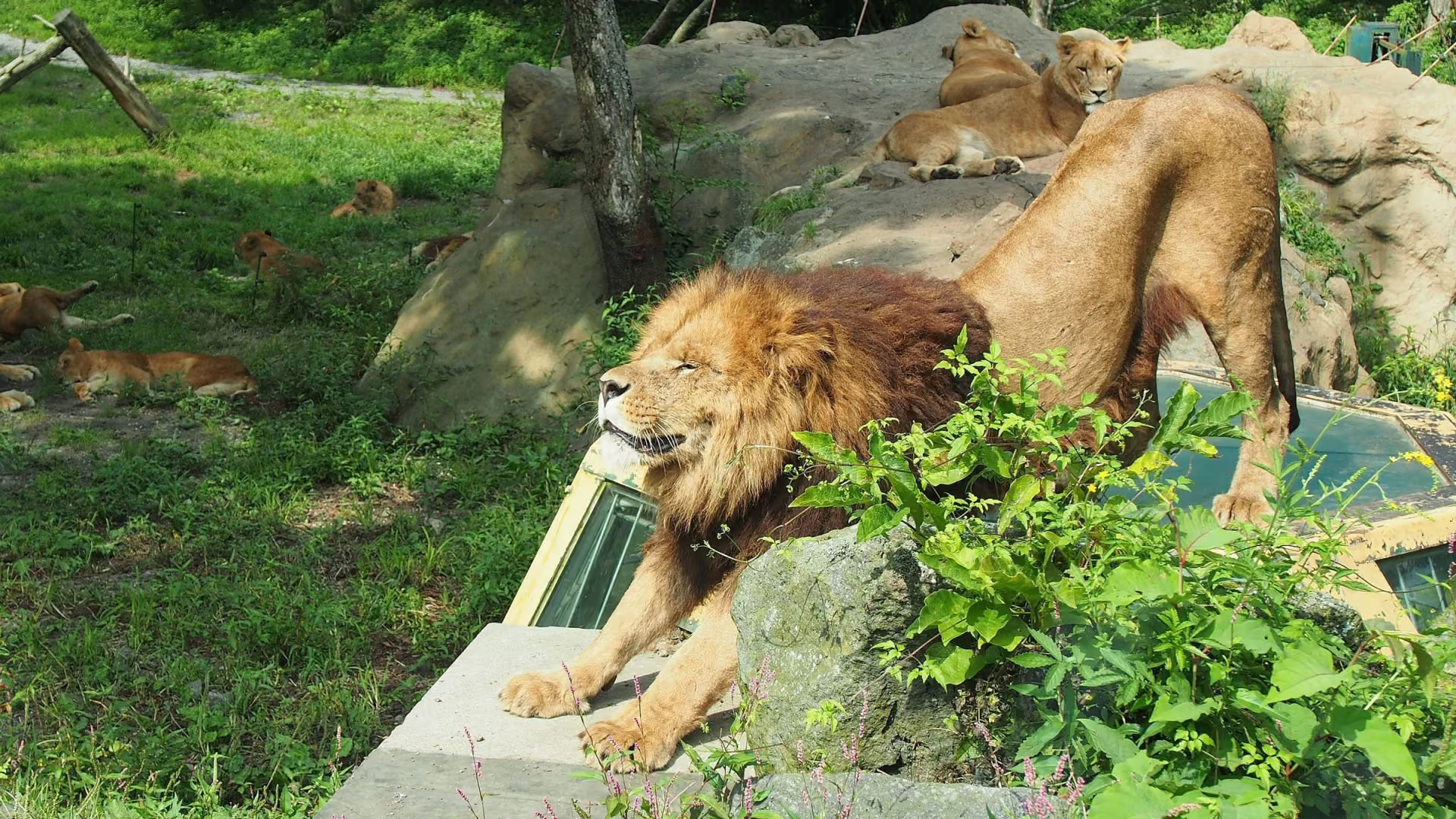
A safari park where visitors drive or ride a Jungle Bus past lions, bears, tigers and elephants, with a walking course and a zone for smaller animals.
Susono · Shizuoka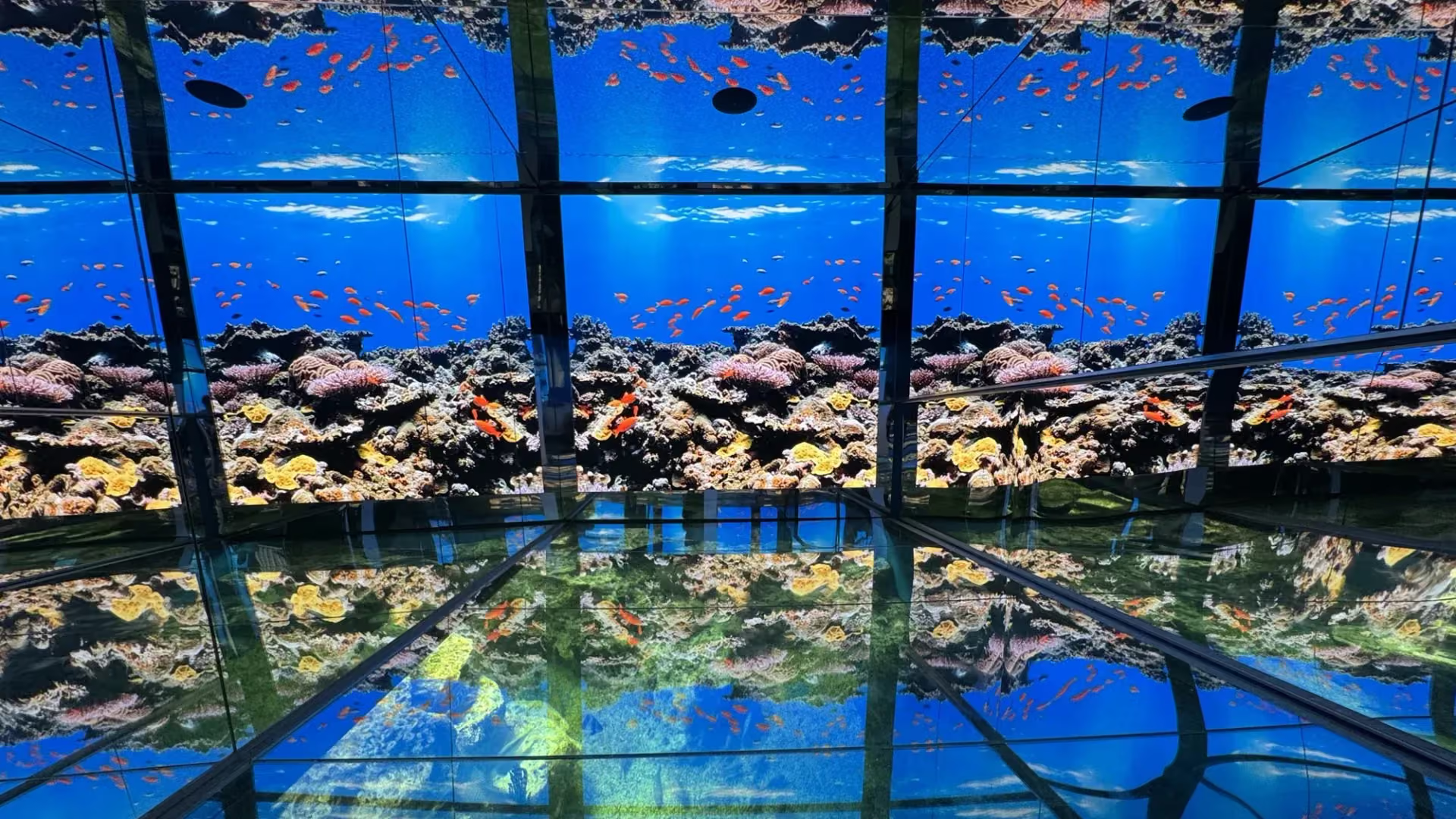
Echizen Matsushima Aquarium
Aquarium on the Sea of Japan coast, open since 1959, with dolphin shows, daily penguin walks, touch pools and a glass-floored coral reef tank.
Sakai · Fukui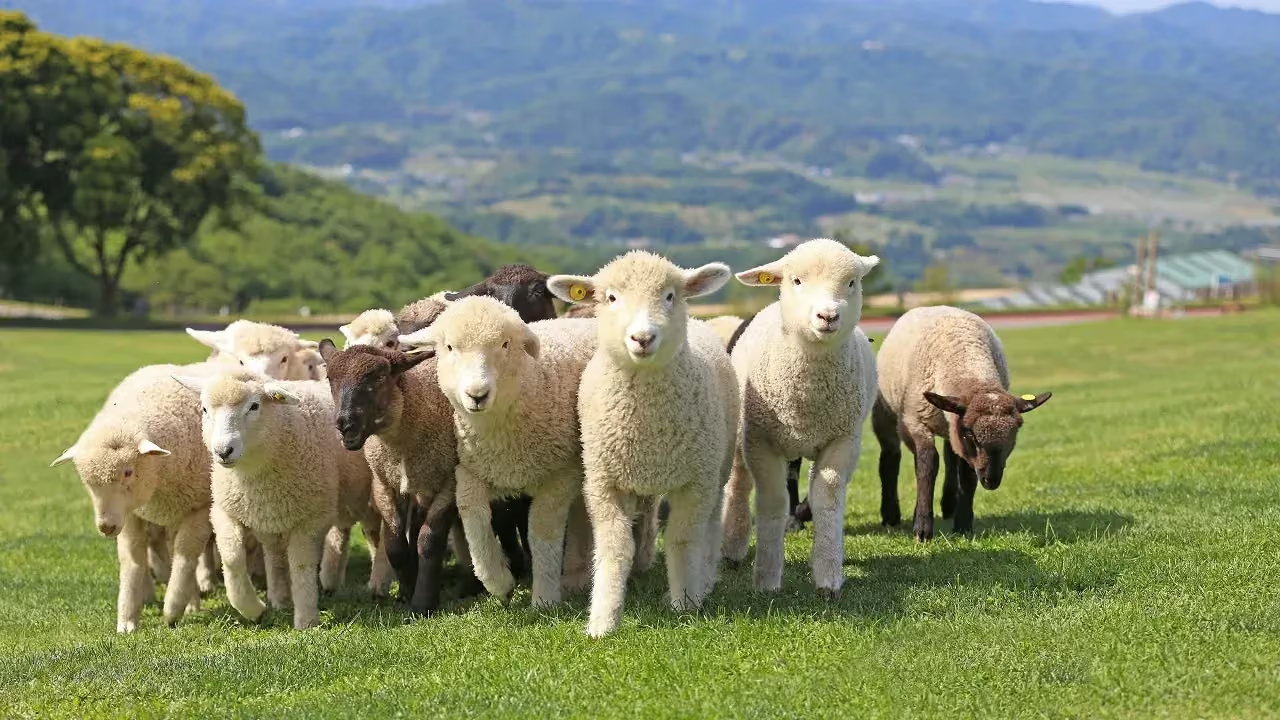
Mother Farm
A 250-hectare farm in the Boso Peninsula offering hands-on animal interactions, seasonal flower viewing, fruit picking, and an amusement park.
Futtsu · Chiba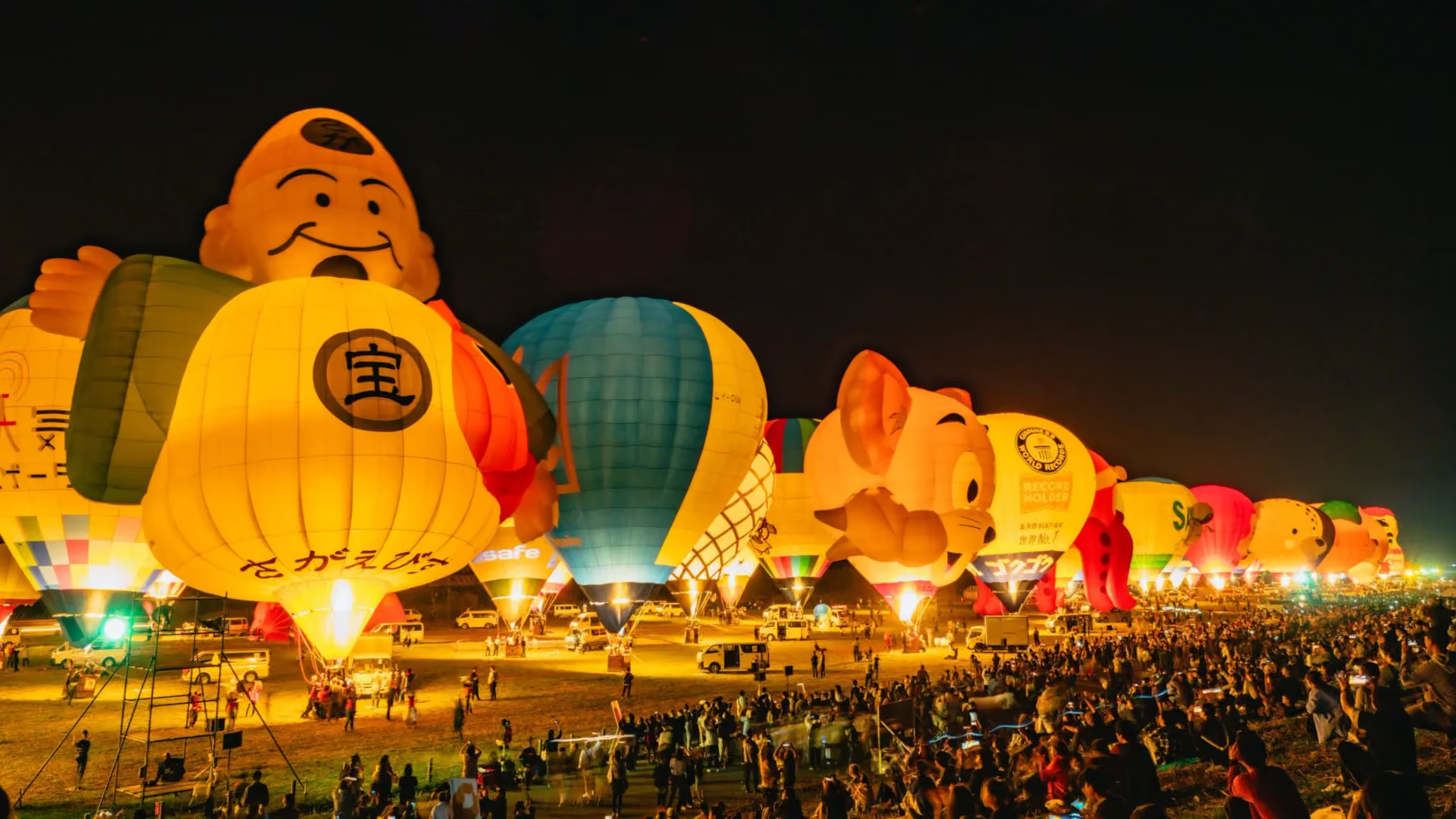
Saga International Balloon Fiesta
One of Asia's largest hot-air balloon events, where around 100 balloons rise over the Kase River in Saga each autumn in a five-day competition and festival.
30 Oct – 3 Nov 2027Exact date not confirmed yetSaga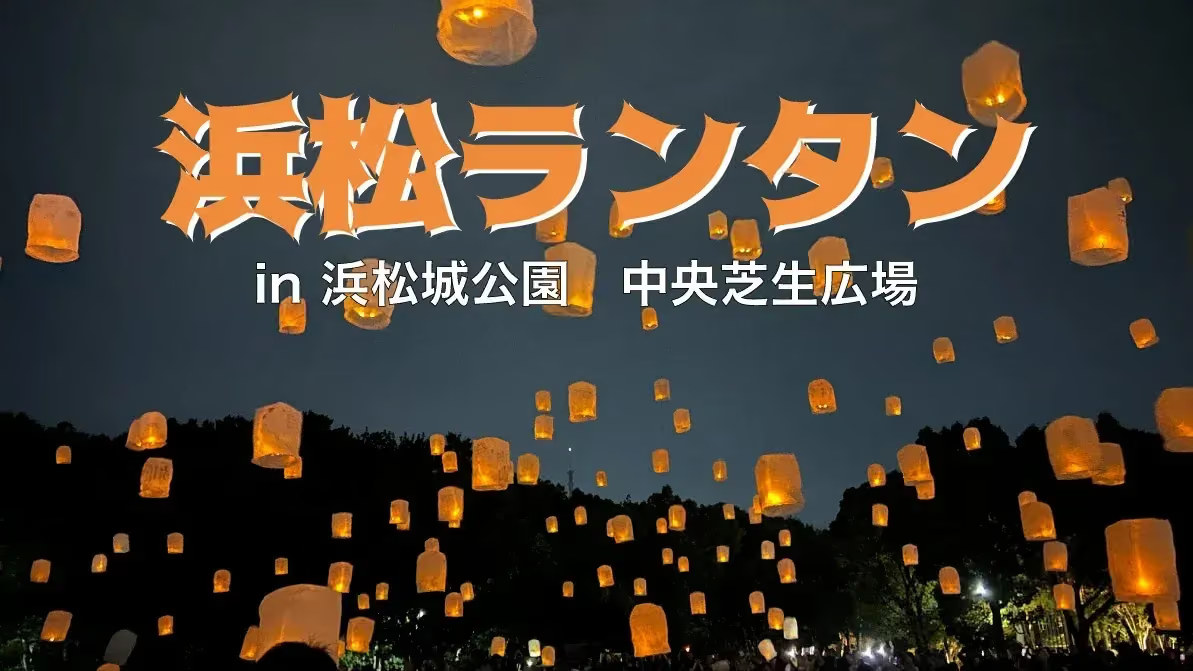
Hamamatsu Lantern
A hands-on event at Hamamatsu Castle Park allowing visitors to launch flameless LED lanterns into the night sky above the castle grounds.
18 Jul – 29 Aug 2027Exact date not confirmed yetHamamatsu · Shizuoka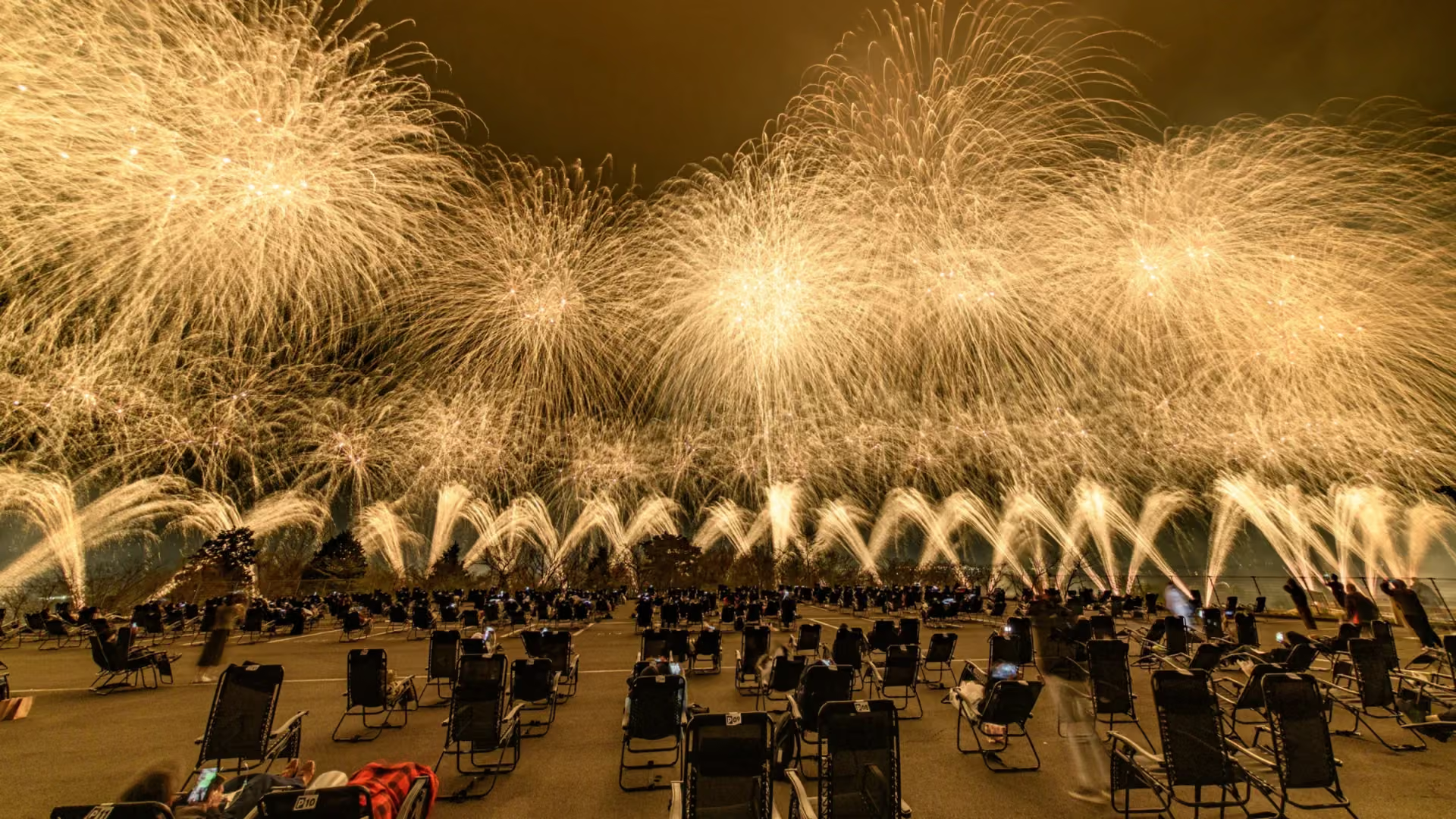
Mount Fuji Fireworks vs Speedway
Large-scale fireworks display set against Mount Fuji and seasonal blossoms, held at a racing circuit with diverse viewing options and daytime attractions.
3 Apr 2027Oyama · Shizuoka