

Daiju-ji
大樹寺
A Pure Land Buddhist temple founded in 1475 by Matsudaira Chikayoshi, built to honor fallen war dead and serving as the ancestral temple of the Tokugawa shoguns.

Daiju-ji is a Jodo-shu (Pure Land) Buddhist temple located in Okazaki. Formally named Jodosan Shoan-in Daiju-ji, it was founded on February 22, 1475, by Matsudaira Chikayoshi (Oyake Sakyono-suke Chikayoshi), lord of Anjo Castle, with the monk Seiyo Gutei as its founding abbot. The temple has deep historical ties to both the Matsudaira clan and the Tokugawa shogunate, and served for centuries as the family temple of the Tokugawa shoguns.
History
According to temple tradition, the founding of Daiju-ji is connected to a battle fought in 1467 at Idano, in which Matsudaira Chikayoshi defeated a large opposing force but sustained many casualties. Nine years later, the spirits of the fallen were said to be causing unrest and illness in the area. To pacify them, Chikayoshi built a nembutsu hall — a devotional hall for the invocation of Amida Buddha — near the burial mound and invited the monk Seiyo Gutei to conduct seven days of nembutsu rites. Chikayoshi subsequently established Daiju-ji as his clan's bodai-ji (ancestral memorial temple), with Seiyo as its founding abbot.
The temple has deep ties to Tokugawa Ieyasu, founder of the Edo shogunate, who took refuge at the temple following the Battle of Okehazama in 1560. On his deathbed in 1616, Ieyasu specified that his mortuary tablet (ihai) be installed at Daiju-ji. The memorial tablets of the Matsudaira clan and successive Tokugawa shoguns are preserved in a dedicated climate-controlled hall. The existing tablets were commissioned in 1628 by Owari domain lord Tokugawa Yoshinao and are said to correspond in height to the stature of each respective shogun.
Following the Meiji Restoration, Daiju-ji lost its financial basis as a shogunal family temple and was subject to the government's policy of separating Buddhism from Shinto, which resulted in the detachment of associated shrines. Daiju-ji Elementary School opened within the temple precinct in 1873. Despite these upheavals, the temple's cultural assets survived both the Meiji period and the Second World War largely intact. A purpose-built treasure repository and memorial tablet hall were subsequently constructed to ensure proper conservation and public display of the collection. Some documents and artworks are managed in partnership with the Okazaki City Museum of Art and History.
Architecture
The temple suffered a major fire in 1855, which destroyed the main hall, kitchen quarters, study, and other principal buildings. Reconstruction was carried out under constrained circumstances, resulting in a complex reduced to approximately 70–80 percent of its original scale. The slightly low-pitched roof of the present main hall is attributed to the economies required during rebuilding.
The oldest surviving structure is the Tahoto pagoda, completed in 1535 by Matsudaira Kiyoyasu and designated a National Important Cultural Property. It is a two-tiered pagoda in the classic tahoto form — square on the lower level and circular on the upper — and is associated with Hokke-kyo (Lotus Sutra) devotion, enshrining a Taho Nyorai image. The roof, originally shingled in wood-chip style, has since been re-covered in cypress bark.
The Sanmon (main gate), the Somon (outer gate), and the belfry were all constructed in 1641 under the third shogun, Tokugawa Iemitsu, and are designated Prefectural Cultural Properties. The Sanmon bears an imperial plaque reading "Daiju-ji" inscribed by Emperor Gonara, designated a National Important Cultural Property. A notable feature of the temple's layout is the visual axis running from the main hall through the Sanmon and Somon to the keep of Okazaki Castle, which can be seen in the distance. This sightline is protected by municipal ordinance.
The main hall and the Daihojo (great abbot's quarters) in their present form date from 1857, following the fire.
Collections and Treasures
Sculpture
The temple's sculpture collection includes several pieces of note. A seated wooden image of Amida Nyorai in the main hall, dating from the late Heian period and constructed in the joined-woodblock technique, was brought from Sennyū-ji in Kyoto after the 1855 fire and is designated a Prefectural Cultural Property. Also designated at the prefectural level is a seated portrait sculpture of founding abbot Seiyo Gutei, an inscription inside the image indicates it was made during Seiyo's lifetime at the age of 54. A seated wooden image of Tokugawa Ieyasu, made in 1647, was originally enshrined in a mausoleum on what is now the temple cemetery grounds, and is said to have been the source for a widely reproduced photograph of Ieyasu used in prewar school textbooks.
Paintings
The temple's picture treasury survived the 1855 fire intact, preserving a substantial collection of older works. Of particular note are the paintings by Reizei (Okada) Tamechika, a group of 145 sliding door and wall paintings created for the rebuilt Daihojo and main hall. Characterised by rich colouration and careful attention to historical detail, these works include depictions of court scenes, seasonal pastimes, cranes, peonies, and landscape subjects. The originals are now held in the treasure repository; faithful reproductions are on display in the Daihojo.
The temple also holds several Kamakura-period hanging scroll paintings, including a National Important Cultural Property ink-and-light-colour image of Nyoirin Kannon on silk, donated by Matsudaira Kiyoyasu, and prefectural-level works including a Taima Mandala copy, a depiction of Amida Nyorai descending with 25 bodhisattvas, and a Yamagoe Amida composition.
Kannuki-jin
Among the temple's unusual treasures is the Kannuki-jin, a wooden crossbar bearing sword marks said to have been made by Tokugawa Ieyasu during his retreat to the temple in 1560. The crossbar, measuring 159 cm in length and approximately 10 cm square, was later enshrined as a deity. It is said to have been carried secretly by Ieyasu on his journeys to Edo as a talisman for the Tokugawa family's continued military fortune, and was periodically displayed publicly in Edo, where it also served as a source of revenue for the temple.
Grounds and Surroundings
The temple cemetery contains the mausoleum of eight generations of the Matsudaira clan and Tokugawa Ieyasu, established by Ieyasu in 1615. A Japanese chinquapin tree said to have been planted by Ieyasu is designated a municipal natural monument.
Two nearby sites are connected to the temple's history: Saiko-ji, approximately one kilometre to the south, which contains a burial mound for monks who fell defending Ieyasu in 1560; and the Sennin-zuka (Thousand-person Mound), where the fallen from the 1467 battle were buried. Both are active memorial sites with annual services.
You might also like

Nikko Tosho-gu
Shinto shrine established 1617 to enshrine Tokugawa Ieyasu, the first shogun who ended the Sengoku period and founded 260 years of Edo peace.
Nikko · Tochigi
Tofukuji Temple
Tofukuji is one of Kyoto's great Zen temples, celebrated for its sweeping maple valley and the modern garden surrounding the abbot's quarters.
Kyoto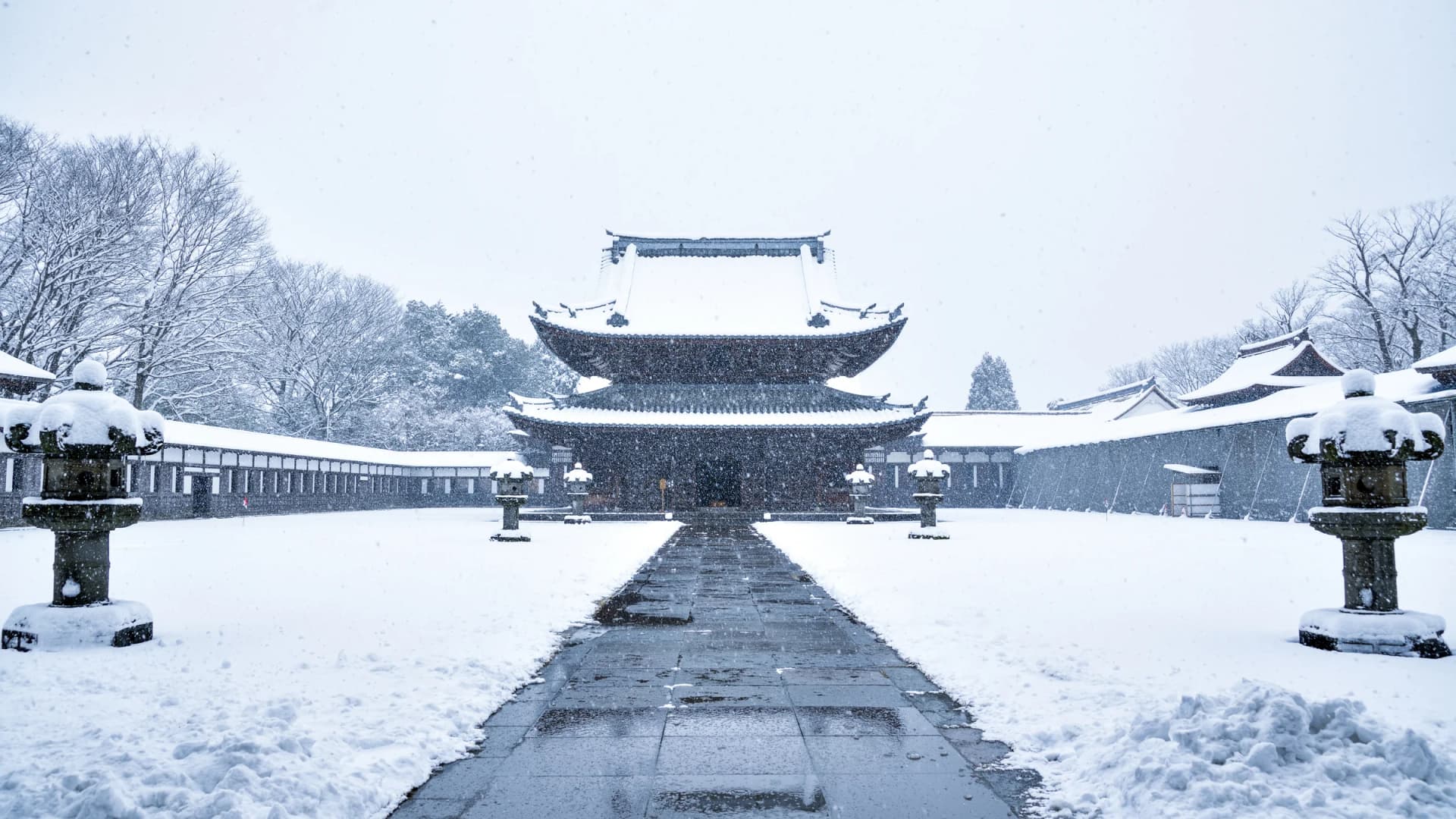
Zuiryuji Temple
A 17th-century Soto-school Buddhist temple in Takaoka houses several buildings designated as national treasures and important cultural properties.
Takaoka · Toyama
Hina Doll Festival of the Owari Tokugawa Family
A seasonal tradition showcases rare Hina dolls passed down through the Owari Tokugawa family, dressed in historically accurate court attire.
7 Feb – 5 Apr 2027Nagoya · Aichi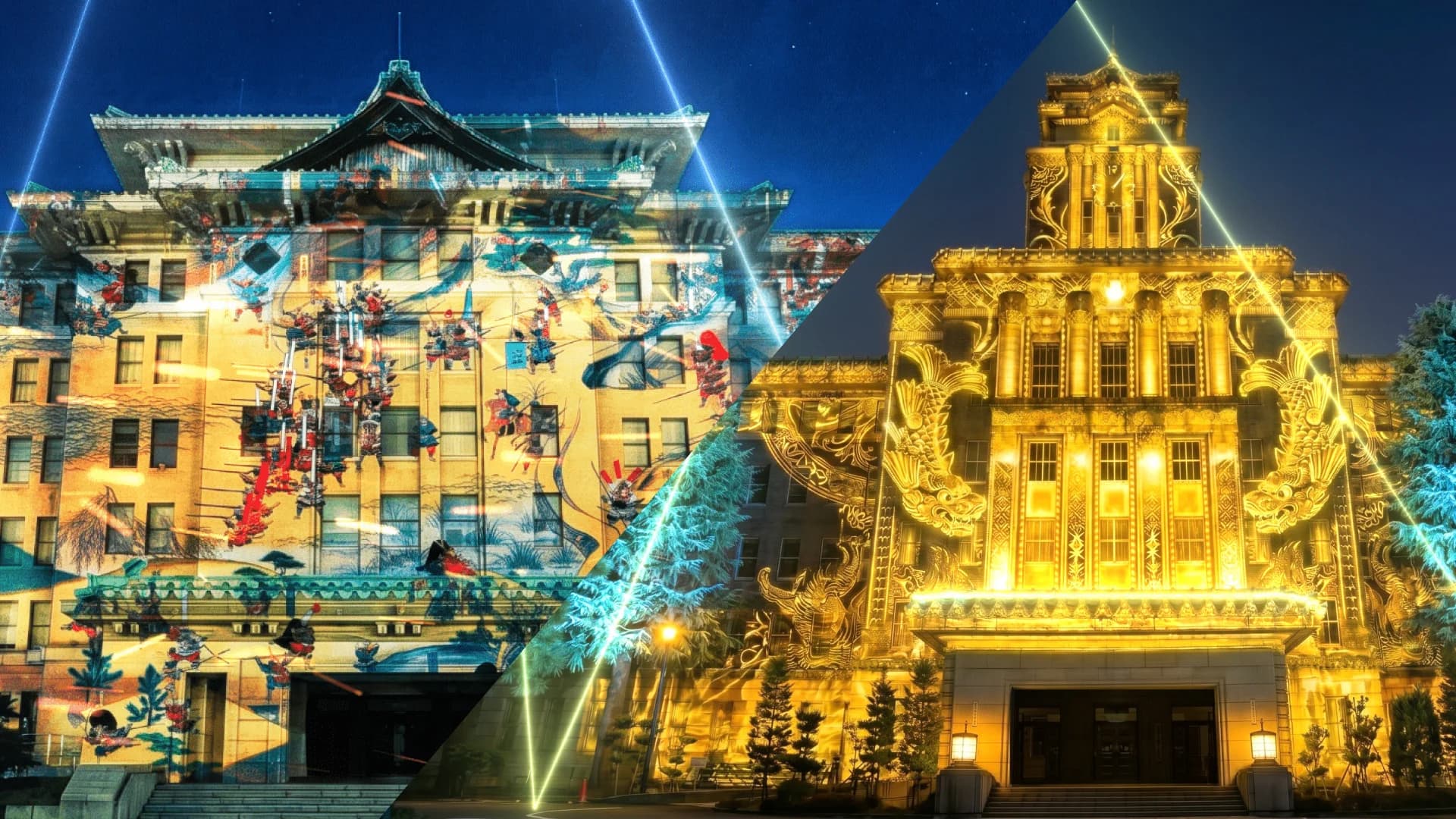
Aichi Nagoya Art & Lights
A free after-dark light show projecting digital art onto two of Nagoya's historic "imperial crown style" civic landmarks, near Nagoya Castle.
17 Sep – 24 Oct 2026Nagoya · Aichi
Takaoka Mikuruma-yama Festival
A traditional spring festival in Takaoka features ornate wheeled floats originating from a 16th-century court carriage.
1 May 2027Takaoka · Toyama