

Kyoto Railway Museum
京都鉄道博物館
A railway museum with 53 historic trains spanning 130 years of Japan's railway history, from the first imported steam locomotive to modern shinkansen.

Closed on Wednesdays; Last admission 16:30
Located in Shimogyo Ward, this expansive facility opened in April 2016 as a modernized expansion of the former Umekoji Steam Locomotive Museum, which had operated on the same site since 1972.
Spanning approximately 31,000 square metres across three floors, the museum showcases 53 historically significant railway vehicles. The collection spans over 130 years of train history in Japan, reaching back to Yoshitsune, the very first steam locomotive imported from the USA. Visitors can explore steam engines, diesel locomotives, electric trains, and multiple generations of shinkansen bullet trains.
The ground floor serves as the main exhibition space, displaying full-sized trains that visitors can examine up close. Visitors can walk underneath and observe the inner workings of a retired freight locomotive. Notable exhibits include the Series 0 Shinkansen from 1964, which revolutionized high-speed rail travel, and the Series 500 Shinkansen, which held the world speed record at 300 kilometres per hour in 1996.
Outside the main building stands the historic roundhouse, built in 1914 and designated as an Important Cultural Property. This structure features 20 tracks surrounding a turntable and holds 15 steam locomotives dating from the 19th and early 20th centuries. It represents the oldest reinforced-concrete car shed still standing in Japan.
One of the museum's most popular attractions is the SL Steam ride. Visitors can ride in passenger cars pulled by actual steam locomotives on a 1 kilometre round-trip lasting about 10 minutes. This experience operates daily from 11:00 to 16:00 and requires a separate ticket purchased at the boarding platform.
The second floor features interactive exhibits, including train driving simulators that replicate equipment used for actual driver training. The railway diorama measures roughly 300 square metres, is operated by an attendant, and features model trains at approximately 1/80th scale. A special viewing area allows children to watch the model trains up close from inside the diorama space.
The third floor offers the Sky Terrace, an open-air observation deck providing panoramic views of Kyoto. Visitors can watch trains running on the JR Kyoto Line and Tokaido Shinkansen tracks below, while taking in views of Kyoto Tower, Toji Temple, and the Higashiyama mountains.
The museum preserves the former Nijo Station building, built in 1904 and recognized as one of Japan's oldest wooden station houses. Now serving as the museum exit, it houses a museum shop and stands as a designated Kyoto City tangible cultural asset.
Family amenities include a Kids Park play area, nursing rooms, stroller parking, coin lockers, and a restaurant on the second floor with views of passing trains. Railway-themed bento boxes are available, and some rest areas are housed within converted train carriages.
Visitors can also ride rail bicycles actually used to inspect railway tracks, experiencing the work of track maintenance crews. Multilingual support is available through QR codes throughout the museum, offering explanations in English, Chinese, and Korean.
The museum sits within Umekoji Park, adjacent to Kyoto Aquarium, making it convenient to combine both attractions in a single visit.
Places nearby

Future Train Kyoto Diner & Cafe
Future Train on Kyoto's Umekoji viaduct is Japan's first restaurant on a disused railway, featuring a repurposed Limited Express Thunderbird train car.
Kyoto · Kyoto
Kyoto Seishu Netsuke Art Museum
Museum dedicated to netsuke miniature sculpture, housing over 6,000 pieces with rotating exhibitions showcasing this refined Japanese art form.
Kyoto · Kyoto
teamLab Bio Vortex Kyoto
Discover teamLab Biovortex Kyoto's living art museum. Walk through responsive digital worlds where you become part of the artwork. Explore today.
Kyoto · KyotoYou might also like

KYOTO NIPPON FESTIVAL
Kyoto Nippon Festival transforms Kitano Tenmangū shrine with large-scale art installations and immersive dance performance featuring artist Mika Ninagawa and collaborative works.
1 Feb – 24 May 2027Kyoto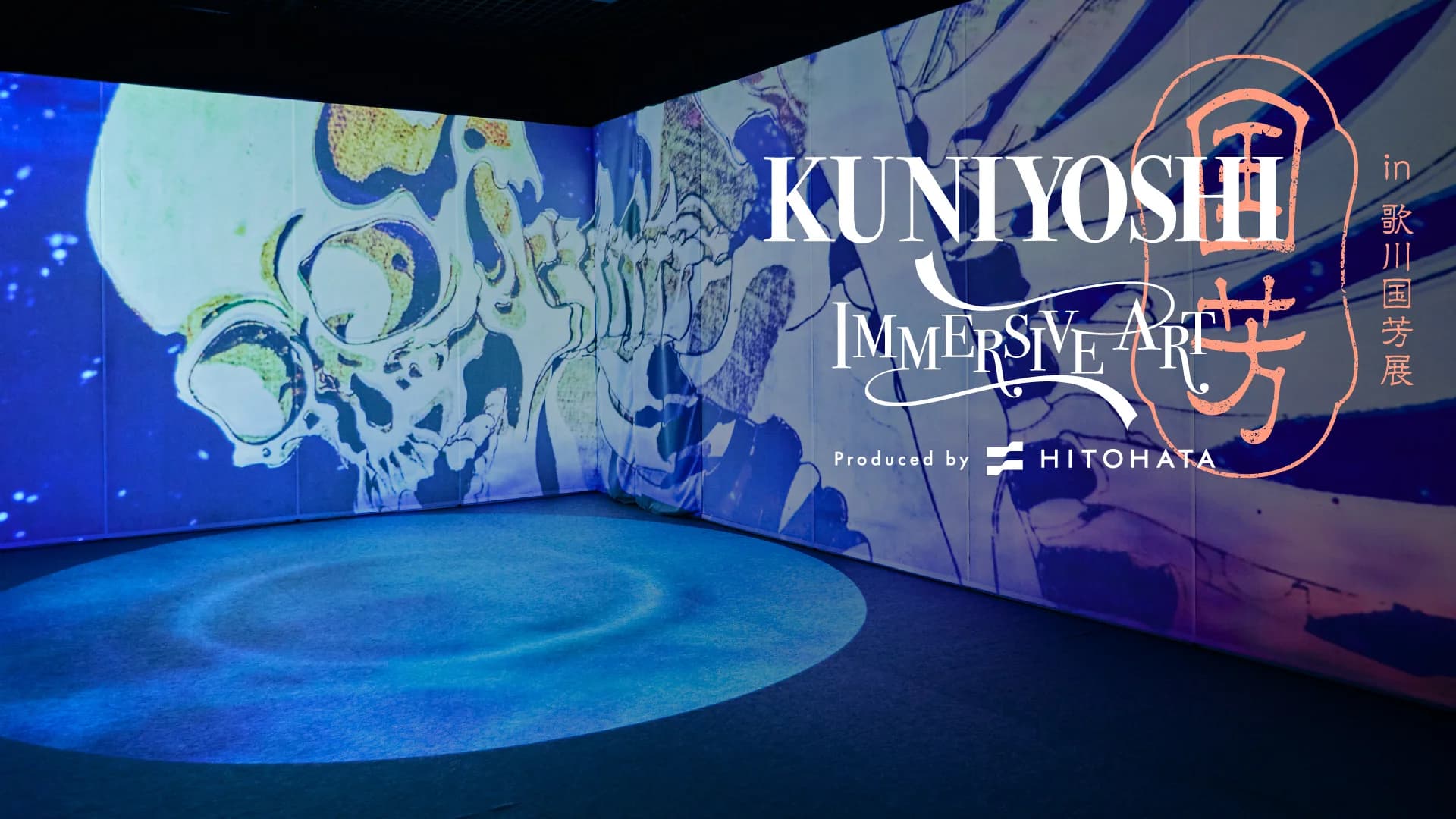
KUNIYOSHI IMMERSIVE ART in Utagawa Kuniyoshi Exhibition
An immersive exhibition explores an Edo-era artist who mastered warrior prints, portraits, landscapes, and satirical works, refusing confinement to a single artistic genre.
18 Jul – 23 Sep 2026Kyoto
Kyoto International Manga Museum
Founded in 2003, this museum houses 300,000 manga items from Edo-period prints to contemporary series, with permanent exhibitions and workshops on manga's cultural evolution.
Kyoto
Kaikai Yokai Festival
Toei Kyoto Studio Park brings Japanese yokai legends to life with parades, interactive dance experiences, workshops, and exhibitions celebrating supernatural folklore.
12 Sep – 29 Nov 2026Kyoto
Jotenkaku Museum
Kyoto museum founded to preserve Zen culture, holding five National Treasures and 145 Important Cultural Properties in historic settings.
Kyoto
Toei Kyoto Studio Park
This working film studio's theme park offers authentic period-drama settings and the chance to watch real productions on historic full-scale sets.
Kyoto