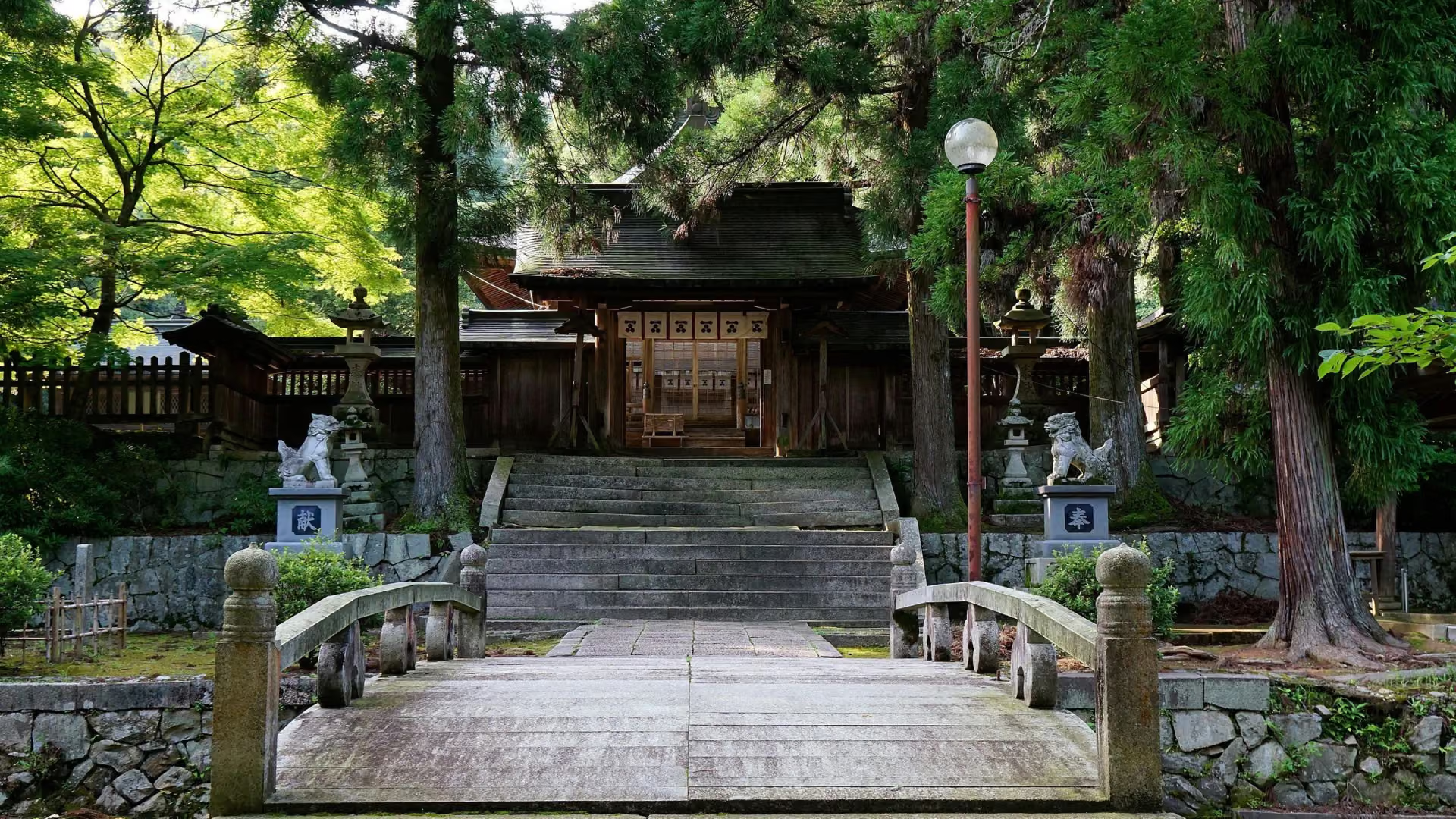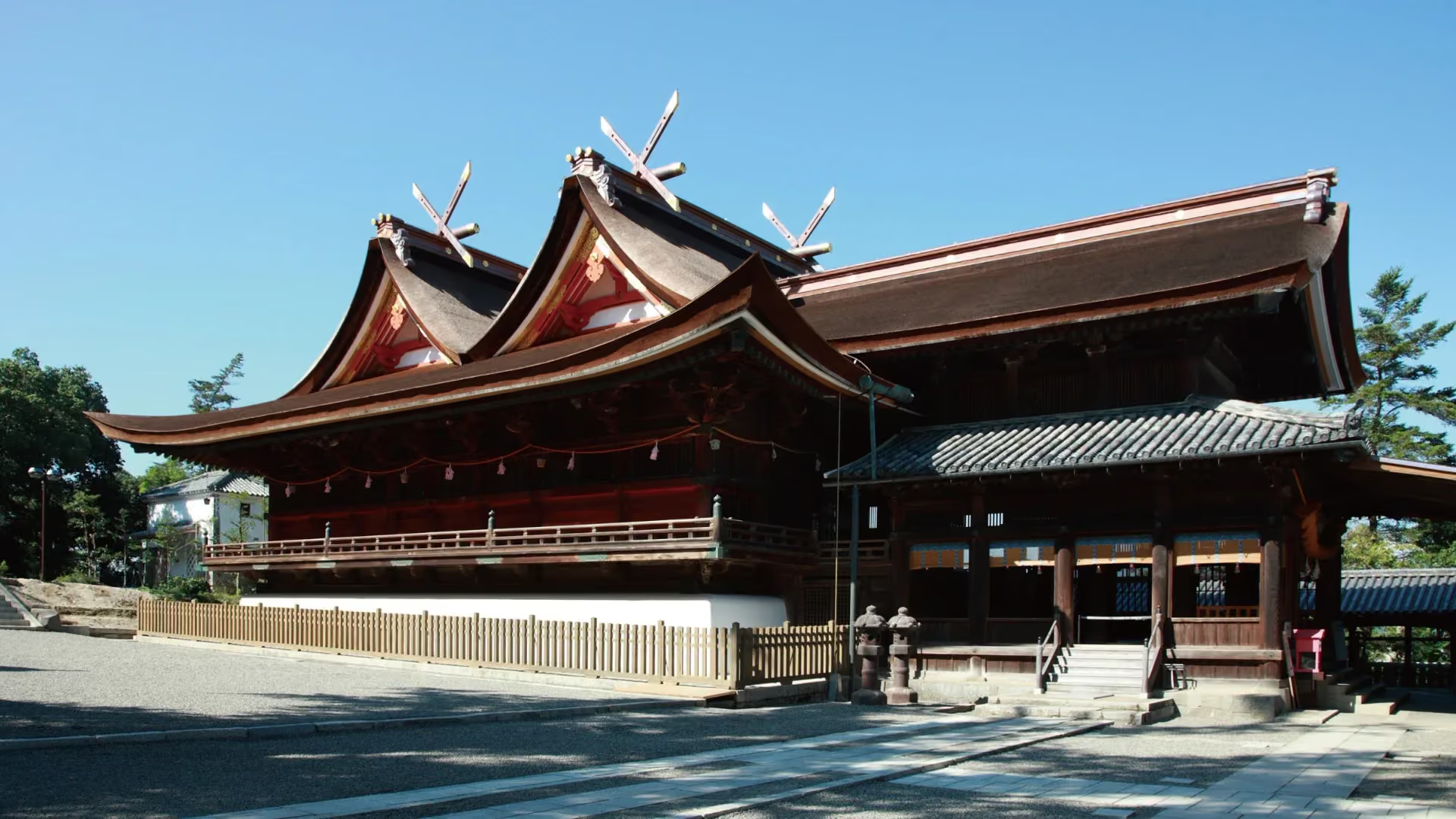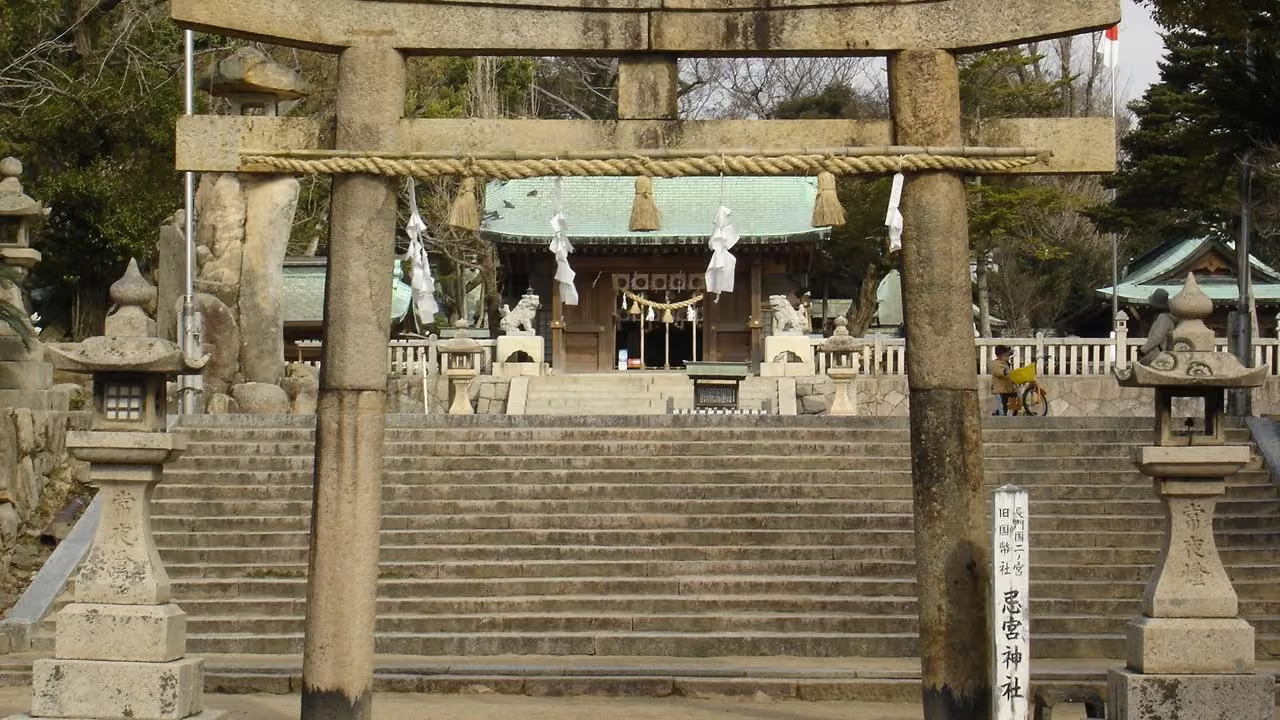
Iminomiya Shrine
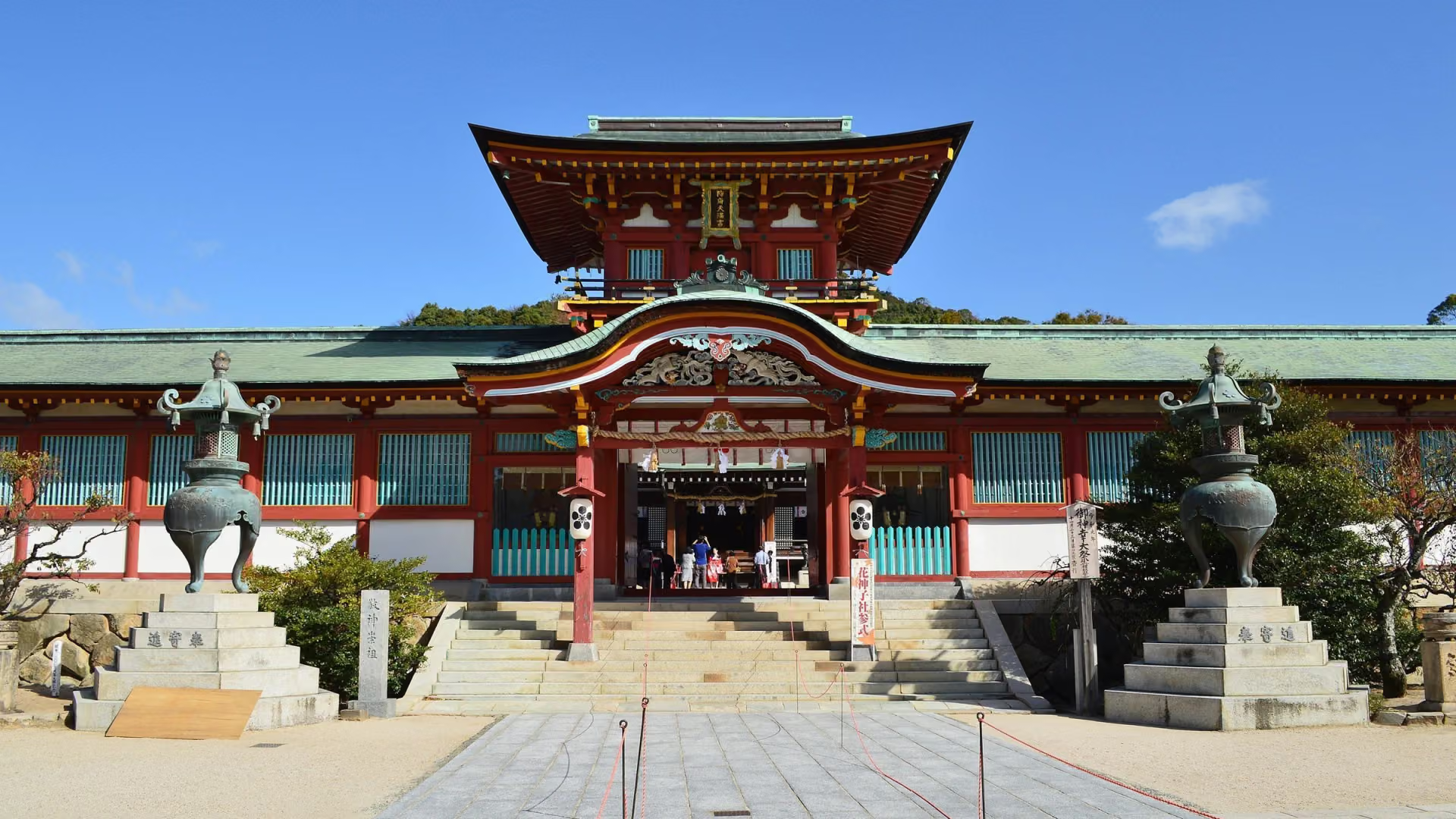
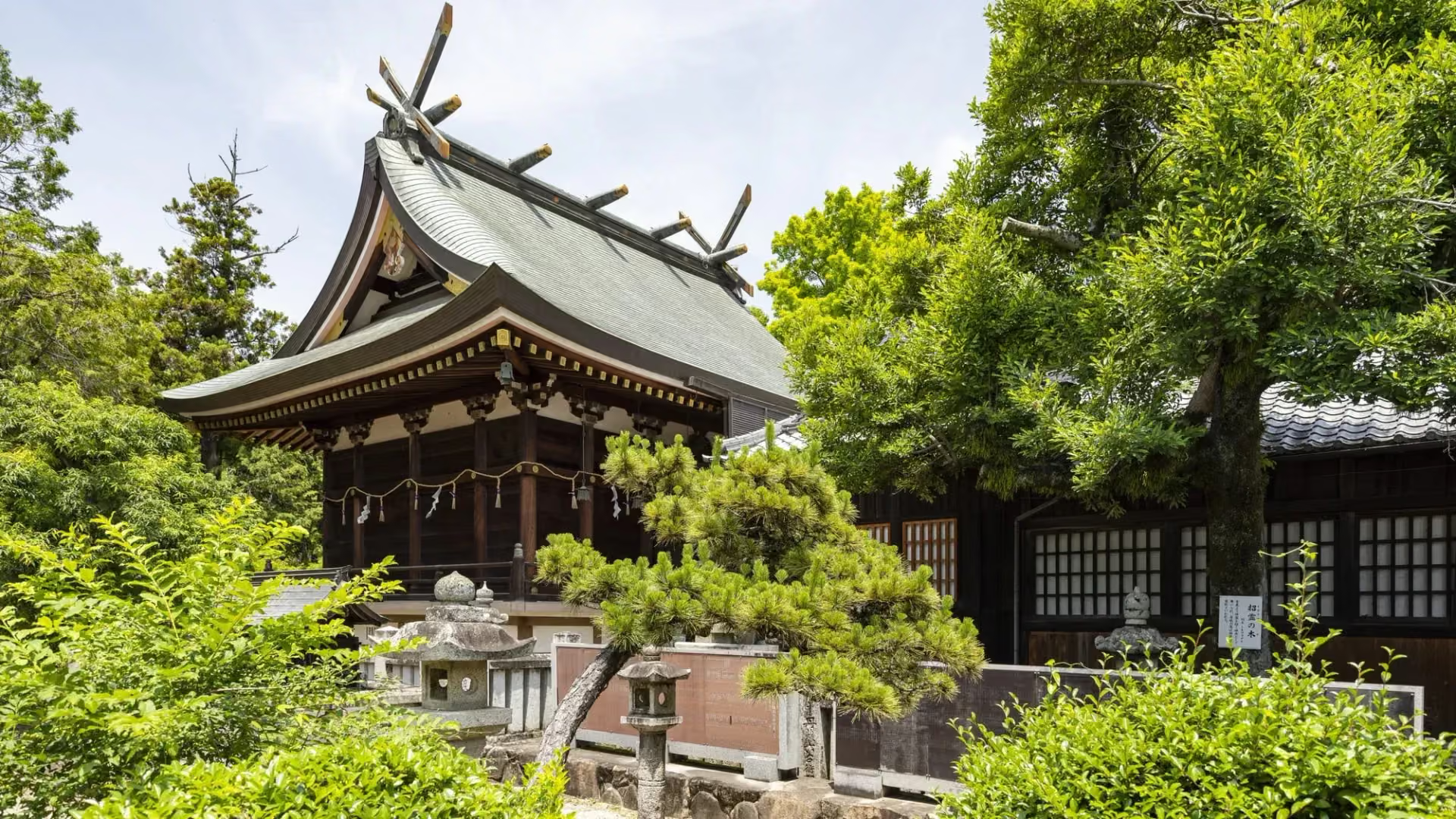
Western Japan's oldest shrine with an 1,800-year legacy, built where Emperor Chuai's palace stood and his spirit was enshrined by Empress Jingu.
Shimonoseki · Yamaguchi

Shrines, museums, parks, and the spots in between, with the access details worked out.
Western Japan's oldest shrine with an 1,800-year legacy, built where Emperor Chuai's palace stood and his spirit was enshrined by Empress Jingu.
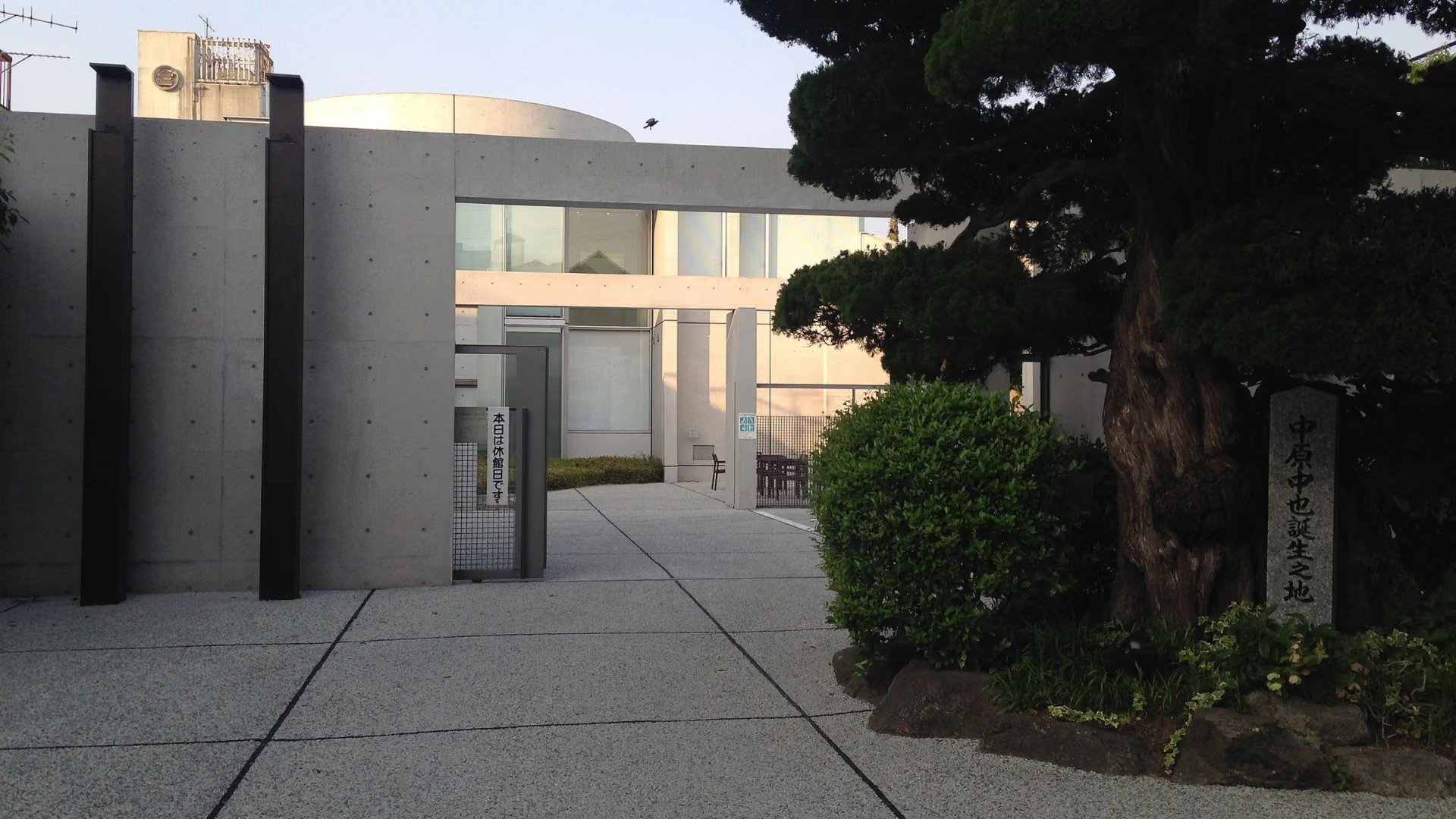
Shimonoseki · YamaguchiMuseum honoring the poet Nakahara Chuya with permanent and rotating exhibitions exploring different aspects of his literary legacy.
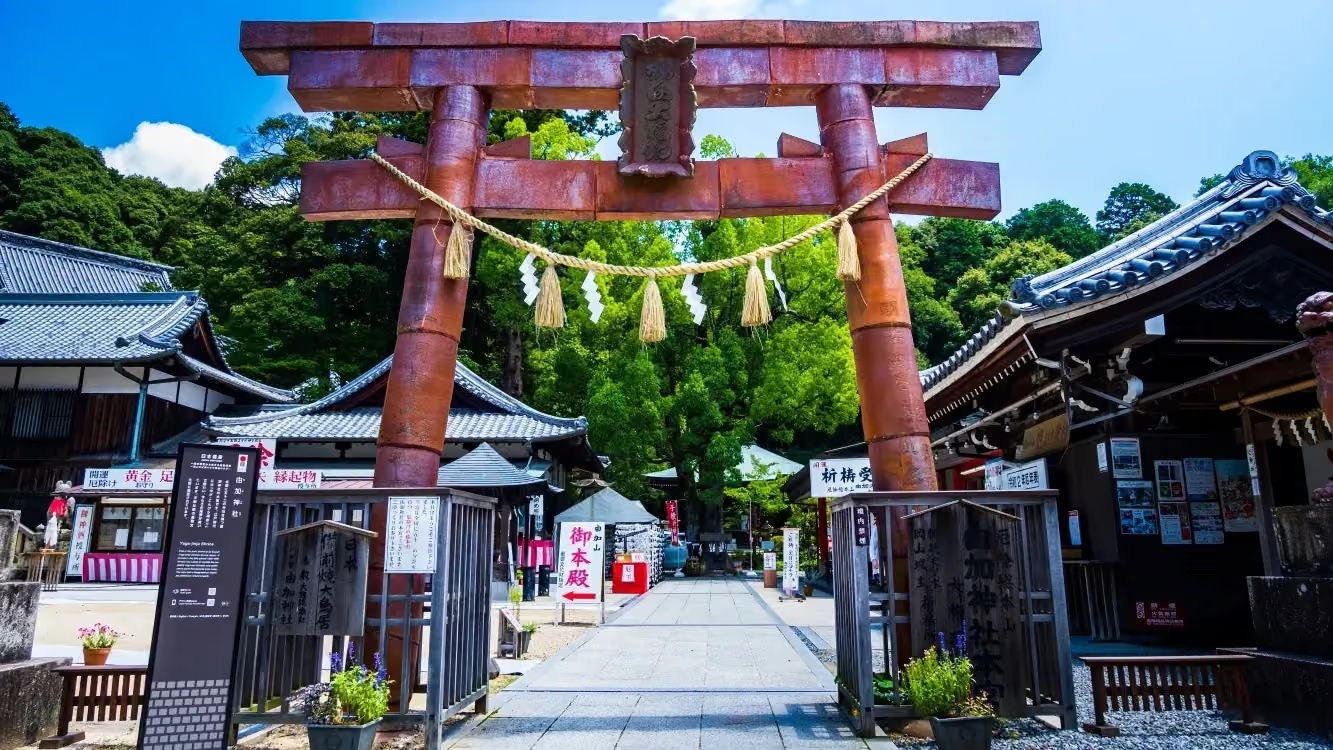
YamaguchiSacred mountain shrine in Okayama with more than two thousand years of history, blending Shinto and Buddhist practices as a centre of pilgrimage.
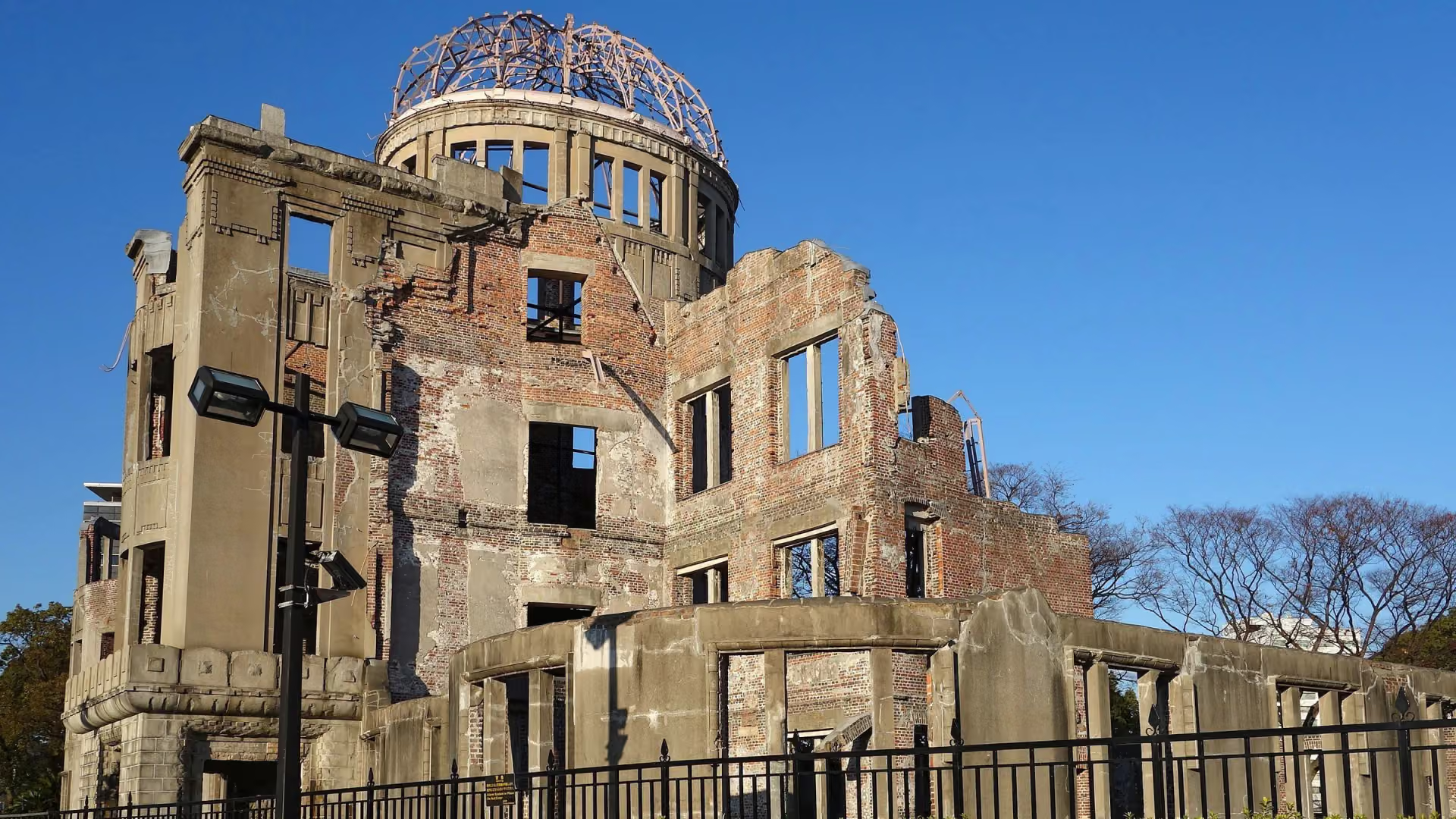
Kurashiki · OkayamaThe ruin of the former Hiroshima Prefectural Industrial Promotion Hall, about 160 meters from the hypocenter of the 1945 atomic bomb. A World Heritage Site.
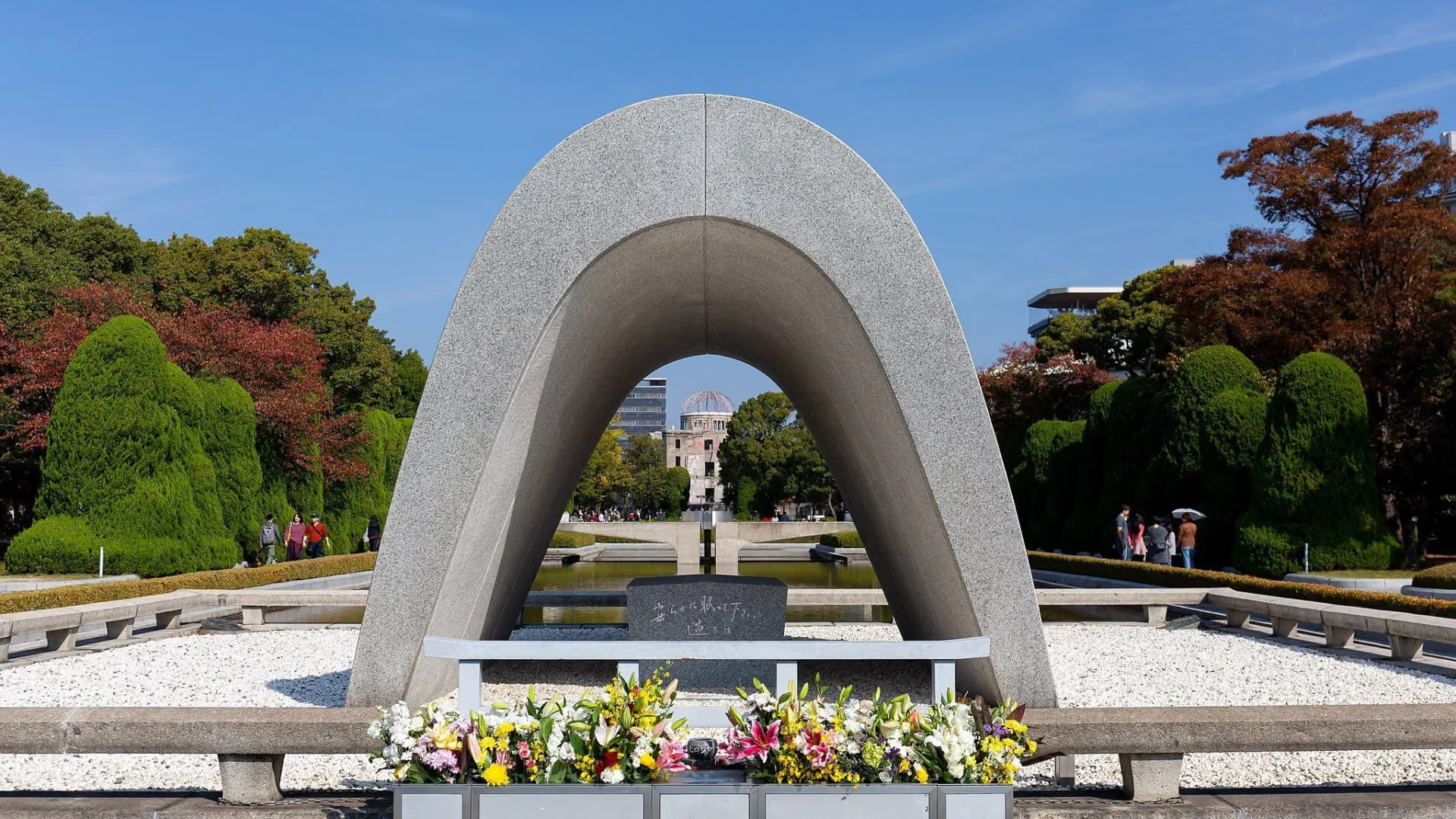
HiroshimaHiroshima park honouring victims of the 1945 atomic bombing, with the Atomic Bomb Dome, the sole building still standing near ground zero, and a museum.
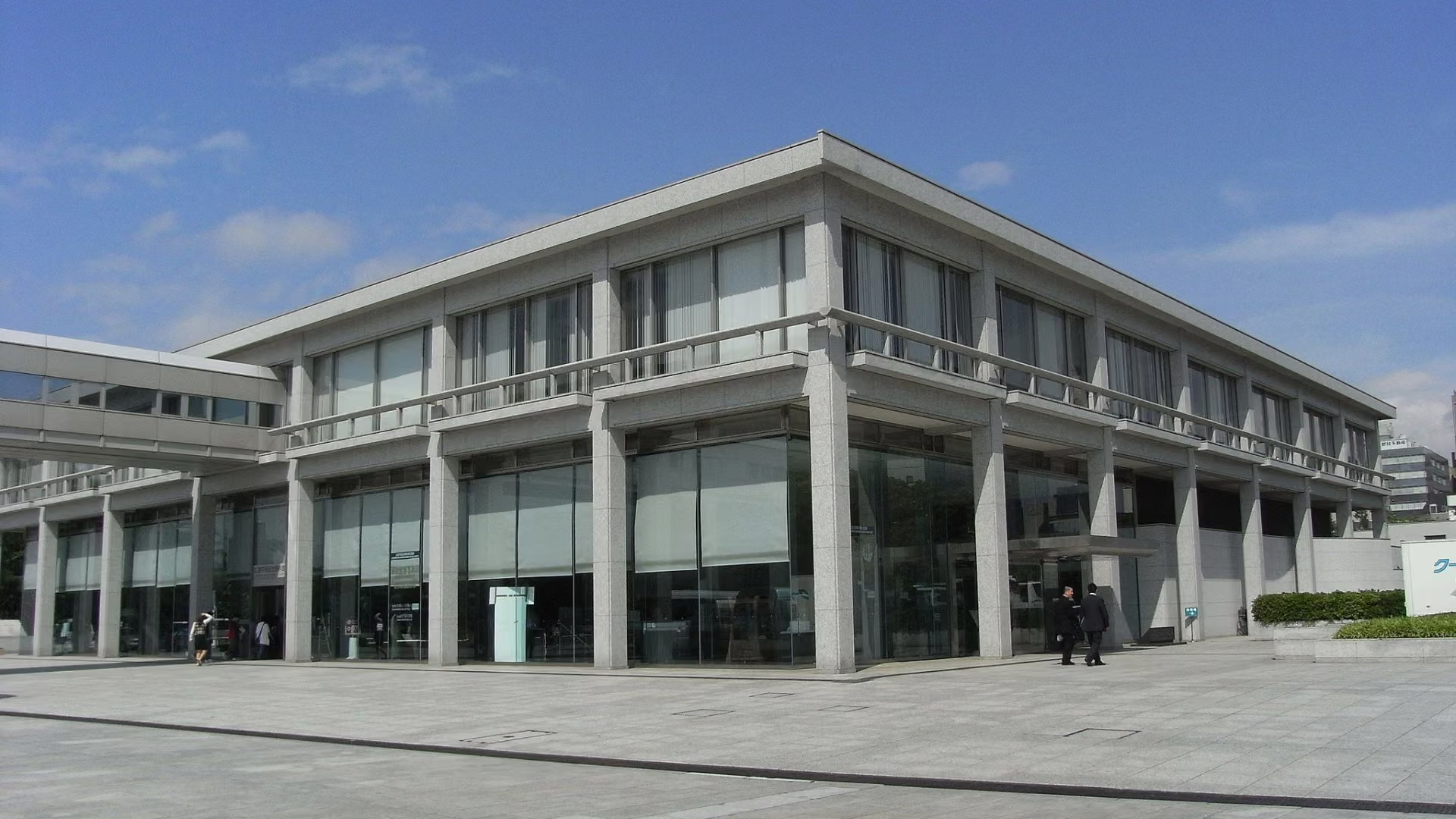
HiroshimaThe museum of the 1945 atomic bombing of Hiroshima, in a Main Building by Kenzo Tange that is an Important Cultural Property and an East Building from 1994.
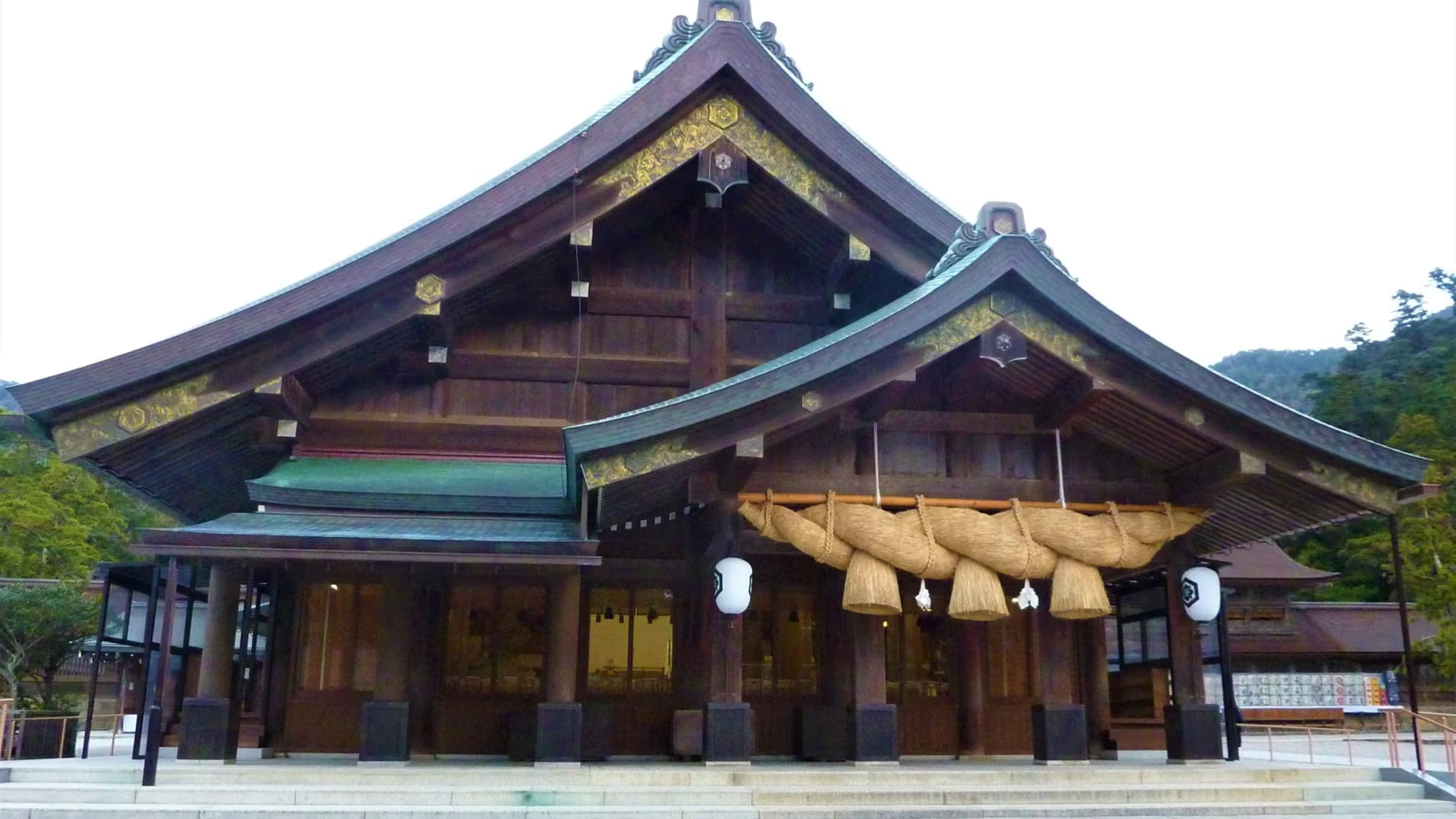
HiroshimaOne of Japan's oldest Shinto shrines, dedicated to Okuninushi no Okami, deity of nation-building, agriculture and relationships, with a huge shimenawa rope.
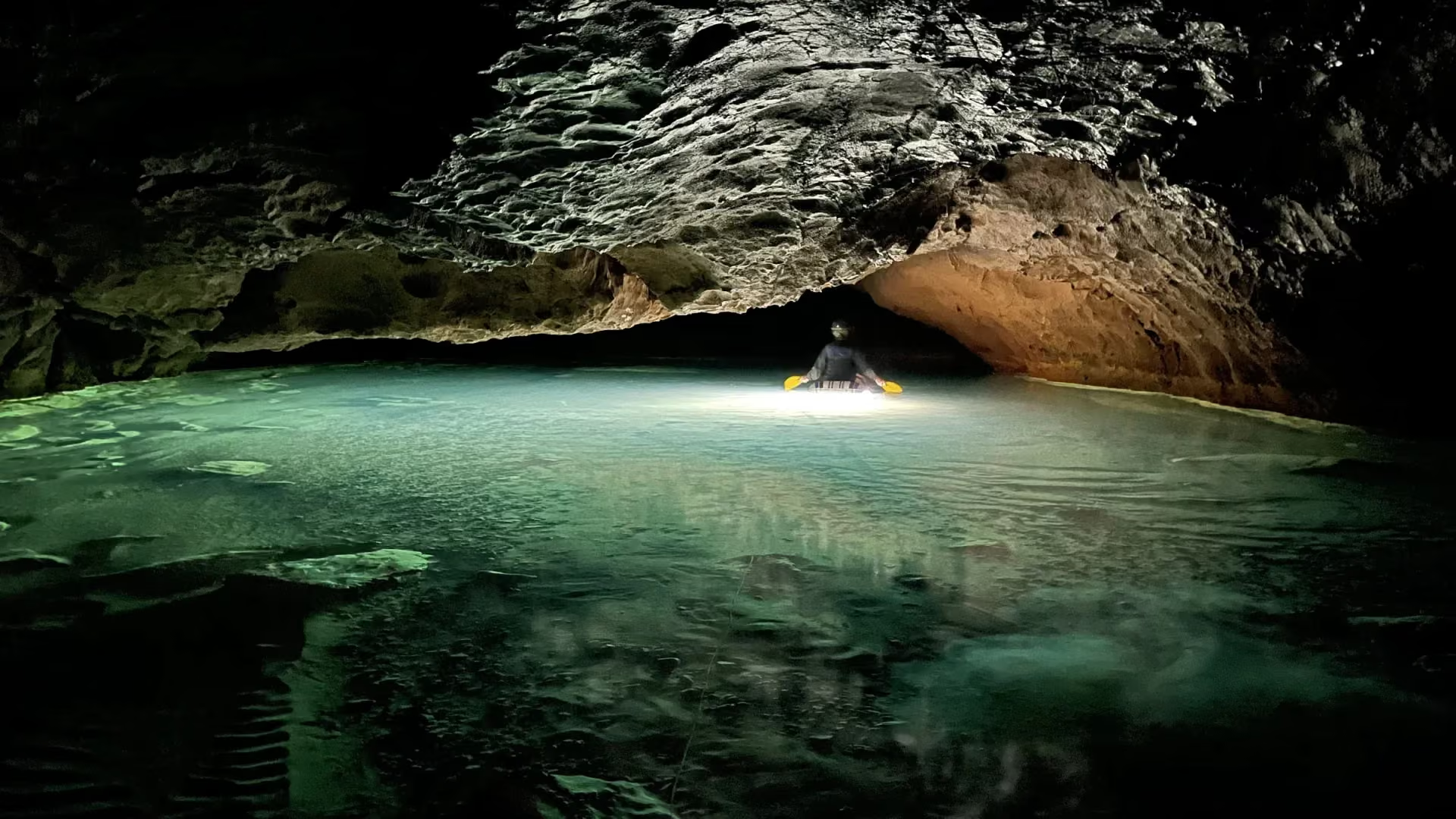
Izumo · ShimaneA limestone cave under the Akiyoshidai karst plateau in Yamaguchi, a Special Natural Monument with a one-kilometre route and a steady 17 degrees.
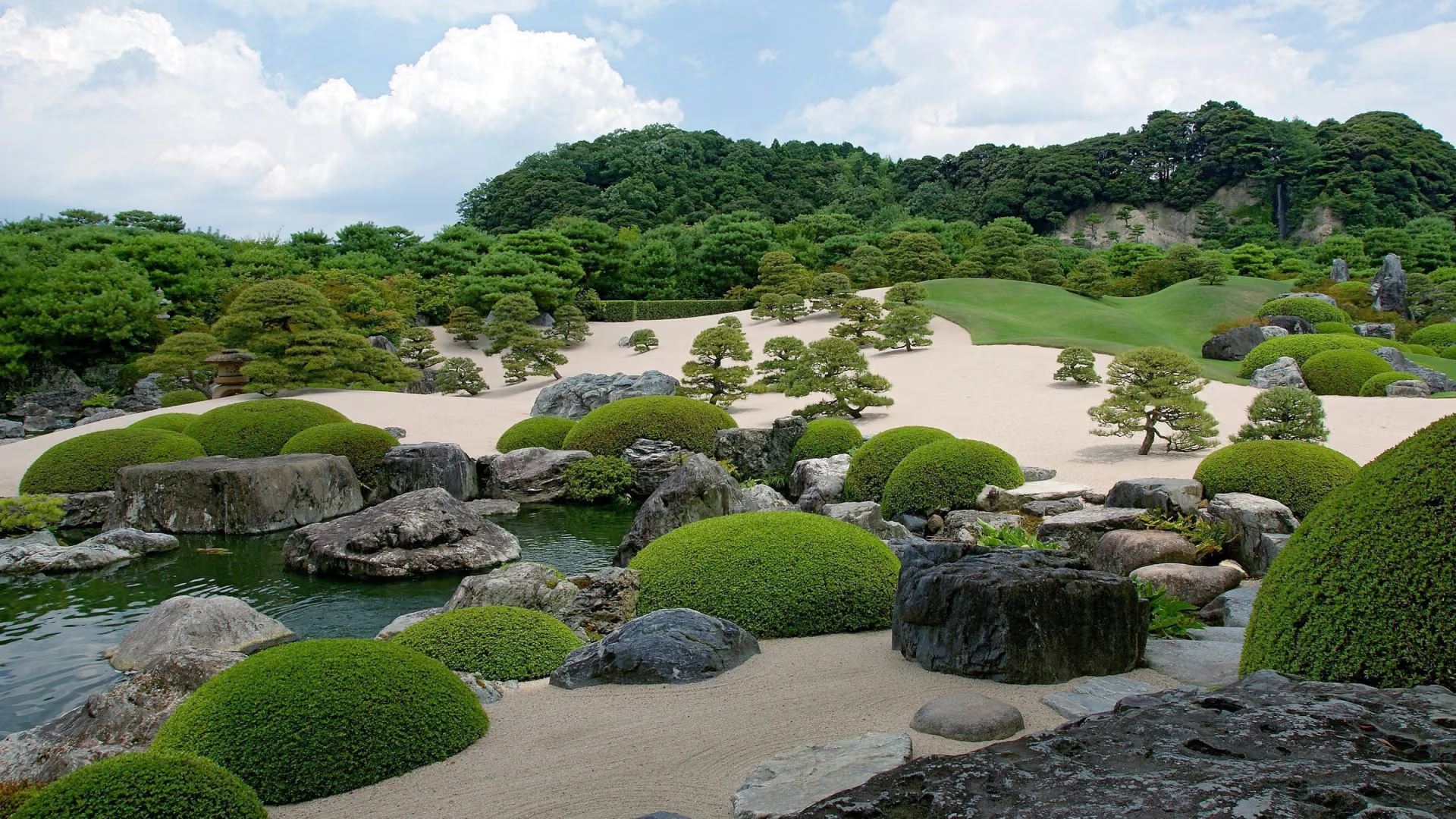
Mine · YamaguchiArt museum in Yasugi, Shimane, known for its Yokoyama Taikan collection and for gardens ranked first in Japan for 23 consecutive years.
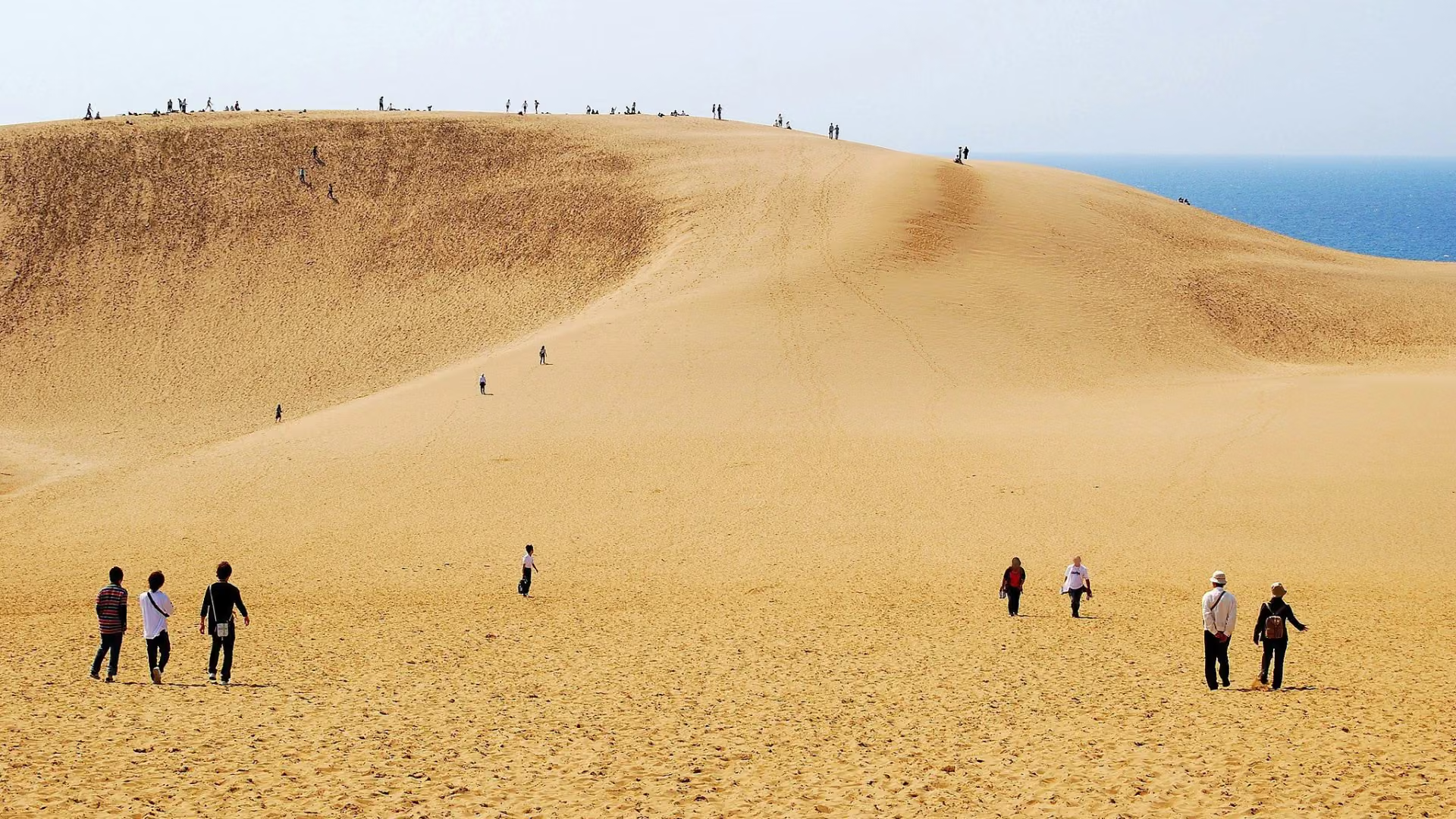
Yasugi · ShimaneCoastal sand dunes on the Sea of Japan in Tottori, about 16 kilometres long, with wind-shaped ridges, sand ripples and layers of volcanic ash.
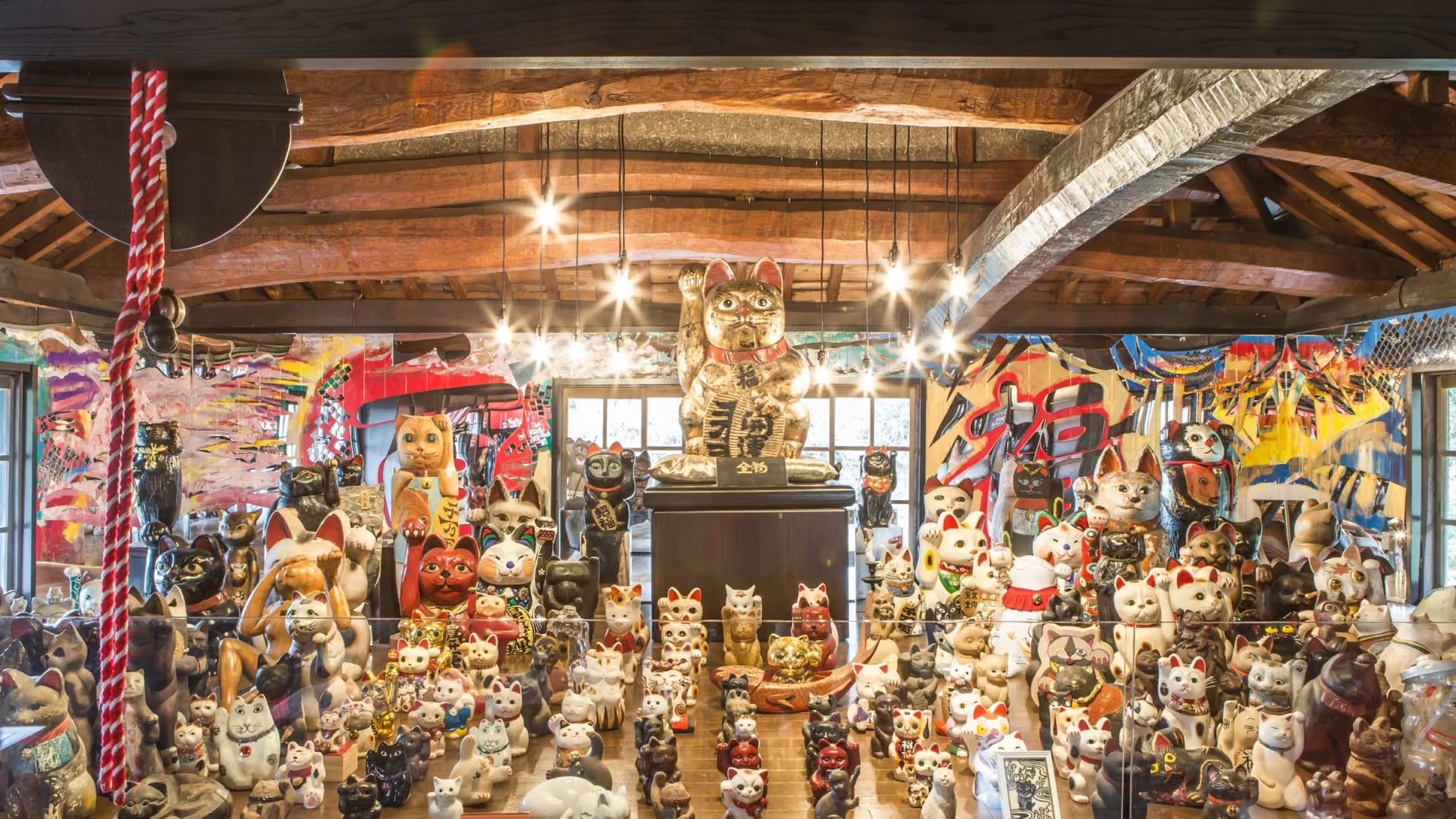
TottoriJapan's first museum devoted to the maneki neko, the beckoning cat, with about 800 figures from the Meiji era to the present and a painting workshop.
OkayamaIwami Ginzan, Japan's largest silver mine, ran from 1526 to 1923 and produced a third of the world's silver at its peak. UNESCO World Heritage since 2007.
Oda · ShimaneYamaguchi shrine dedicated to Mori Motonari, the Sengoku-period warlord who unified the Chugoku region and established the powerful Mori clan.
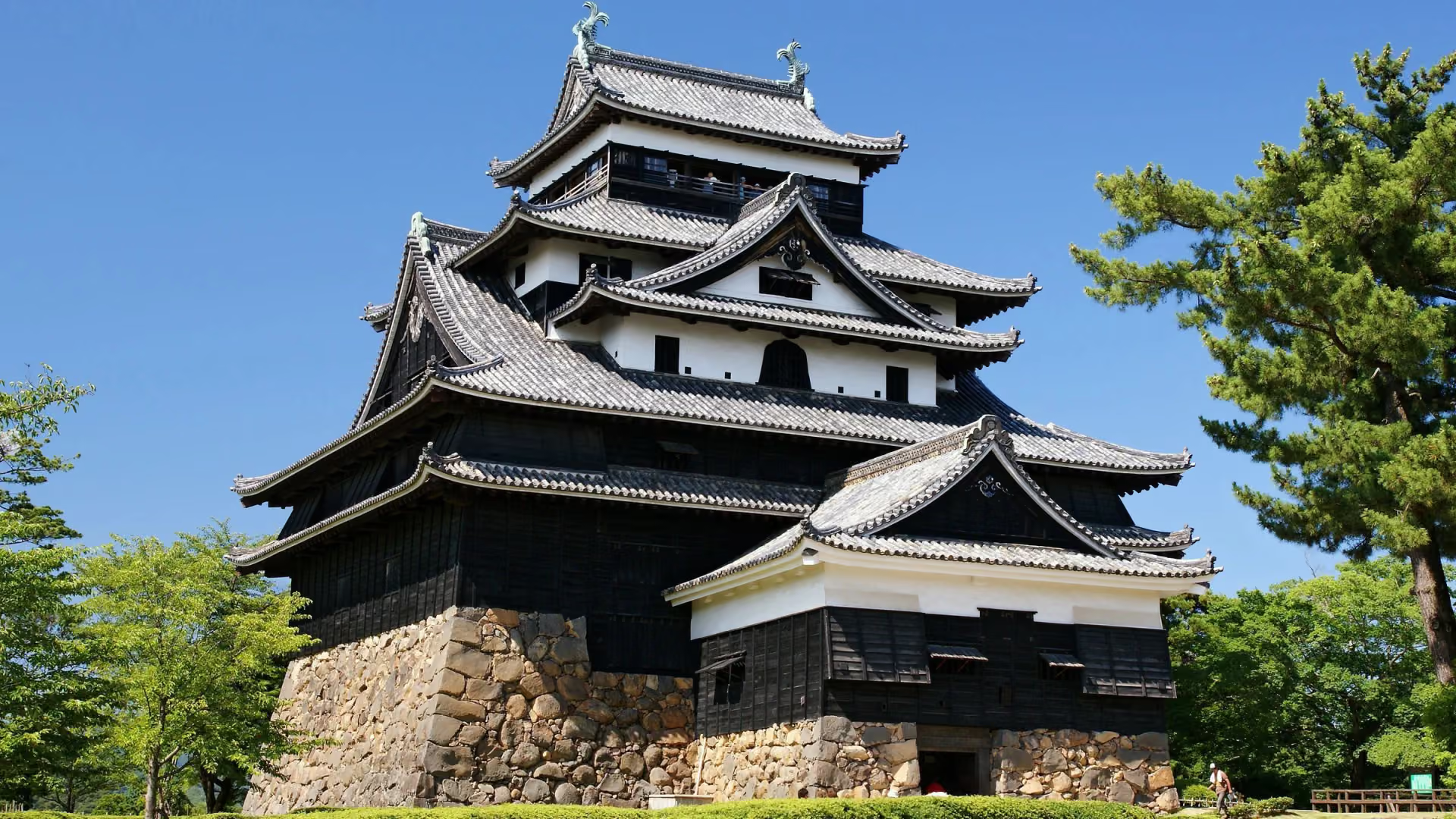
YamaguchiOriginal wooden fortress built 1607-1611, one of Japan's few surviving castles and one of the Three Great Lake Castles in its architectural category.
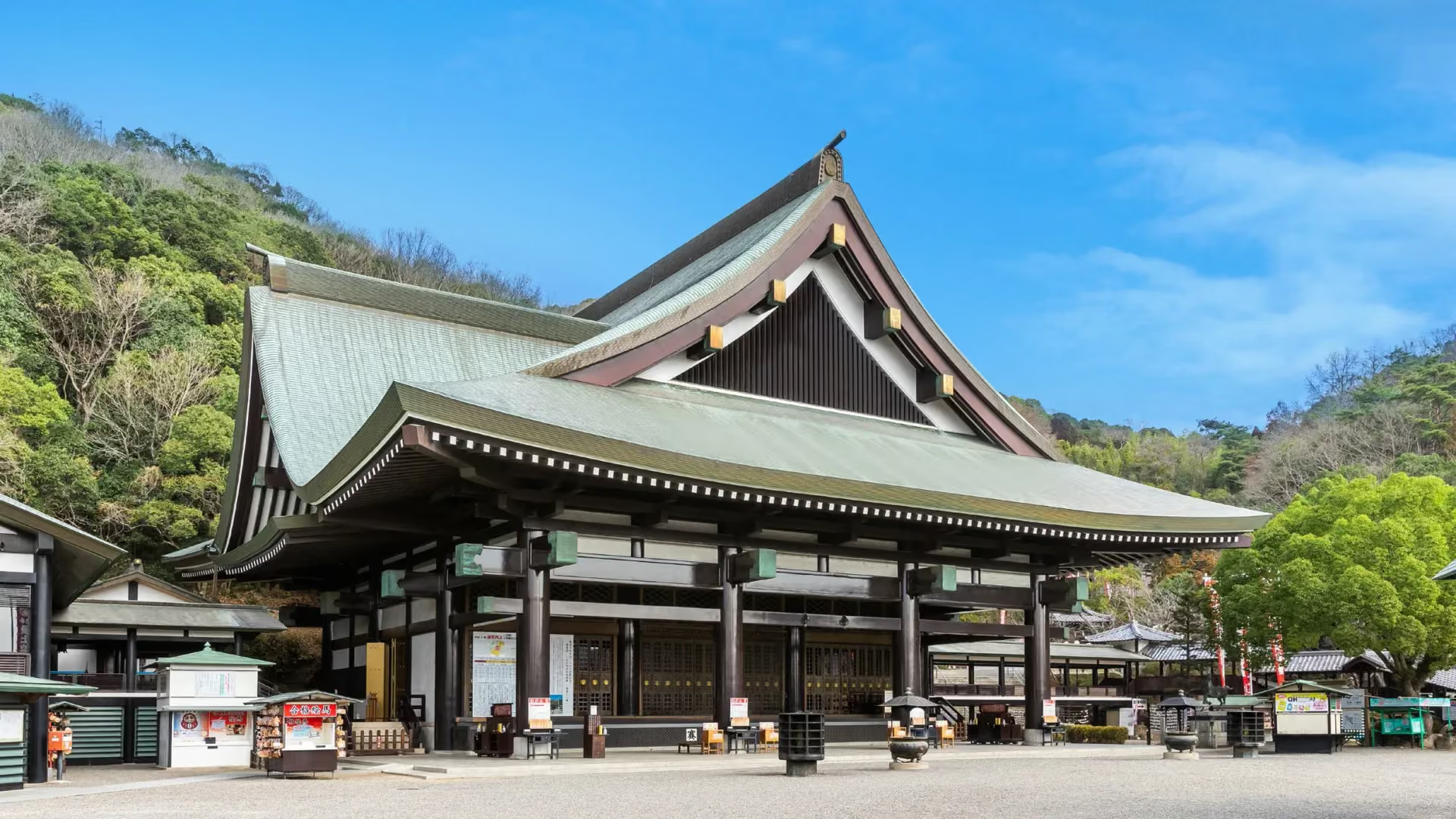
Matsue · ShimaneShrine in Hofu founded in 904 for Tenjin, the deified scholar and poet Sugawara no Michizane, with a single building that houses all its main sanctuaries.
Hofu · YamaguchiSaijo Inari is a 1,200-year-old Buddhist temple and one of Japan's three great Inari sites, preserving a rare form of Shinto-Buddhist syncretic worship.
OkayamaBitchukoku Soja Shrine consolidated deities of 324 provincial shrines into a single site dedicated to the deity of nation-building and good fortune.
Soja · OkayamaOkayama shrine to Kibitsuhiko-no-Mikoto, a legendary prince said to have defeated an ogre and brought peace to the region, the root of the Momotaro story.
Okayama