Yokohama Doll Museum
横浜人形の家
Yokohama Doll Museum houses more than 10,000 dolls from over 100 countries, offering visitors a unique view of global traditions through doll-making.

Closed on Mondays (or the following day if Monday falls on a public holiday)
〒 231-0023How to get there
元町・中華街Minatomirai Line2 min walk from the station
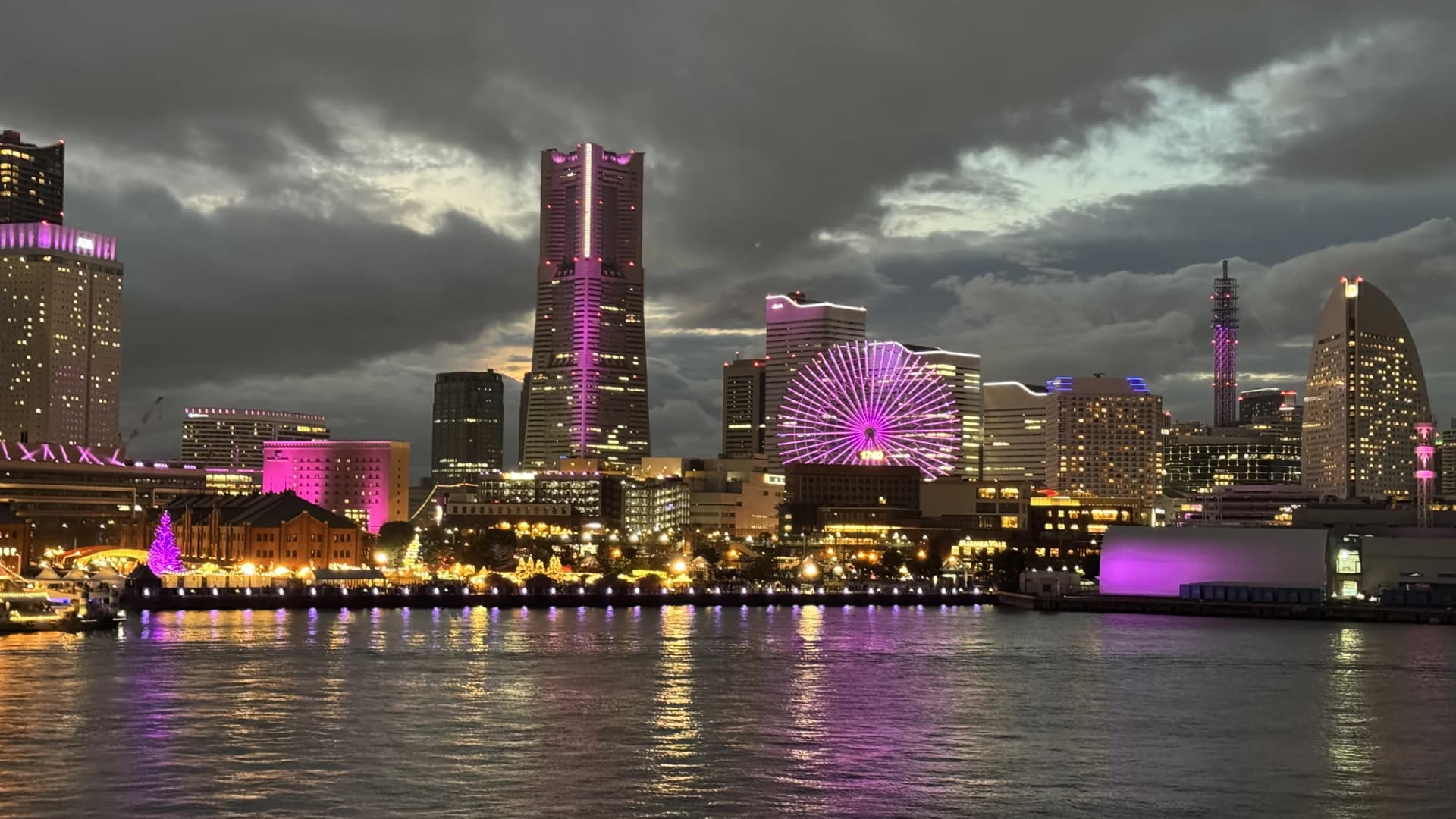
Located in Yokohama’s Minato Mirai area, the Yokohama Doll Museum is a specialized cultural institution dedicated entirely to dolls. Housing more than 10,000 dolls from over 100 countries, the museum offers visitors a unique opportunity to explore global traditions, history, and everyday life through the art of doll-making. Its exhibitions are designed to be engaging and approachable, encouraging visitors not only to observe but also to interact, reflect, and discover something new with each visit.
The museum traces its beginnings to the late Hideko Ono, a pioneering figure in modern Japanese history and the country’s first professional female interpreter. In 1978, Ono donated nearly 2,000 dolls from her personal collection to the City of Yokohama. These dolls, gathered during her international travels, reflected her fascination with how local cultures and customs were expressed through handmade figures.
After her career as an interpreter, Ono worked as secretary and interpreter to Kokichi Mikimoto, founder of Mikimoto Pearls, and later opened her own pearl shop in Yokohama, earning the nickname “Pearl Queen of Yokohama”. As her doll collection continued to grow through further donations — including a significant contribution from Masui Ota — the need for a dedicated space became clear. In 1986, the museum opened at its current purpose-built location, transforming what had once been a tourist bus parking area into a cultural landmark.
A Diverse and Significant Collection
Today, the Yokohama Doll Museum is recognized as one of Japan’s most comprehensive doll collections. The museum’s holdings include traditional Japanese dolls as well as dolls from every corner of the world, offering insight into regional customs, clothing, rituals, and social history. Through these artifacts, visitors can trace how dolls have been used for ceremonial, artistic, educational, and playful purposes across different cultures and time periods.
The collection also features works by renowned Japanese doll artists, including Goyo Hirata, designated a Living National Treasure in 1955, along with other masters such as Juzo Kagoshima and Ryujo Hori. These pieces highlight the artistic and technical depth of Japanese doll-making as a fine art.
Exhibitions and Contemporary Perspectives
In addition to its permanent displays, the museum hosts approximately six special exhibitions each year. These often explore popular figures, character-based works, and themes drawn from contemporary culture. By incorporating elements of animation, character toys, and figurines commonly associated with “Cool Japan”, the museum presents a broader view of what modern doll culture can be, connecting traditional craftsmanship with current creative trends.
A Living Cultural Space
Beyond its exhibitions, the Yokohama Doll Museum plays an active role in cultural preservation and education. It safeguards dolls donated by citizens, contributing to the continuation of both local and national heritage. Through hands-on programs such as puppet theatre performances and doll-making workshops, the museum supports creative learning and encourages engagement across generations.
Recognising its cultural and educational importance, the museum was officially designated a public facility in 2016. Today, it stands as a place where history, artistry, and play intersect, offering visitors of all ages a deeper understanding of the world through the enduring appeal of dolls.
In addition to one-time admission tickets, the Annual Passport offers excellent value, allowing unlimited admission to the museum for one year. Prices are ¥1,200 for adults (high school students and older) and ¥600 for children (elementary and junior high school students).
What's on here
| Date | Event | Details |
|---|---|---|
| January 2027 | ||
| 30 Jan – 15 Feb 2027Date to be confirmed | Yokohama Doll Museum's Hinamatsuri | |
Getting There

Planning a trip? Fit this into a trip and Oni plans the rest around it.
Places nearby

Yokohama Marine Tower
A 106-meter red-and-white lighthouse built in 1961, offering an observation deck with panoramic views of Yokohama Harbor, the skyline, and distant Mt. Fuji on clear days.
Yokohama · Kanagawa
Future Rose Garden
This renovated rose garden in Yokohama's Yamashita Park features nearly 1,900 plants selected for disease resistance and year-round interest.
Yokohama · Kanagawa
NYK Hikawa Maru
Historic ocean liner from 1930 with Art Deco design that carried passengers between Yokohama and North America, served as a wartime hospital ship, and now operates as a museum.
Yokohama · KanagawaYou might also like

Shin-Yokohama Ramen Museum
Opened in 1994 as the world's first ramen-themed food amusement park, this museum gathers famous ramen shops from across Japan in a single location.
Yokohama · Kanagawa
Japan Open-Air Folk House Museum
An open-air museum in Kawasaki with 25 traditional Japanese houses relocated from across the country, plus indigo-dyeing sessions, a soba restaurant, and craft displays.
Kawasaki · Kanagawa
The Hakone Open-Air Museum
The Hakone Open-Air Museum, Hakone, Kanagawa, opened in 1969 as Japan's first open-air museum, with around 120 sculptures set across 70,000 square metres and a Picasso Pavilion.
Hakone · Kanagawa
"ALL OF EVANGELION" 30th Anniversary Exhibition – Osaka
The Evangelion 30th anniversary exhibition comes to Hirakata Park in Osaka, with about 270 hand-painted cels, design material and film artwork.
18 Oct 2026 – 11 Jan 2027Osaka
MAPPA EXPO 15th Anniversary
Fifteen years of MAPPA at the Yurakucho Museum this autumn, with original drawings and production art from 23 titles, three of them given their own areas.
16 Sep – 7 Dec 2026Tokyo
Monet and Ukiyo-e: The Japanese Beauty That Captivated Monet
An immersive show on Claude Monet and the ukiyo-e prints that inspired him, projected in a vast former warehouse on Yamashita Pier in Yokohama.
24 Oct 2026 – 31 Mar 2027Yokohama · Kanagawa