Kozan-ji
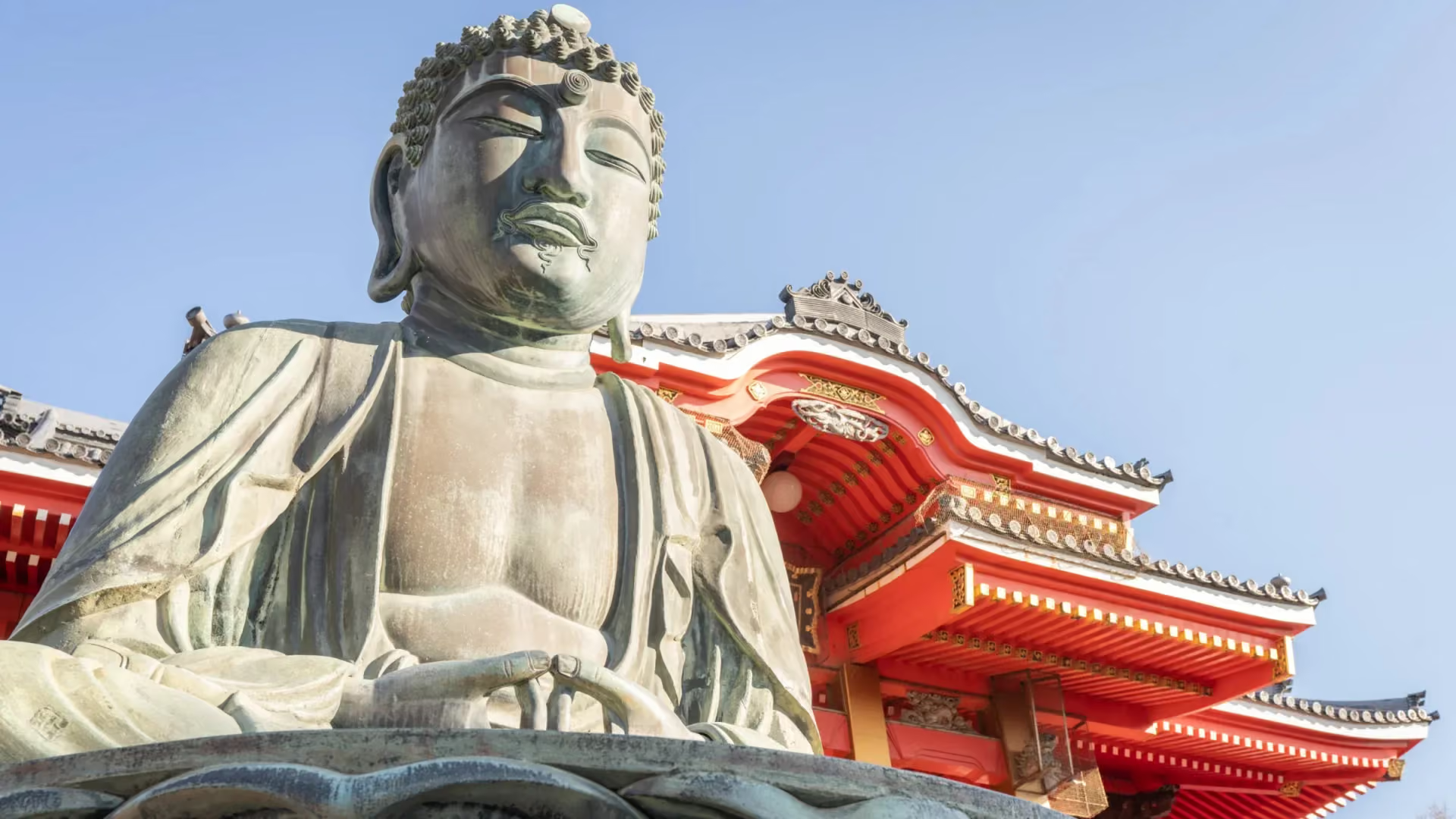
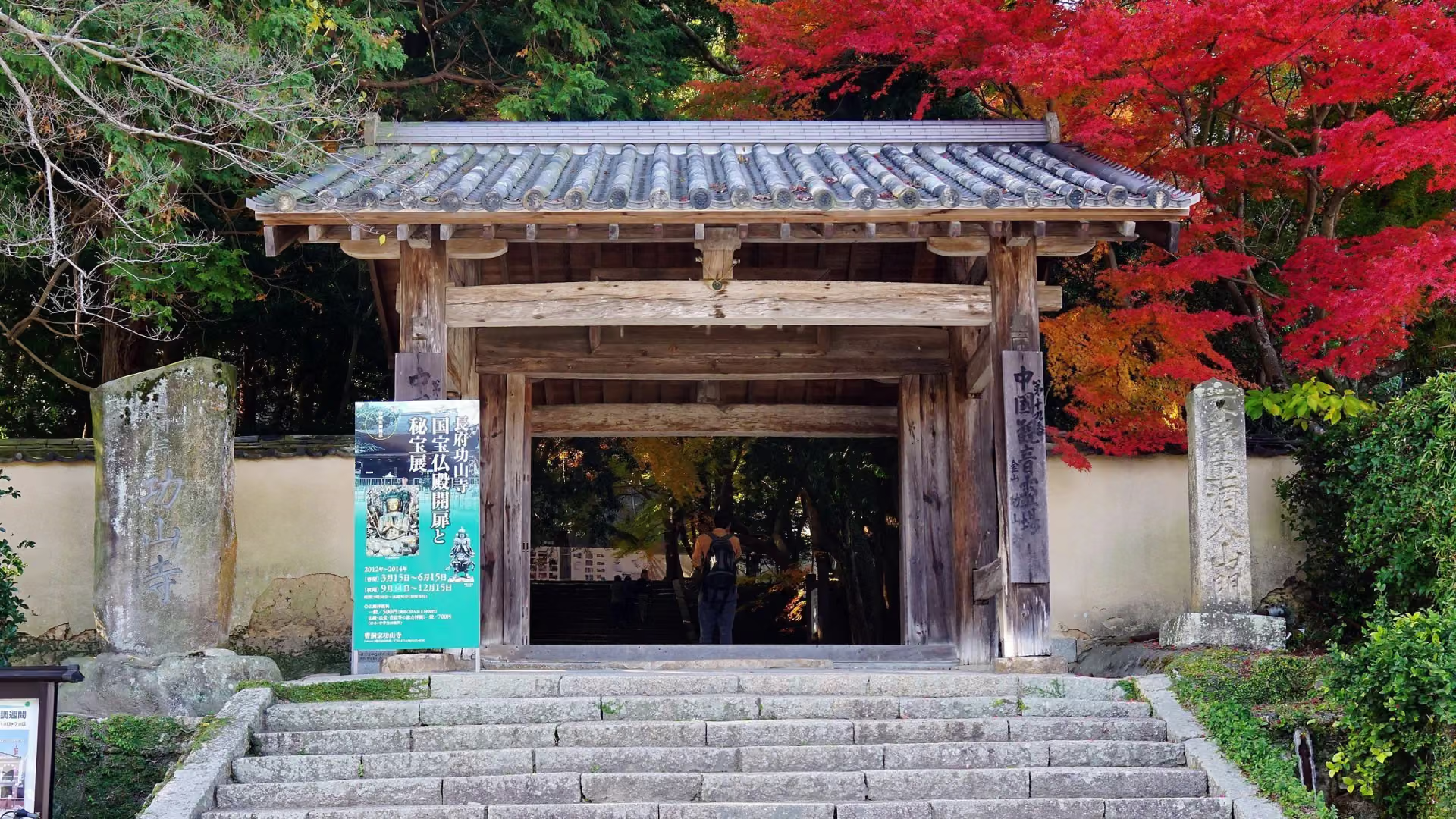
A Soto Zen temple in Shimonoseki whose Buddha hall of 1320 is a National Treasure, and where Takasugi Shinsaku began his uprising in 1864.
Shimonoseki · Yamaguchi

A Soto Zen temple in Shimonoseki whose Buddha hall of 1320 is a National Treasure, and where Takasugi Shinsaku began his uprising in 1864.
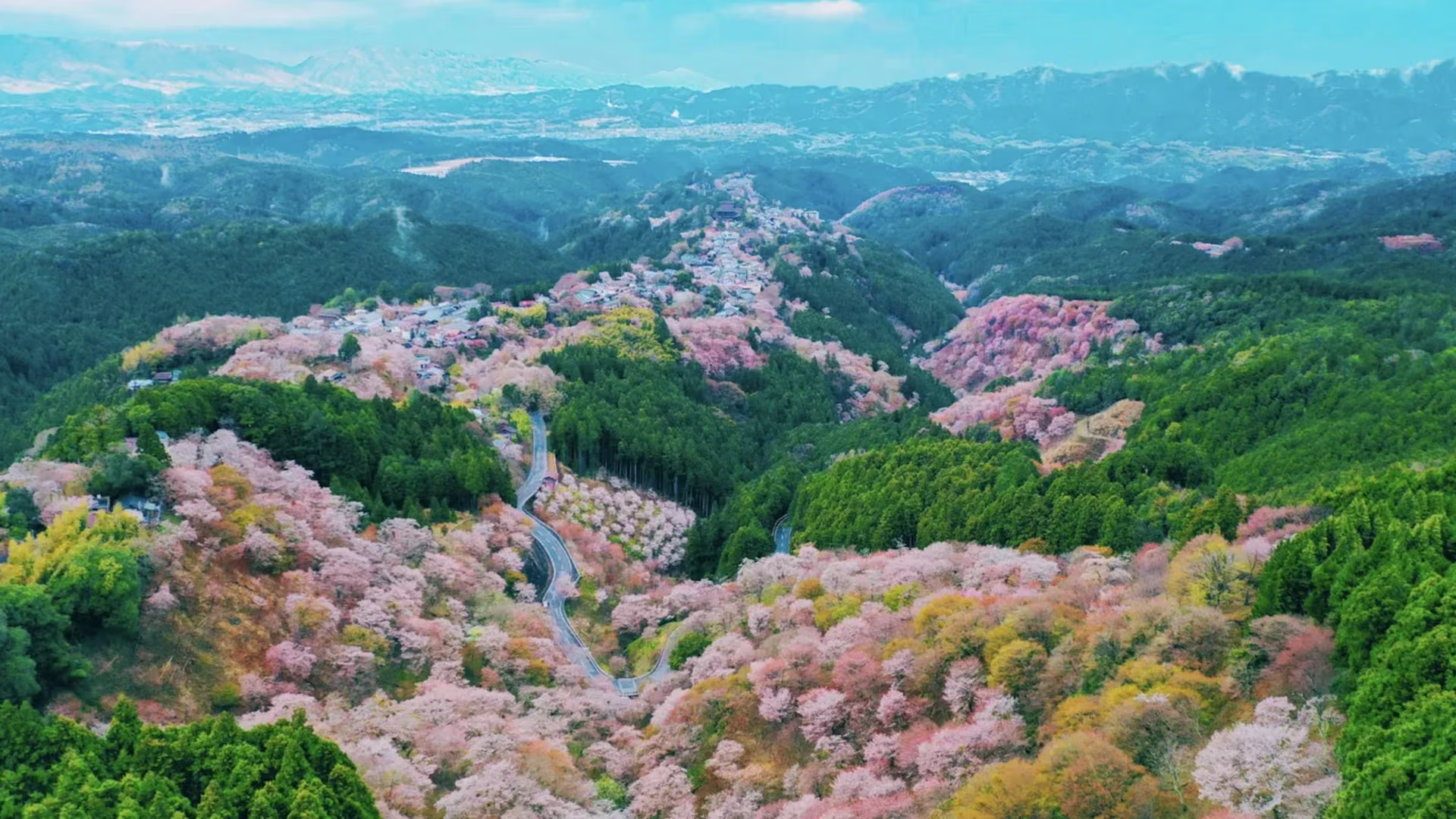
Shimonoseki · YamaguchiAbout thirty thousand cherry trees on a mountainside in Nara, planted over centuries as offerings, which come into flower from the foot upward over a month.
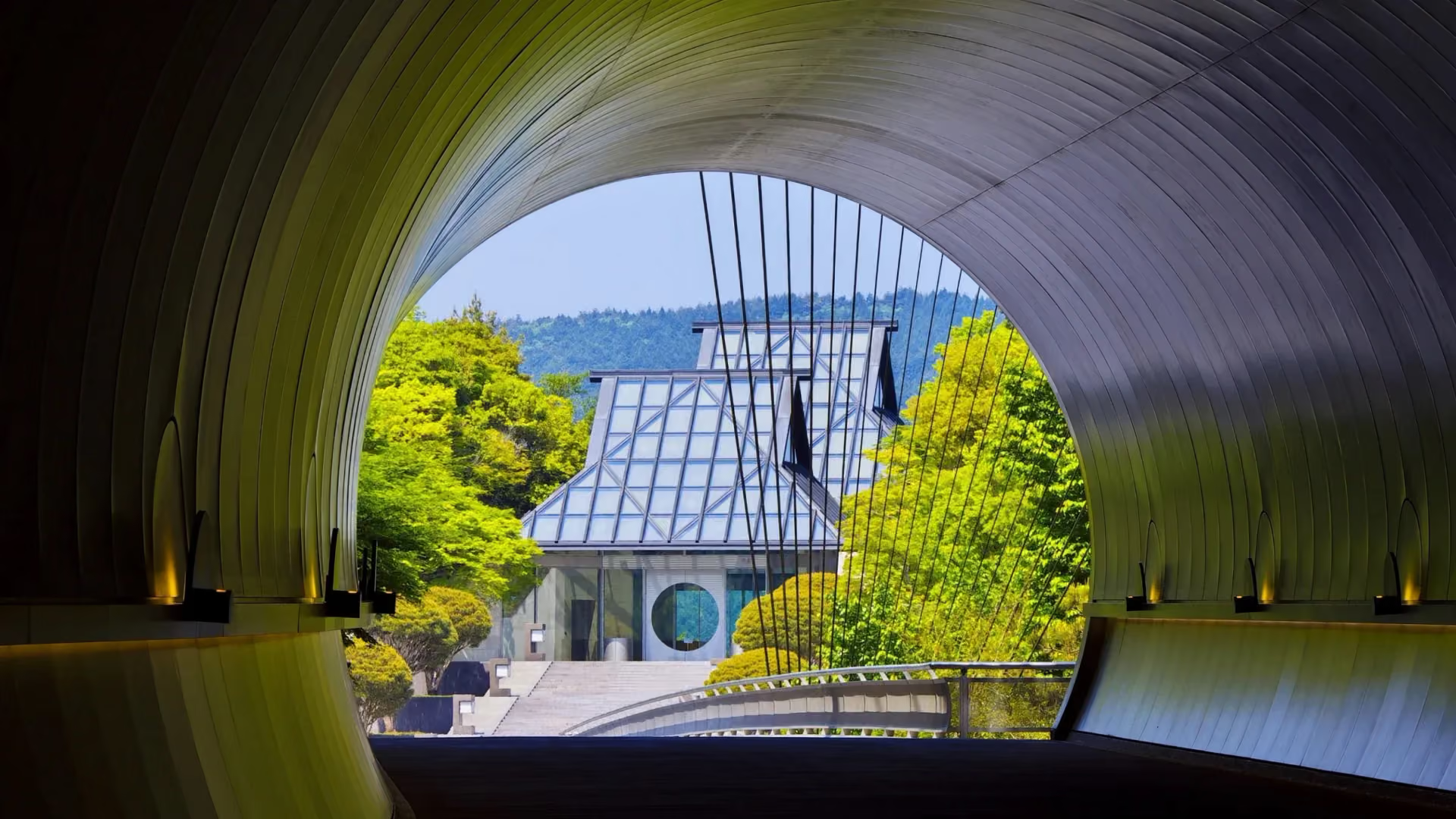
Yoshino · NaraA museum of 1997 in the mountains of Shiga, designed by I. M. Pei and mostly buried in the hillside, holding ancient art of the world alongside Japanese art.
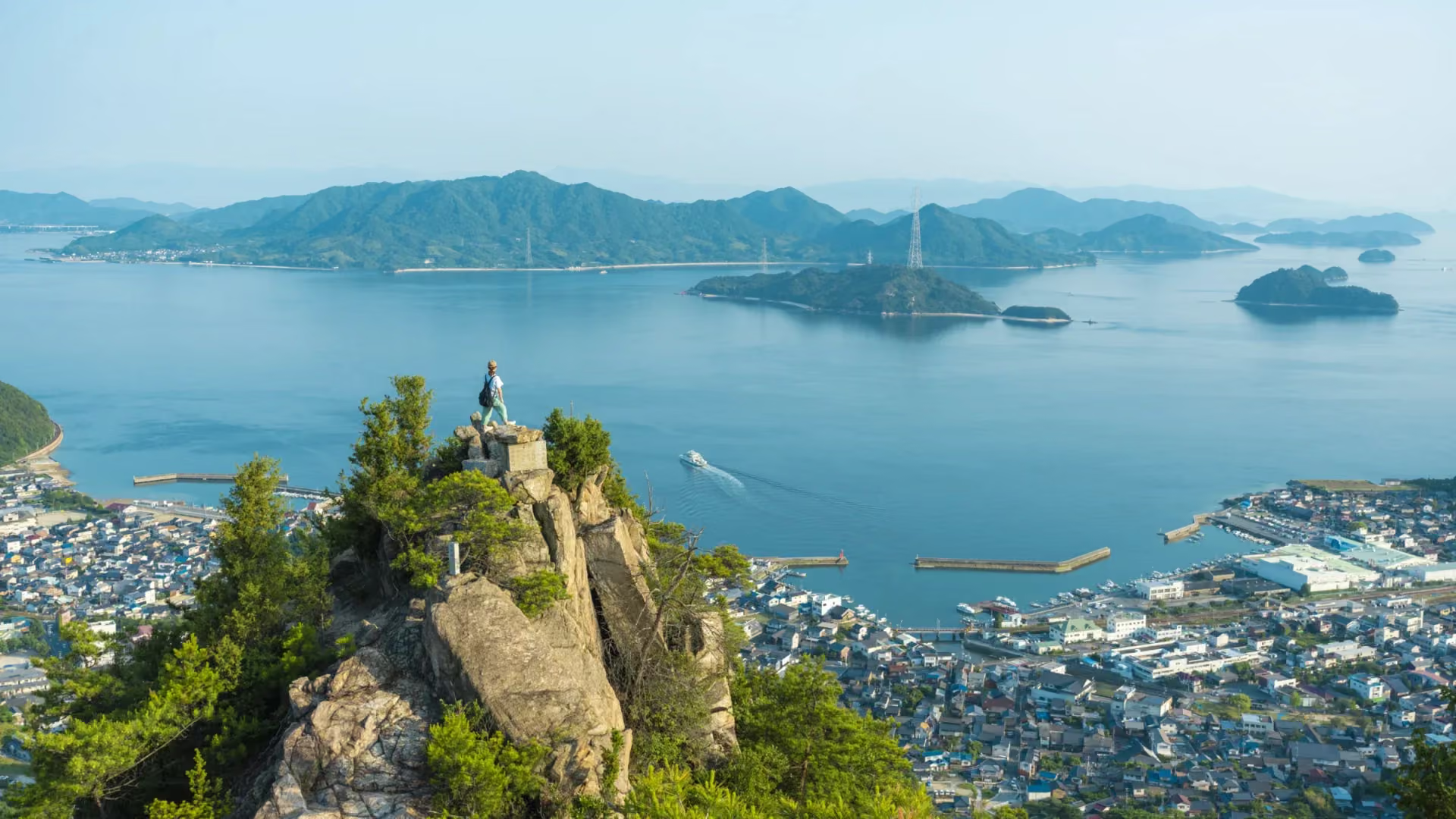
Koka · ShigaA 266-metre hill above Tadanoumi in Takehara, half an hour's walk to a view over Okunoshima and the islands of the Seto Inland Sea.
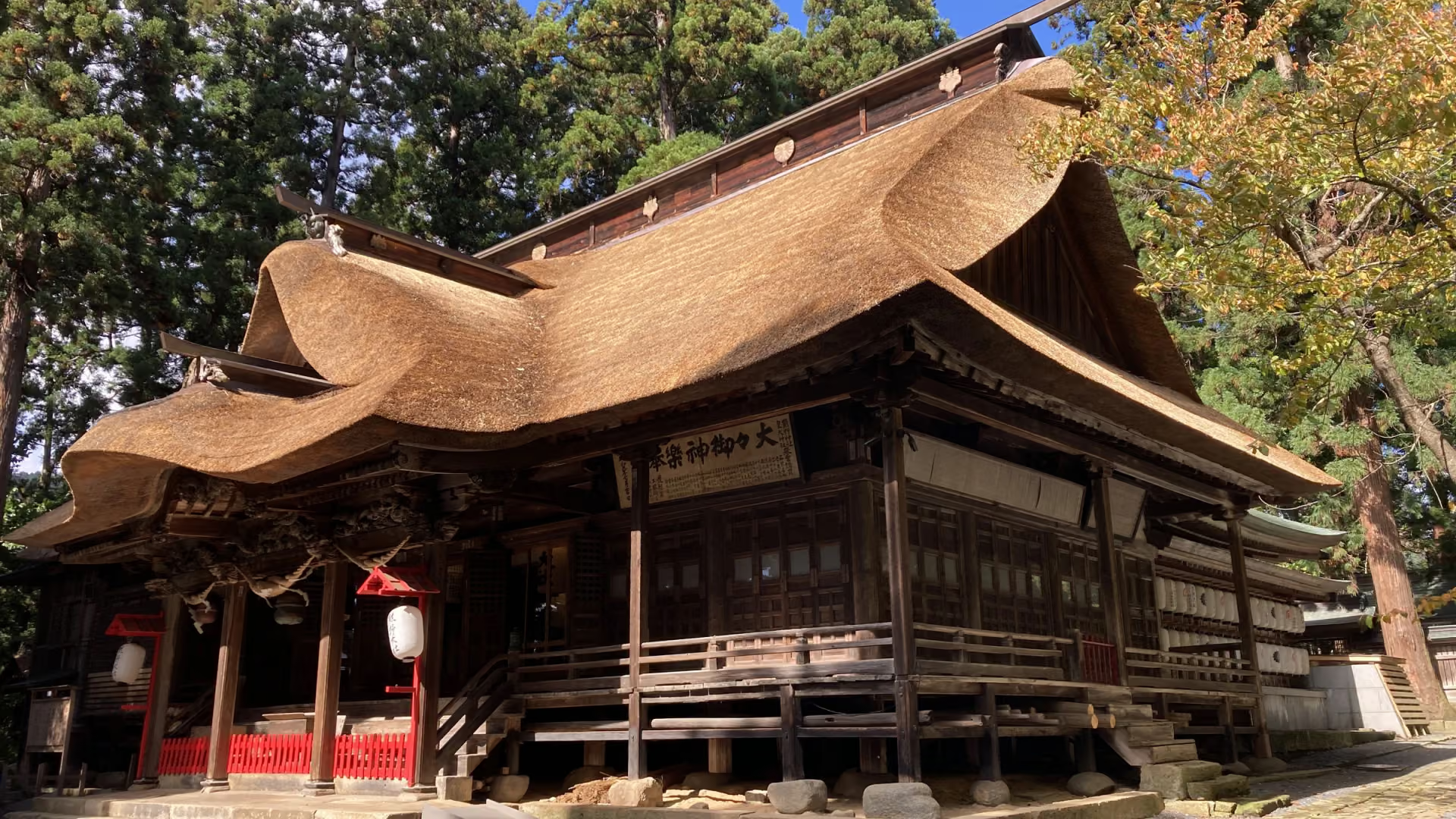
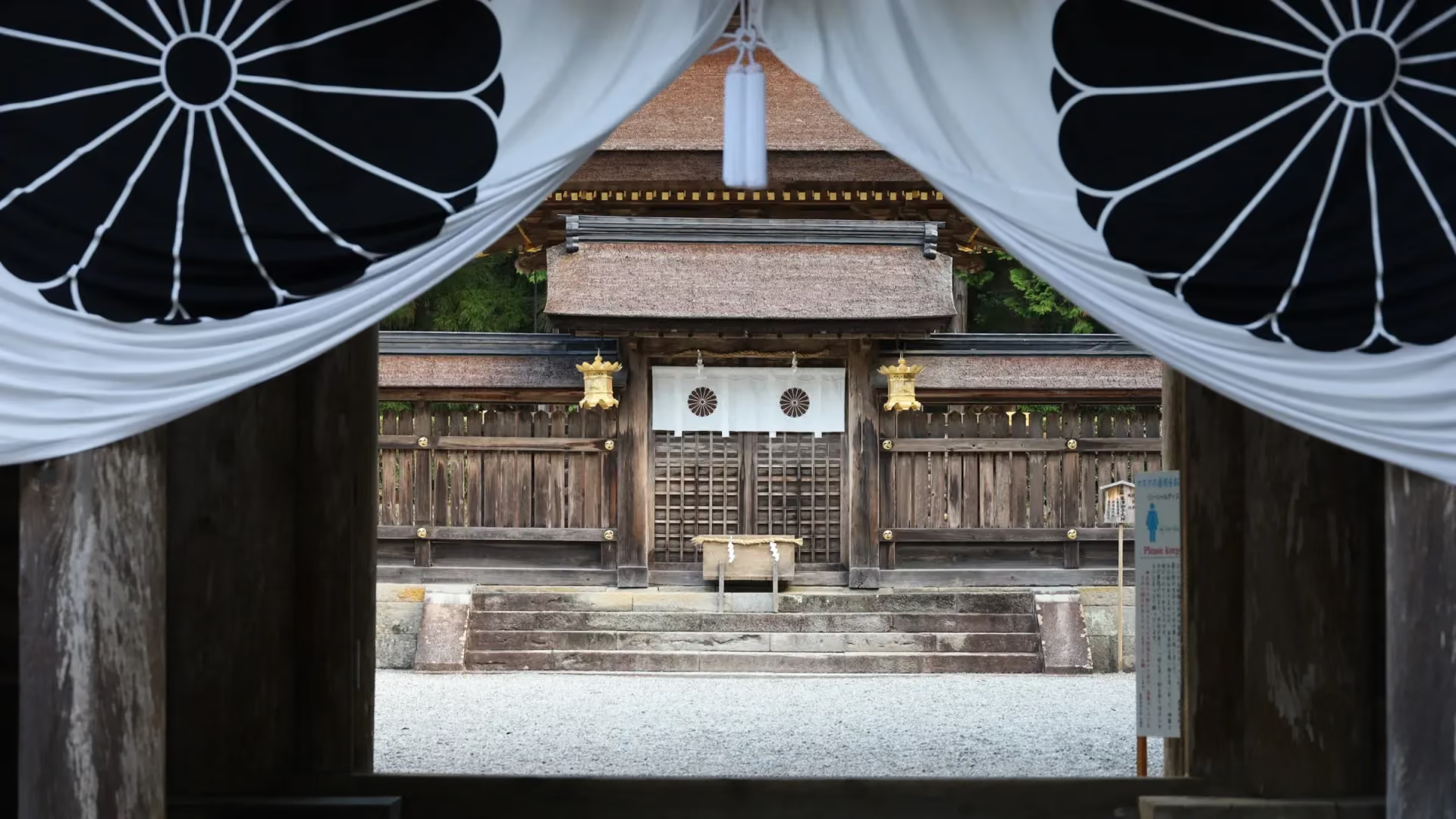
Takehara · HiroshimaOne of the Three Kumano of Japan, said to have been rebuilt in 806, known as the Ise of Tohoku and as a shrine of matchmaking deities.
Nanyo · YamagataKumano Hongu Taisha, heart of the Kumano Sanzan, is said to have stood before Emperor Jinmu's time; legend tells of three moons descending at its old site.
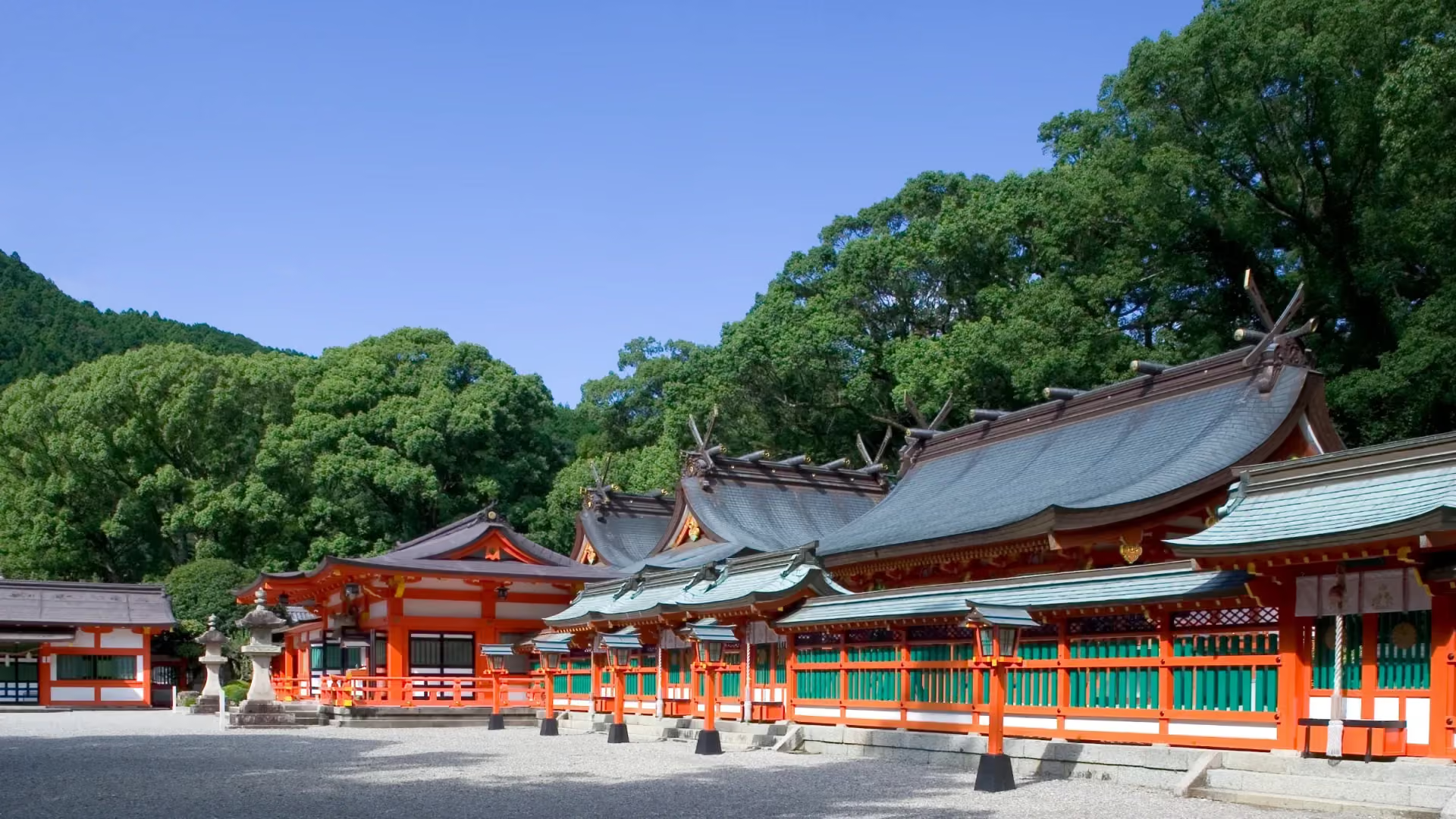
Tanabe · WakayamaKumano Hayatama Taisha in Shingu, Wakayama, is one of the three grand Kumano shrines, known as a land of rebirth where pilgrims have long sought renewal.
Shingu · WakayamaA temple at the eastern edge of Kanto, founded around an image of Kannon that fishermen are said to have drawn from the sea one glowing night in 728.
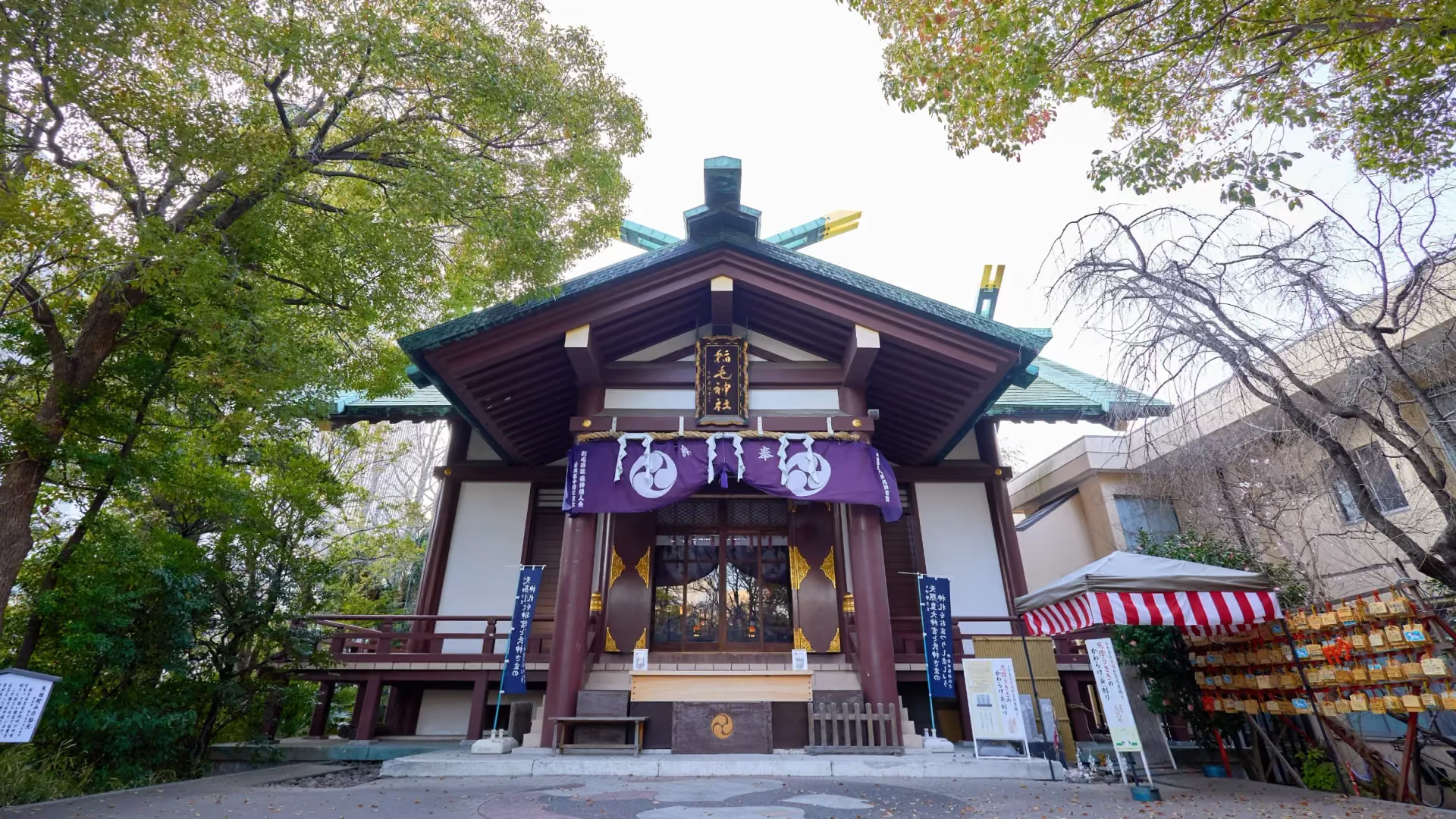
Choshi · ChibaAn old shrine in central Kawasaki with a sacred ginkgo thought to be 1,000 years old, dedicated to victory and harmony and home to the Kawasaki Sanno Festival.
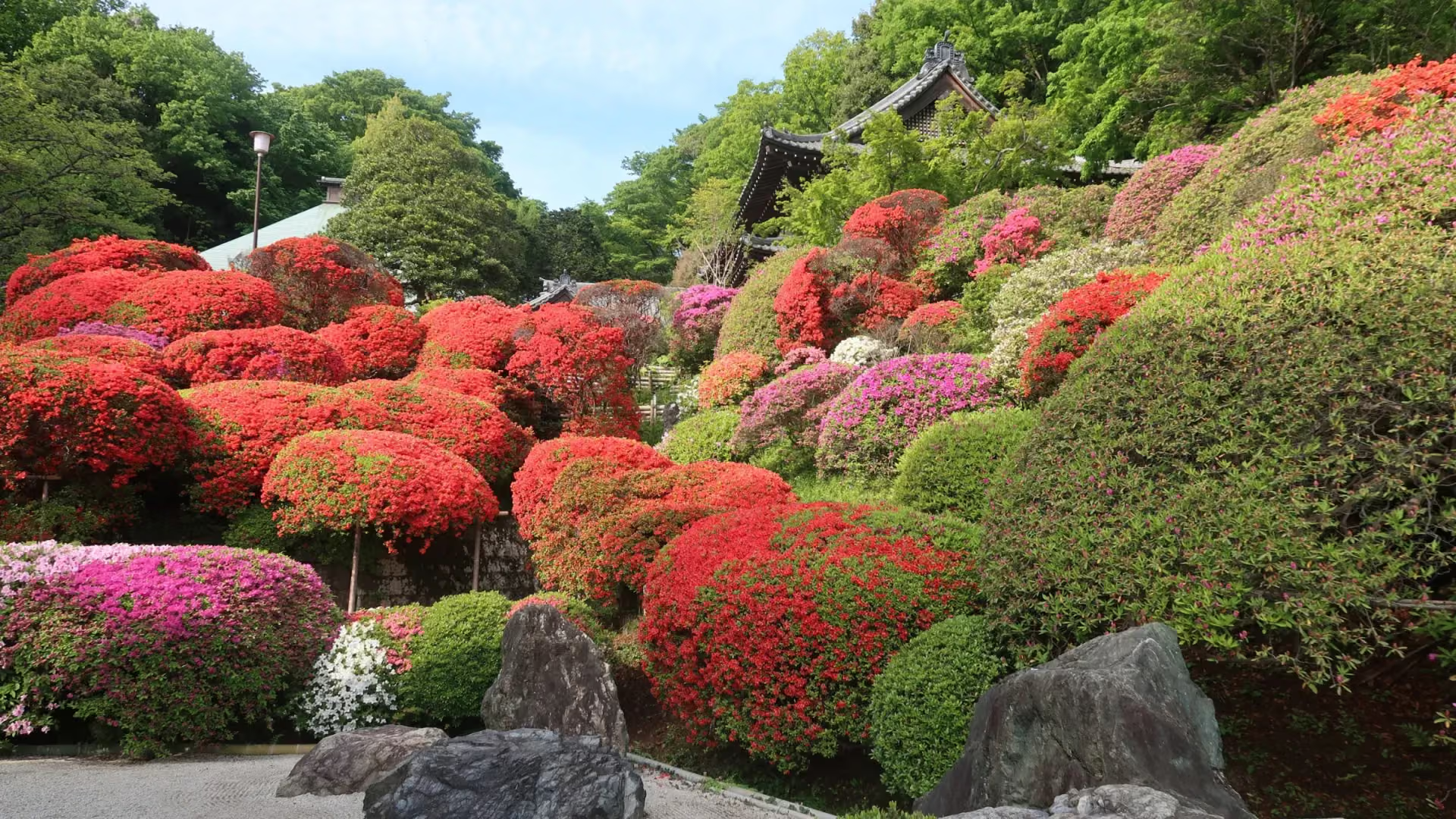
Kawasaki · KanagawaTendai temple in the Kawasaki hills, known as the azalea temple for the 2,000 shrubs that colour its slopes each spring, and for its healing prayers.
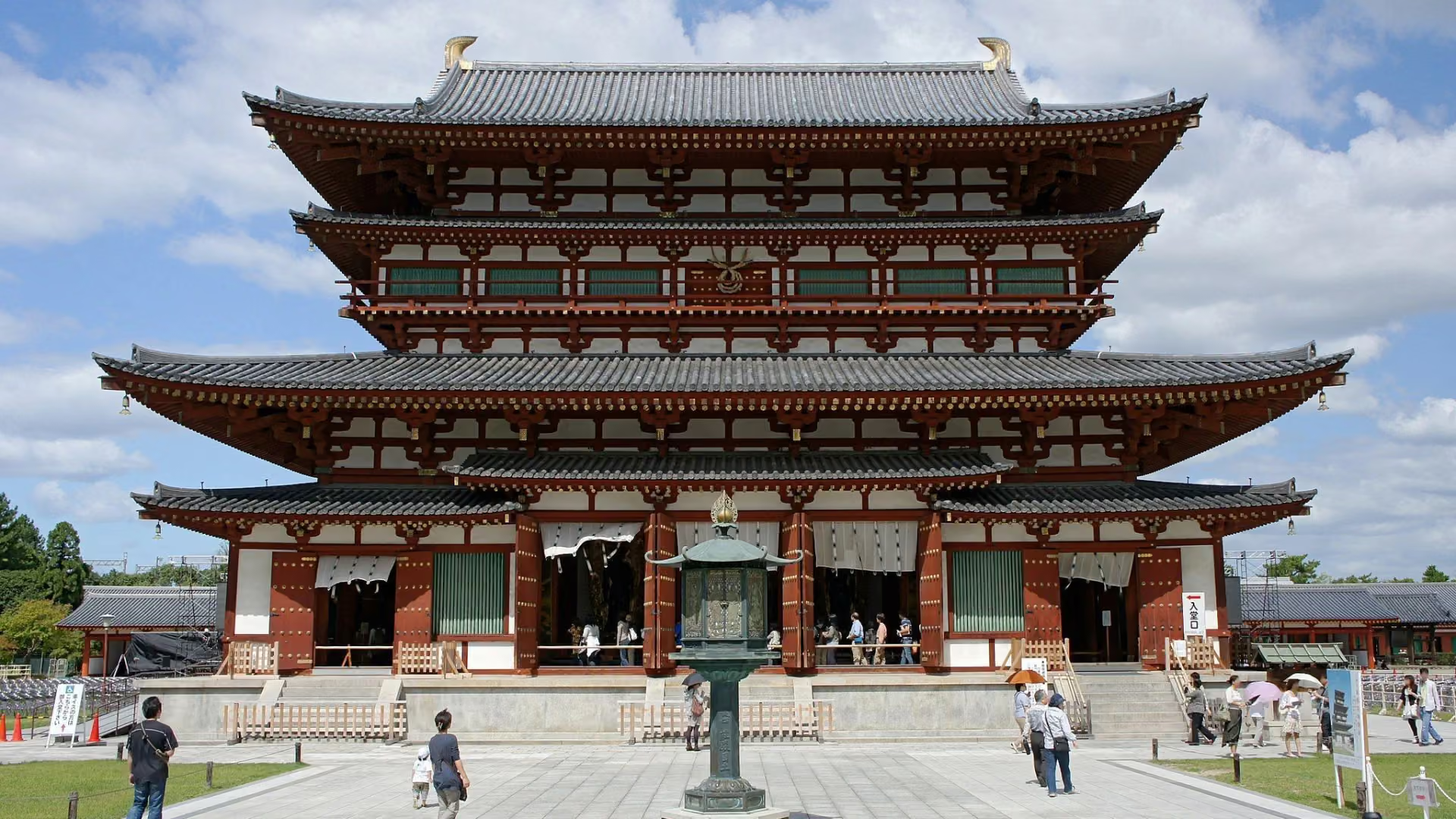
Kawasaki · KanagawaHead temple of the Hosso school in Nara, founded in 680, whose East Pagoda of 730 is the oldest building left from the capital of Heijo-kyo.
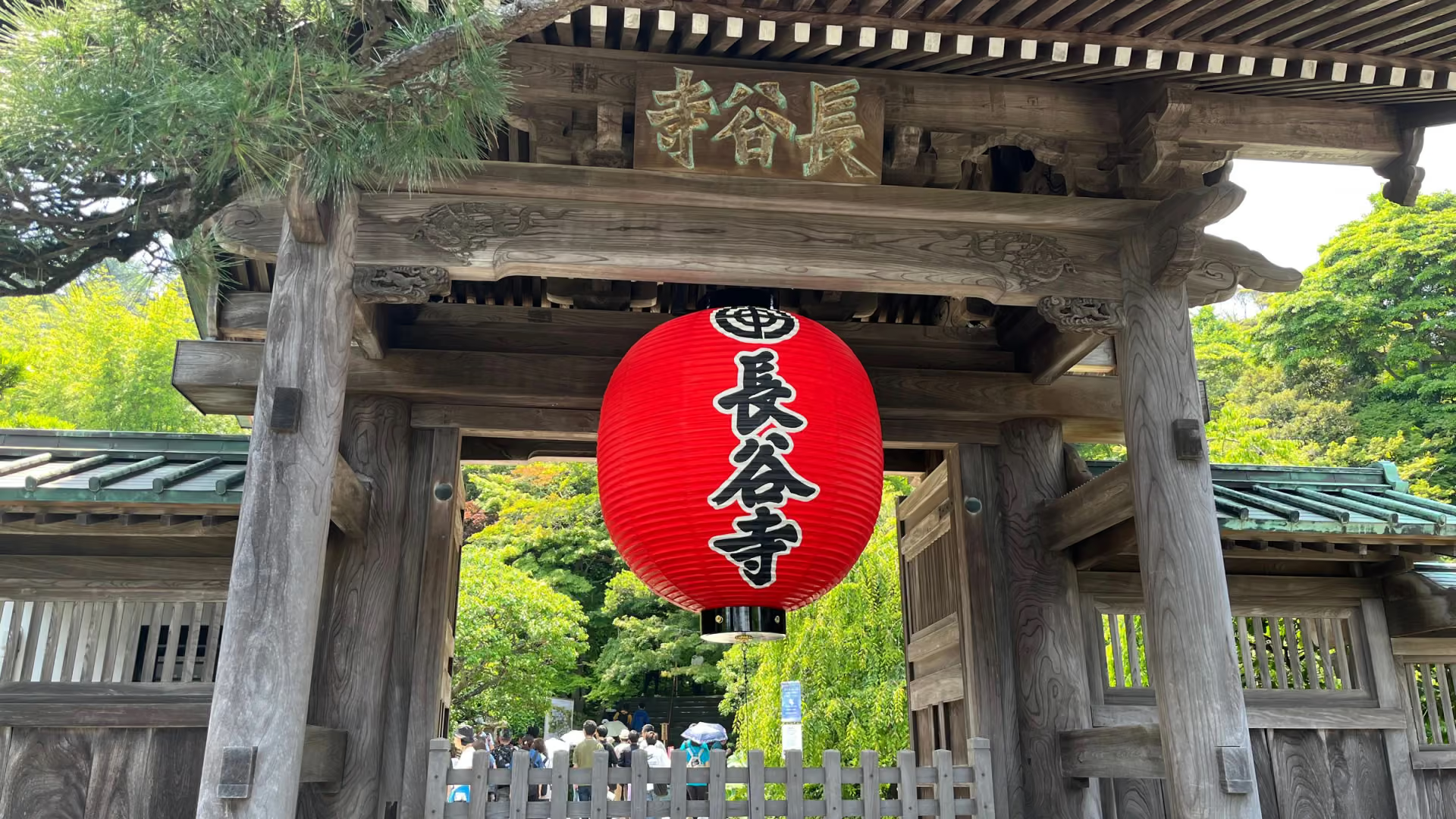
NaraKamakura temple founded, by tradition, in 736, home to a 9.18 m wooden Eleven-Faced Kannon, one of the largest wooden Buddhist statues in Japan.
Kamakura · Kanagawa