Mt. Haguro
The lowest of the three mountains of Dewa in Yamagata, climbed by a stone stair through old cedars, with a five-storey pagoda that is a National Treasure.
Tsuruoka · Yamagata

The lowest of the three mountains of Dewa in Yamagata, climbed by a stone stair through old cedars, with a five-storey pagoda that is a National Treasure.
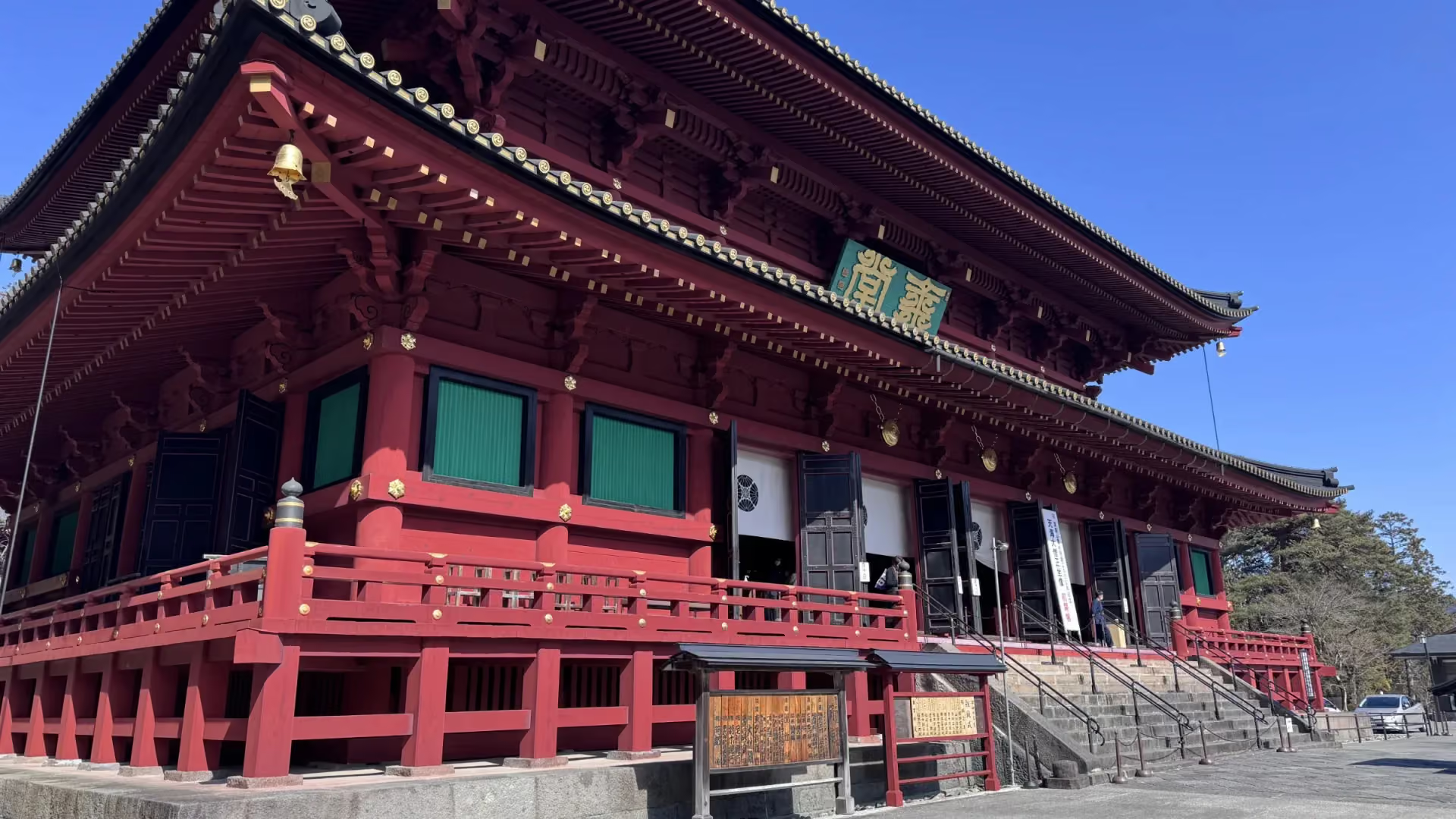
Tsuruoka · YamagataRinnoji is a Tendai Buddhist temple in Nikko within a UNESCO World Heritage Site, known for its Sanbutsudo hall and the National Treasure Taiyuin mausoleum.
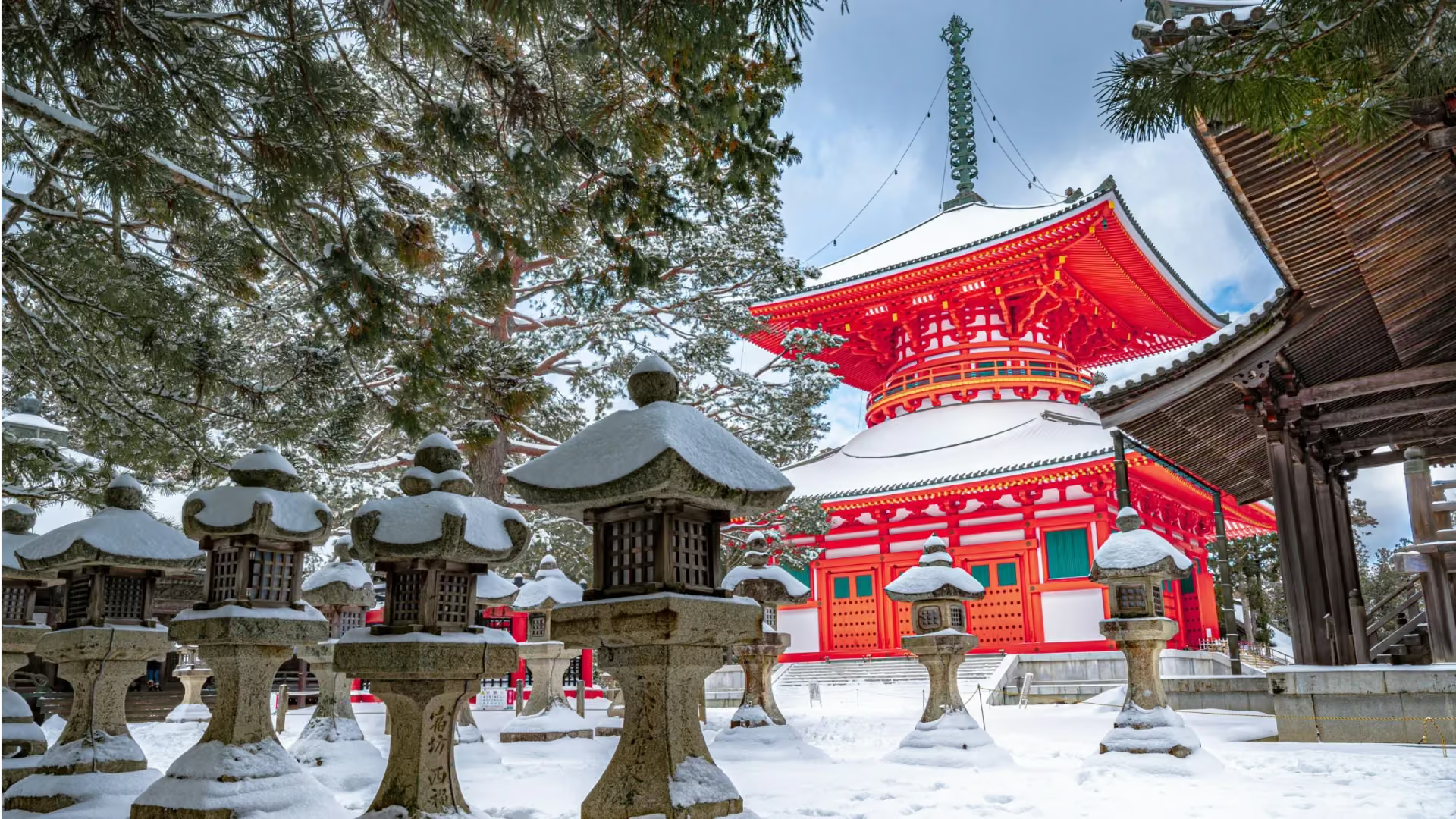
Nikko · TochigiMount Koya is a sacred temple complex where the entire mountain is treated as one unified holy domain dedicated to Shingon Esoteric Buddhism.
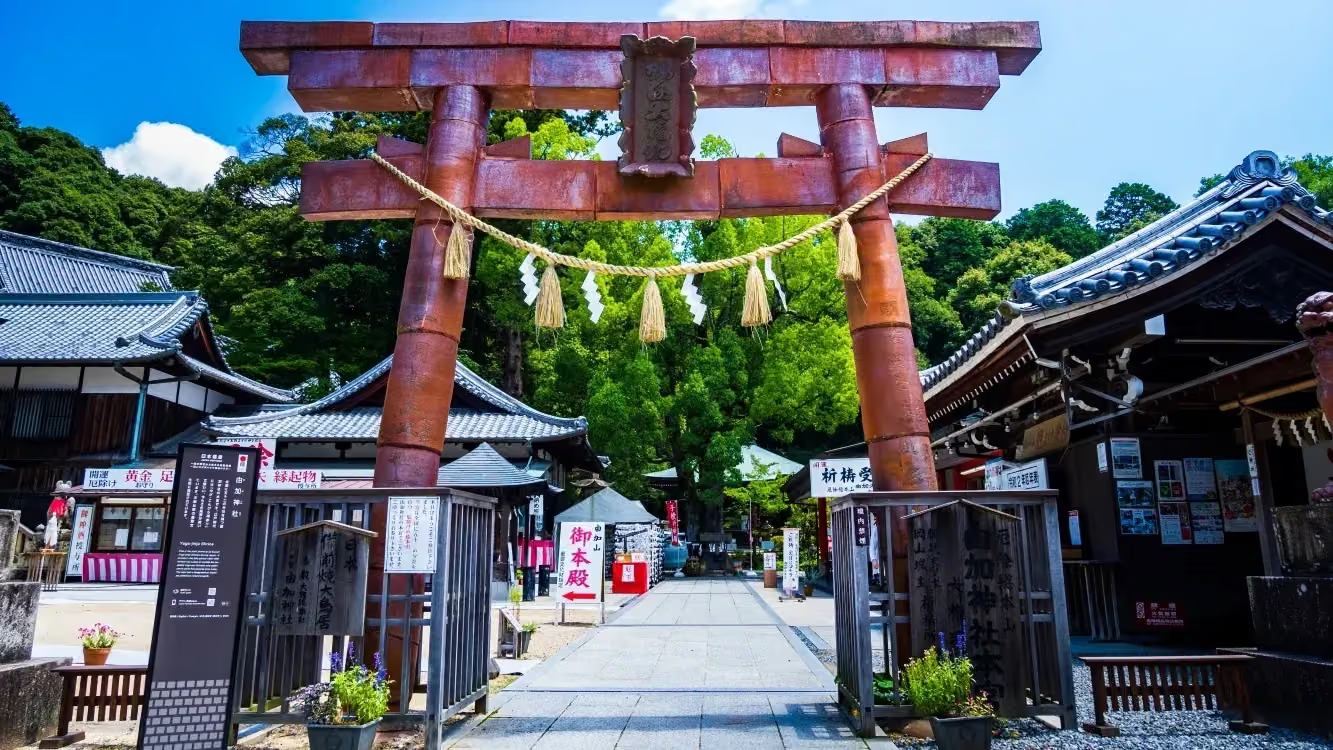
Koya · WakayamaSaijo Inari is a 1,200-year-old Buddhist temple and one of Japan's three great Inari sites, preserving a rare form of Shinto-Buddhist syncretic worship.
OkayamaA 1,250-year-old Buddhist temple in Wakayama that holds the second position on Japan's oldest pilgrimage route dedicated to Kannon worship.
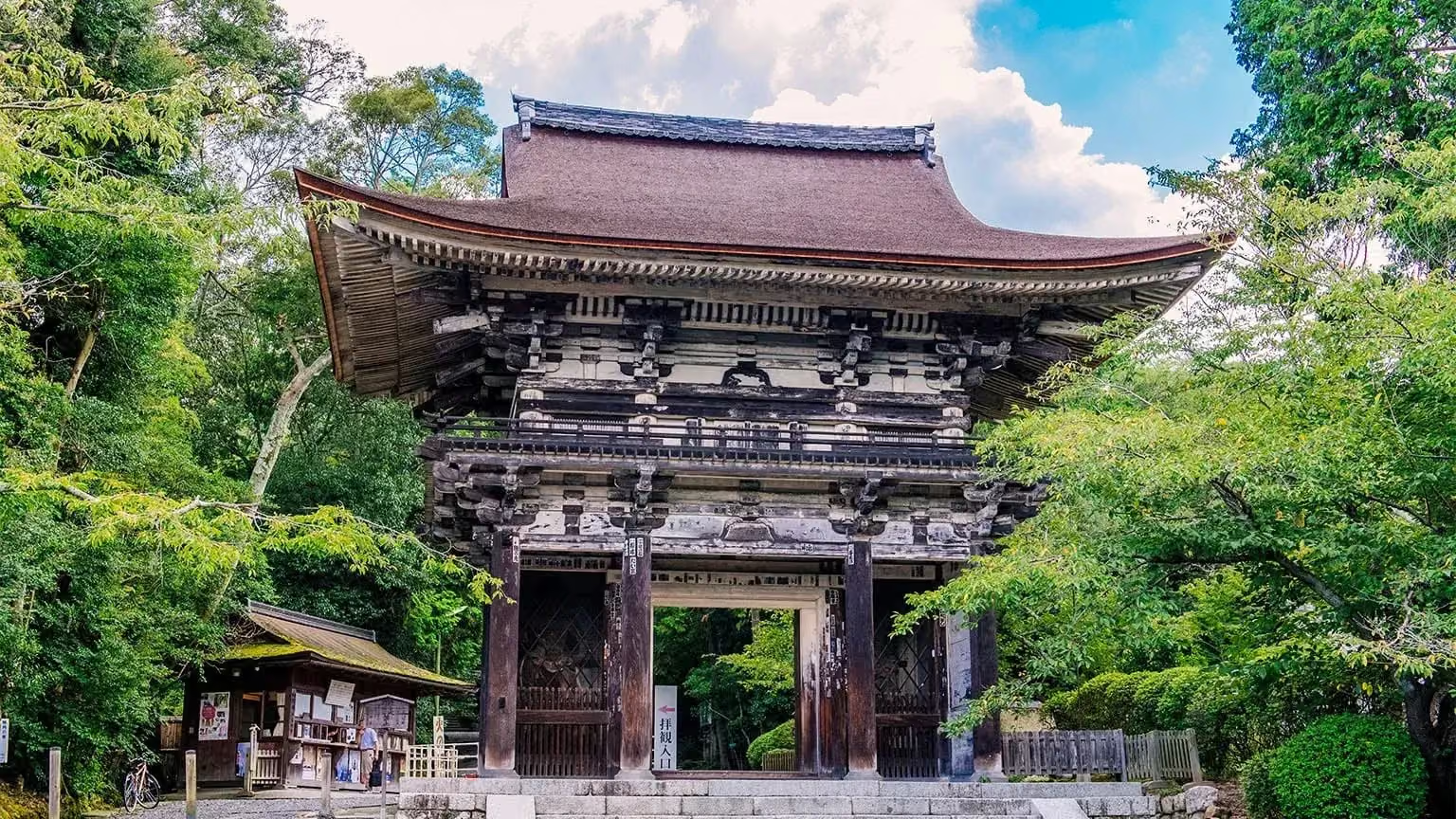
WakayamaHead temple of the Tendai Jimon sect, Miidera was founded in the seventh century and has survived repeated destruction, earning the name Phoenix Temple.
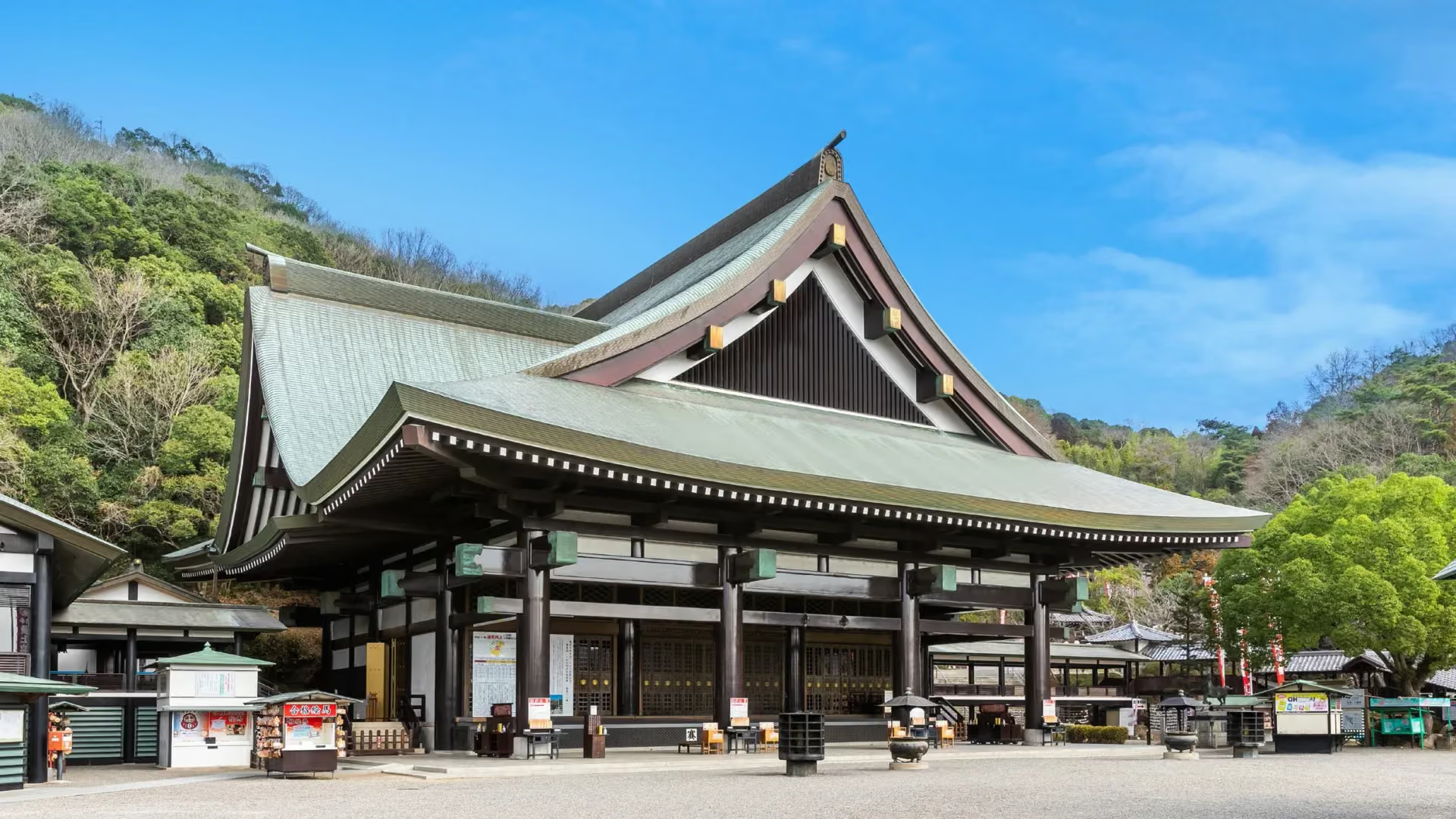
Otsu · ShigaSacred mountain shrine in Okayama with more than two thousand years of history, blending Shinto and Buddhist practices as a centre of pilgrimage.
Kurashiki · OkayamaSaikyo-ji, the head temple of the Tendai Shinsei sect, was founded by Prince Shotoku and reorganized in 1486 as the sect's central training site.
Otsu · ShigaThe head Tendai temple founded in 850, significantly expanded in the 12th century and designated a UNESCO World Cultural Heritage site.
Hiraizumi · IwateOver 1,100-year-old Buddhist temple complex and head temple of the Daigo branch of Shingon Buddhism, centered on an ancient natural spring.
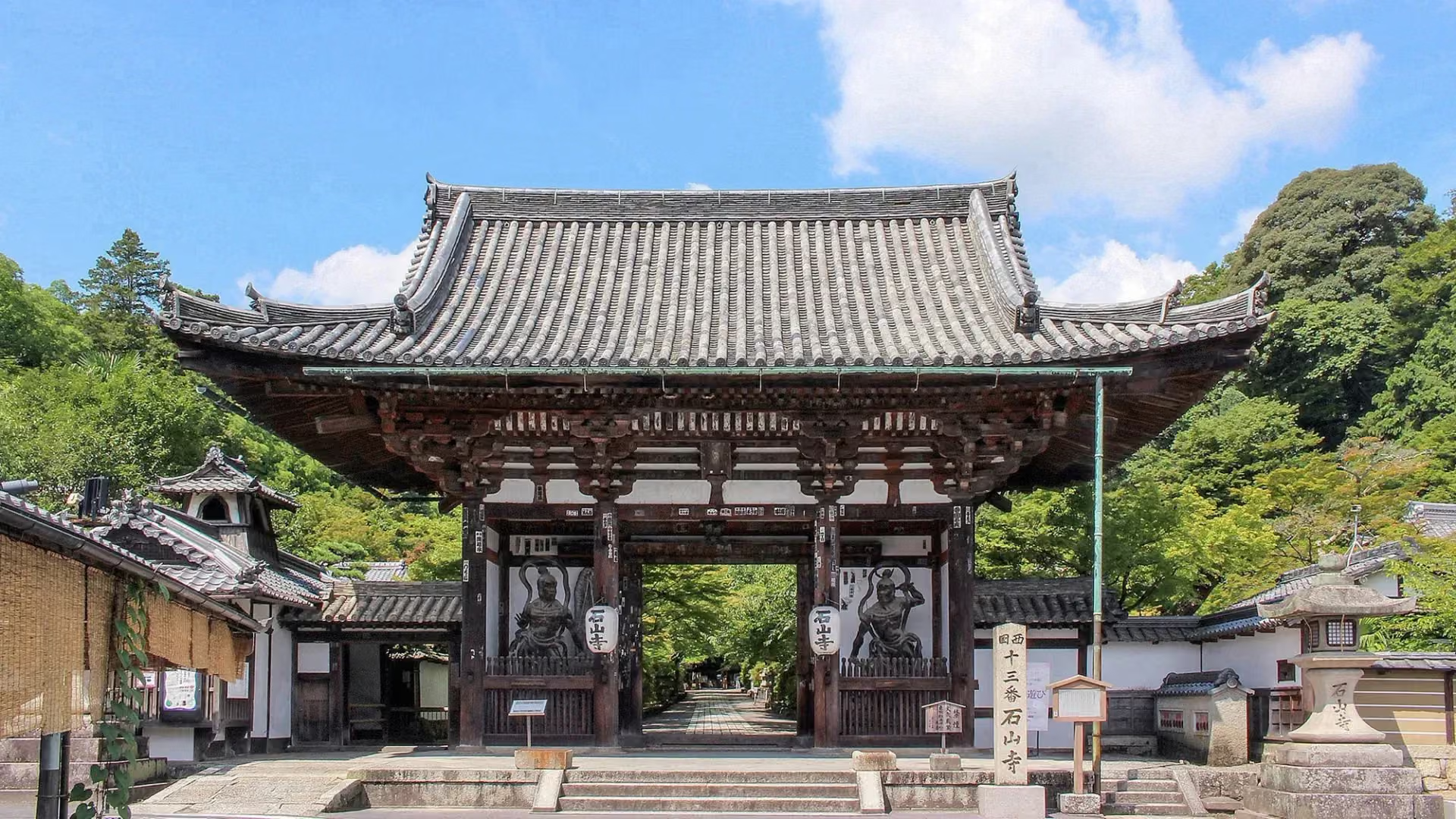
KyotoA Shingon Buddhist temple in Otsu, traditionally founded in 747, where Murasaki Shikibu is said to have begun The Tale of Genji, with National Treasure halls.
Otsu · ShigaThe forty-fifth temple of the Shikoku pilgrimage, built against cliffs in the mountains of Ehime, where the mountain itself is the object of worship.
Kumakogen · EhimeTemple 81 of the Shikoku pilgrimage, on Mt Shiromine in Kagawa, where the exiled Emperor Sutoku was laid to rest after his death in 1164.
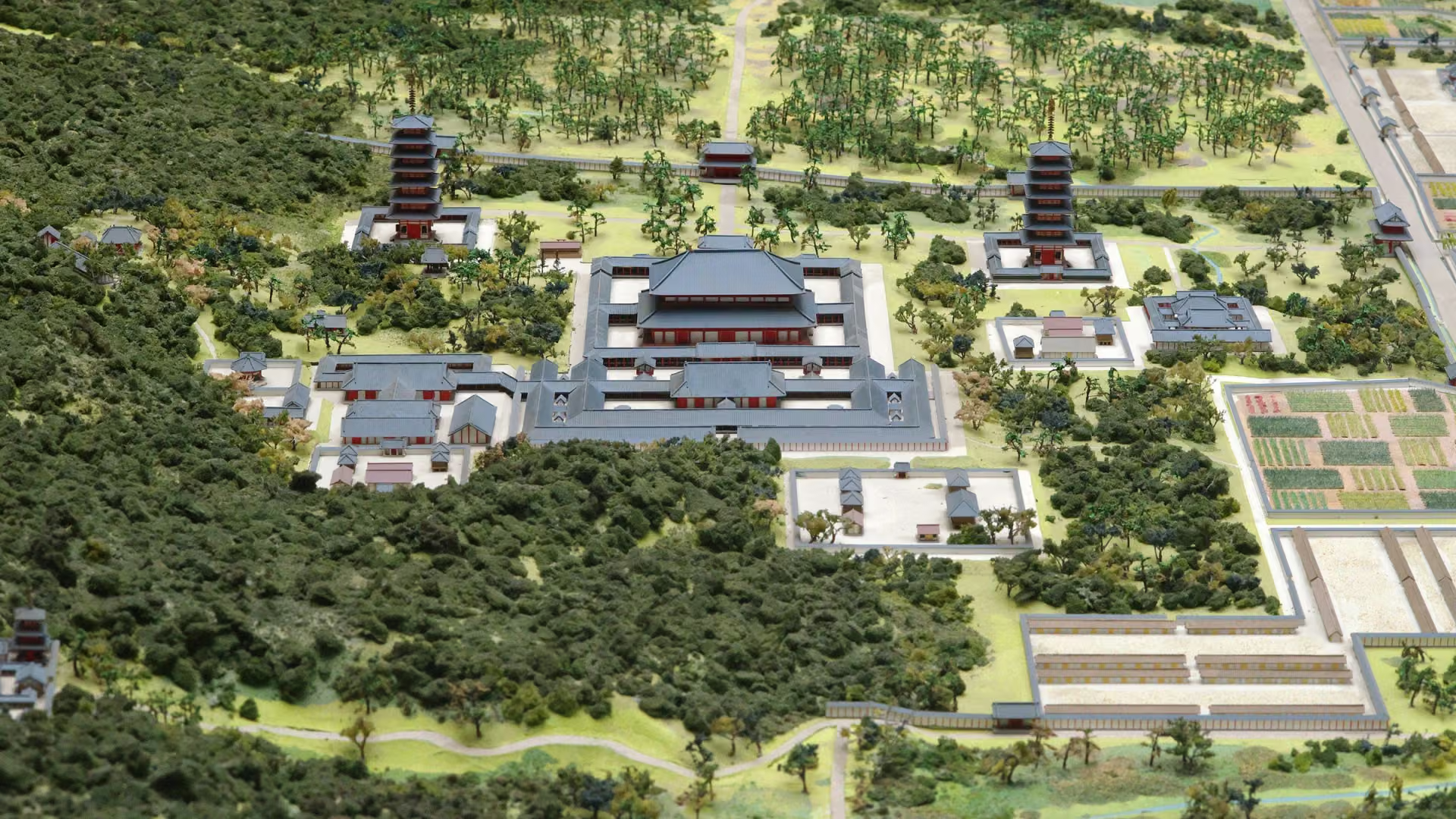
Sakaide · KagawaEstablished in 738, this Nara temple houses the largest bronze Buddha statue and serves as headquarters of the Kegon Buddhist school.
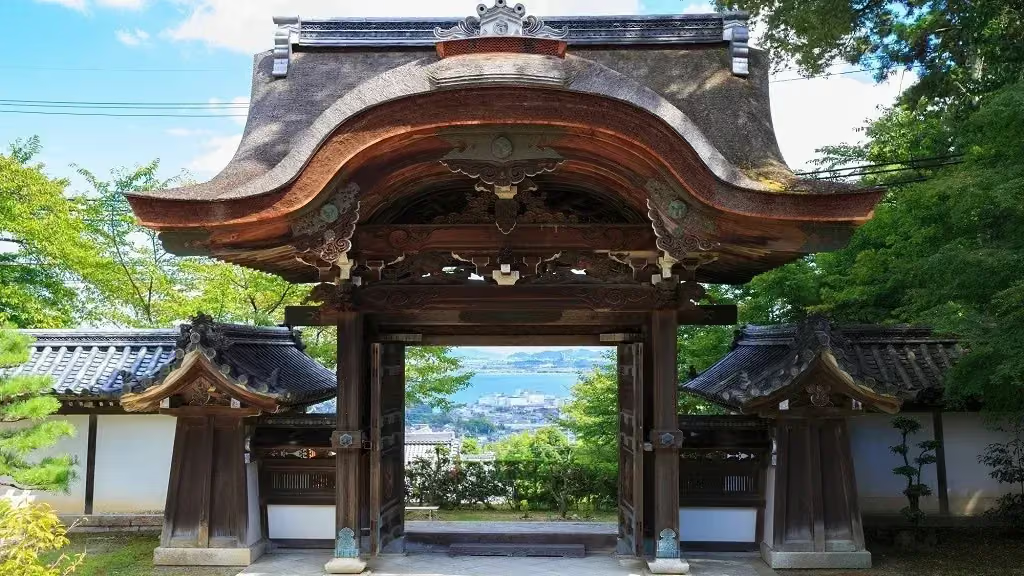
NaraA Rinzai Zen temple at Fukuyama with tea houses, moved historic halls, gardens, and one of the largest collections of Hakuin's Zen painting.
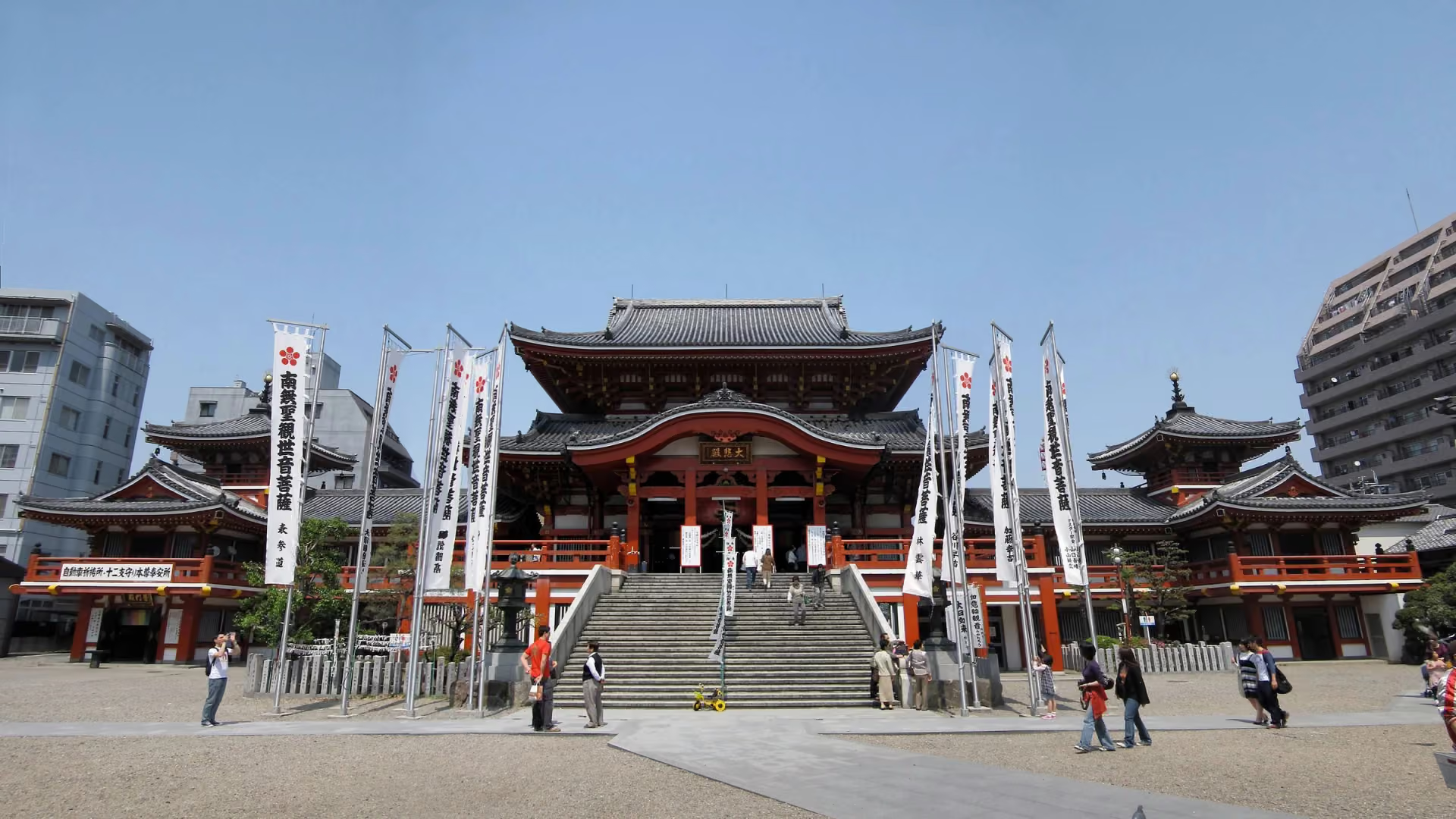
Fukuyama · HiroshimaA Shingon temple in central Nagoya, moved here by Tokugawa Ieyasu in 1612, whose Osu Bunko library holds a National Treasure manuscript of the Kojiki.
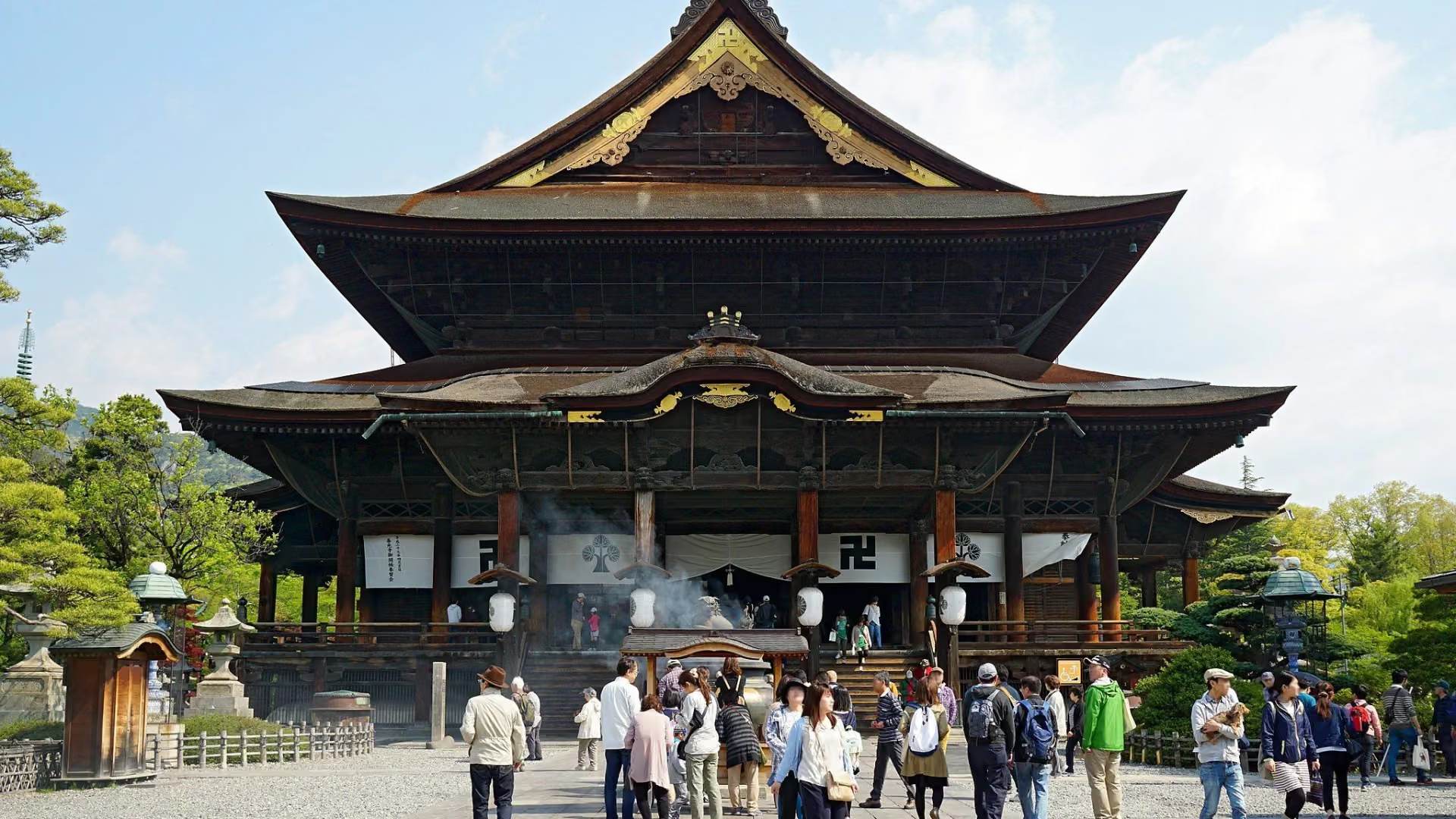
Nagoya · AichiHistoric Buddhist temple over 1,400 years old welcoming all faiths, with an underground passage and a revered statue displayed every six years.
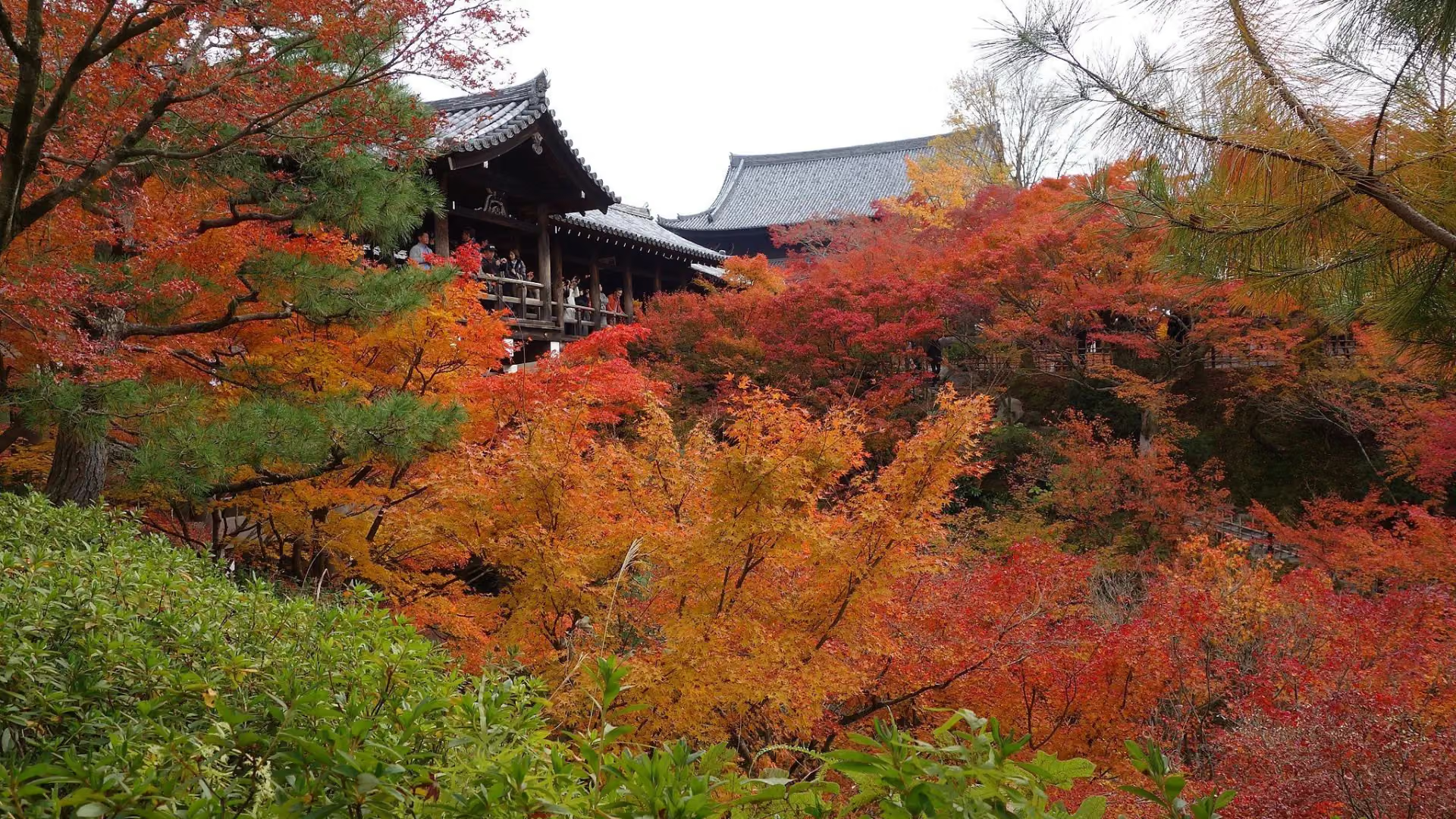
NaganoTofukuji is one of Kyoto's great Zen temples, celebrated for its sweeping maple valley and the modern garden surrounding the abbot's quarters.
Kyoto