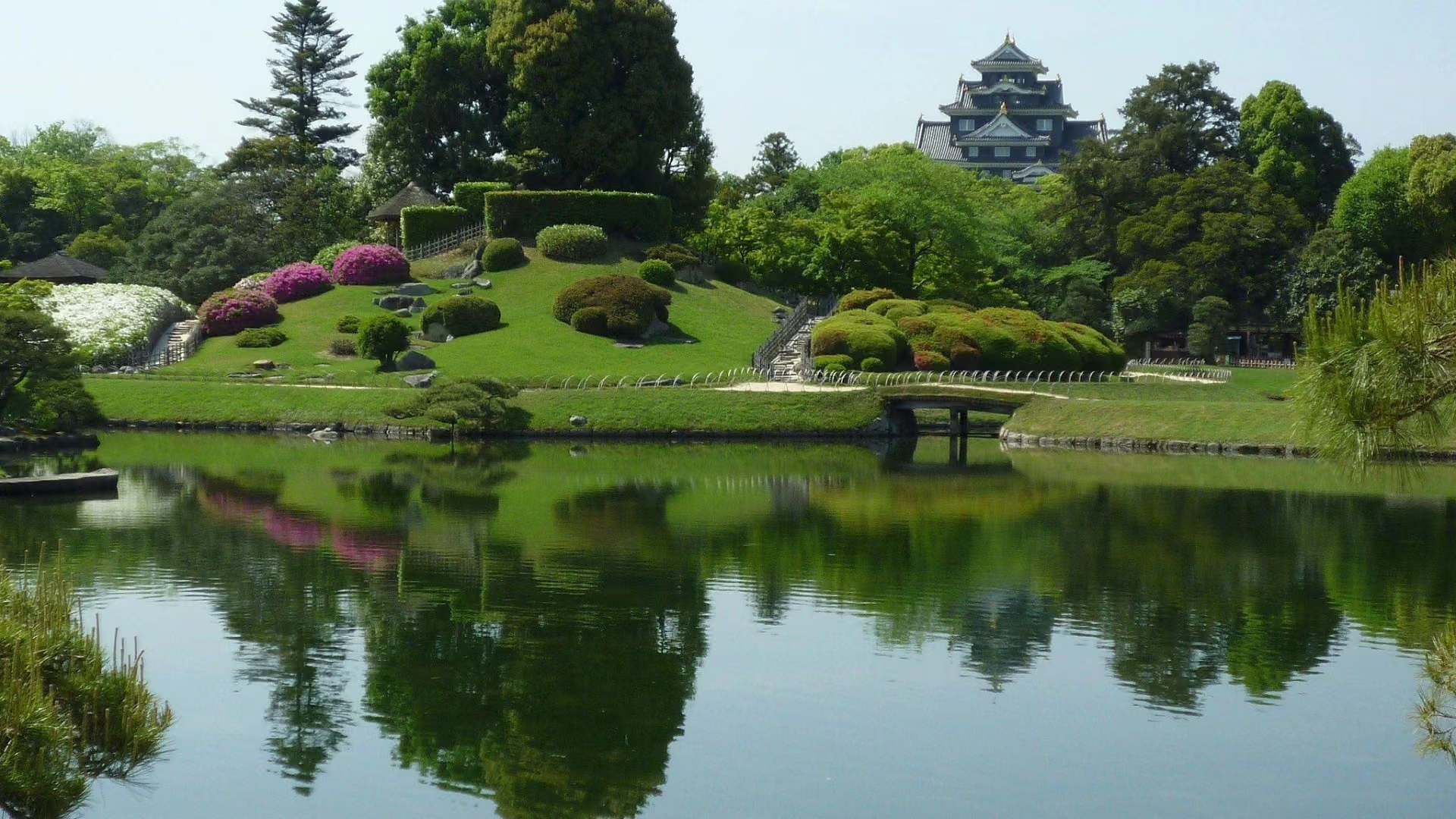
Okayama Koraku-en
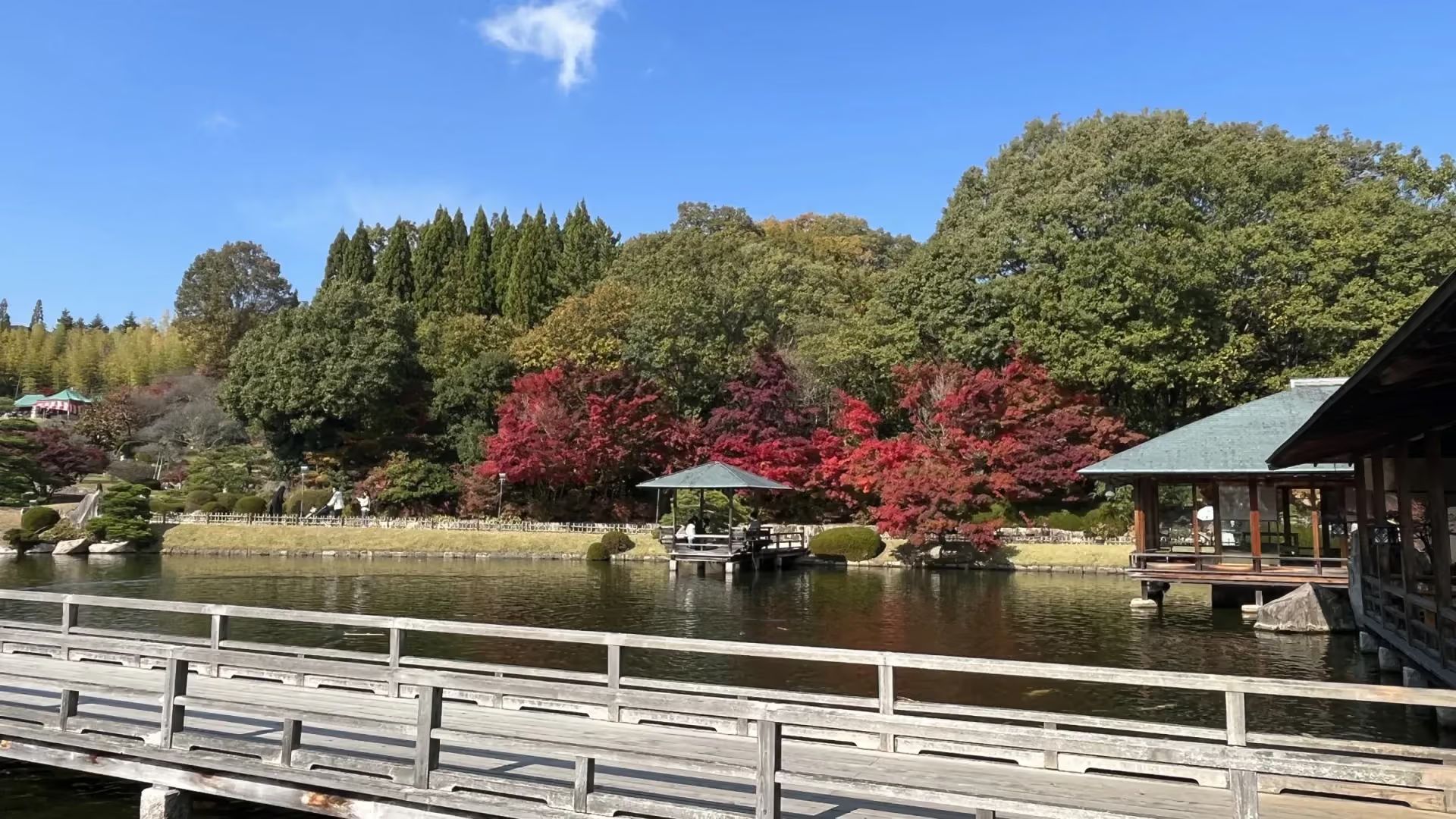
One of Japan's three most beautiful gardens, featuring a central pond with islands and bridges, tea house, and abundant cherry blossoms in spring.
Okayama

Shrines, museums, parks, and the spots in between, with the access details worked out.
One of Japan's three most beautiful gardens, featuring a central pond with islands and bridges, tea house, and abundant cherry blossoms in spring.
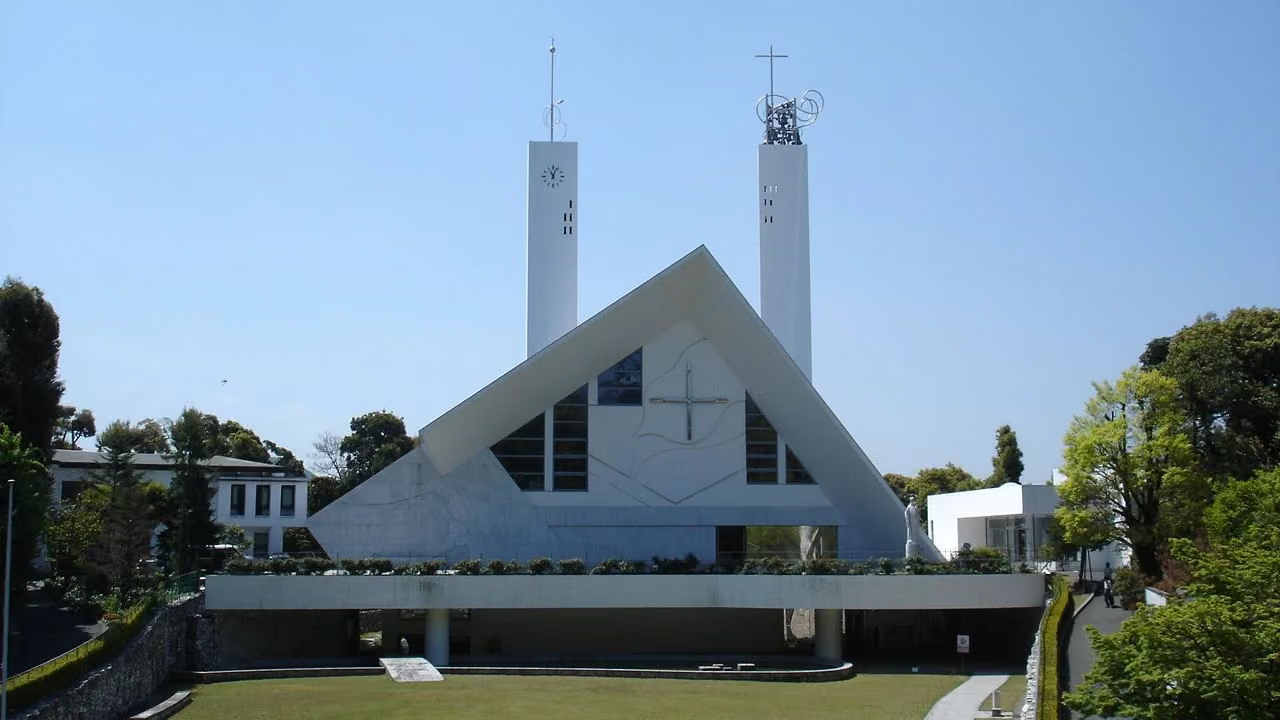
OkayamaChurch built in 1952 to mark Francisco Xavier's arrival in Yamaguchi in 1550, with a Christian museum on the history of missionary work in Japan.
YamaguchiBuddhist temple built around a Senju Kannon statue created in 751 that miraculously survived fire and warfare over the centuries.
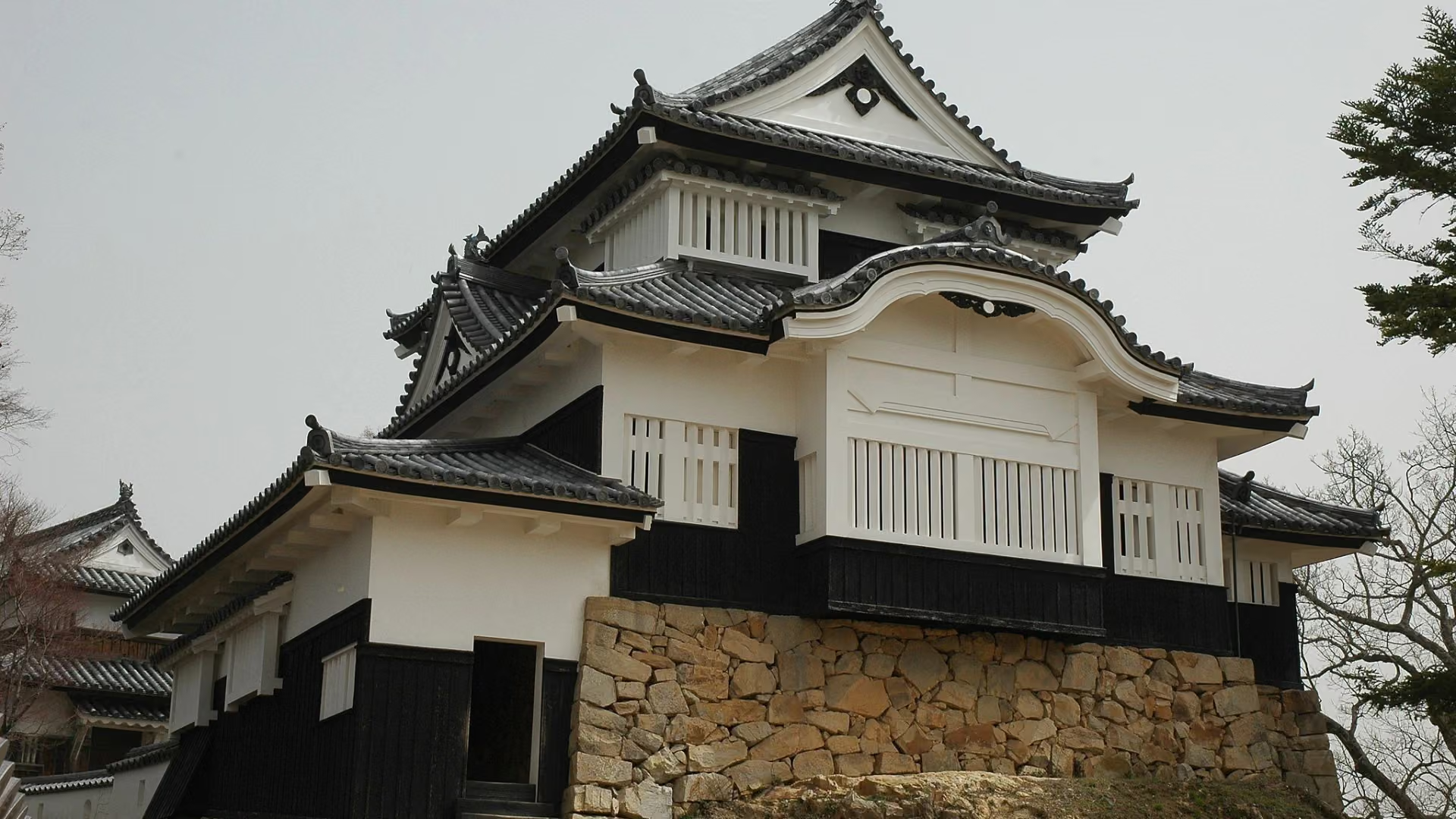
OkayamaMountain castle built in 1240 and rebuilt in 1331 on its current location, retaining its tenshu, Niju yagura, and section of defensive walls.
Takahashi · OkayamaShrine honoring Mori Takachika, the last daimyo of Choshu Domain and central figure in the Meiji Restoration.
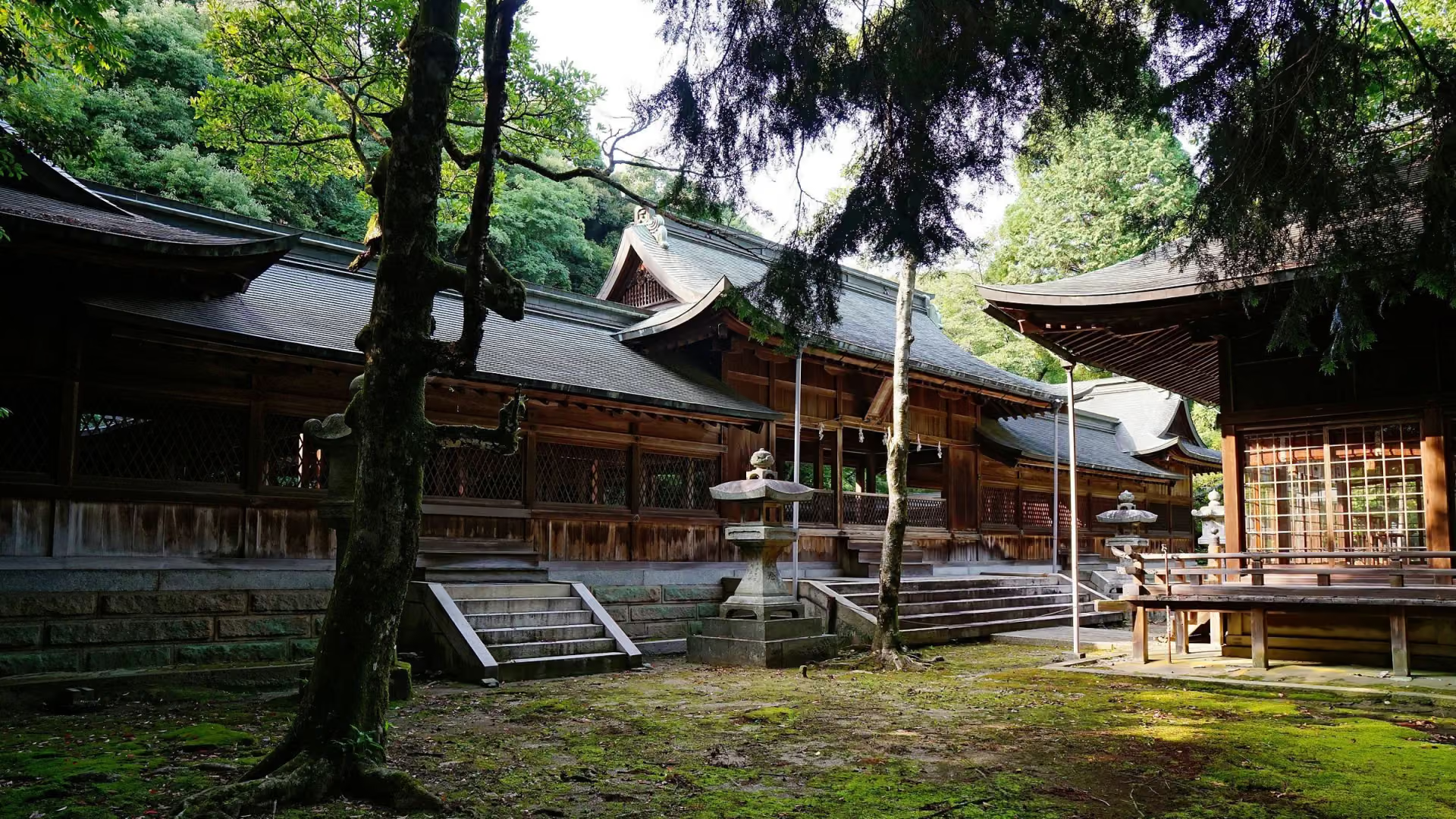
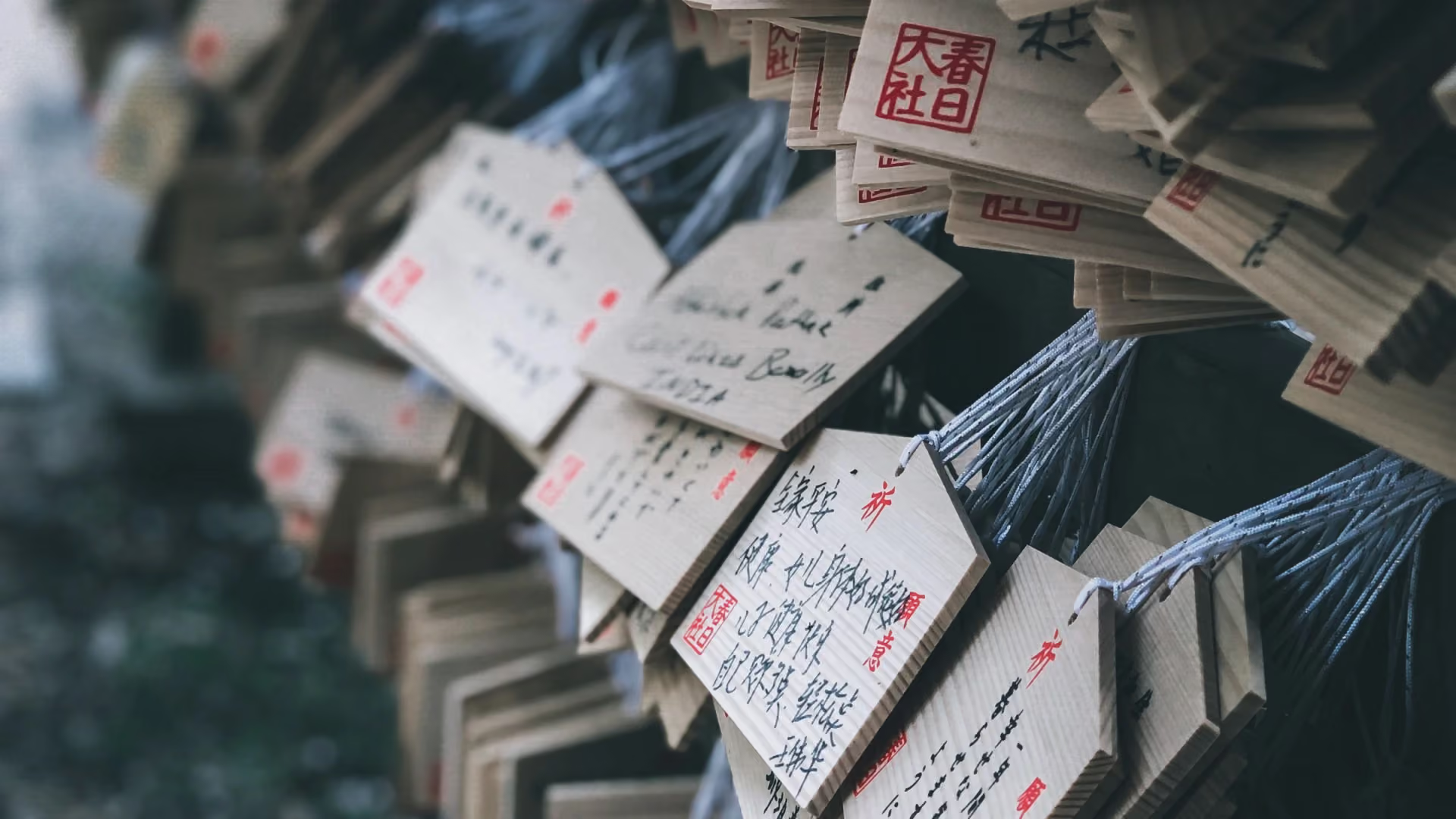
YamaguchiA Tenman-gu Shrine in Yamaguchi City founded in 1373, it enshrines Sugawara no Michizane and was relocated in 1618 by the Mori clan.
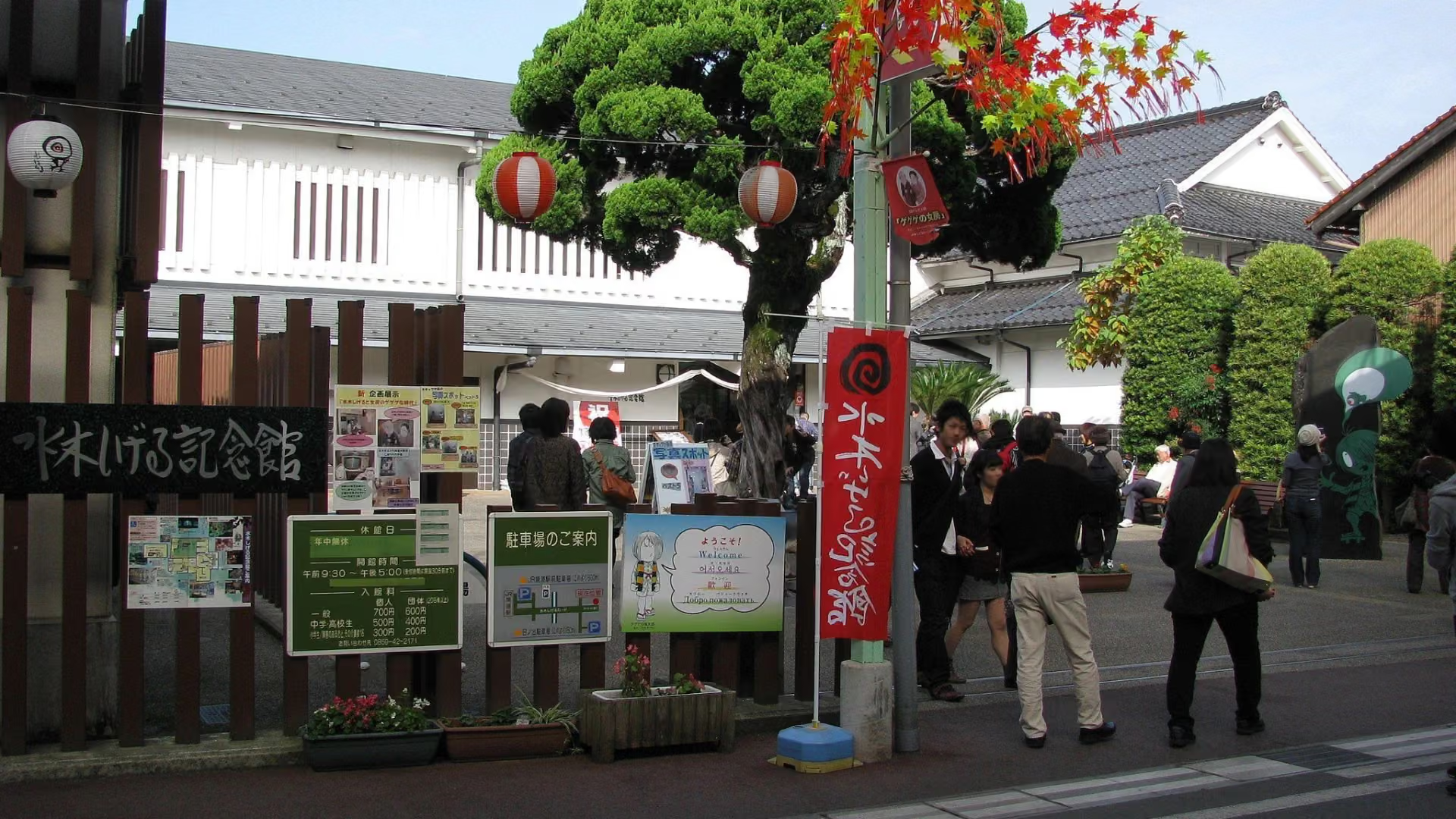
YamaguchiThe Mizuki Shigeru Museum showcases the manga artist's original works and illustrations, with workshops and annual birthday celebration events.
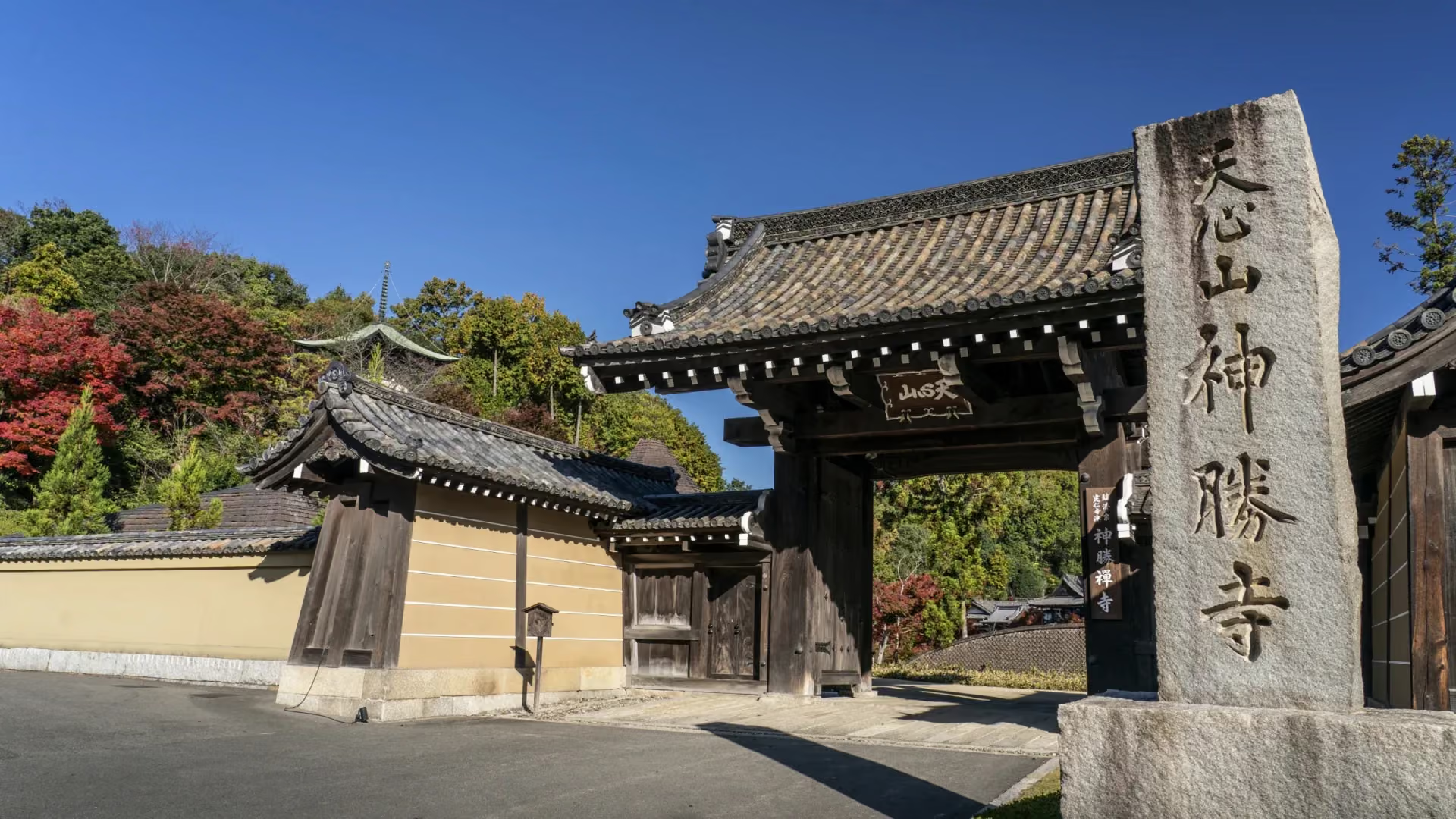
Sakaiminato · TottoriA Rinzai Zen temple at Fukuyama with tea houses, moved historic halls, gardens, and one of the largest collections of Hakuin's Zen painting.
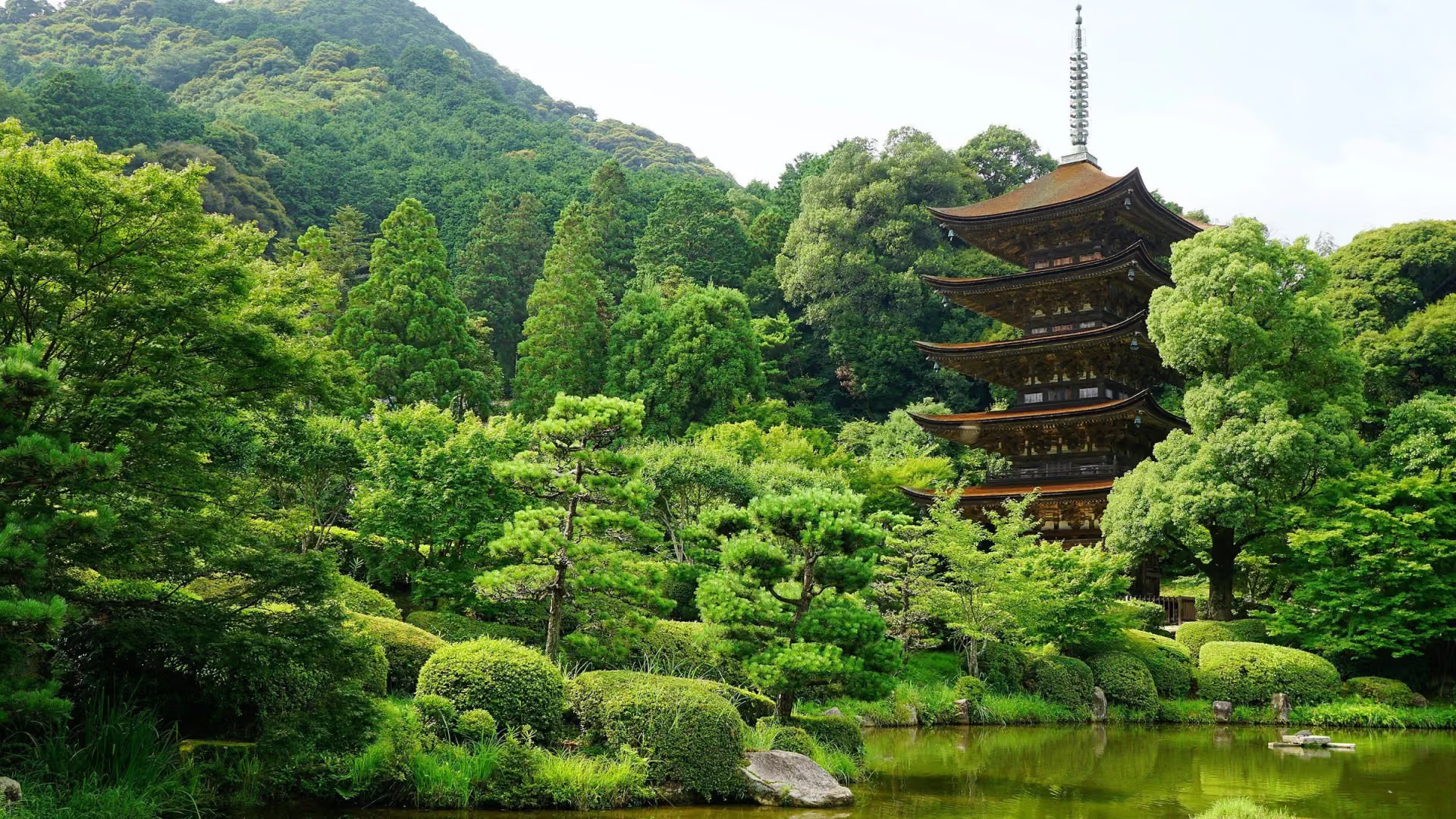
Fukuyama · HiroshimaFive-story pagoda completed in 1442 as a military memorial, recognized as the finest mid-Muromachi structure and designated a national treasure.
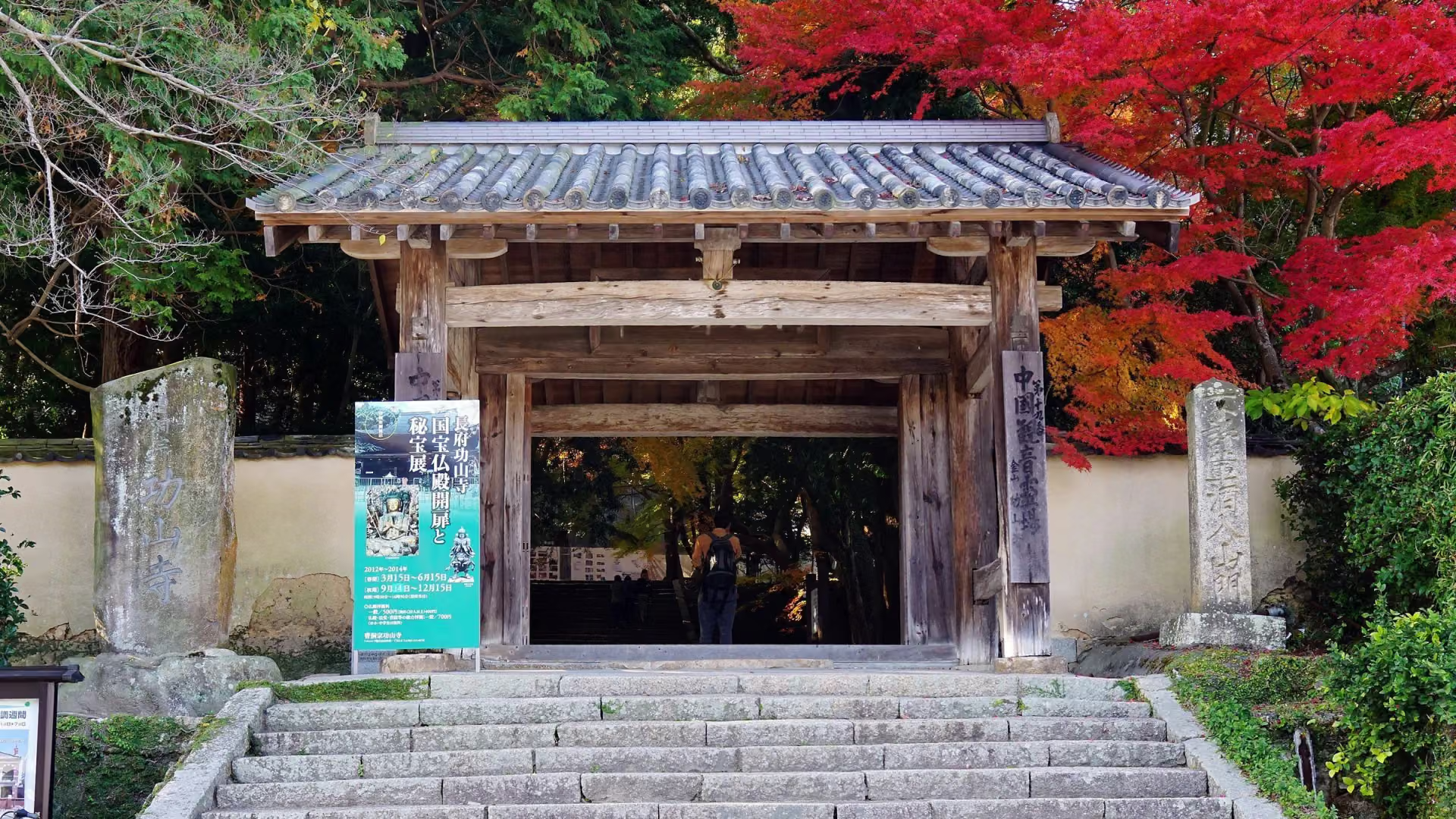
YamaguchiA Buddhist temple in Yamaguchi featuring two national treasure halls from the Kamakura period, including one built in 1320.
Shimonoseki · YamaguchiA six-hectare strolling garden beside Hiroshima Airport, laid out in three zones that stand for the mountains, the countryside and the sea of Hiroshima.
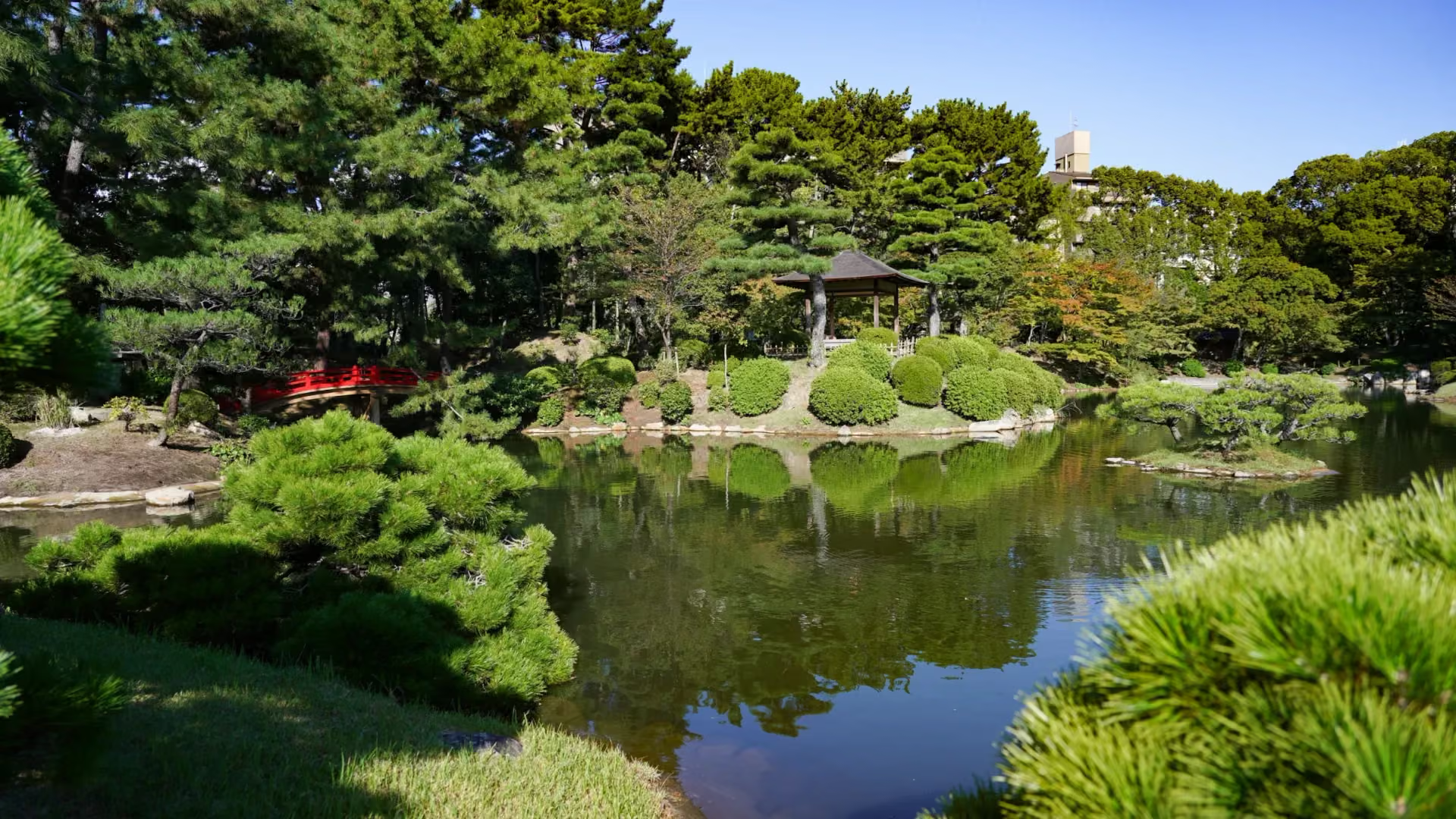
Mihara · HiroshimaA daimyo garden begun in 1620 in the centre of Hiroshima, destroyed by the atomic bomb and rebuilt over thirty years.
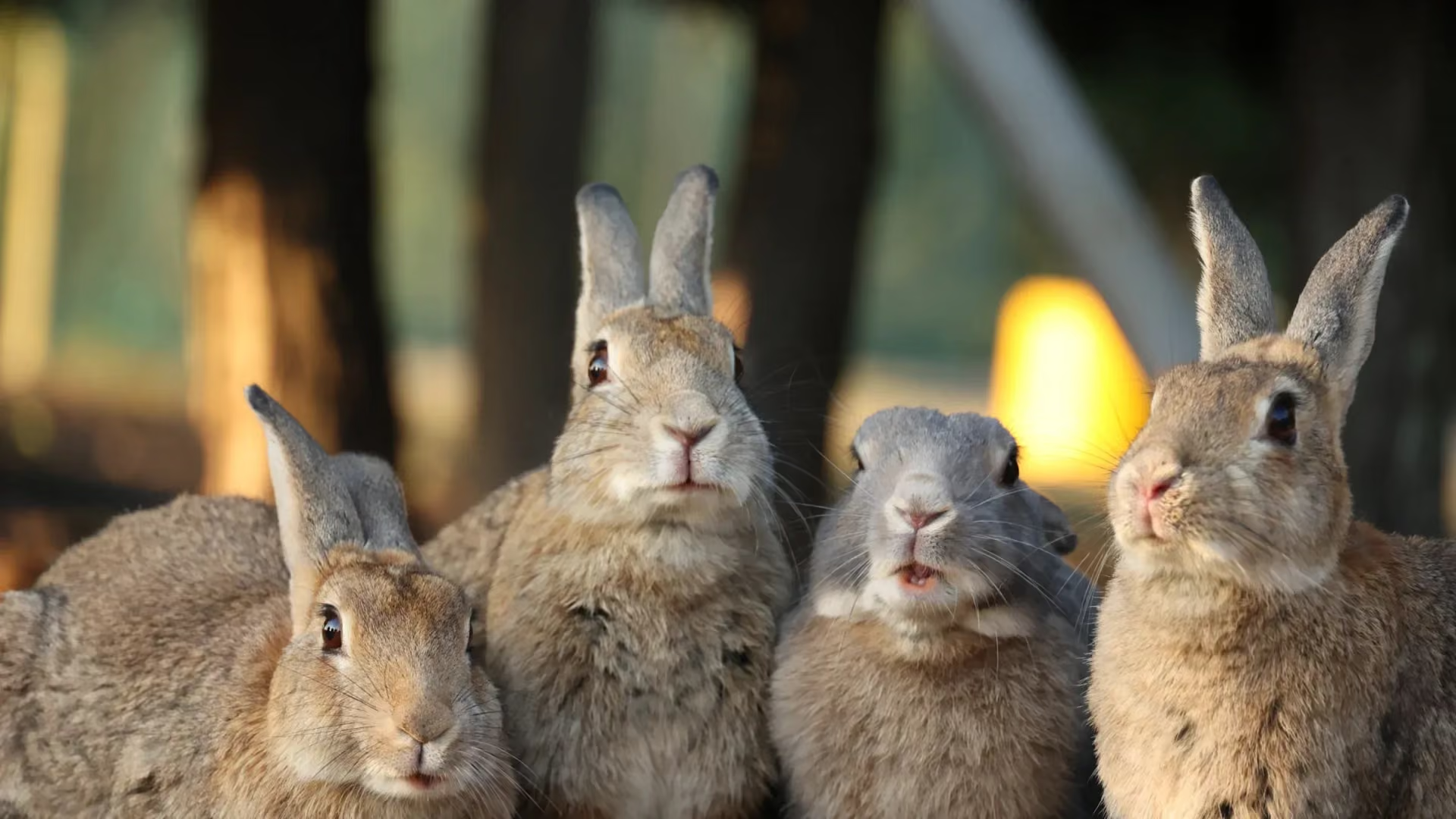
HiroshimaA small island in the Inland Sea with about a thousand wild rabbits on it, which was the Japanese army's poison gas works until 1945.
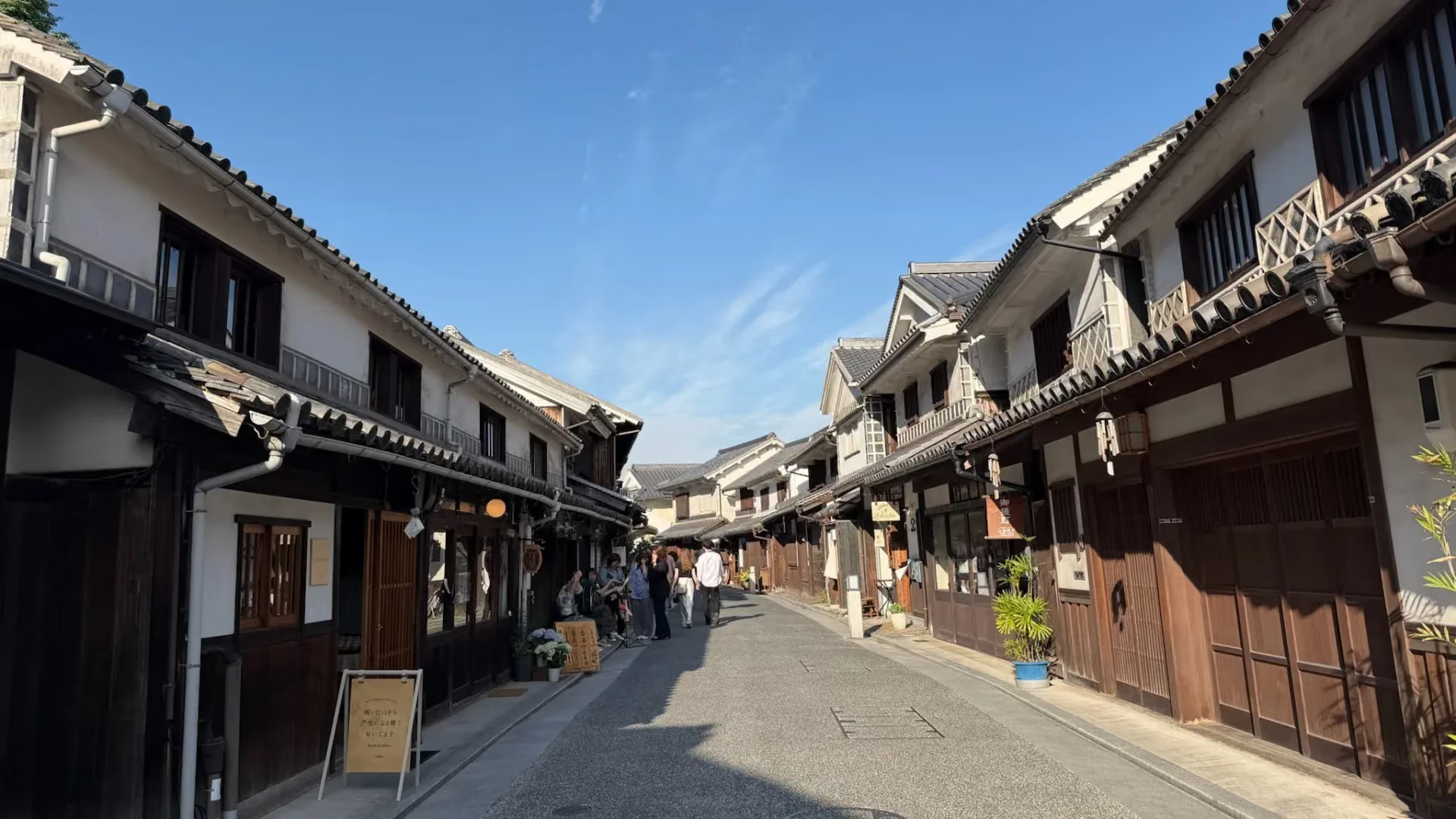
Takehara · HiroshimaA quarter of white-walled storehouses along a canal in Okayama, built on the rice trade and preserved since the 1960s.
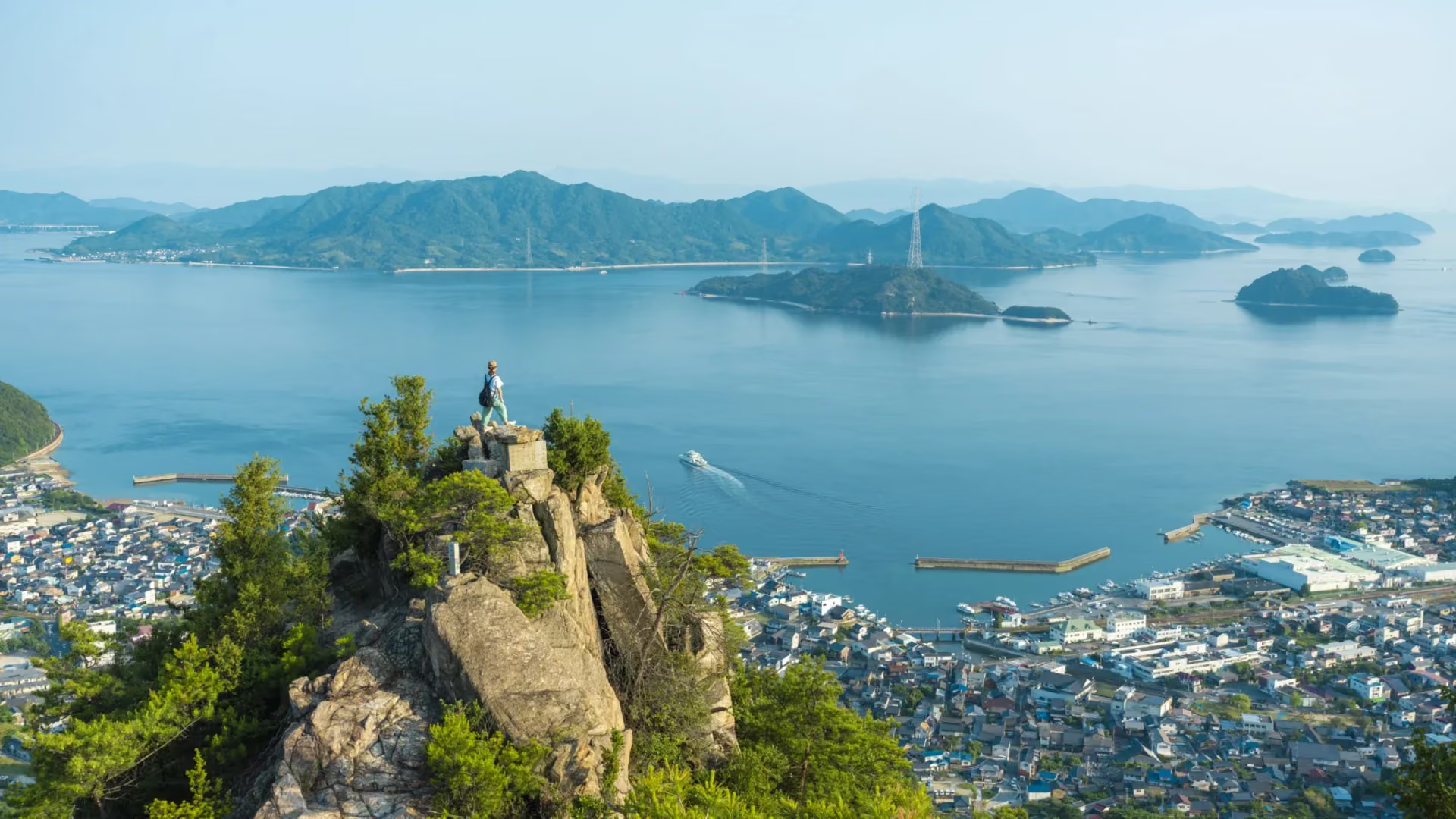
Kurashiki · OkayamaA 266-metre hill above Tadanoumi in Takehara, half an hour's walk to a view over Okunoshima and the islands of the Seto Inland Sea.
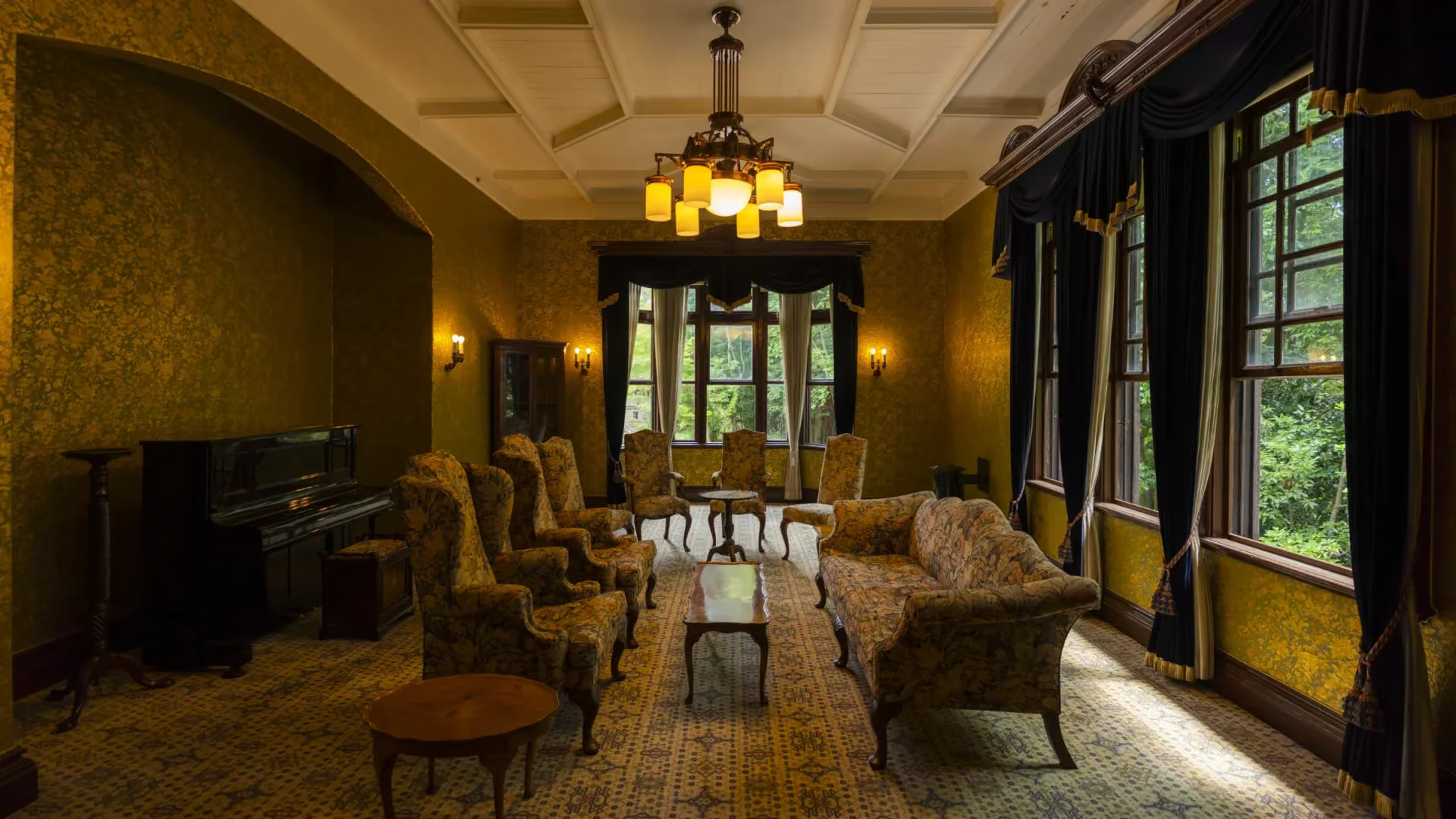
Takehara · HiroshimaThe restored 1905 residence of the commander of the Kure naval district, with rare gilded leather paper on its walls, and a naval arsenal clock tower.
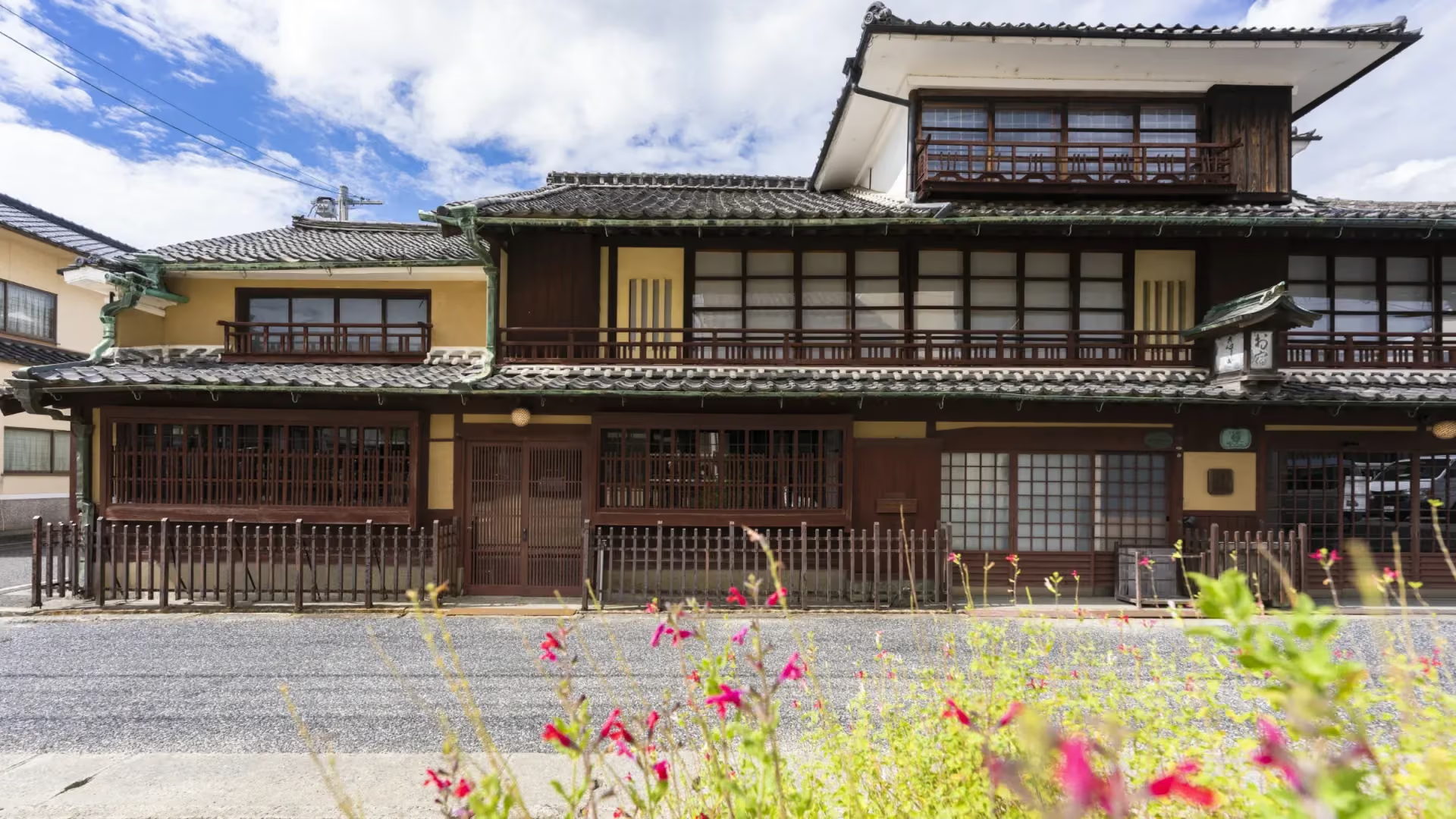
Kure · HiroshimaA restaurant inn of 1872 in Fuchu, Hiroshima, with a strolling garden of 1918, now on the national register and open to the public.
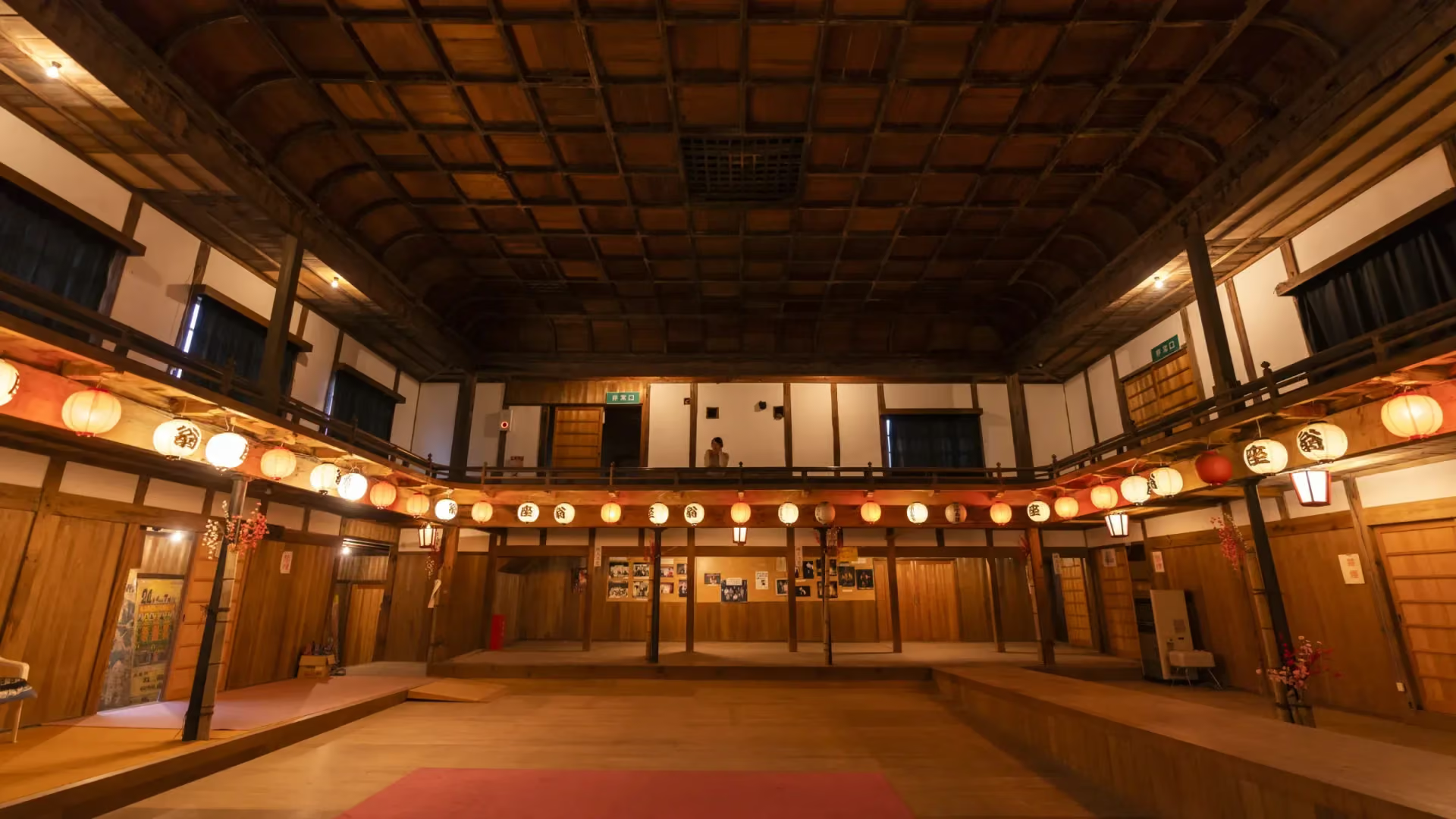
Fuchu · HiroshimaA wooden theatre of 1927 in the old post town of Joge, the only pre-war wooden playhouse still standing in the Chugoku region.
Fuchu · Hiroshima