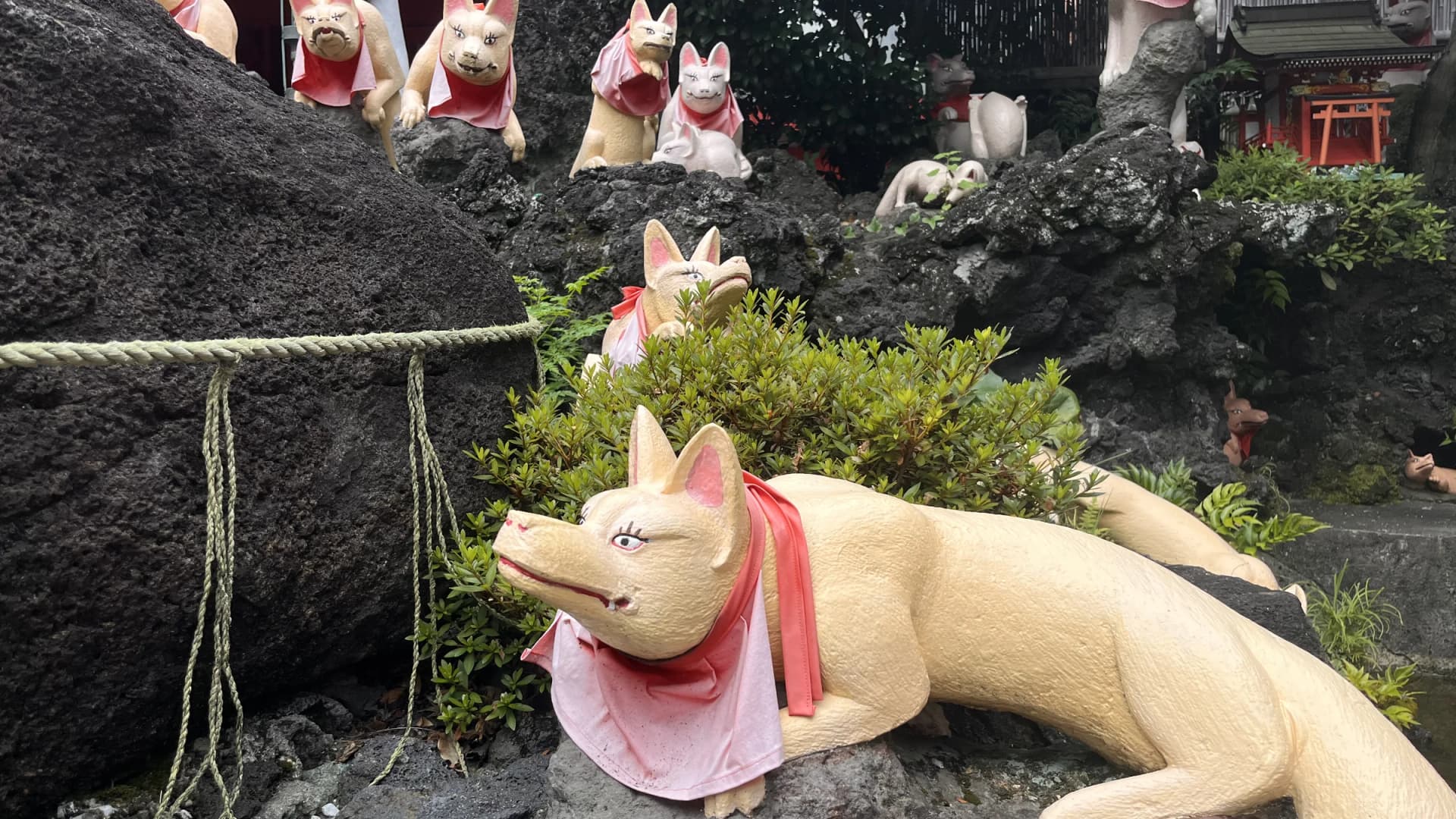
Keihin Fushimi Inari Shrine
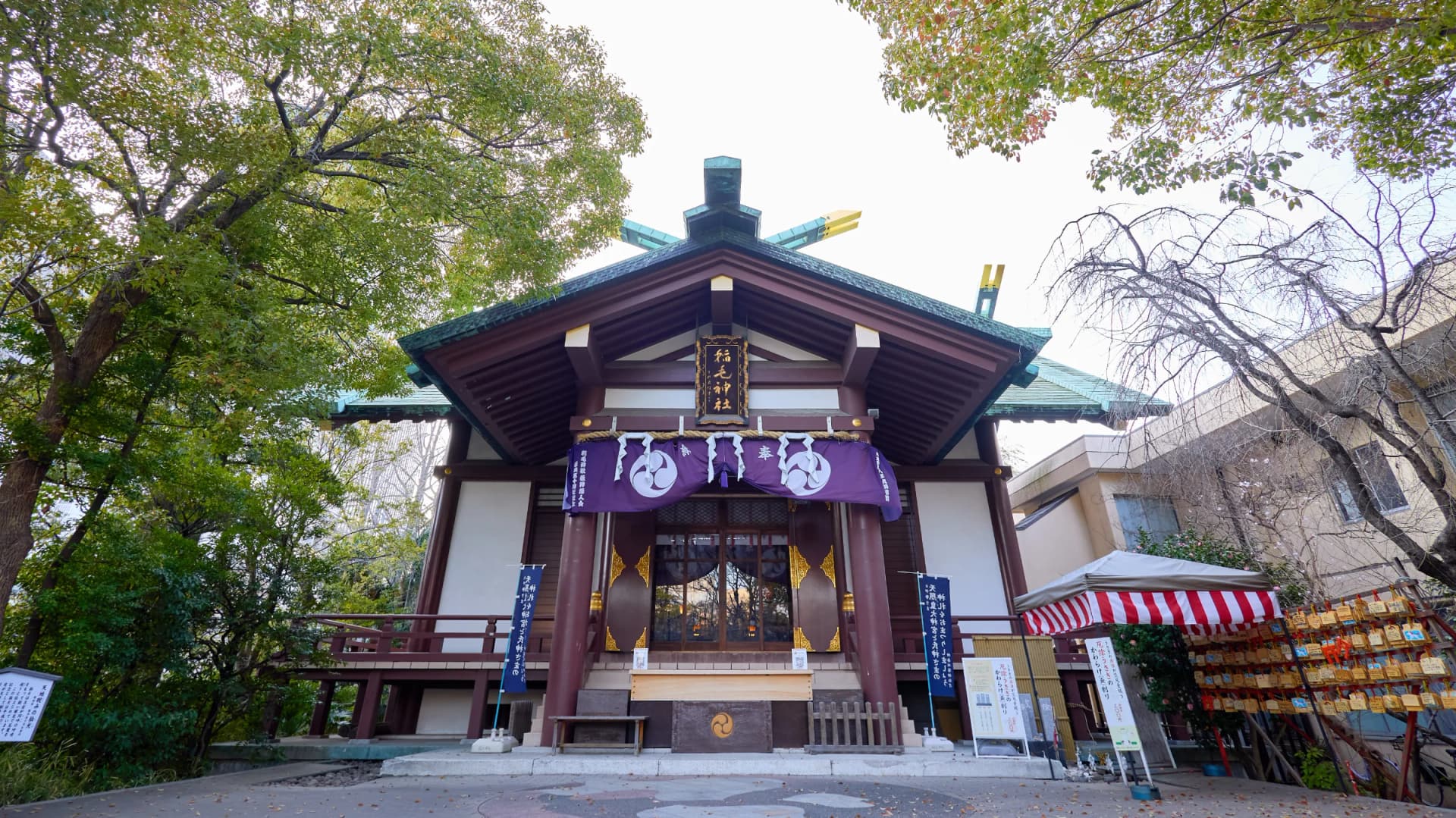
A small, charming Inari shrine in Kawasaki, guarded by 108 stone foxes and ringed with Fuji lava – a postwar branch of Kyoto's Fushimi Inari.
Kawasaki · Kanagawa

A small, charming Inari shrine in Kawasaki, guarded by 108 stone foxes and ringed with Fuji lava – a postwar branch of Kyoto's Fushimi Inari.
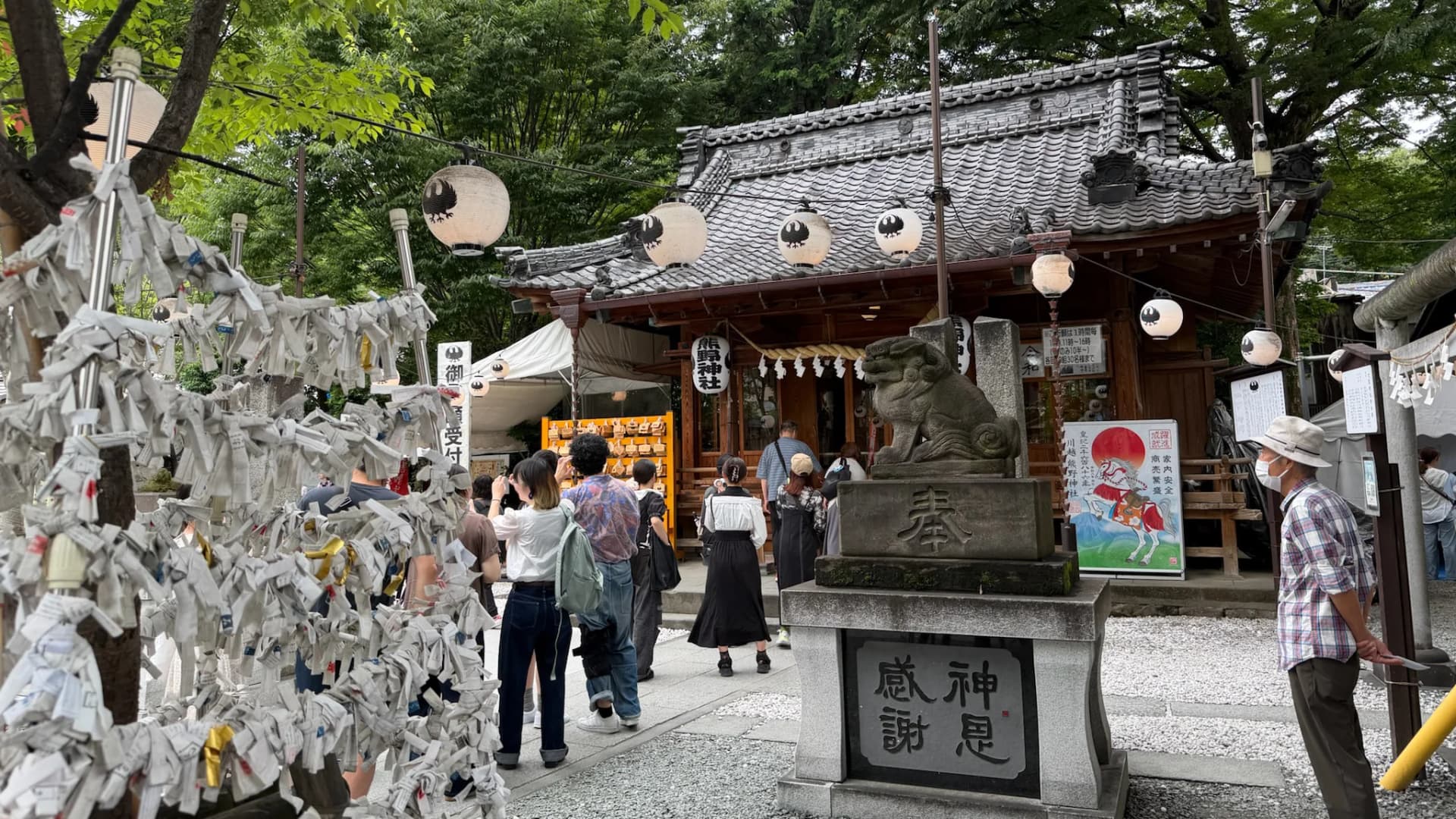
Kawasaki · KanagawaFounded in 1590 in Kawagoe, Kumano Shrine honours the Kumano deities and the yatagarasu crow, drawing visitors seeking fortune, love, and protection.
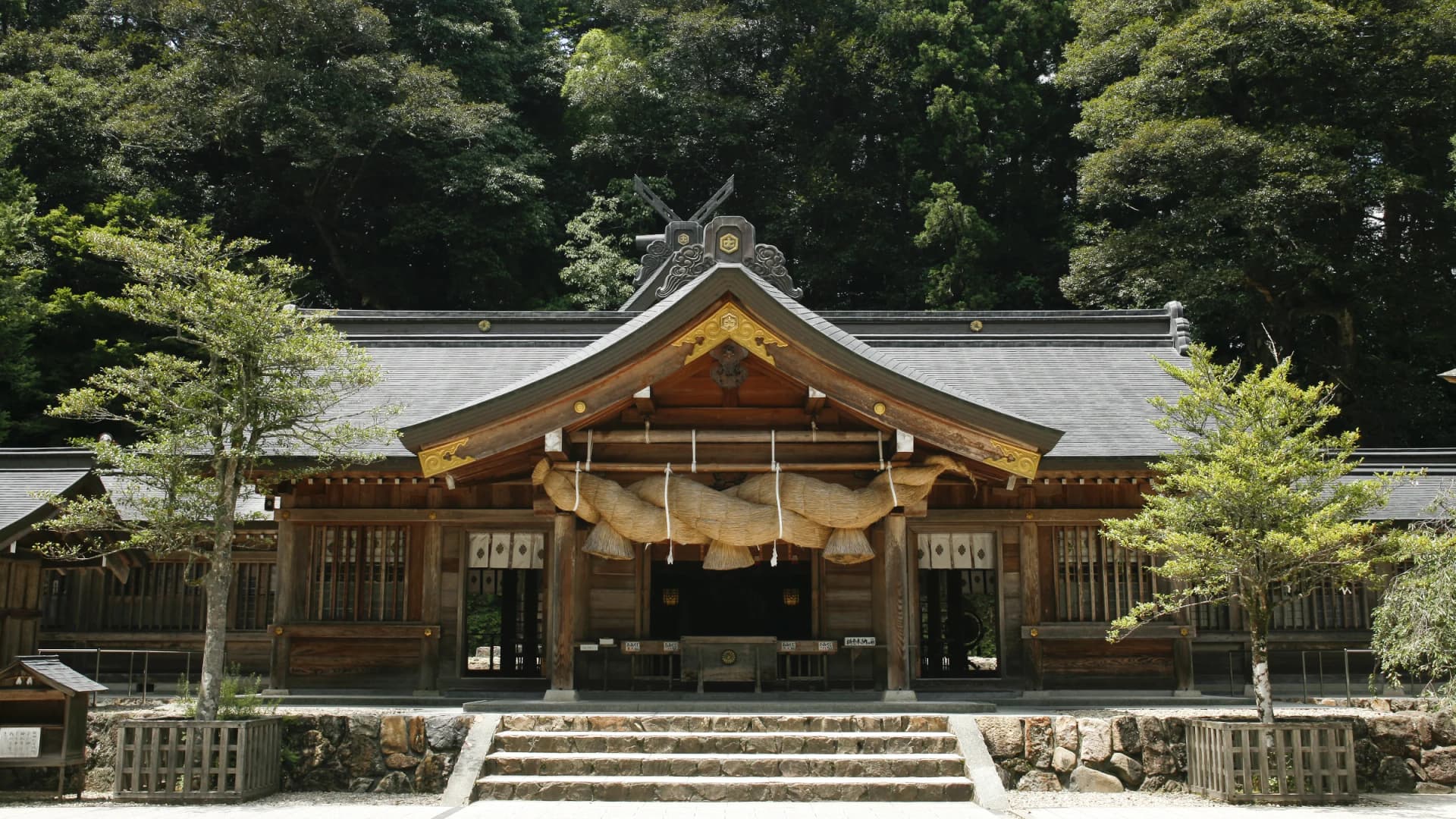
Kawagoe · SaitamaKumano Taisha, Izumo's "birthplace of fire", holds sacred hikiriusu and hikirigine fire-drills, a startling rice-cake ritual, and Susanoo's comb festival for Princess Inada.
Matsue · Shimane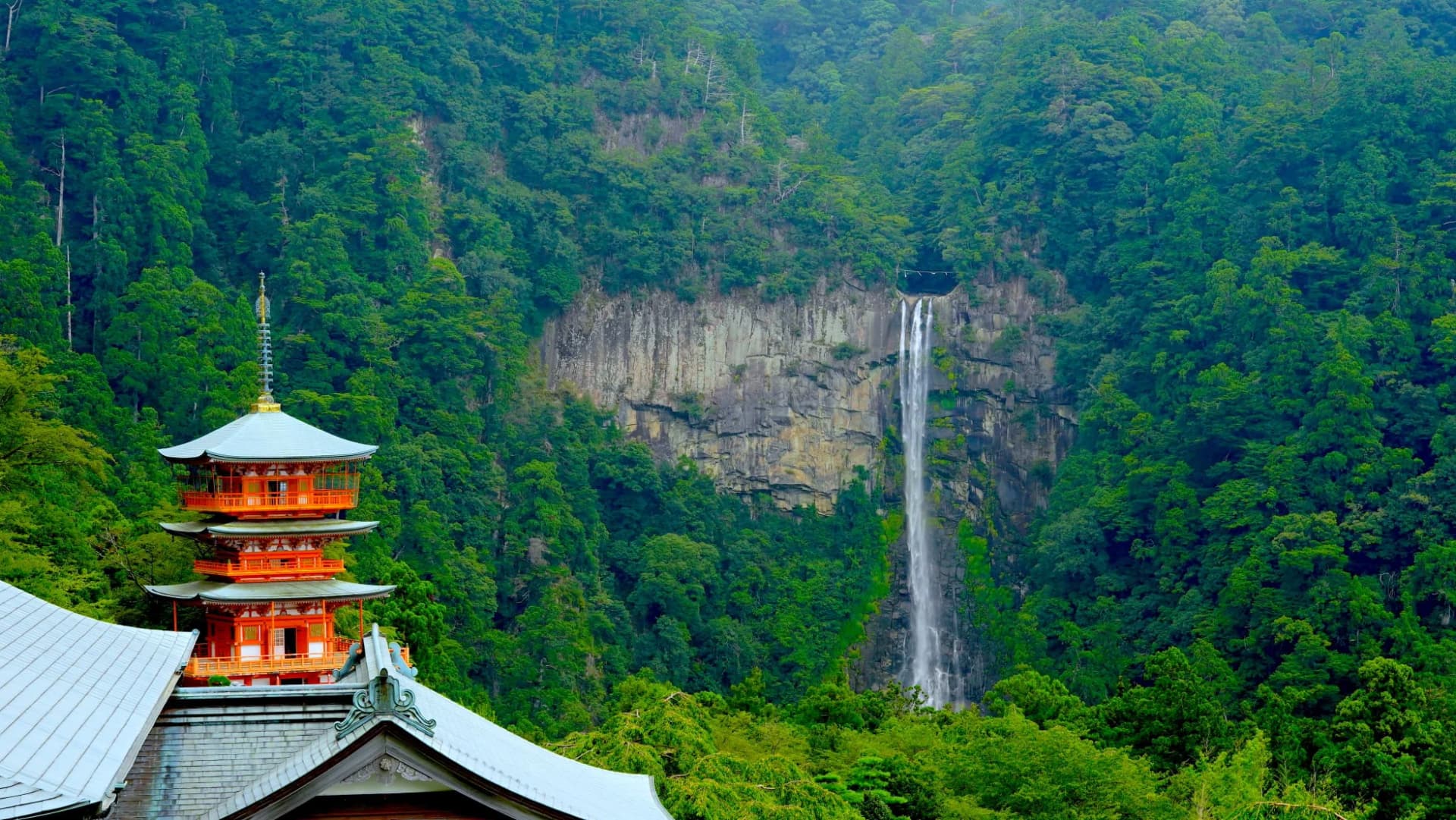
One of the three grand shrines of Kumano, beside Japan's tallest waterfall – and spiritual home of the Yatagarasu, the three-legged crow on Japan's football crest.
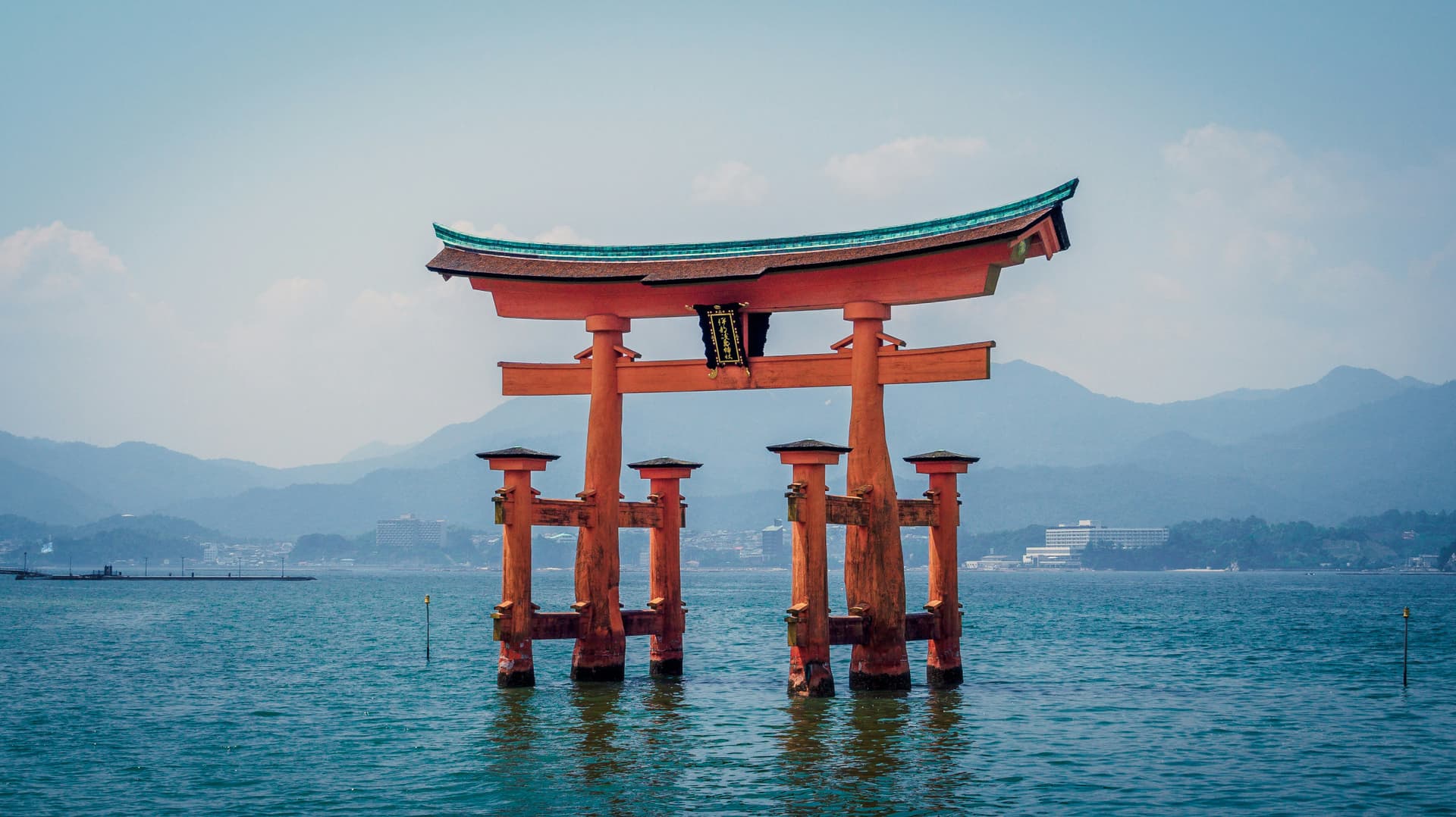
WakayamaThe floating shrine of Miyajima, built out over a tidal cove, with its great vermilion torii standing in the sea off the sacred island.
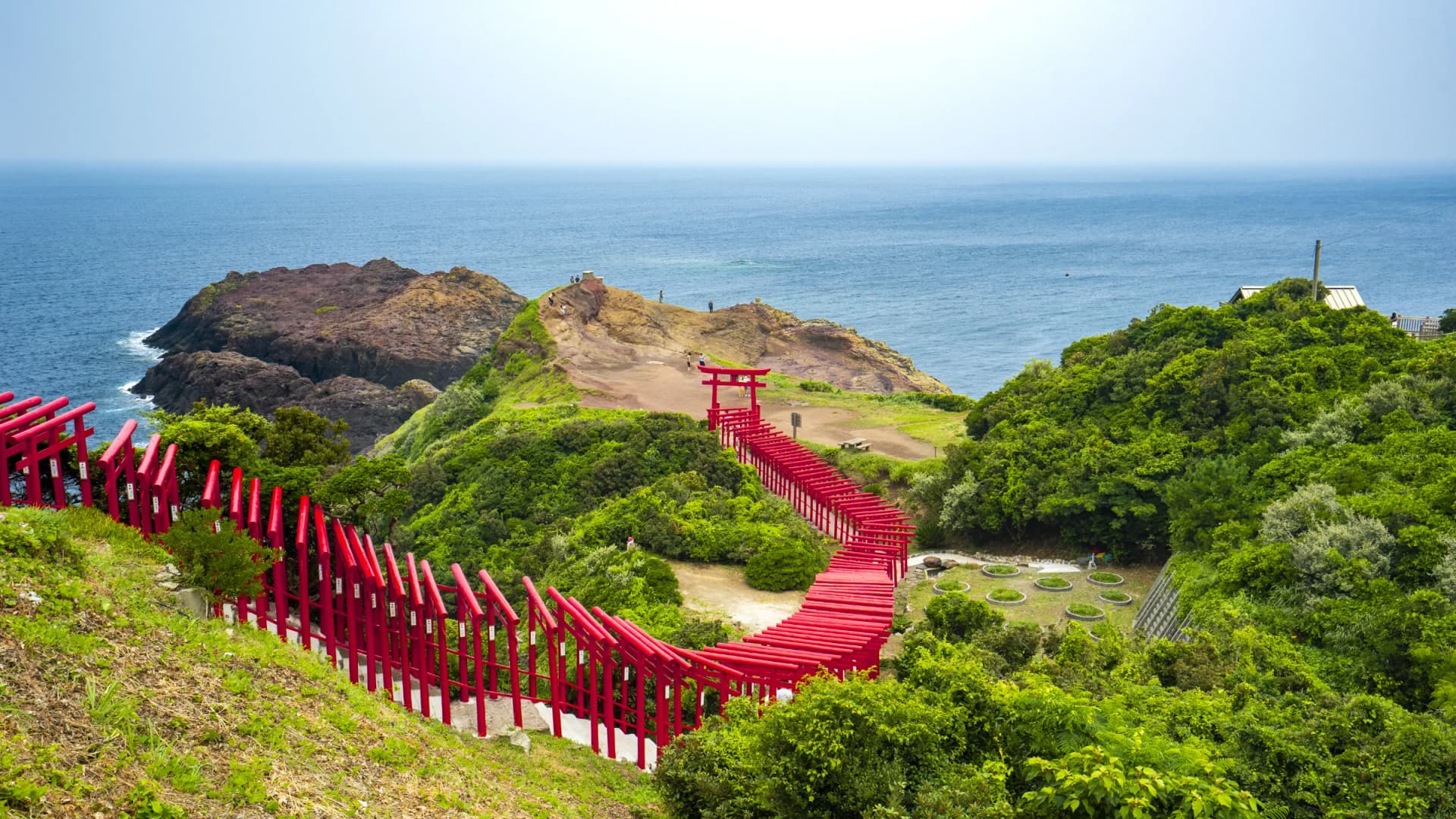
Hatsukaichi · HiroshimaA clifftop shrine on the Nagato coast where 123 red torii run down to the Sea of Japan, with an offering box perched high on the entrance gate.
Nagato · YamaguchiA thousand-year-old shrine in central Kawasaki dedicated to victory and harmony, and home to the Kawasaki Sanno Festival.
Kawasaki · KanagawaHakone Shrine, Motohakone, Hakone, Kanagawa, was founded in 757 on the shores of Lake Ashi and is known for its Heiwa no Torii, a red torii gate standing in the lake.
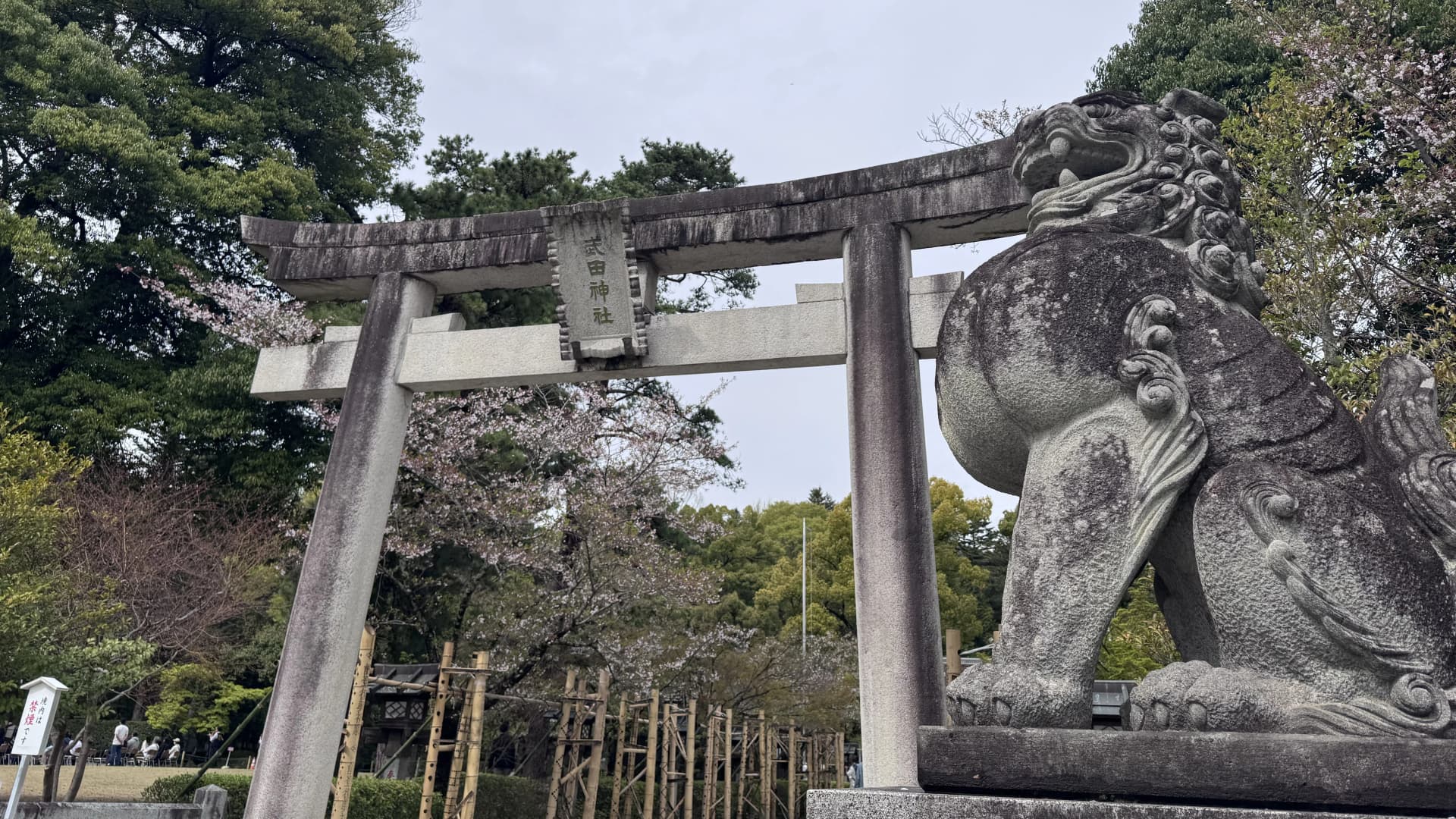
Hakone · KanagawaThis shrine honors Takeda Shingen, a Sengoku-period general remembered for both military prowess and regional development in the domain he ruled.
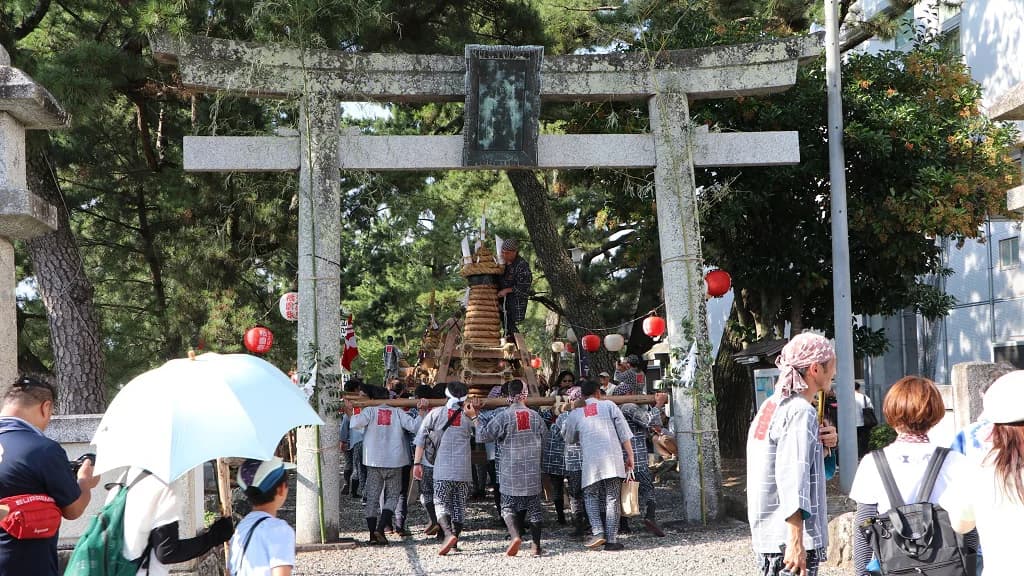
Kofu · YamanashiYoshida Shrine in Toyohashi, Aichi, dates to 1124, stood within Yoshida Castle under its lords, and is known as the birthplace of tezutsu hand-held fireworks.
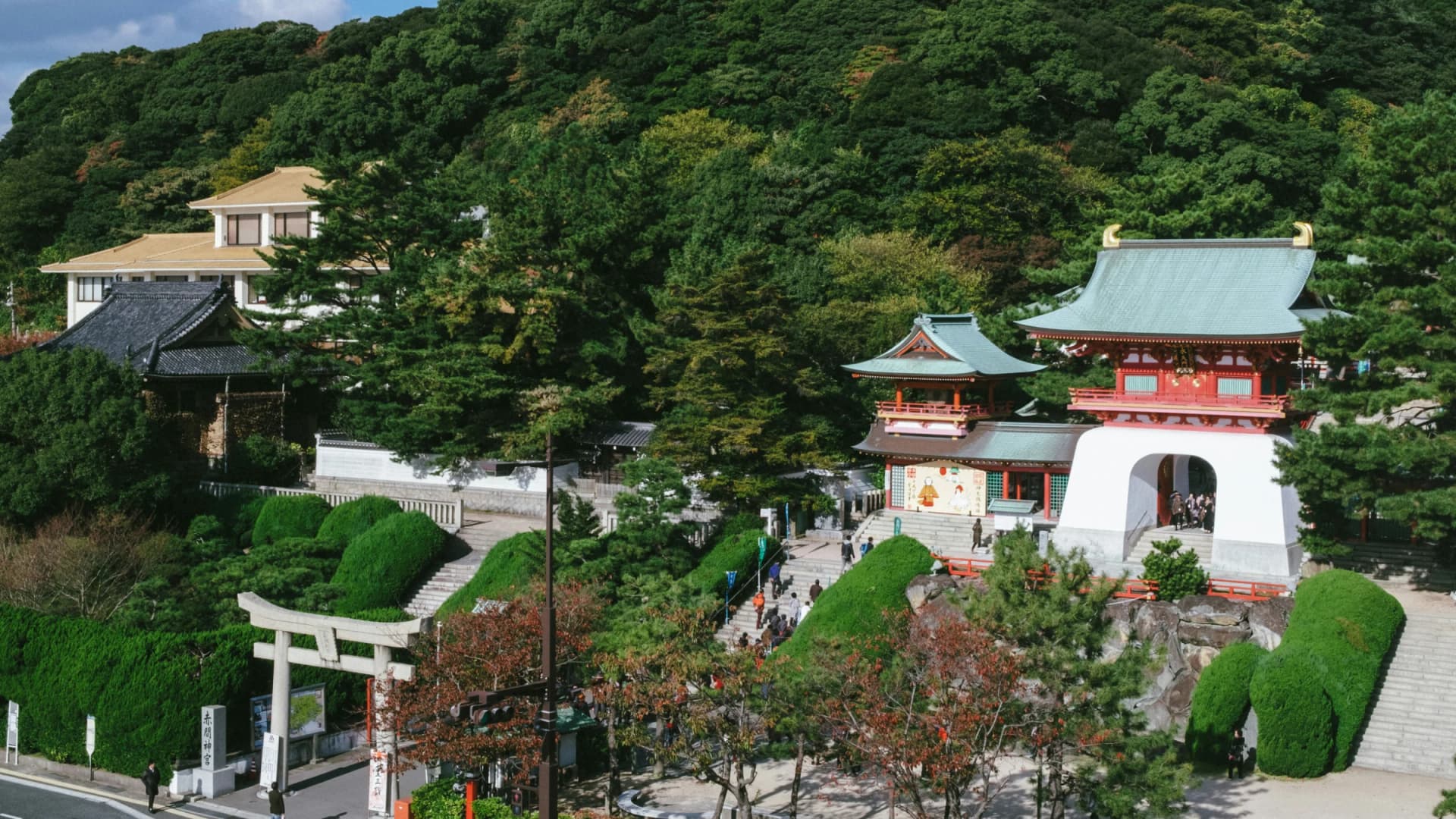
Toyohashi · AichiShinto shrine honoring Antoku, an emperor who died during the Battle of Dan-no-ura in 1185, with a gate designed after the legendary underwater palace of the Dragon God.
Shimonoseki · YamaguchiThis shrine honors Tokugawa Ieyasu, the founder and first military leader of the Tokugawa Shogunate, and was established in 1624.
Maebashi · GunmaTokyo's largest Hachiman shrine, established in 1627, holds historical significance as the birthplace of Kanjin-zumō, a precursor to modern Grand Sumo.
TokyoSaijo Inari is a 1,200-year-old Buddhist temple and one of Japan's three great Inari sites, preserving a rare form of Shinto-Buddhist syncretic worship.
OkayamaBitchukoku Soja Shrine consolidated deities of 324 provincial shrines into a single site dedicated to the deity of nation-building and good fortune.
Soja · OkayamaUesugi Shrine in Yonezawa honors the formidable warlord Uesugi Kenshin and was rebuilt in 1923 following a destructive fire.
Yonezawa · YamagataSendai Toshogu Shrine, established in 1654 to honor Tokugawa Ieyasu, stands out among Japan's Toshogu shrines for its scale and beauty.
Sendai · MiyagiThe head shrine of approximately 12,000 Tenmangū and Tenjin shrines throughout Japan, Kitano Tenmangū is dedicated to the deity of learning and culture.
Kyoto