Motonosumi Shrine
A clifftop shrine on the Nagato coast where 123 red torii run down to the Sea of Japan, with an offering box perched high on the entrance gate.
Nagato · Yamaguchi

A clifftop shrine on the Nagato coast where 123 red torii run down to the Sea of Japan, with an offering box perched high on the entrance gate.
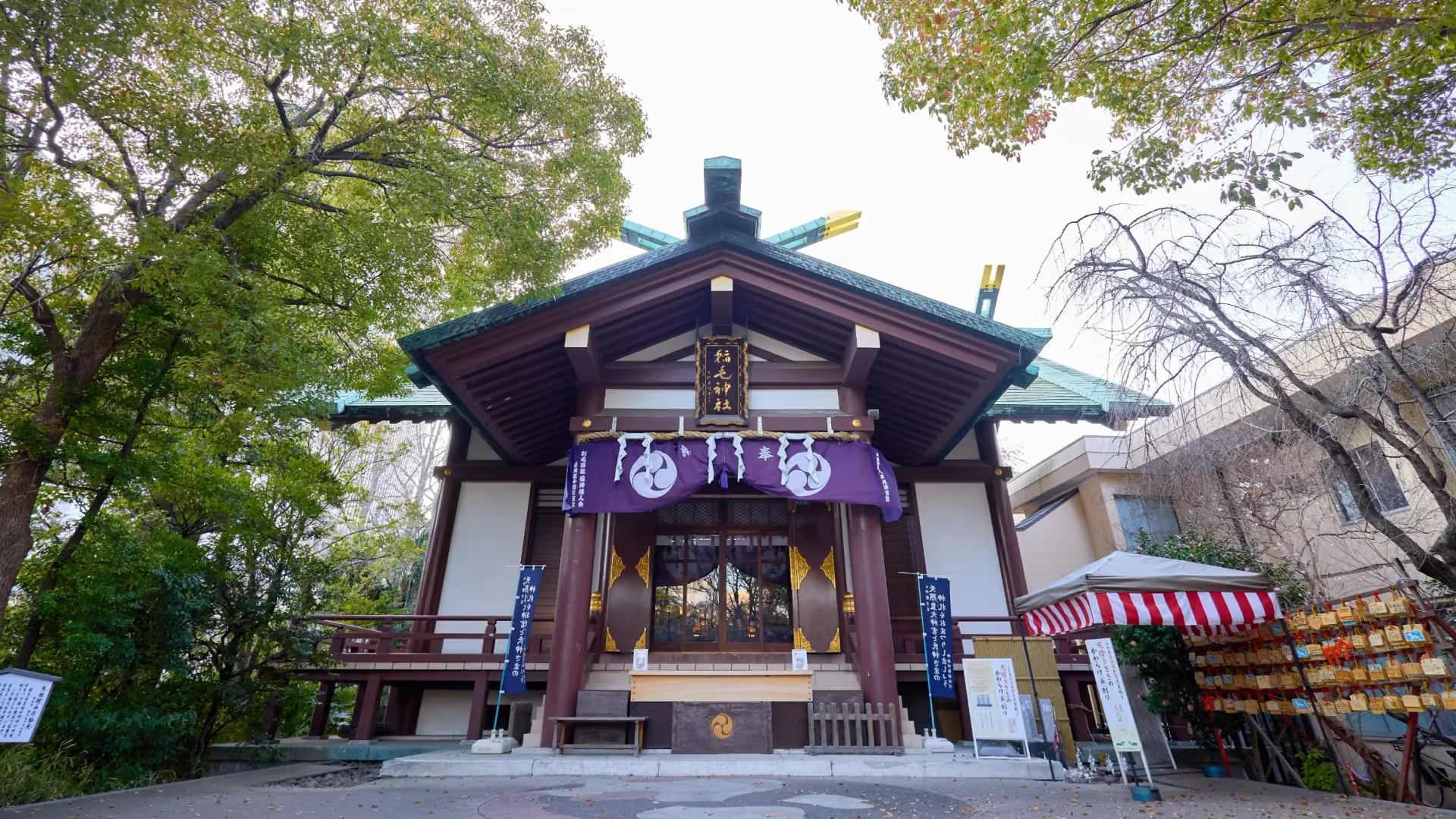
Nagato · YamaguchiA thousand-year-old shrine in central Kawasaki dedicated to victory and harmony, and home to the Kawasaki Sanno Festival.
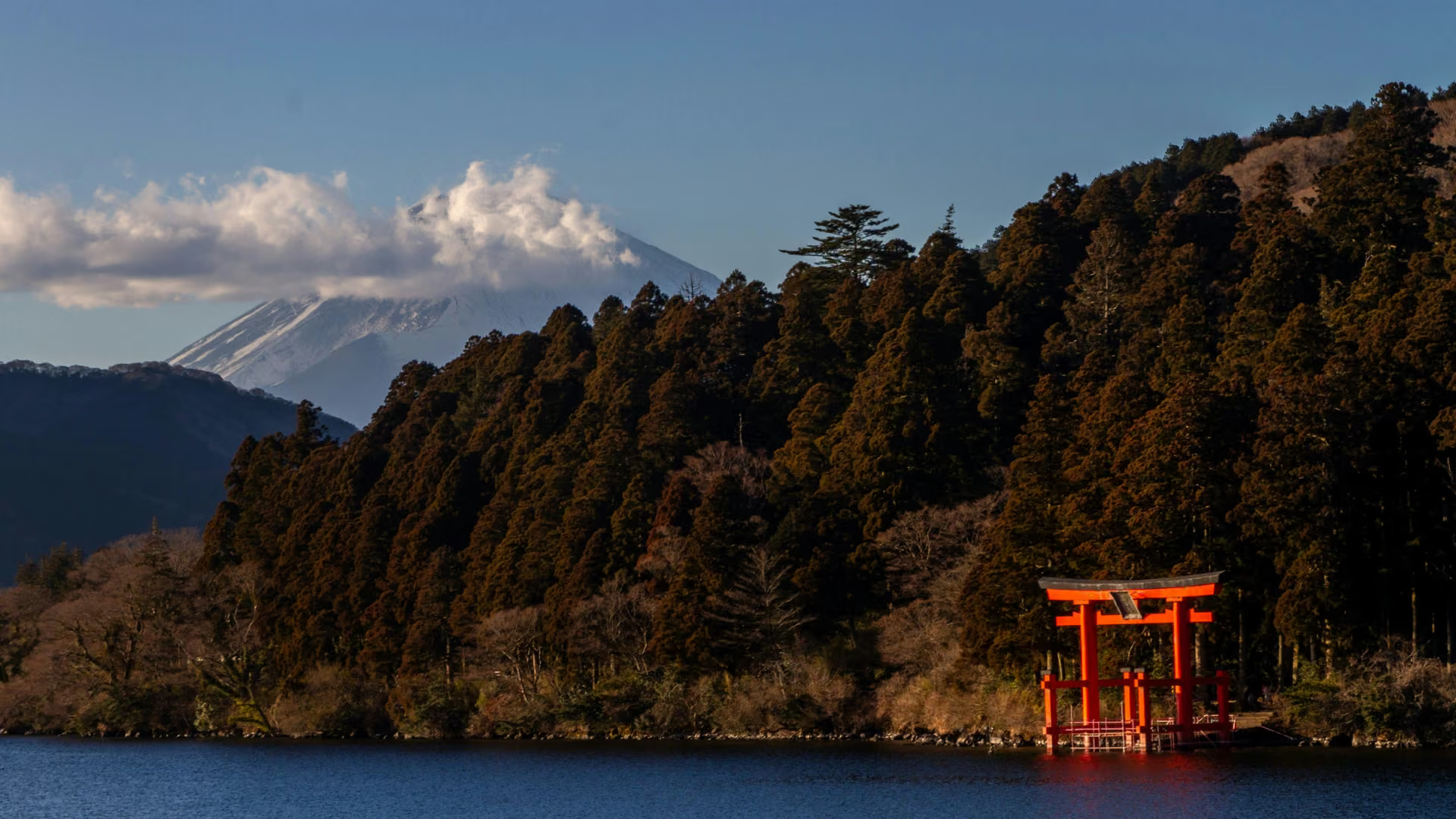
Kawasaki · KanagawaShrine in Motohakone, Hakone, Kanagawa, founded in 757 on the shores of Lake Ashi and known for the Heiwa no Torii, a red torii gate standing in the lake.
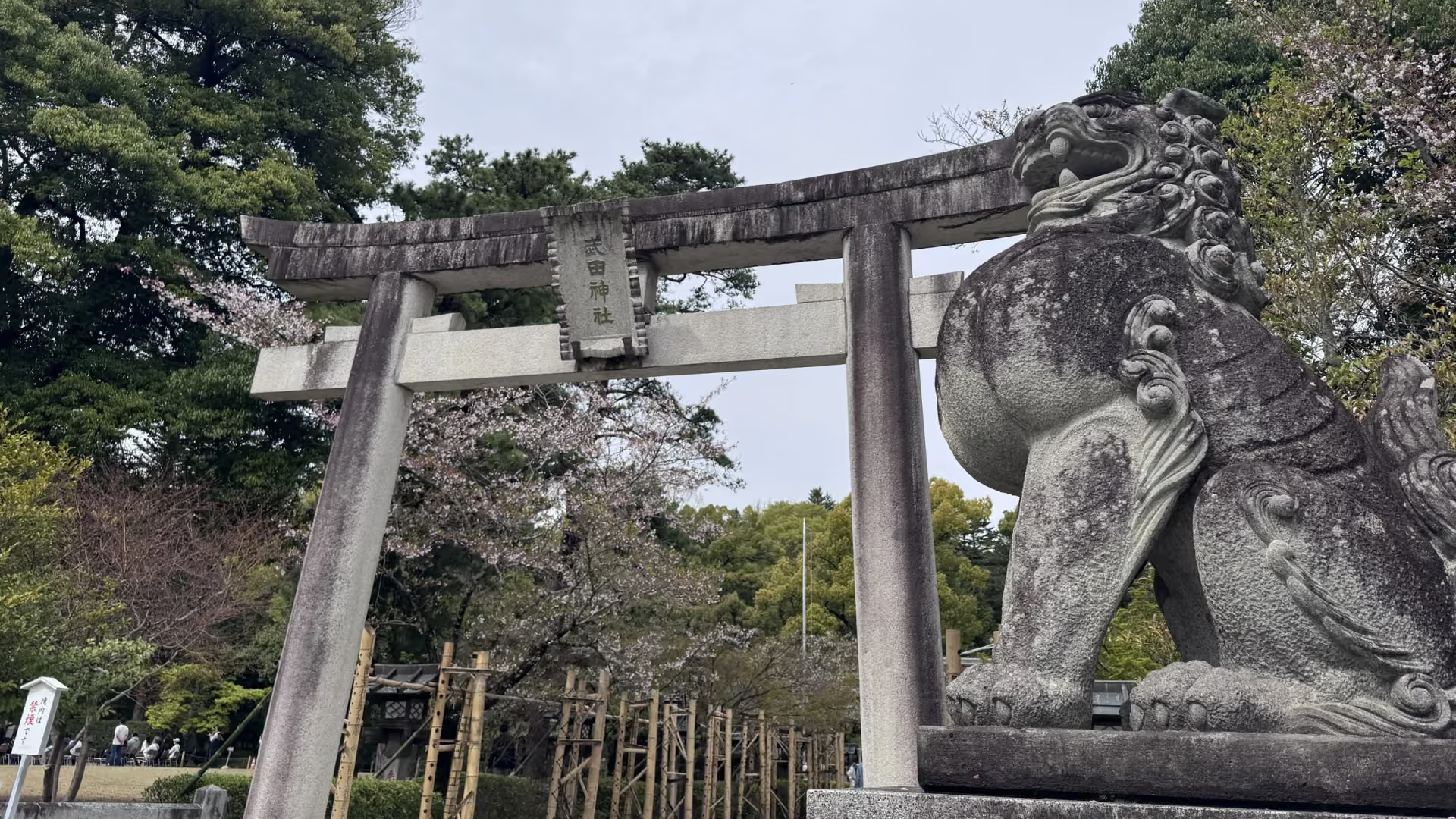
Hakone · KanagawaThis shrine honors Takeda Shingen, a Sengoku-period general remembered for both military prowess and regional development in the domain he ruled.
Kofu · YamanashiYoshida Shrine in Toyohashi, Aichi, dates to 1124, stood within Yoshida Castle under its lords, and is known as the birthplace of tezutsu hand-held fireworks.
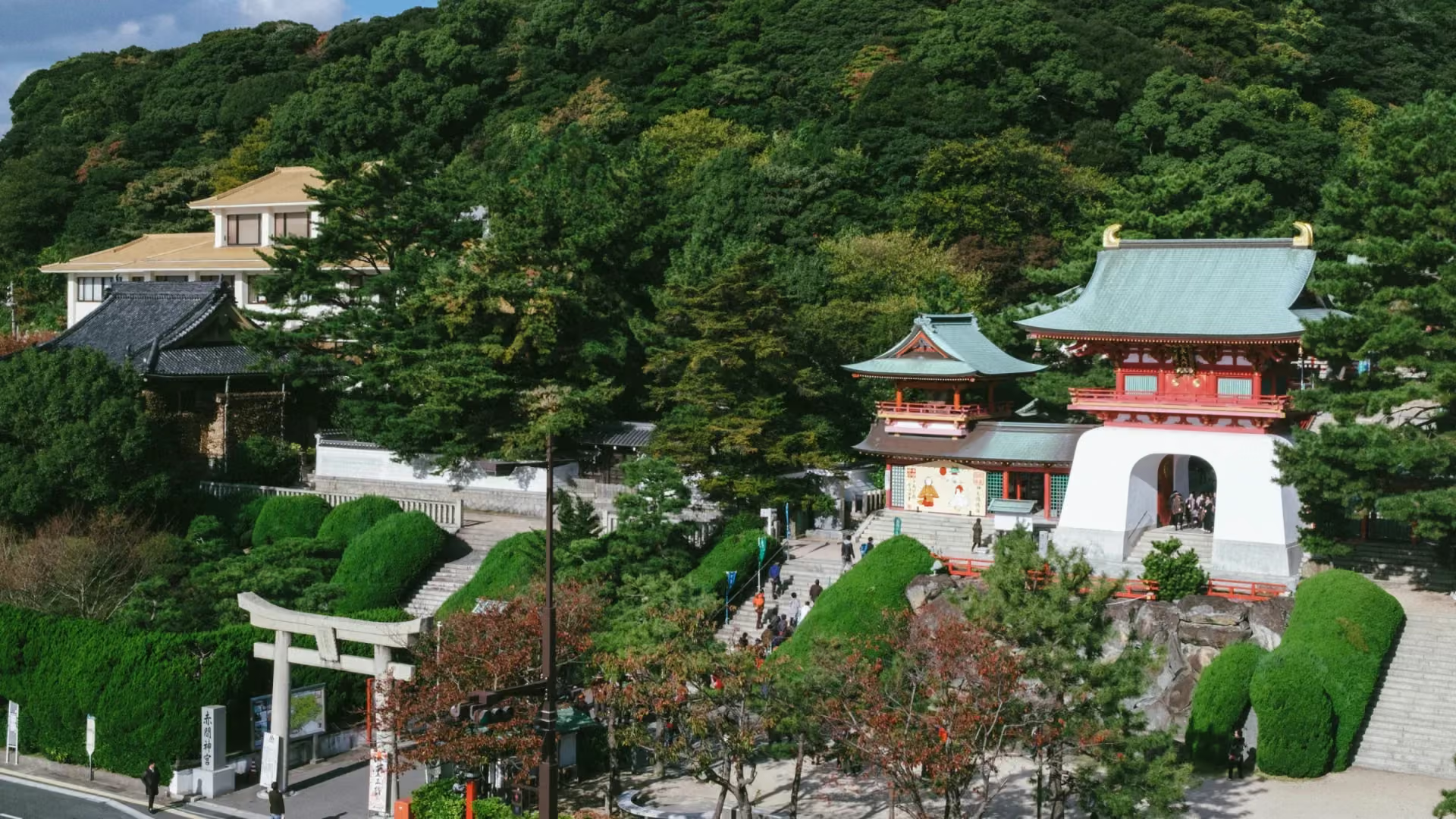
Toyohashi · AichiShinto shrine in Shimonoseki for the child Emperor Antoku, who died at the Battle of Dan-no-ura in 1185, with a gate modelled on the Dragon God's sea palace.
Shimonoseki · YamaguchiSendai Toshogu Shrine, established in 1654 to honor Tokugawa Ieyasu, stands out among Japan's Toshogu shrines for its scale and beauty.
Sendai · MiyagiKanazawa shrine founded over 1,250 years ago for Hachiman and Bishamon, honouring Maeda Toshiie, and counted among the city's five great shrines.
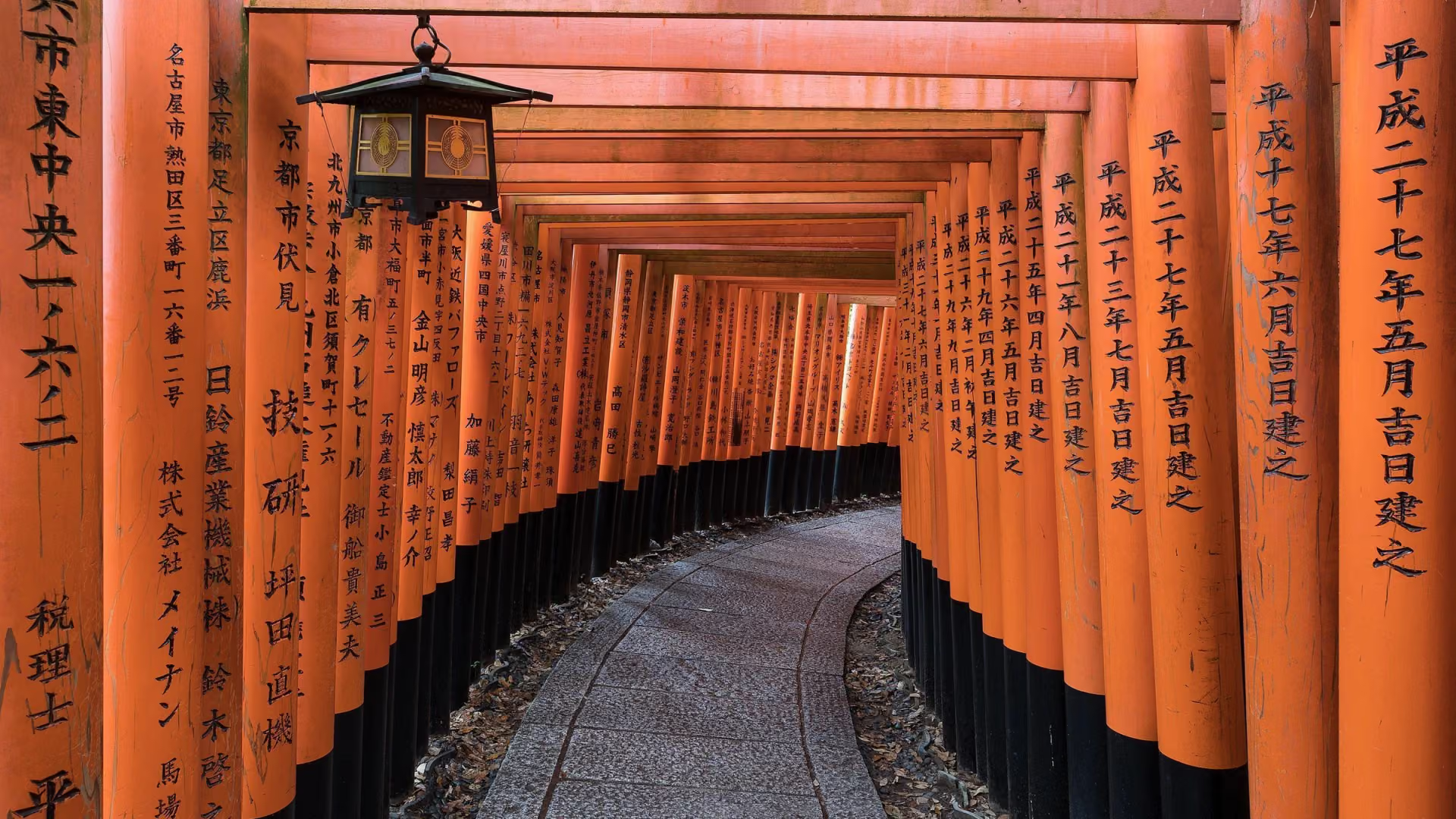
Kanazawa · IshikawaThis Kyoto shrine devoted to Inari features thousands of torii gates donated by devotees seeking good fortune and prosperity in business and agriculture.
KyotoThis shrine venerates the god of agriculture and prosperity, featuring traditional architecture, serene gardens, and a distinctive merchant-donated gate.
Sakai · FukuiDedicated to Date Masamune, the founder of Sendai, this shrine was established in 1874 and serves as a symbolic center of the city's samurai heritage.
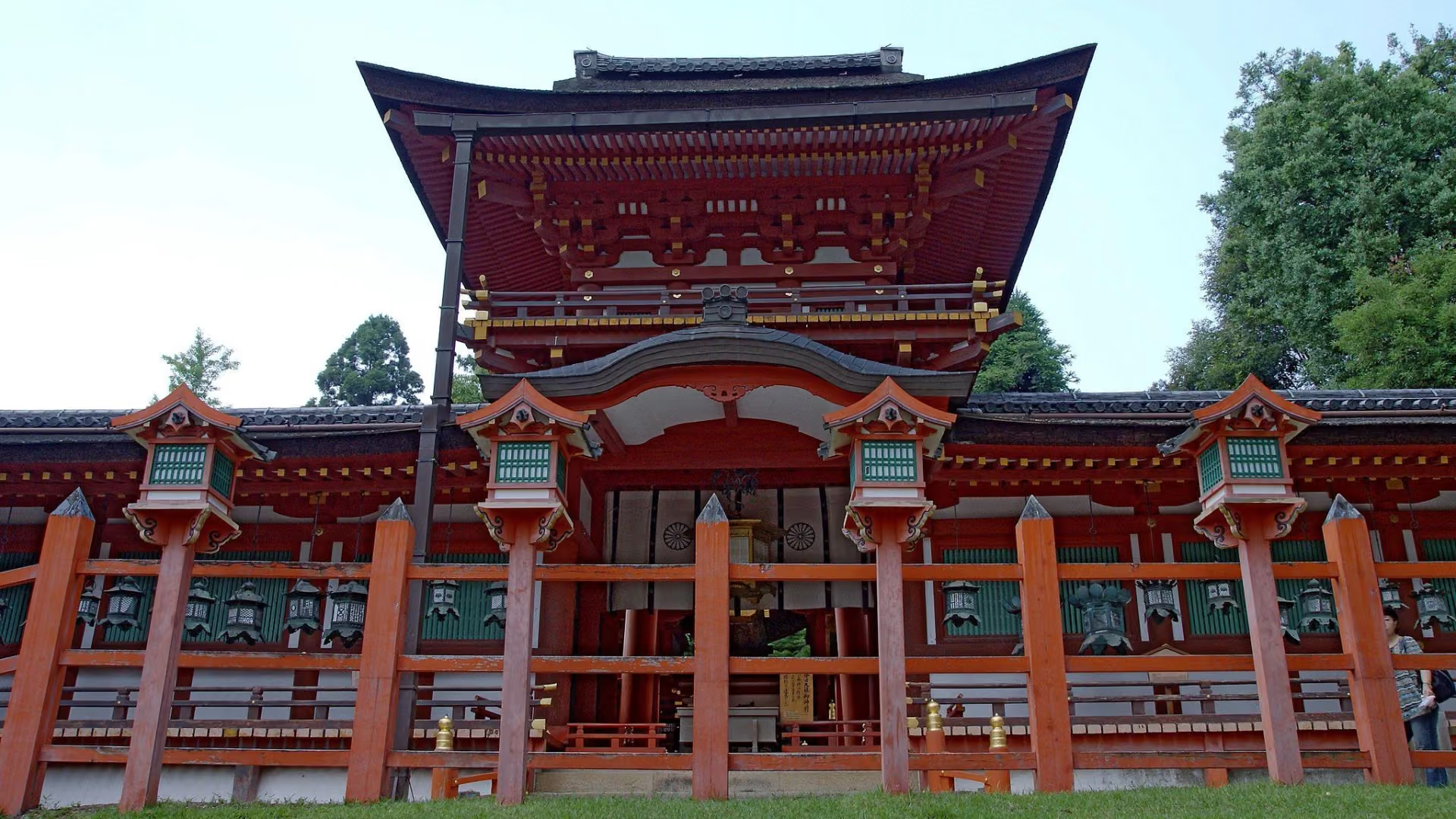
Sendai · MiyagiA major shrine with over 3,000 affiliated shrines nationwide, maintained through a tradition of structural renewal held every 20 years.
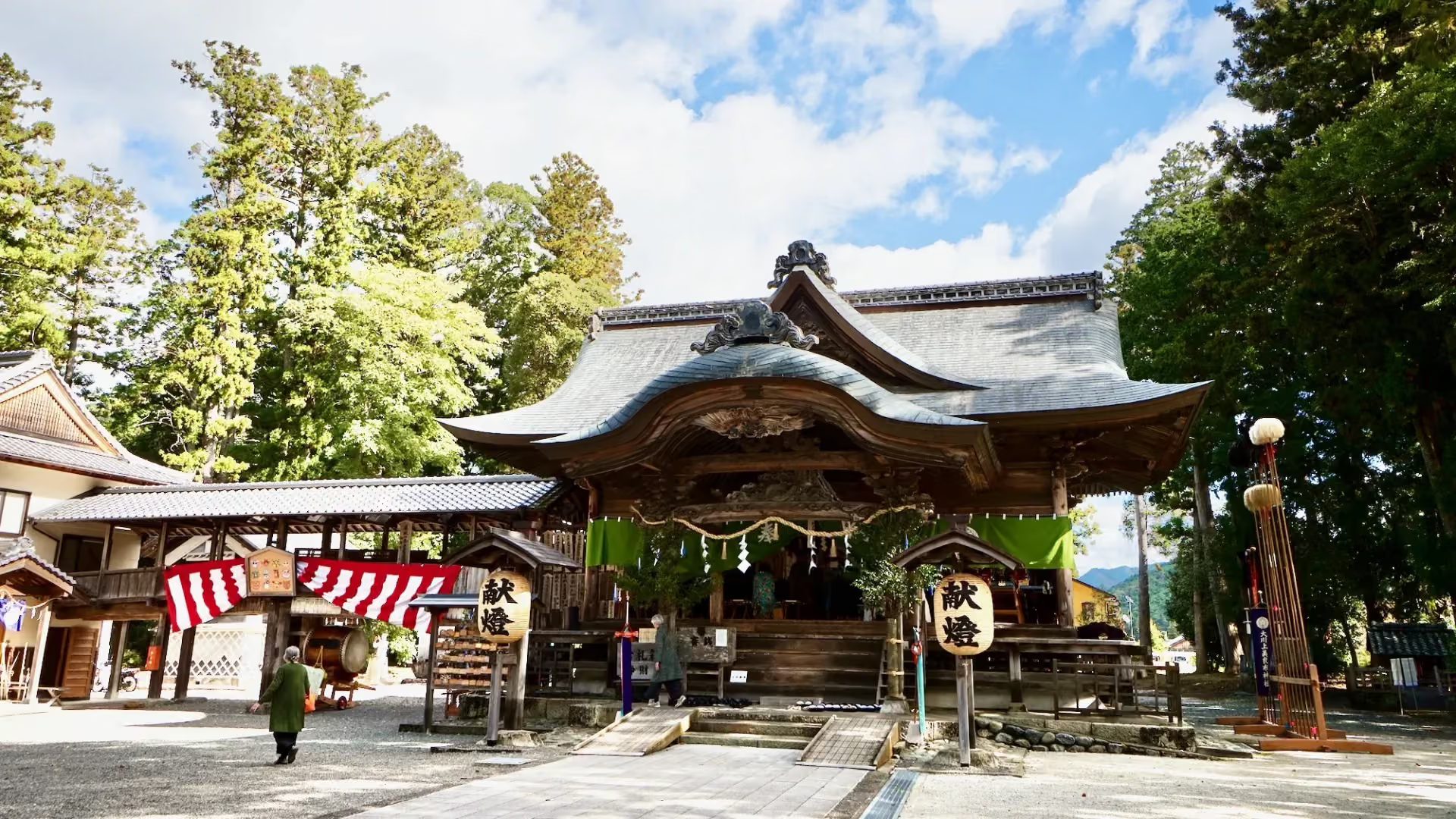
NaraA revered Kochi shrine with 10th-century origins, featuring a prefectural cultural property hall and an annual autumn festival.
Kami · KochiTsuma Shrine is dedicated to Konohanasakuya-hime, whose name is believed to reflect her role as the spouse of Ninigi no Mikoto in Japanese mythology.
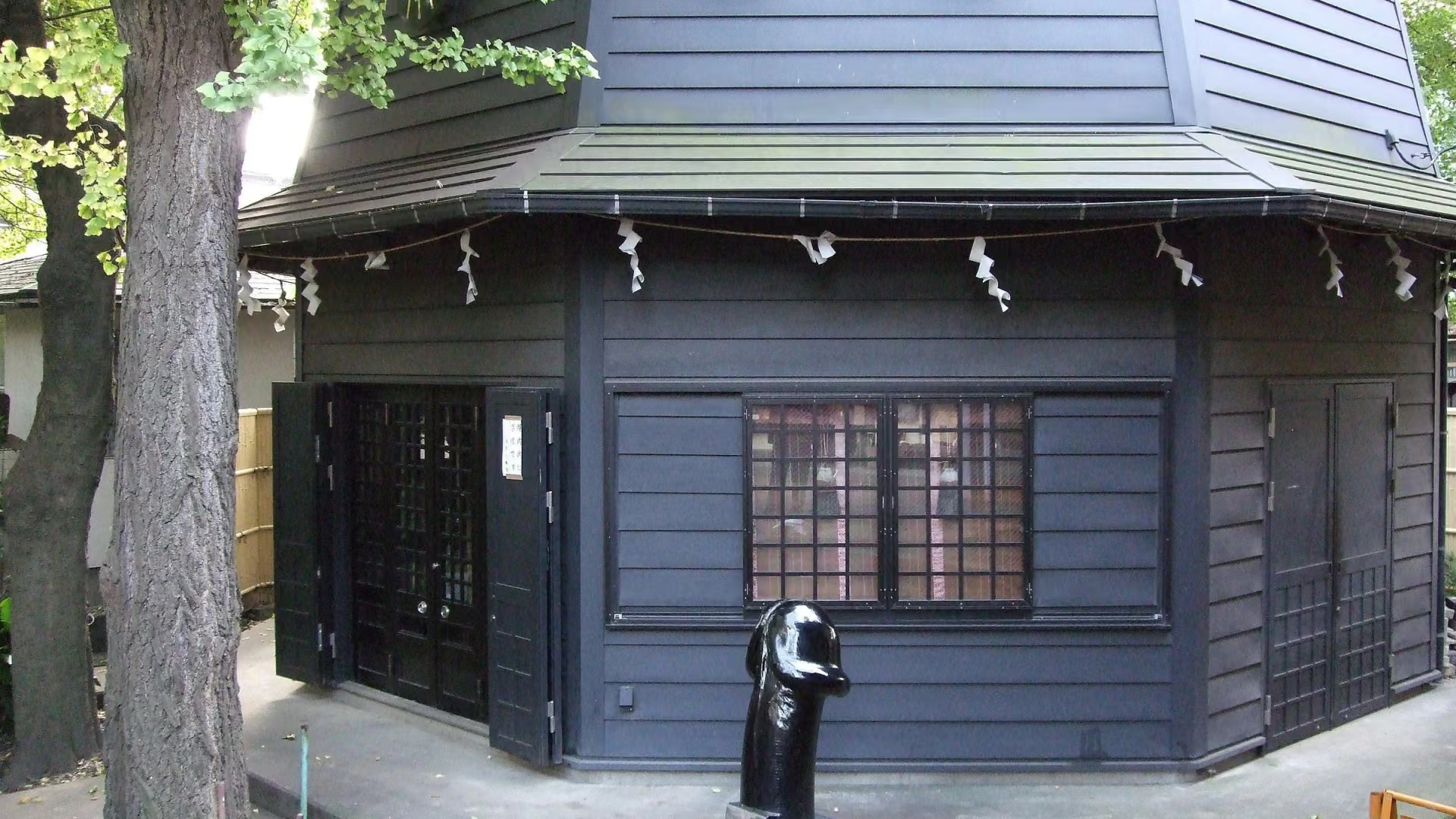
Saito · MiyazakiShrine dedicated to metalworking deities, famous for the annual Kanamara Matsuri celebrating fertility and well-being, with origins in the Edo period.
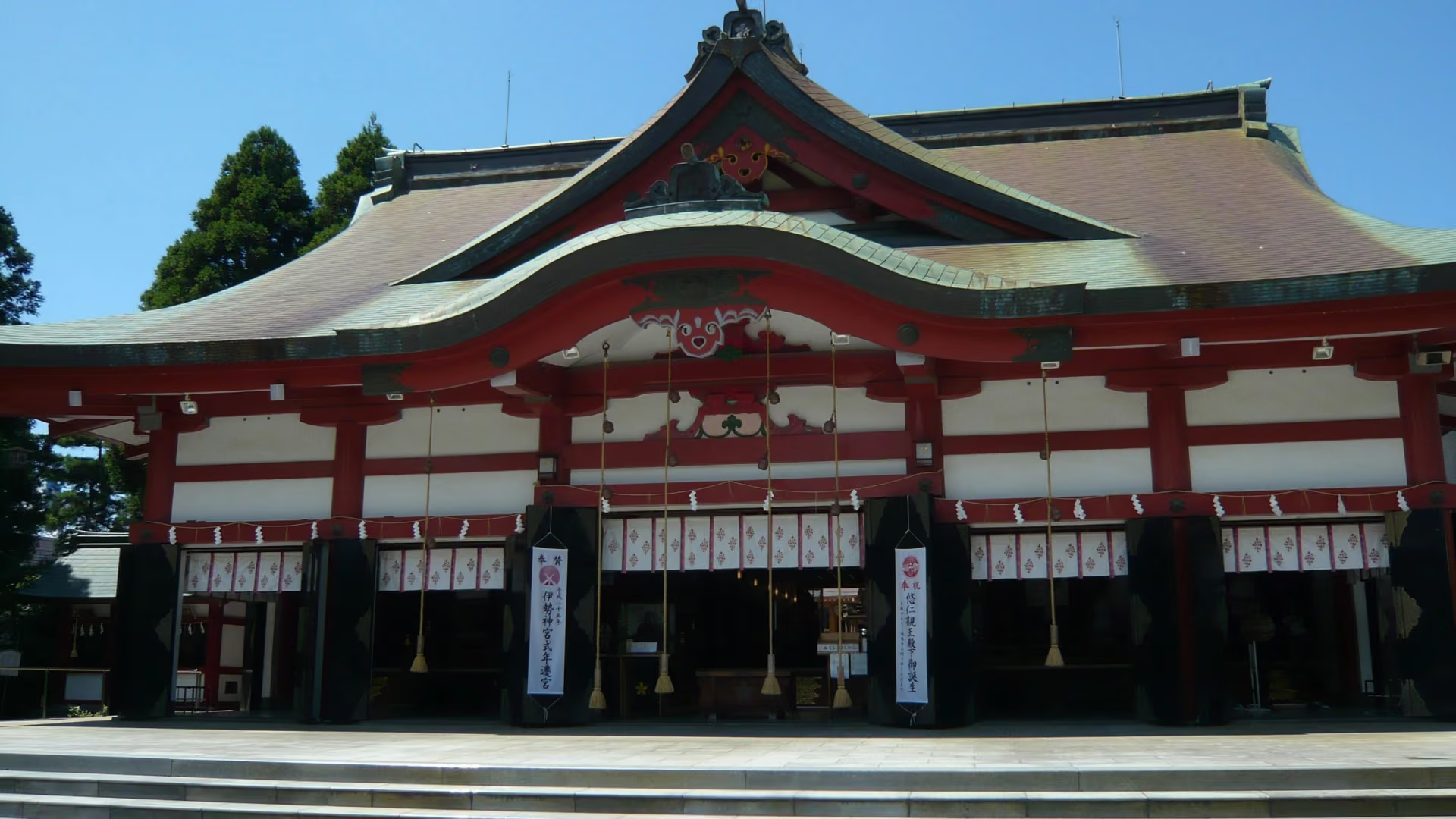
Kawasaki · KanagawaShrine established in 1335 near Toyama Castle, host of the June Sanno Festival, which draws 200,000 visitors to approach streets lined with food stalls.
ToyamaShrine known for its moss gardens, a National Place of Scenic Beauty and Historic Site in Hakusan National Park, founded as a Buddhist temple in 717.
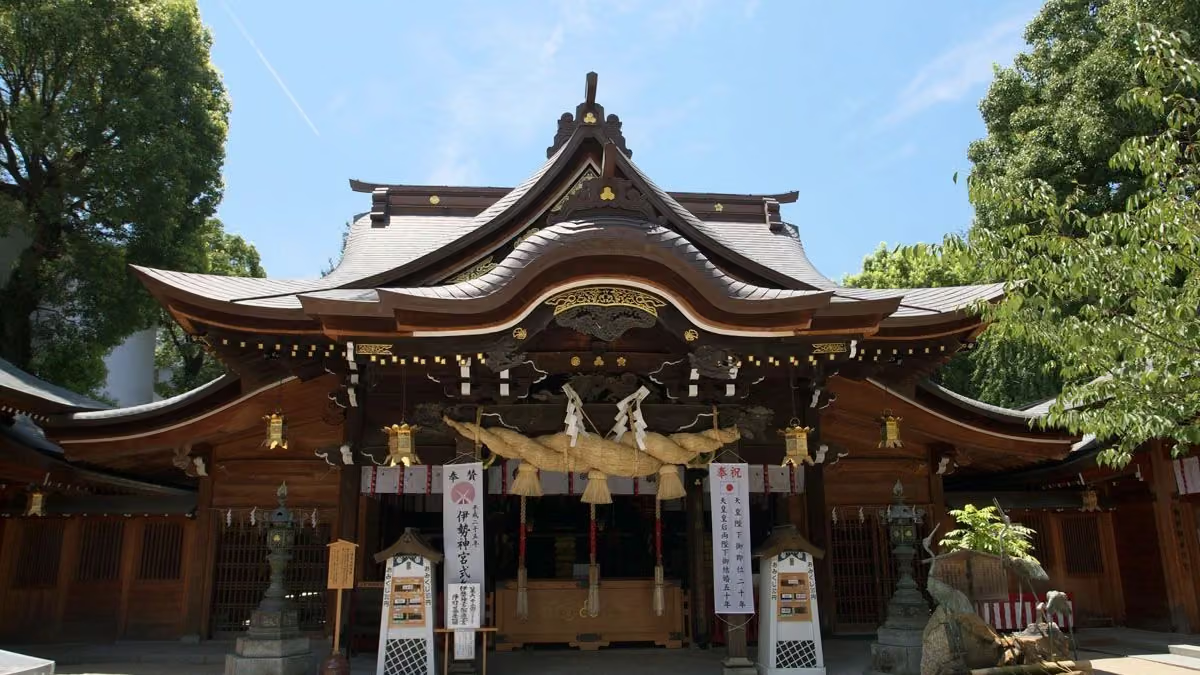
Katsuyama · FukuiA Shinto shrine in Fukuoka dating to the 8th century, renowned for hosting the annual Hakata Gion Yamakasa festival in July with decorated floats.
Fukuoka