Kasedori
This Edo-period Kasedori Festival features performers in bird-shaped straw costumes paraded through Kaminoyama while spectators splash water on them for good fortune.
11 Feb 2027Yamagata · Tohoku

This Edo-period Kasedori Festival features performers in bird-shaped straw costumes paraded through Kaminoyama while spectators splash water on them for good fortune.
11 Feb 2027Yamagata · TohokuMen of unlucky ages run through icy waters in this harsh February ritual that has cleansed misfortune since the devastating Edo-period Great Fire.
11 Feb 2027Iwate · TohokuA renowned winter festival recreates the Namahage tradition where demon-like figures visit shrines and homes, recognized as one of Japan's three strangest festivals.
A two-day winter festival in snowy Yonezawa transforming Matsugasaki Park into a landscape of 300 snow lanterns and 3,000 snow lamps lit by candlelight.
14–15 Feb 2027Yamagata · TohokuA winter festival in Yokohama celebrates the legacy of a historic plum grove, with around 100 trees blooming at Myōhōji Temple, reviving centuries of tradition.
14–15 Feb 2027Kanagawa · KantoHistoric winter celebration over 800 years old marking the end of the cold season with traditional performances and prayers for a bountiful rice harvest.
17–20 Feb 2027Aomori · TohokuAn international festival brings together animators and creative professionals to showcase diverse animated works across screenings, competitions, and workshops.
20–25 Feb 2027Niigata · ChubuA winter festival celebrates Edo-period scholar Bokushi Suzuki and the region's textile traditions with a 108-lantern Goma fire ceremony by mountain ascetics.
21 Feb 2027Niigata · ChubuThis Fukushima winter festival features Japan's largest straw sandal, a 12-metre marvel crafted in an Edo-period tradition and carried by volunteer bearers through the city.
21–22 Feb 2027Fukushima · TohokuA plum blossom festival in the region's premier plum village draws hundreds of thousands of visitors to view 25,000 trees, now celebrating a decade since their replanting.
21 Feb – 22 Mar 2027Tokyo · KantoAt this over 500-year-old Okayama festival, men in loincloths compete for a wooden stick, with the victor becoming the 'Lucky Man' and receiving believed year-long blessings.
21 Feb 2027Okayama · ChugokuHistoric purification festival where nearly-naked men engage in a spirited struggle to touch the selected Naoi-nin, symbolizing the cleansing of misfortune.
1 Mar 2027Aichi · ChubuAn evening celebration on the Rokuroshi Plateau in Fukui features LED sky lanterns against a backdrop of starry skies and fireworks.
7 Mar 2027Fukui · ChubuSpring's arrival is celebrated with delicate alpine flowers that bloom as snow melts across multiple scenic sites in the Echigo region.
7 Mar – 12 Apr 2027Niigata · ChubuA 1,200-year-old midwinter festival features bare-chested men competing to ascend to the temple and offer prayers to the protective deity Bishamonten.
7 Mar 2027Niigata · ChubuThis festival celebrates Niigata's renowned sake heritage, offering over 500 types of sake, local cuisine, seminars, and stage performances.
7–8 Mar 2027Niigata · ChubuA spring procession of 22 sake barrel shrines celebrates the completion of new sake and prays for an abundant harvest of the five grains.
15 Mar 2027Gifu · ChubuA spring fertility rite centered on a symbolic wooden offering features portable shrine processions as communities pray for abundant harvests and prosperity of future generations.
15 Mar 2027Aichi · ChubuA shrine near Toyama Port dedicated to Takeminakata no Mikoto, with additional enshrinements of Amaterasu Omikami, Oyamakui no Kami, and Daikoku.
ToyamaA Tenman-gu Shrine in Yamaguchi City founded in 1373, it enshrines Sugawara no Michizane and was relocated in 1618 by the Mōri clan.
YamaguchiThis 2,000-year-old Shinto shrine in Chichibu is known for its 19th century wooden main building with a thatched roof and December Night Festival.
Chichibu · SaitamaA highly revered Nagoya shrine established during Emperor Keikō's reign, it houses the Kusanagi no Tsurugi, one of the three symbols of the Imperial throne.
Nagoya · AichiBuilt within a seaside cave and painted red, this shrine dedicated to Ugayafukiaezu no Mikoto is believed to grant fertility, safe childbirth, and romantic harmony.
Nichinan · MiyazakiShrine honoring Fujiwara Ason Nijo Tamefuyuki, a court noble who died in 1335 during the Battle of Hakone, and son of the waka poet Nijō Tameyo.
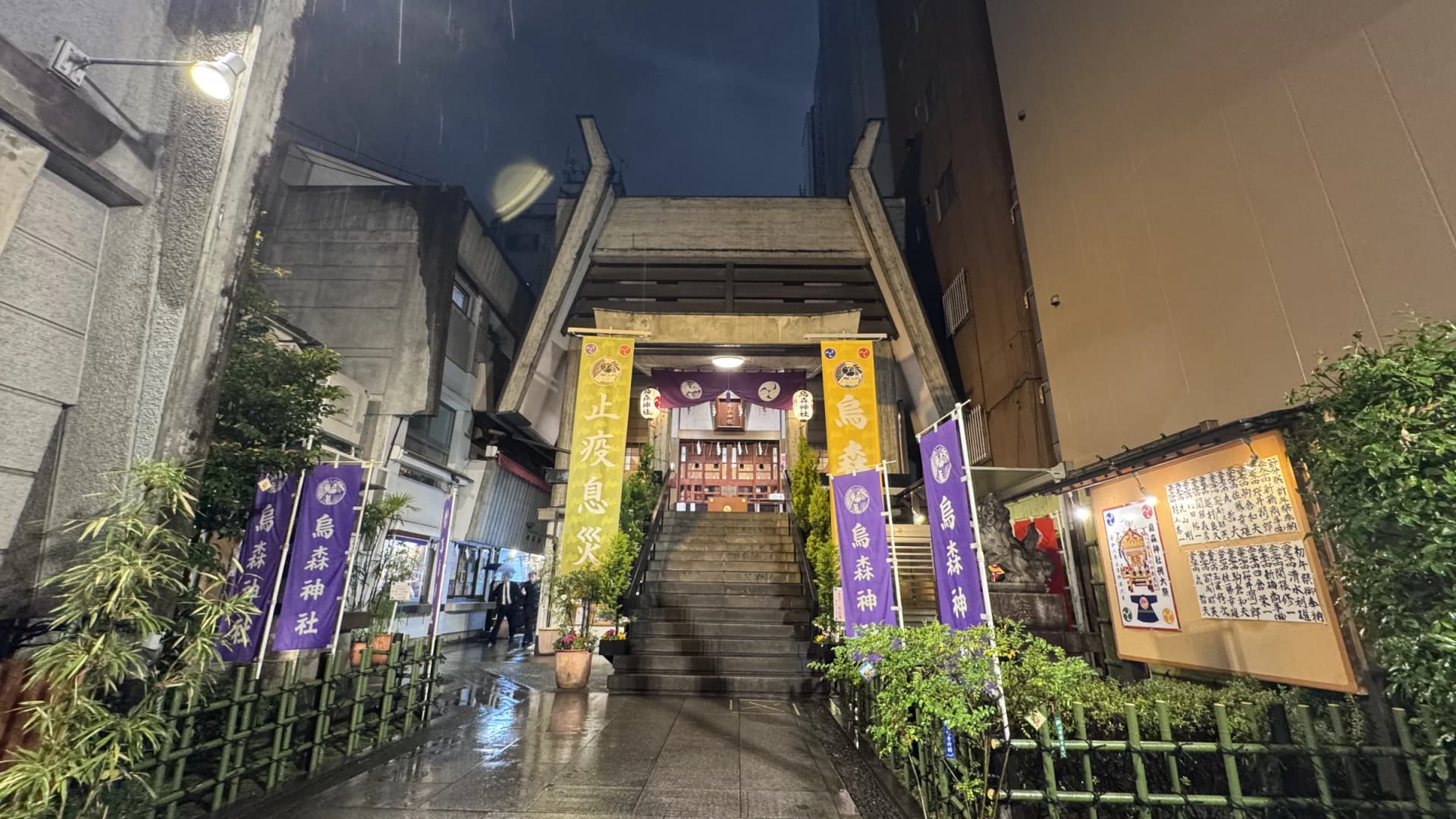
Susono · ShizuokaInari shrine for prosperity, founded 940 and notably surviving a devastating 1657 fire, tucked among office buildings near Shimbashi Station.
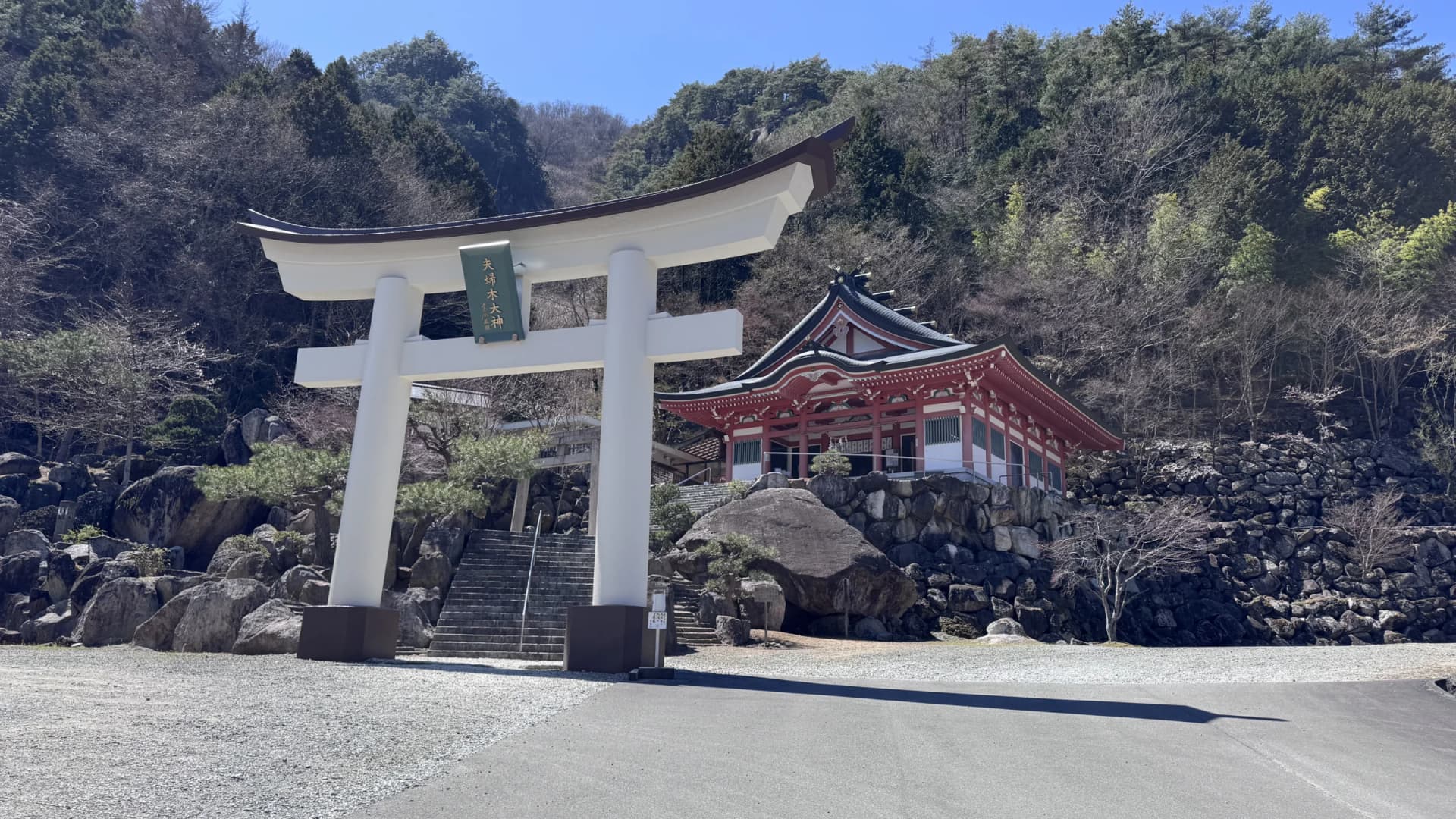
TokyoWomen's shrine dedicated to matchmaking and marital harmony, paired with a counterpart 2 kilometers away, sacred to traditional fertility worship.
Kofu · YamanashiShinto shrine established 1617 to enshrine Tokugawa Ieyasu, the first shogun who ended the Sengoku period and founded 260 years of Edo peace.
Nikko · TochigiGuardian shrine of Nikko from the 8th century, honoring three family deities and a prominent figure in mythology revered for love and matchmaking.
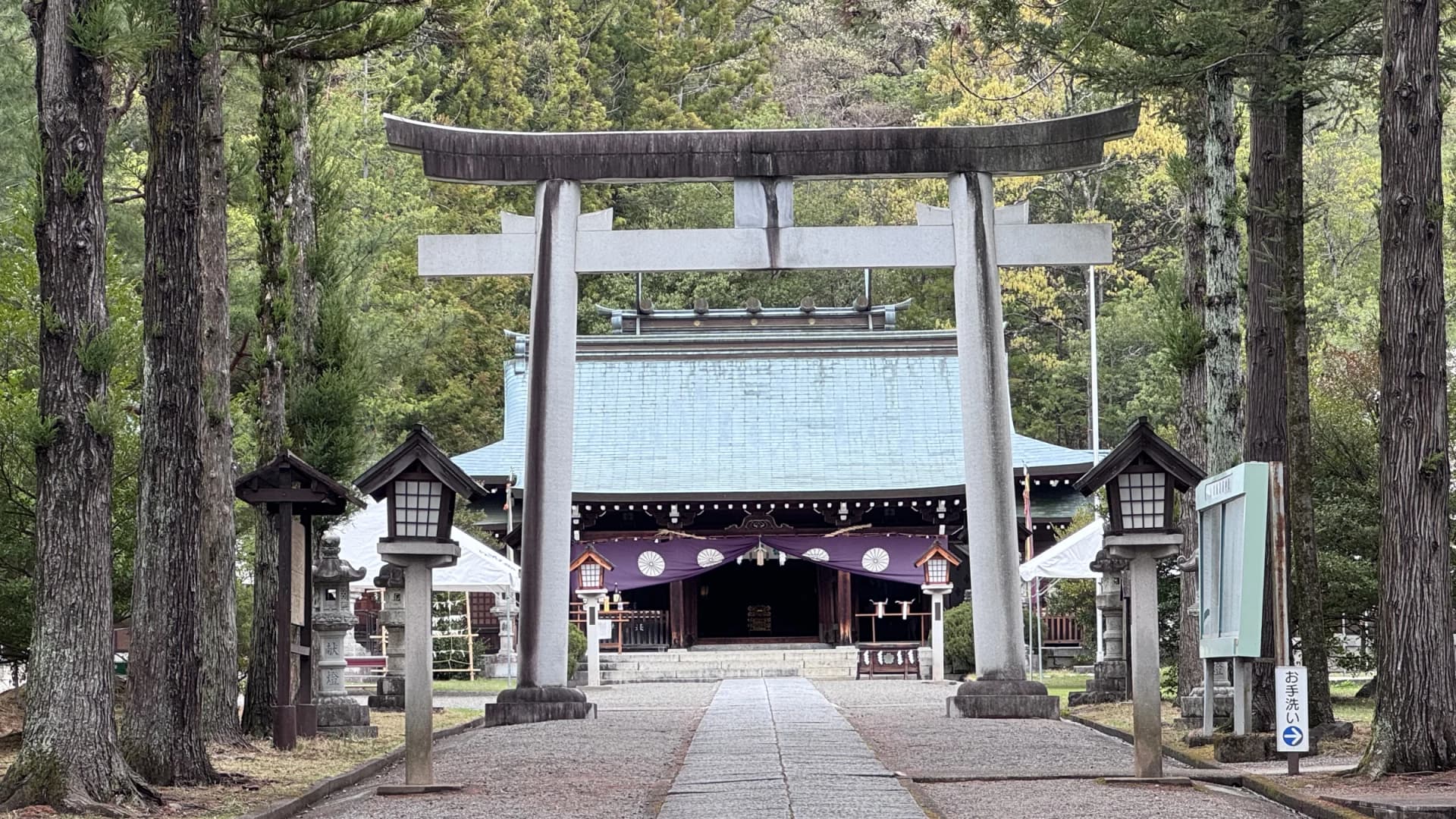
Nikko · TochigiShrine honoring over 25,000 military spirits from conflicts spanning the First Sino-Japanese War through the Pacific War, set among 300 cherry trees.
Kofu · YamanashiThis shrine dedicated to fertility and agricultural prosperity enshrines deities rooted in Japan's ancient traditions of harvest blessing and family well-being.
Komaki · Aichi