Dadado-no-onihashiri
Masked demons swing blazing torches through a temple hall in an ancient winter ritual performed twice daily, seeking protection from misfortune and ancestral blessings.
14 Jan 2027Nara · Kansai

Masked demons swing blazing torches through a temple hall in an ancient winter ritual performed twice daily, seeking protection from misfortune and ancestral blessings.
14 Jan 2027Nara · KansaiAn annual winter ritual in Sendai features the ceremonial burning of New Year decorations followed by a sacred pilgrimage procession in traditional attire.
14 Jan 2027Miyagi · TohokuDōsojin, a folk deity protecting travelers and villages, is honored through this traditional festival featuring ceremonial fire and ritual.
The Sagicho-shinji ritual burns New Year's decorations on January 15 at Tsurugaoka Hachimangū shrine in a purifying fire believed to cleanse impurities and bring a bountiful harvest.
15 Jan 2027Kanagawa · KantoA National Important Folk Cultural Property, this Little New Year fire ritual purifies homes and communities through burning traditional new-year decorations.
17 Jan 2027Kanagawa · KantoA Doll's Day celebration features hina doll displays at two venues, including a 20-step arrangement at a historic National Cultural Property and character dolls.
24 Jan – 8 Mar 2027Fukui · ChubuAn ice festival at Lake Shikotsu showcases sculptures created from sprayed water, complemented by performances, fireworks, and nearby hot springs.
31 Jan – 23 Feb 2027Hokkaido · HokkaidoIn February, this festival features a grand procession of 200 costumed samurai in traditional armor proceeding to Bannaji Temple for a traditional purification ceremony.
31 Jan 2027Tochigi · KantoAncient Noto folk ritual where children masquerading as demons parade through streets to symbolically drive away laziness and encourage diligent work.
3 Feb 2027Ishikawa · ChubuThe Utasu Jinja Shrine Setsubun Festival marks the seasonal transition through purification rituals and Mamemaki, the traditional ceremony of throwing roasted soybeans.
3 Feb 2027Ishikawa · ChubuSnow and ice sculptures crafted by the Japan Self-Defense Force and local artists fill three Sapporo sites for Japan's most celebrated winter festival.
4–11 Feb 2027Hokkaido · HokkaidoThis handmade winter festival transforms harvested bamboo into intricate lanterns that celebrate Yamaga's heritage as a traditional umbrella-producing town.
6–28 Feb 2027Kumamoto · KyushuA festival celebrating Chofu's cinematic heritage since 1933 connects audiences with the city's continued cluster of film and media companies.
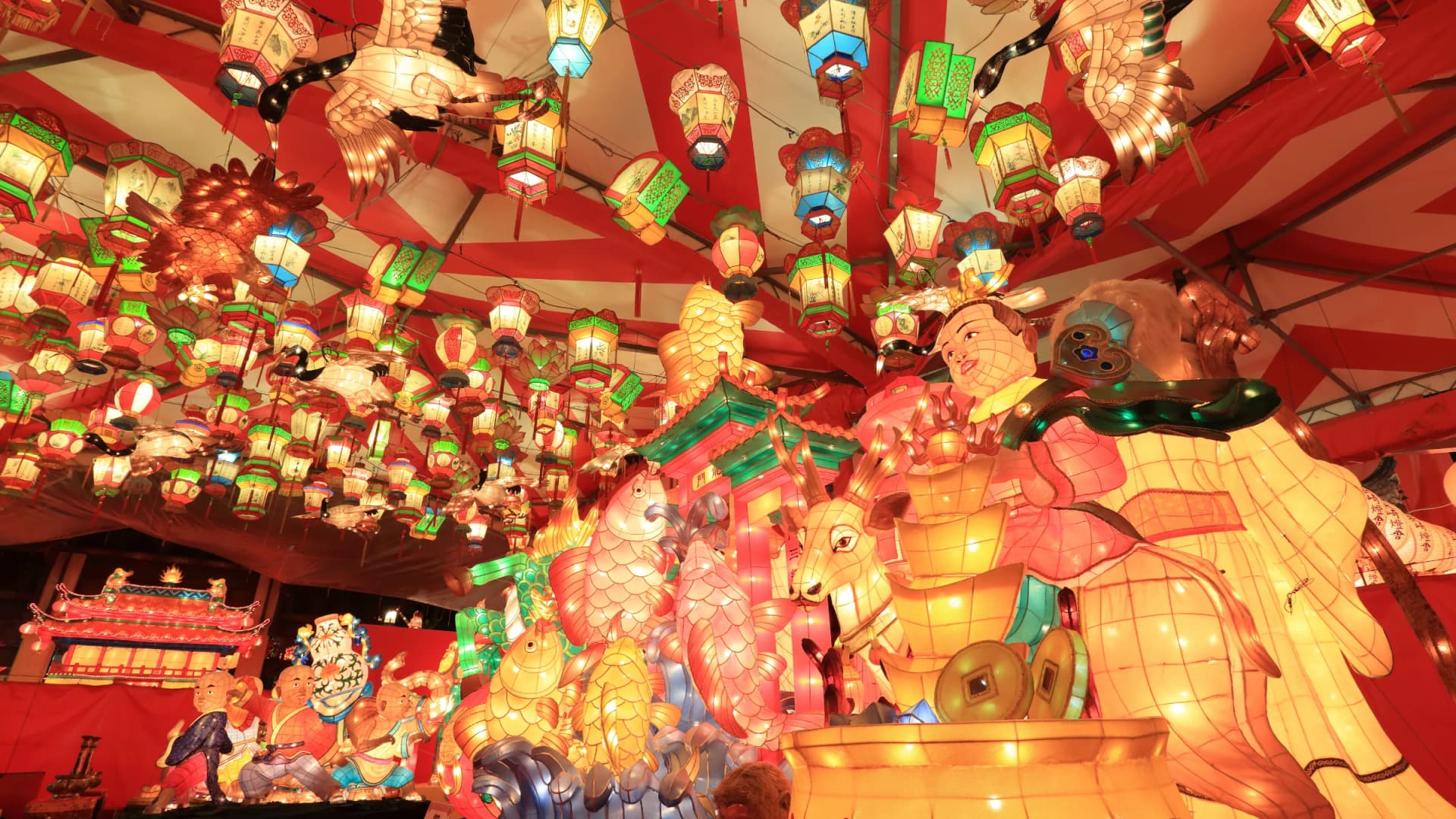
6 Feb – 1 Mar 2027Tokyo · KantoThe festival illuminates Nagasaki's streets with around 15,000 Chinese lanterns, some reaching 10 metres, celebrating Lunar New Year traditions.
6–23 Feb 2027Nagasaki · KyushuThe Hirosaki Castle Yuki-Doro Festival transforms the castle park into a winter wonderland with illuminated snow lanterns, dome-shaped kamakura huts, and intricate sculptures.
6–11 Feb 2027Aomori · TohokuThousands of handmade snowmen light up after dark, transforming two mountain towns into a glowing winter spectacle, while local food vendors offer regional specialties to visitors.
6 Feb 2027Ishikawa · ChubuAn ancient Shinto ritual held on February 10 features young men in white ceremonial clothing splitting bamboo stalks to symbolize strength and readiness.
10 Feb 2027Ishikawa · ChubuFire-lit pillars adorned with sacred paper stand on beaches as the community performs ceremonial dances twice daily, seeking protection from illness and calamity.
11 Feb 2027Yamaguchi · ChugokuEstablished in 904, this shrine honors Tenjin, the deified scholar and poet Sugawara no Michizane, whose unique single-building design houses all major sanctuaries.
Hofu · YamaguchiThis shrine atop Mount Shinzan in Akita honors mountain deities and houses a thousand-year-old kaya tree among ancient cedar groves.
Oga · AkitaThis Osaka shrine venerates two Shinto deities and features a main hall in the distinctive Momoyama-period Ikutama architectural style.
OsakaThis Heian-period shrine in Tokushima city venerates two kami and showcases a Momoyama-style main hall built in 1630, designated a National Important Cultural Property.
TokushimaShrine honoring Mōri Takachika, the last daimyō of Chōshū Domain and central figure in the Meiji Restoration.
YamaguchiShrine dating to the 6th century enshrining deities from three generations of the Hyuga, beginning with Ninigi.
Kobayashi · MiyazakiShrine commemorating Japan's mythical founding, erected on the sacred site where Emperor Jinmu established his palace approximately 2,680 years ago.
Kashihara · NaraShinto shrine dedicated to Hachiman, god of war and samurai patron, hosting an annual August festival featuring traditional taiko drums and horseback archery.
Morioka · IwateShrine dedicated to Emperor Jimmu and ancestral deities, believed to occupy the site of the emperor's ancient palace before his legendary eastern expedition.
MiyazakiShinto shrine dedicated to Sozen, an Edo-period samurai warrior, established in the early eighteenth century and surrounded by a serene garden.
Takizawa · IwateShrine occupying an entire 1.5-kilometre island, dedicated to deities including the god of navigation and ancestors of Emperor Jimmu.
MiyazakiShrine founded as guardian deity of the Kamakura shogunate, hosting significant festivals including horseback archery and sumo wrestling traditions.
Kamakura · KanagawaMountain shrine at 1,925 meters dedicated to the Shinto deity of mountains, regarded as sacred since the Jōmon period and steeped in tengu folklore.
Chino · NaganoShrine dedicated to three protective deities founded 1,200 years ago as a guardian of the Hitoyoshi-Kuma basin and Mount Aso region.
Hitoyoshi · KumamotoBelieved to have been founded in 660 BCE, this ancient shrine in the Kanto region is dedicated to a patron deity of martial arts and historic swordsman school.
Kashima · IbarakiA Shinto shrine in Sapporo's Jozankei hot spring resort area, dedicated to the god of hot springs and healing, surrounded by nature and autumn foliage.
Sapporo · HokkaidoOne of Japan's oldest and most revered Shinto shrines, dedicated to Ōkuninushi no Ōkami, venerated as the deity of nation-building, agriculture, and relationships.
Izumo · ShimaneA Shinto shrine in Takayama dedicated to Sanno Gongen and serving as the focal point of the Takayama Spring Festival, one of Japan's most beautiful festivals.
Takayama · Gifu