Omi Jingu
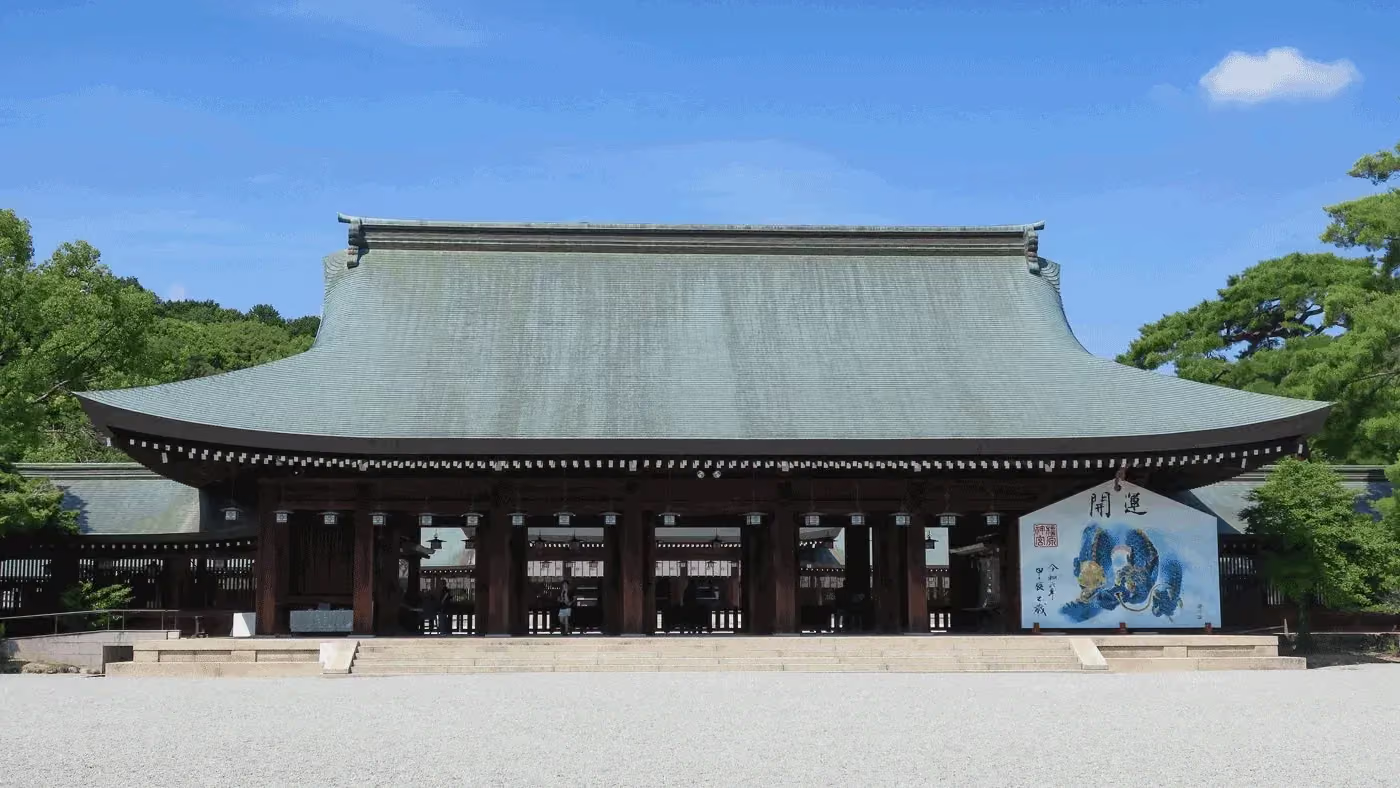
Established in 1940, Omi Jingu enshrines Emperor Tenji and stands adjacent to the traditional site of the Omi Otsu Palace, which he founded in 667.
Otsu · Shiga

Established in 1940, Omi Jingu enshrines Emperor Tenji and stands adjacent to the traditional site of the Omi Otsu Palace, which he founded in 667.
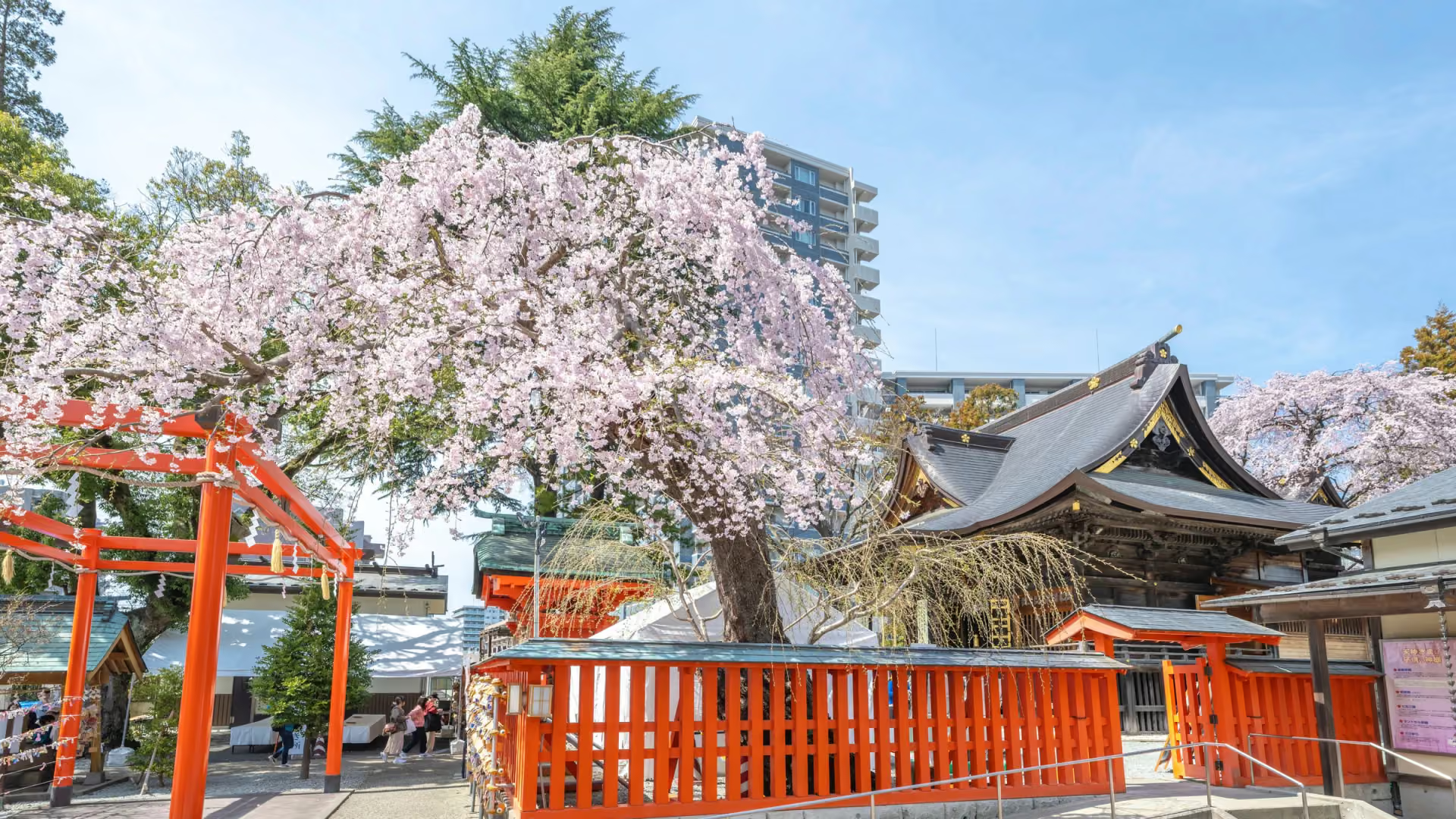
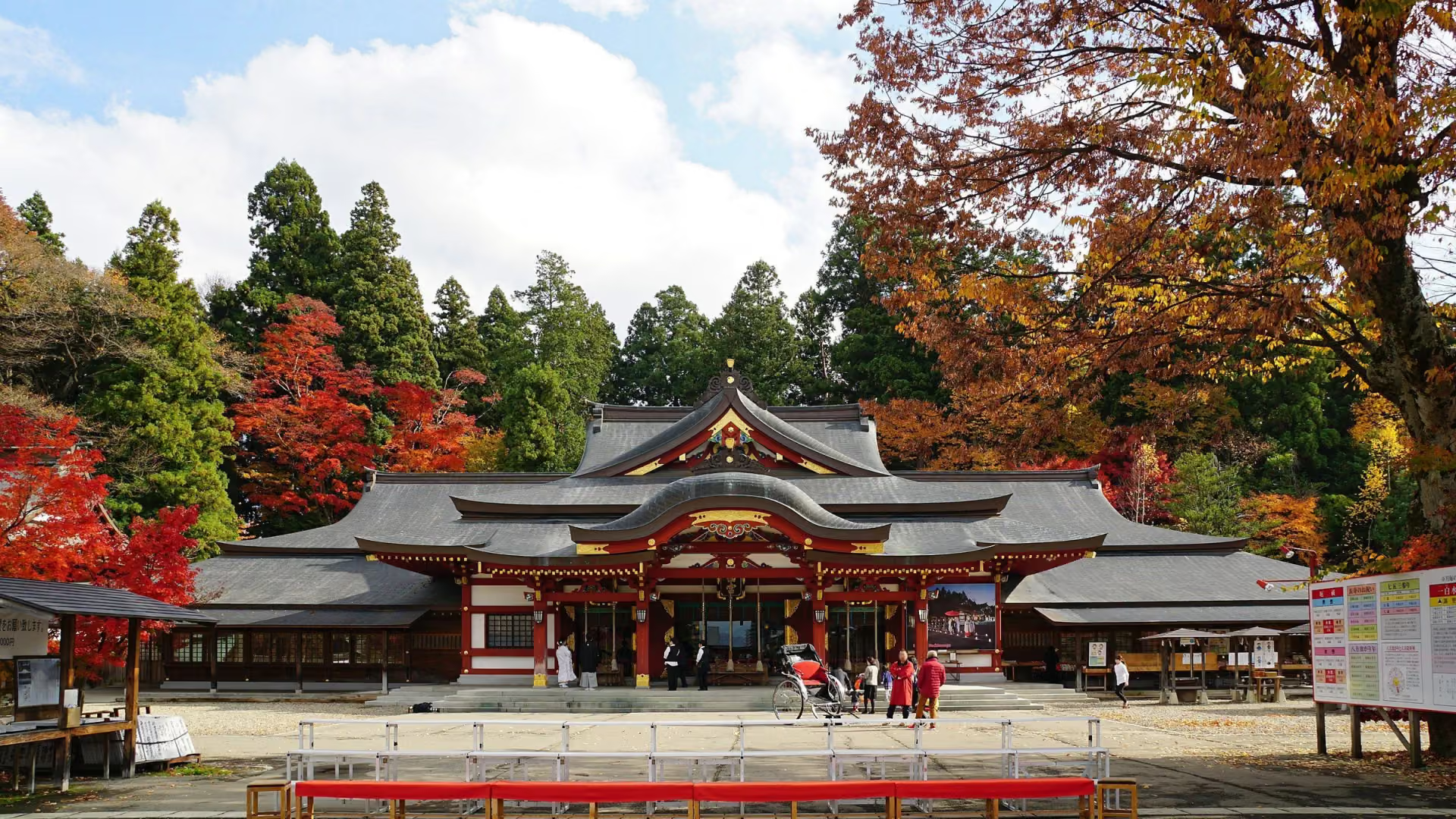
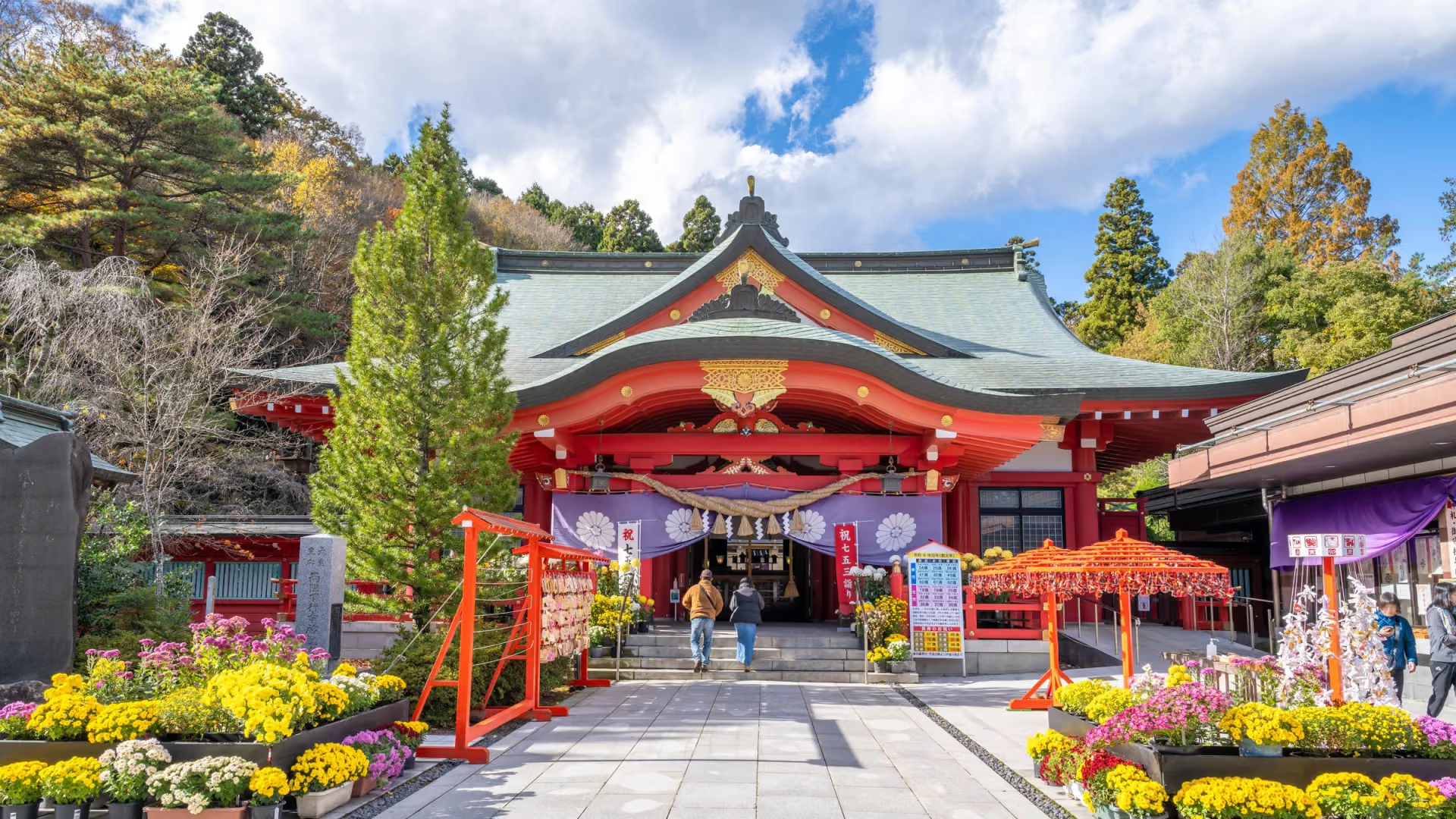
Otsu · ShigaDedicated to Sugawara no Michizane, this shrine was established in 974 and relocated to Sendai, rebuilt in 1667 with striking vermilion colors.
Sendai · MiyagiBelieved to have been founded in 660 BCE, this ancient shrine in the Kanto region is dedicated to a patron deity of martial arts and historic swordsman school.
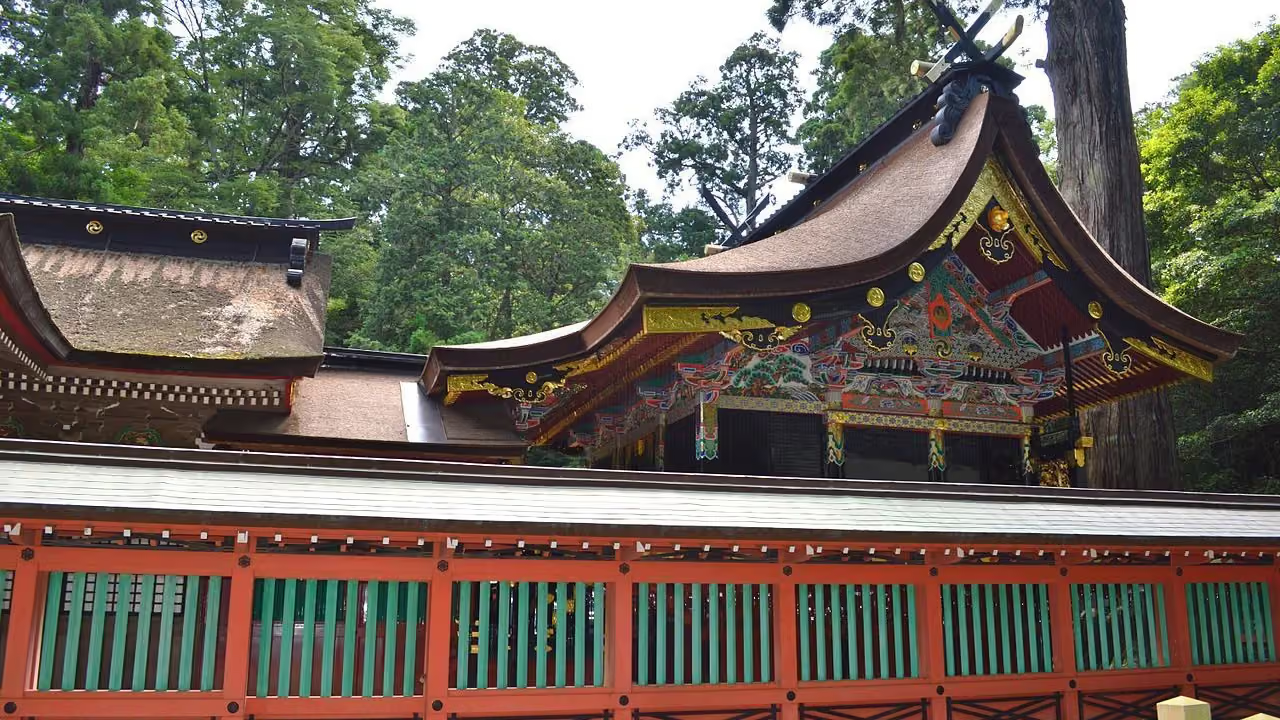
Kashima · IbarakiHall built in 1760 in Gokayama, Toyama, to shelter a shrine from 1502, the oldest surviving wooden building in Toyama and an Important Cultural Property.
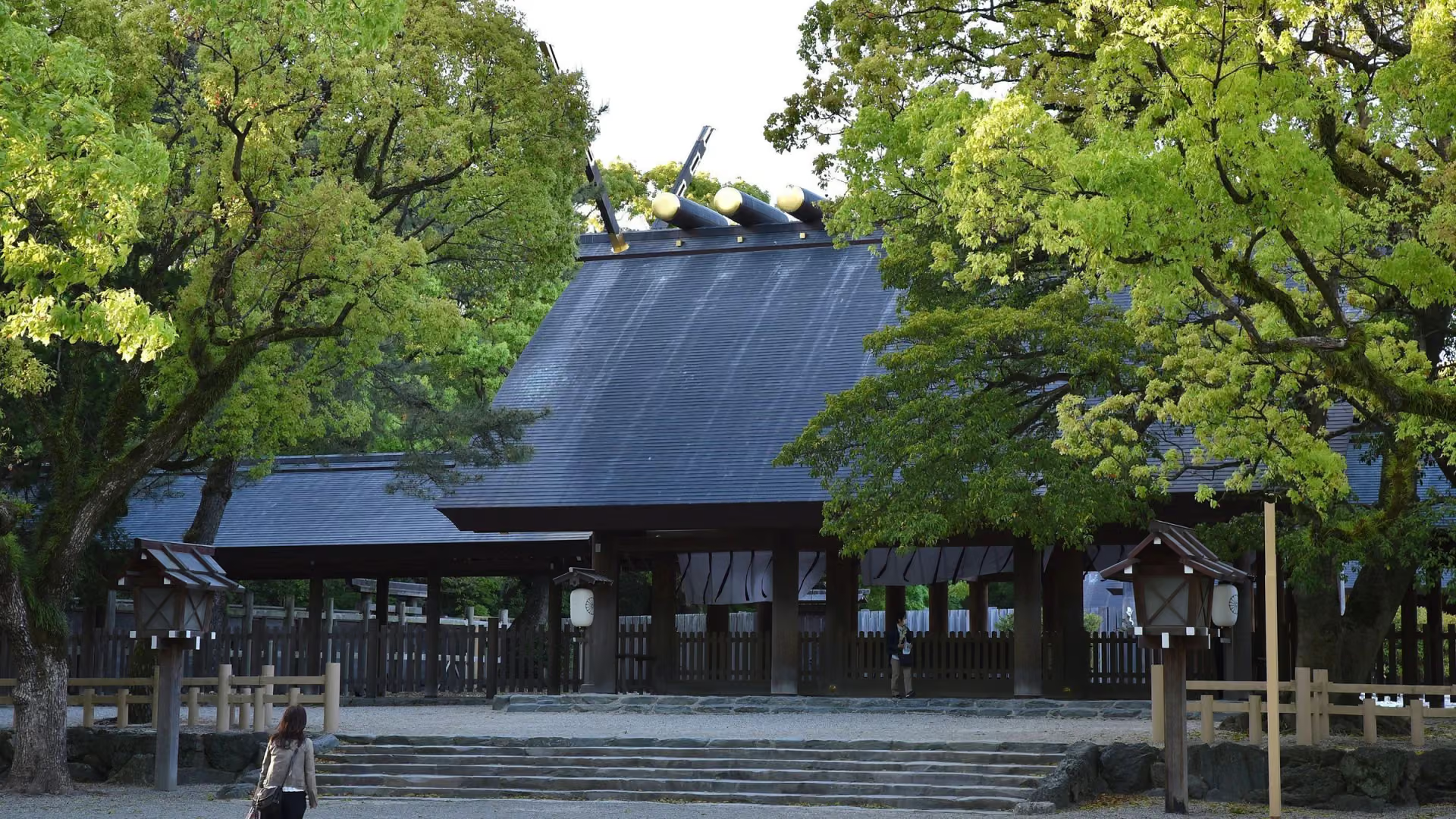
Nanto · ToyamaA highly revered Nagoya shrine established during Emperor Keiko's reign, it houses the Kusanagi no Tsurugi, one of the three symbols of the Imperial throne.
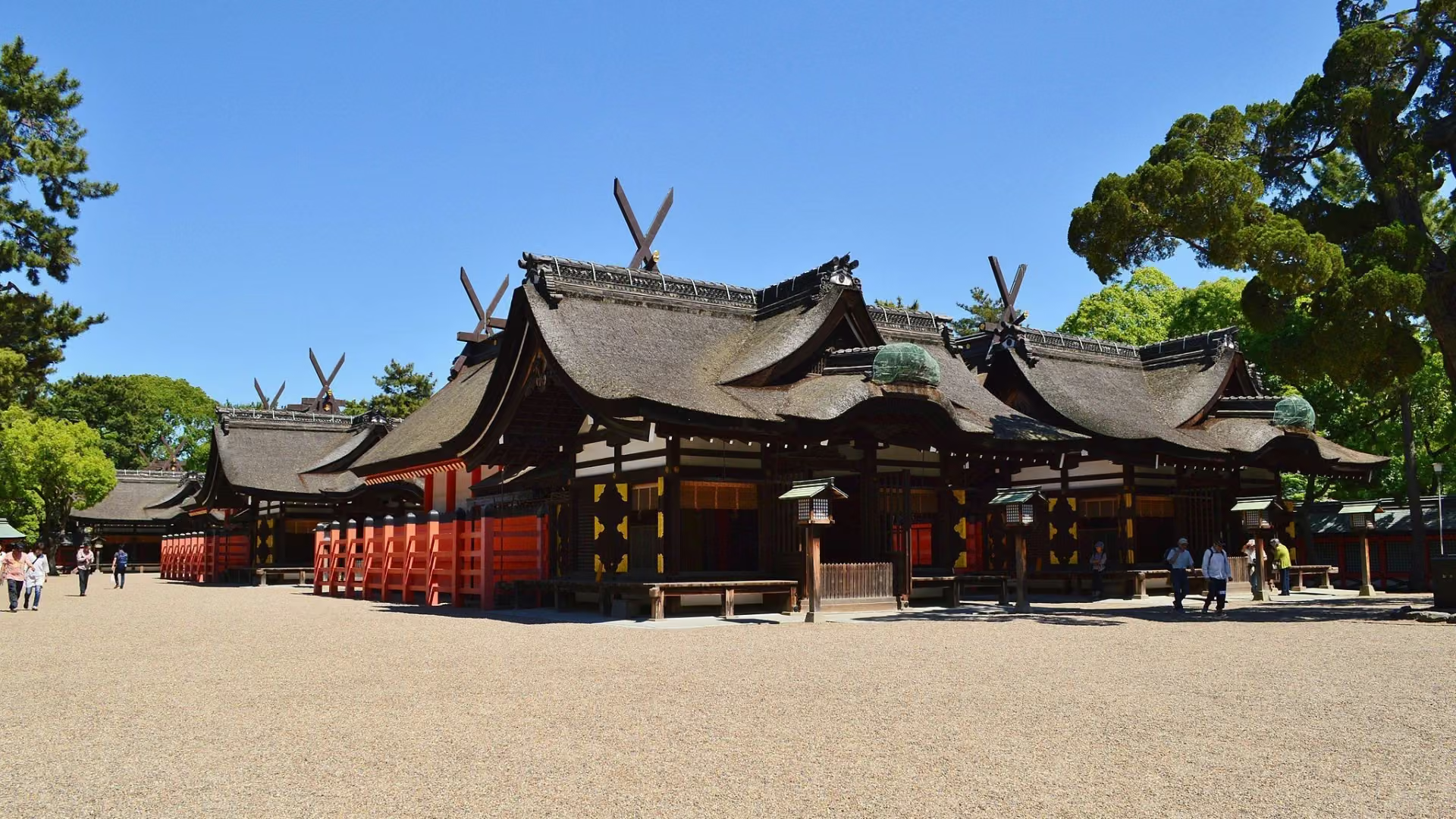
Nagoya · AichiOsaka shrine that has served sea travellers for two millennia, enshrining three sea deities and Empress Jingu, who founded it and is revered as a protector.
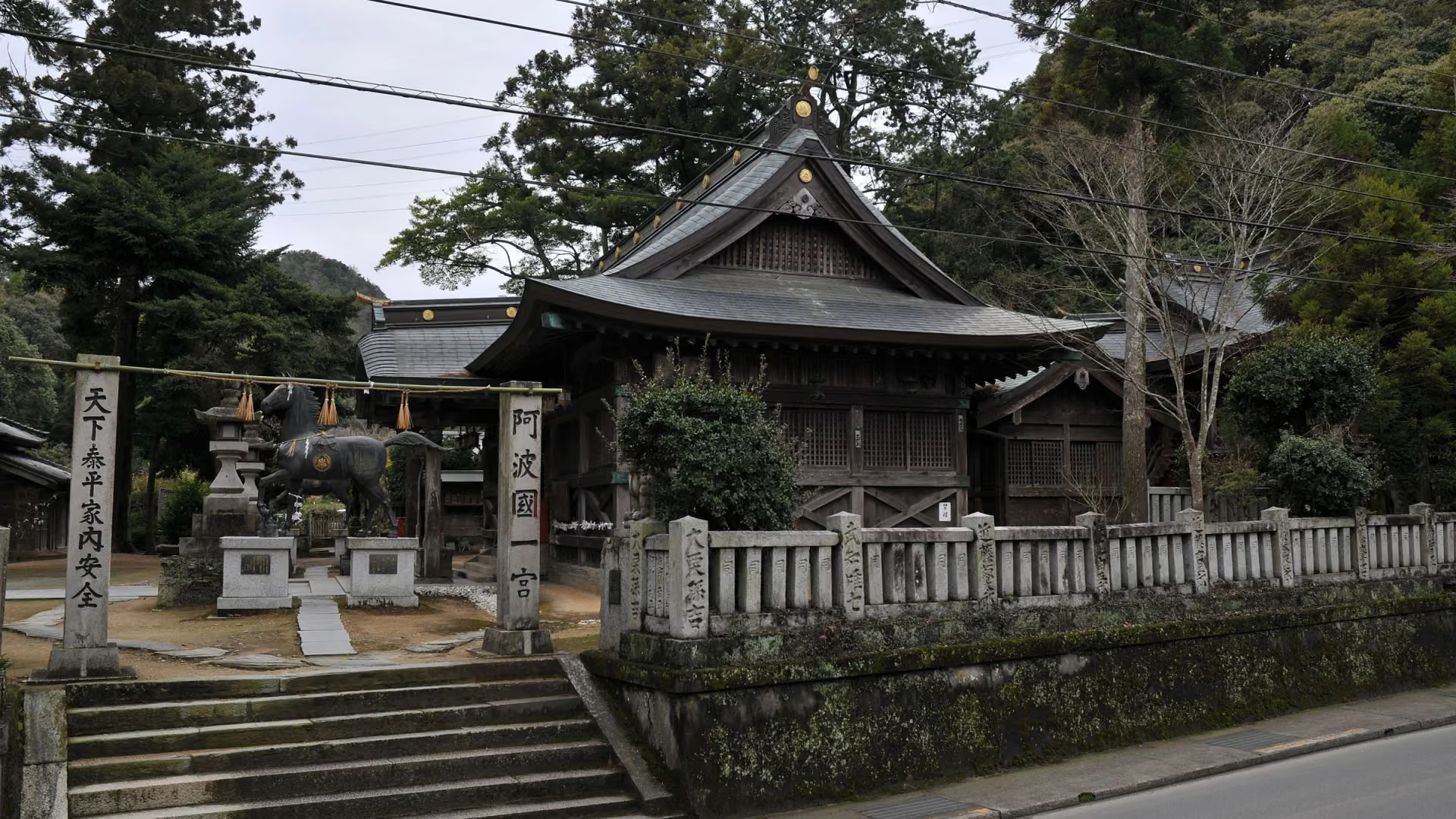
OsakaA Heian-period shrine in Tokushima city venerating two kami, with a Momoyama-style main hall built in 1630, a National Important Cultural Property.
TokushimaShinto shrine dedicated to Hachiman, god of war and samurai patron, hosting an annual August festival featuring traditional taiko drums and horseback archery.
Morioka · IwateShrine honoring Fujiwara Ason Nijo Tamefuyuki, a court noble who died in 1335 during the Battle of Hakone, and son of the waka poet Nijo Tameyo.
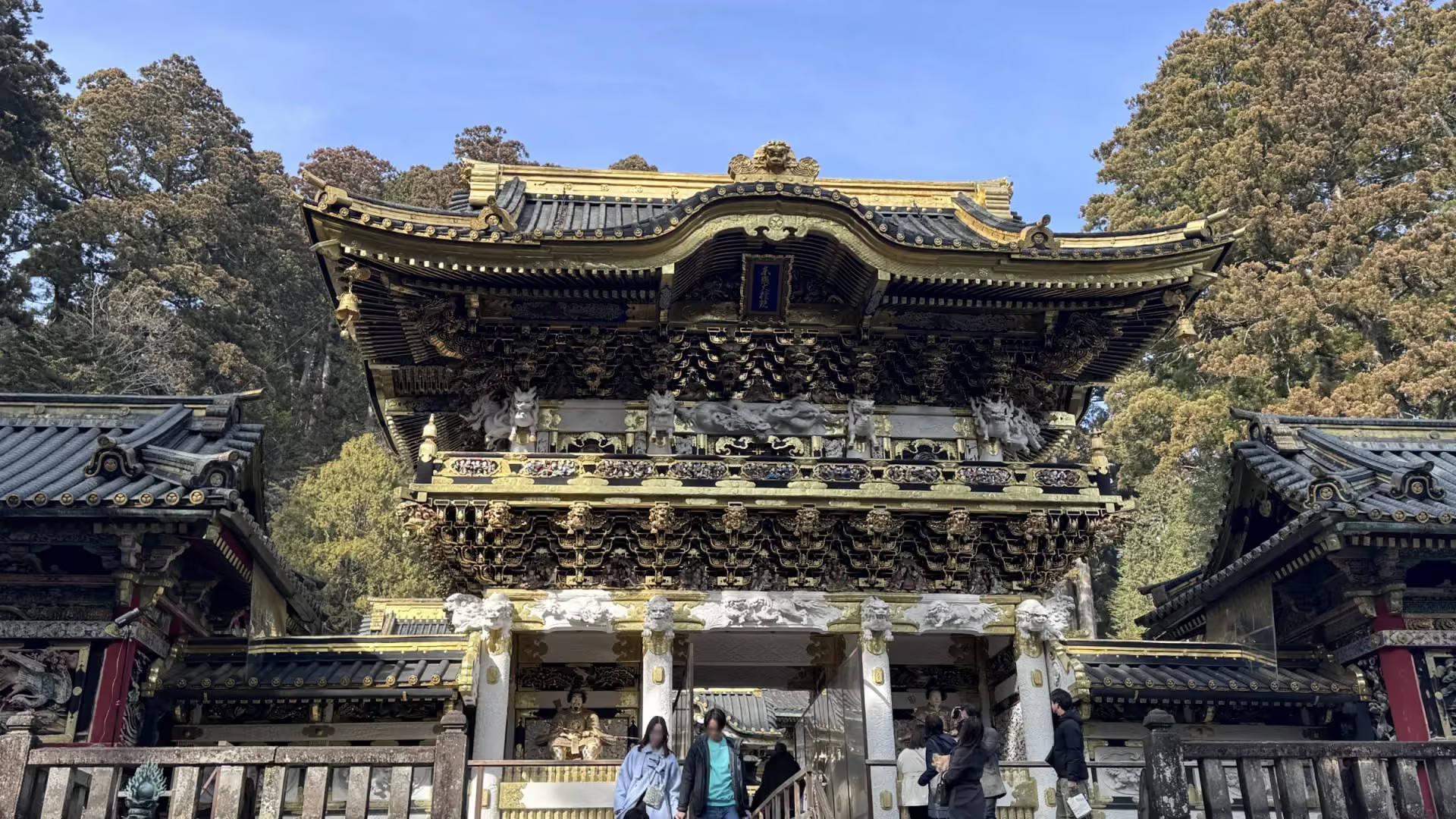
Susono · ShizuokaShinto shrine established 1617 to enshrine Tokugawa Ieyasu, the first shogun who ended the Sengoku period and founded 260 years of Edo peace.
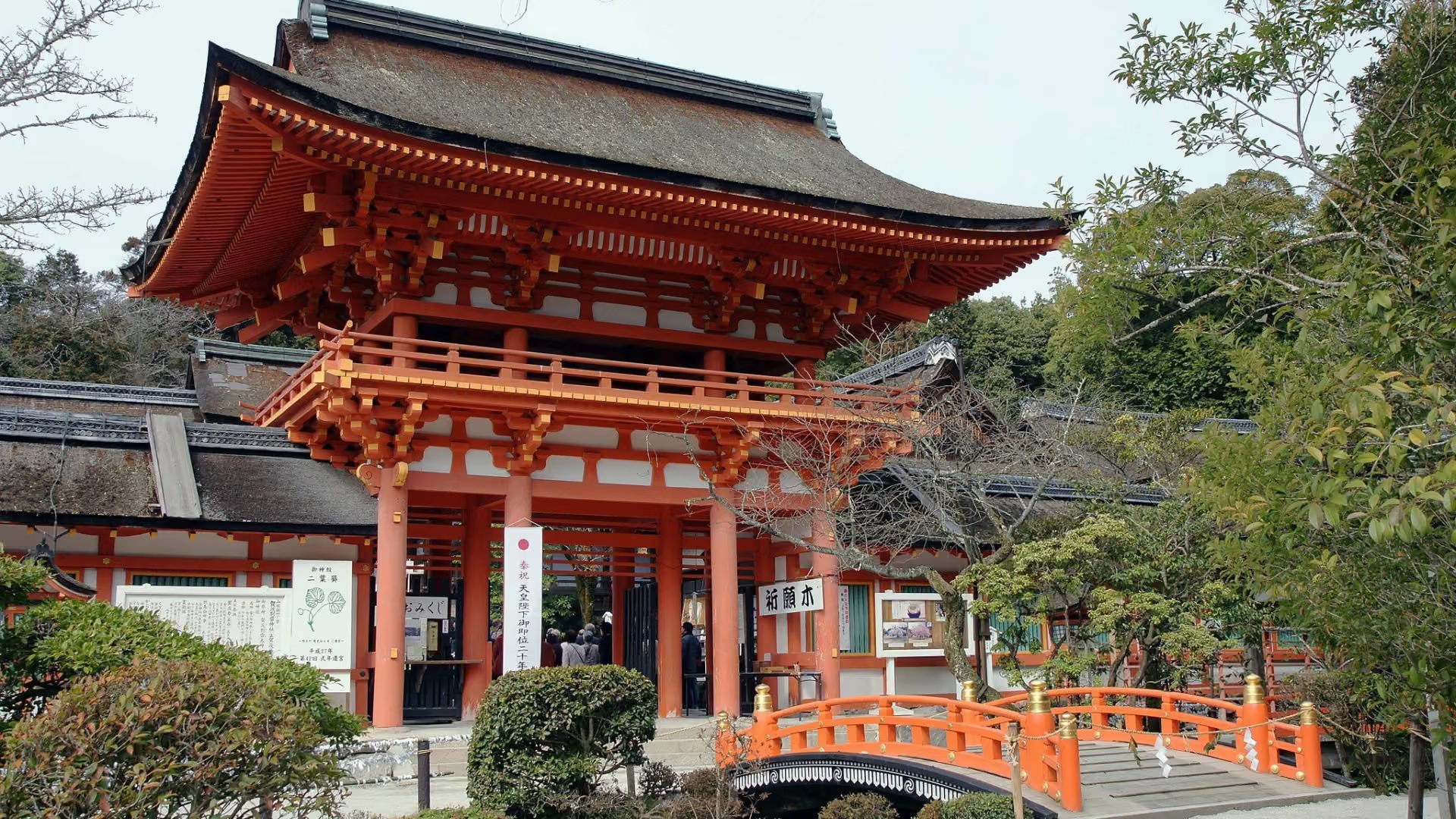
Nikko · TochigiOne of Japan's oldest Shinto shrines, dedicated to the thunder deity and honored since 794 when Kyoto became the imperial capital.
KyotoThis shrine dedicated to fertility and agricultural prosperity enshrines deities rooted in Japan's ancient traditions of harvest blessing and family well-being.
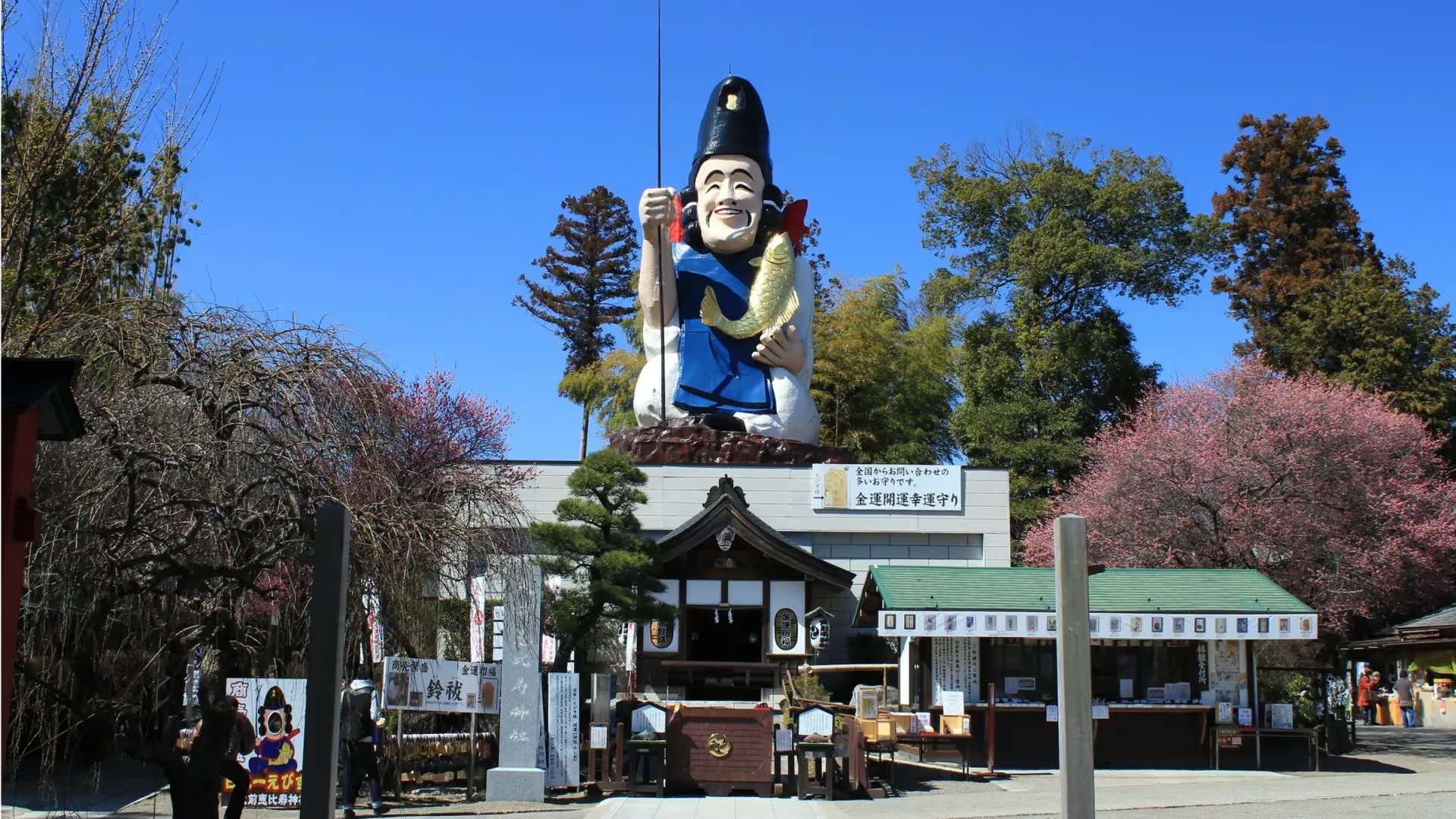
Komaki · AichiRural Tono shrine associated with love and connection, where visitors tie wishes on red cloth strips using only their non-dominant hand.
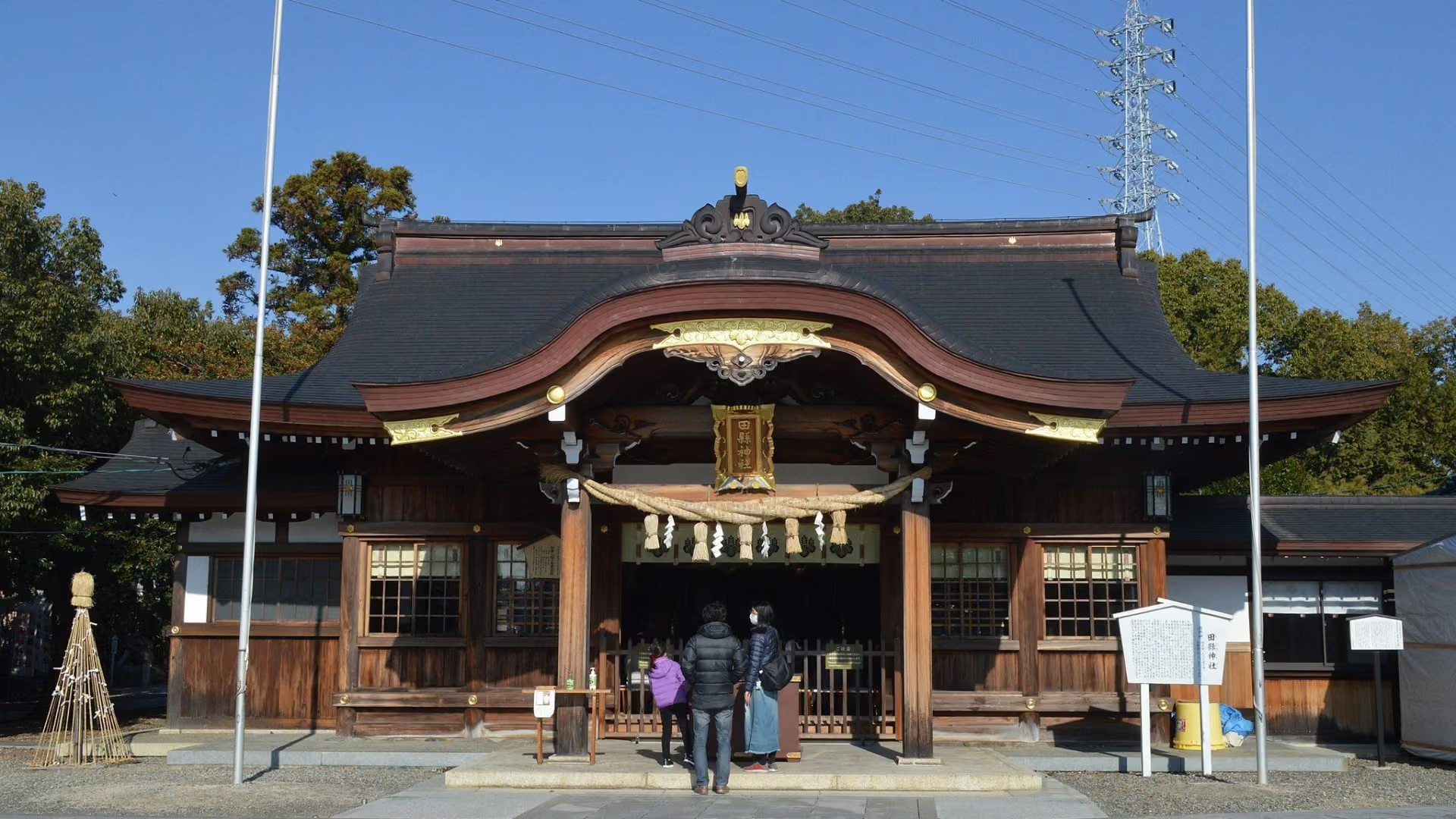
Tono · IwateShinto shrine enshrining two deities of abundance and protection, with a documented history spanning more than 1,500 years.
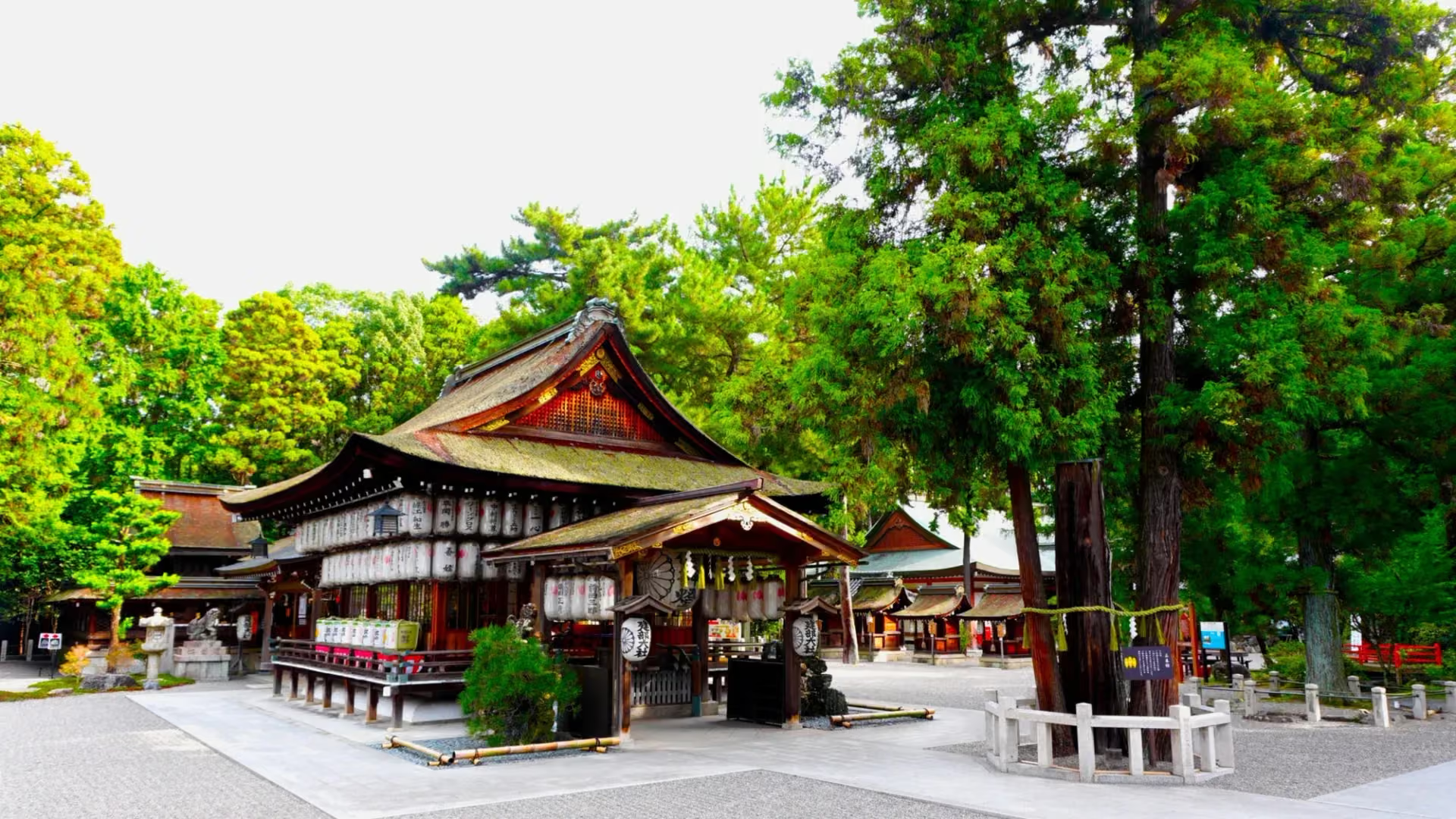
Moka · TochigiTakebe Shrine in Otsu enshrines Yamato Takeru and Onamuchi and served as the principal shrine of the ancient Omi Province.
Otsu · ShigaShrine on the Sendai Castle site honoring over 56,000 spirits of those who died in national service, with a main hall from Ise Grand Shrine.
Sendai · MiyagiShrine honoring Mori Takachika, the last daimyo of Choshu Domain and central figure in the Meiji Restoration.
YamaguchiShrine commemorating Japan's mythical founding, erected on the sacred site where Emperor Jinmu established his palace approximately 2,680 years ago.
Kashihara · Nara